15 Dream Home Library Ideas to Create the Ultimate Cozy Reading Retreat
There is a specific kind of room that booklovers recognize the moment they enter it, and that recognition is immediate, physical, and completely involuntary. The smell of paper and binding. The specific acoustic quality of a room where every wall absorbs sound behind thousands of spines. The warm amber quality of light that serious reading rooms always seem to cultivate regardless of their specific lamp choices or window orientations. The sense of being surrounded by accumulated thought and accumulated time that only rooms filled with books create in their specific and irreplaceable way.
Dream home library ideas speak to something that goes beyond book storage or reading convenience. The home library is the room that most completely communicates the specific intellectual identity and personal aesthetic sensibility of the people who inhabit it, because a library’s contents and character develop through years of deliberate accumulation and arrangement that no professionally decorated room can replicate. These rooms are genuinely personal in a way that living rooms and dining rooms, however beautifully furnished, typically are not.
Home library design ideas have experienced a remarkable cultural moment over the past several years, driven partly by the increased time spent at home, partly by the resurgence of physical books in an era when digital alternatives have proven less satisfying than their initial promise suggested, and partly by the specific aesthetic of intellectual domesticity that platforms celebrating beautiful interiors have elevated to aspirational status. The home library aesthetic has become one of the most desired and most searched residential design directions globally, appearing consistently at the intersection of design quality and genuine personal expression that the most compelling interiors always occupy.
This guide presents 15 dream home library ideas covering every dimension of private library design from architecture and shelving through lighting, furniture, color, and the specific personal touches that transform a room full of books into a genuine reading retreat of extraordinary quality.
Design Floor-to-Ceiling Bookshelves for Maximum Drama
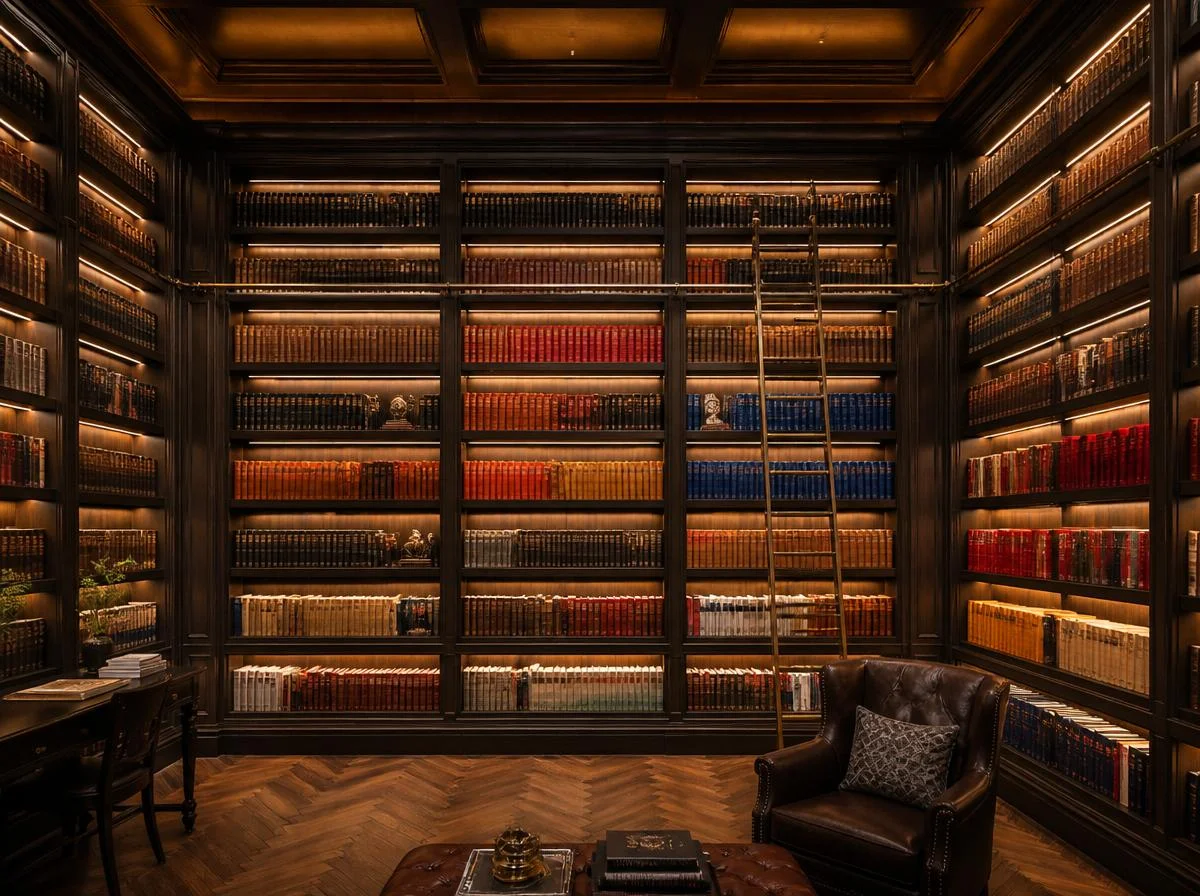
Floor-to-ceiling bookshelves create the single most architecturally dramatic and most definitively library-like visual statement available in home library design, transforming an ordinary room into a genuinely extraordinary space through the sheer visual impact of books occupying every available wall surface from baseboard to cornice in a continuous, uninterrupted vertical sweep of organized intellectual content.
The specific visual power of floor-to-ceiling bookshelves derives from the specific quality of completeness they communicate, with books occupying the wall’s full height creating the impression that the room was designed entirely around the books rather than having books added to a room designed for other purposes. Built-in bookshelves home library installed from floor to ceiling create permanent architectural features that add genuine property value alongside the specific aesthetic contribution that built-in library walls provide, with the investment in quality millwork and precise installation creating features whose quality communicates itself immediately to anyone who enters the room.
Home library shelving ideas for floor-to-ceiling applications must address the practical book access requirements of the installation’s upper sections, with rolling library ladders on ceiling-mounted brass rails providing the most romantically beautiful and most functionally appropriate upper shelf access available for libraries whose shelving extends significantly beyond comfortable standing reach. Home library ladder systems in the rolling format create the most consistently photographed and most aspirationally desired home library element available, combining genuine functional purpose with the specific visual drama of library tradition that makes rolling ladders as much a design feature as a practical tool.
Add a Fireplace for the Ultimate Cozy Library
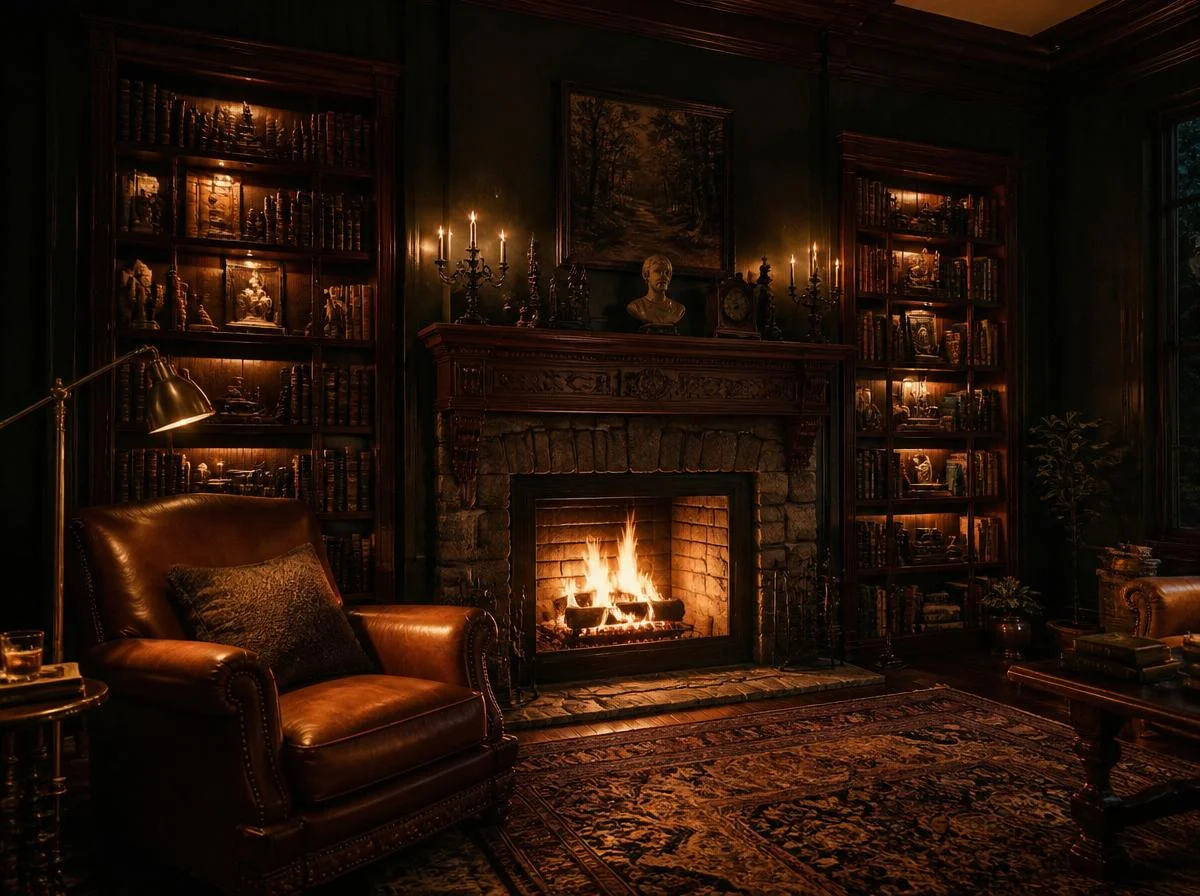
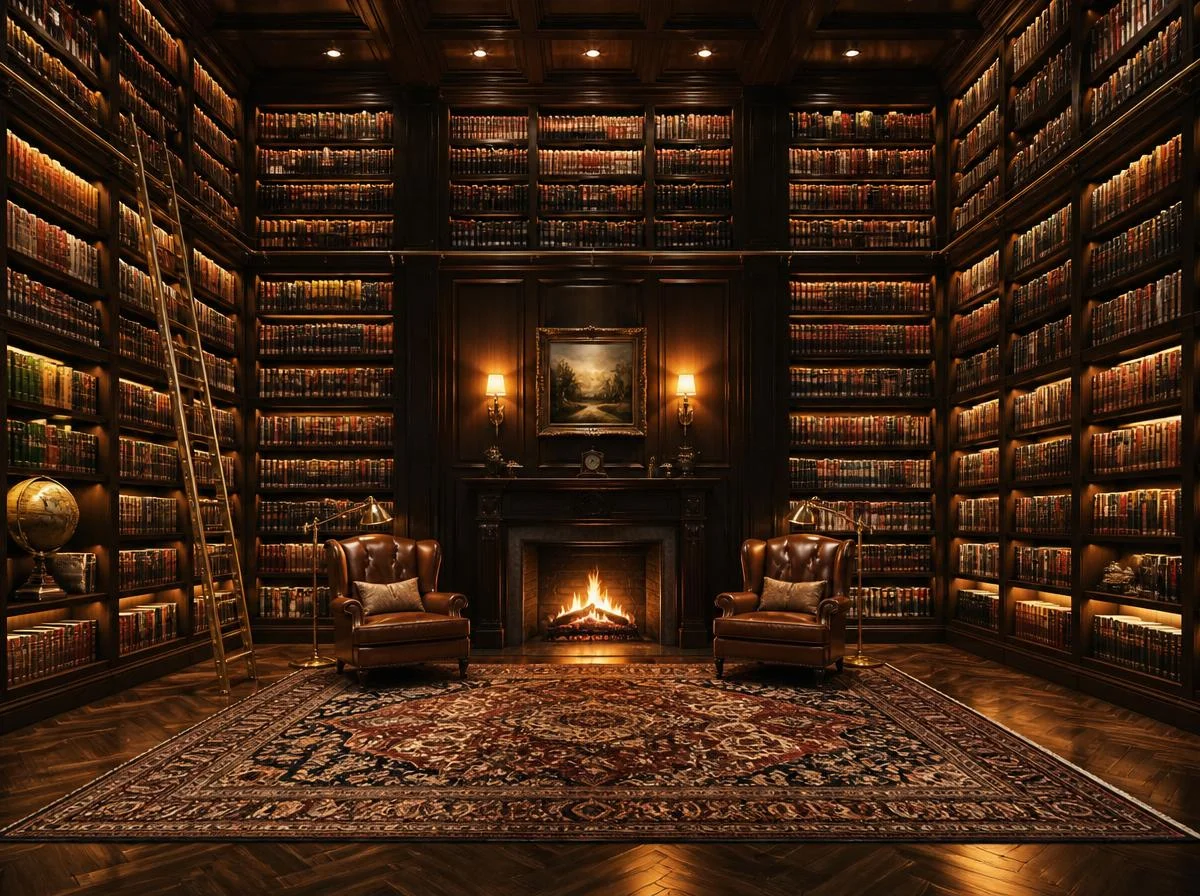
Home library with fireplace design creates the most completely realized and most emotionally resonant home library environment available in residential design, because the combination of books, fire, and a comfortable chair beside a warm hearth represents the platonic ideal of domestic intellectual comfort that the Western residential tradition has celebrated in art, literature, and architectural aspiration for centuries.
The fireplace in a home library with fireplace installation serves multiple simultaneous functions that no other single design element can replicate. It provides genuine heat that makes the library comfortable during cool seasons when reading is most naturally pursued as indoor activity. It provides the specific quality of moving ambient light that no artificial source approaches in the specific way firelight illuminates books on shelves, catches the grain of wood paneling, and creates the animated shadow quality most associated with genuinely atmospheric reading environments. Cozy reading room ideas consistently place the fireplace as the organizing focal point of the complete seating arrangement, with reading chairs positioned in the bilateral symmetry of fireplace-flanking positions that create the most formally beautiful and most functionally ideal relationship between fire and reader.
Home library design ideas for fireplace integration use the mantel as a significant secondary display and design feature, with curated mantel arrangements of meaningful objects, framed artwork, and architectural accessories creating the library’s secondary focal point that complements the books on surrounding walls without competing with them for primary visual attention. Dark academia home library aesthetics particularly benefit from fireplace inclusion because the warm amber of firelight creates the specific quality of illumination most closely associated with the pre-electric reading environments that dark academia’s aesthetic reference points celebrate and romanticize.
Install a Rolling Library Ladder for Classic Elegance
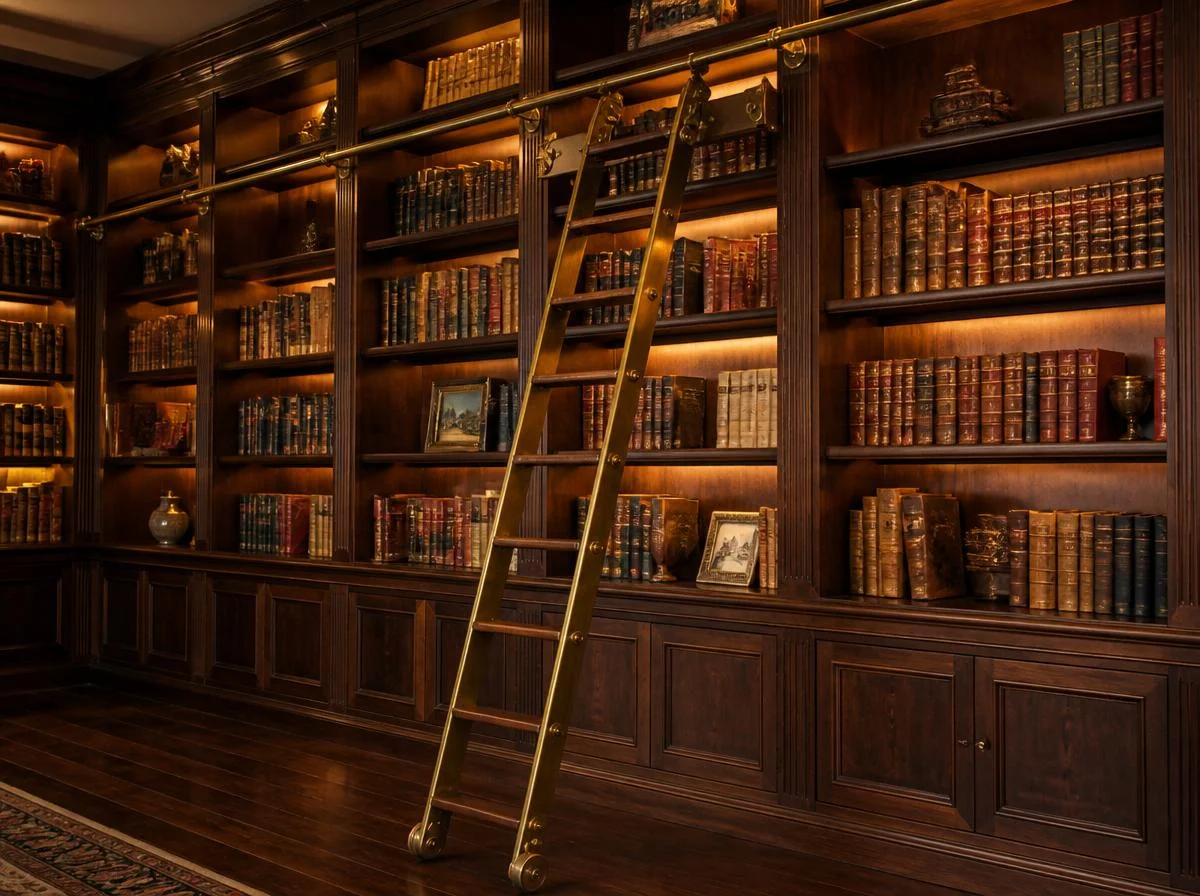
Home library ladder installations transform the practical necessity of upper shelf access into the home library’s single most visually dramatic and most romantically evocative design element, creating the specific library character most associated with the private scholarly libraries of the nineteenth century that represent the historical gold standard of home library design globally.
Home library shelving ideas incorporating rolling ladder systems require specific structural planning that installs a ceiling-mounted brass or steel track rail at the precise height that allows the ladder to provide comfortable upper shelf access while the rolling mechanism allows lateral movement across the complete shelving wall’s length. Home library ladder hardware in aged brass creates the warmest and most historically appropriate metallic character for traditional and dark academia library aesthetics, while matte black hardware suits contemporary and industrial library design directions, and polished chrome or brushed nickel suits modern and Scandinavian library aesthetics.
Floor-to-ceiling bookshelves equipped with rolling ladders create the specific spatial experience of the library as a complete environment rather than a room with bookshelves, because the ladder’s presence communicates that the upper shelves are actively used and organized rather than decorative overflow storage that happens to occupy an elevated position. The rolling library ladder has become one of the most desired individual home design elements available, appearing consistently in aspirational home design content as the single object most associated with the dream of a genuinely serious personal library.
Choose a Dark Academia Color Palette
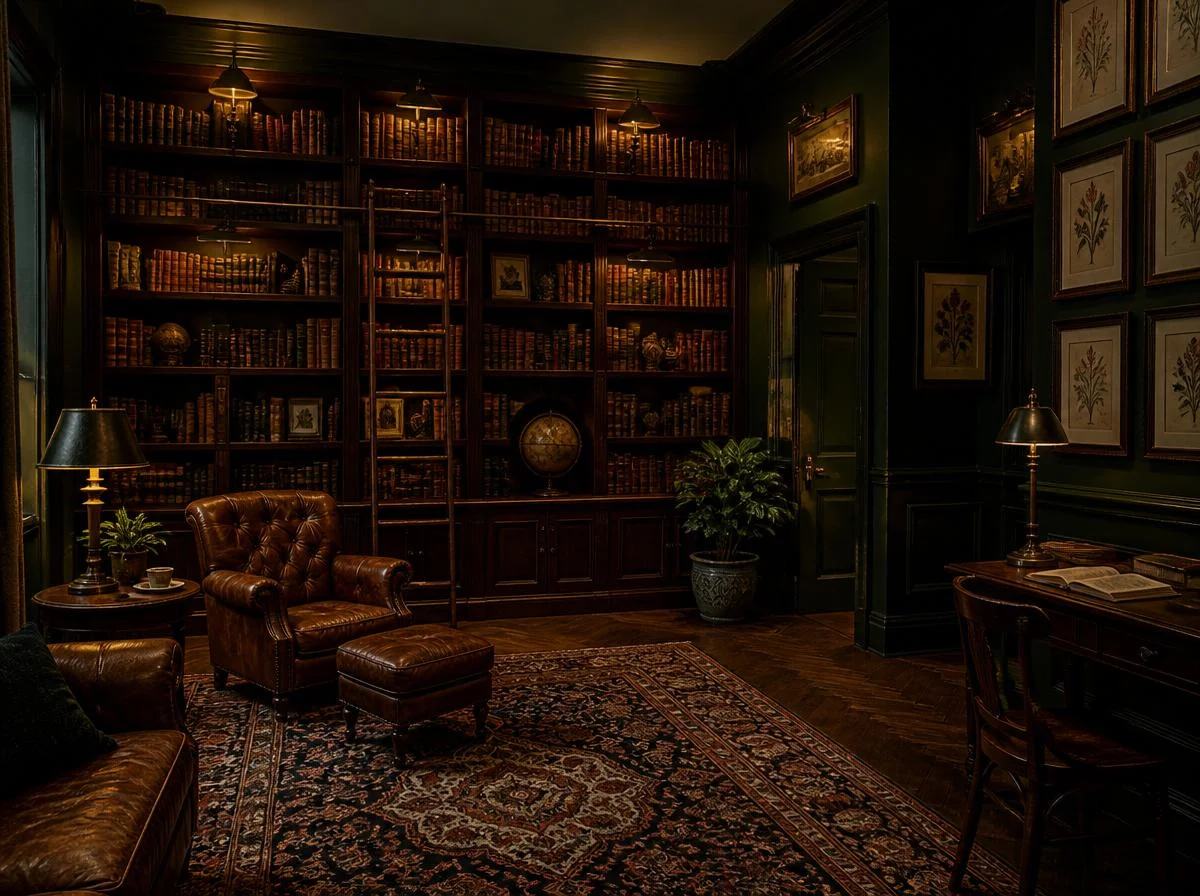
Dark academia home library aesthetic creates the most atmospherically complete and most intellectually evocative home library environment available, drawing from the specific visual vocabulary of old universities, antiquarian bookshops, and the private scholarly libraries of the nineteenth century to create rooms of extraordinary warmth, depth, and accumulated character.
Home library color ideas in the dark academia tradition use deeply saturated and warm dark tones including forest green, deep navy, rich burgundy, warm charcoal, and the specific warm brown most associated with aged wood paneling, leather bindings, and the patinated surfaces of rooms that have developed their character through generations of scholarly occupation rather than recent renovation. Dark academia home library wall colors in deep hunter green with warm wood paneling, dark walnut built-in shelving, and aged brass hardware create the specific material combination most associated with the finest private libraries in English and Scottish country houses that represent the defining reference point for this aesthetic direction.
Home library aesthetic in dark academia interpretation uses specific decorative elements beyond color to reinforce the scholarly atmospheric quality, including antique globes and maps displayed on accessible shelving positions, scientific instruments in aged brass, framed botanical and astronomical prints, leather-bound book collections organized by color or subject, and the accumulated personal objects of genuine intellectual occupation that no amount of purchased-for-display decoration can replicate. Home library color ideas using continuous color from walls through ceiling in the same deep tone creates the most enveloping and most dramatically atmospheric dark academia library environment, eliminating the visual interruption that ceiling color changes create and allowing the dark color to wrap the complete room in its specific tonal warmth.
Create a Cozy Reading Nook Within Your Library
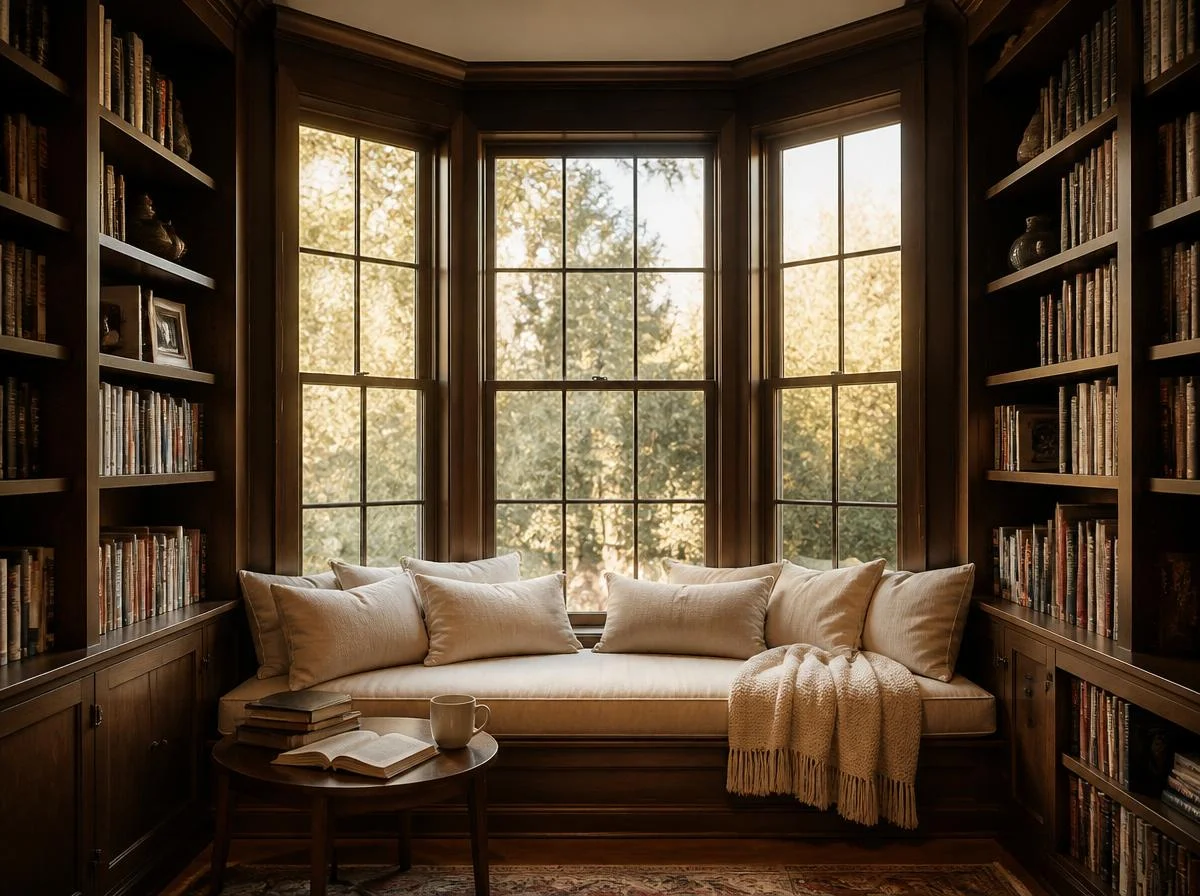
Home library with reading nook design creates the most intimate and most personally indulgent space within the library’s broader architectural environment, establishing a designated retreat within a retreat where the specific pleasures of comfortable seated reading receive the most thoughtful physical accommodation available in domestic space design.
Cozy reading room ideas for dedicated reading nooks within home libraries use the library’s architectural features as natural nook locations, with bay window recesses, alcoves between bookshelf runs, chimney breast flanking positions, and corner positions between perpendicular shelving walls each providing the natural geometric enclosure that creates genuinely intimate nook quality rather than the arbitrary chair placement that most reading positions represent in rooms without deliberate nook design. Home library window seat installations in bay windows create the most naturally luminous and most visually connected reading positions available, combining the natural light quality of window proximity with the enclosed comfort of the seat’s surrounding walls to create reading positions of extraordinary pleasantness that no interior chair position can approach in light quality.
Home library seating ideas for reading nooks prioritize deep physical comfort above aesthetic considerations, because reading nooks are used for sustained periods in a single position where inadequate seat depth, insufficient back support, or arm position that prevents comfortable book holding creates the physical discomfort that interrupts reading concentration regardless of how beautifully the nook has been designed. A genuinely comfortable reading chair in the correct size for the user, with appropriate ottoman or extended seat for leg support during long reading sessions, creates more successful reading nook environments than aesthetically superior but physically inadequate seating.
Design a Two-Story Library for Grand Architectural Drama
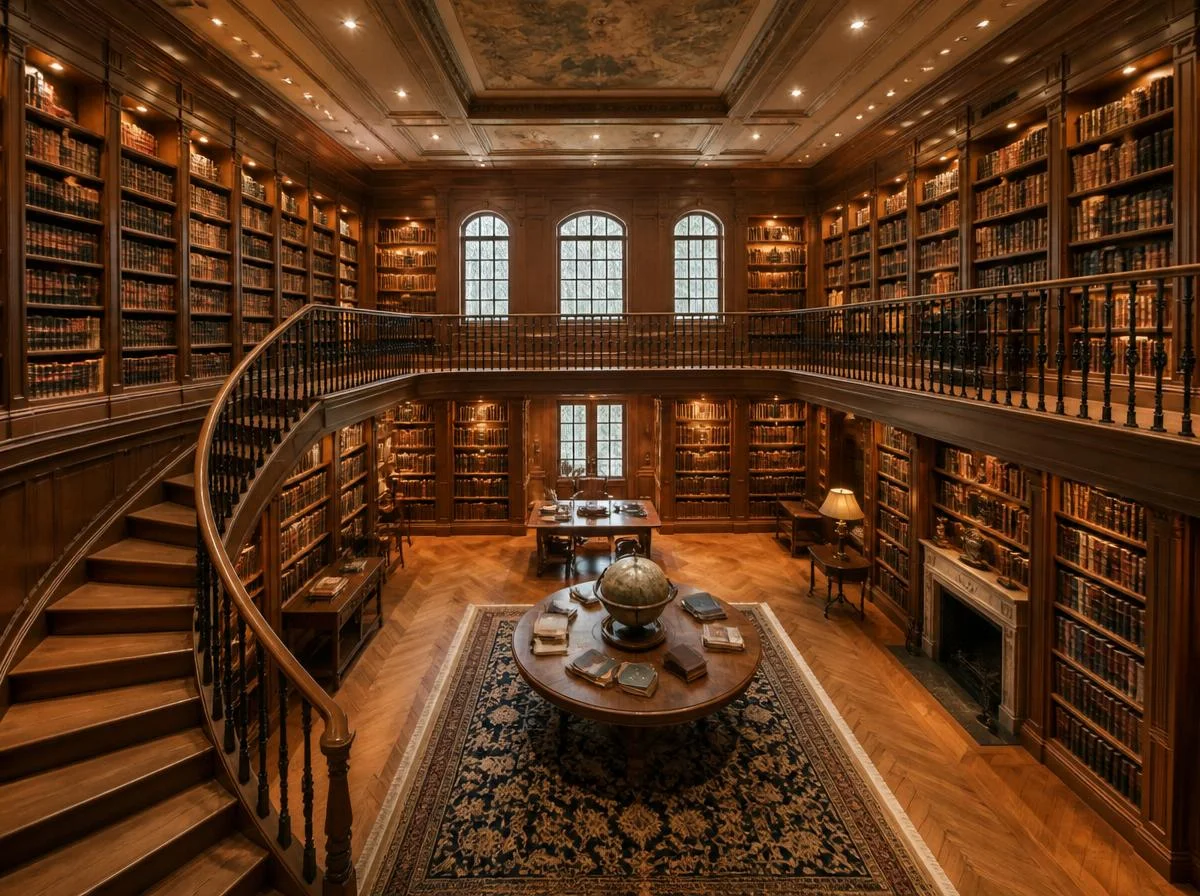
Two-story home library design represents the most architecturally ambitious and most dramatically impressive private library achievement available in residential design, creating spaces of genuine museum or institutional quality through the specific combination of double-height ceiling, perimeter gallery balcony, and the comprehensive visual impact of books occupying two full stories of wall surface in a single unified spatial composition.
Home library design ideas at the two-story scale require the architectural planning and structural engineering investment that double-height spaces impose on residential construction, with the void created by removing the floor between levels requiring appropriate structural support for the gallery balcony and the specific mechanical systems management that tall spaces demand for adequate heating, cooling, and lighting at both floor and gallery levels. Two-story home library designs use the gallery level as secondary reading and display space accessed either by a grand staircase integrated into the library’s architectural composition or by the rolling library ladder system scaled to the two-story installation’s substantially greater height requirements.
Floor-to-ceiling bookshelves in two-story format create the most visually extraordinary book collection display available in residential design, with the double-height wall coverage creating a library of potentially 10,000 to 20,000 volume capacity that communicates genuine scholarly ambition through its sheer physical scale. Home library ceiling ideas in two-story applications create the most significant architectural opportunity in the complete library design, with coffered ceiling treatments, painted decorative programs, or dramatic skylight installations providing the overhead completion that double-height library spaces particularly benefit from given their intimate relationship between the room’s occupants and the ceiling above.
Use a Library Ladder and Balcony for Dramatic Access
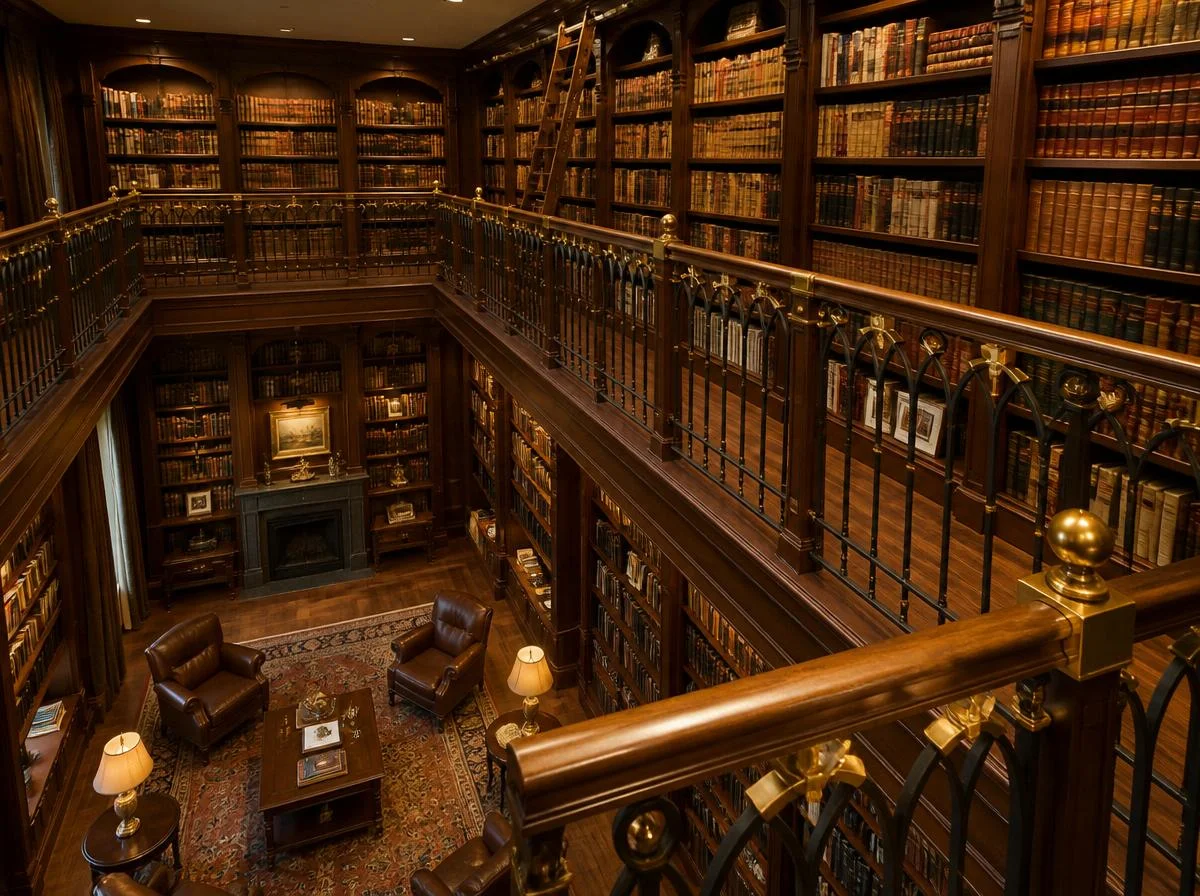
Library balconies with dedicated access systems create the most functionally resolved and most architecturally complete upper book storage environments available in home library design, providing access to upper collections through permanent walkable platforms rather than the ladder-only access that single-story libraries with very high shelving require for upper shelf retrieval.
Home library ladder systems for balcony access use fixed library stairs in elegant wood and metal construction as the most comfortable and most frequently used access option when the balcony level accommodates regular reading and browsing rather than only occasional upper shelf retrieval. Home library shelving ideas at the balcony level often use lower shelf heights that are most comfortable for browsing while standing on the balcony, with the balcony position’s specific relationship to the lower level’s visual composition creating the opportunity for the most dramatically beautiful library arrangements available through the layered depth of books at both floor and gallery levels simultaneously.
Home library design ideas for balcony installations use the railing as a significant design element that contributes substantially to the library’s architectural character, with wrought iron railings creating the most traditional and most European library character, painted wood balusters creating the most broadly appropriate traditional residential railing character, and the specific cable or glass railings most appropriate for contemporary library design directions where traditional railing profiles would appear inconsistent with the clean architectural language of modern library aesthetics.
Light Your Library Like a Luxury Retreat
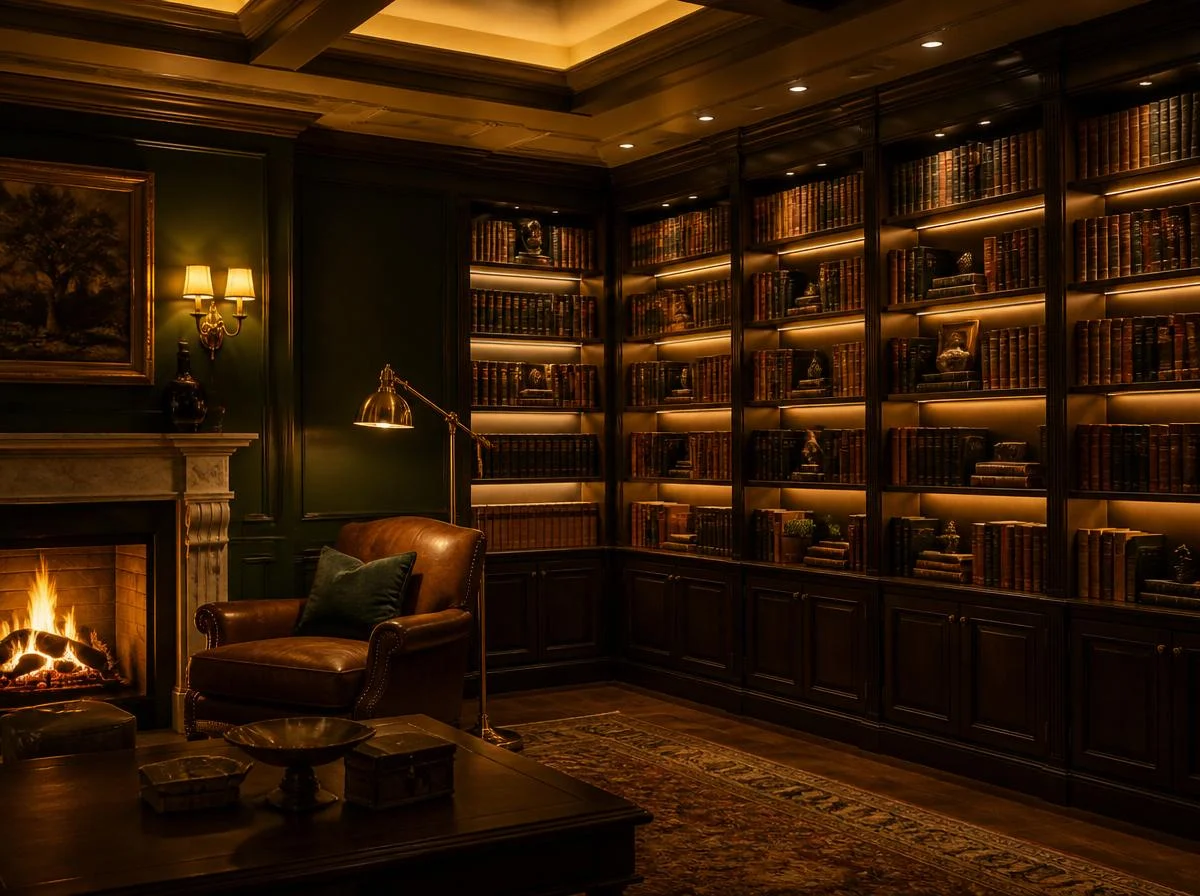
Home library lighting ideas determine the specific atmospheric quality that the library creates throughout different times of day and different use conditions, with the quality and character of light in a reading room being more important to the space’s success as a functional and atmospheric environment than in virtually any other residential room given the sustained close-focus visual demands of extended reading.
Home library lighting ideas for the complete lighting system use layered sources at varied heights to create the dimensional illumination quality most appropriate for book-lined rooms where the shelving creates significant light absorption and shadow that single-source overhead lighting creates in particularly unflattering and poorly-distributed ways. Private home library lighting in the most sophisticated installations uses recessed adjustable spotlights directed at bookshelf surfaces to illuminate book spines and shelf contents from above, creating the gallery-quality book display lighting that communicates the library’s contents as objects of genuine importance and beauty rather than simply stored items awaiting retrieval.
Home library ceiling ideas for lighting integration use coffered and tray ceiling designs that create recessed zones appropriate for integrated LED strip lighting running at ceiling perimeter positions, with the indirect illumination from ceiling cove lighting creating the warm ambient quality most associated with premium library environments in both residential and institutional contexts. Cozy reading room ideas for task lighting use adjustable brass or bronze reading lamps at specific seated reading positions, with the lamp’s specific quality of concentrated warm light directed precisely at the reading surface creating ideal close-focus reading conditions while the lamp’s warm metallic character contributes appropriately to the library’s material palette.
Incorporate a Window Seat for Natural Light Reading
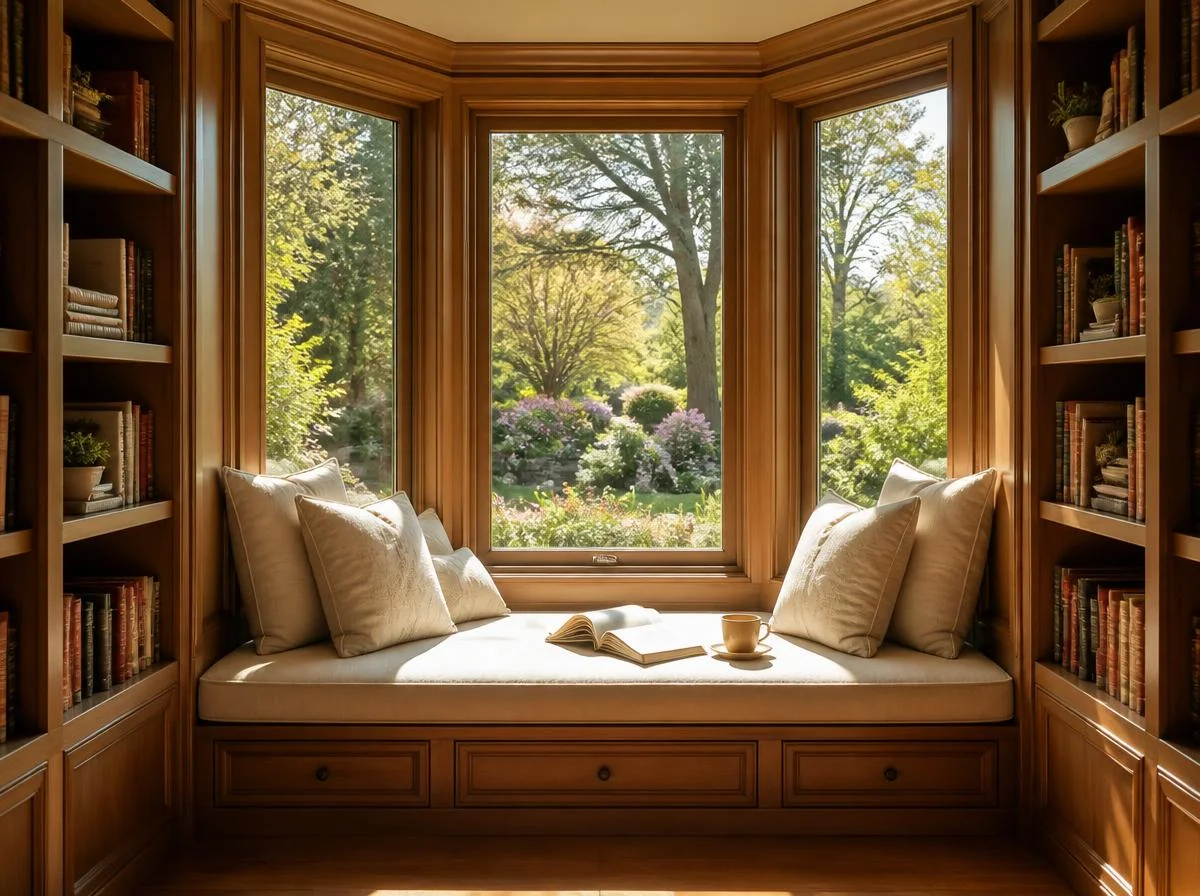
Home library window seat design creates the most naturally illuminated and most spatially efficient reading position available in home library environments, combining the practical benefit of maximum natural light proximity for daytime reading with the psychological pleasure of sitting within the window’s architectural frame with views to the exterior landscape that interior reading positions cannot provide.
Cozy reading room ideas for window seat applications use the bay window as the ideal architectural context, with the bay’s three-sided glazing providing natural light from multiple angles simultaneously while the depth of the bay creates the enclosed seating space that makes window seat reading positions feel genuinely contained and intimate rather than simply exposed at the window’s edge. Home library window seat construction uses the window seat’s seating platform as an opportunity for integrated storage beneath the seat through lift-top or front-access door mechanisms, creating the dual-function seating-and-storage installation that maximizes the utility of the window position within the library’s complete organizational system.
Home library shelving ideas flanking window seat installations extend built-in bookshelves on both sides of the window to meet at the window seat’s edge on both sides, creating the architecturally complete library alcove that surrounds the reading position with books on both lateral sides, natural light above through the window, and the enclosed overhead quality of the alcove’s continuation that creates the most genuinely library-integrated reading nook environment available when bookcases flank the window seat from floor to ceiling on both sides.
Organize Your Books by Color for Visual Impact

Home library organization through deliberate color-based book arrangement creates the most visually sophisticated and most immediately photogenic book display available in home library design, transforming the library’s shelving from organized storage into genuine decorative composition through the conscious application of color theory to book spine arrangement.
Home library aesthetic through color-organized shelving uses the gradual color transition most associated with the rainbow arrangement, moving through warm tones from red and orange through yellow and green through blue and violet in continuous color progression across shelf runs that creates the specific visual effect of book collections as artwork rather than purely information storage. Private home library installations using color organization typically combine the visually satisfying color arrangement with practical organizational needs by maintaining rough subject matter groupings within each color zone, allowing the aesthetic benefit of color organization and the practical benefit of subject location without requiring the complete sacrifice of one organizational principle for the other.
Home library decor through book organization extends beyond color to include the deliberate alternation of vertical and horizontal book stacking, with groups of horizontally stacked books at regular intervals breaking the continuous vertical spine rhythm and creating resting points in the visual composition that allow the eye to pause and appreciate individual sections before continuing along the shelf run. Decorative objects including small sculptures, framed photographs, ceramic vessels, and natural specimens placed at intervals within the horizontal book groupings create the complete styled bookshelf composition most associated with thoughtfully curated home library aesthetics.
Choose the Right Furniture for Ultimate Comfort
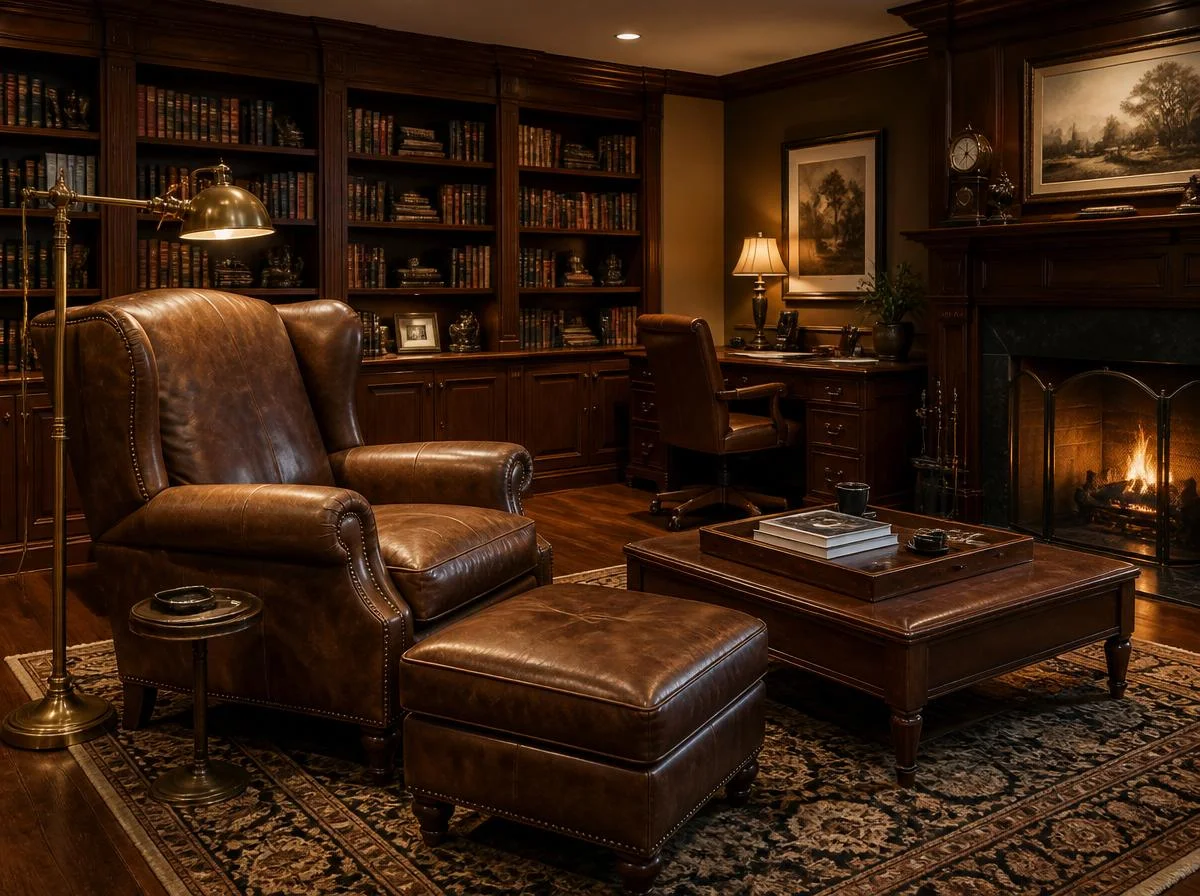
Home library furniture ideas determine whether the library is a room that family members and guests actually inhabit for extended periods or one that is admired from the doorway but rarely sat in for the sustained reading that the room’s design nominally exists to support. The specific comfort quality of library seating is the single most important determinant of how frequently the library is actually used.
Home library seating ideas for the primary reading position use club chairs and wingback chairs in deep-seated upholstered formats that provide genuine physical support through extended reading sessions without the discomfort that more formally profiled furniture creates during the sustained single-position occupation that reading requires. Private home library furniture in aged leather creates the most authentically library-appropriate seating character available, with leather’s specific combination of material quality, longevity, and the specific sensory experience of settling into a well-worn leather chair creating the physical dimension of the home library experience that fabric alternatives approach but do not quite replicate in the same qualitative way.
Home library furniture ideas beyond the primary seating include a substantial writing desk positioned to receive natural light from a nearby window for daytime correspondence and note-making that reading naturally generates, a low coffee table of appropriate scale for the seating arrangement that holds a current reading stack and creates the specific domestic surface most associated with serious reading environments, and the complementary side tables that hold reading lamps, drinks, and the accessories that extended reading sessions require within arm’s reach of each seated position.
Design a Small Home Library That Feels Grand
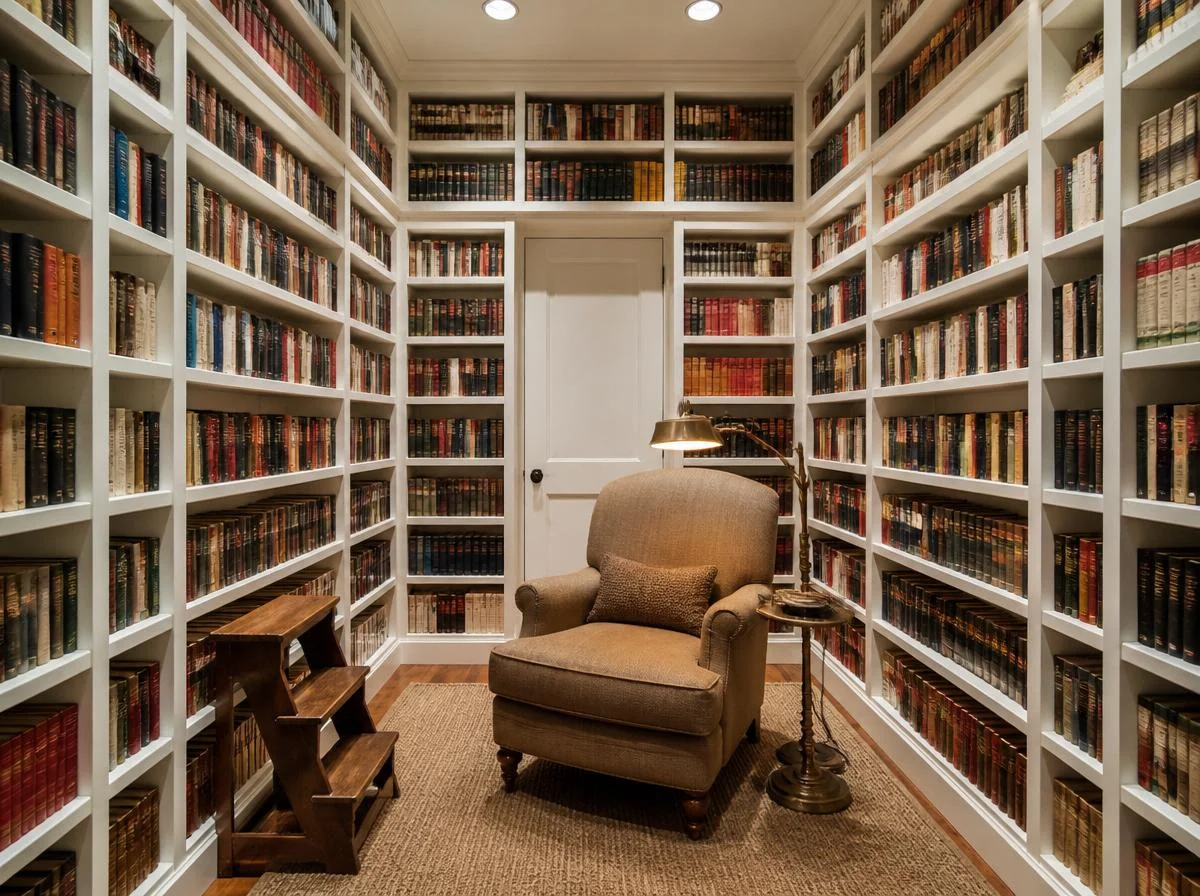
Small home library ideas consistently demonstrate that the essential qualities of a genuinely satisfying personal library experience are achievable within genuinely modest square footage when the design intelligence applied to the limited space is proportional to the ambitious experience it seeks to create within compact dimensions.
Home library design ideas for small spaces use the principle of vertical expansion through floor-to-ceiling shelving that exploits the room’s complete wall height regardless of limited floor area, creating library volume through vertical dimension that the floor’s limited square footage cannot provide. A small room of 100 to 150 square feet lined entirely in floor-to-ceiling built-in bookshelves creates the genuine library immersion quality of rooms three times larger in floor area because the books’ presence on all sides creates the surrounded-by-books quality that defines genuine library character regardless of the room’s actual dimensions.
Small home library ideas using pocket doors or concealed sliding door systems to create privacy separation from adjacent spaces without the floor area consumption of swing-door clearance zones maximize the available functional floor area that the library’s seating and circulation requirements demand. Home library shelving ideas for small libraries use the space above doorways for additional shelving continuity, preventing the common visual interruption of doorway openings from disrupting the continuous wall-to-wall shelving composition that creates maximum library immersion in compact spaces.
Build a Home Office Library Combination
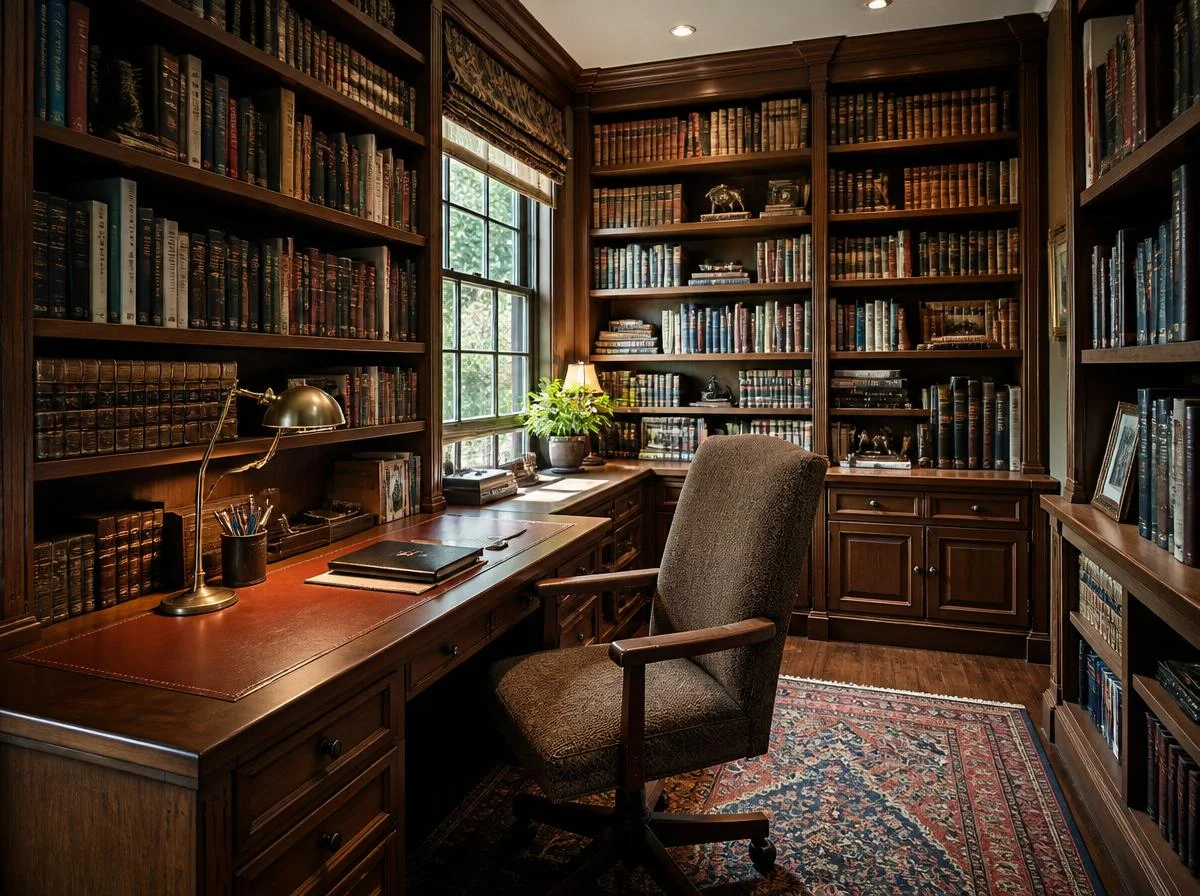
Home office library combo design creates the most intellectually productive and most personally satisfying working environment available in residential design, combining the focused working capability of a dedicated home office with the specific intellectual context and atmospheric quality of a genuine book-lined library that no generic home office environment approaches in its ability to inspire serious intellectual work.
Home library design ideas for office combination use the library’s complete book collection as the functional research resource that makes it a working library rather than simply a decorative reading room, positioning the desk within the library’s shelving in the most accessible relationship to the reference materials and research collections that the specific work the office supports requires. Private home library combined with home office function uses built-in desk systems integrated into the shelving architecture as the most space-efficient and most architecturally resolved desk position available, with the desk surface built directly into the shelving composition at an appropriate height and depth that creates working capability without consuming floor area that freestanding furniture alternatives would require.
Home library shelving ideas for office combination organize the shelving into specific functional zones, with reference books and frequently consulted materials at desk-adjacent positions for immediate access during working sessions, personal reading collections at comfortable browsing positions near seating areas, and archival and infrequently accessed materials at upper positions where retrieval requires ladder or step access but whose less frequent need makes this access requirement less practically significant than the prime position occupation of more frequently needed materials.
Incorporate Warm Lighting and Ambiance for Evening Reading
Evening reading in a well-designed home library represents the specific domestic pleasure that the most design-conscious households identify as one of their most genuinely valued daily experiences, and the specific quality of lighting that makes this experience possible requires thoughtful design attention that goes significantly beyond providing adequate functional illumination for close-focus reading tasks.
Home library lighting ideas for evening reading use warm amber light sources in the 2700 Kelvin range exclusively, because this specific color temperature creates the most flattering and most atmospherically appropriate light quality for the library environment while providing adequate reading illumination without the clinical harshness that cooler color temperatures impose on intimate domestic settings. Cozy reading room ideas for evening atmosphere use candlelight alongside electric reading lamps to create the specific layered warm light quality that genuine atmospheric reading environments develop, with candles on the mantel, beside the reading chair, and on the writing desk each contributing to the warm ambient layer that electric task lighting alone cannot create regardless of its color temperature.
Home library aesthetic in evening conditions benefits from dimmer control on every lighting circuit that allows the room’s illumination to transition smoothly from the brighter levels appropriate for browsing and book selection through the intermediate levels appropriate for casual conversation around the fireplace through the intimate levels appropriate for sustained single-book reading in a comfortable chair. The ability to modulate light intensity continuously across this complete range transforms the library’s experienced character from a single static environment into a room whose atmospheric quality responds to the specific activity and mood of the moment.
Add Vintage and Antique Elements for Character
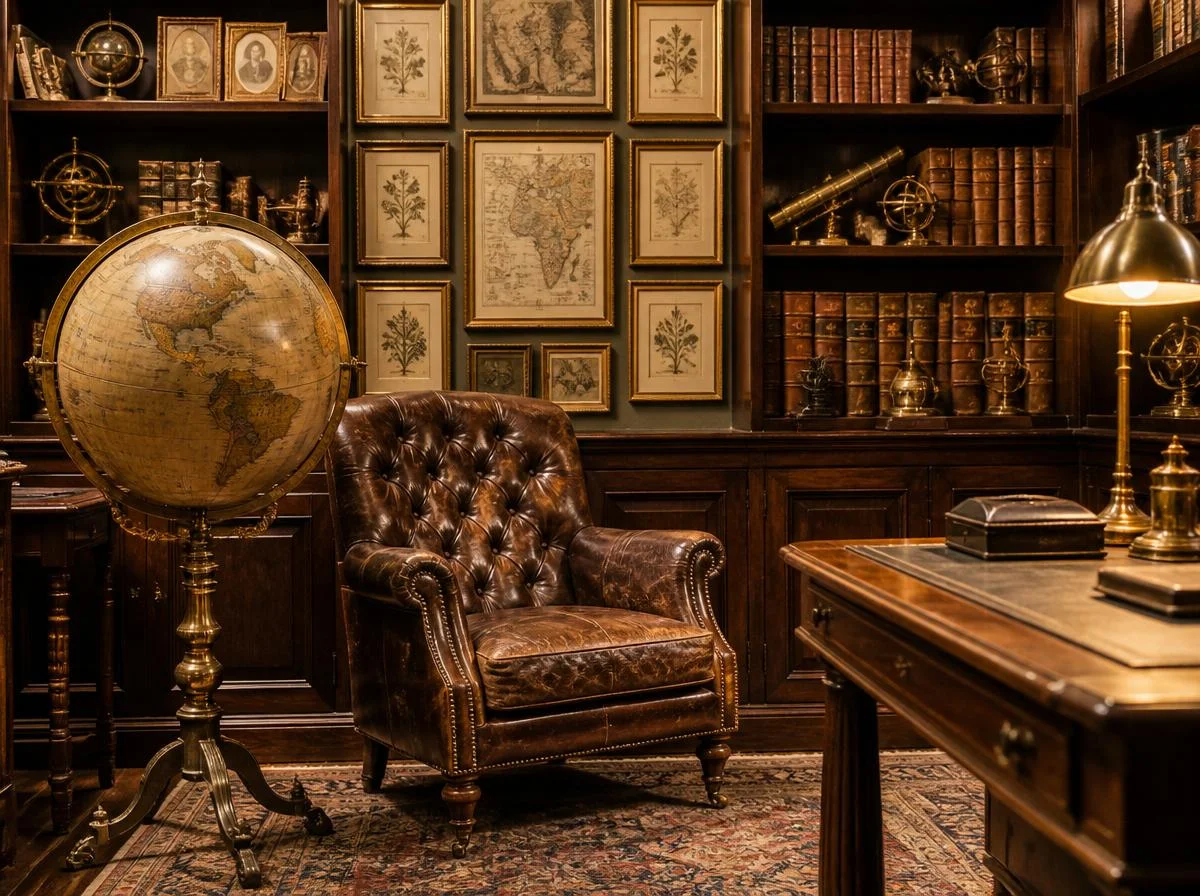
Vintage home library design creates the most genuinely characterful and most personally distinctive home library environment available, using authentic aged objects, genuine period furniture, and the specific material patina of objects that have developed their character through actual historical use to create library spaces of irreplaceable individual quality.
Home library decor incorporating genuine antique elements uses the library’s naturally accommodating context for aged objects to create the most organic and most historically resonant design environment available in residential interiors, because books themselves are objects with historical associations that make antique and vintage furnishings feel more genuinely appropriate in library contexts than in almost any other domestic room. Dark academia home library aesthetic particularly benefits from vintage and antique element incorporation because the aesthetic’s historical reference points are authentically served by genuine period objects rather than contemporary reproductions however skillfully executed.
Private home library with vintage elements uses antique globes and terrestrial sphere reproductions, aged scientific and navigational instruments in brass, framed antique maps of treasured locations, period portrait miniatures and cabinet photographs, antique letter writing sets and desk accessories, and the specific accumulated objects of genuine collecting interest that distinguish personally meaningful vintage libraries from rooms decorated with purchased-for-effect reproduction antiques.
Create a Secret Door Bookshelf for Hidden Charm
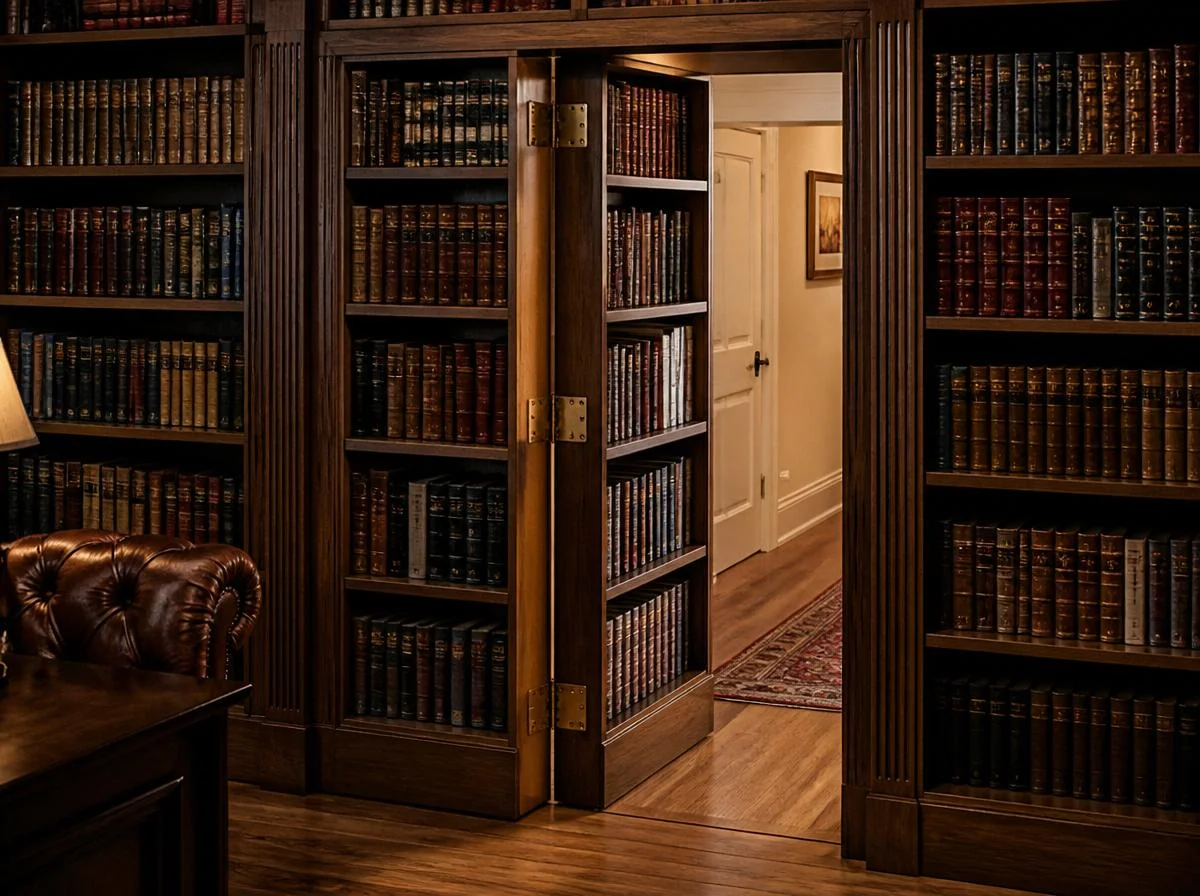
Secret door bookshelves create the single most narratively compelling and most playfully imaginative home library design feature available, transforming a functional door concealed behind a section of bookshelves into the kind of architectural secret that speaks to the specific fantasy of private scholarly spaces with hidden passageways that literary tradition has celebrated from childhood stories through adult fiction.
Home library design ideas incorporating hidden door mechanisms use pivot-mounted bookshelf sections that swing open to reveal concealed doorways to adjacent rooms, with the flush integration of the pivot bookshelf into the surrounding fixed shelving creating the visual continuity that makes the hidden door genuinely undetectable when closed. Home library shelving ideas for concealed door sections use identical shelf depth, identical shelf spacing, and identical book arrangement style as the surrounding fixed shelving to create the complete visual continuity that makes the hidden section indistinguishable from the structural shelving surrounding it.
Dream home library ideas incorporating secret doors use these architectural features to connect the library to master suites, home offices, or other private spaces whose access through the library creates the specific quality of domestic privacy and personal sanctuary most associated with the finest private country house libraries whose architecture was specifically designed to create the most complete withdrawal from household public life that private residential architecture can achieve.
Conclusion
The dream home library that becomes the most beloved room in the house is never simply a room full of books, however impressive its collection or however beautiful its architectural shelving. It is a room that was designed with genuine understanding of the specific pleasures that reading, thinking, and the company of books create for the person who inhabits it, and whose every design decision serves those specific pleasures rather than abstract principles of general interior design excellence.
The 15 home library design ideas explored throughout this guide collectively demonstrate that the essential qualities of a genuinely extraordinary reading retreat are accessible across every residential scale and every available budget when the design thinking is appropriately focused on the specific human experience of inhabiting books rather than the institutional logic of book storage. The small library lined entirely in floor-to-ceiling built-ins creates the same surrounded-by-books quality as the two-story grand library at a fraction of its construction cost, because the quality of library experience is determined by the relationship between reader and books rather than by the room’s architectural grandeur.
Begin with the element from this guide that most directly addresses your specific library aspiration, whether that is the rolling ladder on brass rails that makes your floor-to-ceiling shelving genuinely accessible, the fireplace that transforms an adequate reading room into the cozy retreat you have always imagined, or the window seat that creates the natural light reading position where you know the morning reading hours will be genuinely extraordinary. Build from that foundational element toward the complete personal library that your reading life genuinely deserves.
Frequently Asked Questions
How much does it cost to build a home library?
Home library design ideas range dramatically in construction cost based on scope and quality. Basic DIY shelving installations using prefabricated units cost 2,000 to 8,000 dollars for a complete small room. Built-in bookshelves home library in custom millwork construction typically cost 10,000 to 40,000 dollars for a complete room depending on ceiling height, wood species, and detail complexity. Two-story library additions with rolling ladders and architectural details reach 60,000 to 200,000 dollars or more for genuinely extraordinary installations.
Home library color ideas in dark saturated tones create the most atmospheric and most genuinely library-appropriate environments. Forest green, deep navy, rich burgundy, and warm charcoal each create the enveloping warmth most associated with private scholarly libraries in their finest historical examples. Dark academia home library aesthetics consistently use deep green with warm wood tones as their most successful color combination. Lighter colors in warm cream and aged white suit Scandinavian and contemporary library aesthetics where the mood prioritizes lightness over drama.
What is the best lighting for a home library?
Home library lighting ideas prioritize warm amber light sources in 2700 Kelvin color temperature for all fixtures including overhead ambient, task reading lamps, and accent lighting. Cozy reading room ideas for lighting use layered sources at varied heights rather than single overhead fixtures, with adjustable reading lamps providing task-specific illumination beside each primary reading position. Dimmer switches on every circuit allow the atmospheric quality to transition from bright browsing conditions through intimate evening reading environments.
How do I organize books in a home library?
Home library organization most successfully uses subject matter grouping as the foundational system that maintains reference usability while allowing aesthetic refinement through color arrangement within subject categories. Home library decor through deliberate book arrangement alternates vertical stacking with horizontal groupings at regular intervals and incorporates decorative objects between book sections to create visually compelling shelf compositions that reward sustained attention while maintaining practical retrieval organization.
Can a small room become a home library?
Absolutely. Small home library ideas using floor-to-ceiling built-in shelving on all available wall surfaces, pocket doors that maximize usable floor area, and a single deeply comfortable reading chair with appropriate lighting create genuine library immersion quality in rooms as compact as 80 to 120 square feet. The surrounded-by-books quality that defines the library experience is a function of book presence relative to floor area rather than absolute room size, making small dedicated library rooms frequently more successful in their specific library character than larger multipurpose rooms with some bookshelves.
You May Also Like This Post:
17 Modern Bathroom Design Ideas for a Stylish and Luxurious Space