
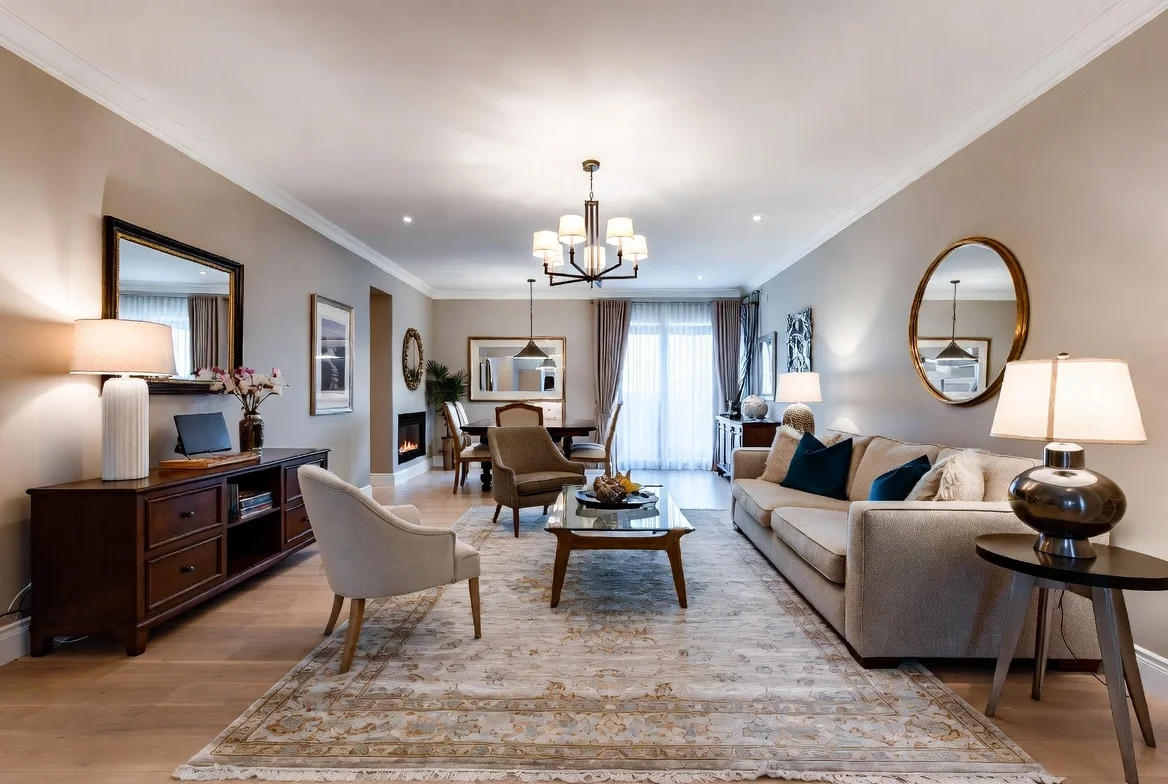
20+ Popular Interior Design Styles: Your Complete Home Decor Guide
Your home deserves more than random furniture purchases and haphazard color choices, yet most people struggle to identify their true design aesthetic amid countless Pinterest boards and conflicting advice from friends and family. Research from environmental psychology confirms that living in spaces aligned with your authentic style preferences reduces stress by up to 35 percent while increasing overall satisfaction with your environment. The disconnect between wanting beautifully designed spaces and achieving them stems from not understanding the fundamental interior design styles that can guide cohesive, intentional decisions.
The truth is that exceptional home decor begins with understanding which design movements resonate with your lifestyle, personality, and practical needs. The most successful interiors don’t randomly mix trends but instead embrace specific aesthetic frameworks whether modern minimalism, traditional elegance, or eclectic fusion. Interior designers emphasize that knowing your style eliminates decision paralysis while ensuring every purchase supports your overall vision rather than creating visual chaos.
This comprehensive guide presents over 20 popular interior design styles, from timeless classics to emerging trends, helping you identify which aesthetic direction suits your space and sensibility. From foundational understanding of modern versus contemporary to exploring niche styles like Japandi or cottagecore, these insights will transform how you approach home decorating forever.
Modern Interior Design
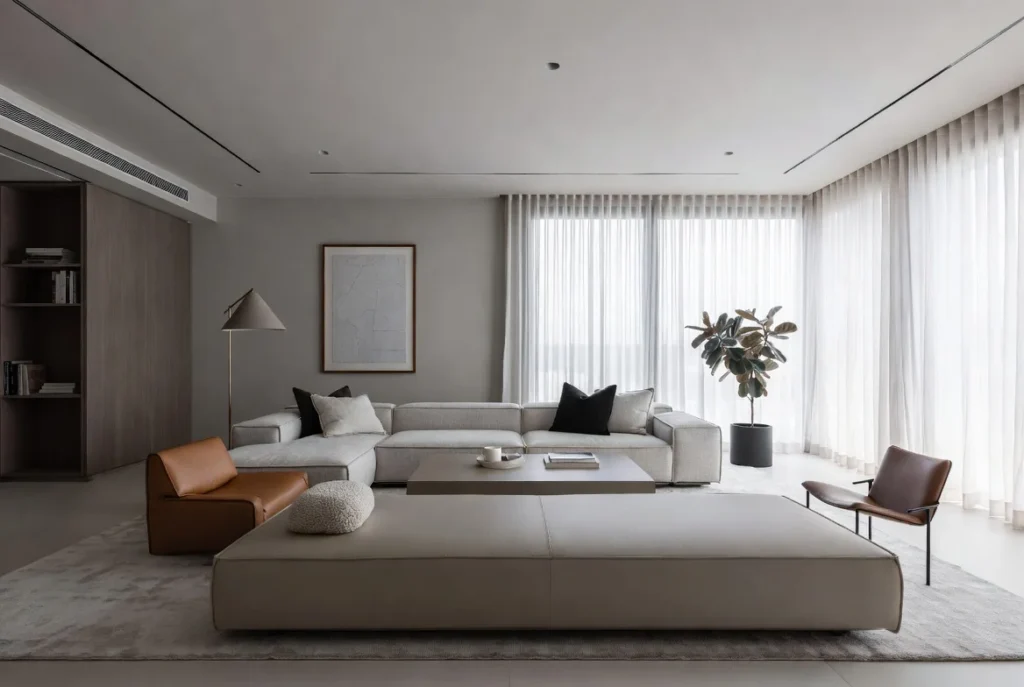
Modern design emerged in the early to mid-20th century, emphasizing clean lines, functional simplicity, and uncluttered spaces. This aesthetic rejects ornate decoration in favor of minimalist furniture, neutral color palettes, and natural materials like wood, leather, and stone. Modern interiors feature open floor plans, geometric shapes, and purposeful negative space allowing rooms to breathe. The style celebrates form following function with every element serving genuine purpose rather than mere decoration.
Contemporary Interior Design
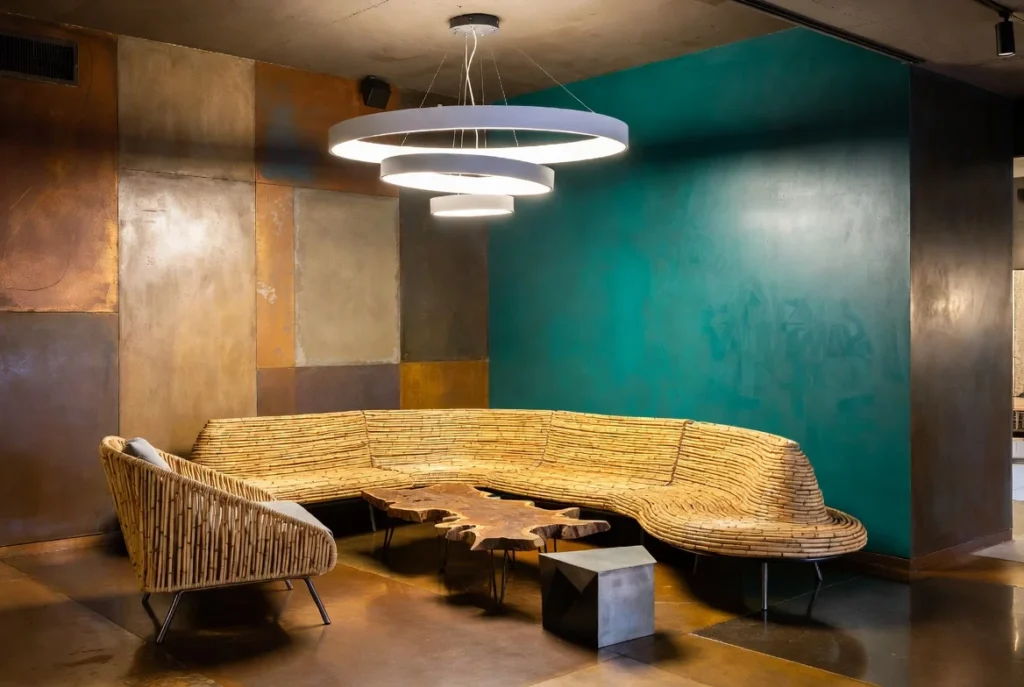
Often confused with modern, contemporary design represents current trends evolving with time. Today’s contemporary style incorporates curved furniture, sustainable materials, and layered textures while maintaining the clean aesthetic modern established. Contemporary interiors embrace bold accent colors, statement lighting, and mixed materials creating dynamic spaces that feel fresh and current. This flexible style adapts to emerging design innovations making it perpetually relevant.
Traditional Interior Design
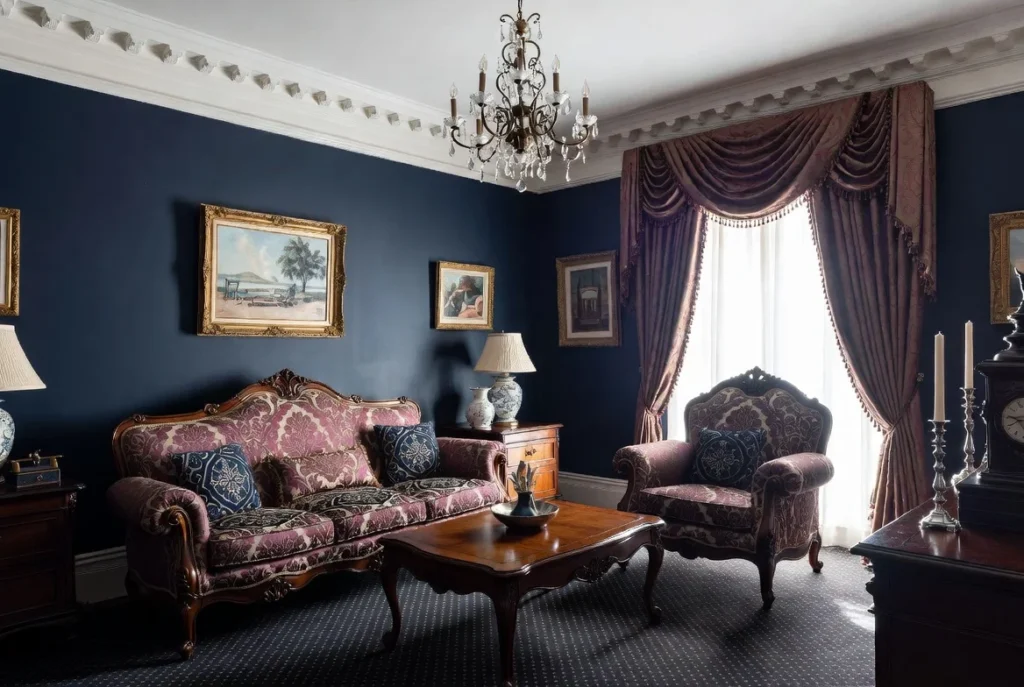
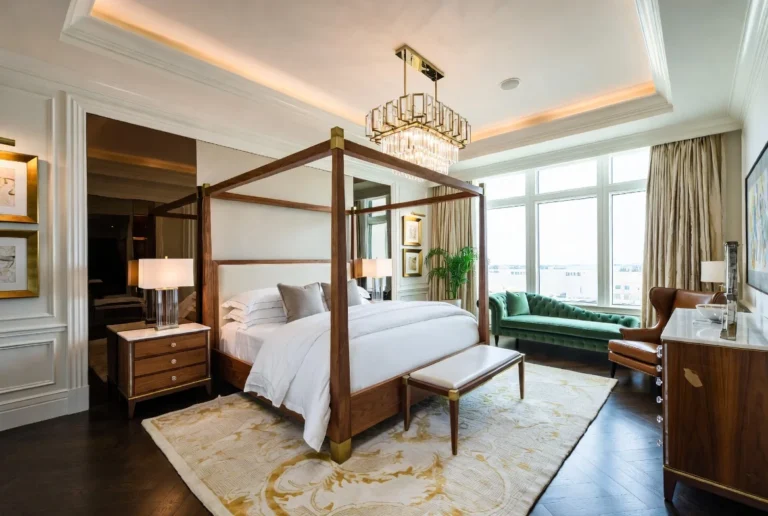
Traditional style draws from 18th and 19th century European design principles, emphasizing symmetry, rich colors, and ornate details. These classic interiors feature dark wood furniture, luxurious fabrics like velvet and silk, elaborate molding, and formal arrangements. Traditional spaces incorporate antique pieces, damask patterns, and crystal chandeliers creating warm, sophisticated atmospheres. The style honors craftsmanship and timeless elegance over trendy elements.
Transitional Interior Design
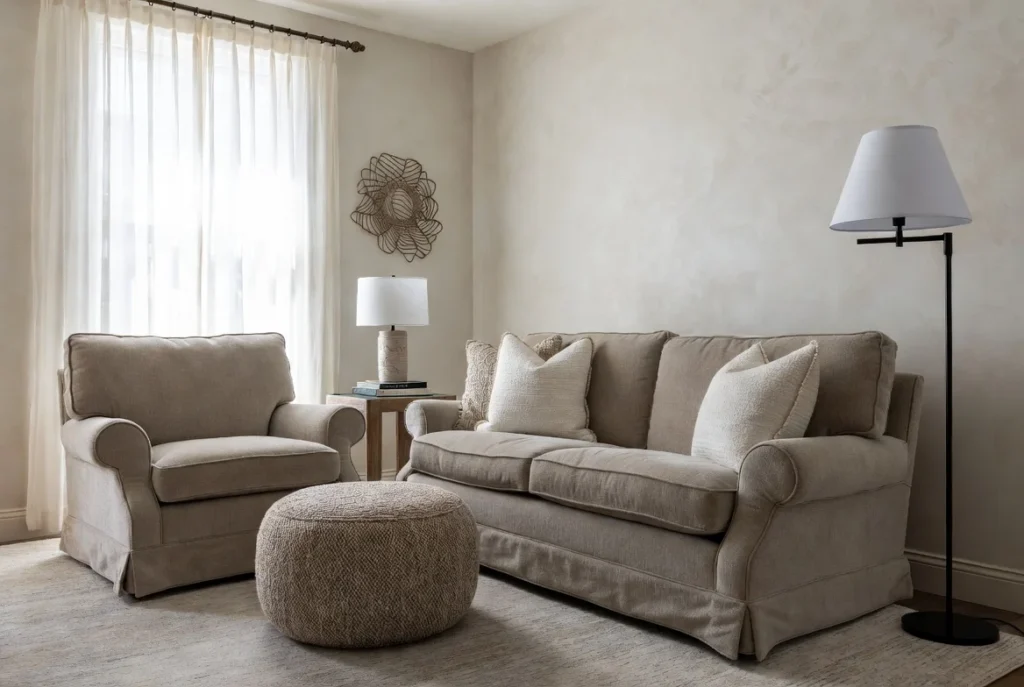
Transitional design beautifully balances traditional comfort with contemporary simplicity, creating versatile spaces suiting various preferences. This popular style combines classic furniture silhouettes with modern fabrics, neutral palettes with textural interest, and formal elements with relaxed arrangements. Transitional interiors prove particularly appealing to those wanting timeless elegance without feeling dated or overly formal.
Minimalist Interior Design
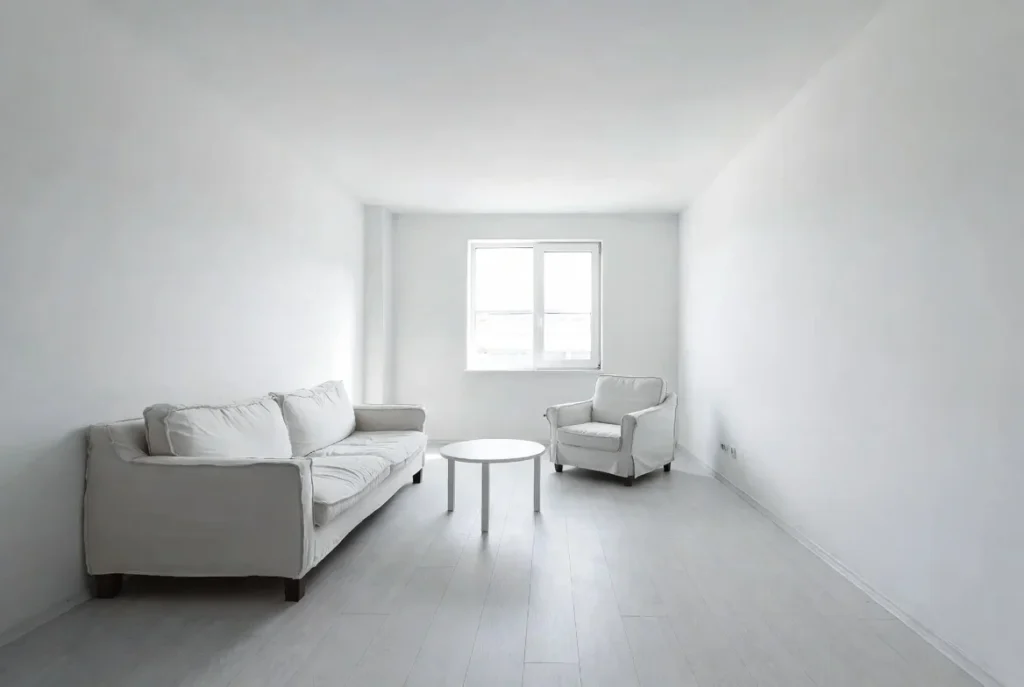
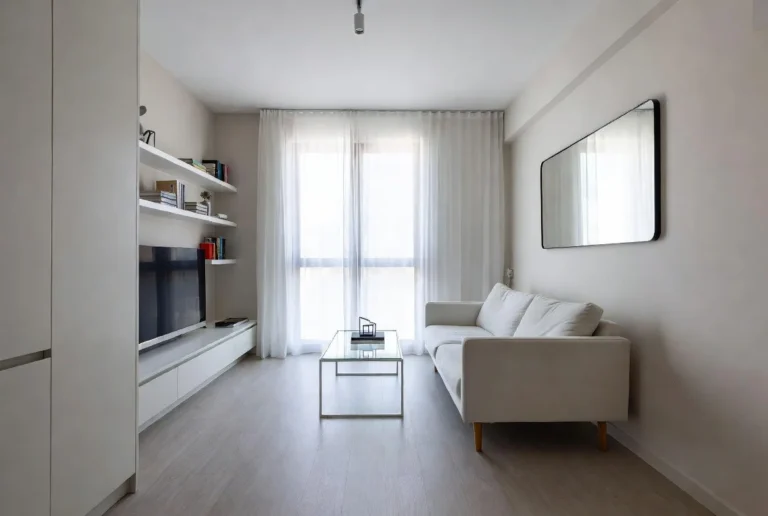
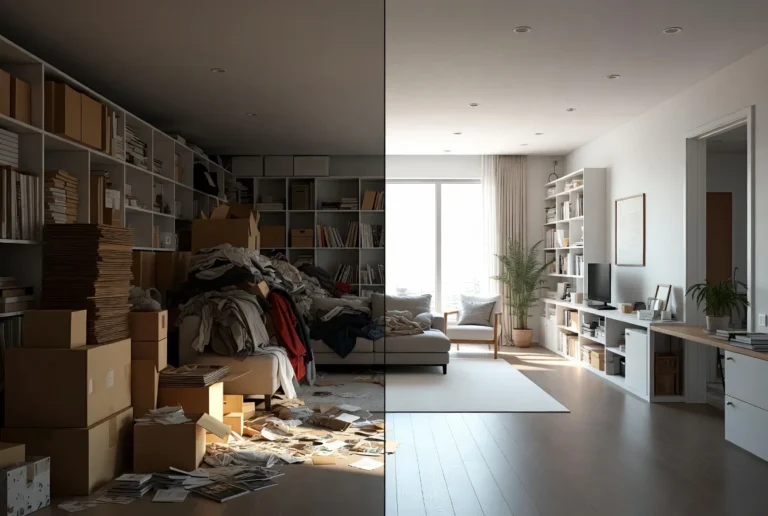
Minimalist aesthetics embrace “less is more” philosophy through decluttered spaces, monochromatic palettes, and essential furniture only. This design approach prioritizes functionality, quality over quantity, and intentional negative space creating serene environments. Minimalist interiors feature hidden storage, simple color schemes, and clean surfaces free from excessive decoration. The style promotes mental clarity and peaceful living through visual simplicity.
Mid-Century Modern Design
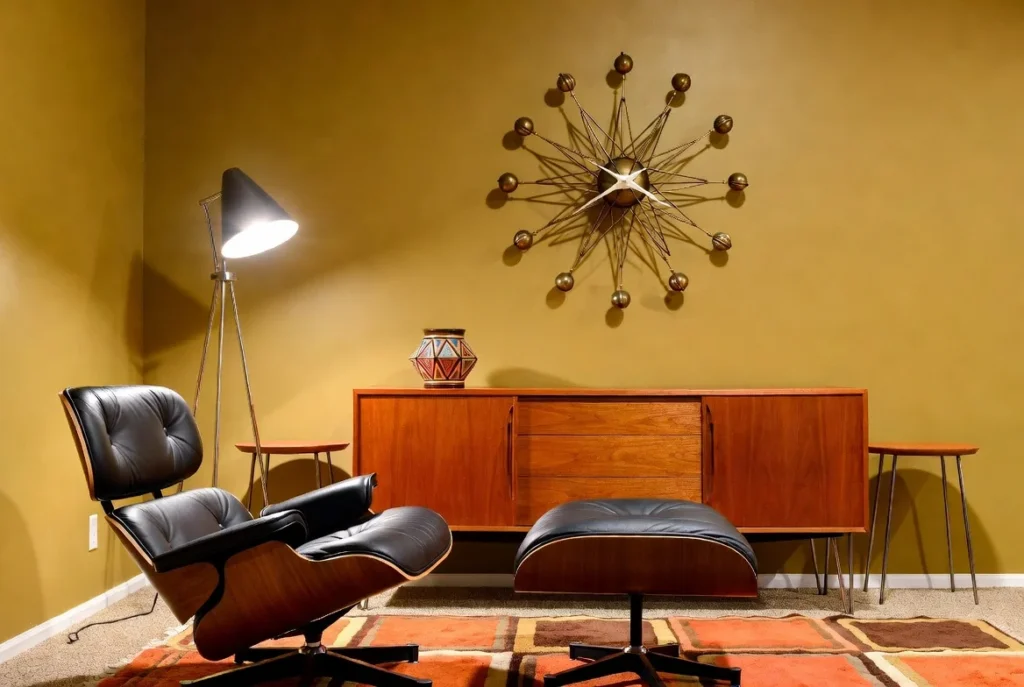
Mid-century modern originated in post-war America (1950s-1960s), celebrating organic shapes, tapered furniture legs, and seamless indoor-outdoor connection. This iconic style features Eames chairs, teak credenzas, starburst clocks, and geometric patterns in bold colors like orange, turquoise, and mustard. Mid-century interiors combine functional design with artistic elements creating spaces feeling both nostalgic and contemporary.
Industrial Interior Design
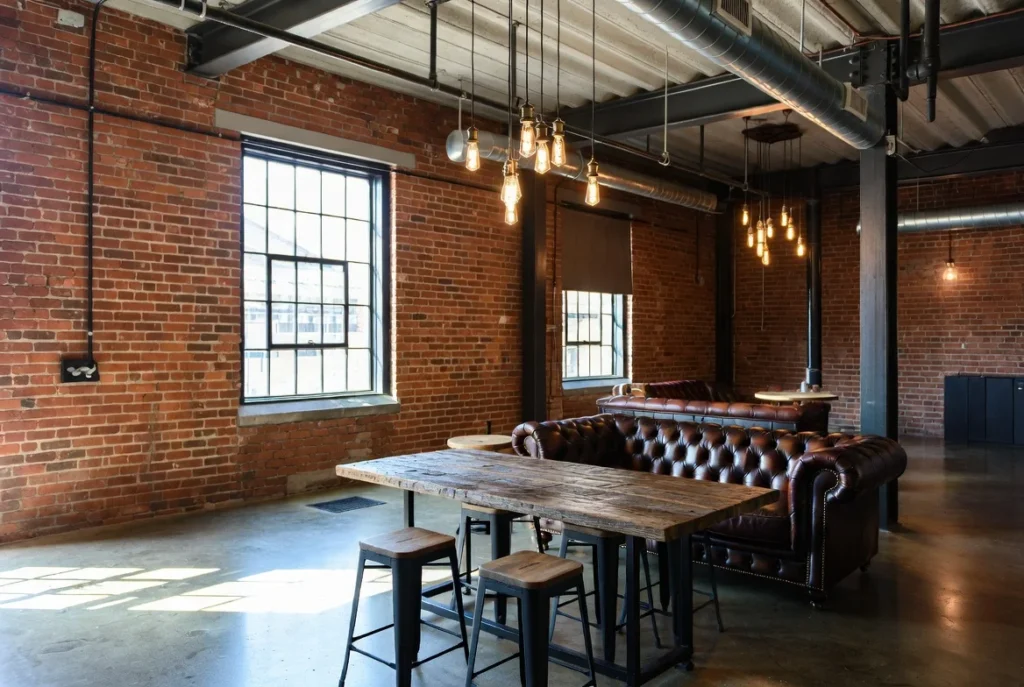
Industrial style transforms warehouse aesthetics into residential spaces through exposed brick, concrete floors, metal fixtures, and visible ductwork. This urban design incorporates reclaimed wood, Edison bulbs, leather seating, and minimal window treatments celebrating raw materials and architectural bones. Industrial interiors prove perfect for loft living or those appreciating unfinished, authentic environments.
Scandinavian Interior Design
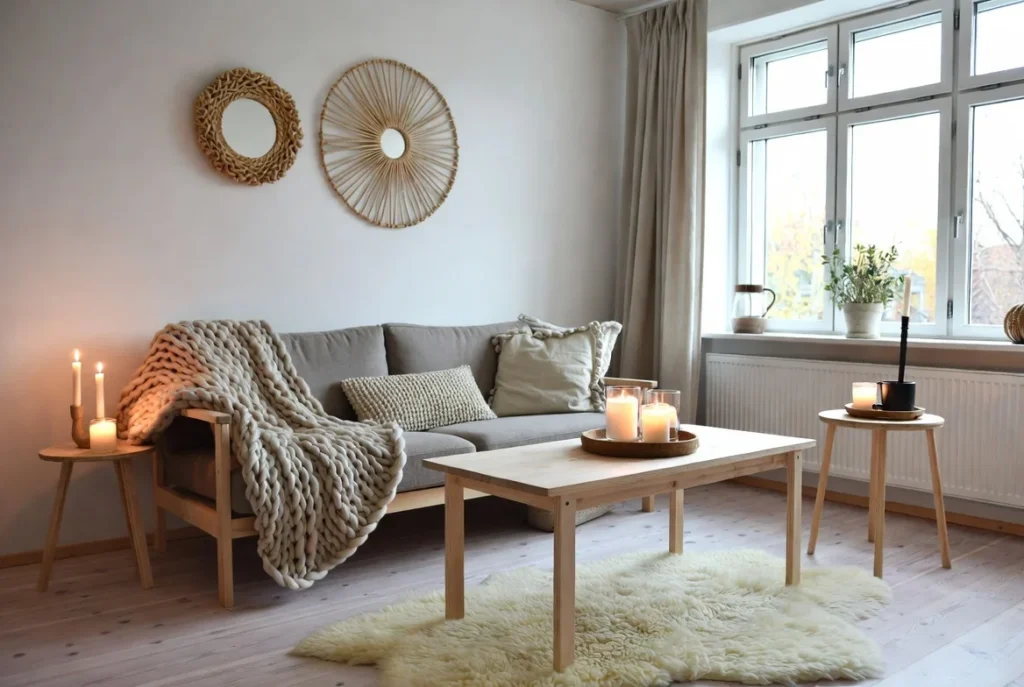
Scandinavian design from Nordic countries emphasizes functionality, simplicity, and connection to nature through light wood, white walls, and minimal decoration. This cozy aesthetic incorporates hygge philosophy celebrating comfort through soft textiles, candles, layered textures, and warm lighting. Scandinavian interiors maintain clean lines while feeling genuinely welcoming and livable.
Bohemian Interior Design
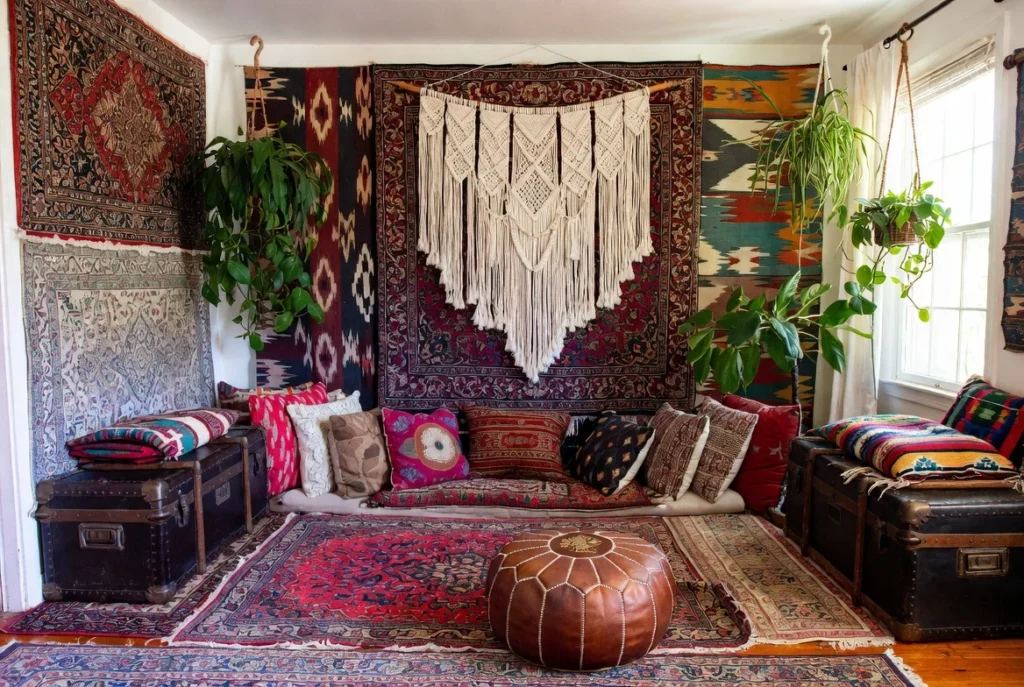
Bohemian style celebrates creative freedom through layered textiles, global patterns, vibrant colors, and collected treasures from travels and experiences. This eclectic aesthetic mixes vintage furniture, macrame, plants, colorful rugs, and meaningful objects creating personalized spaces bursting with character. Boho interiors reject rigid rules embracing individual expression and artistic living.
Coastal Interior Design
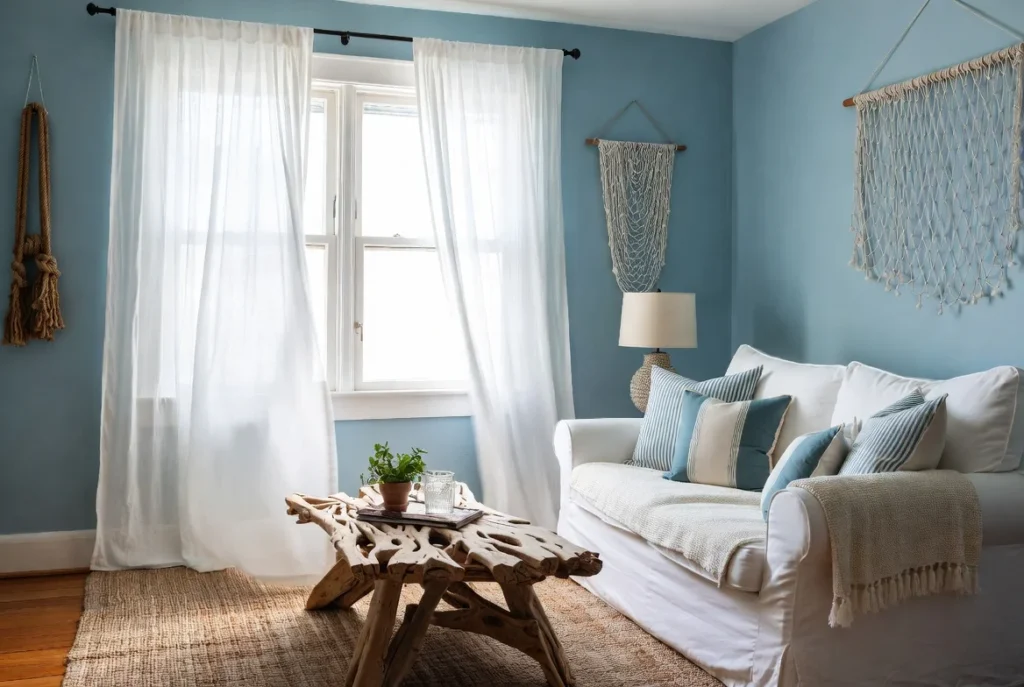
Coastal style brings beachy vibes indoors through soft blues, sandy neutrals, natural textures, and light-filled spaces. This relaxed aesthetic incorporates white slipcovers, rope accents, driftwood, striped patterns, and ocean-inspired artwork creating vacation-like atmospheres. Coastal interiors suit both beachfront properties and landlocked homes craving serene, breezy environments.
Farmhouse Interior Design
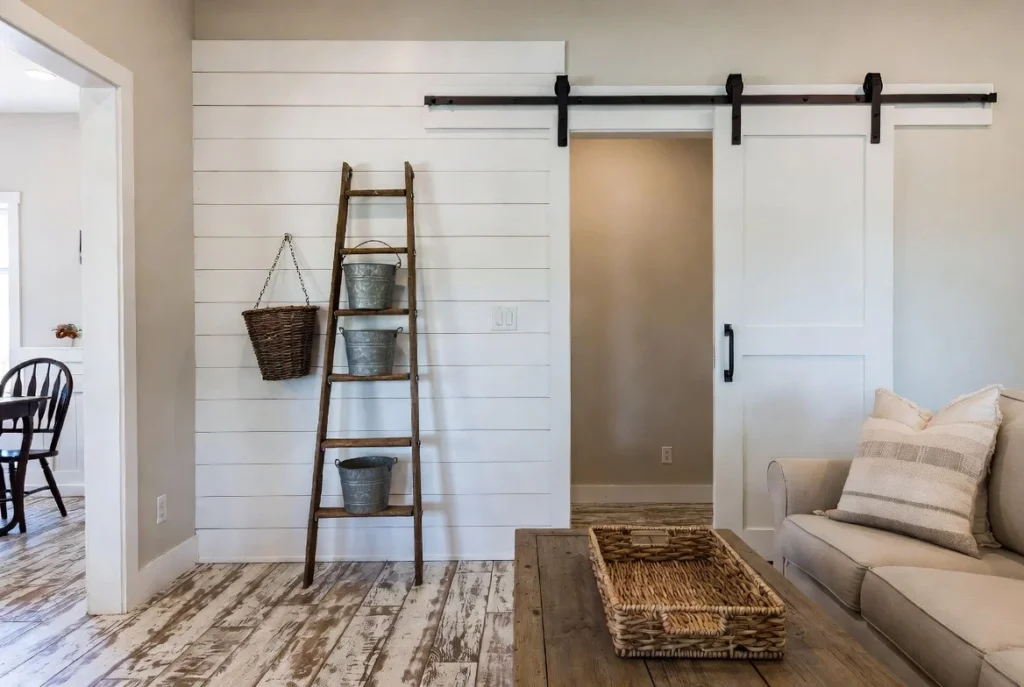
Farmhouse style celebrates rustic charm through shiplap walls, vintage finds, apron-front sinks, barn doors, and weathered wood. This warm aesthetic combines antique pieces with practical elements, neutral colors with textural interest, and homey comfort with intentional design. Modern farmhouse variations blend these classic elements with contemporary updates creating fresh interpretations.
Rustic Interior Design
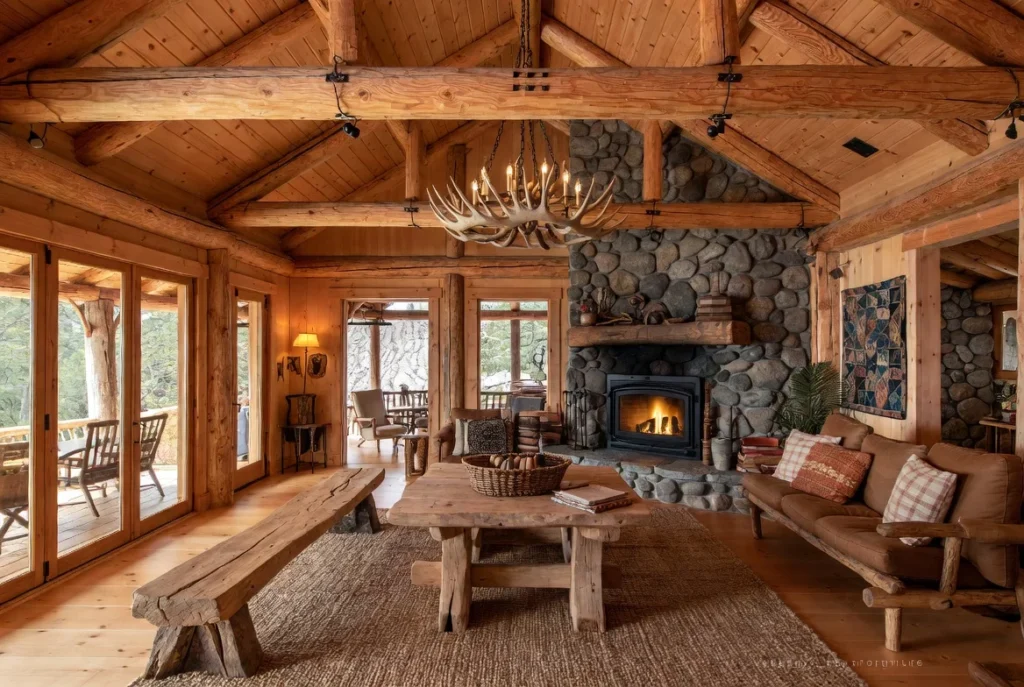
Rustic design embraces natural imperfections through rough-hewn wood, stone fireplaces, exposed beams, and organic materials. This earthy aesthetic celebrates handcrafted furniture, natural fibers, warm earth tones, and connection to nature creating cozy retreats. Rustic interiors work beautifully in mountain cabins, country homes, or urban spaces craving organic warmth.
Art Deco Interior Design
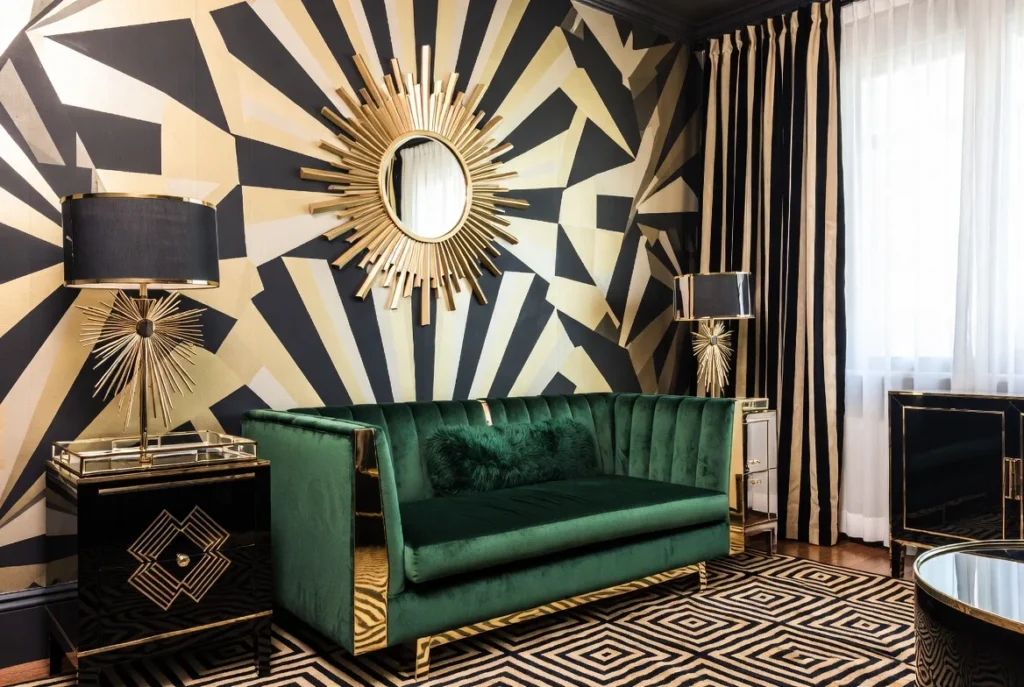
Art Deco from the 1920s-1930s features geometric patterns, luxurious materials, bold colors, metallic accents, and glamorous details. This opulent style incorporates lacquered furniture, velvet upholstery, mirrored surfaces, and dramatic lighting creating sophisticated, theatrical spaces. Art Deco interiors suit those appreciating vintage glamour and bold statements.
Japandi Interior Design
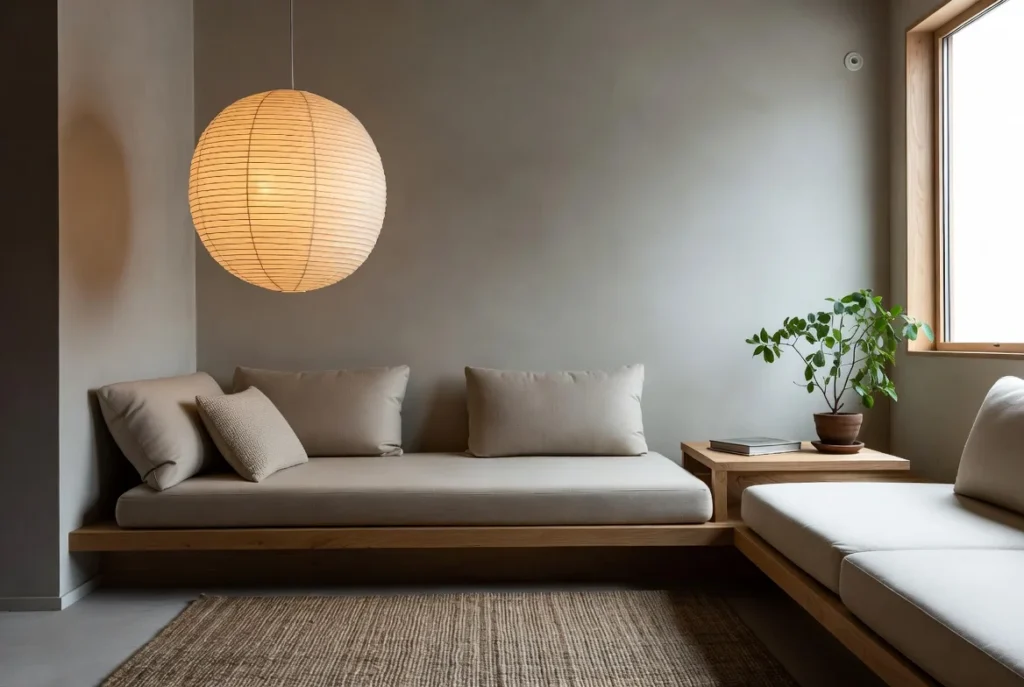
Japandi merges Japanese minimalism with Scandinavian functionality, creating serene spaces emphasizing craftsmanship, natural materials, and intentional design. This hybrid aesthetic features low furniture, neutral palettes, organic textures, and curated simplicity. Japandi interiors promote mindful living through quality over quantity and sustainable choices.
Maximalist Interior Design
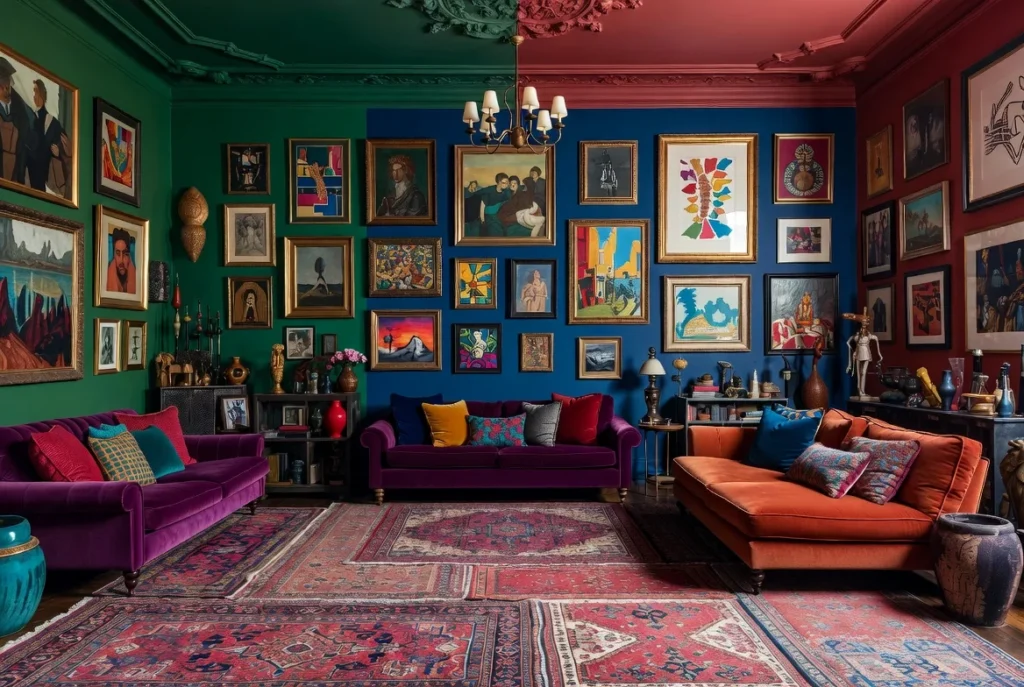
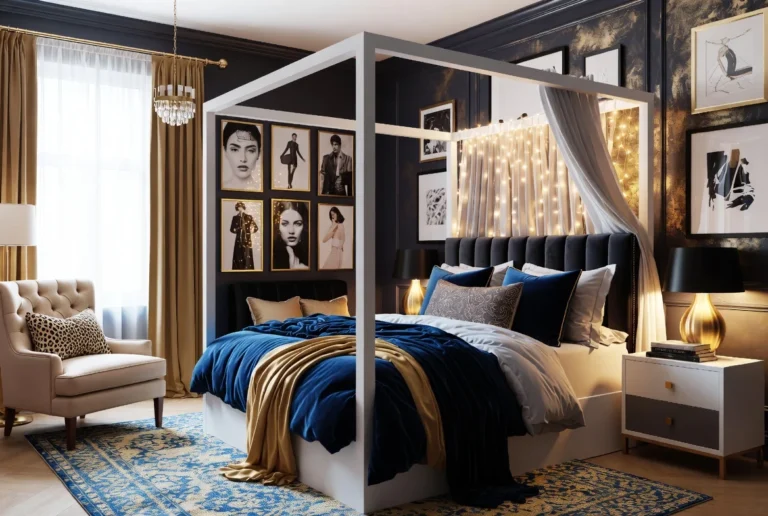
Maximalist style embraces more is more philosophy through bold colors, layered patterns, abundant textures, and curated collections. This dramatic aesthetic celebrates personal expression through gallery walls, mixed prints, statement furniture, and decorative abundance. Maximalist interiors require thoughtful curation preventing chaos while achieving vibrant, personality-filled spaces.
Eclectic Interior Design
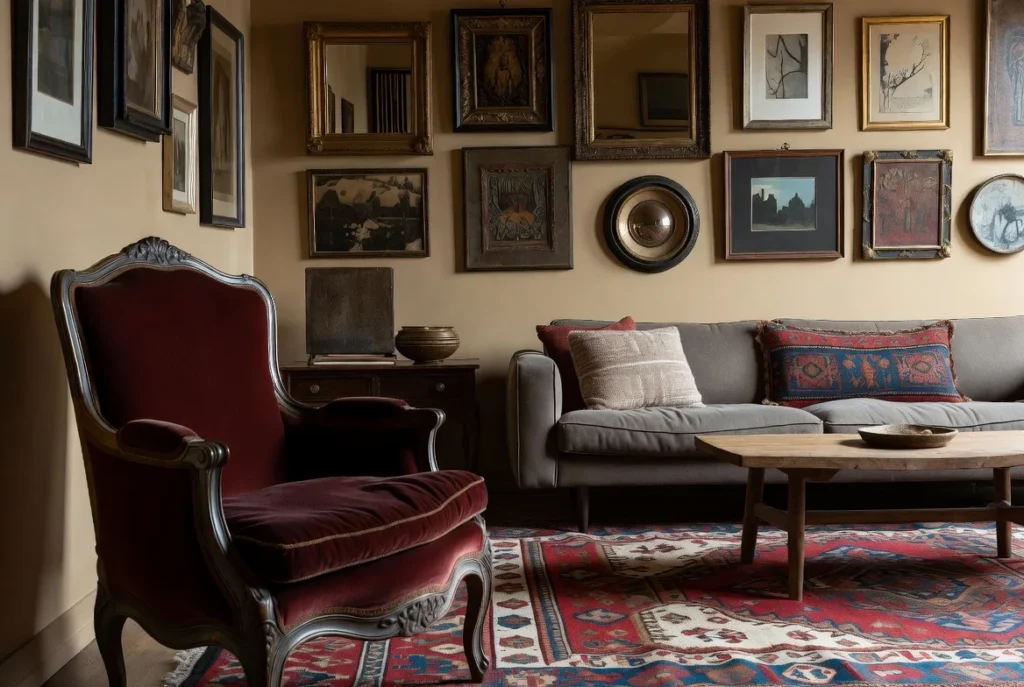
Eclectic design thoughtfully mixes different styles, periods, and cultures creating unique, collected looks. This flexible aesthetic combines vintage and modern, formal and casual, global and local elements through unifying color schemes or repeated materials. Eclectic interiors showcase creative confidence and individual taste rather than following rigid rules.
French Country Interior Design
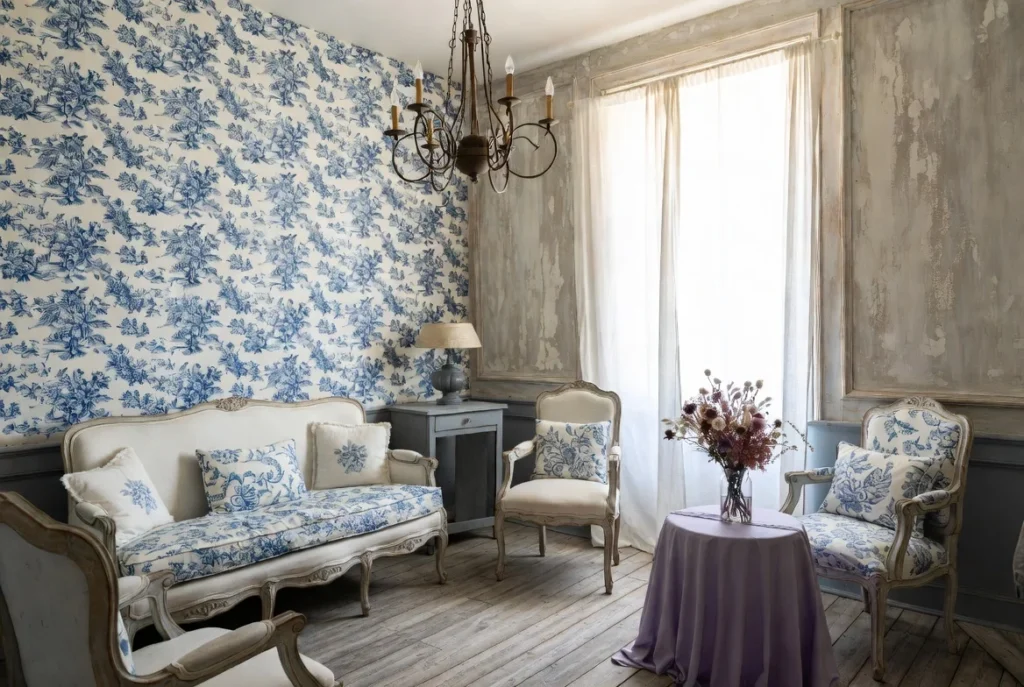
French country combines rustic charm with refined elegance through toile fabrics, distressed furniture, ornate details, and soft color palettes. This romantic aesthetic incorporates carved wood, wrought iron, floral patterns, and provincial touches creating sophisticated yet welcoming spaces. French country interiors suit those appreciating European sensibility with lived-in comfort.
Victorian Interior Design
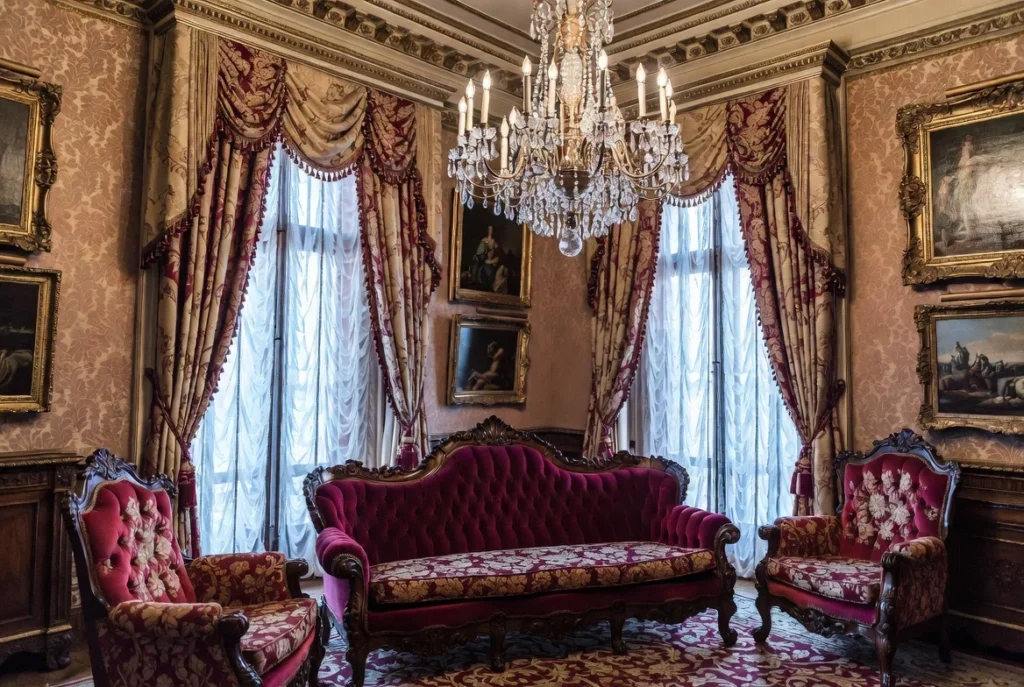
Victorian style from the 19th century features ornate details, rich colors, heavy drapery, patterned wallpaper, and elaborate furnishings. This opulent aesthetic celebrates craftsmanship through carved wood, tufted upholstery, decorative molding, and antique accessories. Victorian interiors create formal, dramatic environments suited to historic homes or period enthusiasts.
Cottagecore Interior Design
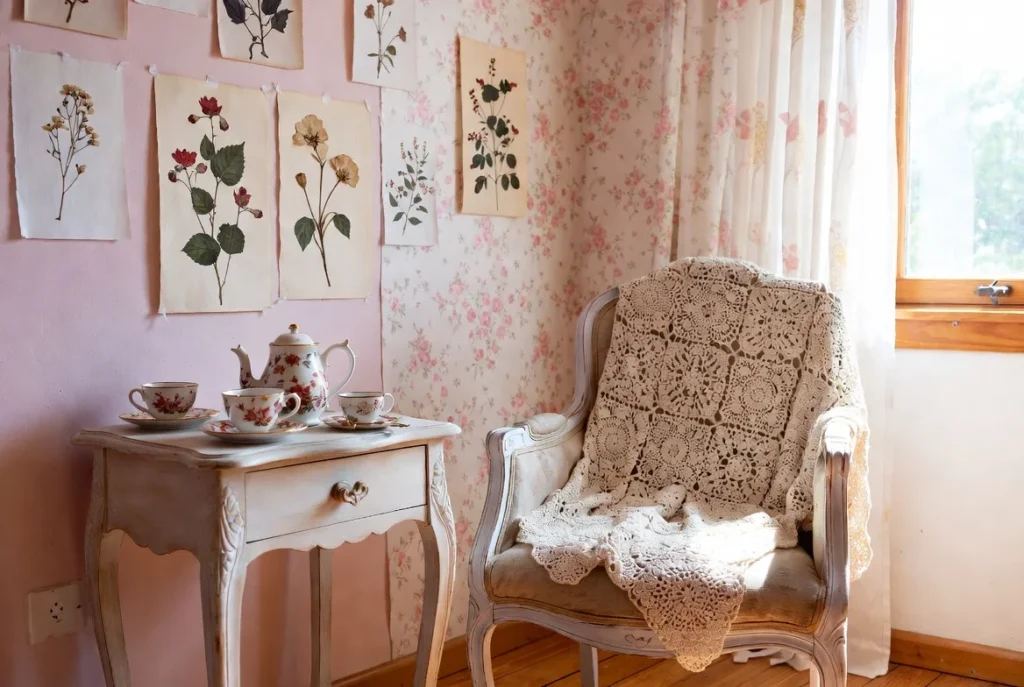
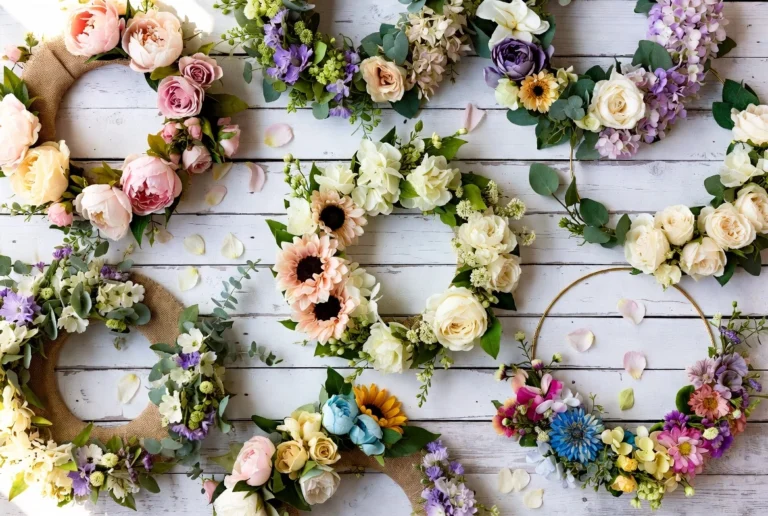
Cottagecore celebrates rural nostalgia through floral prints, vintage furniture, handmade textiles, soft pastels, and cozy details. This whimsical aesthetic incorporates antique finds, cross-stitch, botanical elements, and homespun charm creating storybook atmospheres. Cottagecore interiors appeal to those craving simple living and romantic escapism.
Mediterranean Interior Design
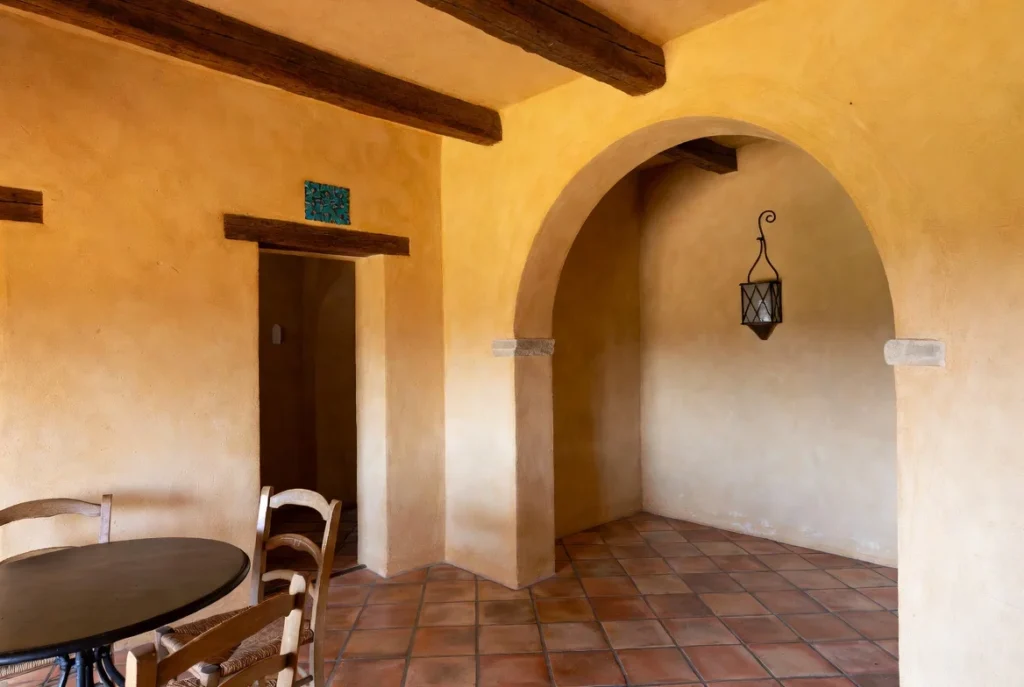
Mediterranean style draws from Southern European influences featuring terra cotta, wrought iron, mosaic tiles, arched doorways, and warm color palettes. This inviting aesthetic incorporates rustic wood, textured walls, natural stone, and indoor-outdoor flow creating sun-drenched spaces. Mediterranean interiors evoke vacation vibes and relaxed elegance.
Hollywood Regency Interior Design
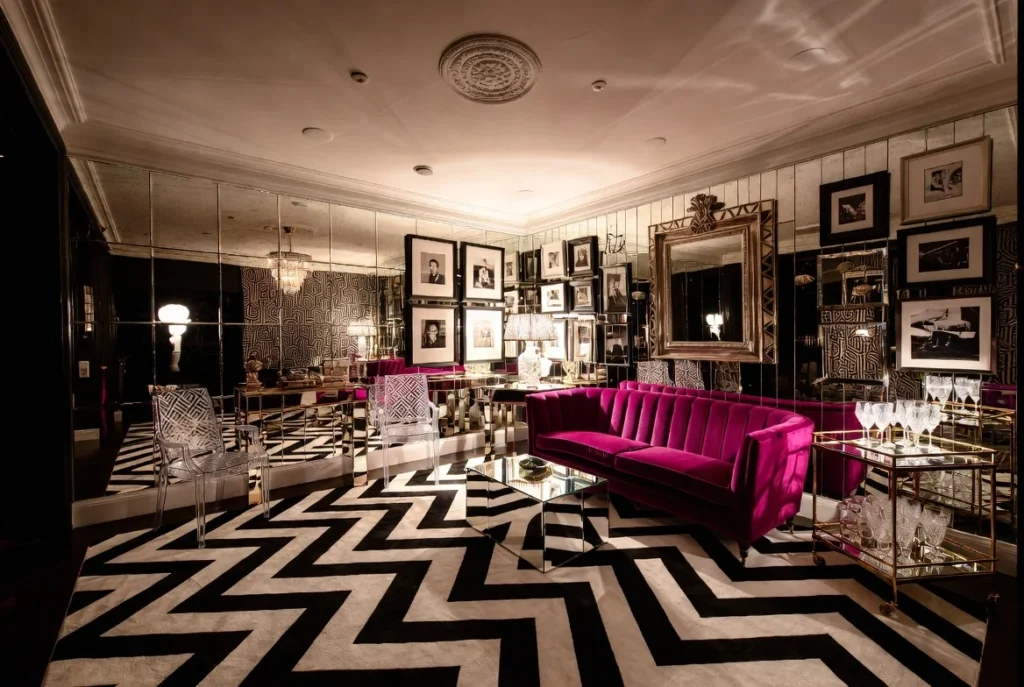
Hollywood Regency brings 1940s glamour through bold patterns, lacquered finishes, metallic accents, plush textiles, and dramatic lighting. This luxurious aesthetic mixes vintage and contemporary, Eastern and Western influences creating theatrical, sophisticated spaces. Hollywood Regency interiors suit bold personalities appreciating high-impact design.
Tropical Interior Design
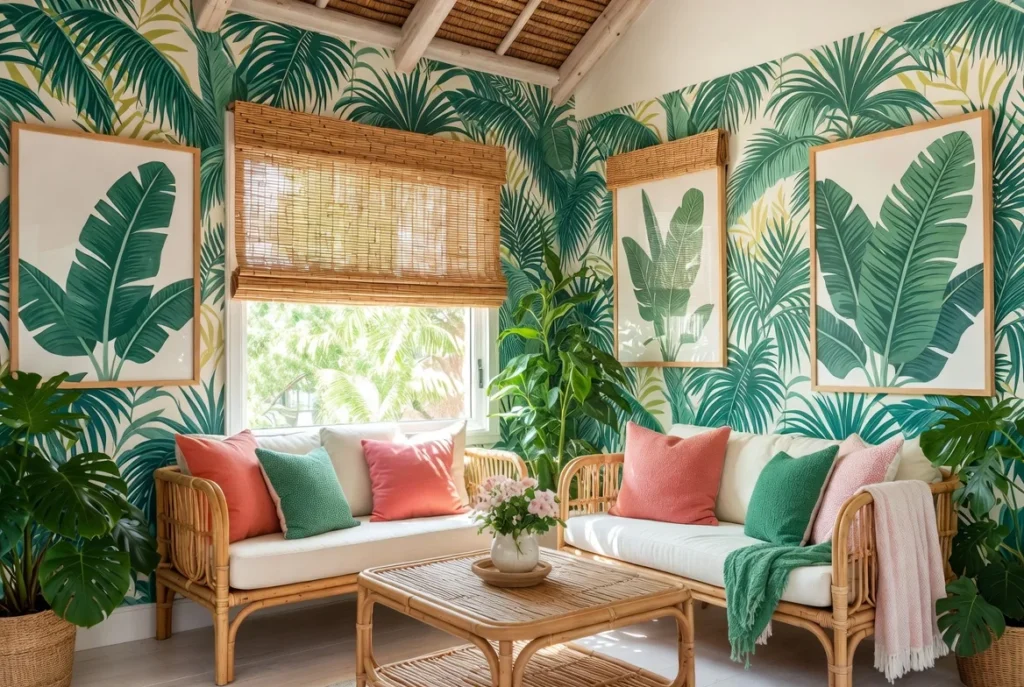
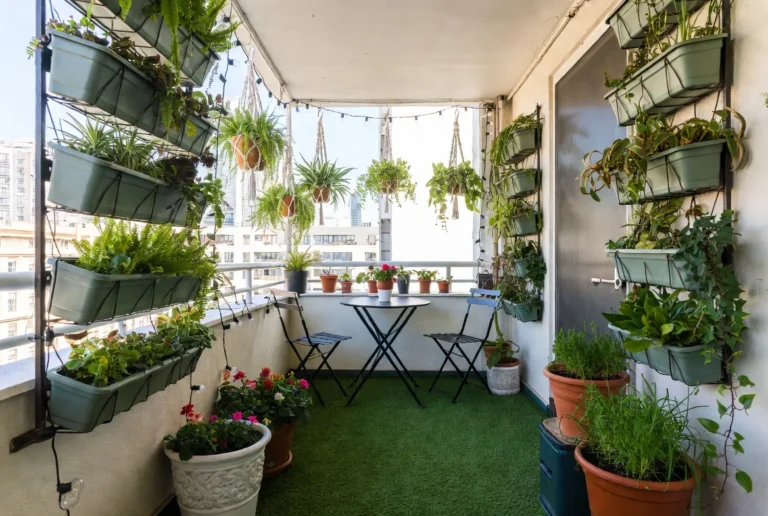
Tropical style channels island living through botanical prints, natural materials, vibrant greens, rattan furniture, and indoor plants. This lively aesthetic incorporates bamboo, jute, palm motifs, and bright accents creating vacation-inspired retreats. Tropical interiors work in warm climates or anywhere craving resort-like atmospheres.
Urban Modern Interior Design
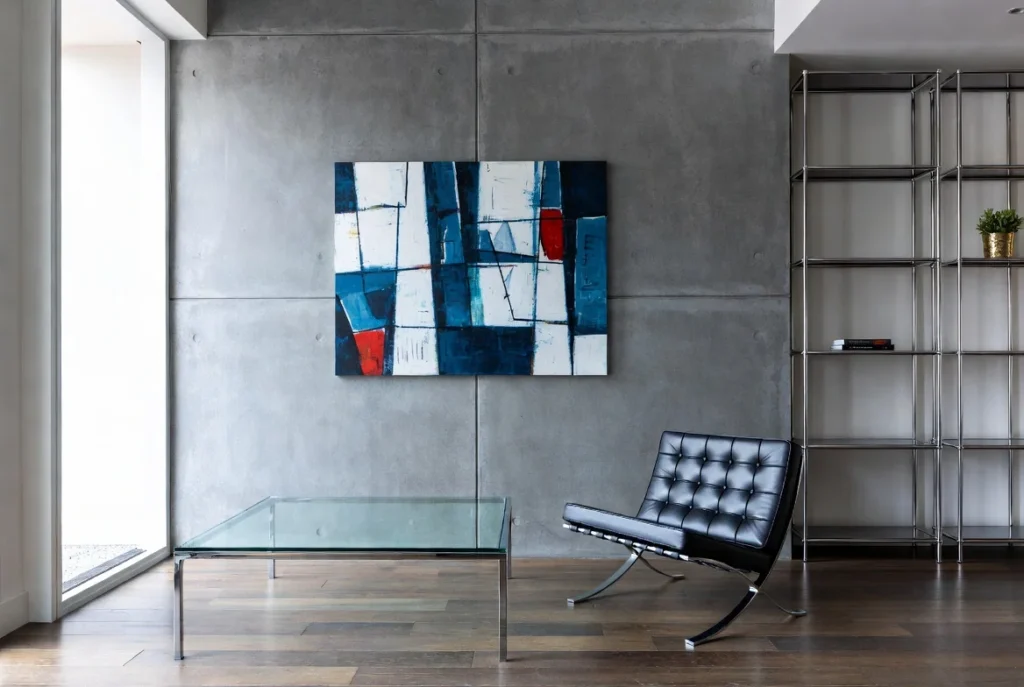
Urban modern blends industrial elements with contemporary sophistication through concrete, metal, glass, sleek furniture, and artistic details. This cosmopolitan aesthetic celebrates city living with open layouts, statement lighting, bold artwork, and minimalist decor. Urban modern interiors suit apartment dwellers and metropolitan lifestyles.
Conclusion
Understanding popular interior design styles transforms how you approach creating cohesive, intentional home environments that genuinely reflect your aesthetic preferences and lifestyle needs. The 20+ styles presented throughout this guide prove that successful interior design requires identifying which design movements resonate authentically rather than randomly mixing trendy elements hoping for coherent results.
The most valuable insight to carry forward is that your design style should evolve from honest self-assessment about how you live, what visual elements bring joy, and which functional requirements your space must meet. Modern minimalism suits those craving simplicity, traditional elegance honors classic beauty, bohemian freedom celebrates creative expression, while transitional balance accommodates evolving preferences.
Begin your design journey by identifying which 2-3 styles from this guide genuinely excite you, then research their key characteristics, color palettes, and signature elements. Perhaps you discover you’re mid-century modern at heart, Scandinavian in sensibility, or eclectic in spirit. This self-knowledge eliminates decision paralysis while ensuring every furniture purchase, paint choice, and accessory selection builds toward your authentic aesthetic vision.
Your home deserves the thoughtful design that comes from understanding which interior styles truly represent who you are, creating spaces that support daily living while bringing genuine joy every time you walk through the door.
Frequently Asked Questions
What is the most popular interior design style right now?
Currently, Japandi, modern organic, and maximalist styles are trending heavily. Japandi combines Japanese minimalism with Scandinavian warmth creating serene, functional spaces using natural materials and neutral palettes. Modern organic emphasizes biophilic design bringing nature indoors through plants, natural textures, and sustainable materials. Maximalism counters years of minimalism with bold colors, layered patterns, and personal collections. These styles reflect growing desire for meaningful design balancing sustainability, comfort, and individual expression rather than following rigid aesthetic rules.
How do I choose the right interior design style for my home?
Start by honestly assessing your lifestyle needs and visual preferences. Create Pinterest boards saving images that genuinely excite you, then analyze common threads regarding color, furniture styles, and overall atmosphere. Consider how you actually live: do you prefer clutter-free surfaces or displayed collections? Formal arrangements or casual comfort? Bold colors or neutral calm? Your true style emerges from these patterns. Don’t force yourself into styles seeming aspirational but incompatible with reality. The right design aesthetic makes daily life easier and more enjoyable rather than creating maintenance burdens or feeling inauthentic to your personality.
Can I mix different interior design styles in one home?
Absolutely! Eclectic and transitional styles specifically celebrate thoughtful mixing. The key is establishing unifying elements like consistent color palette, repeated materials, or similar scale preventing visual chaos. A common approach uses 70 percent of one dominant style with 30 percent complementary elements from another. For example, modern furniture gains warmth through traditional textiles, or minimalist spaces incorporate bohemian plants and textures. Avoid combining extremely opposing styles like ultra-modern with heavily ornate Victorian unless you’re skilled at advanced eclectic mixing. Start conservatively, adding contrasting elements gradually until achieving pleasing balance.
What is the difference between modern and contemporary interior design?
Modern design refers specifically to the design movement from early-to-mid 20th century (1920s-1960s) featuring clean lines, minimal ornamentation, and functional focus. It’s a defined historical period with specific characteristics that don’t change. Contemporary design means “of the moment,” constantly evolving to reflect current trends. Today’s contemporary style incorporates organic curves, sustainable materials, and bold accents that weren’t part of historical modern design. Think of modern as a specific vintage aesthetic while contemporary represents whatever’s happening in design right now. Both emphasize simplicity and clean aesthetics but contemporary remains more flexible and trend-responsive.
How much does it cost to decorate in a specific interior design style?
Costs vary dramatically based on style requirements and quality choices rather than aesthetic itself. Minimalist and Scandinavian styles can be budget-friendly emphasizing fewer quality pieces over abundant decor, while maximalist and Art Deco styles require more investment in multiple elements and luxurious materials. Any style works on budgets from modest to unlimited. Start with foundational pieces like furniture and paint establishing your aesthetic direction, then add accessories and textiles gradually. Thrift stores, vintage shops, and DIY projects allow achieving expensive-looking results affordably. Traditional and French country suit antique hunting, while industrial and rustic embrace repurposed materials. Focus budget on visible, frequently used items first, adding finishing touches over time.
One Comment