
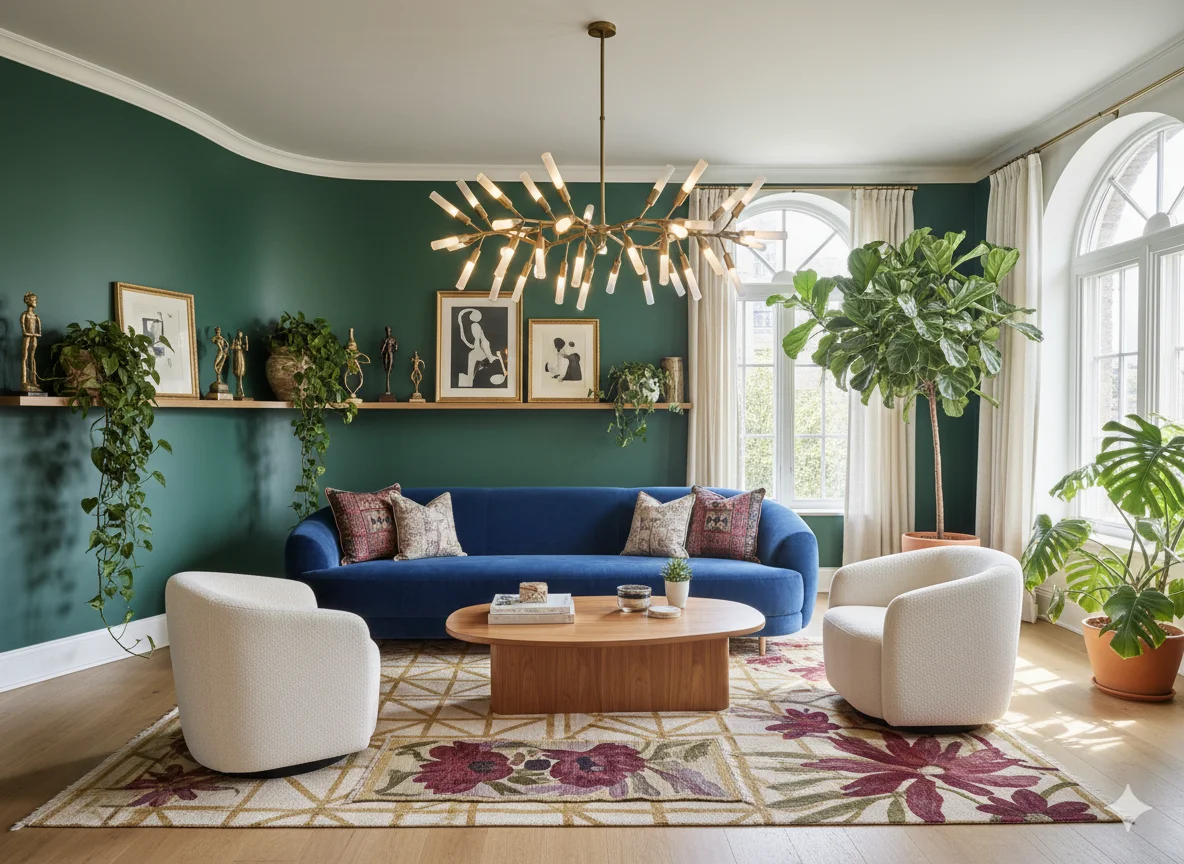
New Home Decorating Ideas: 40+ Fresh Styles for 2026
Walking into a beautifully decorated home creates an immediate emotional response. The colors embrace you, the textures invite touch, and every corner tells a story worth discovering. As we navigate through 2026, home decorating has evolved beyond mere aesthetics into a profound expression of personal identity and lifestyle priorities. The shift away from sterile minimalism toward spaces that celebrate individuality marks one of the most exciting transformations in interior design history.
The current landscape of home decor trends reflects a collective desire for spaces that feel genuinely lived-in rather than magazine-perfect. Homeowners are rejecting cookie-cutter approaches in favor of rooms that showcase personality, embrace imperfection, and create meaningful connections with those who inhabit them. This comprehensive guide explores over 40 transformative decorating ideas that will help you create a home resonating with warmth, character, and contemporary sophistication.
Embracing Color-Drenched Environments
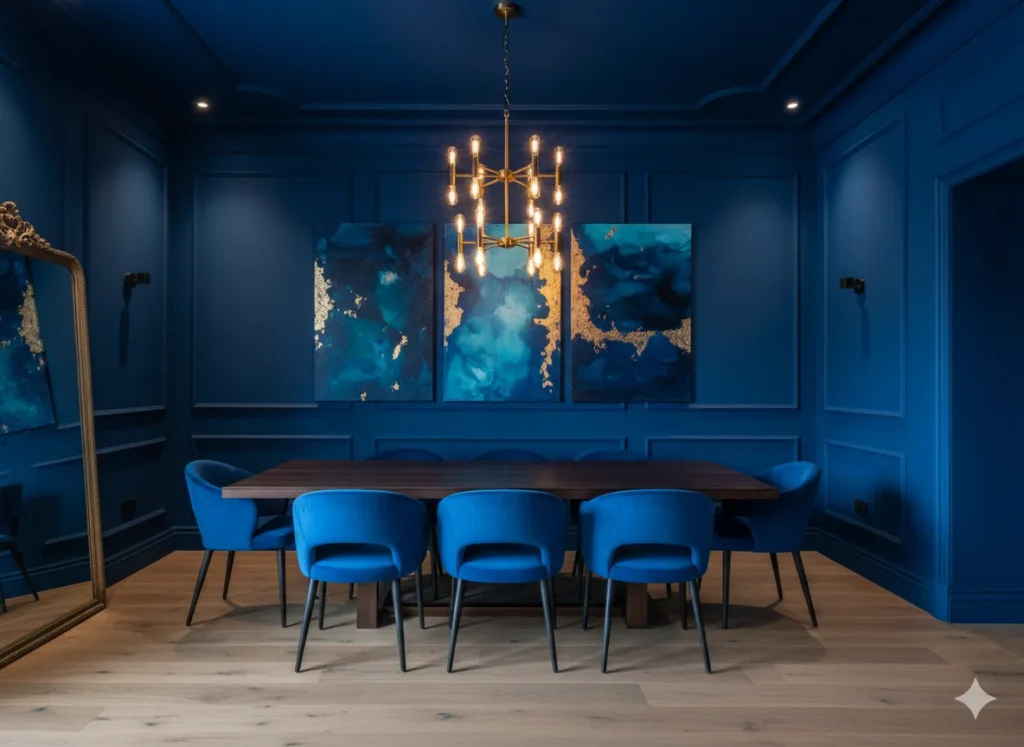
The color psychology revolution has transformed how we approach wall treatments and room design. Color-drenching, where entire rooms are saturated in varying shades of a single hue, has emerged as a dominant trend increasing by 149 percent in home listings. This technique creates immersive environments that feel intentional and dramatically cohesive.
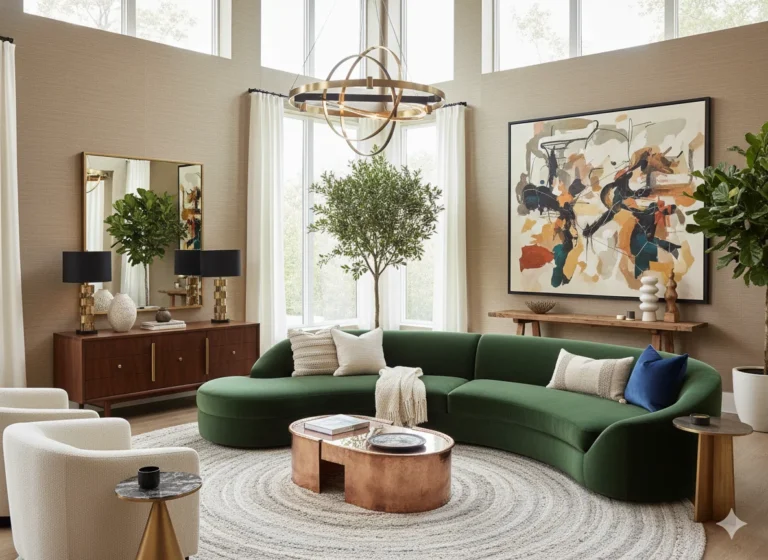
Jewel tones have particularly captivated designers and homeowners alike. Deep sapphire blues, rich emerald greens, and luxurious cranberry reds bring sophistication to formal spaces while grounding rooms with warmth and depth. These colors pair beautifully with natural materials like stone, warm wood tones, and brass fixtures, creating layered environments that feel both timeless and contemporary.
For those seeking softer approaches, mauve has experienced a remarkable comeback. This sophisticated purple tone acts almost like a neutral with personality, appearing in backgrounds, textiles, and patterns rather than as overwhelming statement walls. The versatility of mauve allows it to bridge multiple design aesthetics from modern to traditional.
Tonal decorating represents another compelling color strategy. Layering varying strengths, tints, and temperatures of the same color across an entire room creates spaces that feel put together without appearing over-styled. This approach works exceptionally well with sage greens moving into olive, rust transitioning to soft peach, or navy flowing into slate within single color palettes.
The Return of Natural Materials
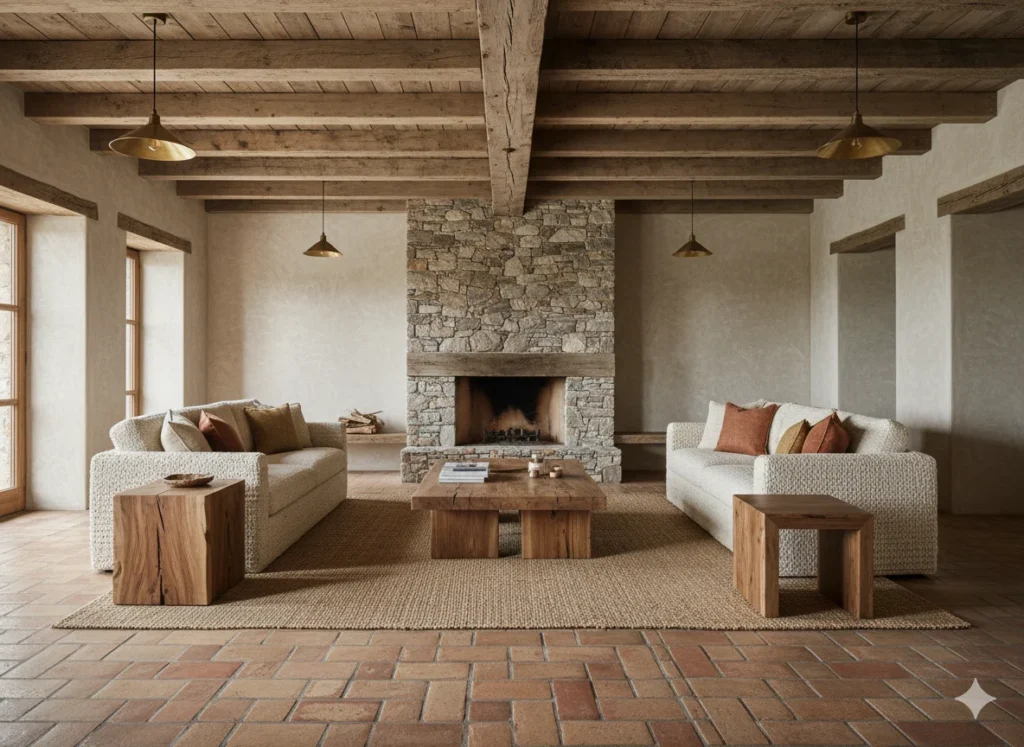
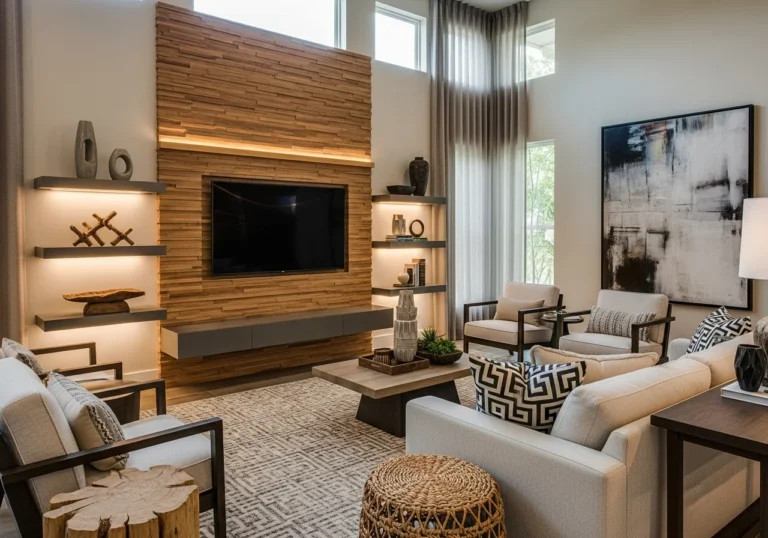
Sustainable design principles have ushered in an enthusiastic return to organic materials and authentic textures. Wood has made a triumphant comeback across all areas of the home, from light wood walls to raw wood furniture that provides that highly sought-after collected-over-time aesthetic.
Designers emphasize the importance of showcasing honest texture and depth through stone with movement, warm woods, and hand-finished metals paired with architectural details that feel purposeful rather than purely decorative. Terra-cotta tiles, reclaimed wood beams, and plaster walls contribute to European-inspired aesthetics that emphasize patina and lived-in authenticity.
Textured wall treatments have become focal points in contemporary interiors. Plaster walls, lime wash finishes, and exposed brick create dimension and visual interest that flat paint simply cannot achieve. These surfaces improve with age and use rather than showing wear, embodying the shift toward materials that tell stories through their imperfections.
Furniture and Layout Innovations
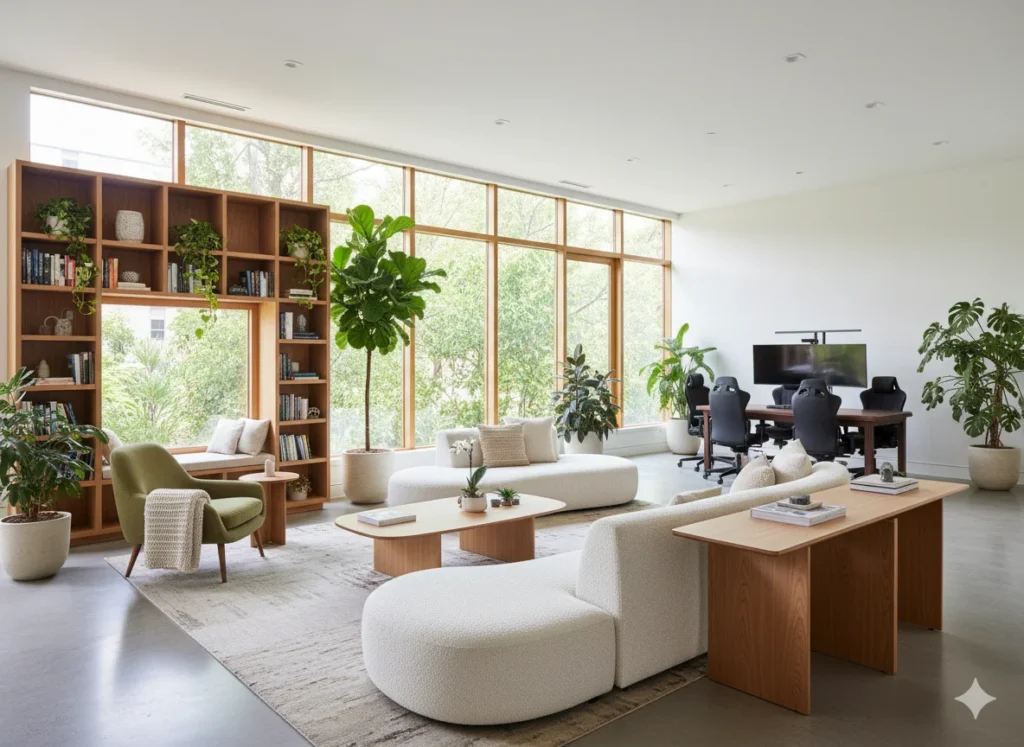
Living room layouts are being reimagined to prioritize social interaction over passive television watching. Gaming tables, conversation groupings, and flexible seating arrangements encourage engagement and togetherness. Reading nooks have emerged as emotional centers rather than afterthoughts, with dedicated spaces featuring comfortable seating, adequate lighting, and personal libraries becoming highly desirable features.
Curved furniture continues its reign with flowing wooden silhouettes and irregular sloping contours that echo organic shapes. Advanced woodworking technologies enable seamless joints and continuous curves that emphasize visual fluidity as an antidote to structured minimalism. These pieces serve as sculptural centerpieces while prioritizing human comfort.
Oversized corner sofas invite families to sink in and sprawl out, acknowledging that modern living requires comfort and flexibility. The emphasis has shifted from pristine showcase furniture to pieces that accommodate real life while maintaining aesthetic appeal.
Statement Lighting and Dramatic Elements
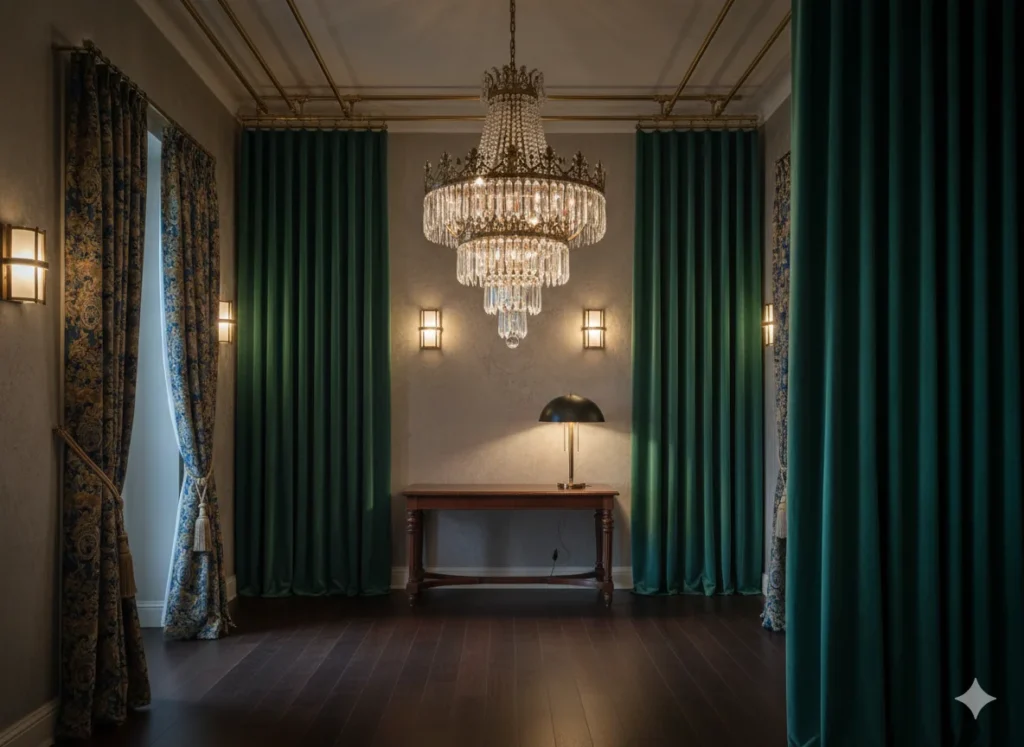
Statement lighting fixtures have become character-rich focal points that set the tone immediately upon entering a space. Designers favor chandeliers and pendants that feel unexpected, drawing from vintage sources, artisan craftsmanship, and bold contemporary designs. Pieces carrying meaningful history represent the new expression of luxury.
Sculptural lighting extends beyond traditional chandeliers to include table lamps, floor lamps, and wall sconces that double as art pieces. The integration of flexible OLED panels allows for dynamic, customizable lighting displays that evolve throughout the day, merging technology with artistic expression.
Dramatic drapery has returned as both functional and aesthetic element. Ceiling-mounted tracks with generous fullness and intentional placement give fabric real authority in spaces. These soft partitions offer privacy on demand while keeping light, flow, and connection intact. Portières, fabric panels used instead of doors, provide softer alternatives that add beauty and flexibility to open floor plans.
Pattern Mixing and Maximalist Approaches
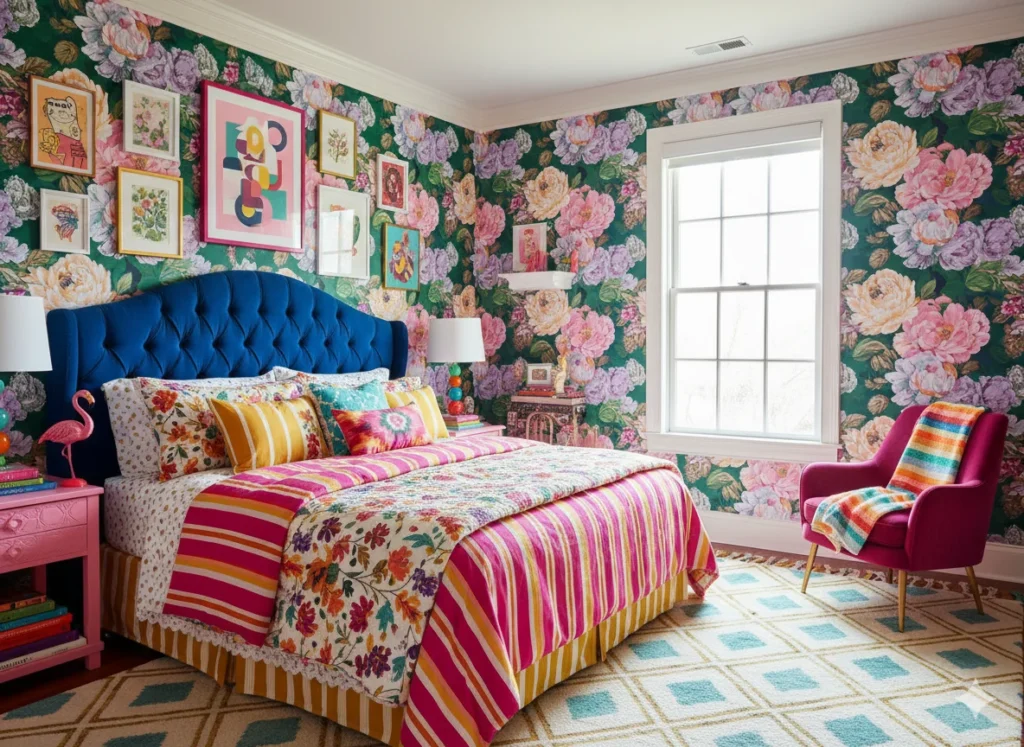
Pattern-on-pattern designs are making a confident comeback with thoughtfully layered compositions that work beautifully together. Mixing complementary patterns adds visual interest while keeping spaces feeling comfortable and inviting. The key lies in selecting patterns that share common color threads or scale variations.
Whimsical elements have infiltrated serious design conversations. Pinterest named “Funhaus” as a top trend, highlighting candy-colored palettes and playful stripes as new favorites. Even lace and doilies are expected to trend, representing a broader movement toward greater individuality, color, and joy in interiors.
Vintage accents and artisan craftsmanship have increased in mentions, showing a seismic shift toward maximalist territory. Handmade irregularities and deliberate imperfections are now coveted rather than avoided, with surfaces valued for improving with use rather than degrading.
European-Inspired Kitchen Design
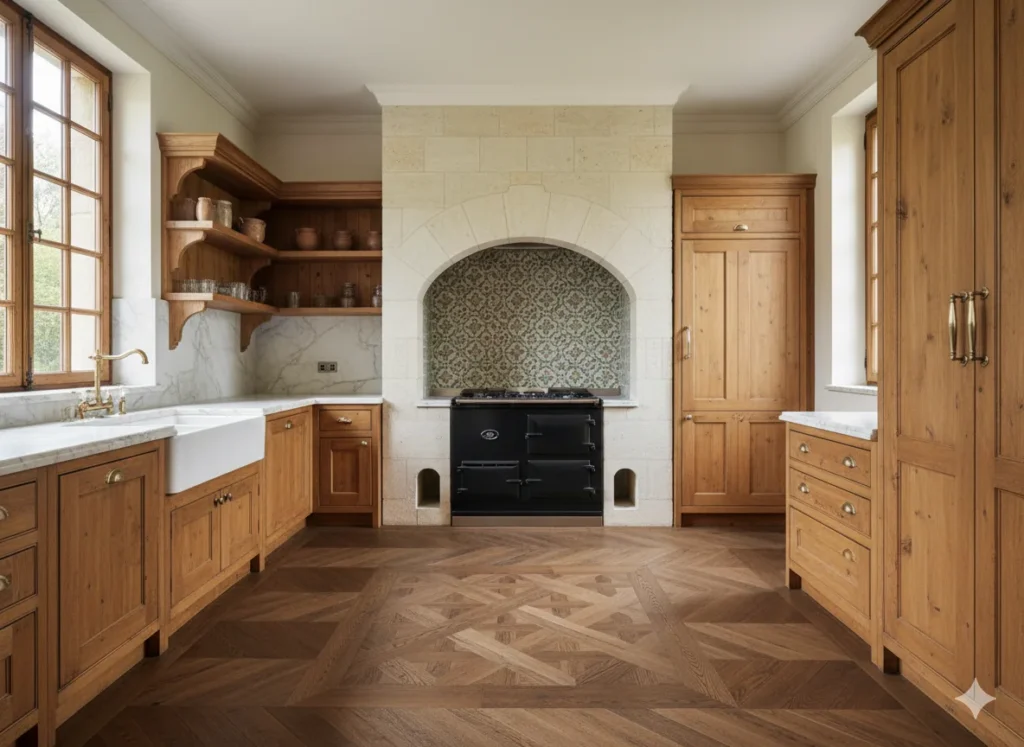
Kitchen aesthetics are drawing deeply from European landscapes, particularly Belgian country homes and Continental design sensibilities. Think rustic wood cabinets, large stove coves, and emphasis on texture and patina that feels authentic rather than streamlined.
Decorative flooring patterns including herringbone, chevron, and Versailles arrangements are showing up more frequently in renovations. These details lend a sense of history and craftsmanship even in newer spaces, creating visual interest at ground level.
Hardware choices have evolved beyond ubiquitous matte black toward mixed metals and nickel finishes. This shift allows for greater flexibility and prevents spaces from feeling too matchy or dated.
Smart Home Integration and Wellness Spaces
Technology integration has become more sophisticated and seamless. Smart thermostats, lighting systems, and windows that open, close, and provide privacy at button presses represent various levels of home automation becoming standard rather than luxury features.
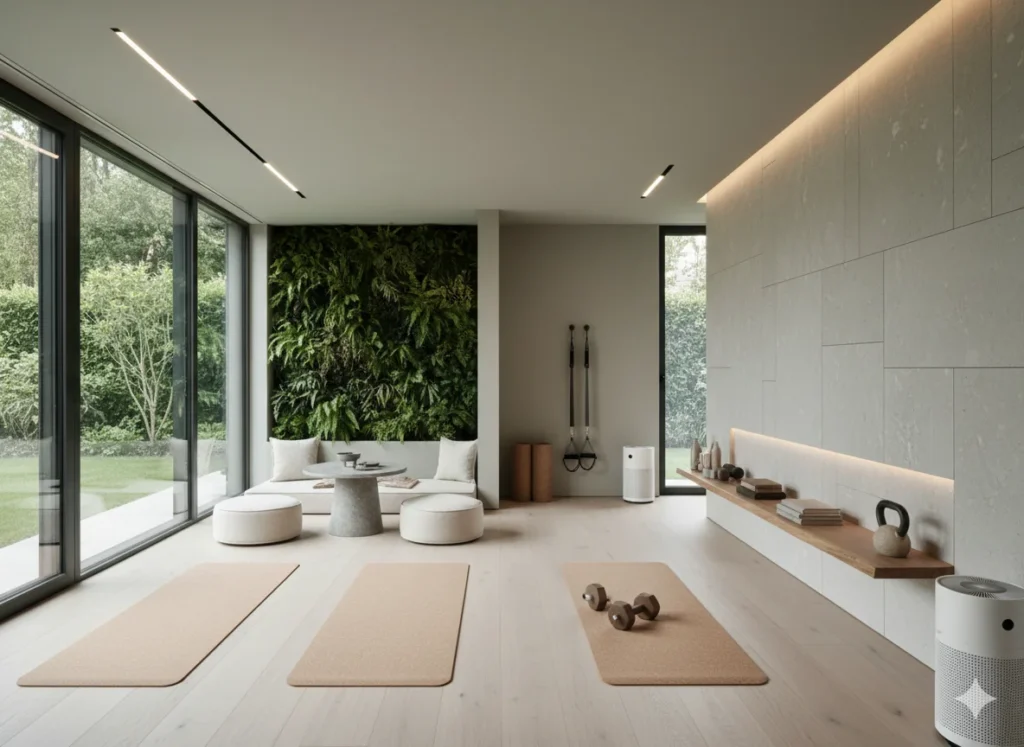
Wellness-focused design prioritizes light, ventilation, and materials that feel grounded over visual complexity. Home gyms, meditation spaces, and spa-inspired bathrooms acknowledge that homes must support physical and mental health. Layouts remain simple and intuitive with enough room to stretch without fear of bumping into equipment or decor.
Primary bedrooms are evolving to think like suites, with homeowners creating upstairs retreats complete with seating areas, beverage stations, and entertainment options that eliminate the need to return downstairs once settled for the evening.
Vintage Revival and Nostalgic Elements
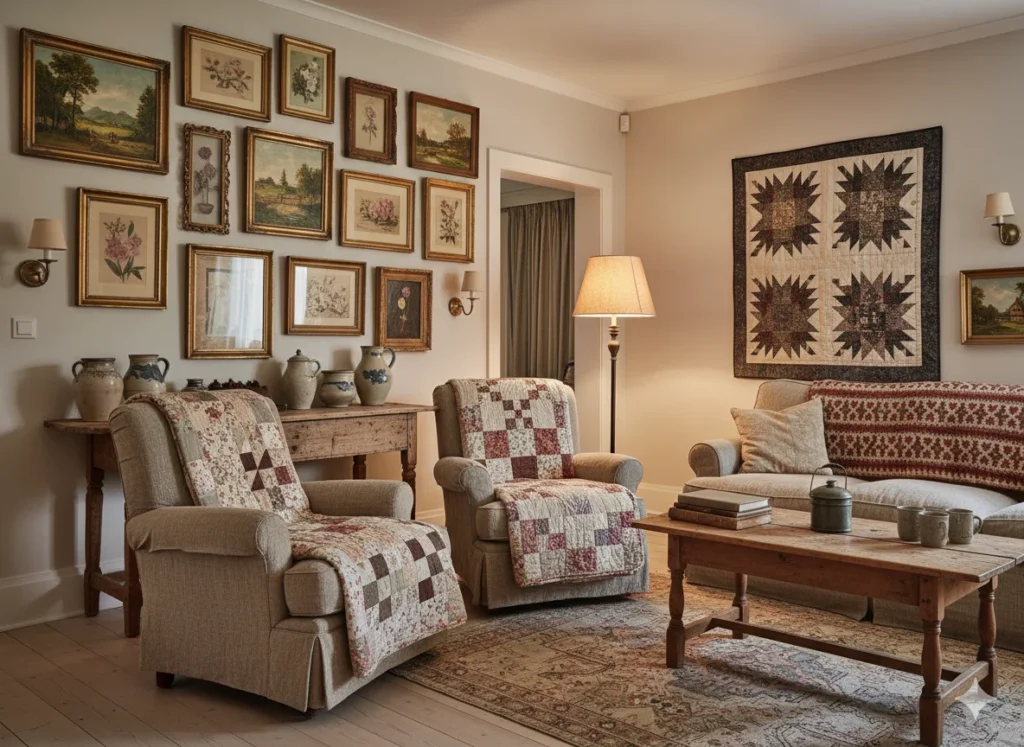
Thick vintage frames are replacing the thin, delicate frames that dominated recent years. Given the strength of elevated English cottage style, substantial antique frames help artwork stand out against busier wallpapers and patterned walls.
Primitive antiques are poised for comebacks amidst renewed interest in wood texture, Swedish design, and Americana. Collections displayed with intention add soul and authenticity that mass-produced items simply cannot replicate.
Heirloom textiles including quilted bedcovers, Welsh blankets, and vintage linens bring instant vintage charm. These pieces work beautifully as bedding, wall hangings, or headboard fabric, offering both function and pattern through traditional doublecloth weaves and geometric blocks.
Avoiding Dated Trends
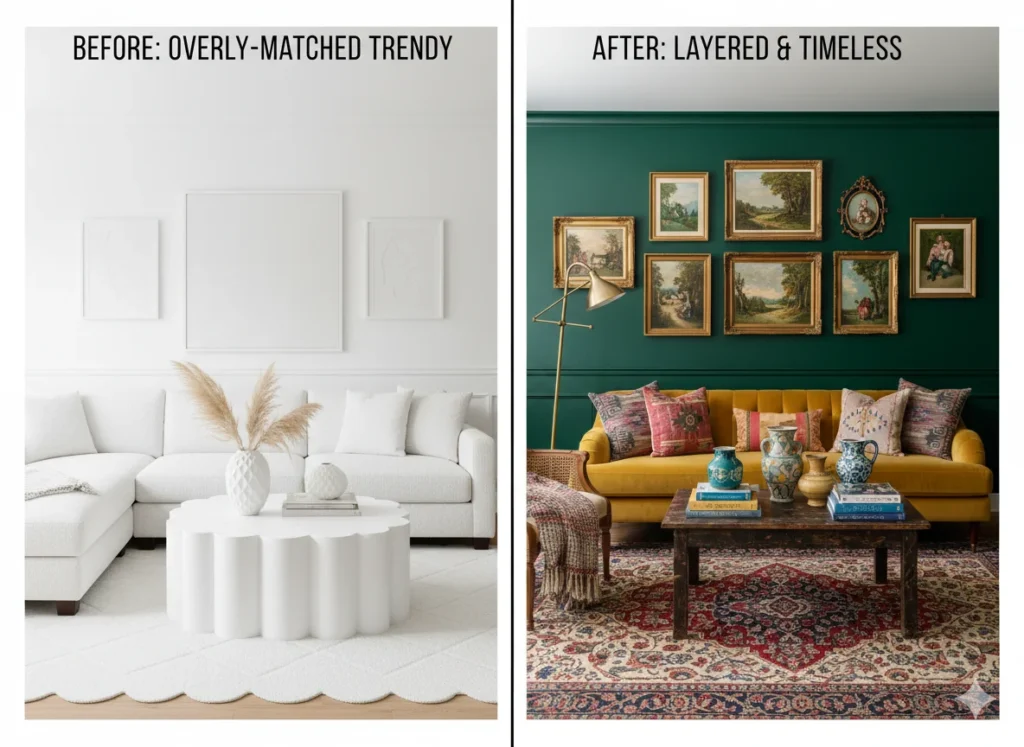
While embracing new ideas, certain trends are fading. Bouclé textures, while still having their place, no longer dominate upholstered furnishings. Scalloped details that saturated markets are being retired in favor of fresher silhouettes. Modern farmhouse all-white interiors are giving way to more color and pattern.
Overly matching spaces are being replaced with collected, quietly cool aesthetics that tell stories. The goal is creating homes that feel curated over time rather than purchased in single shopping trips.
Implementing Fresh Decorating Ideas
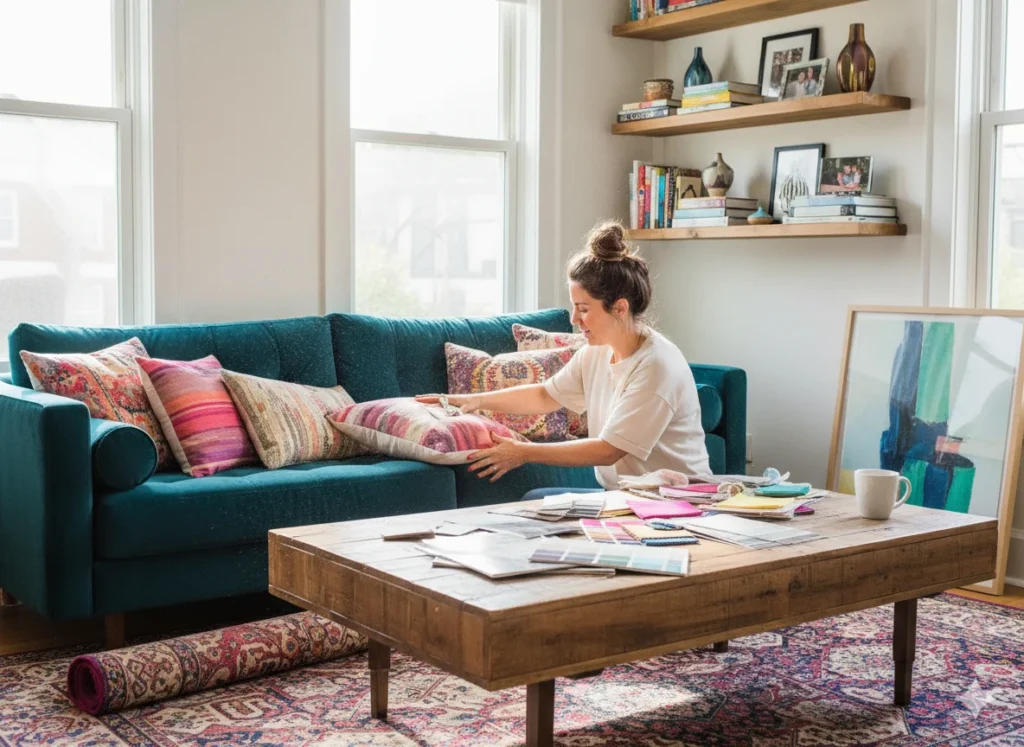
Begin transformation by identifying rooms needing refreshment without complete reinvention. Small changes create significant impact, whether introducing throw pillows in new colors, swapping area rugs, or adding wall art that reflects personal interests.
Consider which design styles resonate most strongly. Are you drawn to bohemian eclecticism, European elegance, organic modernism, or maximalist expression? Understanding your aesthetic preferences guides cohesive decisions across spaces.
Invest in quality materials that age gracefully. Natural fibers, solid woods, and authentic metals develop character over time, supporting sustainable approaches while creating environments that improve rather than deteriorate.
Creating Personalized Sanctuaries
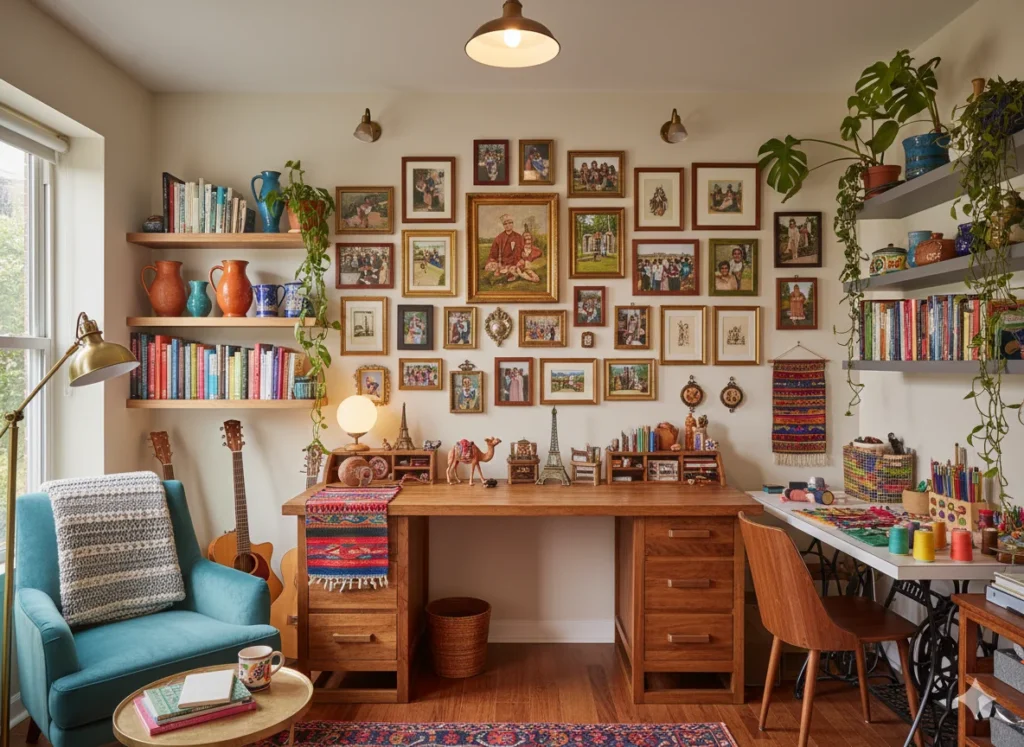
The most successful home transformations happen when spaces genuinely reflect inhabitants’ lives, interests, and needs. Display collections that matter, whether vintage pottery, family photographs, or travel souvenirs. Create zones supporting specific activities from reading and crafting to exercise and meditation.
Embrace imperfection as part of authentic living. Homes should accommodate real life, with durable surfaces that handle daily use and layouts that adapt to changing needs. The goal is creating environments that support wellbeing while expressing individual personality.
Conclusion
The landscape of new home decorating ideas for 2026 celebrates personality, authenticity, and meaningful connection to spaces we inhabit. Moving beyond sterile minimalism toward environments rich with color, texture, and character represents a fundamental shift in how we approach interior design. Whether embracing jewel tone palettes, incorporating natural materials, or creating dedicated wellness spaces, the common thread remains designing homes that truly reflect how we live rather than how we think spaces should look. As you embark on your decorating journey, remember that the most beautiful homes are those that tell genuine stories, embrace imperfection, and prioritize comfort alongside aesthetics. Your home should be a sanctuary that evolves with you, celebrating both timeless principles and contemporary innovations that make daily life richer and more enjoyable.
Frequently Asked Questions
What are the biggest home decorating trends for 2026?
The dominant trends include color-drenching with jewel tones, return to natural wood finishes, European-inspired kitchen designs, maximalist pattern mixing, vintage accents, dramatic lighting fixtures, and wellness-focused spaces. Personality-driven decor has replaced minimalist approaches.
How can I incorporate color into my home without overwhelming the space?
Start with tonal decorating by using varying shades of a single color family. Alternatively, use jewel tones in formal spaces like dining rooms while keeping main living areas more neutral. Add color through textiles, artwork, and accent pieces before committing to painted walls.
What materials are considered most desirable in 2026 interior design?
Natural materials including warm wood tones, stone with movement, hand-finished metals, terra-cotta tiles, plaster walls, and authentic textiles lead current preferences. The emphasis is on materials that develop patina and improve with age rather than showing wear.
Is minimalism still popular in home decorating?
Minimalism has given way to more personalized, maximalist approaches. While clean lines and intentional design remain valued, sterile all-white spaces are being replaced by color-rich, pattern-layered environments that tell stories and reflect individual personalities.
How do I make my home feel more personalized and collected?
Display meaningful collections, mix vintage pieces with contemporary furniture, avoid matching everything, incorporate handmade and artisan items, use varied textures and patterns, create dedicated spaces for hobbies and activities, and choose colors and styles that genuinely resonate with your preferences rather than following trends blindly.
You may also like this post: Modern Minimalist Living Room: 27 Design Ideas for Small Spaces
One Comment