
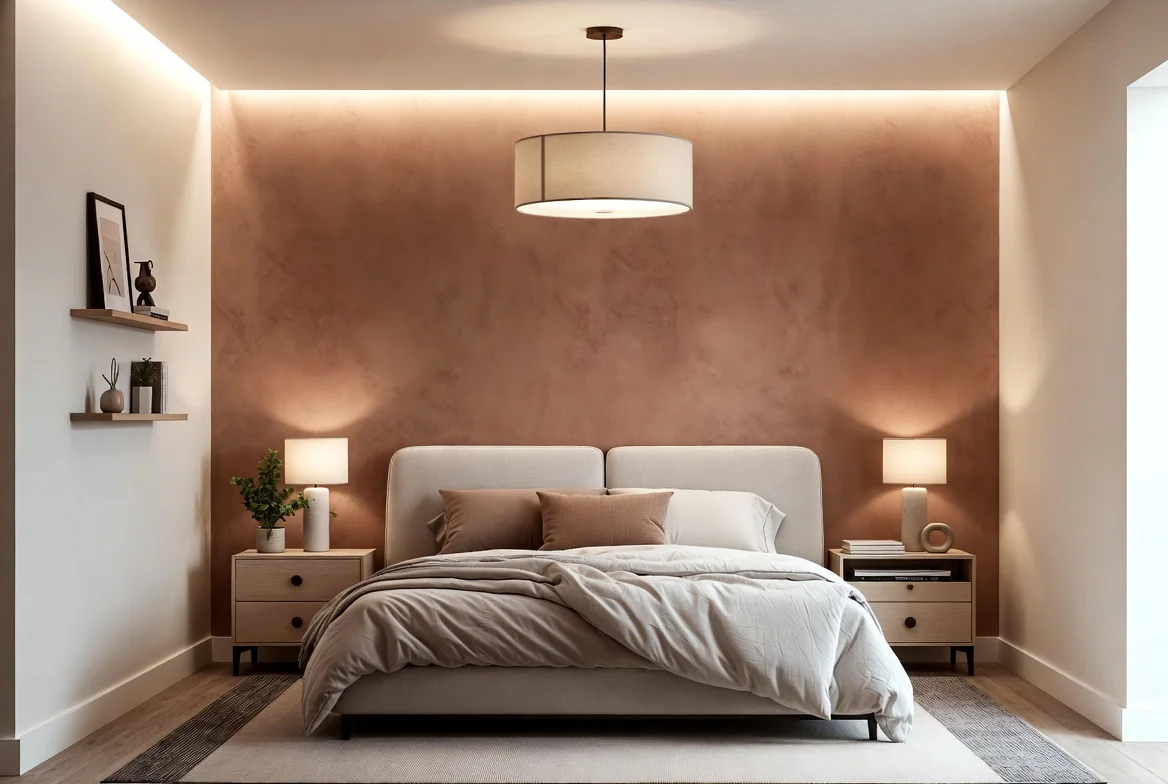
25 Modern Bedroom Ideas for a Stylish and Cozy Space
Your bedroom should be more than just a place to sleep. Research from the National Sleep Foundation reveals that bedroom environment directly impacts sleep quality, with 93 percent of people acknowledging that a comfortable bedroom is important for good sleep. Yet most bedrooms remain afterthoughts, decorated haphazardly without the intentional design that creates genuine rest and rejuvenation. The gap between wanting a stylish modern bedroom and actually achieving one often feels impossible to bridge.
Creating an authentic modern bedroom requires understanding that contemporary design has evolved far beyond cold minimalism into a sophisticated aesthetic that prioritizes both visual impact and genuine comfort. The most successful modern bedroom designs balance clean architectural lines with warm layered textures, incorporating statement furniture pieces and ambient lighting that create spaces feeling simultaneously impressive and inviting. Interior designers report that modern bedroom aesthetics have shifted dramatically toward what they call “warm minimalism,” where quality trumps quantity and every element serves both form and function.
This comprehensive guide presents 25 proven modern bedroom ideas backed by design research and real-world applications. From foundational principles like color palette selection and furniture scaling to finishing details like sculptural lighting and textural layering, these strategies will transform your bedroom into the stylish yet cozy retreat you deserve to enjoy every single day.
Embrace Neutral Color Foundations with Depth
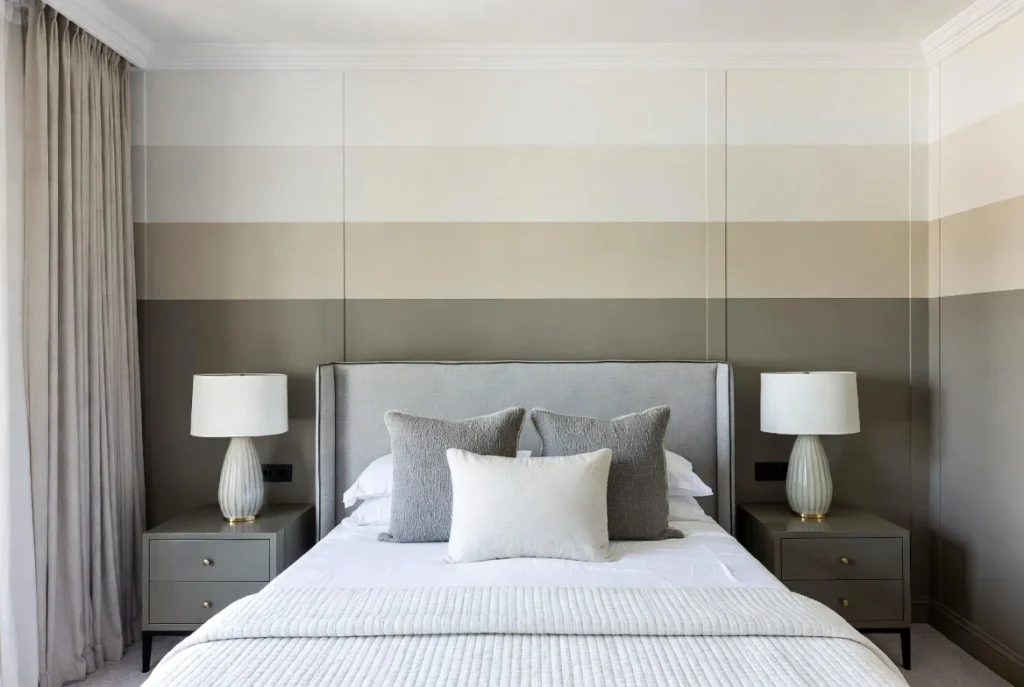
Neutral color palettes form the backbone of modern bedroom design, but achieving sophistication requires moving beyond flat beige into layered tonal schemes. Design psychologists note that humans can distinguish over 500 shades of white, making monochromatic schemes far more complex than they appear. Layer multiple shades of cream, warm gray, greige, and soft taupe throughout your space, using darker tones for anchor furniture pieces like beds and lighter shades for walls and ceilings. This monochromatic layering creates visual depth while maintaining the serene cohesion central to modern aesthetics. Add dimensional interest through varied matte and glossy finishes that catch light differently despite similar colors.
Invest in a Low-Profile Platform Bed
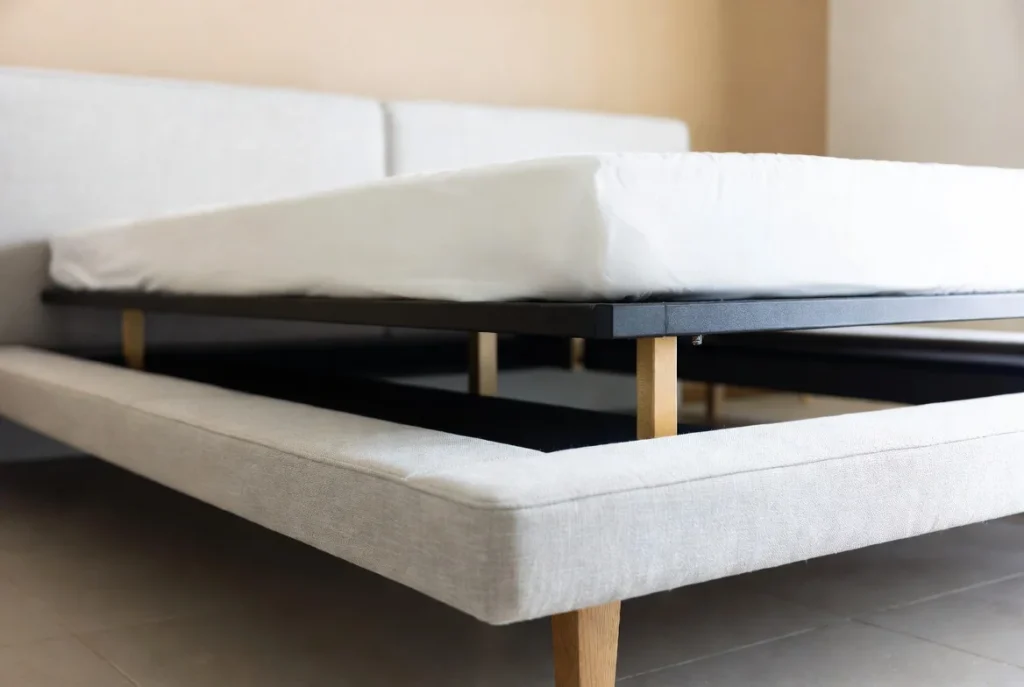
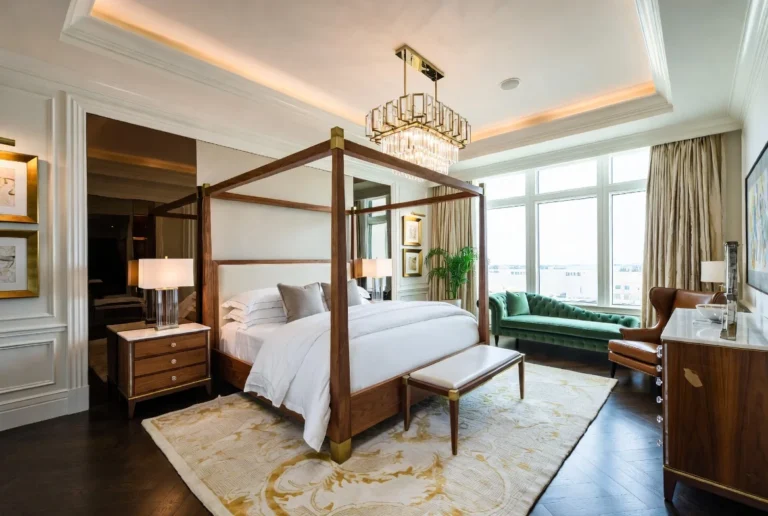
Platform beds with their characteristic horizontal emphasis and minimal height define contemporary bedroom style. These modern bed frames typically feature exposed legs, clean-lined headboards, and construction eliminating the need for box springs. Interior design data shows that low-profile furniture makes ceilings appear higher through visual contrast while maintaining sightlines across rooms. Choose solid wood platforms in walnut or oak for warmth, or upholstered designs in neutral linens for soft sophistication. The streamlined silhouette prevents visual clutter while their substantial sleeping surface ensures comfort is not sacrificed for style.
Layer Three Types of Bedroom Lighting
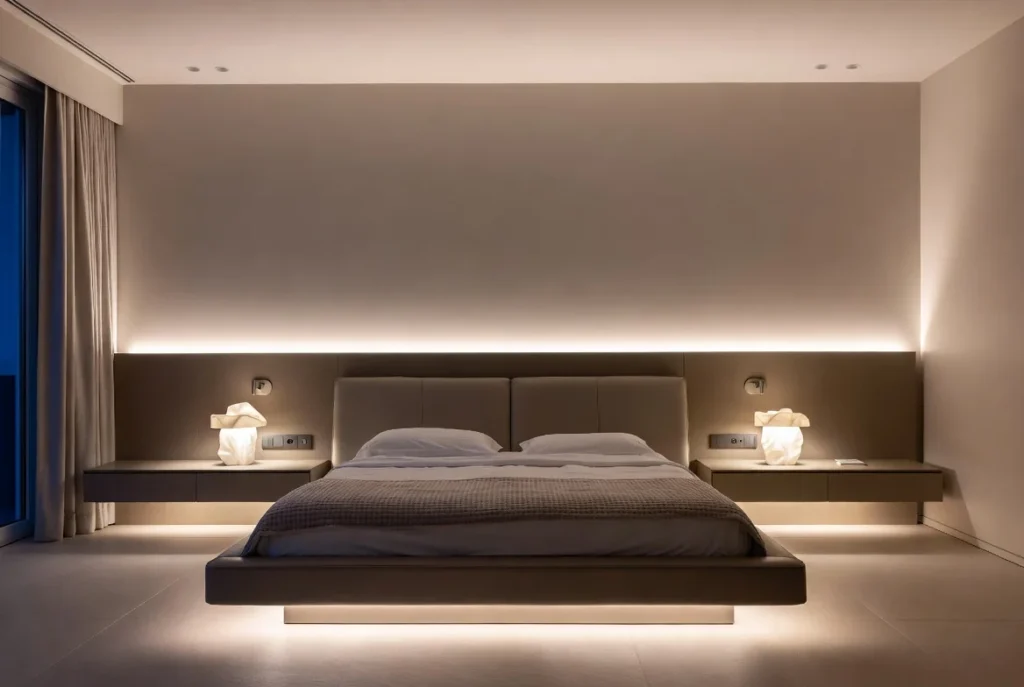
Professional lighting design requires combining ambient, task, and accent illumination at adjustable intensities. Ambient lighting through recessed ceiling fixtures or cove installations provides general illumination. Task lighting via sculptural table lamps or wall-mounted reading lights enables specific activities. Accent lighting including LED strips beneath floating furniture or highlighting artwork creates dimensional interest. Install dimmers on all circuits, as circadian rhythm research shows that warm, adjustable lighting in evenings promotes better sleep quality. Statistics indicate that properly layered lighting can increase perceived room size by 15 to 20 percent through strategic light placement.
Choose Statement Lighting Fixtures
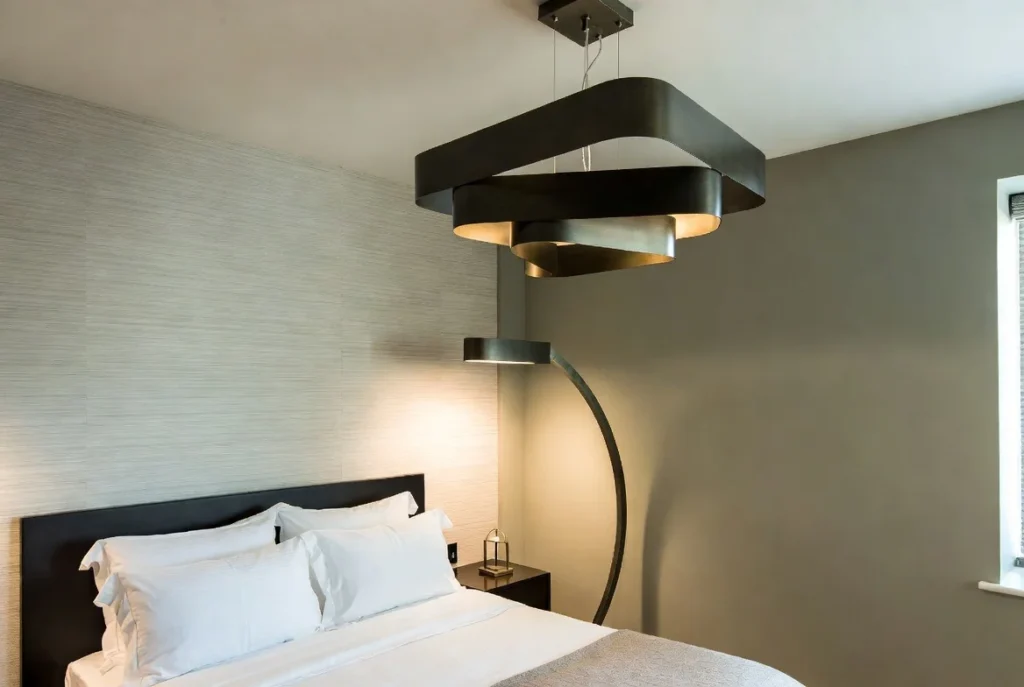
Modern bedroom lighting serves double duty as both illumination and sculptural art. Select one dramatic statement piece like an oversized pendant light, geometric chandelier, or arc floor lamp that becomes a visual focal point even when unlit. Contemporary lighting designers favor organic shapes, matte black finishes, brushed brass details, and minimalist forms that complement rather than compete with furniture. Research shows that statement lighting creates the “wow factor” that makes modern bedrooms feel professionally designed rather than merely decorated.
Add Textured Accent Walls
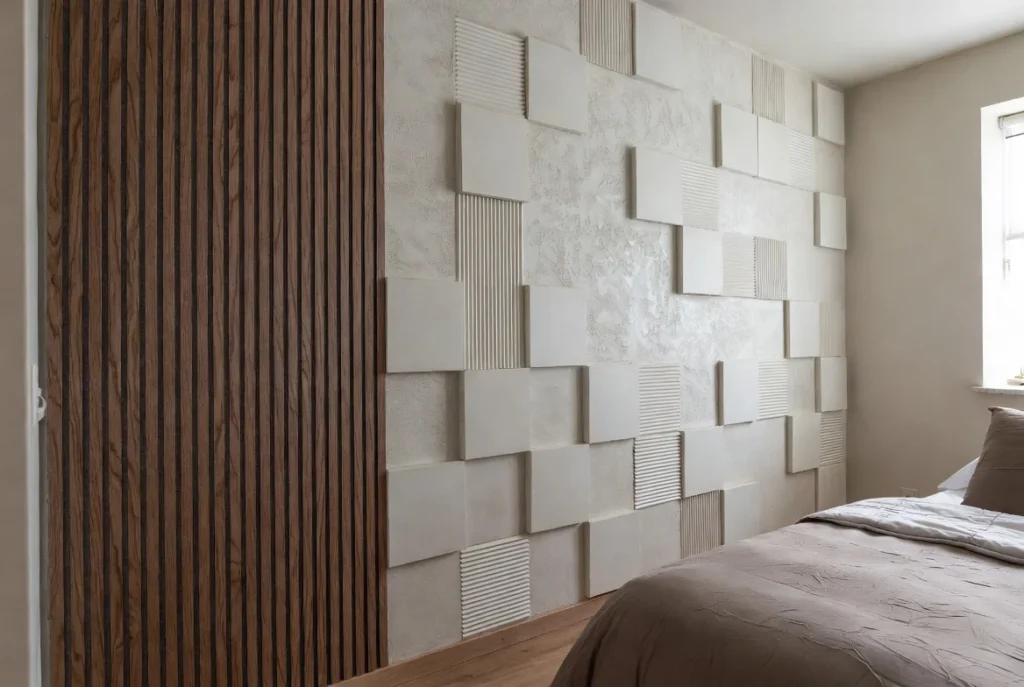
Accent walls in modern bedrooms move beyond simple paint into dimensional textured treatments. Consider wood slat walls with vertical or horizontal orientation, 3D wall panels in geometric patterns, textured plaster creating organic depth, or floor-to-ceiling upholstered panels in neutral linens. These architectural features add tactile richness while maintaining clean modern aesthetics. Design studies indicate that one textured wall creates focal points without overwhelming small spaces, making this approach particularly effective in compact modern bedrooms.
Incorporate Natural Wood Elements
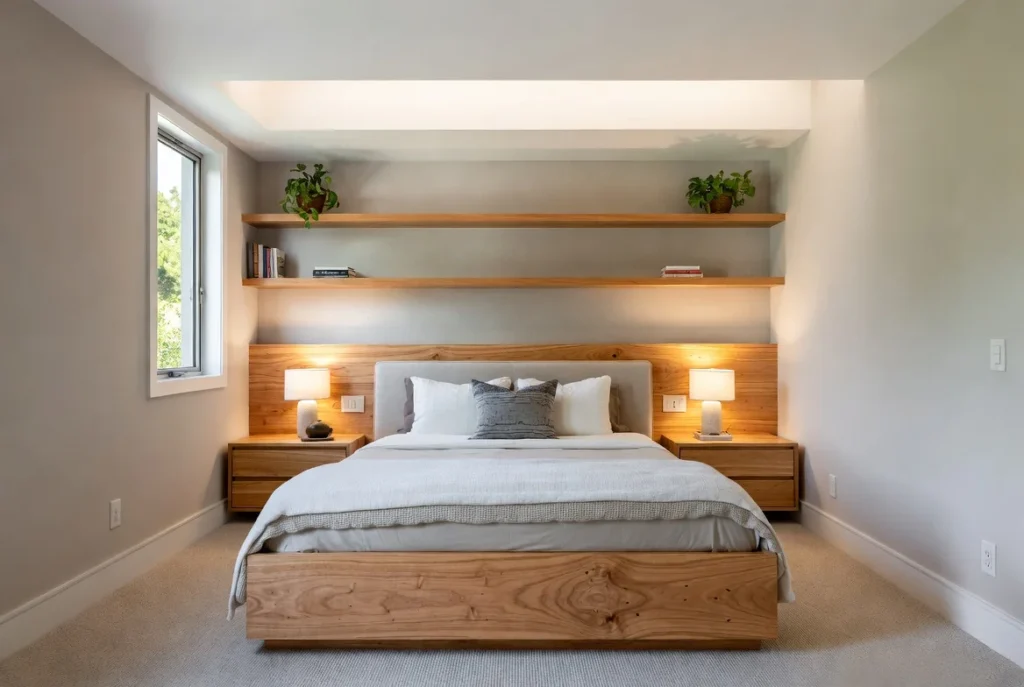
Warm wood tones prevent modern bedrooms from feeling cold or clinical. Introduce natural wood through bed frames, nightstands, floating shelves, or accent walls that showcase visible grain patterns. Popular species include walnut for rich brown tones, white oak for lighter Scandinavian aesthetics, and teak for mid-century modern appeal. Environmental psychology research confirms that natural materials reduce stress and promote relaxation, making wood essential rather than optional in spaces designed for genuine rest.
Select Sculptural Modern Furniture
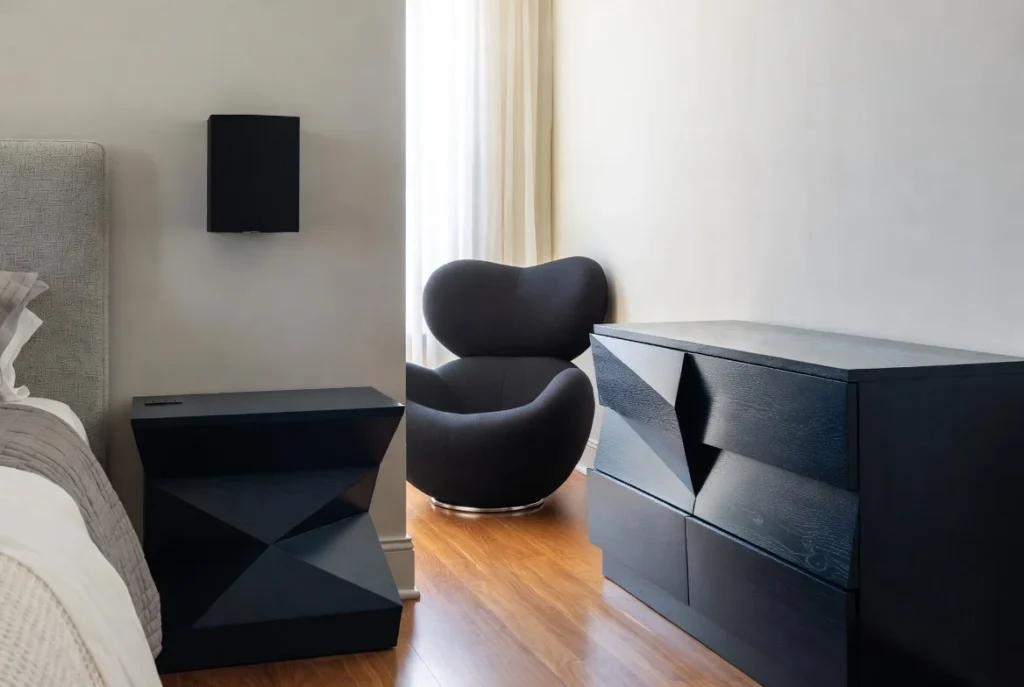
Contemporary furniture with architectural silhouettes transforms functional pieces into artistic statements. Choose nightstands with geometric bases, dressers featuring asymmetrical drawer configurations, or accent chairs with organic curved forms. These statement furniture pieces anchor modern aesthetics while their distinctive designs create visual interest preventing minimalist spaces from feeling empty. Furniture designers note that one exceptional piece often makes greater impact than multiple mediocre furnishings, making thoughtful curation essential.
Layer Multiple Textile Textures
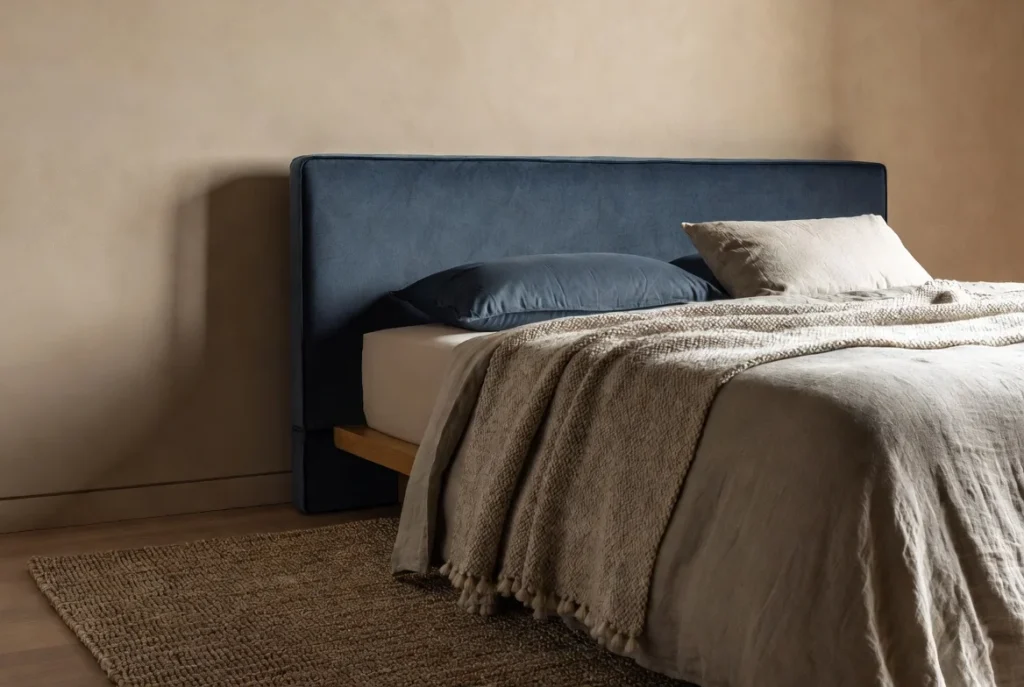
Textural variety prevents modern bedrooms from appearing flat despite neutral palettes. Combine smooth silk pillows, nubby boucle throws, soft linen sheets, plush velvet headboards, and woven wool rugs for tactile richness. This material layering creates dimensional interest while the varied surfaces catch and reflect light differently, adding depth without introducing competing colors. Textile experts recommend limiting color while maximizing texture for sophisticated modern bedroom styling.
Install Floating Nightstands and Shelves
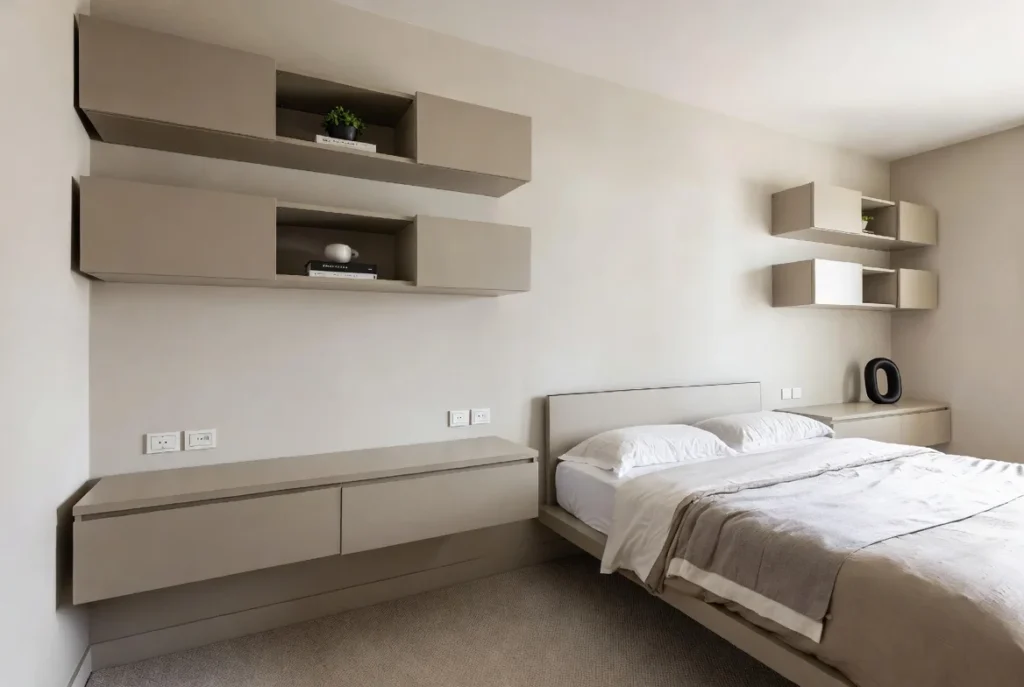
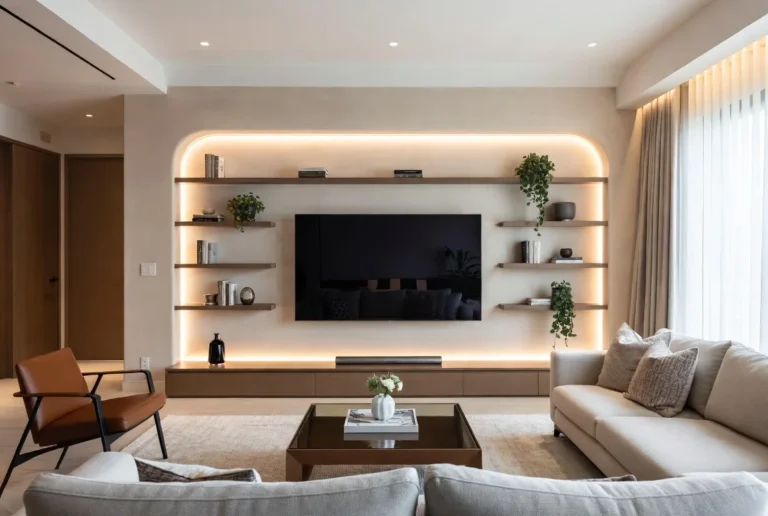
Floating furniture creates the airy, uncluttered aesthetic central to modern design. Wall-mounted nightstands and floating shelves appear to hover weightlessly, revealing floor space that makes rooms feel larger while simplifying cleaning. This approach proves particularly effective in small modern bedrooms where every square foot matters. Structural engineers note that properly installed floating furniture supports substantial weight despite its delicate appearance, making functionality match visual lightness.
Add Floor-to-Ceiling Curtains
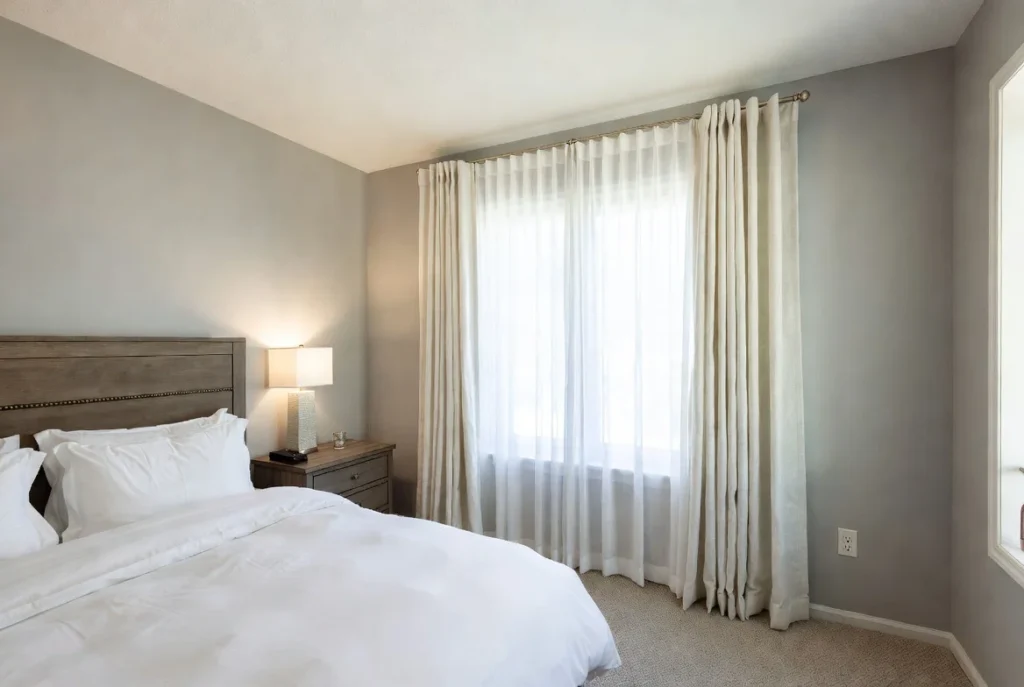
Mount curtain rods several inches above window frames and choose floor-length panels in light-filtering fabrics. This vertical emphasis draws eyes upward, making ceilings appear higher while the soft textile panels add warmth to modern spaces. Select neutral linen curtains for organic texture, sheer whites for maximizing natural light, or blackout panels in matching wall colors for seamless integration. Window treatment studies show that proper hanging techniques can make rooms appear 10 to 15 percent taller through visual tricks.
Create a Monochromatic Bedroom Scheme
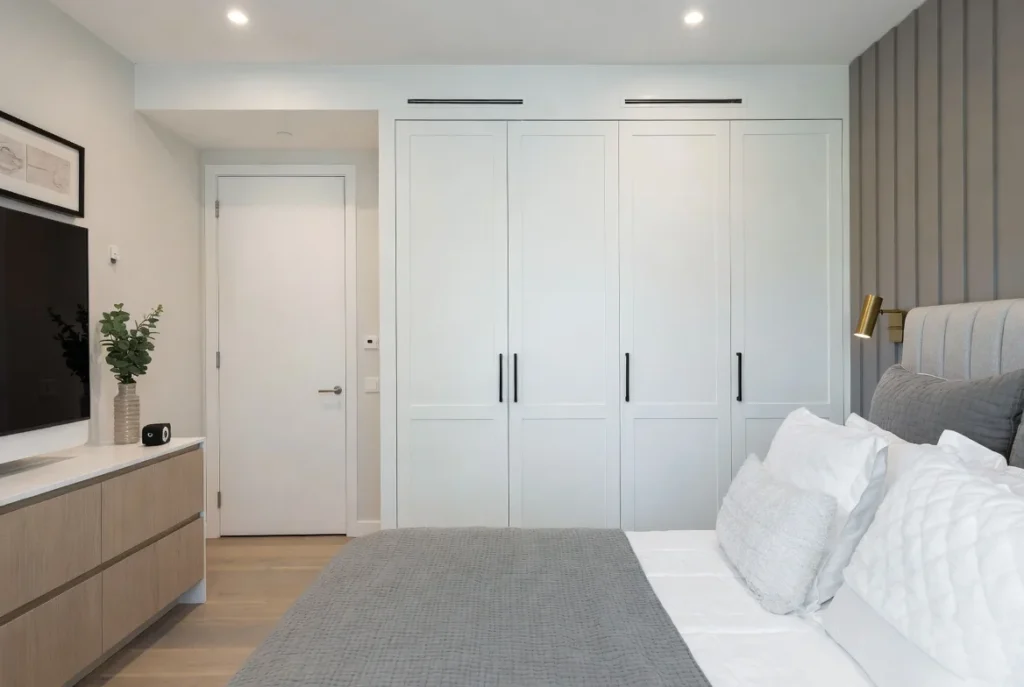
All-white bedrooms or single-color palettes deliver serene sophistication when executed with varied textures and finishes. Layer glossy painted walls, matte fabric upholstery, natural wood tones, and metallic accents all within coordinating shades. This monochromatic approach creates the cohesive aesthetic defining modern design while textural variation prevents monotony. Color psychology research indicates that monochromatic bedrooms reduce visual stimulation, promoting the mental calm essential for quality sleep.
Incorporate Minimalist Wall Art
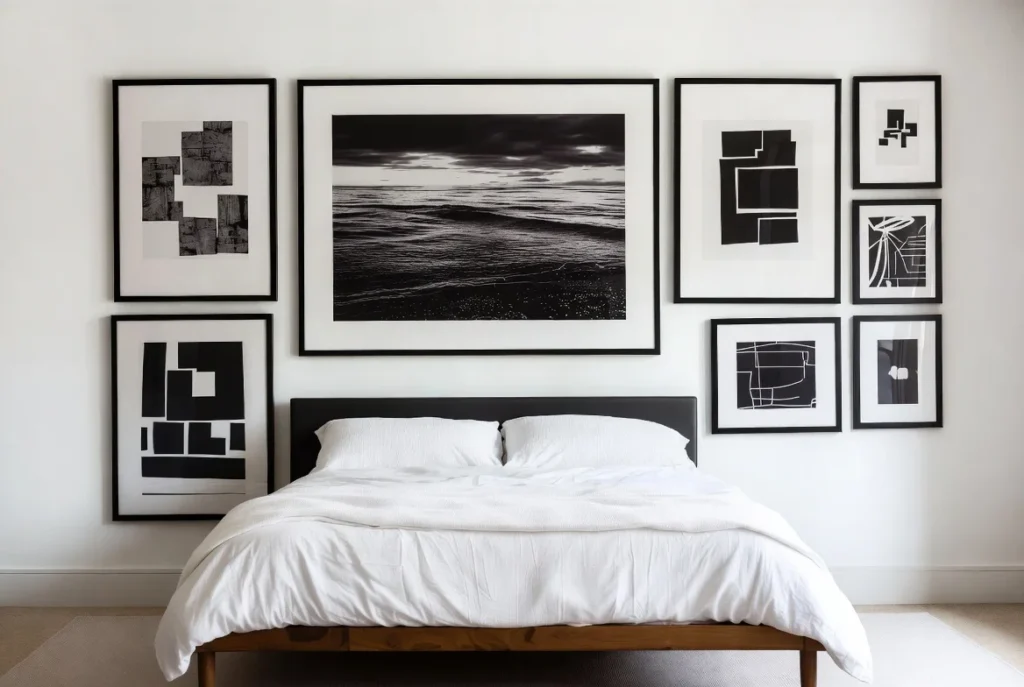
Abstract artwork in bold scales provides personality without cluttering clean modern aesthetics. Choose one oversized canvas or create a curated gallery wall maintaining consistent frame styles. Black and white photography, line drawings, or geometric prints suit modern sensibilities while large-scale pieces make stronger statements than multiple small artworks. Art consultants recommend artwork measuring at least two-thirds of furniture width beneath it for proper visual proportion.
Add Living Plants for Organic Life
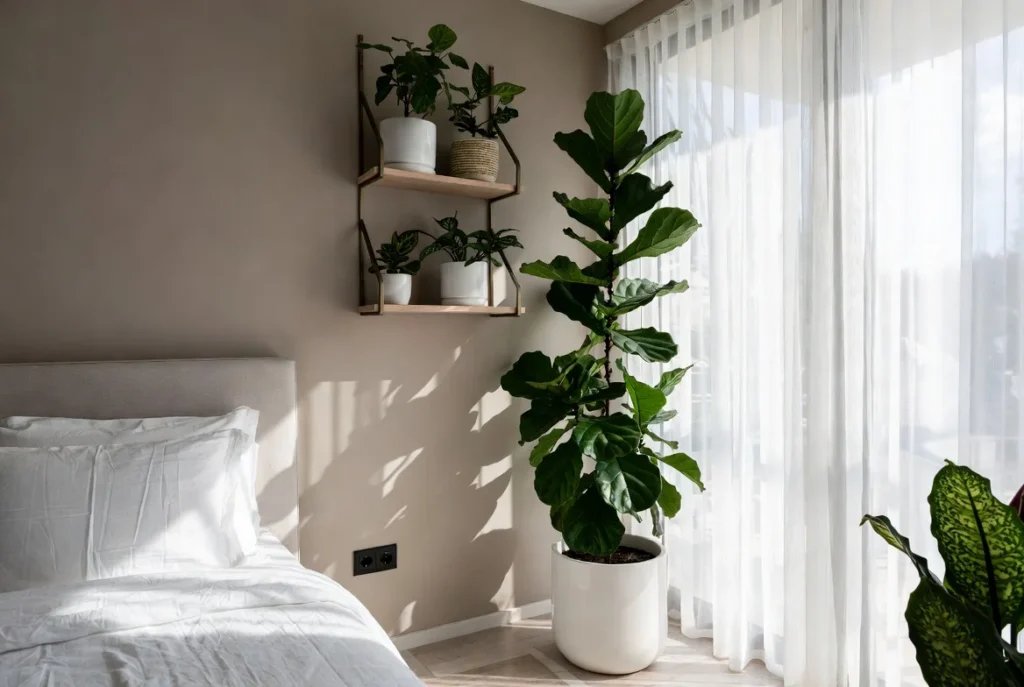
Indoor plants bring biophilic elements essential for genuine comfort in modern spaces. Large floor plants like fiddle-leaf figs or bird of paradise create dramatic vertical statements, while smaller specimens grouped on floating shelves add lush collections. NASA research confirms that certain plants improve indoor air quality while environmental psychology studies show that greenery reduces stress and promotes wellbeing, making plants functional rather than merely decorative in spaces designed for rest.
Choose Streamlined Modern Storage
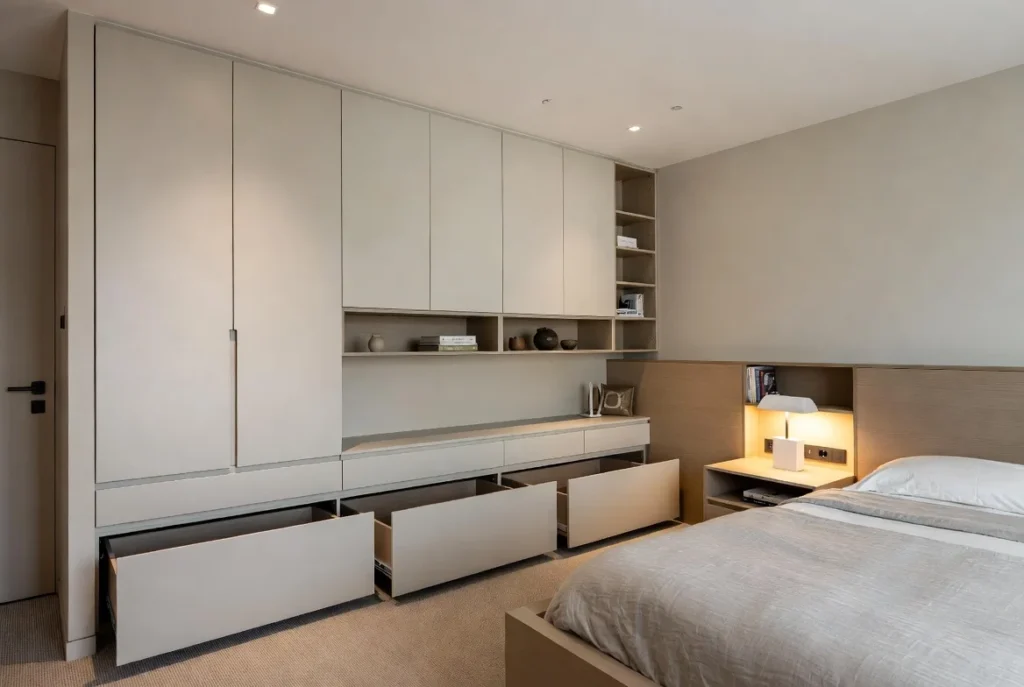
Custom built-ins and floating cabinets provide storage while maintaining clean surfaces essential to modern aesthetics. Floor-to-ceiling wardrobes with seamless doors blend into walls, under-bed drawers on hydraulic systems maximize hidden storage, and nightstands with concealed compartments keep surfaces clear. Organization research shows that visible clutter increases stress hormones, making effective storage solutions critical for bedrooms designed to promote genuine relaxation.
Select Contemporary Area Rugs
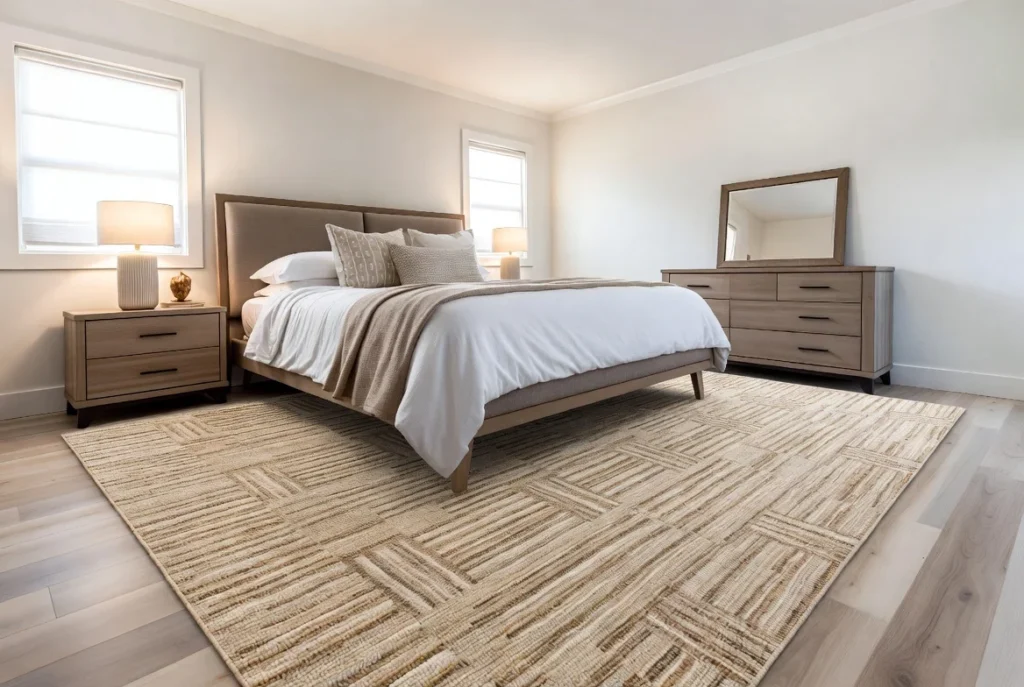
Modern area rugs in geometric patterns, abstract designs, or solid neutral tones anchor bedroom furniture while adding warmth underfoot. Choose rugs large enough that at least the front legs of beds and nightstands rest on the rug, creating cohesive zones. Natural fiber rugs in jute or sisal suit organic modern aesthetics, while low-pile wool rugs in monochromatic patterns add subtle visual interest. Rug sizing studies indicate that oversized rugs make rooms appear more spacious than small rugs that visually fragment floor space.
Add Metallic Accents Thoughtfully
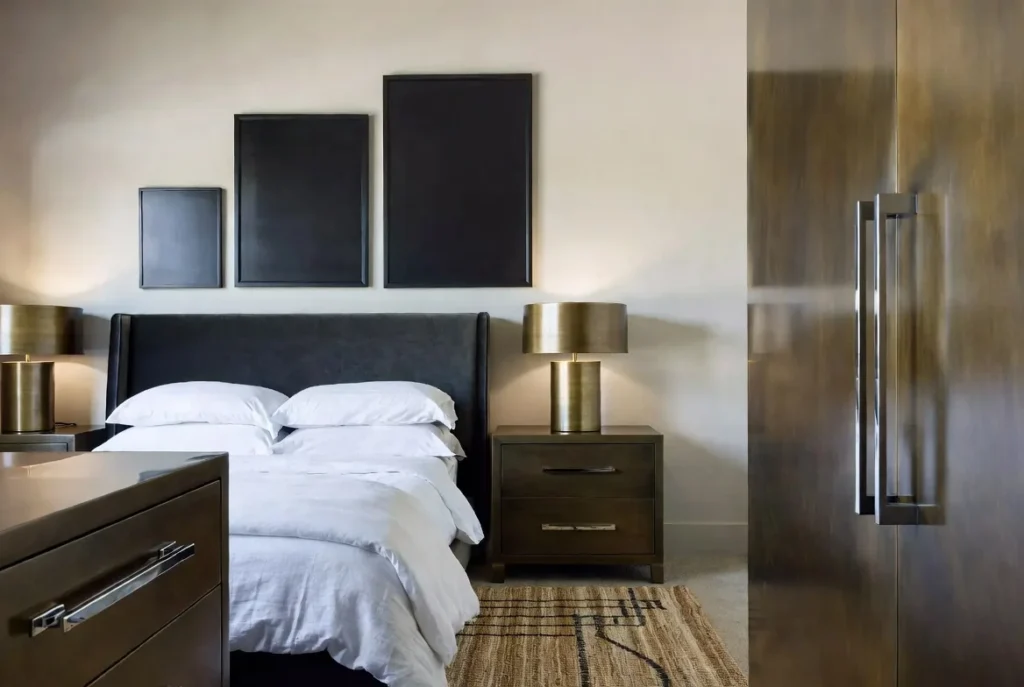
Brass, brushed gold, matte black, and polished chrome accents add sparkle and contemporary edge. Mix finishes rather than matching everything perfectly, combining warm brass lamps with cool chrome picture frames for sophisticated eclecticism. These metallic elements catch and reflect light while their varied temperatures create visual interest. Interior designers recommend limiting metallics to three finishes per room to maintain cohesion without monotony.
Create a Cozy Reading Nook
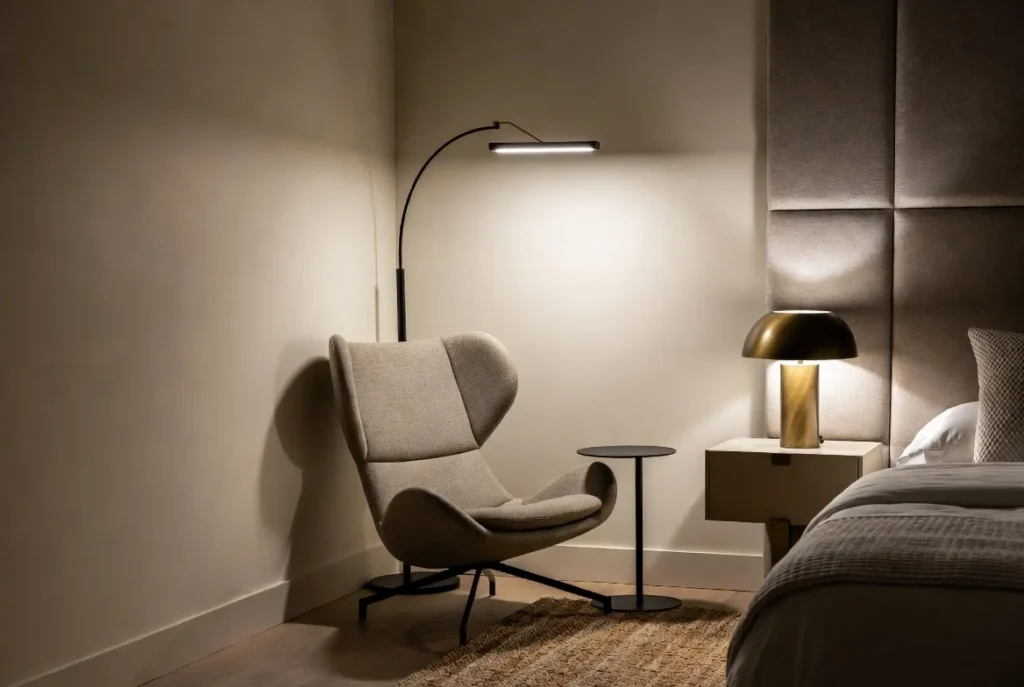
Transform bedroom corners into intimate reading zones with accent chairs, arc floor lamps, and small side tables. This dedicated space makes modern bedrooms feel like complete retreats rather than merely sleeping areas. Choose sculptural seating in neutral upholstery that complements overall aesthetics while the functional zone increases how you actually use and enjoy your bedroom beyond sleep hours.
Install Modern Window Treatments
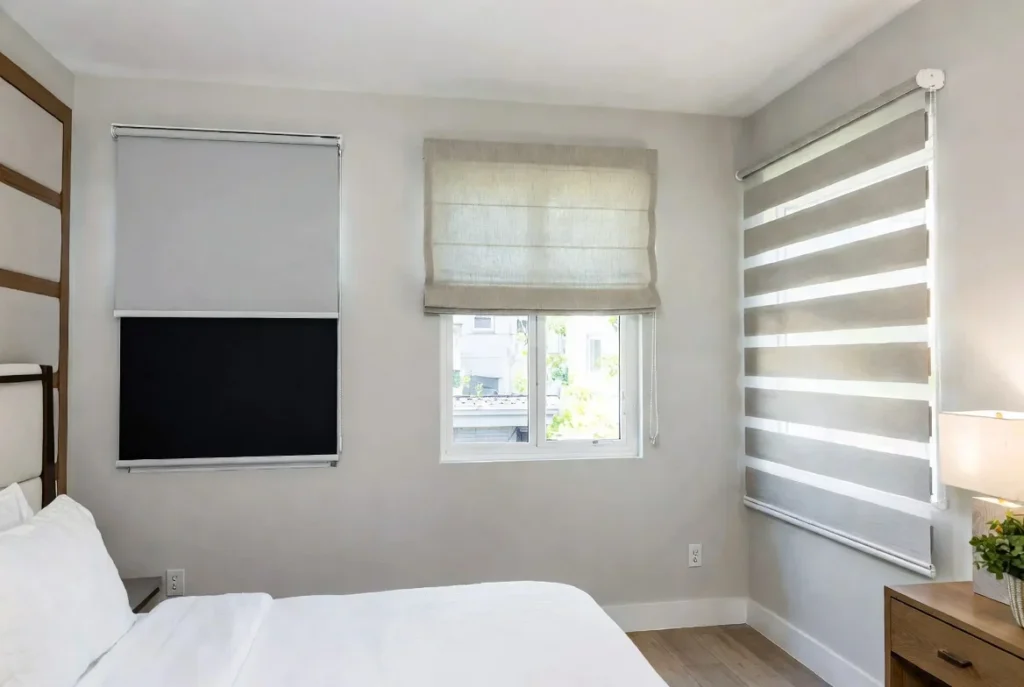
Roller shades in solar fabrics, Roman shades in linen blends, or panel track systems for floor-to-ceiling windows provide light control with clean contemporary lines. Avoid fussy treatments with excessive fabric or decorative valances that clutter modern aesthetics. Motorized systems controlled via smartphones add contemporary convenience while blackout linings ensure quality sleep regardless of exterior light conditions.
Choose Low-Maintenance Modern Flooring
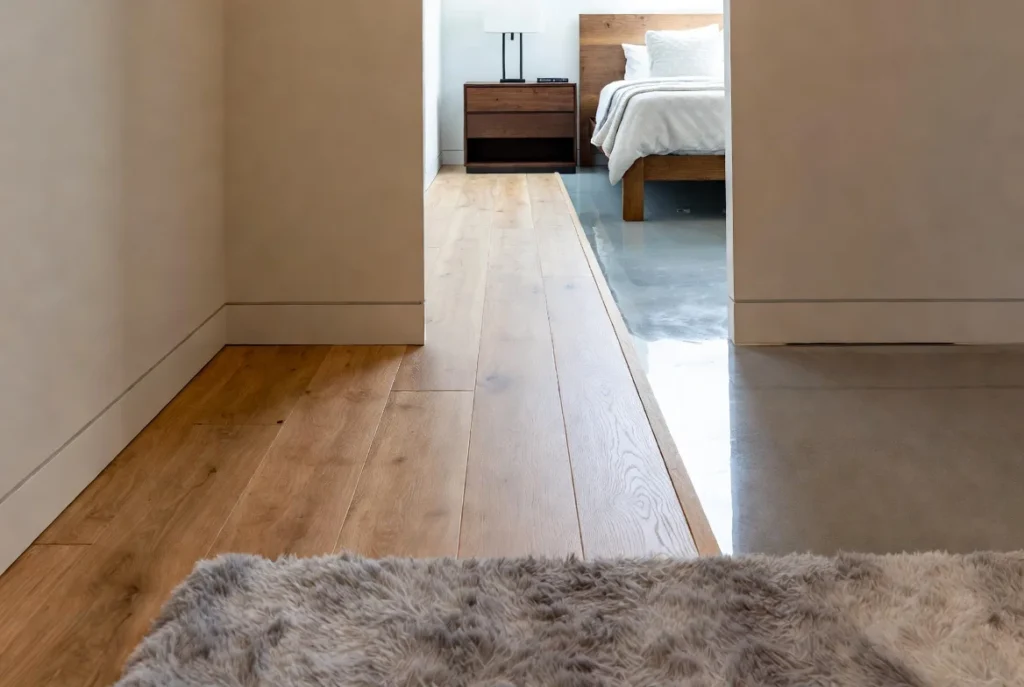
Engineered hardwood in light oak or rich walnut, luxury vinyl plank mimicking wood, or polished concrete suit modern bedroom design. These durable surfaces simplify cleaning while their clean horizontal lines complement contemporary furniture. Add area rugs in strategic locations for warmth and sound absorption. Flooring research shows that hard surfaces with area rugs prove easier to maintain than wall-to-wall carpeting while offering greater design flexibility.
Incorporate Architectural Molding
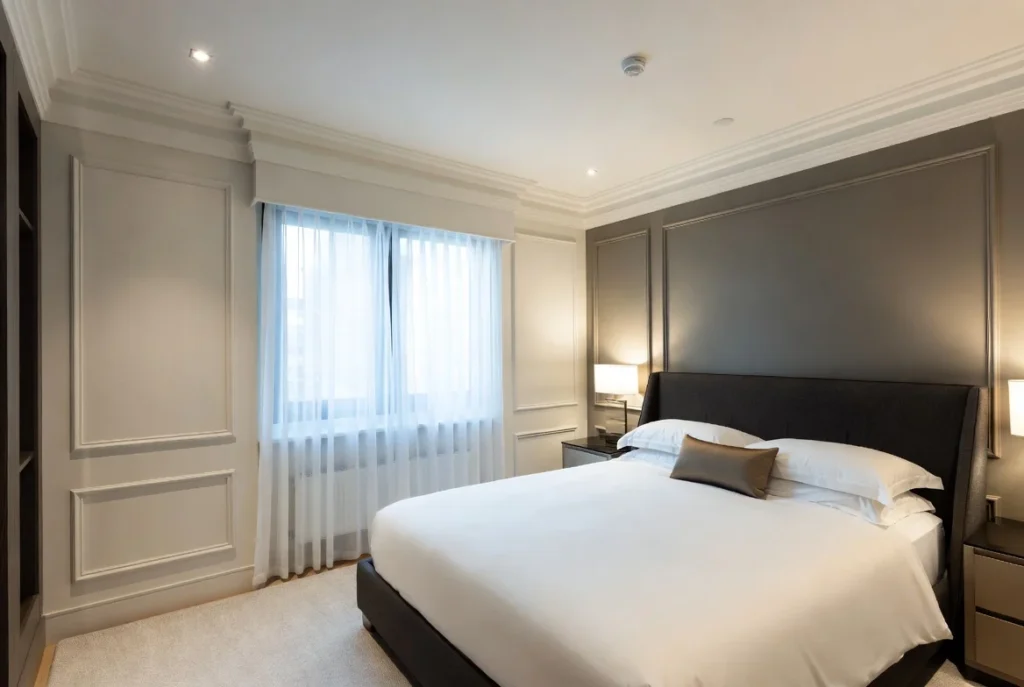
Contemporary crown molding, picture frame molding, or geometric wall treatments add architectural interest without traditional fussiness. Paint these details to match walls for subtle sophistication or in contrasting tones for dramatic definition. These permanent design elements create the polished backdrop against which modern furnishings shine while increasing perceived home value according to real estate studies.
Select Modern Bed Linens
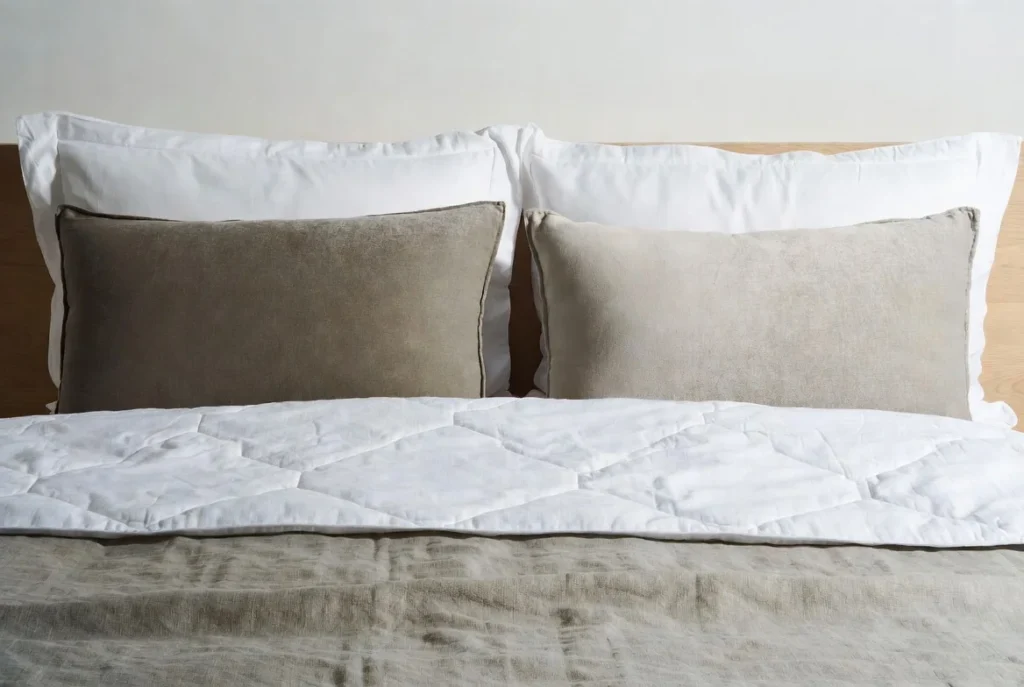
High-thread-count cotton sheets, linen duvet covers, and velvet throw pillows in neutral tones create luxurious comfort. Layer all-white bedding for hotel-inspired simplicity or introduce subtle pattern through geometric quilts and textured throws. Sleep research indicates that natural fibers regulate temperature better than synthetics, making material selection functional beyond aesthetics in spaces designed for genuine rest.
Add Statement Headboards
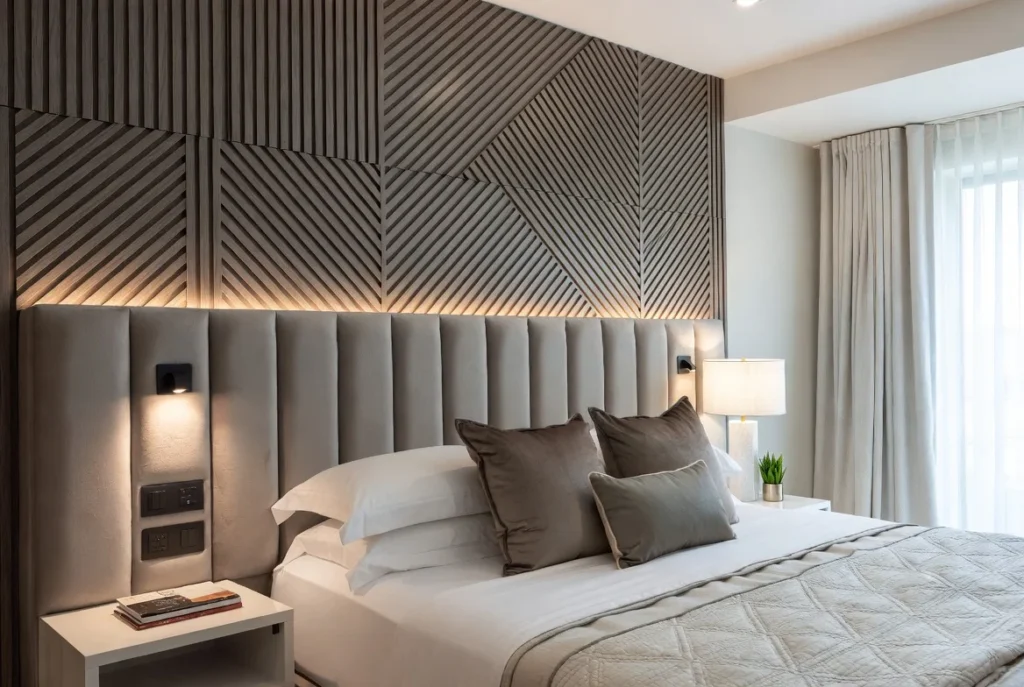
Upholstered headboards in channel tufting, wood slat designs creating geometric patterns, or padded panels extending floor-to-ceiling transform beds into focal points. These architectural features anchor modern bedrooms while their substantial presence adds visual weight balancing other furniture. Headboard designs increasingly incorporate integrated USB ports and reading lights for modern functionality.
Create Symmetrical Nightstand Styling
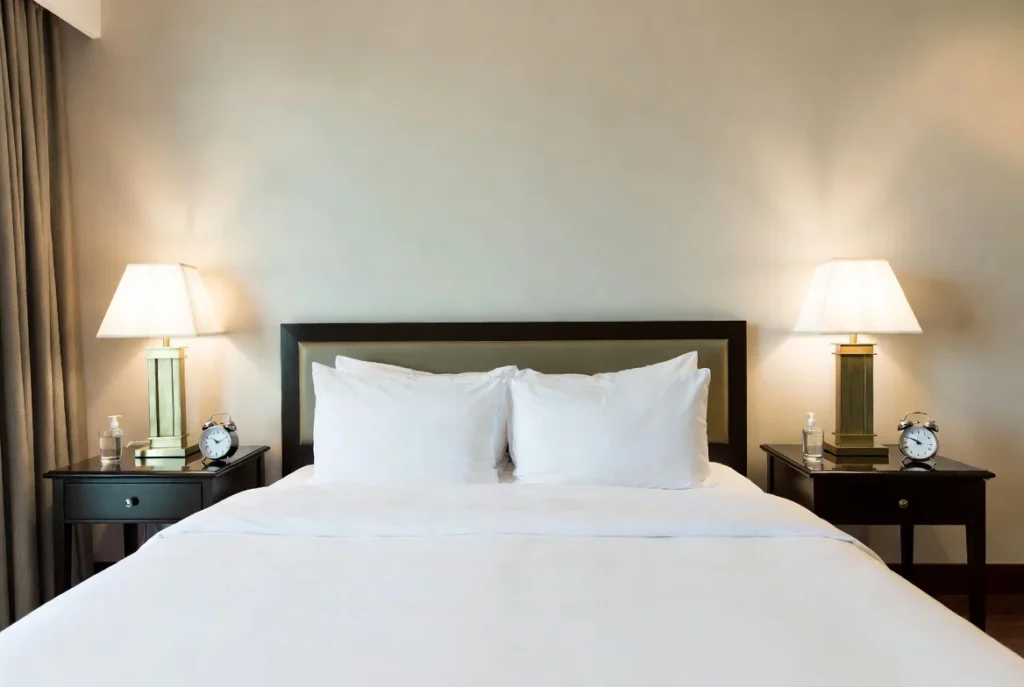
Matching nightstands flanking beds with symmetrical accessories create balanced, hotel-inspired modern aesthetics. Place identical lamps, small decorative objects, and minimal essentials creating visual harmony. Design psychology shows that symmetry registers as inherently pleasing while the disciplined editing required for symmetrical styling naturally prevents surface clutter.
Install Blackout Window Solutions
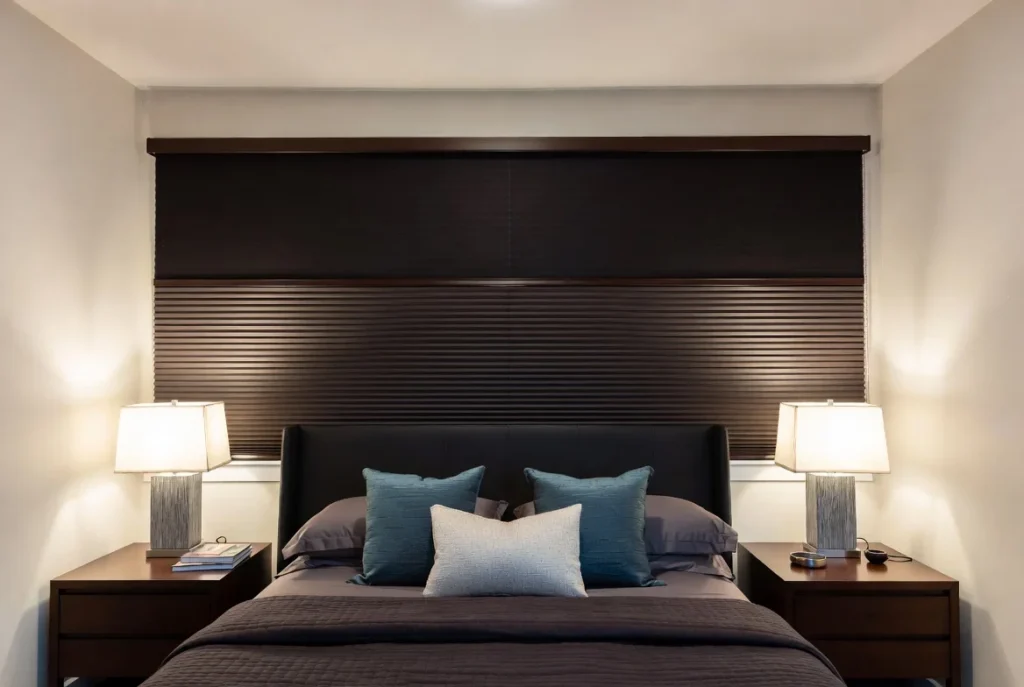
Blackout roller shades, lined curtains, or cellular shades in room-darkening fabrics ensure quality sleep regardless of exterior light. Sleep science confirms that complete darkness promotes melatonin production essential for restful sleep, making this functional upgrade critical in bedrooms designed for genuine restoration. Modern blackout options now include motorized systems and side channels eliminating light gaps.
Add Personal Collections Thoughtfully
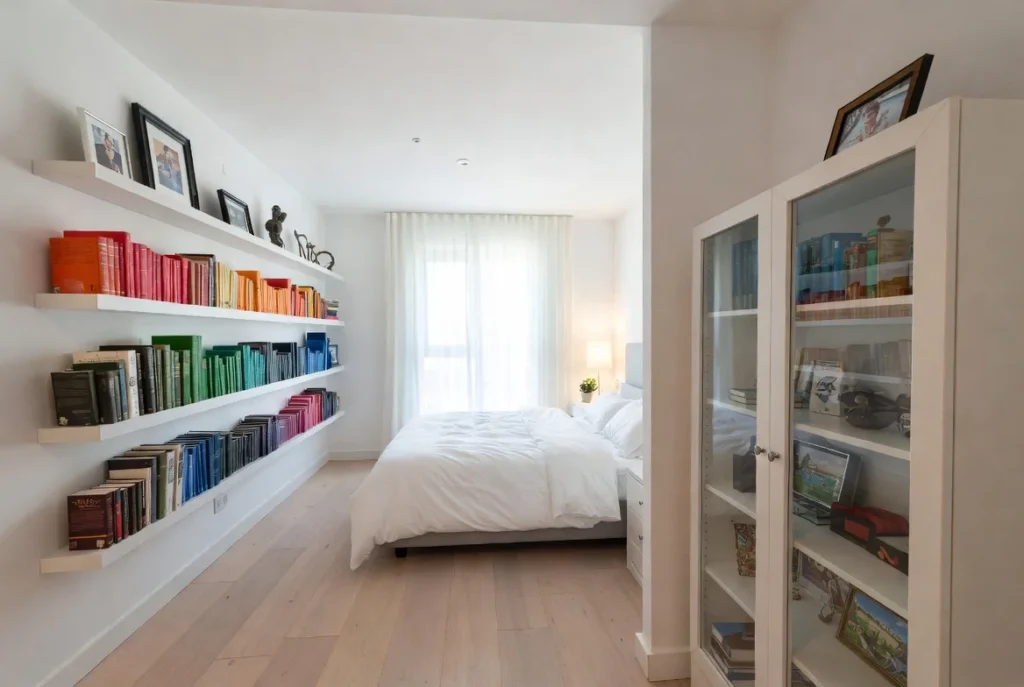
Modern bedrooms accommodate personal items through curated display rather than scattered clutter. Group meaningful objects on floating shelves, arrange favorite books by color for visual impact, or showcase travel souvenirs in glass-fronted cabinets. The key is intentional presentation where every visible item earns its place through either function or genuine aesthetic contribution, maintaining the edited quality central to modern design.
Conclusion
Creating a modern bedroom that feels genuinely stylish and cozy requires understanding that contemporary design has evolved into a sophisticated aesthetic prioritizing both visual impact and authentic comfort. The 25 ideas presented throughout this guide prove that exceptional modern bedroom design emerges from thoughtful integration of clean-lined furniture, layered lighting, neutral color palettes, natural materials, and textural variety that work synergistically to create spaces that impress visually while promoting genuine rest.
The most valuable insight to carry forward is that successful modern bedrooms balance minimalism with warmth. Platform beds and floating furniture establish contemporary credentials while warm wood tones and layered textiles prevent spaces from feeling cold. Statement lighting creates visual drama while ambient illumination enables relaxation. Monochromatic palettes deliver sophistication while textural variation adds dimensional interest.
Begin your transformation by choosing three to five ideas that resonate with your space and budget. Perhaps you start with a platform bed, add layered lighting, and incorporate textured accent walls. These foundational changes establish modern aesthetics before you layer in plants, artwork, and accessories that complete the vision.
Your bedroom holds remarkable potential to become the stylish, cozy retreat you deserve, one that proves modern design and genuine comfort are not opposing forces but complementary elements that, when thoughtfully combined, create spaces that genuinely enhance daily life. These 25 modern bedroom ideas provide your roadmap to achieving that perfect balance.
Frequently Asked Questions
What defines a modern bedroom versus a contemporary bedroom?
Modern bedroom design refers to a specific aesthetic rooted in mid-20th century principles emphasizing clean lines, minimal ornamentation, natural materials like wood and leather, and functional furniture. Contemporary bedroom design, by contrast, describes whatever is currently trending and evolves constantly with design trends. Modern style maintains consistent characteristics including platform beds, neutral palettes, and geometric forms, while contemporary spaces incorporate whatever feels current, potentially mixing industrial, bohemian, or traditional elements. Many people use these terms interchangeably, but true modern design adheres to specific stylistic principles developed during the modernist movement of the 1920s through 1960s.
How can I make a small bedroom feel modern and spacious?
Maximize small bedrooms through several proven strategies including painting walls and ceilings in matching light neutrals that eliminate visual boundaries, choosing low-profile platform beds with exposed legs that maintain sightlines underneath, incorporating large mirrors to visually double perceived space, installing floating nightstands and shelves that reveal floor space, and using layered lighting including LED strips that make rooms feel larger. Select one or two statement pieces rather than filling rooms with multiple smaller items. Maintain clutter-free surfaces through smart hidden storage that conceals everyday items while displaying only carefully curated decorative objects. Research shows that these techniques can make rooms appear 15 to 25 percent larger through visual tricks.
What colors work best for modern bedroom designs?
The most successful modern bedroom colors include soft whites, warm grays, greige, beige, and taupe as foundational neutrals creating serene backdrops. Layer multiple tones within neutral families to add depth without introducing competing colors. For accent colors, consider muted earth tones like sage green or terracotta, or strategic black elements through furniture legs, window frames, or light fixtures that add definition. If you prefer bolder statements, introduce color through single accent chairs, artwork, or textile collections rather than painting entire walls. The key is maintaining cohesive palettes where 70 to 80 percent remains neutral while 20 to 30 percent introduces carefully controlled personality through coordinated accent colors.
Do modern bedrooms need to be minimalist?
While minimalism aligns naturally with modern aesthetics through shared values of clean lines and uncluttered surfaces, modern bedrooms need not be strictly minimalist. You can incorporate collections, layered textiles, multiple decorative objects, and personal items while maintaining modern style through thoughtful curation and intentional display. The critical difference lies in editing ruthlessly so every visible piece earns its place through function or genuine aesthetic contribution rather than random accumulation. Modern design emphasizes quality over quantity and purposeful selection over abundance, meaning fewer exceptional pieces create greater impact than numerous mediocre items. Focus on intentional curation and organized display systems rather than stark emptiness to achieve warm modern sophistication.
How much should I budget for a modern bedroom makeover?
Modern bedroom budgets vary dramatically based on room size, existing conditions, and desired scope. You can achieve modern aesthetics at various price points by prioritizing investments strategically. Allocate the largest portion to your bed and mattress, expecting $1,500 to $5,000 for quality platform frames and comfortable mattresses. Invest $800 to $2,000 in layered lighting through statement fixtures, table lamps, and dimmers. Budget $500 to $1,500 for window treatments in quality fabrics. Allocate $400 to $1,200 for area rugs, $300 to $800 for bedding in natural fibers, and $200 to $600 for accent pieces. Complete makeovers typically range from $5,000 for strategic updates to $15,000 plus for comprehensive renovations including new flooring and built-in storage, but phased approaches allow spreading costs over time while maintaining design cohesion.
You May Also Like This Post:
How to Declutter Your Home Without Feeling Overwhelmed: 30 Ideas (Step-by-Step Guide)
One Comment