
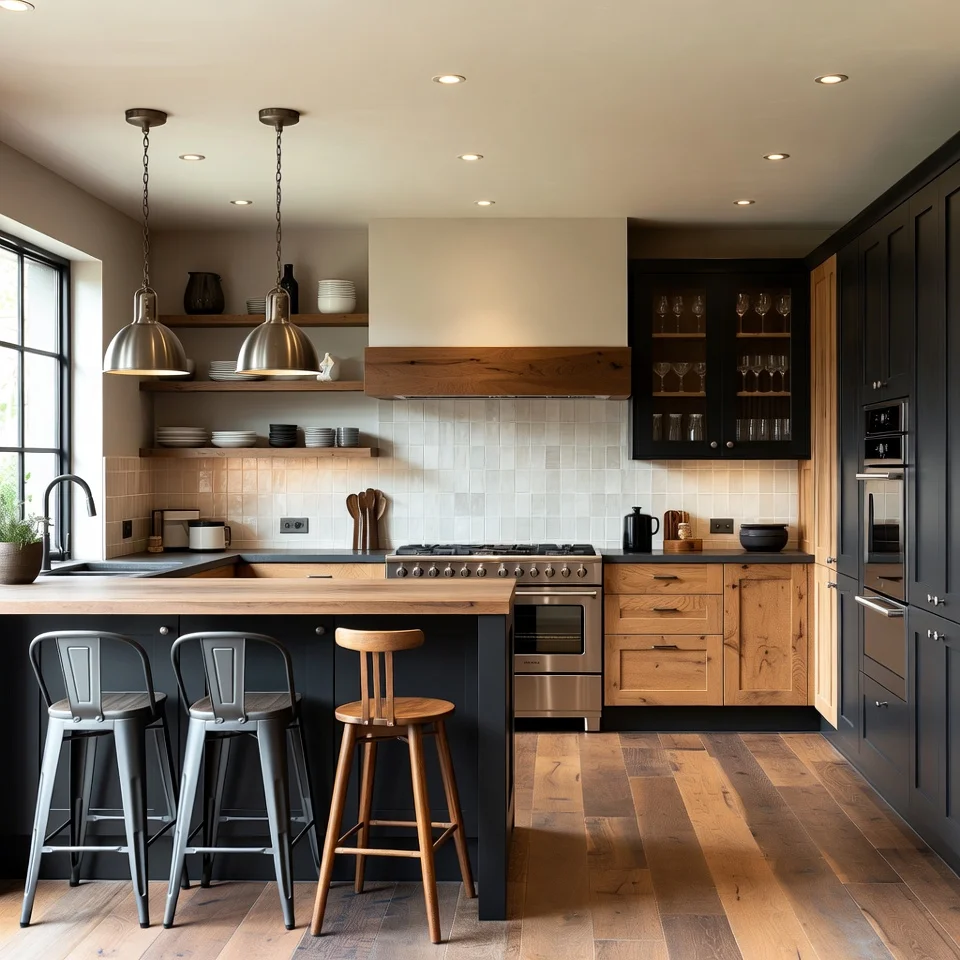
Top Kitchen Trends: 25 Modern Design Ideas for a Stylish Kitchen
The kitchen has evolved from a purely functional space into the undisputed heart of the modern home, yet most homeowners approach kitchen design with outdated ideas that no longer reflect how we actually live, cook, and gather. Industry research reveals that kitchen renovations rank among the top home improvement projects, with homeowners investing an average of $26,000 to $60,000 in updates, making understanding current design trends essential for maximizing both aesthetic appeal and resale value.
Modern kitchen design represents a dramatic shift from the sterile all-white spaces that dominated the past decade toward warm, personalized environments blending natural materials, bold colors, and smart technology. The most successful contemporary kitchens balance clean minimalist aesthetics with genuine livability, incorporating multifunctional islands, concealed storage, and sustainable materials that create spaces feeling both professionally designed and authentically personal.
This comprehensive guide presents 25 cutting-edge kitchen trends that define modern design in 2025 and beyond. From foundational decisions about color palettes and cabinet styles to finishing details involving lighting fixtures and hardware selections, these ideas will help you create a kitchen that feels both timelessly elegant and perfectly suited to contemporary living.
Embrace Warm Earthy Color Palettes
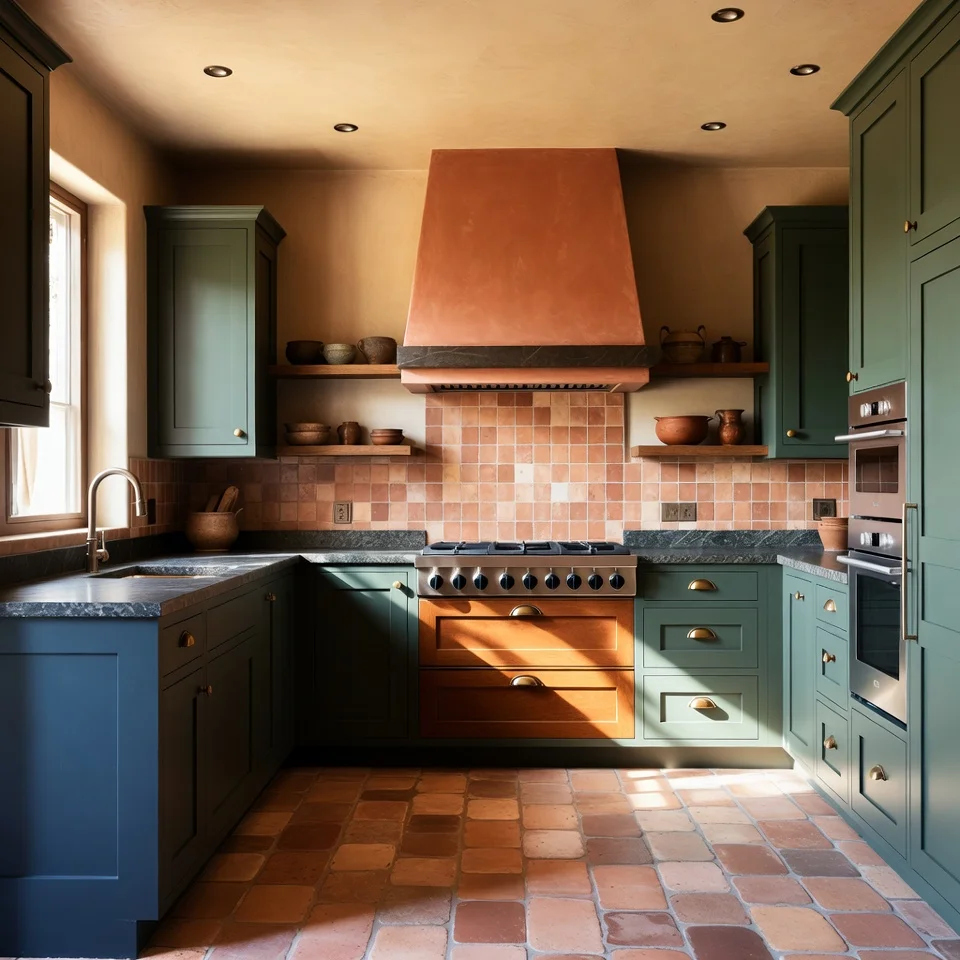
The all-white kitchen has given way to rich earthy tones creating warm, inviting atmospheres. Deep forest greens, warm terracotta, navy blues, and rich browns are replacing stark whites as homeowners seek personalized color schemes that add character and depth. These natural hues pair beautifully with neutral cabinetry and natural wood tones, creating sophisticated spaces that feel both modern and timeless. The shift toward color represents a desire for kitchens that feel lived-in and welcoming rather than sterile showrooms.
Integrate Natural Wood Elements
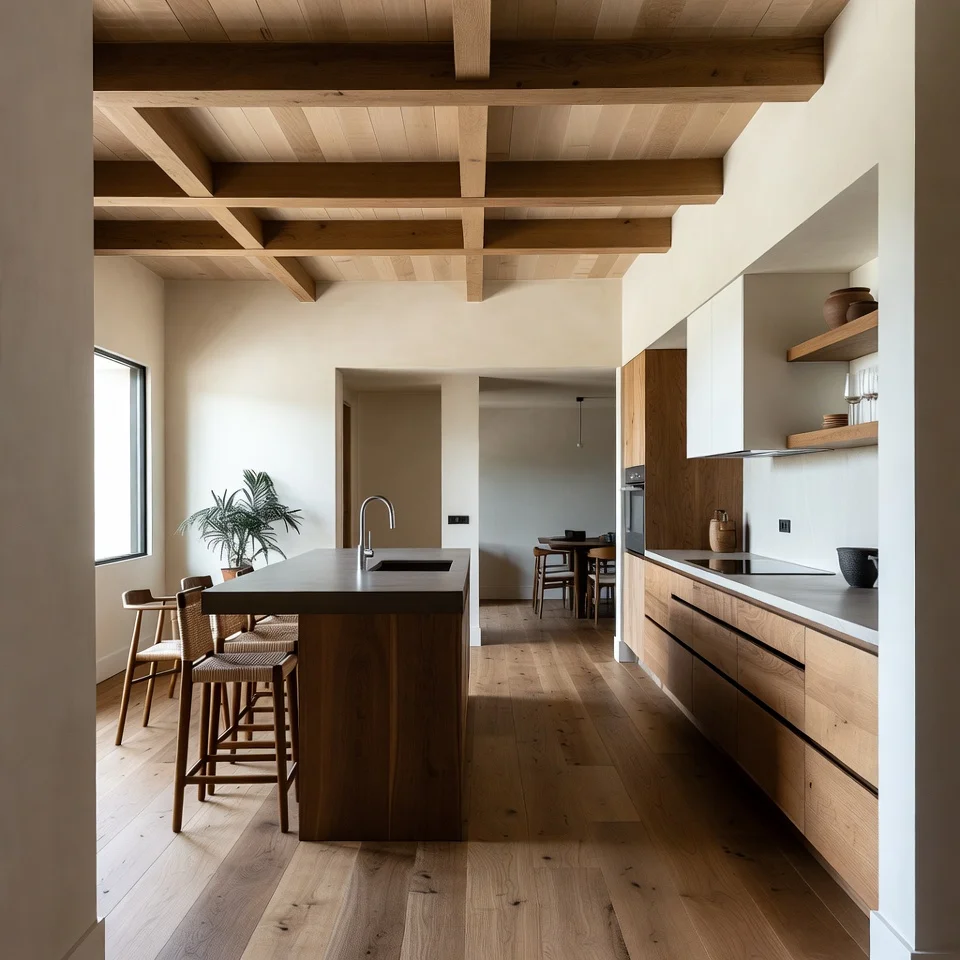
Natural wood cabinetry and wood accents bring organic warmth that modern kitchens increasingly embrace. White oak, walnut, and natural pine in various finishes from light blonde to dark espresso create visual interest while connecting spaces to nature. This trend extends beyond cabinets to wood beam ceilings, floating shelves, and wood-tone flooring that ground spaces in authentic natural materials offering both beauty and durability that improve with age.
Install Large-Format Tiles
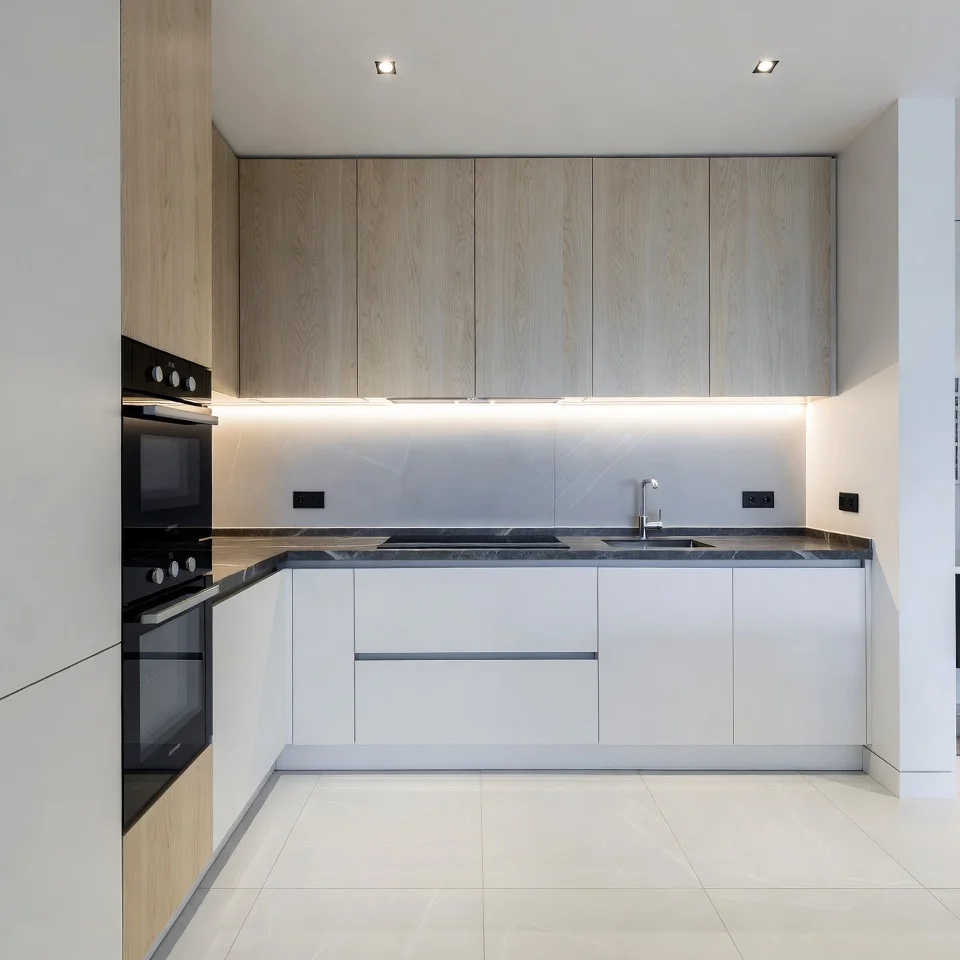
Oversized tiles measuring 24×24 inches or larger create seamless, polished looks making kitchens appear more spacious. These large-format tiles feature fewer grout lines, simplifying cleaning while delivering contemporary elegance whether used on floors, walls, or backsplashes. Porcelain tiles mimicking marble, concrete, or natural stone provide the aesthetic of premium materials with superior durability and easier maintenance, making them practical design choices for high-traffic kitchen spaces.
Create Concealed Minimalist Kitchens
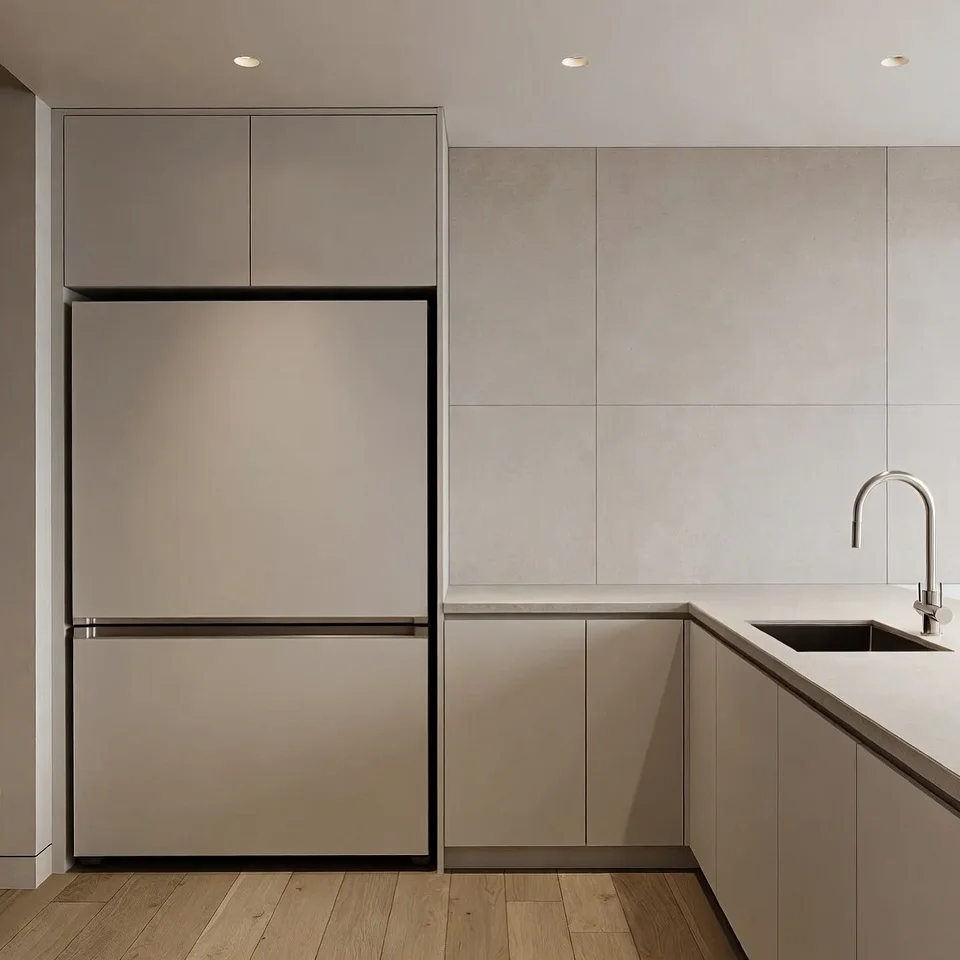
The concealed kitchen trend hides appliances behind custom panels matching cabinetry, creating sleek minimalist aesthetics that blend cooking zones seamlessly into open-concept living areas. Handle-free cabinets with push-to-open mechanisms, appliance garages concealing small gadgets, and integrated refrigerators maintain clutter-free appearances while providing complete functionality. This approach proves particularly effective in open-plan homes where kitchens flow into dining and living spaces.
Design Multifunctional Kitchen Islands
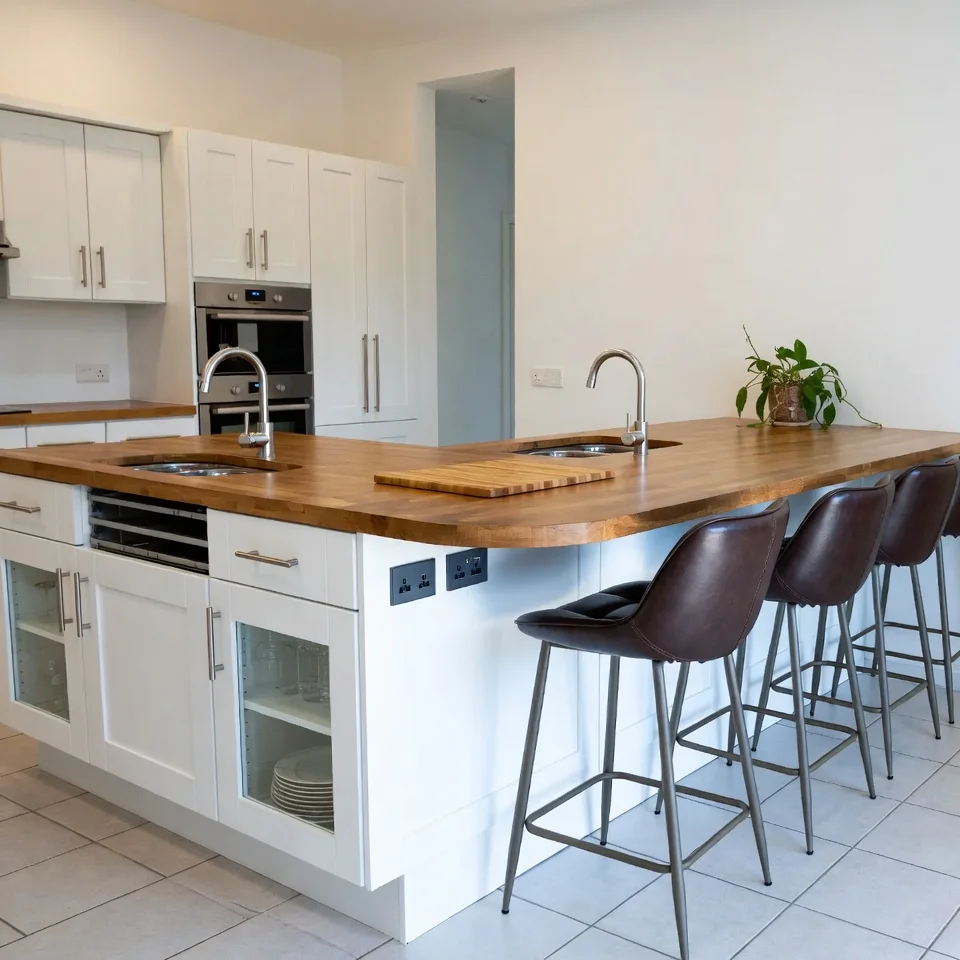
Kitchen islands have evolved into multifunctional hubs serving as cooking stations, dining areas, workspaces, and social centers. Oversized islands featuring built-in storage, seating for four or more, prep sinks, and charging stations maximize utility while creating natural gathering points. The trend toward larger islands reflects how modern kitchens accommodate diverse activities from homework sessions to wine tastings, making them true multipurpose spaces.
Incorporate Smart Kitchen Technology
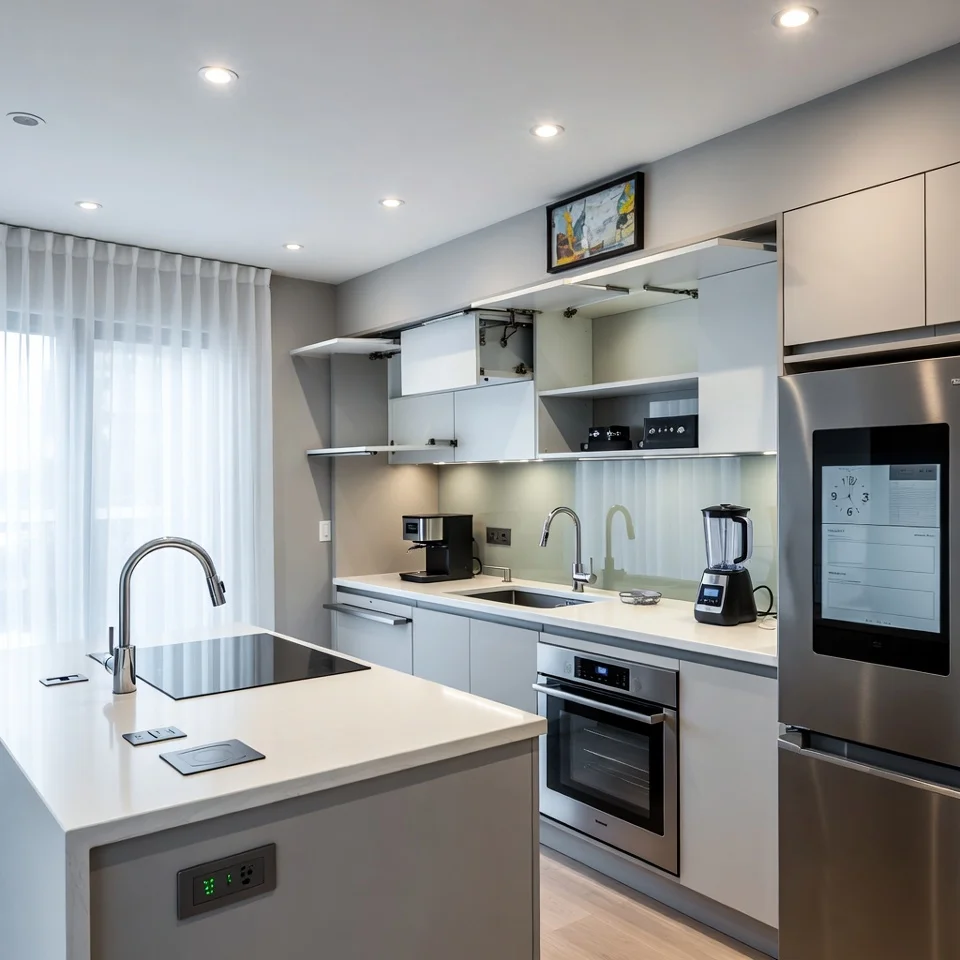
Smart appliances and integrated technology are transforming daily cooking experiences. Wi-Fi enabled refrigerators, voice-controlled lighting, touchless faucets, and app-connected ovens offer convenience while maintaining sleek aesthetics. Built-in USB ports and wireless charging keep devices powered without visible cord clutter, while smart exhaust systems automatically adjust based on cooking activity, representing the intersection of technology and thoughtful design.
Mix Metals for Dimensional Interest
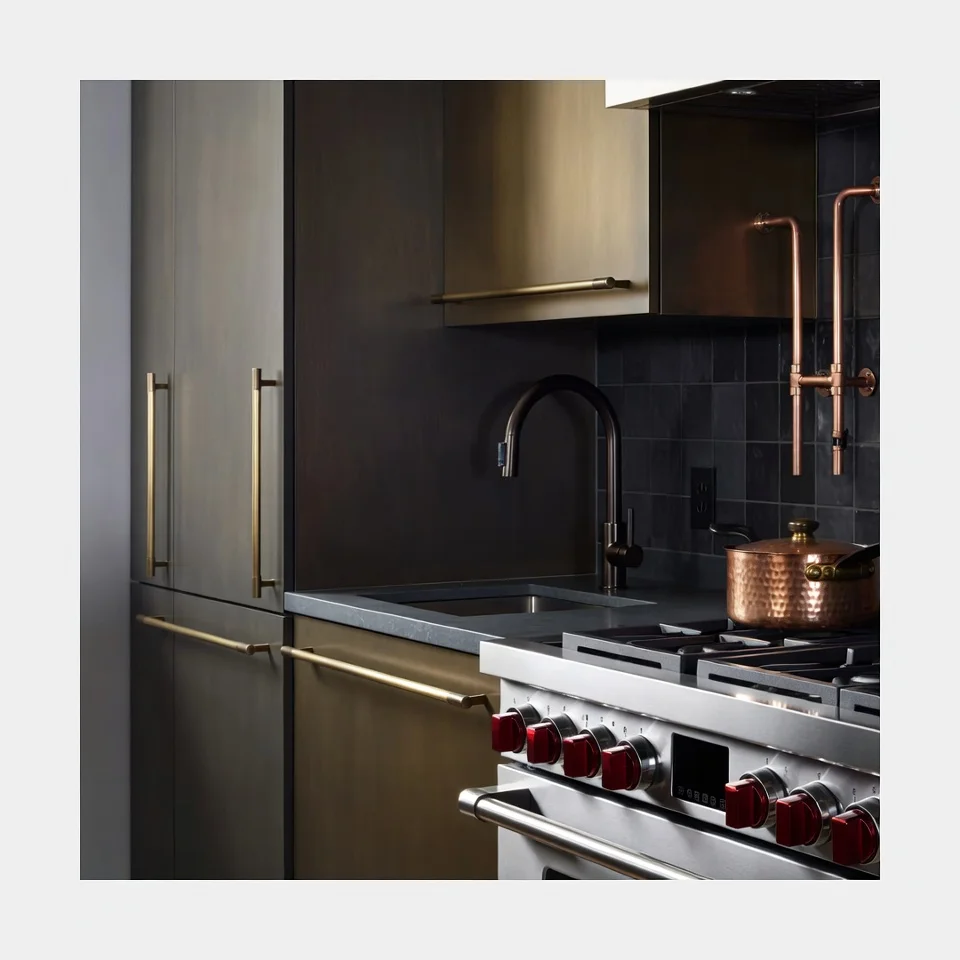
Mixed metal finishes replace the matchy-matchy approach of previous decades. Combining brushed brass cabinet pulls with matte black faucets and stainless steel appliances creates sophisticated layered looks with dimensional appeal. Popular combinations include warm brass with cool chrome, copper accents with black hardware, and champagne bronze mixed with brushed nickel. This trend allows personalization while adding visual richness impossible with single-finish schemes.
Choose Sustainable Eco-Friendly Materials
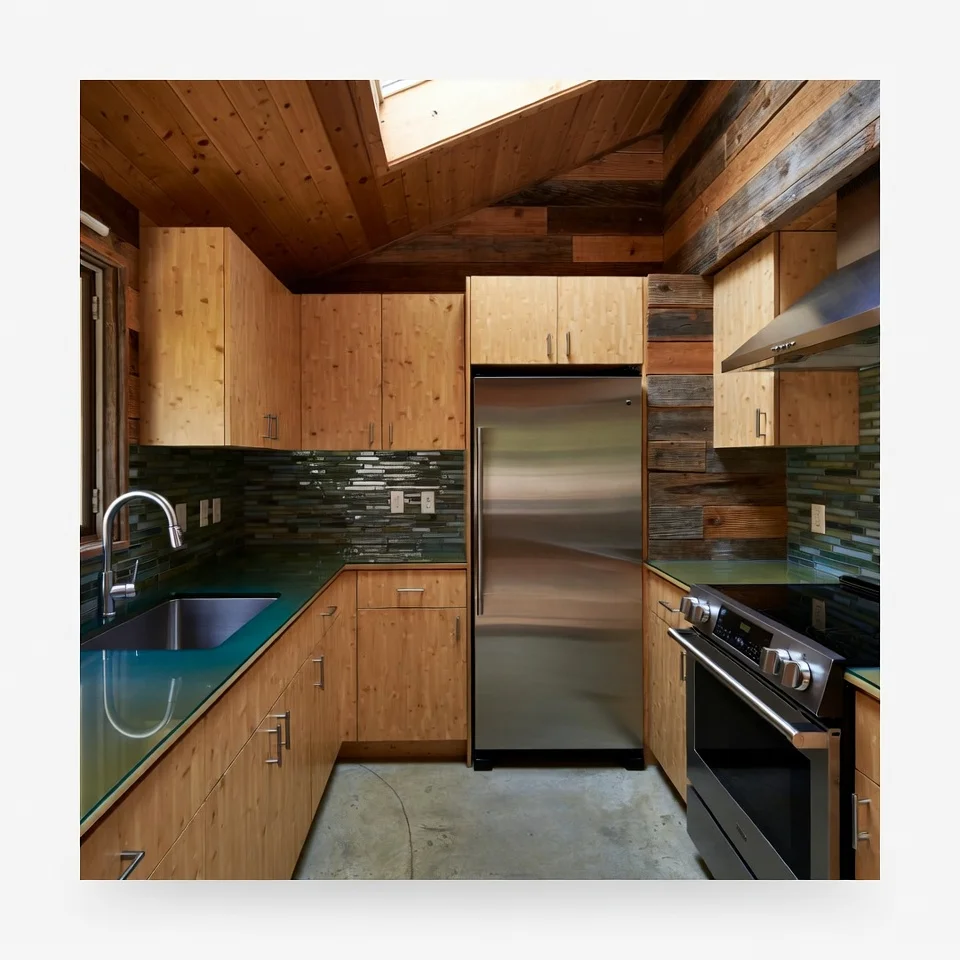
Sustainability drives material selections as homeowners prioritize eco-conscious choices. Bamboo cabinetry, recycled glass countertops, reclaimed wood accents, and low-VOC paints reduce environmental impact without sacrificing style. Energy-efficient appliances and LED lighting lower operational costs while water-saving fixtures conserve resources. This focus on green design reflects growing awareness that beautiful kitchens can also support environmental responsibility and healthier indoor air quality.
Install Statement Lighting Fixtures
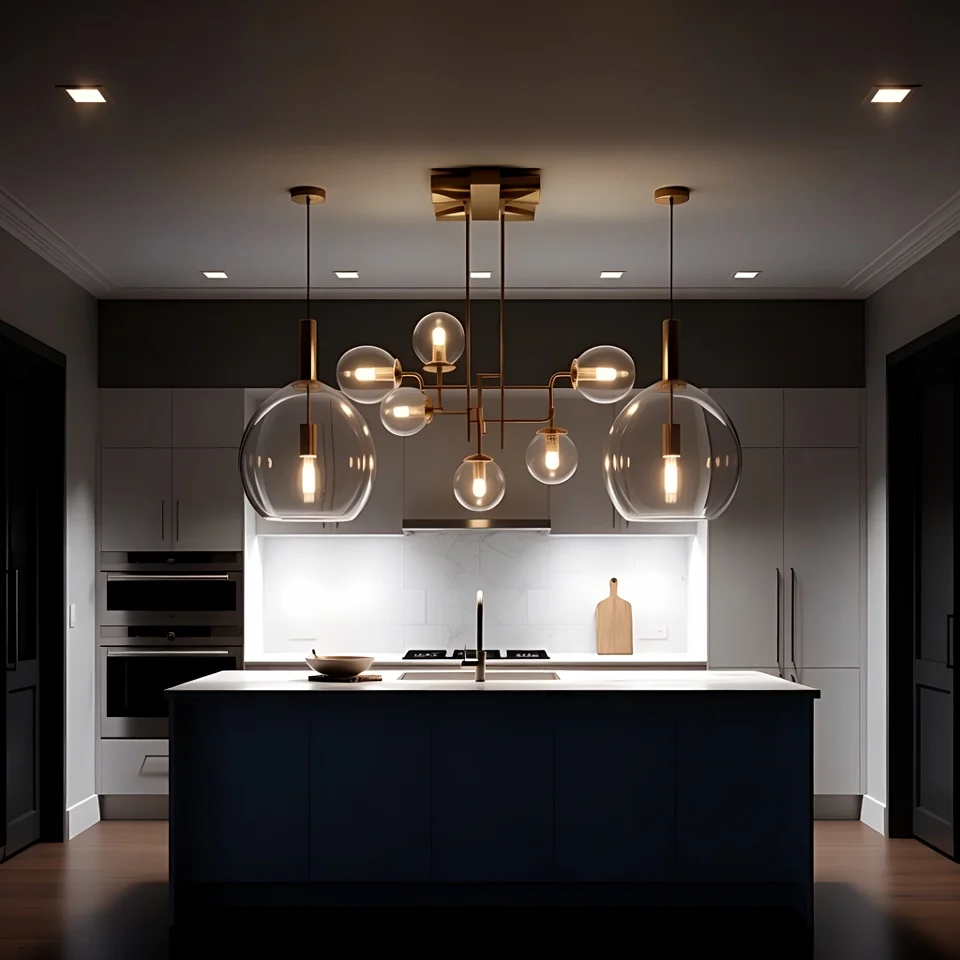
Lighting has evolved from purely functional to design focal points. Oversized pendants over islands, sculptural chandeliers, and geometric fixtures in brass, glass, or woven materials create visual drama while providing essential illumination. Layered lighting combining ambient, task, and accent sources offers flexibility while dimmable LED systems adapt to different activities and times of day, proving that proper lighting elevates entire kitchen atmospheres.
Add Stainless Steel Elements
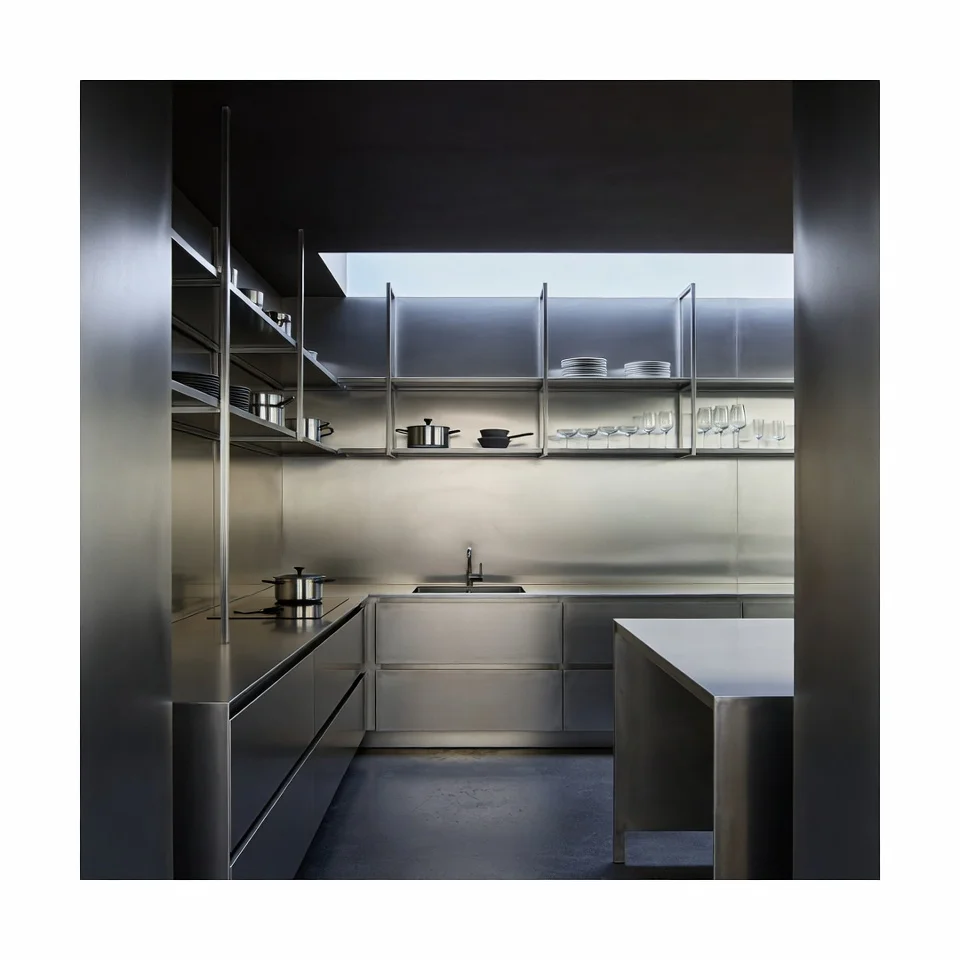
Stainless steel is experiencing a renaissance beyond appliances, appearing in countertops, backsplashes, and open shelving. The industrial aesthetic pairs beautifully with warm wood tones and natural textures, creating unexpected material combinations that feel both professional and residential. Brushed or satin finishes provide warmth while polished steel adds contemporary edge, demonstrating this material’s versatility in modern kitchen design.
Create Butler Pantries and Sculleries
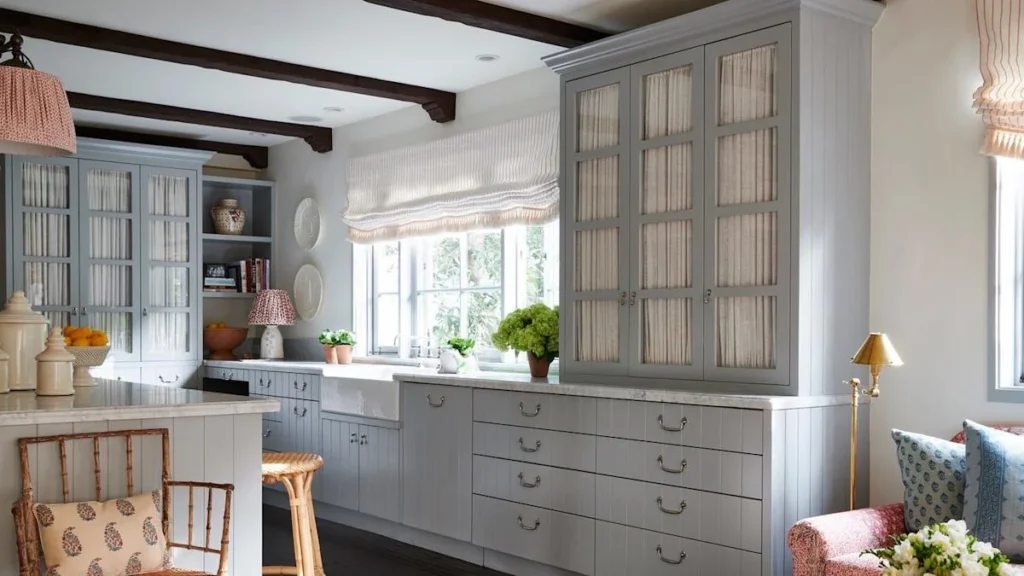
Dedicated prep spaces adjacent to main kitchens provide additional storage and workspace while keeping clutter hidden from view. Butler pantries with secondary sinks, extra appliances, and floor-to-ceiling storage allow serious cooks to prep meals without disrupting the main kitchen’s clean appearance. This trend particularly appeals to homeowners who entertain frequently, offering practical solutions for managing both cooking and serving without visible chaos.
Design Open-Concept Kitchen Layouts
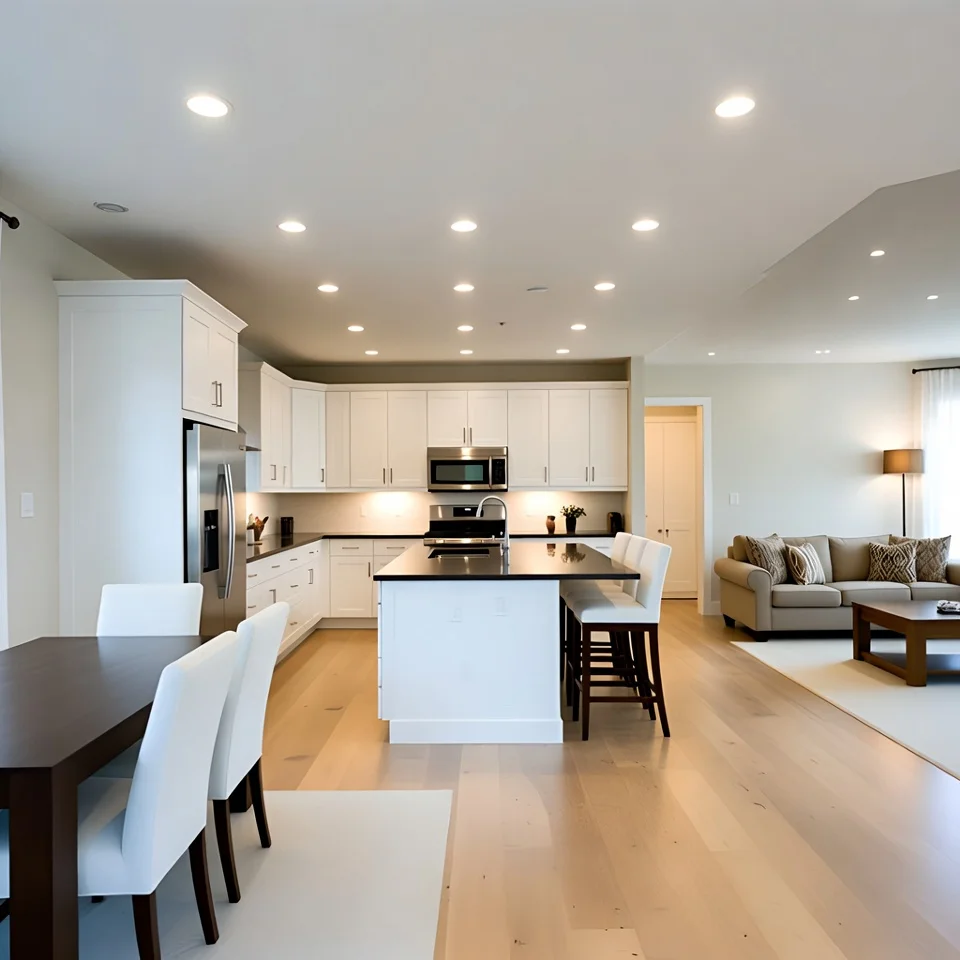
Open-plan designs connecting kitchens with dining and living areas reflect how modern families actually live. Removing walls creates fluid spaces facilitating conversation and interaction while making homes feel more spacious. Kitchen islands and thoughtful furniture placement define zones without physical barriers, while coordinated finishes and cohesive color palettes ensure visual harmony across connected spaces that serve multiple daily functions.
Incorporate Bold Geometric Backsplashes
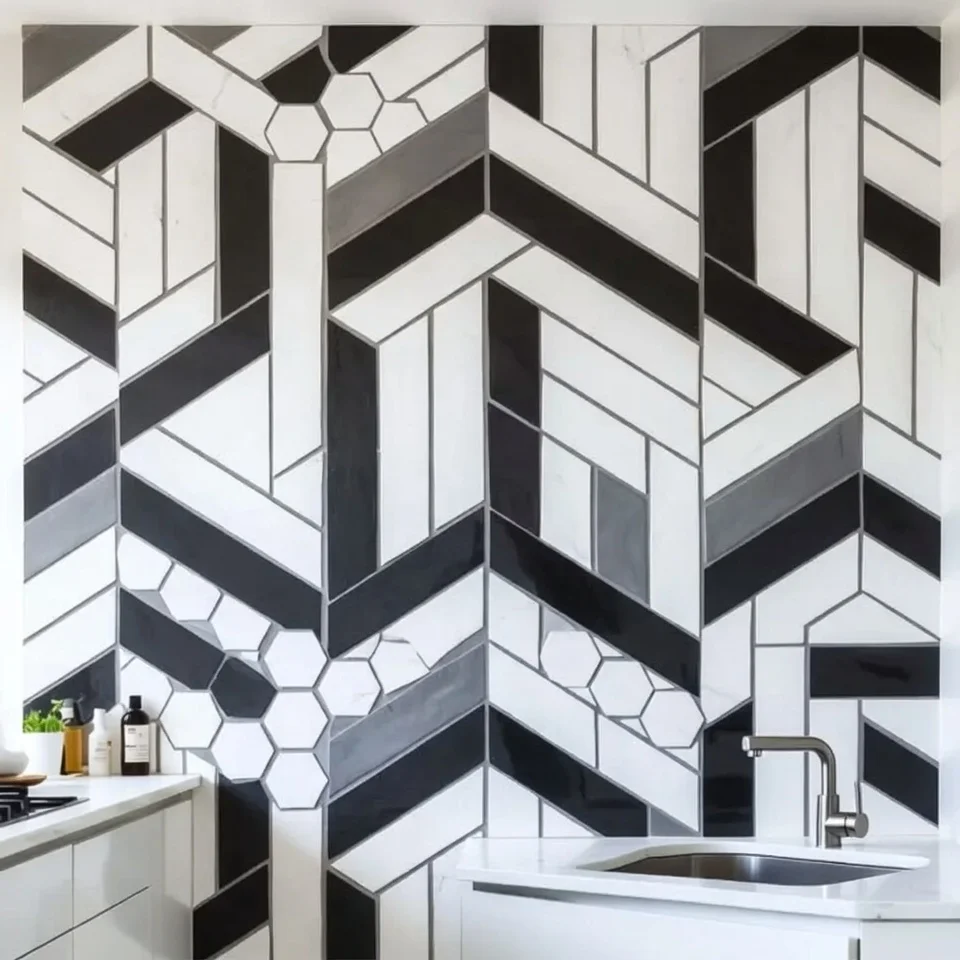
Geometric tile patterns in backsplashes add personality and visual interest. Hexagonal tiles, herringbone layouts, chevron patterns, and basketweave designs create focal points that elevate simple kitchens into designed spaces. Contrasting grout colors emphasize patterns while mixed materials combining ceramic, glass, and metal tiles add dimensional richness. This trend allows creative expression in ways that feel both personal and professionally polished.
Return to Mid-Century Modern Aesthetics
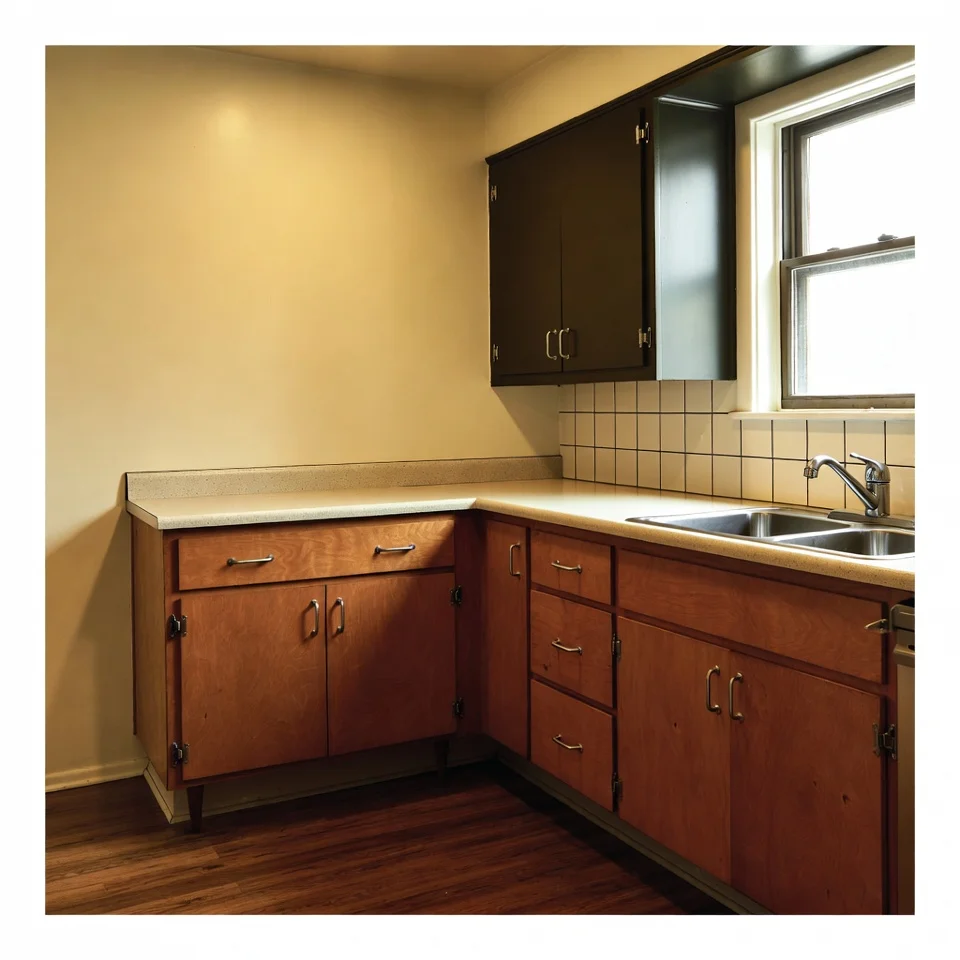
The Mid-Century Modern revival brings 1950s and 1960s design elements into contemporary contexts. Clean lines, tapered furniture legs, warm wood cabinetry, and retro-inspired hardware create nostalgic yet current aesthetics. Geometric patterns, globe light fixtures, and two-tone cabinetry reference the era while modern conveniences ensure functionality, proving that vintage charm complements contemporary living when thoughtfully executed.
Personalize with Custom Cabinetry
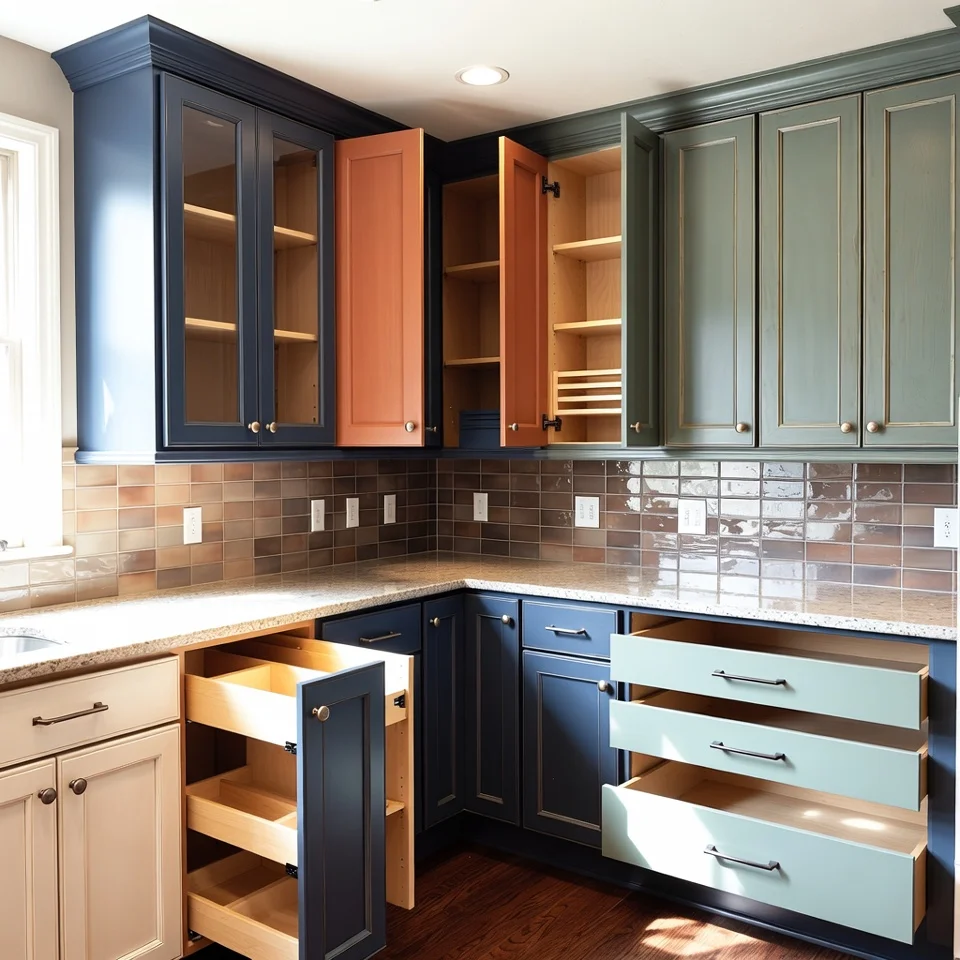
Custom cabinetry designed specifically for individual needs replaces generic solutions. Specialized storage for spice collections, baking supplies, small appliances, and cookware maximizes efficiency while unique hardware selections and custom paint colors ensure spaces reflect genuine personality. This trend toward personalization creates kitchens that work precisely how owners need rather than forcing lifestyles into generic layouts.
Maximize Storage with Innovative Solutions
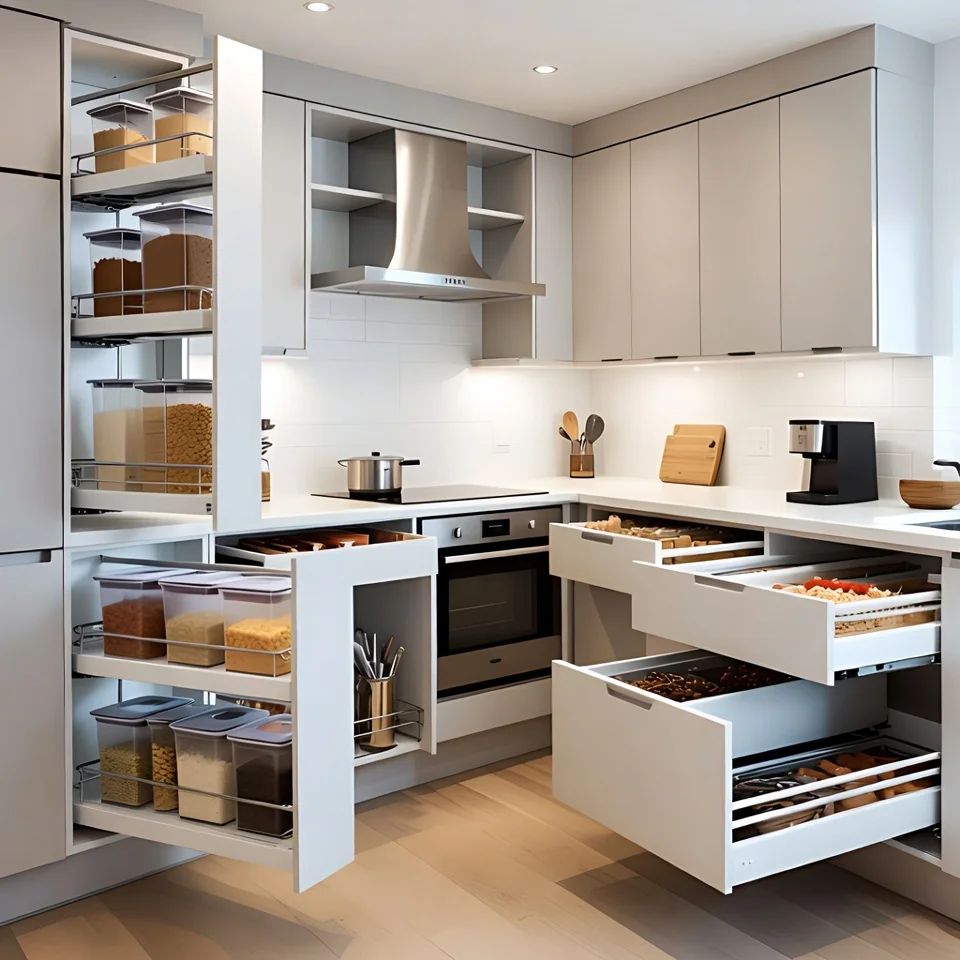
Hidden storage solutions maintain clean aesthetics while providing ample capacity. Pull-out pantries, corner carousel systems, drawer dividers, and vertical tray storage maximize every inch. Toe-kick drawers, appliance garages, and hidden trash compartments keep necessities accessible yet concealed. This focus on smart storage reflects understanding that beautiful kitchens require organizational systems preventing clutter accumulation that undermines even thoughtful designs.
Add Natural Stone Countertops
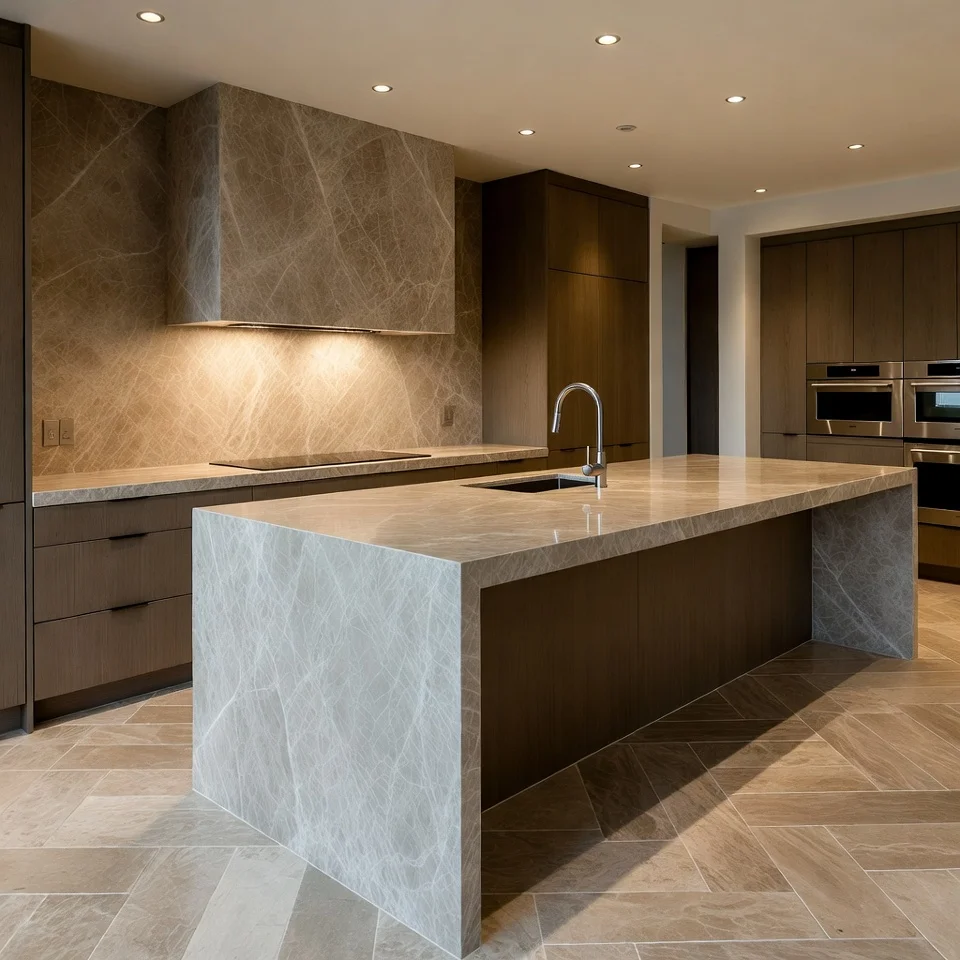
Quartz and granite countertops deliver durability and timeless beauty. Quartz offers consistent patterns and minimal maintenance while granite provides unique natural veining. Both materials withstand heat, scratches, and stains better than alternatives, making them practical long-term investments. Waterfall edges extending countertop material down island sides create dramatic modern statements particularly effective with book-matched stone showcasing symmetrical natural patterns.
Embrace Soft Scandinavian Design
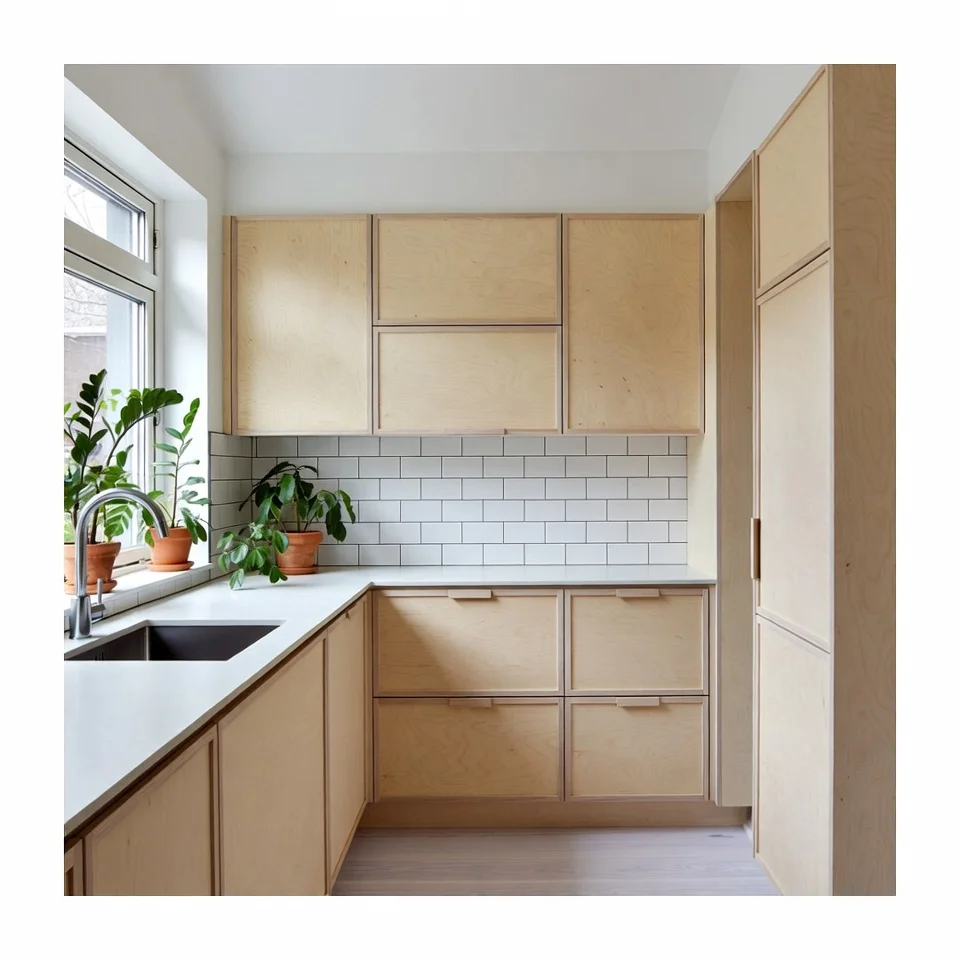
Scandinavian aesthetics emphasizing natural simplicity and functional beauty influence modern kitchens. Light wood cabinetry, white walls, minimal hardware, and clean lines create serene spaces feeling both warm and uncluttered. Natural light, indoor plants, and organic textures complete the look while proving that minimalist design need not feel cold when executed with attention to natural materials and thoughtful details.
Install Oversized Windows and Skylights
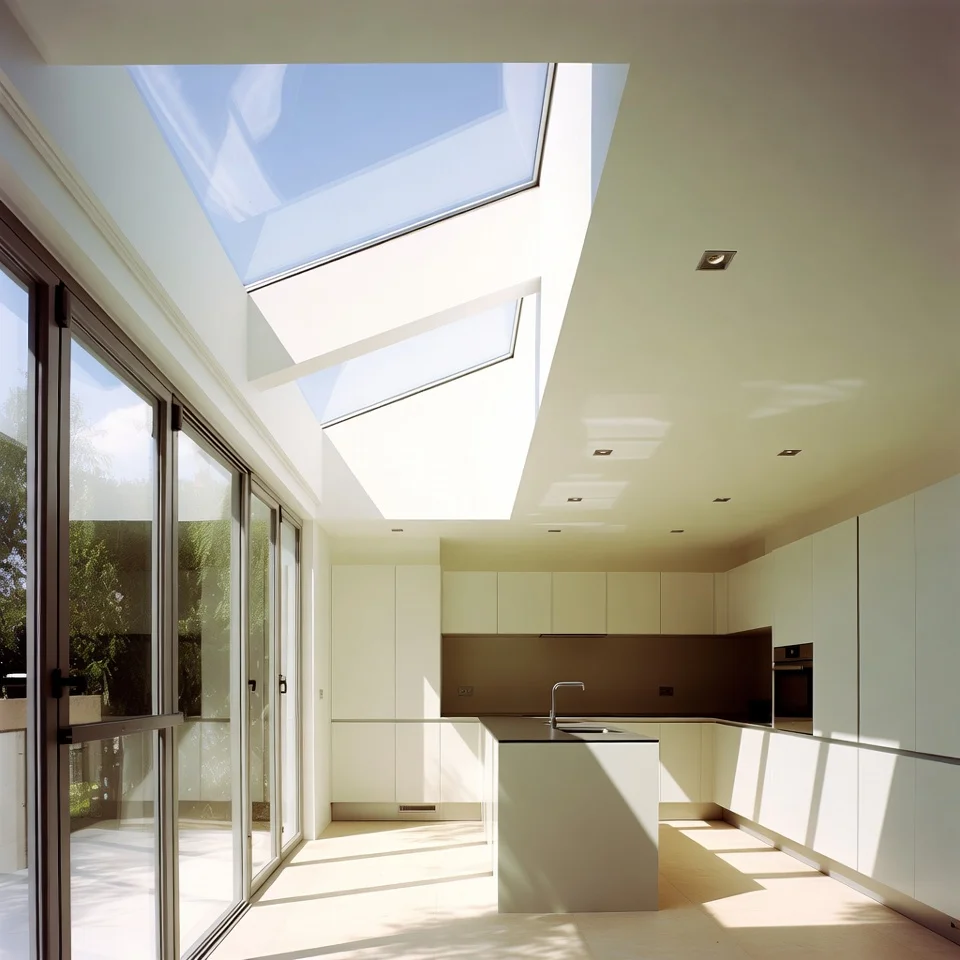
Natural light transforms kitchen atmospheres while reducing energy costs. Floor-to-ceiling windows, garden views, and skylights flood spaces with daylight making them feel larger and more connected to outdoors. Glass doors create seamless indoor-outdoor transitions while light-reflecting surfaces amplify brightness. This emphasis on natural illumination recognizes that proper lighting affects both functionality and mood in spaces where families spend significant time.
Feature Freestanding Appliances
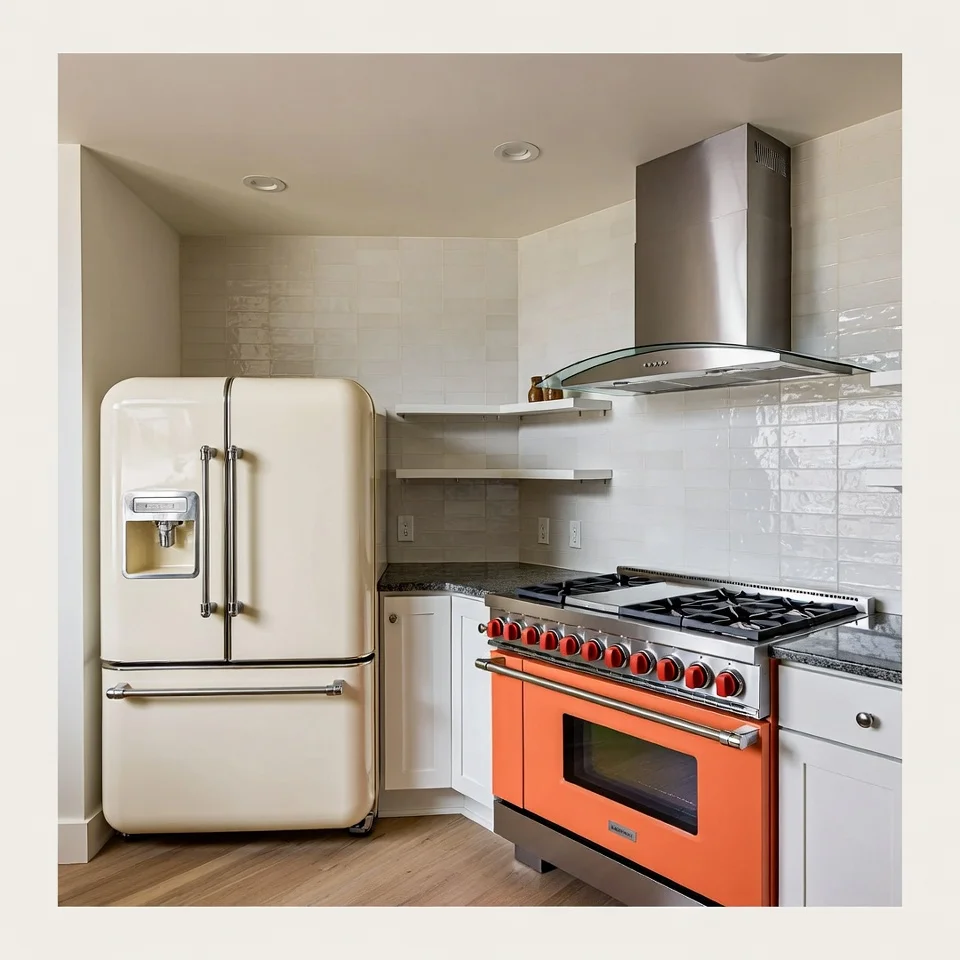
The trend of concealing appliances is reversing as homeowners embrace freestanding pieces as design statements. Professional-style ranges in bold colors, vintage-inspired refrigerators, and statement dishwashers become focal points rather than hidden elements. This shift allows personality expression through appliance selection while acknowledging that high-quality equipment deserves showcase rather than camouflage in well-designed spaces.
Add Living Greenery and Herb Gardens
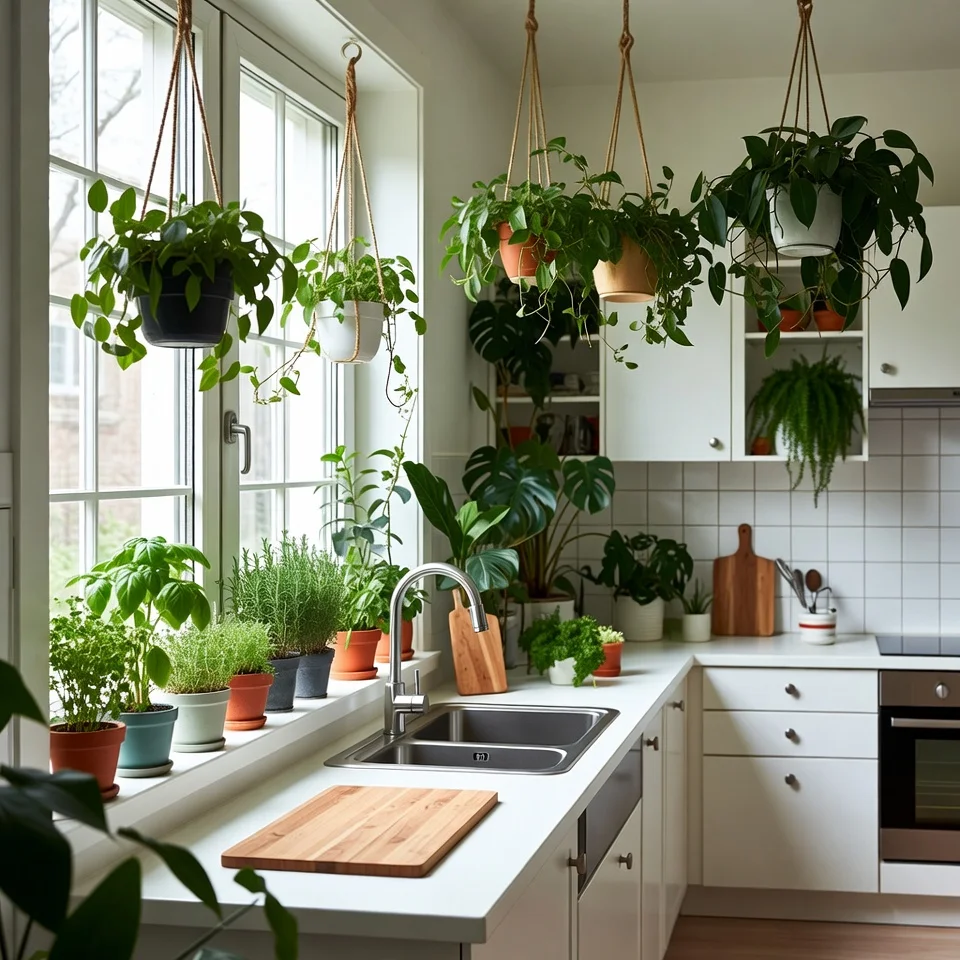
Indoor plants and kitchen herb gardens bring life and functionality to modern kitchens. Window sill planters with fresh basil, rosemary, and thyme provide cooking ingredients while adding organic beauty. Hanging plants, potted herbs, and vertical gardens create biophilic connections improving air quality and wellbeing. This trend reflects desire for sustainable living and fresh ingredients accessible steps from stoves.
Design Textured Cabinet Fronts
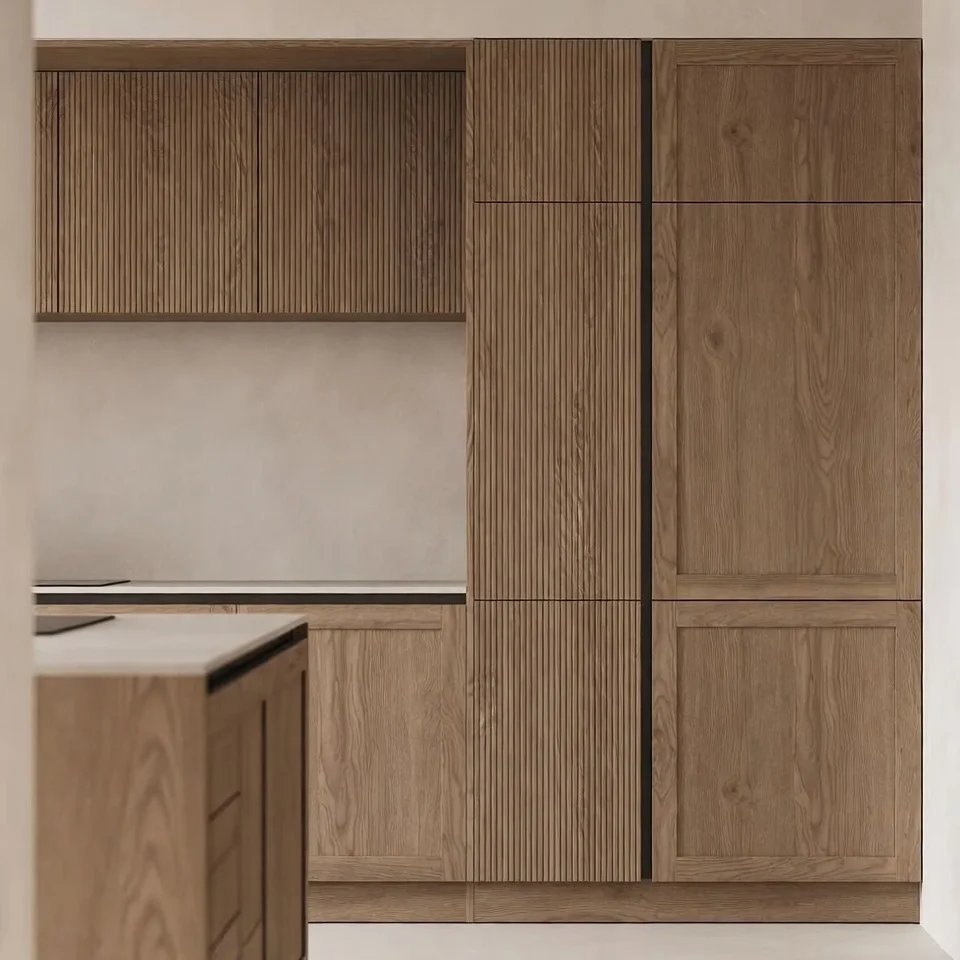
Cabinet texture adds dimensional interest beyond flat surfaces. Fluted panels, wood grain emphasis, shaker-style details, and mixed materials create visual depth. Matte finishes, textured paints, and natural wood veneers provide tactile richness while two-tone combinations pairing textured lowers with smooth uppers add sophisticated variation. These details elevate simple cabinetry into custom-quality design elements.
Incorporate Vintage and Retro Elements
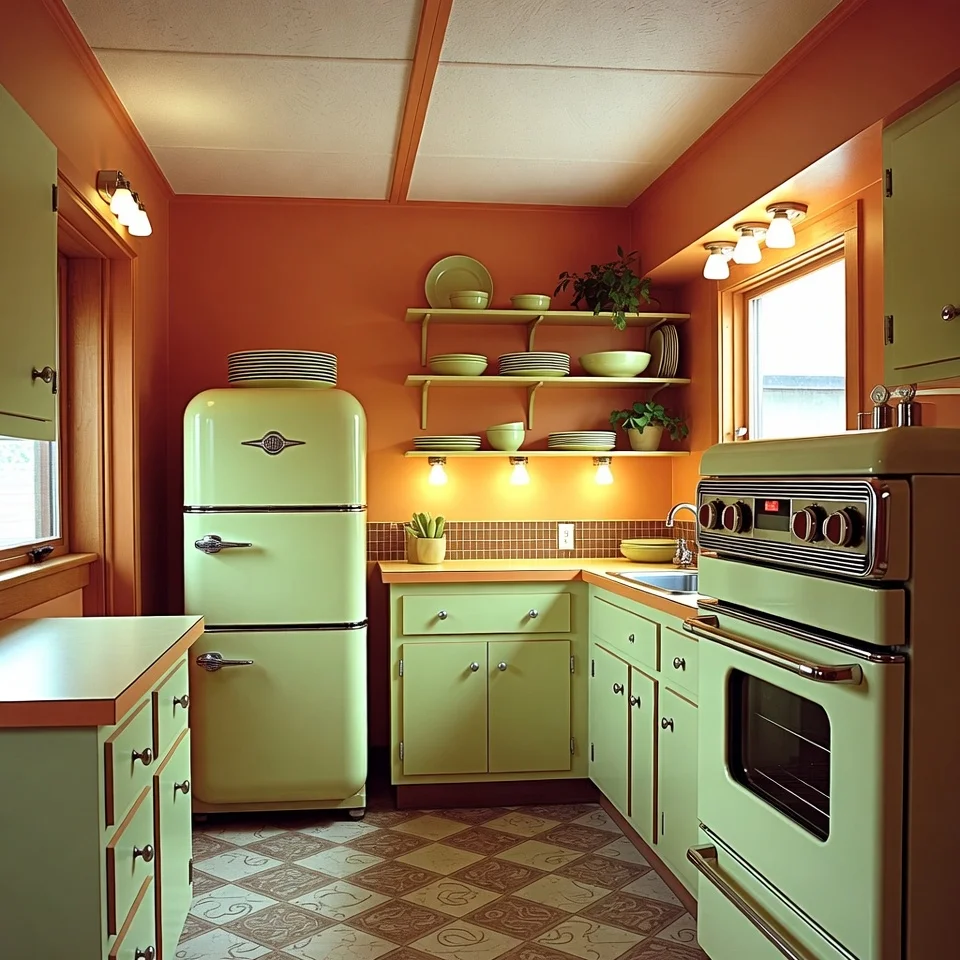
Nostalgic touches from 1950s and 1970s design add warmth and character. Warm oranges, avocado greens, and harvest golds appear in accent tiles, small appliances, and decorative accessories. Vintage-inspired hardware, retro light fixtures, and patterned flooring create collected-over-time aesthetics that feel personal and lived-in rather than sterile and new, proving that successful modern kitchens blend past and present thoughtfully.
Create Dedicated Coffee and Beverage Stations
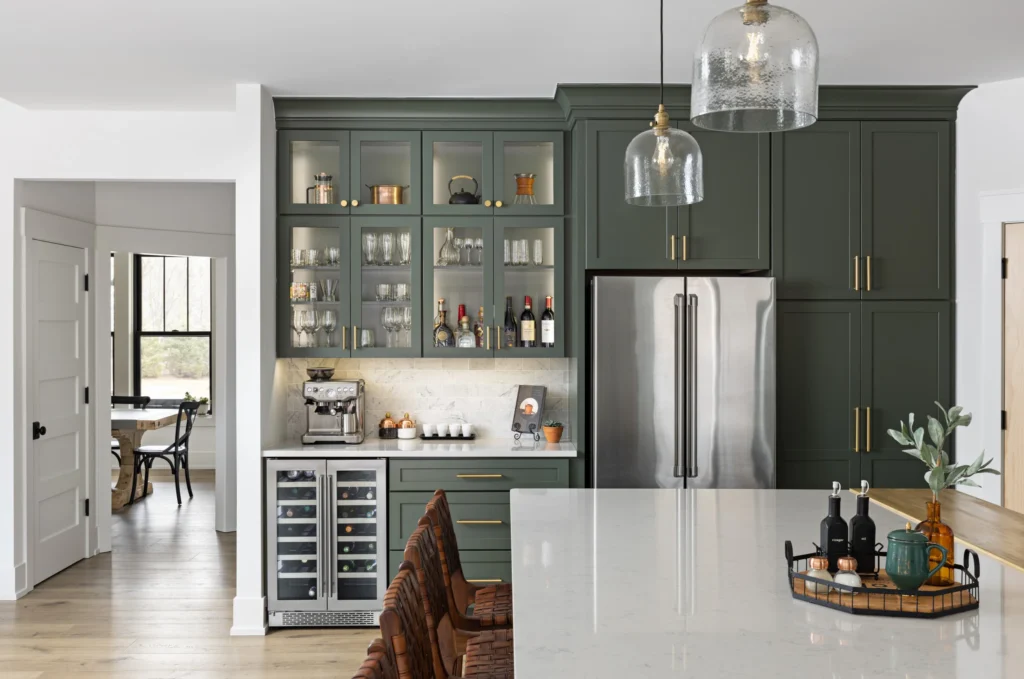
Built-in coffee bars with espresso machines, dedicated storage for mugs and supplies, and mini refrigerators cater to daily routines. Beverage centers featuring wine storage, beer taps, and specialty refrigeration support entertaining while keeping main kitchen areas uncluttered. This trend toward specialized zones recognizes that modern kitchens serve diverse functions requiring thoughtful spatial planning beyond basic cooking needs.
Select Handle-Free Cabinet Hardware
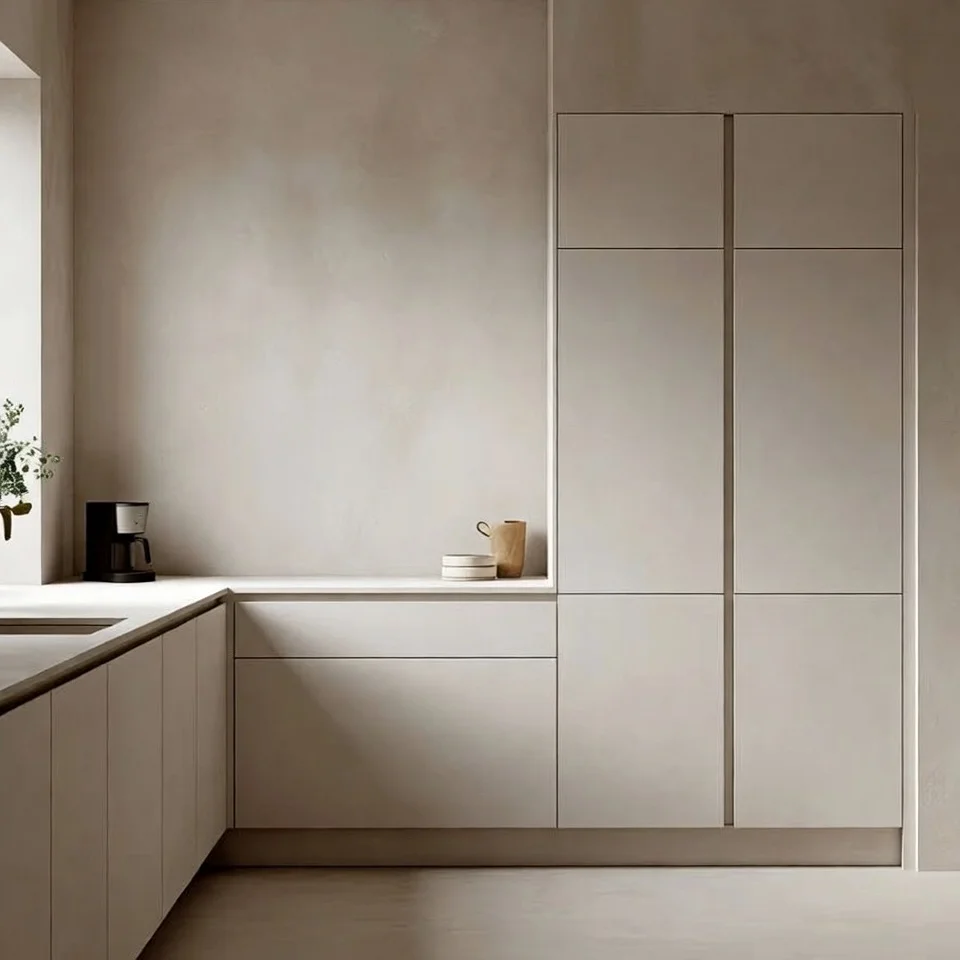
Minimalist cabinets without visible hardware create seamless aesthetics. Touch-to-open mechanisms, integrated pulls, and push-release systems maintain clean lines while providing full functionality. Edge-pull designs and recessed handles offer subtle alternatives when some grip assistance proves necessary. This hardware-free trend suits contemporary minimalism while simplifying cleaning by eliminating dirt-catching crevices around traditional pulls and knobs.
Conclusion
Modern kitchen trends prove that exceptional design emerges from balancing aesthetic beauty with genuine functionality, sustainable choices with personal style, and technological innovation with timeless materials. The 25 ideas presented throughout this guide demonstrate that successful contemporary kitchens reject generic formulas in favor of thoughtful customization reflecting how individual families actually cook, gather, and live.
The most valuable insight to carry forward is that kitchen design has evolved beyond following prescribed rules toward creating personalized spaces that serve unique needs while incorporating smart technology, natural materials, and bold design choices that make statements. Warm earthy colors replace sterile whites, mixed metals add dimensional interest, multifunctional islands serve diverse activities, and sustainable materials support environmental responsibility.
Begin your kitchen transformation by identifying which trends resonate with your lifestyle and aesthetic preferences. Perhaps you start with a bold color palette, invest in a multifunctional island, or incorporate smart technology that simplifies daily routines. These foundational choices create momentum while ensuring every subsequent decision enhances your overall vision.
Your kitchen holds remarkable potential to become the stylish, functional heart of your home, proving that modern design and genuine livability are not opposing forces but complementary elements that, when thoughtfully combined, create spaces genuinely enhancing daily life. These 25 kitchen trends provide your roadmap to achieving that perfect balance.
Frequently Asked Questions
What are the biggest kitchen design trends?
The most significant kitchen trends include warm earthy color palettes moving away from all-white spaces, natural materials like wood and stone, large-format tiles creating seamless looks, concealed minimalist designs hiding appliances, and multifunctional islands serving as cooking, dining, and work stations. Additionally, mixed metal finishes, smart technology integration, sustainable eco-friendly materials, and statement lighting fixtures are defining modern kitchen design. The overall direction emphasizes personalization and spaces that feel warm and lived-in rather than sterile and showroom-perfect.
Are all-white kitchens still in style?
All-white kitchens are declining in popularity as homeowners embrace richer, more expressive color palettes. While white cabinets remain viable especially when paired with colorful islands, bold backsplashes, or wood accents, the monochromatic all-white aesthetic has given way to warmer tones including earthy greens, deep navies, terracottas, and rich browns. Design professionals report that clients increasingly request personality and warmth over the stark, minimalist white-on-white schemes that dominated previous years. If you love white, consider incorporating it as part of a layered palette rather than using it exclusively throughout your space.
How can I make my kitchen more sustainable?
Create a more sustainable kitchen by choosing eco-friendly materials including bamboo cabinetry that grows rapidly and renewably, recycled glass or paper composite countertops, reclaimed wood accents, and low-VOC paints improving indoor air quality. Select energy-efficient Energy Star appliances, install LED lighting throughout, and choose water-saving faucets and dishwashers. Consider durable materials like quartz and porcelain that last decades without replacement. Plan thoughtful storage reducing food waste, install composting systems, and choose locally-sourced materials when possible. These choices collectively reduce environmental impact while often providing long-term cost savings through reduced energy and water consumption.
What kitchen features add the most value when selling a home?
High-return kitchen features include quality countertops in quartz or granite, updated energy-efficient appliances preferably stainless steel, functional kitchen islands with storage and seating, modern cabinet hardware and pulls, adequate task lighting, fresh neutral paint colors, and durable flooring in wood or tile. According to real estate data, minor kitchen updates return 70 to 80 percent of investment while major remodels return 50 to 60 percent. Focus on improvements addressing functionality and aesthetics without over-personalizing with trendy choices that may not appeal to broad buyer pools. Clean, updated, neutral kitchens with quality materials consistently attract buyers.
Should I choose open shelving or closed cabinets?
Both options have merits depending on your lifestyle and aesthetic preferences. Open shelving creates airy, accessible displays perfect for showcasing beautiful dishware, creates visual lightness in small kitchens, and costs less than cabinetry. However, it requires diligent organization, exposes items to dust and grease, and provides no hidden storage for less attractive necessities. Closed cabinets offer concealed storage, dust protection, and cleaner visual lines but can feel heavy in small spaces. The best approach often combines both: open shelving for frequently-used attractive items and closed cabinets for bulk storage, small appliances, and everyday clutter requiring concealment.
You May Also Like This Post:
How to Decorate a Living Room Like an Interior Designer: 15 Classy & Stylish Ideas
One Comment