
25 Kids Organization Hacks to Keep Your Home Clean & Clutter-Free
Parents of young children face an overwhelming reality that rarely gets discussed honestly: toys, clothing, school papers, and random kid belongings multiply at an alarming rate that seems to defy the laws of physics. Research from organizational psychology reveals that visual clutter increases cortisol levels by up to 28 percent, creating stress that affects the entire household. Yet most parenting advice offers generic platitudes about “letting it go” without providing practical systems that actually work in real homes with real children.
The truth is that maintaining a clean and organized home with kids requires smarter strategies, not more hours. The most successful kid organization systems work with children’s natural behaviors rather than fighting against them, creating simple habits that prevent clutter before it accumulates. Family organization experts emphasize that homes with designated storage zones, visual labels, and regular purging routines stay cleaner with less effort than homes relying on occasional marathon cleaning sessions.
This comprehensive guide presents 25 proven kids organization hacks that transform chaotic households into functional, peaceful spaces. From smart storage solutions and toy rotation systems to cleaning games that make tidying fun, these strategies deliver lasting results without requiring expensive organizing products or unrealistic time commitments from already overwhelmed parents.
Use Clear Labeled Bins for Everything
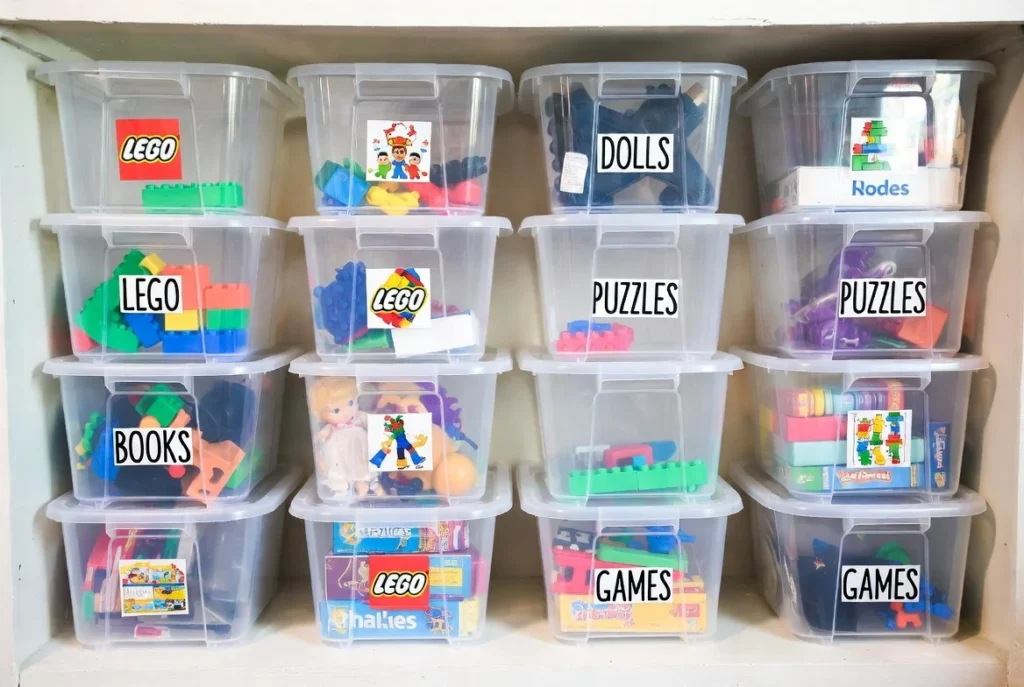
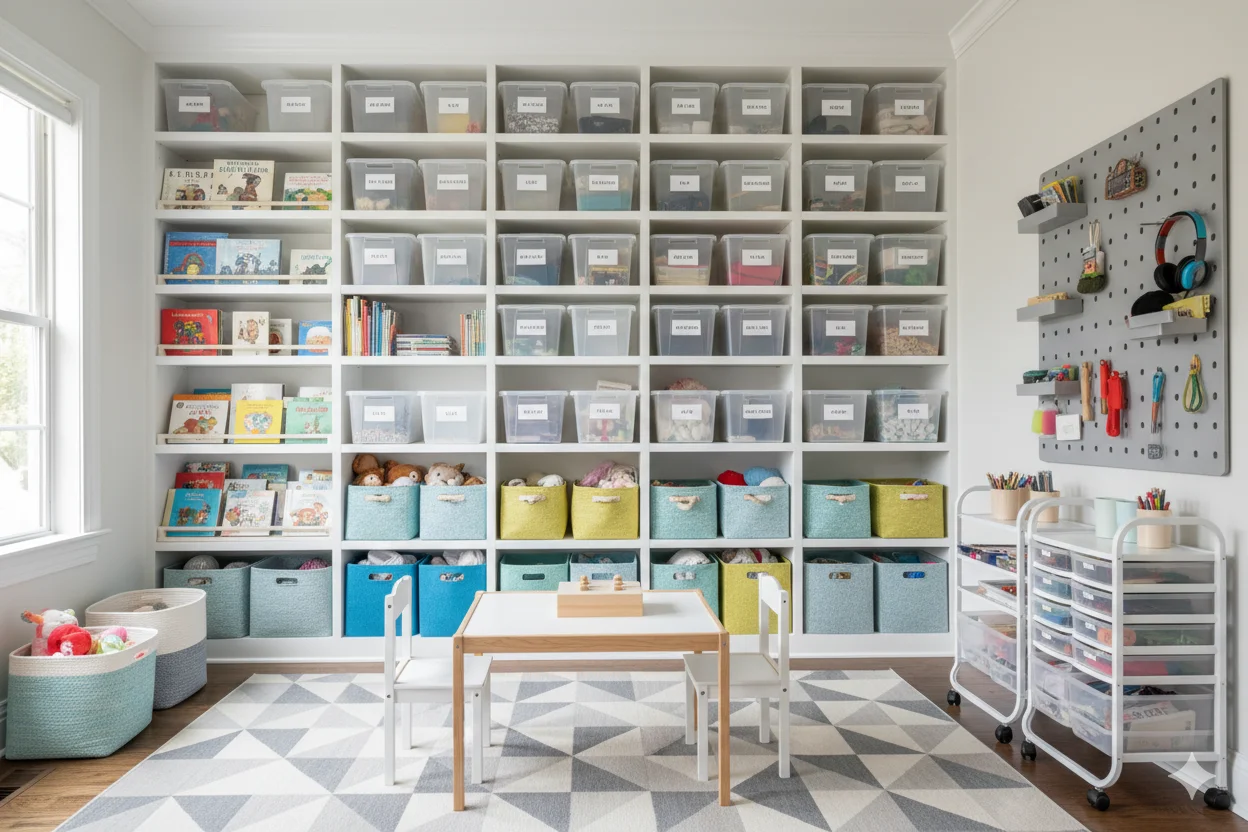
Storage bins with labels provide the foundation for any successful kids organization system. Purchase transparent plastic bins allowing children to see contents without opening each container. Create picture labels for non-readers by printing images of toys, clothing types, or supplies and attaching them to corresponding bins. Older children benefit from word labels that reinforce reading skills while establishing organizational habits. This visual organization makes cleanup straightforward even for young children, eliminating the confusion that leads to dumping toys randomly into any available space.
Implement a Toy Rotation System
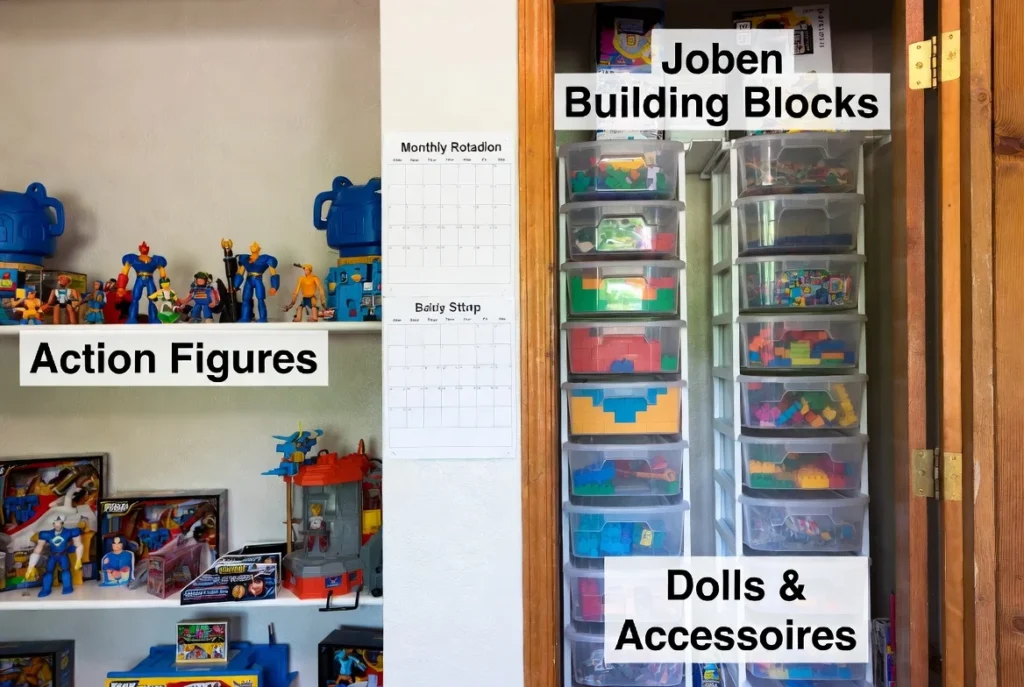
Toy rotation dramatically reduces clutter while making existing toys feel new again. Divide toys into three or four categories, keeping only one category accessible while storing the rest in garage, basement, or closet spaces. Every two to four weeks, rotate toys by switching available sets. This organization hack limits mess to manageable amounts while research shows that children engage more deeply with fewer toy options, developing creativity and concentration rather than flitting between countless choices without sustained play.
Create Personal Drop Zones
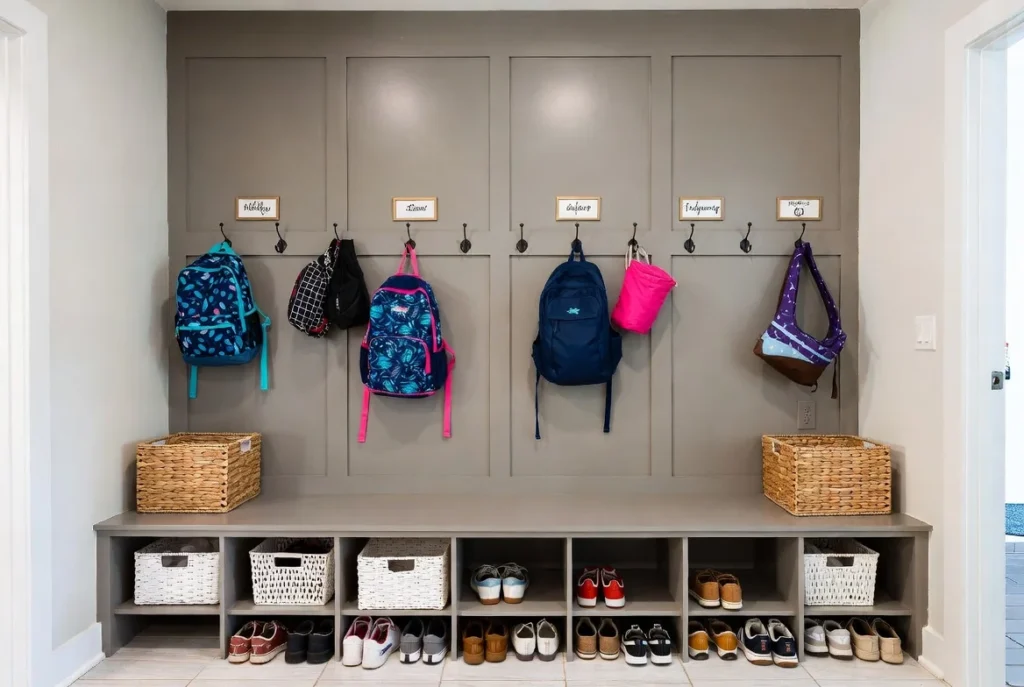
Establish designated drop zones in high-traffic areas where clutter naturally accumulates. Place small baskets near sofas for books and blankets, install hooks by entrances for backpacks and coats, and position bins in kitchens for school papers requiring action. These organizational zones work with family habits rather than fighting natural traffic patterns, making it easy to maintain order by creating homes for items exactly where family members actually use them.
Turn Cleanup Into Fun Games
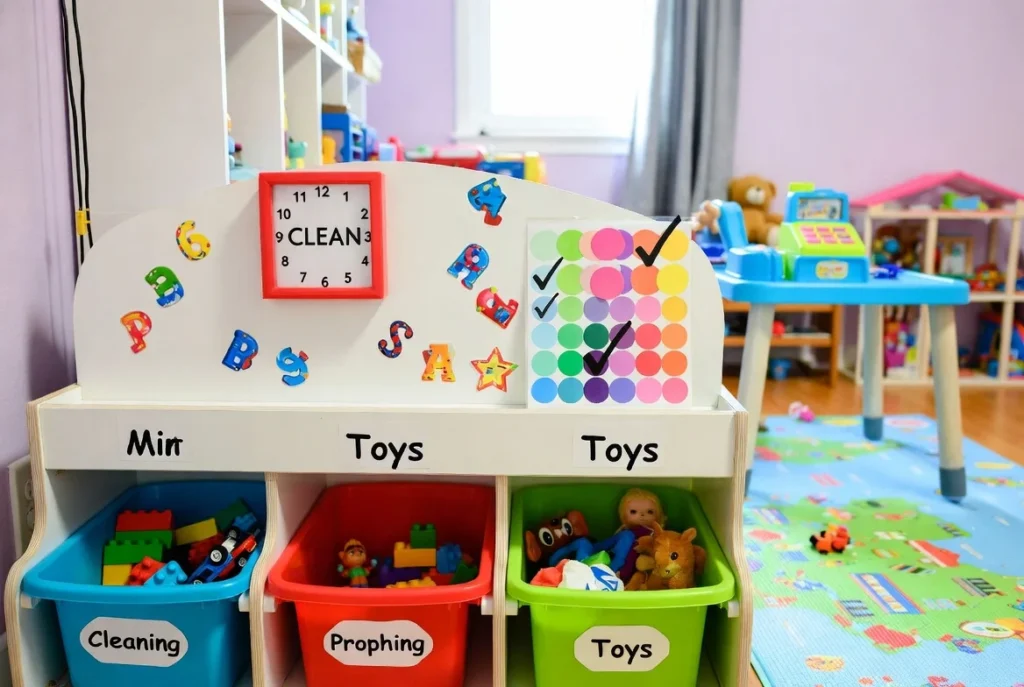
Cleaning games transform tedious tasks into engaging activities children actually enjoy. Play “I Spy” where kids must put away items of colors you identify before guessing correctly. Set timers for “beat the clock” challenges where children race to complete tasks before buzzers sound. Create contests between siblings for who finishes their cleaning checklist fastest, with winners choosing evening activities. These motivational strategies build positive associations with tidying rather than resentment toward chores.
Establish Morning and Evening Routines
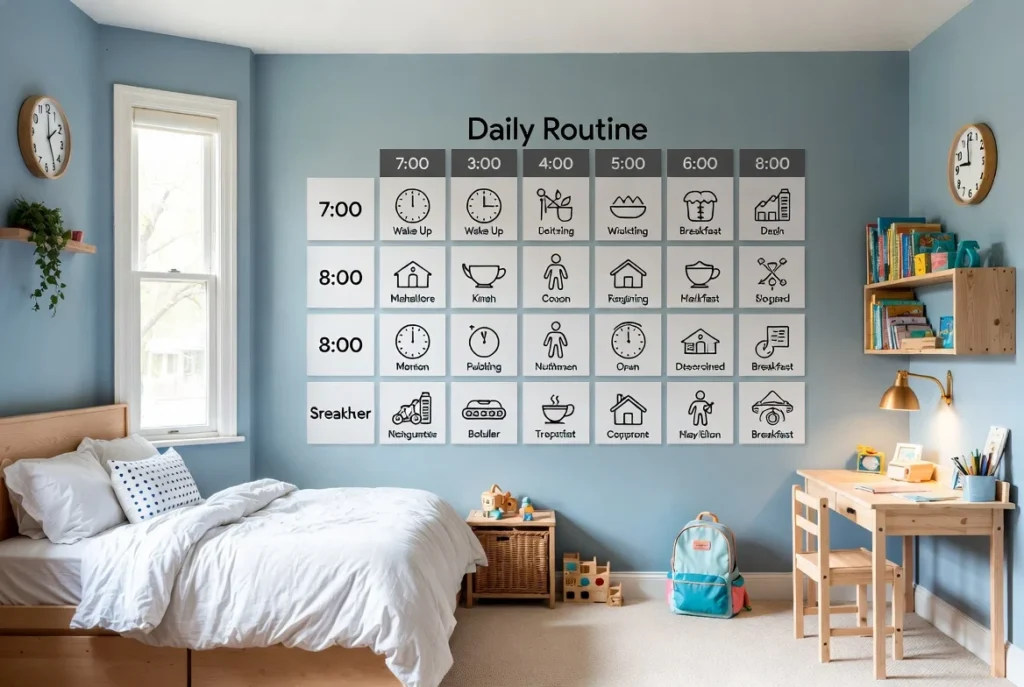
Daily cleaning routines prevent catastrophic messes requiring hours to address. Implement simple morning habits like making beds and putting away pajamas before breakfast. Create evening tidy-up routines where the entire family spends fifteen minutes before bedtime returning items to designated homes. Organizational psychologists note that these small consistent actions compound dramatically, maintaining baseline order that prevents overwhelming cleanup sessions.
Use Color-Coded Organization Systems
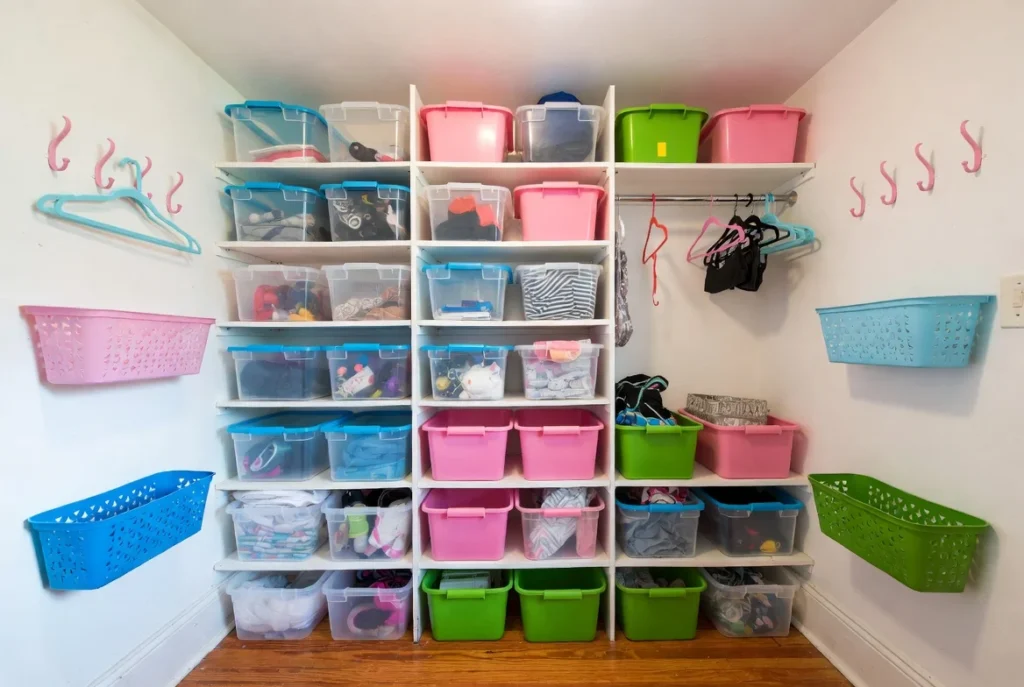
Color-coding systems simplify organization for entire families. Assign each child a color, then purchase storage bins, hangers, drawer organizers, and towels in corresponding shades. This visual system eliminates confusion about ownership and storage locations. In shared spaces like bathrooms or mudrooms, everyone immediately recognizes their belongings, while laundry sorting becomes faster when each family member’s clothing has identifiable colored hangers or designated colored baskets.
Create a Family Command Center
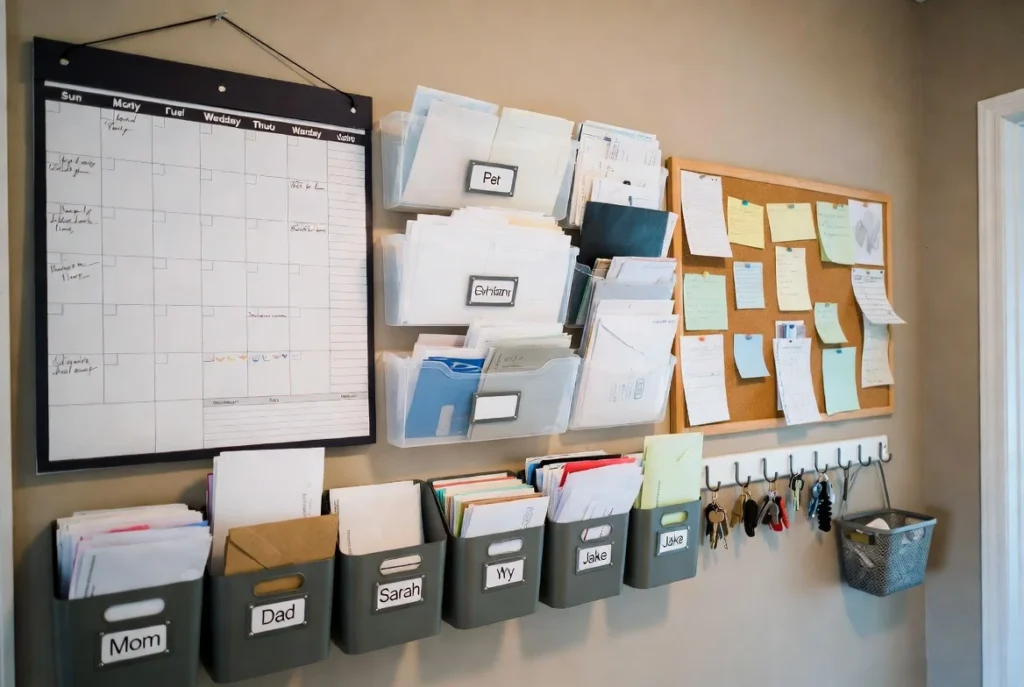
Designate one wall or area as a family command center with calendars, message boards, mail sorters, and assignment trackers. This centralized organizational hub prevents paper clutter throughout your home while ensuring everyone knows schedules, responsibilities, and important information. Include individual bins for each family member’s incoming papers requiring review, eliminating the scattered piles that migrate across countertops and tables creating visual chaos.
Implement Under-Bed Storage Solutions
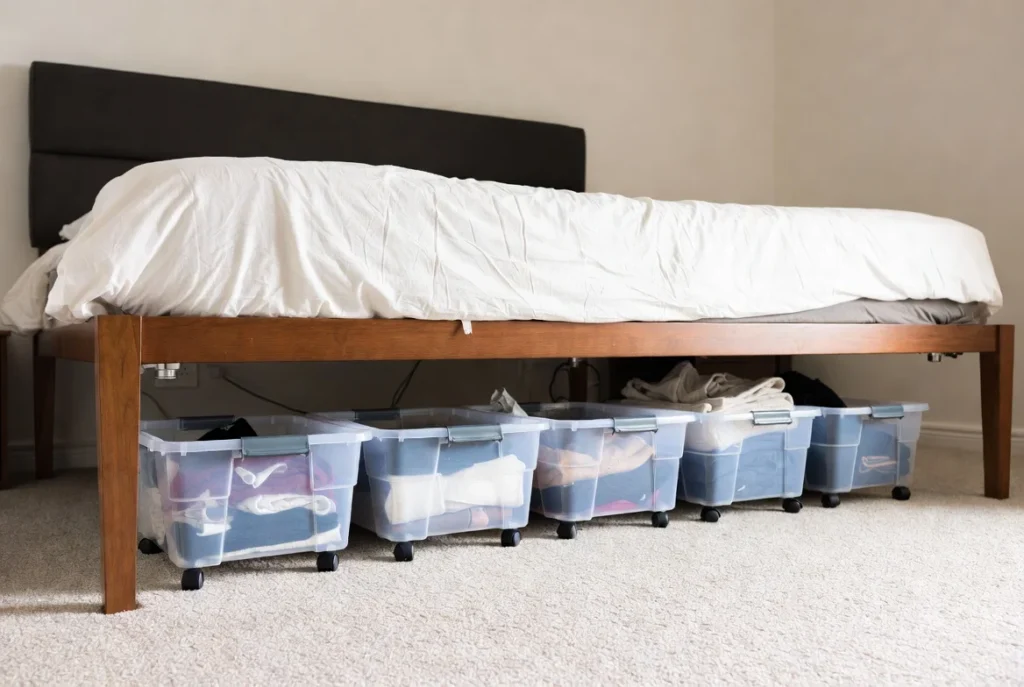
Maximize unused under-bed space with rolling bins designed specifically for this purpose. Store out-of-season clothing, infrequently used toys, or extra bedding in these hidden yet accessible locations. This space-saving hack particularly benefits small homes or shared children’s rooms where closet and floor space are limited. Choose bins with wheels for easy access and transparent sides allowing children to see contents without pulling everything out.
Schedule Regular Decluttering Sessions
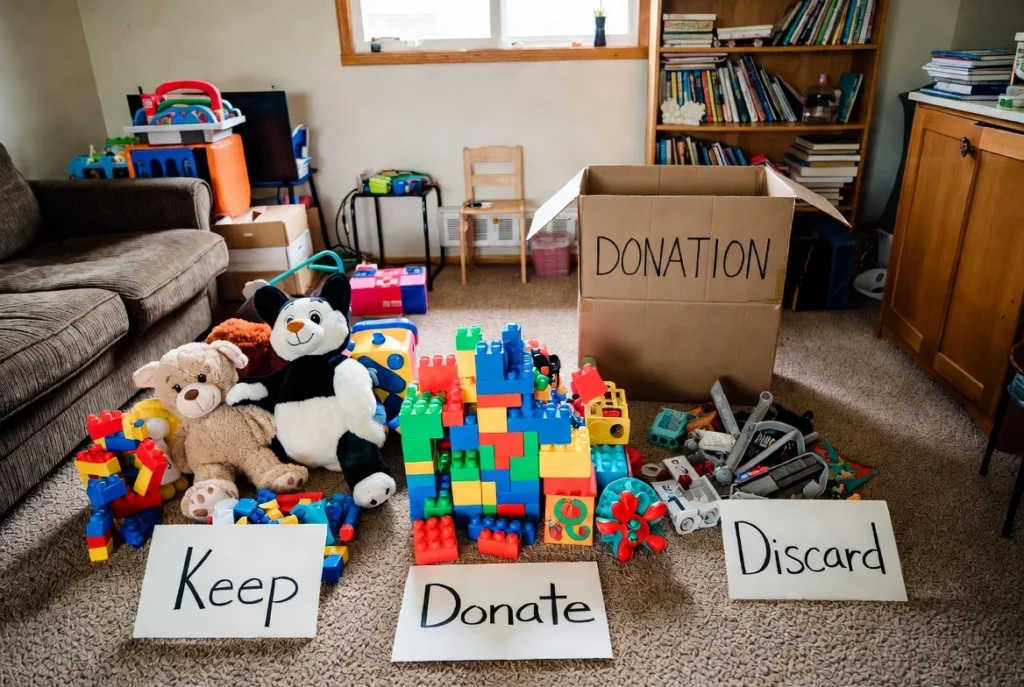
Purging possessions quarterly prevents accumulation that creates overwhelming clutter. Block calendar time before seasonal changes to assess toys, clothing, and school materials with children. Apply the “one year rule” by removing items unused in the past twelve months. This maintenance routine keeps belongings manageable while teaching children evaluation skills about what they truly use and enjoy versus items taking up valuable space without providing value.
Use Vertical Wall Space
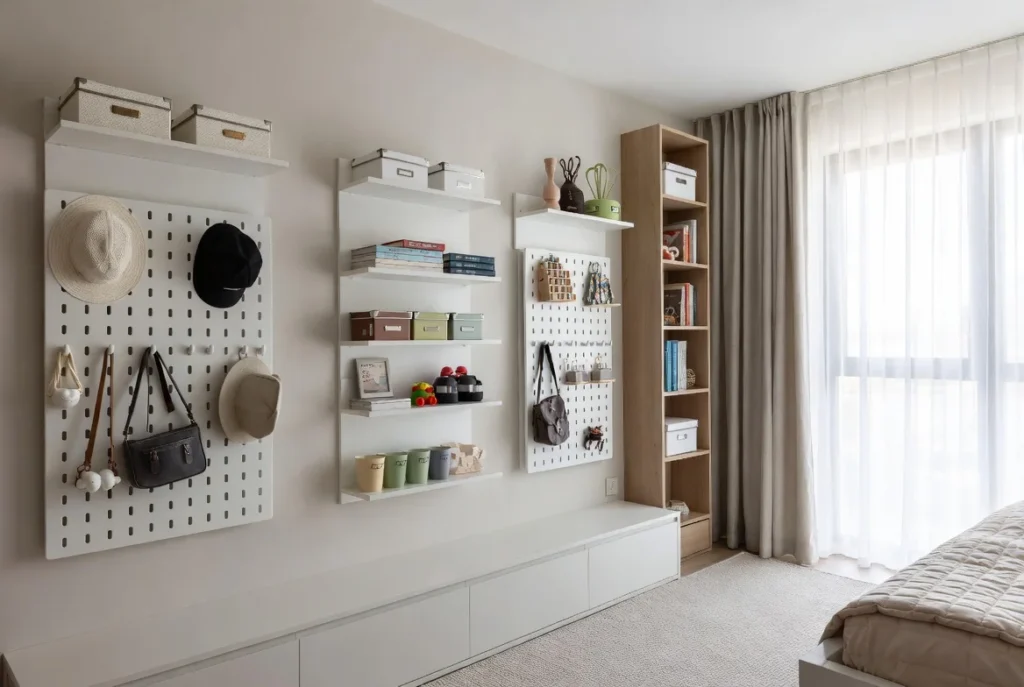
Install wall-mounted organizers, pegboards, or floating shelves to utilize vertical space often wasted in children’s rooms. Hang bags, hats, dress-up costumes, or art supplies on hooks at child-accessible heights. This organizational strategy keeps floors clear while making frequently used items visible and easy to grab. Space-planning experts note that using walls for storage can increase usable room capacity by 20 to 30 percent without adding furniture that consumes floor space.
Create Homework and Art Supply Stations
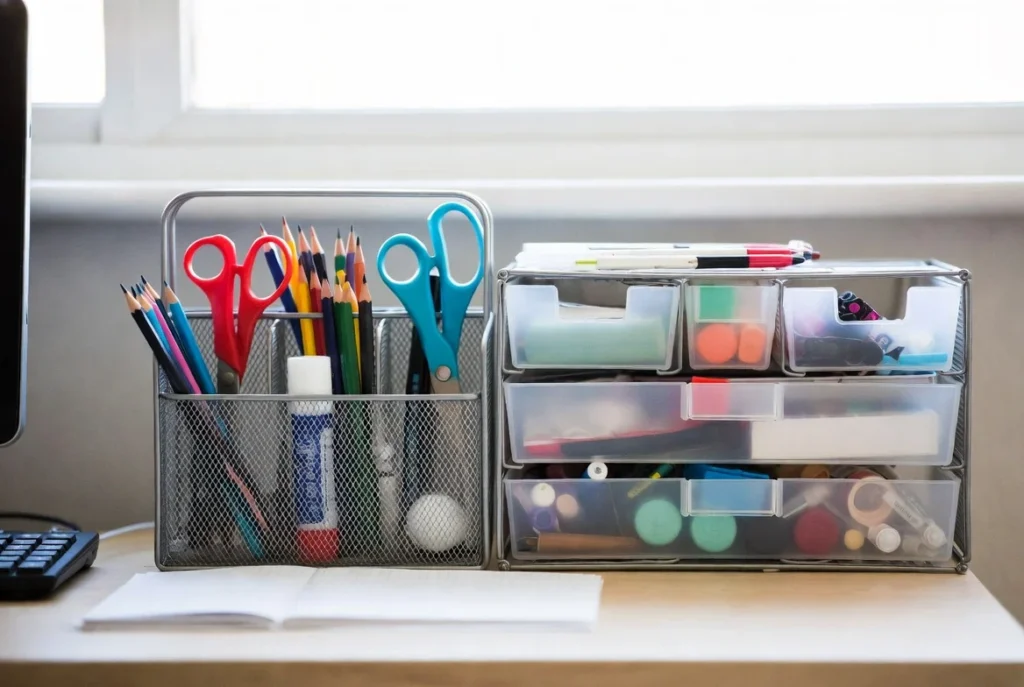
Establish dedicated homework stations with all necessary supplies organized in caddies or drawer organizers. Keep pencils, erasers, paper, scissors, glue, and crayons in designated compartments within arm’s reach of work areas. This organizational system eliminates the daily hunt for supplies while teaching children to return items to specific locations after use, building responsibility and independence in managing their academic materials.
Implement a One In One Out Rule
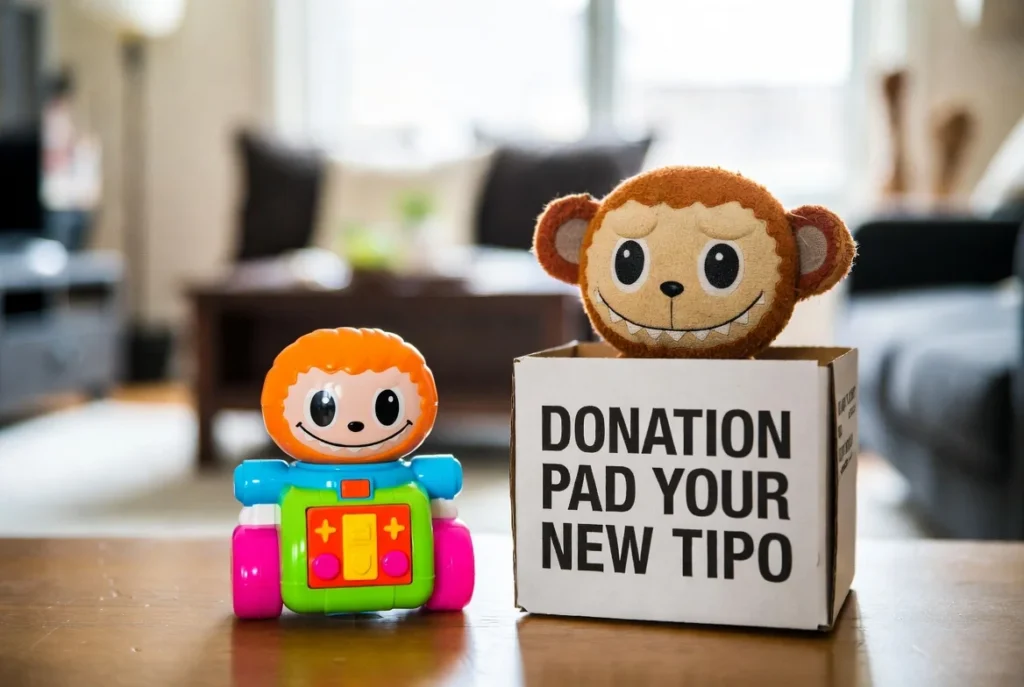
Establish a household rule that for every new toy, book, or clothing item entering your home, one similar item must leave through donation or disposal. This maintenance strategy prevents the gradual accumulation that overwhelms storage capacity. The rule forces thoughtful consideration of purchases while teaching children that possessions require space and maintenance, encouraging more mindful consumption habits that benefit them throughout life.
Use Hanging Shoe Organizers Creatively
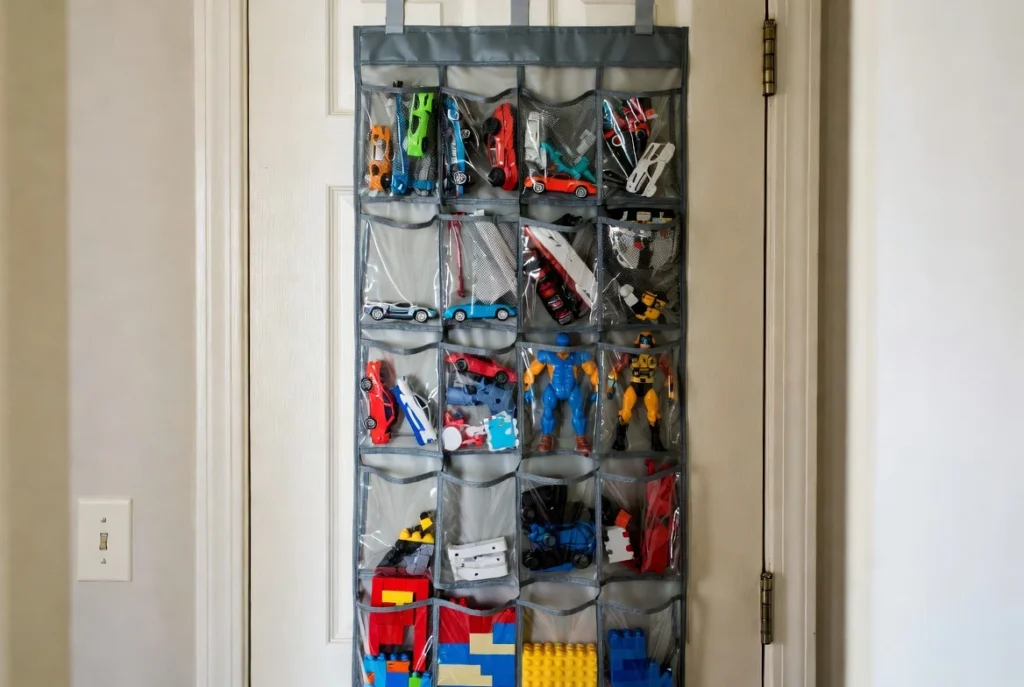
Over-the-door shoe organizers provide versatile storage solutions beyond footwear. Hang them in playrooms to store small toys like action figures, doll accessories, or building block sets in individual pockets. Use them in bathrooms for hair accessories, toiletries, or bath toys. Install them in closets for socks, underwear, or art supplies. The clear pockets allow children to see contents while the vertical design maximizes wall space without consuming floor area.
Create a Kids Art Display and Storage System
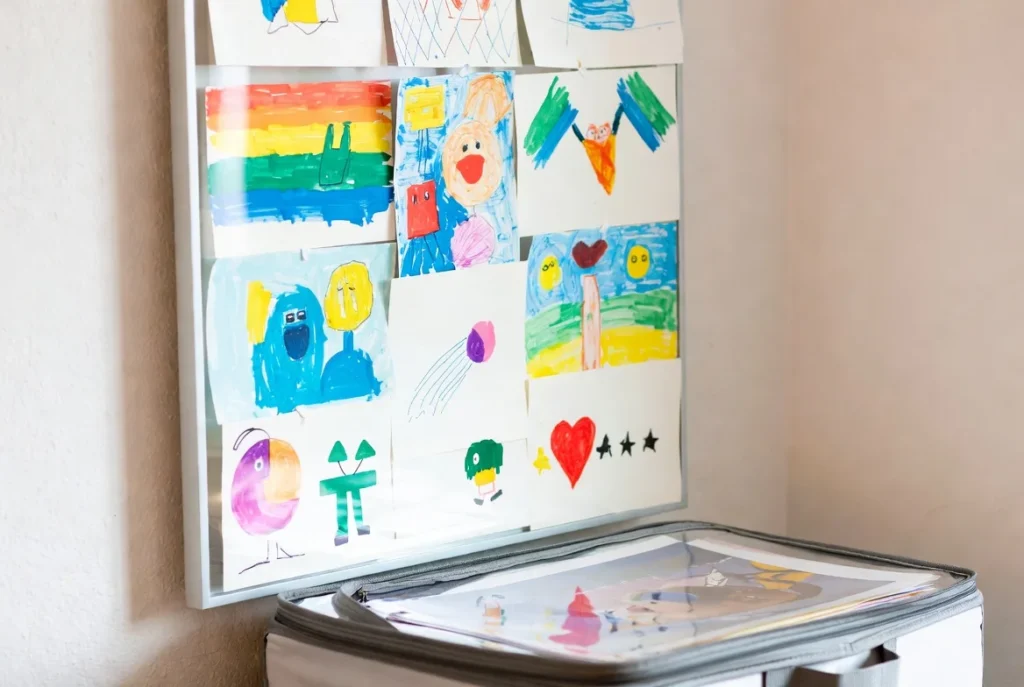
Children produce mountains of artwork requiring management systems preventing paper avalanches. Designate one display area like a
wall-mounted frame or bulletin board for current masterpieces. Store select pieces in portfolios or large flat bins, limiting saved artwork to favorites fitting in designated containers. Decluttering experts recommend photographing artwork before discarding, creating digital archives preserving memories without physical storage burdens.
Establish Donation Boxes
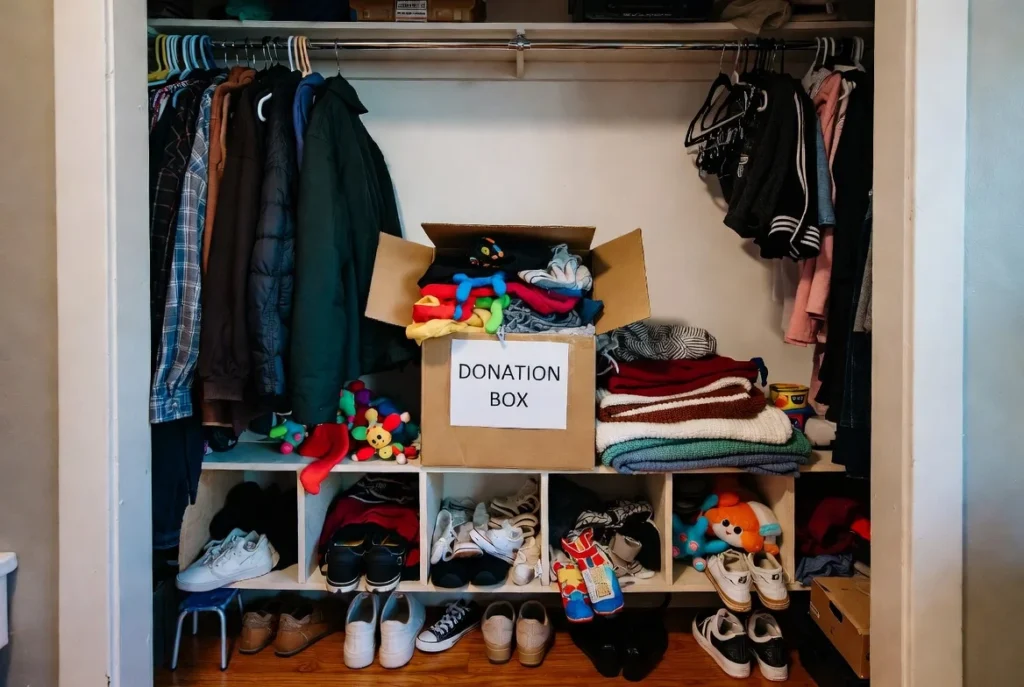
Keep a donation box accessible to all family members in a closet or garage. When children outgrow clothing, toys, or books, immediately place items in this collection point rather than setting them aside to “deal with later.” When boxes fill, schedule donation drop-offs within 48 hours. This organizational habit creates continuous flow preventing closets from filling with unusable items while teaching children generosity and detachment from possessions.
Use Drawer Dividers
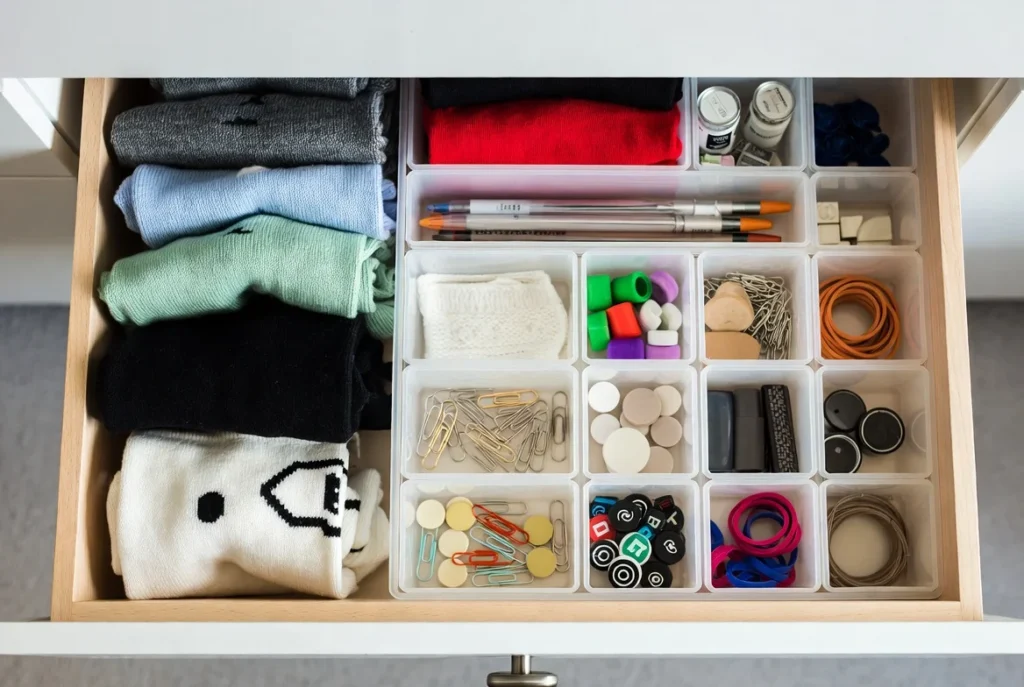
Install drawer organizers in dressers, bathroom vanities, and desks to create designated compartments for different item categories. Divide clothing drawers into sections for underwear, socks, and pajamas. Organize bathroom drawers with compartments for hair accessories, toiletries, and first aid supplies. These organizational tools prevent the chaotic jumbles that form when items tumble together, making it easy for children to find what they need and return items properly.
Create Clean-Up Playlists
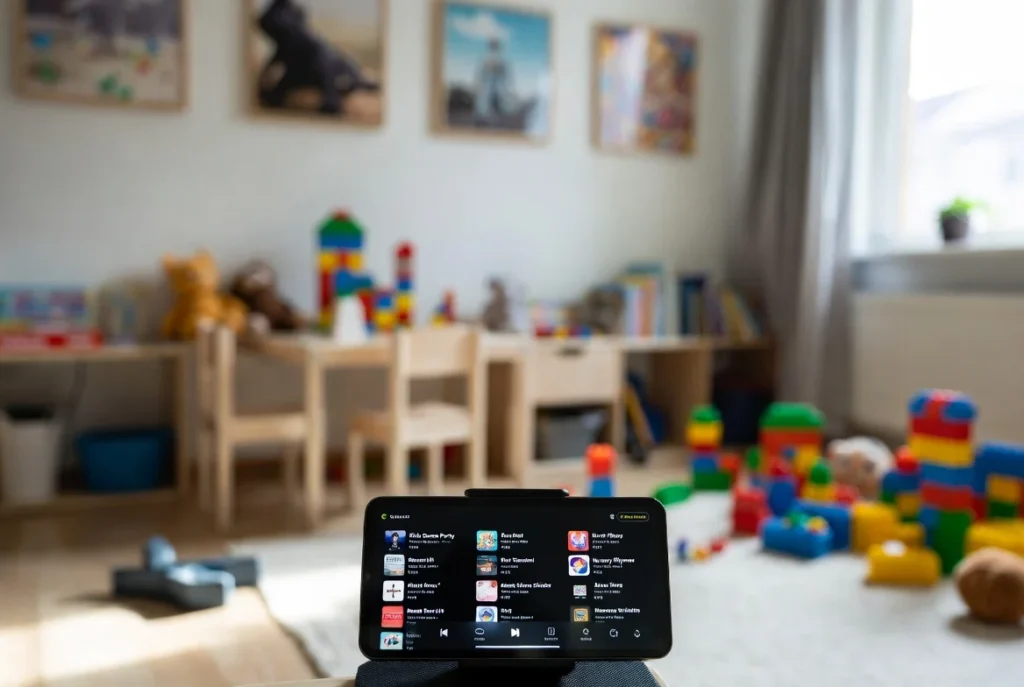
Compile cleanup playlists with upbeat songs children enjoy. Make cleanup sessions fun by playing music during tidying time, with the goal of finishing before playlists end. Behavioral psychologists note that music creates positive emotional associations with tasks, making children more willing to participate. The songs also provide natural time limits, helping children understand how long cleanup should take.
Implement Basket Systems
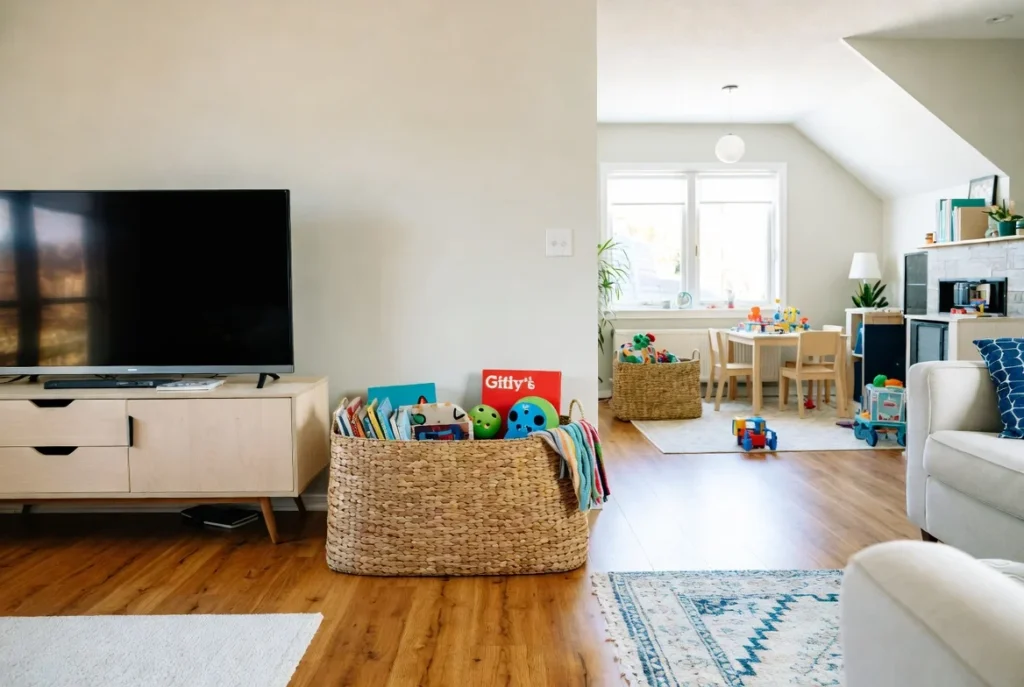
Place baskets and bins throughout your home for corralling clutter in specific areas. Keep a basket in living rooms for toys that migrate from playrooms. Position bins in cars for snacks, wipes, and entertainment items. Use bathroom baskets for each child’s toiletries. This containment strategy limits mess spread while making cleanup simple: everything goes back in its designated basket rather than requiring precise placement.
Use Clear Storage Containers
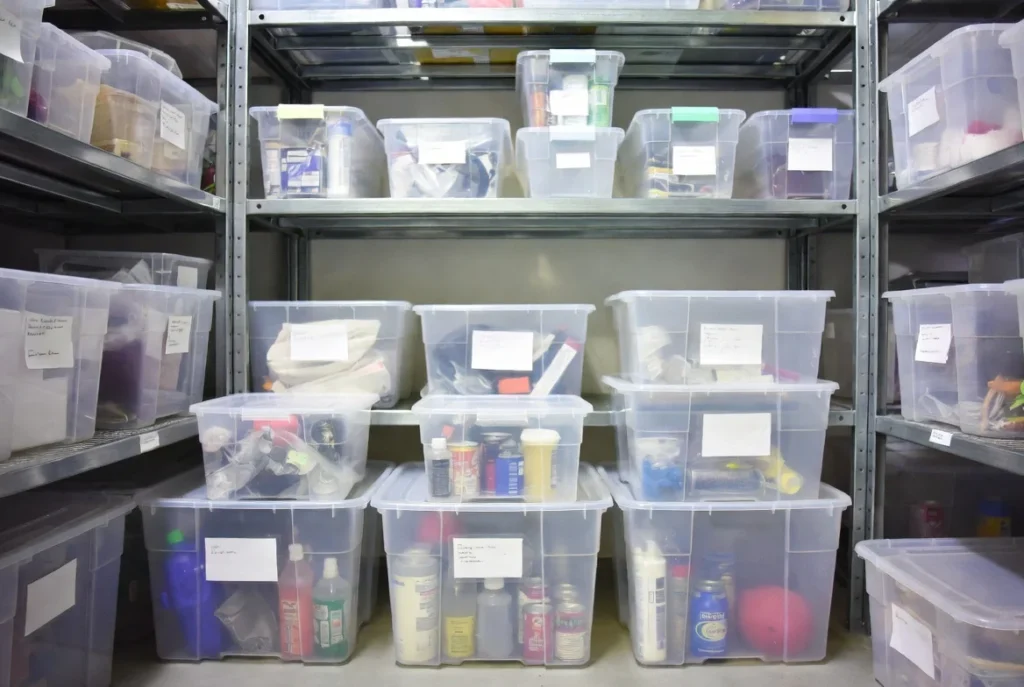
Transparent storage allows children and parents to identify contents without opening every container. This simple visual organization dramatically speeds cleanup and retrieval while preventing the frustrating searches that waste time and create messes. Label containers with both pictures and words for maximum accessibility across age ranges and reading levels.
Create Mail and Paper Management Systems
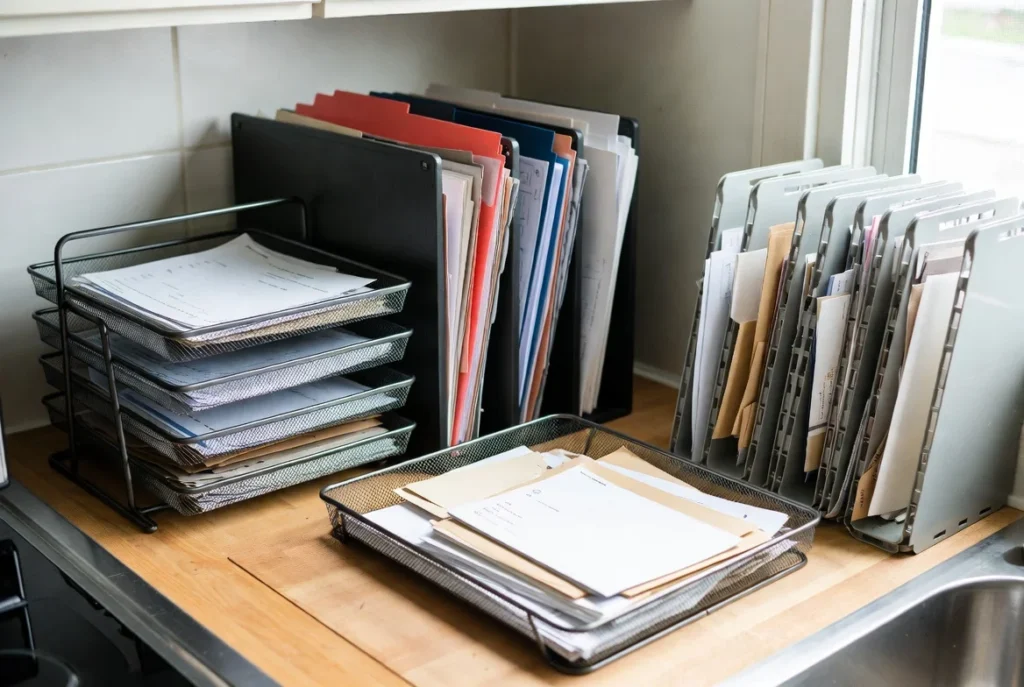
Prevent paper clutter by establishing immediate action protocols for incoming mail and school papers. Designate one tray or bin for papers requiring review, action, or filing. Schedule weekly times to process this inbox, either handling immediately or discarding. Organization specialists emphasize that touching paper once dramatically reduces accumulation compared to setting papers aside repeatedly without decisions.
Implement Chore Charts
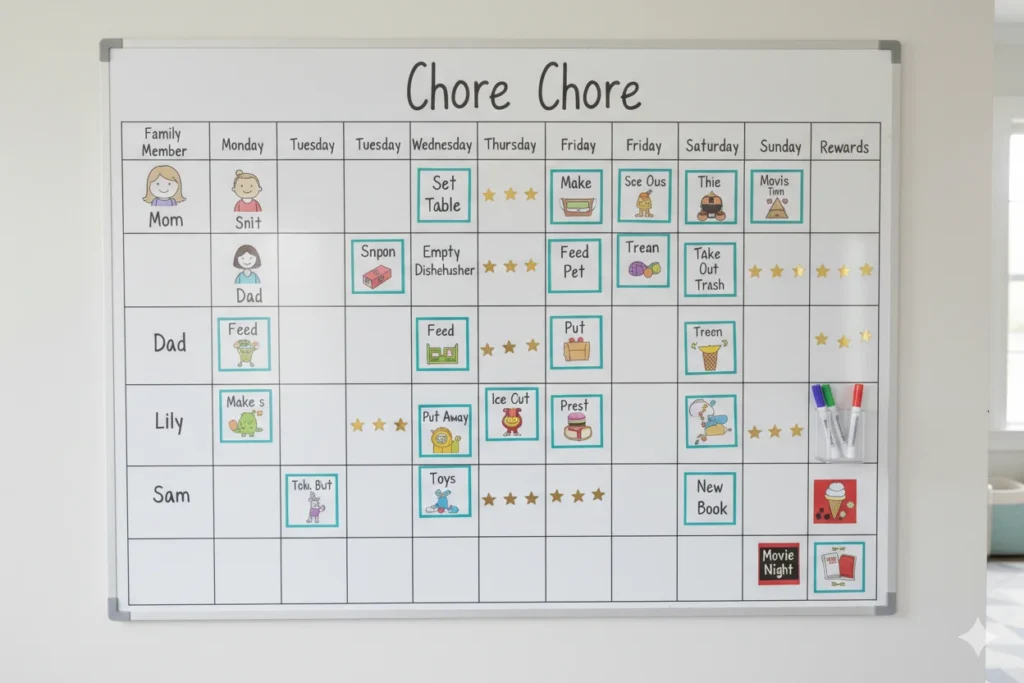
Visual chore charts assign age-appropriate responsibilities while tracking completion. These accountability tools teach children that maintaining homes requires everyone’s participation. Use sticker charts for young children or check-off lists for older kids. Consistent chore routines build life skills while distributing household work more equitably across family members rather than burdening parents with all maintenance tasks.
Utilize Closet Door Space
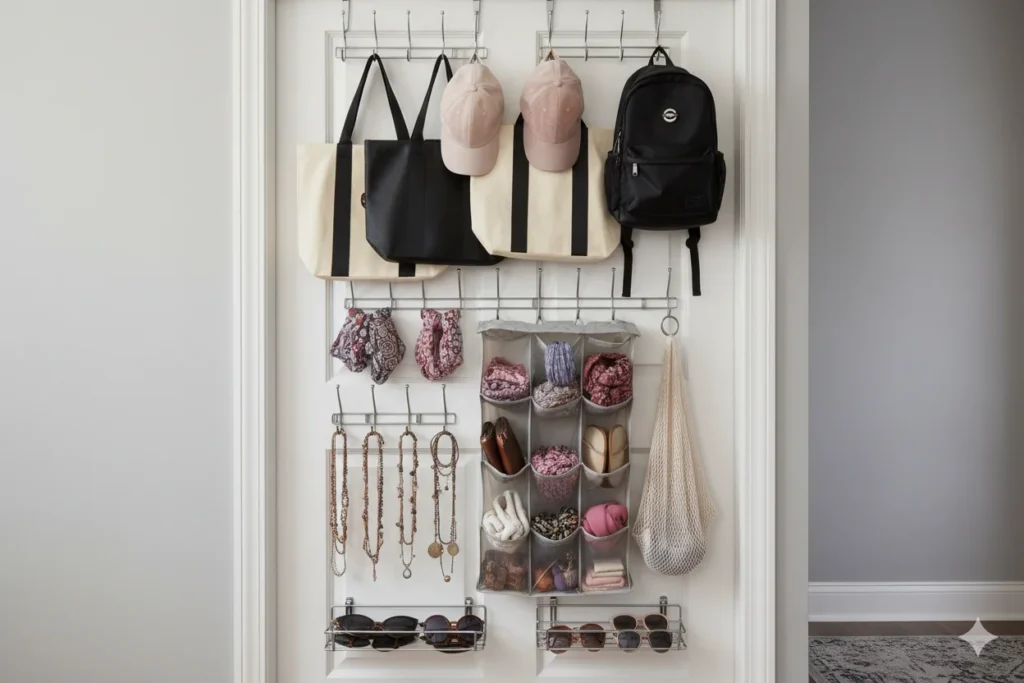
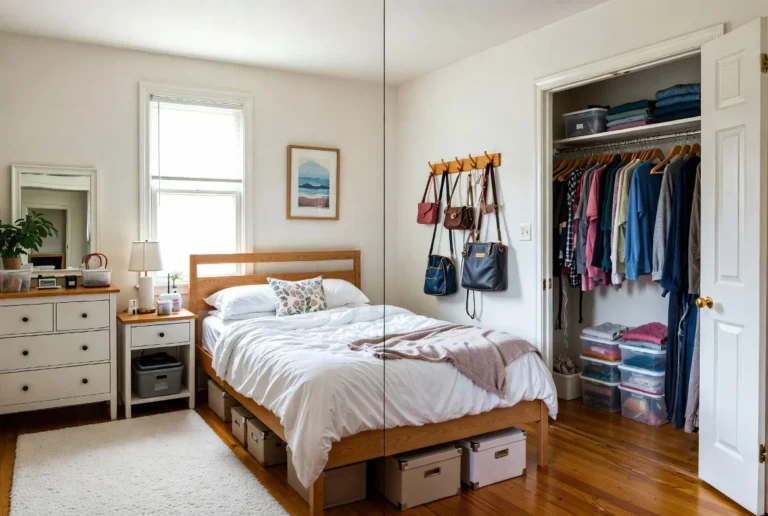
Install over-the-door hooks or organizers on closet doors for bags, belts, scarves, or frequently worn items. This often-wasted space provides convenient accessible storage without requiring shelves or floor space. The visibility keeps items from being forgotten while placement near clothing makes outfit assembly easier for children managing their own morning routines.
Create a Launch Pad System
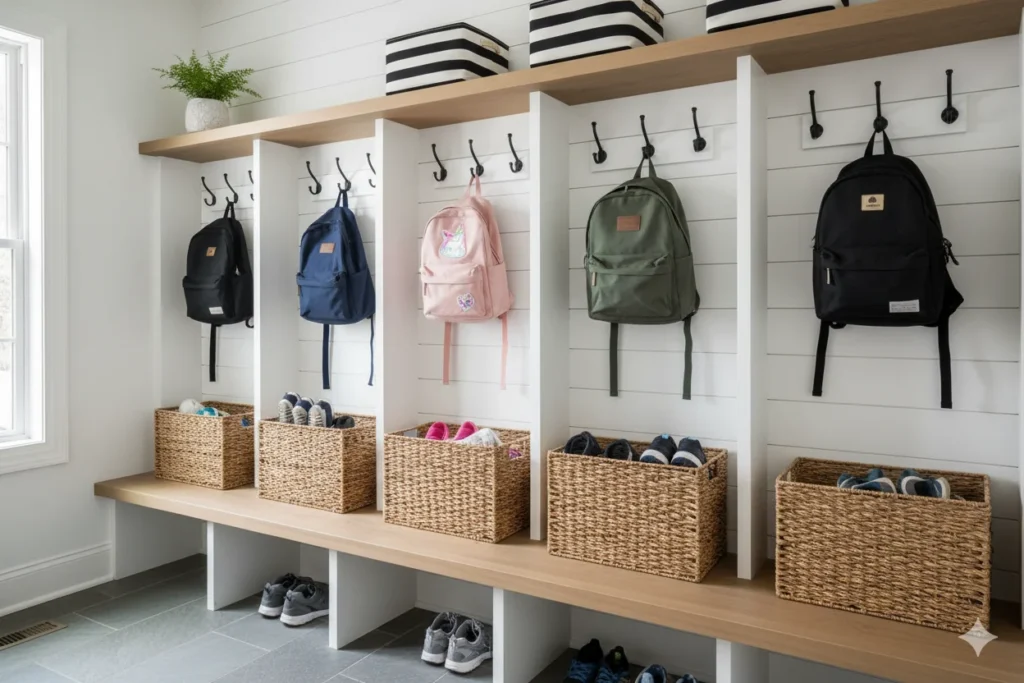
Establish a launch pad area near your main exit with individual bins or hooks for each family member. Designate this space for backpacks, shoes, jackets, and items leaving with family members daily. This organizational system eliminates morning chaos searching for essential items while containing the clutter these necessary belongings create, preventing them from spreading throughout your home.
Implement Library Checkout Systems
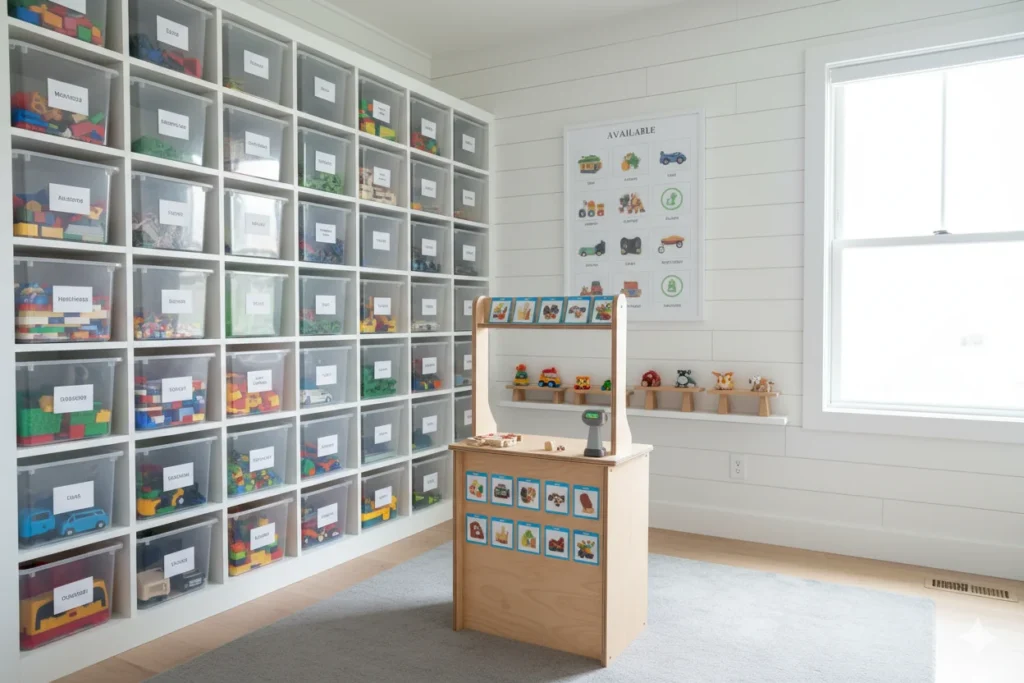
Manage toy overflow by creating toy library systems in your home. Store most toys away, allowing children to “check out” a limited number at a time. When they want different toys, they must first return currently checked-out items to their storage locations. This rotation method limits active mess while teaching responsibility and decision-making about what children truly want to play with currently.
Use Multi-Purpose Furniture
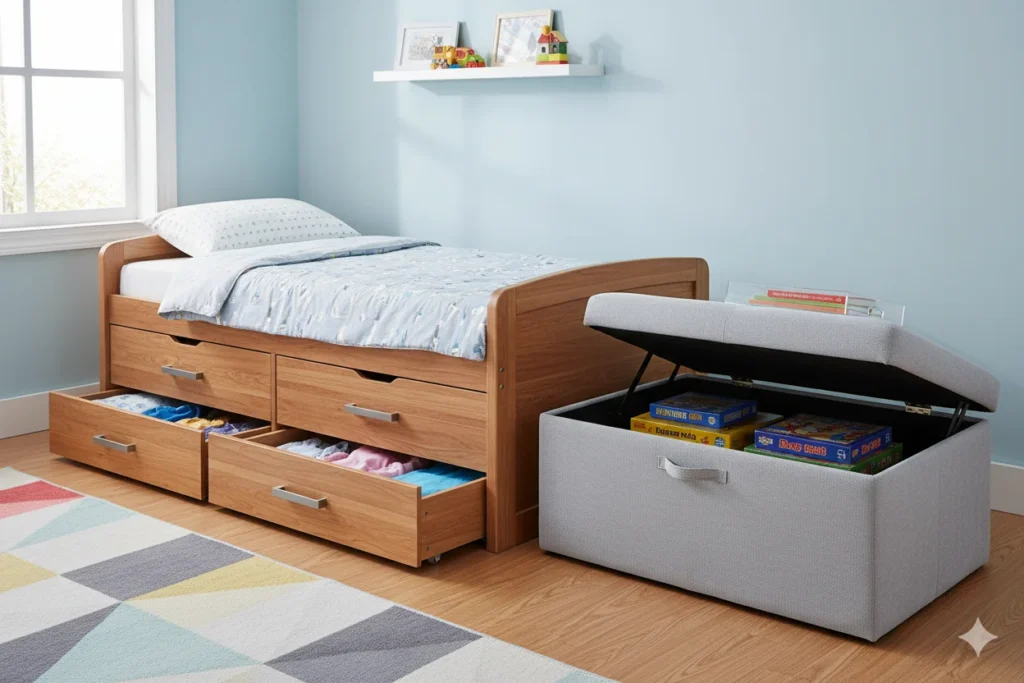
Invest in storage furniture that serves dual purposes like ottomans with internal storage, beds with built-in drawers, or benches with lift-up seats. This space-saving approach maximizes limited square footage in children’s rooms or playrooms by eliminating the need for separate storage units that consume valuable floor space. The hidden nature of storage also maintains cleaner visual aesthetics.
Conclusion
Maintaining a clean and clutter-free home with children requires strategic systems working with family realities rather than aspirational ideals disconnected from actual daily life. The 25 kids organization hacks presented throughout this guide prove that successful home organization emerges not from expensive products or unlimited time but from smart strategies creating sustainable habits preventing clutter before it accumulates.
The most valuable insight to carry forward is that effective kid organization requires three elements: designated homes for every item, systems simple enough for children to manage independently, and regular maintenance preventing overwhelming buildup. Labeled bins and rotation systems manage toys efficiently. Drop zones and launch pads contain daily-use items. Cleaning games and routines make tidying manageable and even enjoyable.
Begin your transformation by choosing three to five hacks addressing your biggest organization challenges. Perhaps you start with labeled bins, implement a toy rotation system, and establish evening cleanup routines. These foundational changes create momentum while demonstrating that organized living with children is genuinely achievable.
Your home holds remarkable potential to become the peaceful, functional space you deserve, one where you spend time enjoying your children rather than constantly battling clutter chaos. These 25 organization hacks provide your roadmap to achieving that reality, proving that strategic systems beat exhausting effort every time.
Frequently Asked Questions
How do I get my kids to actually help with organization and cleaning?
Start by making tasks age-appropriate and achievable, avoiding overwhelming expectations that discourage participation. Transform cleanup into games using timers, music, or competitions that make tidying fun rather than punishing. Provide specific directions like “put stuffed animals in the blue bin” rather than vague commands like “clean your room.” Offer genuine praise and positive reinforcement when children help, building intrinsic motivation through encouragement. Most importantly, demonstrate organizational habits yourself consistently, as children learn more from modeled behavior than verbal instruction. When organization becomes a normal family practice rather than a battleground, children adopt these habits naturally over time.
What should I do if my child refuses to let go of toys during decluttering?
Respect their attachment while providing gentle guidance through the decision-making process. Try the “maybe box” method where uncertain items go into a box stored away for three to six months. If children do not ask for or remember items during that period, they can let them go more easily. Focus on having children identify favorites they truly love and play with regularly, then suggest donating items they have outgrown to help other children who would enjoy them. Avoid forcibly discarding items, as this damages trust and creates anxiety around letting go. Instead, frame decluttering as making room for new interests while honoring that releasing possessions takes emotional readiness developing at different paces for different children.
How often should I rotate toys to keep things manageable?
The ideal rotation frequency depends on your child’s age and toy quantity, but most families find success rotating every two to four weeks. Younger children with shorter attention spans benefit from more frequent rotations keeping novelty high, while older children can maintain interest for longer periods. Watch for signs that rotation timing is right: if children seem bored with available toys or the playroom feels chaotic, it is time to switch sets. Involve children in rotation selection when possible, letting them choose which stored toys they want to see again. This participation builds anticipation while teaching decision-making about possessions and preferences.
What are the best storage solutions for small homes with limited space?
Maximize vertical space through wall-mounted shelves, pegboards, and over-the-door organizers that utilize walls rather than consuming floor area. Invest in multi-purpose furniture like storage ottomans, beds with built-in drawers, and benches with lift-up seats serving dual functions. Use under-bed space with rolling bins designed specifically for these dimensions. Implement aggressive toy rotation keeping most belongings stored elsewhere, rotating through sets to limit active clutter. Finally, maintain strict one-in-one-out rules preventing accumulation that overwhelms limited capacity. Small homes can absolutely stay organized when strategic systems prioritize vertical storage and regular decluttering over trying to contain excessive possessions in insufficient space.
How can I maintain organization long-term without it falling apart after a few weeks?
Long-term organization success requires building sustainable daily and weekly habits rather than relying on occasional overhauls. Establish simple non-negotiable routines like fifteen-minute evening tidy-ups and making beds each morning that prevent catastrophic mess buildup. Schedule monthly or quarterly decluttering sessions on your calendar as regular appointments rather than waiting until things feel overwhelming. Create systems simple enough for children to maintain independently without constant adult intervention or supervision. Most importantly, extend grace to yourself and your family during busy or difficult periods when organization slides temporarily, knowing you have established systems making it easy to reset rather than starting from scratch repeatedly. Progress and consistency matter infinitely more than perfection.
One Comment