
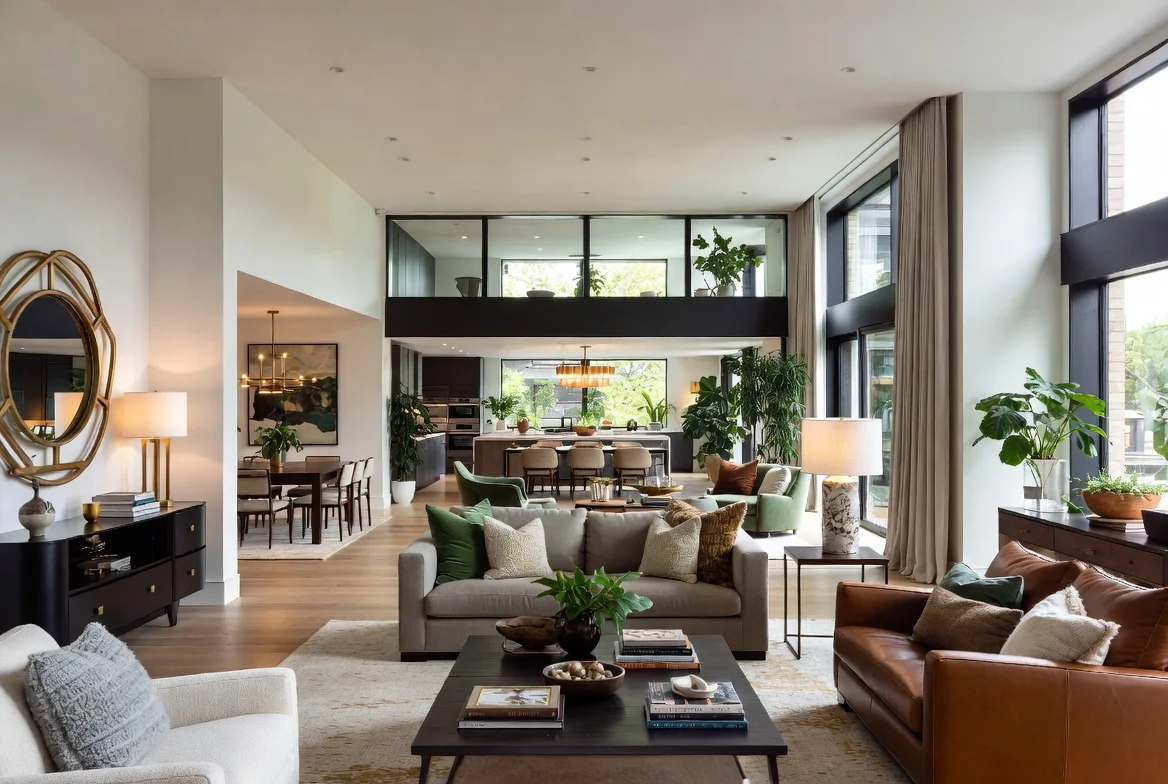
40 Home Interior Design Ideas That Make Every Room Stunning
Your home tells your story, yet too often it speaks in whispers rather than confident declarations. Walk through most houses and you will encounter rooms that function adequately but fail to inspire, spaces that meet basic needs without delivering the emotional resonance that transforms a house into a true sanctuary. The difference between ordinary and extraordinary interior design often lies not in budget or square footage but in the thoughtful application of design principles that elevate every element from mundane to magnificent.
Creating stunning interiors requires more than following trends or copying magazine spreads. It demands understanding how color psychology influences mood, how furniture placement affects energy flow, and how seemingly minor decorative choices combine to create spaces that feel both intentionally designed and genuinely livable. The most impressive homes achieve that delicate balance where beauty and function coexist harmoniously, where every room serves practical purposes while delighting the senses.
This comprehensive guide presents 40 powerful home interior design ideas that prove exceptional spaces are achievable regardless of your starting point. From color palette strategies that set emotional tone to sustainable design practices that respect both aesthetics and environment, from space-planning techniques that maximize function to decorative accents that inject personality, these concepts offer tested approaches for transforming every room in your home into something truly special.
Understanding the Core Principles of Exceptional Interior Design
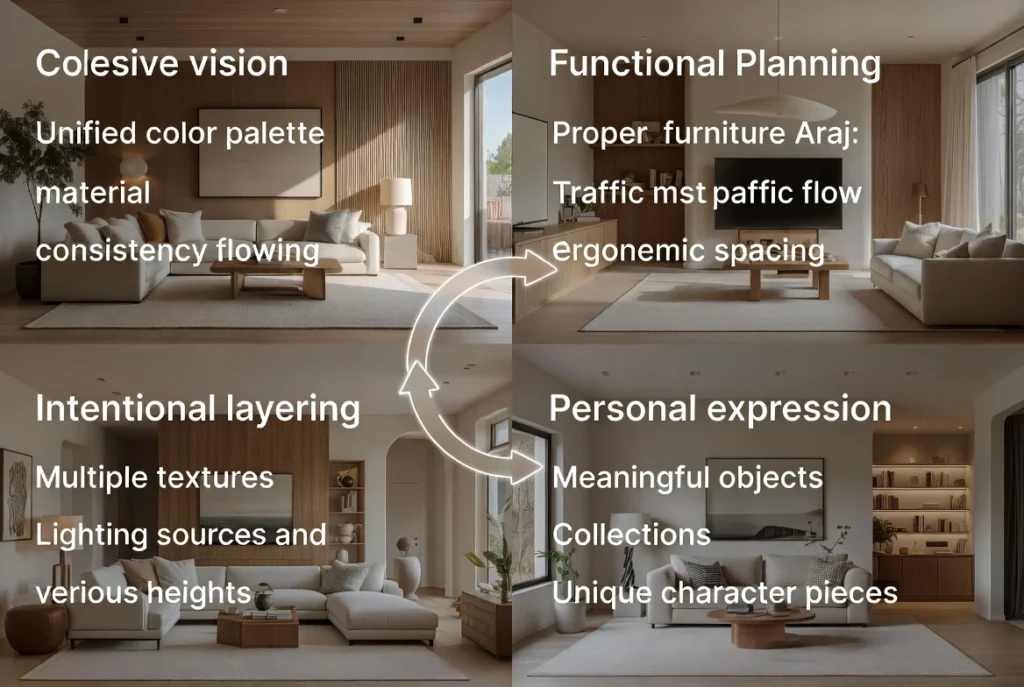
Before exploring specific ideas, grasping the fundamental principles that separate memorable interiors from forgettable ones ensures your design efforts deliver lasting impact. Every successful home design rests on four essential pillars: cohesive vision, functional planning, intentional layering, and personal expression.
Cohesive vision means establishing a unified aesthetic thread that connects all spaces within your home. This does not require identical styling in every room but demands thoughtful consistency through color families, material choices, and design sensibilities that create flow as you move from space to space. When cohesion succeeds, your home feels curated and purposeful rather than randomly assembled from disconnected purchases.
Functional planning acknowledges that beautiful spaces lose appeal when they fail to support how you actually live. The most stunning interiors provide adequate storage, comfortable seating scaled to room size, proper lighting for various activities, and traffic flow patterns that feel natural rather than obstructed. Function and beauty are not opposing forces but complementary elements that enhance each other when properly integrated.
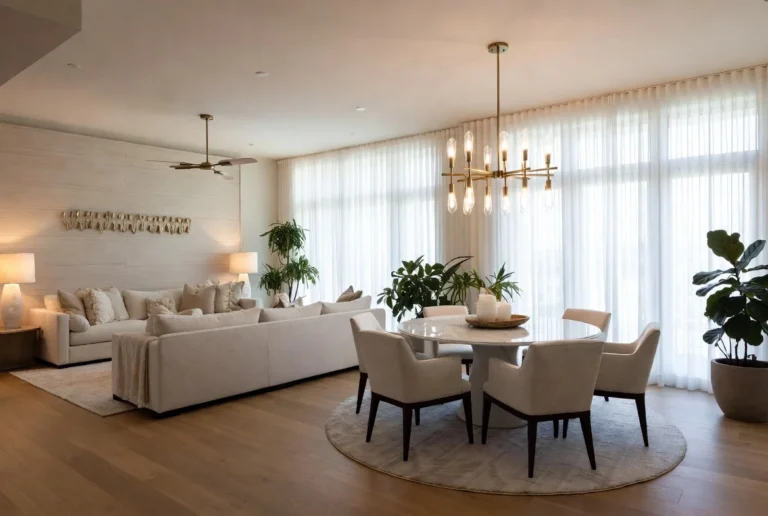
Intentional layering creates visual depth through combining multiple design elements at different heights and scales. This includes layering textures through rugs, fabrics, and finishes, varying light sources from ambient to task to accent, and mixing decorative objects of different sizes to create dimensional interest. Flat, one-note rooms lack the richness that layered design delivers.
Personal expression ensures your home reflects your unique story rather than mimicking showroom displays. The most memorable interior spaces incorporate meaningful objects, cherished collections, family heirlooms, and elements that spark joy specifically for you. Generic beauty pales beside spaces infused with authentic personality.
Ideas 1 Through 8: Color Palette Mastery
Embrace Warm Earth Tones
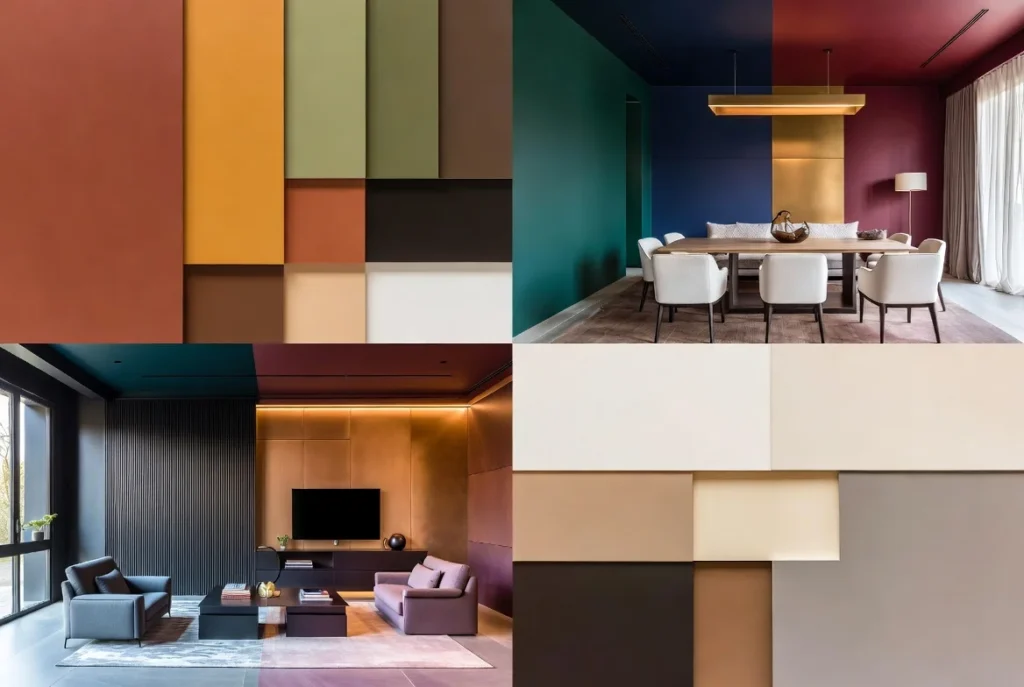
Earth tone palettes including terracotta, ochre, sage green, and warm browns create grounding, nurturing environments that promote tranquility. These natural hues reflect the outdoors, bringing calming energy indoors while providing sophisticated backdrops for both modern and traditional furnishings. Layer varying shades within the same earth tone family for depth without visual chaos.
Explore Bold Jewel Tone Accents
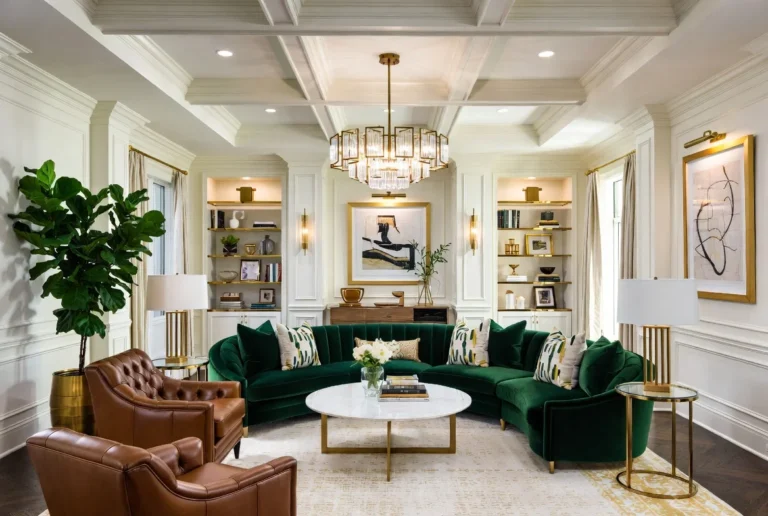
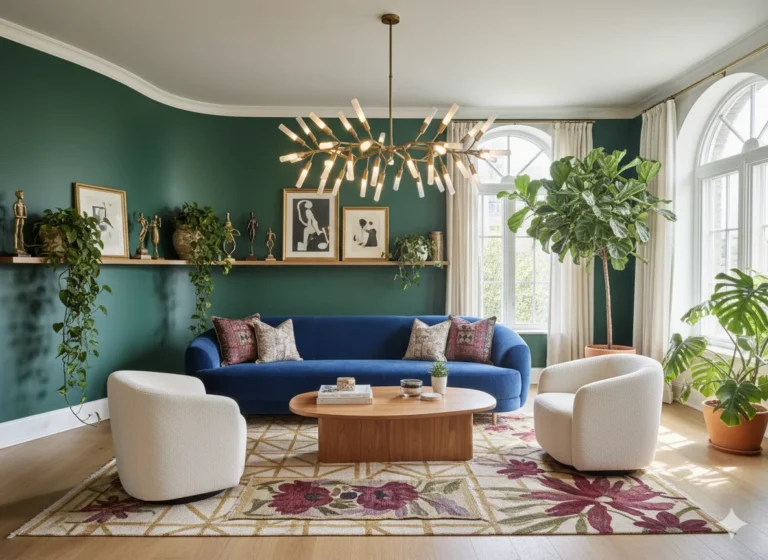
Jewel tones like emerald, sapphire, amethyst, and ruby inject instant luxury and personality into neutral spaces. Use these saturated colors strategically on accent walls, statement furniture pieces, or through layered textiles to create dramatic focal points without overwhelming senses. The richness of jewel tones adds sophistication that feels both timeless and contemporary.
Master Monochromatic Schemes
Monochromatic color palettes using varying shades of single hues create sophisticated depth through tonal variation. An all-white room gains dimension through combining glossy and matte finishes, smooth and textured materials, and cool versus warm whites. This approach delivers cohesive elegance while allowing architectural details and furnishings to shine without color competition.
Experiment with Color Drenching
Color drenching involves painting walls, trim, and ceilings in the same saturated hue to create immersive, moody environments. This bold technique works particularly well in small spaces, making them feel intentionally cozy rather than accidentally cramped. Choose colors you genuinely love, as this all-over approach commits fully to your selection.
Balance Warm Metallics
Warm metallic finishes including gold, brass, bronze, and copper add luxurious touches that complement both neutral and bold color schemes. Mix metallic finishes thoughtfully rather than matching everything perfectly, as varied metals create a collected-over-time authenticity. Use metallics in light fixtures, hardware, decorative accessories, and furniture accents for subtle glamour.
Create Contrast Through Opposing Tones
Strategic contrast between light and dark elements creates visual drama that prevents spaces from feeling flat. Pair dark furniture against light walls, position black accents on white surfaces, or combine deep charcoal with crisp whites for sophisticated tension. This play of opposites adds energy and definition that monochromatic schemes alone cannot achieve.
Introduce Unexpected Color Pairings
Break free from safe combinations by pairing unexpected color duos like pink and orange, purple and green, or blue and brown. These unconventional marriages create memorable spaces with distinctive personalities. The key lies in balancing proportions, using one color dominantly while the other provides accent interest.
Layer Neutrals for Subtle Sophistication
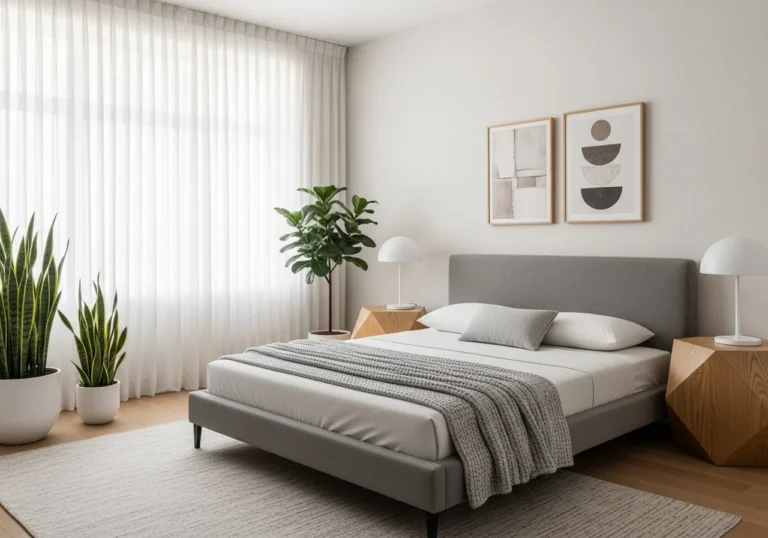
Neutral palettes need not feel boring when you layer multiple shades of cream, beige, taupe, and gray with varying textures. Combine linen, velvet, leather, wood, stone, and metal all in coordinating neutrals for rich, tactile environments that reward closer inspection. This approach creates calming sophistication perfect for restful spaces.
Ideas 9 Through 16: Furniture Selection and Arrangement
Embrace Curved and Organic Shapes
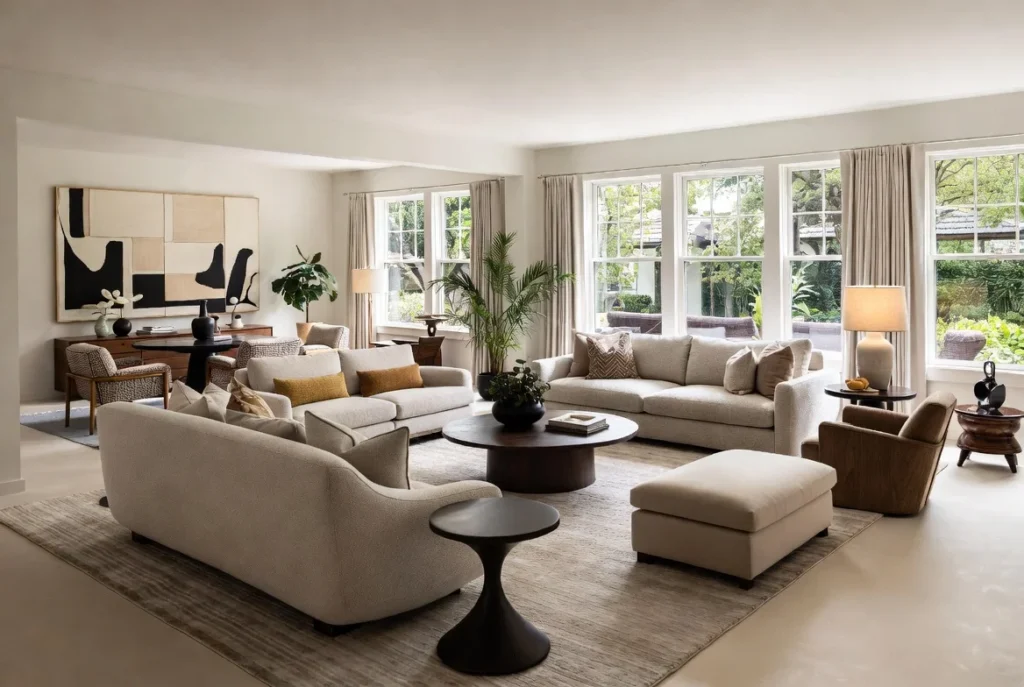
Curved furniture including rounded sofas, circular coffee tables, and organic-shaped chairs create soft, welcoming environments that contrast with boxy architecture. These flowing forms promote comfortable, casual interaction while adding sculptural interest. The current trend toward organic shapes reflects desire for spaces that feel less rigid and more nurturing.
Invest in Multifunctional Pieces
Multifunctional furniture maximizes value and flexibility, particularly important in smaller homes. Storage ottomans, expandable dining tables, sofa beds, and lift-top coffee tables serve multiple purposes without requiring multiple pieces. This practical approach prevents overcrowding while maintaining capability to adapt as needs change.
Mix Vintage and Contemporary Elements
Combining vintage pieces with modern furnishings creates layered, collected-over-time appeal impossible to achieve with all-new purchases. An antique sideboard gains fresh relevance paired with contemporary dining chairs. Mid-century modern accent chairs complement sleek sectional sofas. This mixing prevents spaces from feeling like showroom displays while honoring design history.
Scale Furniture Appropriately
Furniture scale dramatically affects how spaces feel and function. Oversized pieces overwhelm small rooms while undersized furnishings look lost in expansive spaces. Measure carefully, considering both physical dimensions and visual weight. A glass table consumes less visual space than solid wood despite similar footprints.
Create Conversation Zones
Arrange seating groups to facilitate comfortable conversation by positioning sofas and chairs to face each other across coffee tables. Maintain distances of 4 to 10 feet between seating for intimacy without awkward closeness. These intentional groupings make spaces feel purposeful and welcoming rather than randomly furnished.
Float Furniture Away from Walls
Floating furniture away from walls in larger rooms creates more intimate, defined spaces while improving traffic flow. This technique particularly suits open-concept homes where creating distinct zones without physical barriers becomes essential. Leave adequate walkways of at least 30 inches between furniture and walls.
Prioritize Comfort Without Sacrificing Style
The most stunning interiors balance aesthetic appeal with genuine comfort. Test furniture before purchasing, prioritizing pieces that feel as good as they look. Deep, comfortable seating, supportive cushions, and appropriate seat heights matter more than Instagram-worthy appearances that prove uncomfortable in daily use.
Incorporate Statement Pieces
Every room benefits from at least one statement furniture piece that commands attention and establishes personality. This might be an oversized piece of artwork, a unique vintage find, a boldly colored sofa, or a sculptural light fixture. Statement pieces provide focal points that give rooms memorable character.
Ideas 17 Through 24: Lighting Design Excellence
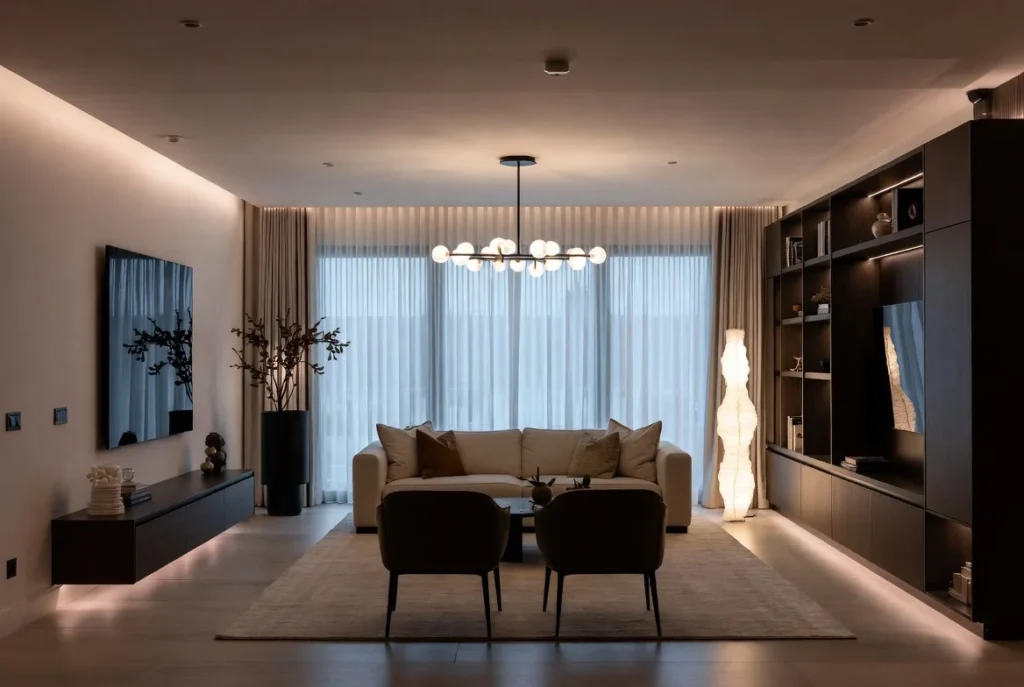
Layer Multiple Light Sources
Layered lighting combining ambient, task, and accent sources creates adaptable spaces that function well throughout the day. Overhead fixtures provide general illumination, table and floor lamps offer task lighting for reading or work, while accent lights highlight artwork or architectural features. This variety prevents flat, one-dimensional lighting.
Maximize Natural Light
Natural light remains the most flattering and energy-efficient illumination available. Maximize it through strategic window treatments that allow control without blocking light unnecessarily. Sheer curtains filter harsh rays while maintaining brightness. Position mirrors opposite windows to reflect and amplify natural illumination throughout spaces.
Install Dimmer Switches
Dimmer controls provide flexibility to adjust lighting intensity based on time of day and activity. Bright illumination suits morning routines and detailed tasks while dimmed lights create intimate evening ambiance. This simple upgrade dramatically increases lighting versatility without requiring new fixtures.
Choose Statement Light Fixtures
Statement lighting functions as both illumination and sculpture, delivering dramatic visual impact. Oversized chandeliers, artistic pendant lights, and unique floor lamps become room focal points that express personality while providing necessary light. These fixtures justify investment through serving dual decorative and functional roles.
Incorporate LED Strip Lighting
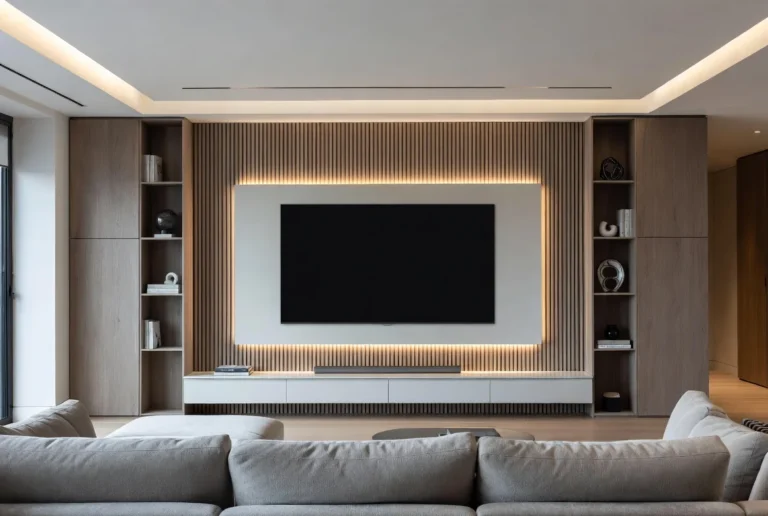
Hidden LED strips create sophisticated accent lighting in unexpected places. Install under cabinets for task lighting, behind floating shelves for ambient glow, or along ceiling coves for architectural emphasis. These versatile, energy-efficient lights add drama and dimension while consuming minimal electricity.
Balance Warm and Cool Light Temperatures
Light temperature significantly affects mood and appearance. Warm light (2700-3000K) creates cozy, intimate atmospheres perfect for living spaces and bedrooms. Cool light (3500-4100K) promotes alertness, suiting kitchens and offices. Mix temperatures strategically to support each room’s primary function and desired ambiance.
Highlight Architectural Features
Accent lighting draws attention to architectural details, artwork, or decorative collections that deserve emphasis. Picture lights, track lighting, or strategically positioned spotlights transform ordinary features into focal points. This technique adds depth and drama that overhead lighting alone cannot achieve.
Consider Smart Lighting Systems
Smart home lighting offers unprecedented control and convenience through programmable scenes, voice activation, and remote access. Create lighting recipes for different activities, schedule automatic adjustments throughout the day, and control entire home lighting from your phone. This technology investment delivers both luxury and practical benefits.
Ideas 25 Through 32: Texture and Material Integration
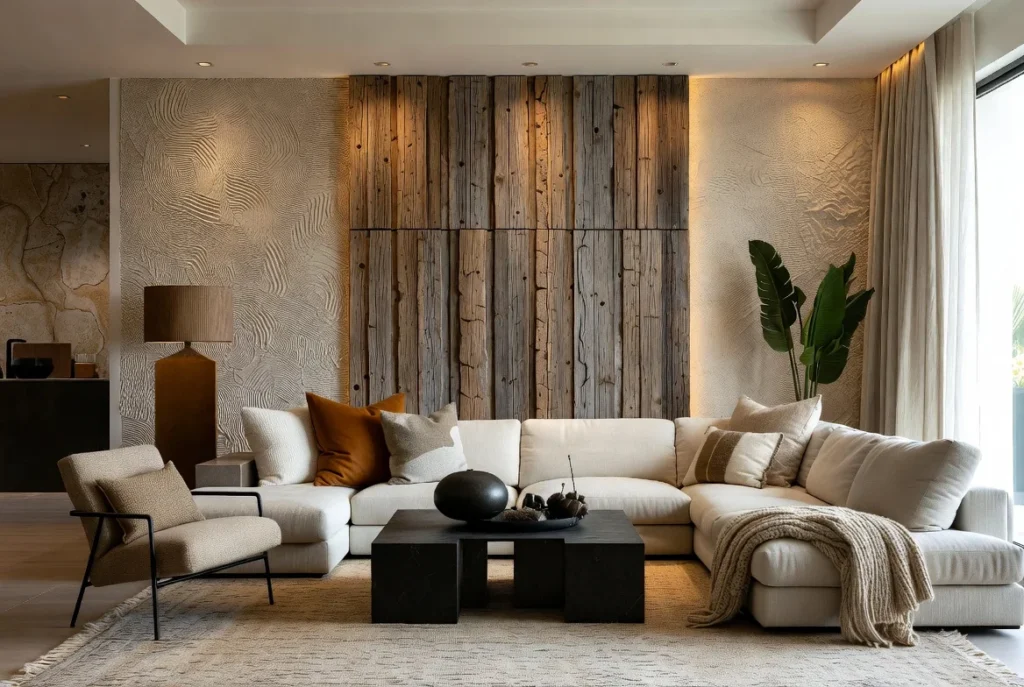
Layer Natural Materials
Natural materials including wood, stone, leather, linen, and wool create warmth and authenticity that synthetic alternatives cannot replicate. Mix several natural elements within single rooms for rich, organic environments that feel grounded and timeless. The imperfections in natural materials add character that manufactured perfection lacks.
Incorporate Sculptural Organic Textures
Organic textures including carved plaster walls, woven grass rugs, and three-dimensional wallpapers add tactile interest that rewards touch. These sculptural surfaces create depth and dimension while often providing acoustic benefits through sound absorption. Current trends favor textures that reference natural forms like bark, stone, or flowing water.
Mix Smooth and Rough Surfaces
Strategic texture contrast between smooth and rough surfaces creates dynamic tension that prevents spaces from feeling monotonous. Pair sleek glass with rough reclaimed wood, position smooth leather against nubby linen, or combine polished marble with matte concrete. These juxtapositions add visual intrigue that single-texture rooms lack.
Embrace Sustainable and Reclaimed Materials
Sustainable design prioritizes eco-friendly materials like reclaimed wood, recycled metal, natural fibers, and low-VOC finishes. These choices benefit environment while often delivering superior character through unique patinas and stories. Sustainability has evolved from niche concern to mainstream priority reflected in beautiful, high-quality materials.
Add Softness Through Textiles
Layered textiles including area rugs, throw pillows, blankets, and curtains introduce essential softness that balances hard architectural surfaces. These elements also provide easy opportunities to inject color, pattern, and seasonal changes without permanent commitment. Generous use of quality textiles makes spaces feel welcoming and comfortable.
Incorporate Reflective Surfaces
Reflective materials including mirrors, glass, polished metals, and glossy finishes amplify light and create illusions of greater space. These surfaces work particularly well in smaller or darker rooms where maximizing brightness matters. Balance reflective elements with matte finishes to prevent overly cold or sterile atmospheres.
Explore Handcrafted and Artisanal Details
Craft-driven elements including handwoven textiles, artisan ceramics, and custom woodwork add soulful character mass-produced items cannot deliver. These pieces tell stories through visible maker’s marks, slight variations, and unique qualities. Supporting artisans while creating distinctive interiors represents investment in both beauty and meaningful consumption.
Create Textural Focal Walls
Feature walls using textured materials like wood slats, stone veneer, decorative plaster, or three-dimensional panels create dramatic focal points without requiring full-room commitment. These installations add architectural interest to otherwise plain spaces while providing opportunities to incorporate natural or organic materials at scale.
Ideas 33 Through 40: Decorative Finishing Touches
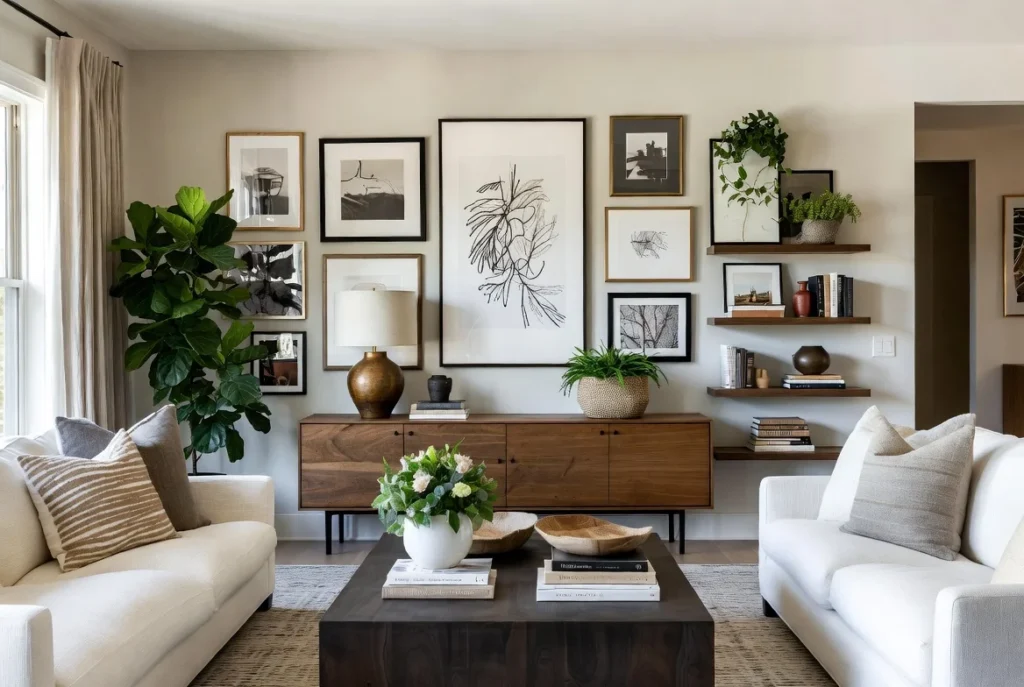
Curate Meaningful Gallery Walls
Gallery walls displaying personal artwork, family photographs, and meaningful prints create narrative focal points that express your unique story. Mix frame styles and sizes for collected appeal, maintaining cohesion through consistent matting or color families. These displays transform blank walls into engaging personal museums.
Style Surfaces with Intentional Vignettes
Vignettes on coffee tables, sideboards, and shelving create curated moments that reward closer inspection. Group objects in odd numbers, vary heights, and combine functional items with purely decorative pieces. These small-scale compositions demonstrate attention to detail that elevates overall design quality.
Incorporate Living Plants and Greenery
Biophilic design integrating living plants improves air quality while adding organic beauty and vitality. Large floor plants make bold statements, while smaller specimens grouped on shelves create lush collections. Plants introduce color, texture, and life that no manufactured decor can replicate while promoting wellness through nature connection.
Display Collections Thoughtfully
Curated collections whether books, ceramics, or vintage finds become design features when displayed with intention. Group similar items together for impact, use repetition to create visual rhythm, and edit ruthlessly to prevent clutter. Well-displayed collections reveal personality while contributing to overall aesthetic rather than detracting from it.
Add Personality Through Books
Book styling transforms functional reading material into decorative elements. Stack oversized art books on coffee tables, arrange color-coordinated spines on shelves, or display favorite covers facing outward. Books add intellectual character and visual interest while serving practical purposes.
Incorporate Mirrors Strategically
Well-placed mirrors serve multiple functions including reflecting light, creating depth illusions, and filling wall space elegantly. Position mirrors opposite windows to maximize natural light, use oversized mirrors to visually expand small rooms, or create gallery walls with multiple smaller mirrors for artistic impact.
Choose Window Treatments Carefully
Window treatments dramatically affect room atmosphere through controlling light and adding softness. Floor-length curtains make ceilings appear higher, while Roman shades provide clean, tailored looks. Layer sheers with heavier drapes for flexibility, and mount hardware higher and wider than windows to maximize perceived size.
Perfect the Art of Styling
The finishing details separate good interior design from great. Style surfaces with care, fluff pillows daily, maintain fresh flowers or greenery, and keep spaces clutter-free. These small maintenance efforts ensure your thoughtfully designed rooms always present their best, rewarding your design investment with sustained beauty.
Conclusion
Creating home interior design that makes every room stunning requires nothing more than thoughtful application of the principles and ideas outlined throughout this guide. The 40 concepts presented prove that exceptional spaces emerge not from unlimited budgets or professional designers but from understanding how fundamental elements combine to create cohesive, beautiful, functional environments that genuinely reflect who you are.
The most important insight to carry forward is that stunning interiors result from intentional decision-making about every element within your space. A carefully chosen color palette establishes emotional foundation. Strategic furniture arrangement facilitates both beauty and function. Layered lighting adapts spaces for various needs. Thoughtful material choices add texture and warmth. Personal decorative touches inject authentic character that generic beauty cannot match.
Begin your transformation journey by identifying which ideas resonate most strongly with your aesthetic preferences and practical requirements. Start with foundational decisions about overall direction and major elements before adding layers of detail. Allow your spaces to evolve gradually rather than rushing completion, as the best rooms develop character over time through accumulated choices.
Your home holds remarkable potential to become more than shelter, transforming into a true sanctuary that supports daily life while delighting your senses. Whether you implement one idea or combine multiple concepts, the cumulative effect will be rooms that feel intentionally designed, genuinely comfortable, and authentically yours. These 40 home interior design ideas provide the roadmap to creating spaces that elevate not just your home’s appearance but your overall quality of life.
Frequently Asked Questions
What is the first step when redesigning a room’s interior?
The first step involves clearly defining the room’s primary function and your specific needs within that space. Create a list of must-have features, preferred activities, and any current pain points that need solving. Then establish a realistic budget and timeline. This foundational planning prevents costly mistakes and ensures design decisions support how you actually live rather than chasing aesthetics that do not serve your lifestyle. Only after understanding function should you move into selecting colors, furniture, and decorative elements.
How do I choose the right color scheme for my home?
Select colors based on the mood you want each space to create and how natural light affects your rooms. Spaces with abundant sunlight can handle deeper, more saturated colors, while rooms with limited light benefit from lighter, reflective palettes. Consider how colors make you feel and which hues appear repeatedly in items you already love. Start with a base neutral for large, expensive items, then layer accent colors through easily changeable elements like pillows, artwork, and accessories. Test paint samples on walls and observe them at different times of day before committing.
What interior design trends are worth following versus avoiding?
Focus on trends that genuinely resonate with your personal taste and enhance function rather than blindly following what’s popular. Timeless elements like quality natural materials, proper lighting layering, and comfortable scaled furniture never go out of style. Incorporate trendy colors or patterns through easily changed accessories rather than permanent installations. Avoid trends that require significant investment in items that will quickly date, particularly furniture in very specific styles or colors that limit future flexibility. The best interiors blend classic foundations with personal touches rather than showcasing every passing trend.
How can I make a small space feel larger through interior design?
Maximize perceived space through several strategic techniques including using light colors on walls and large furniture pieces to reflect light and create airiness. Choose appropriately scaled furniture that fits the room without overwhelming it, avoiding oversized pieces that consume precious space. Incorporate mirrors to reflect light and create depth illusions. Maintain clear traffic pathways and avoid cluttering with excessive furniture or decorative objects. Use vertical storage solutions to maximize capacity without consuming floor space, and consider transparent furniture like glass tables that maintain visual openness.
What is the best way to mix different design styles in one home?
Successfully mixing styles requires establishing common threads that unite diverse elements. Maintain a consistent color palette throughout your home even as styles vary by room. Repeat certain materials or finishes like specific wood tones or metal finishes across spaces for subtle cohesion. Ensure furniture scale remains appropriate regardless of style mixing. When combining styles within single rooms, let one aesthetic dominate while the other provides accent interest rather than competing equally. The key lies in intentional curation where each piece earns its place through both individual merit and contribution to the overall composition.
You may also like this post: 50 Living Room Inspirations to Elevate Your Home Style
One Comment