
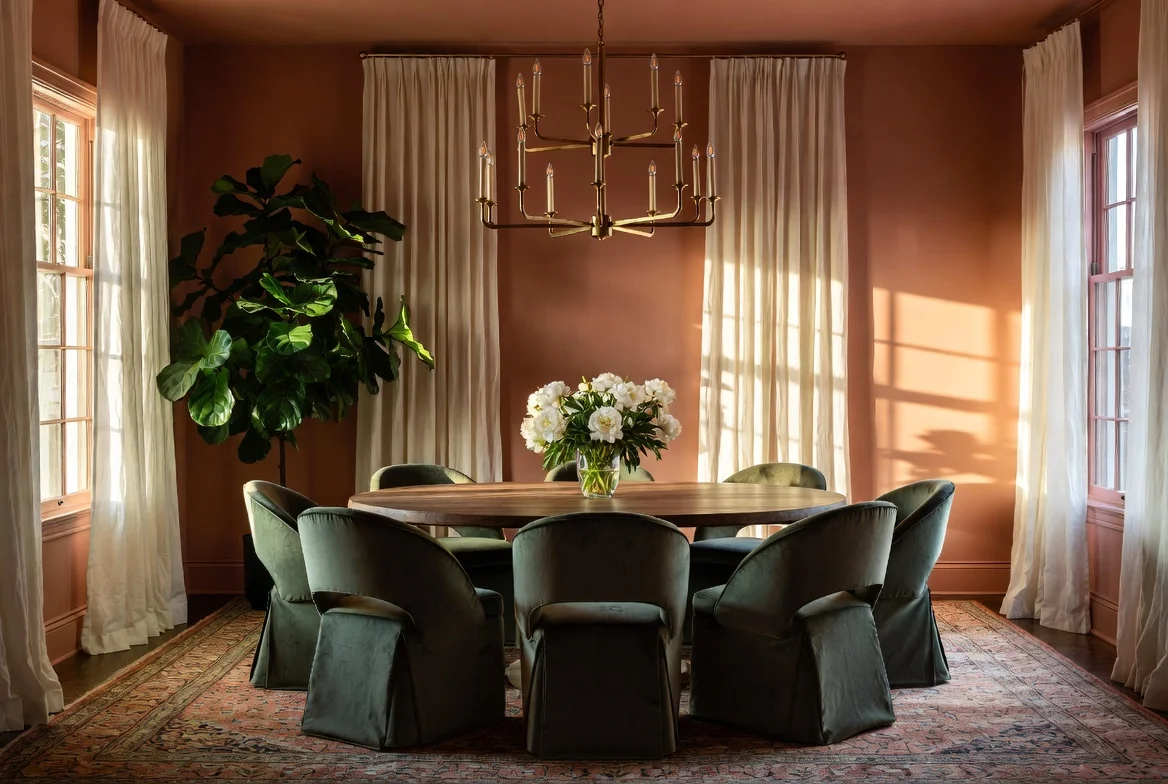
20 Cozy Dining Room Ideas for a Warm, Stylish and Inviting Space
There is something profoundly comforting about gathering around a table with loved ones, sharing food and conversation in a space that feels genuinely warm and inviting. Yet many dining rooms remain underutilized formal spaces that feel stuffy, cold, or simply unwelcoming for daily family meals. The disconnect between wanting a dining room where people naturally congregate and actually creating one stems from misconceptions that cozy means cluttered or that elegance requires sacrificing comfort.
A cozy dining room achieves the perfect balance between visual warmth and genuine comfort, sophisticated style and relaxed approachability, creating spaces where families want to linger over meals and guests feel immediately welcomed. Research from interior designers confirms that dining environments significantly influence how long people stay at the table, with warm inviting spaces encouraging extended conversation and connection while cold formal rooms prompt quick exits after eating.
The truth is that transforming dining rooms into genuinely cozy spaces requires strategic choices about lighting, seating comfort, color palettes, and layered textures rather than expensive renovations or complete furniture replacement. Natural materials, warm lighting, plush textiles, and personal touches combine to create atmospheres that feel like warm embraces, making every meal from casual weeknight dinners to holiday gatherings feel special and memorable.
This comprehensive guide presents 20 proven cozy dining room ideas creating spaces that radiate warmth while maintaining style and sophistication. From foundational design choices to finishing decorative details, these strategies will help you transform your dining room into the welcoming retreat it deserves to be.
Choose Warm, Inviting Color Palettes
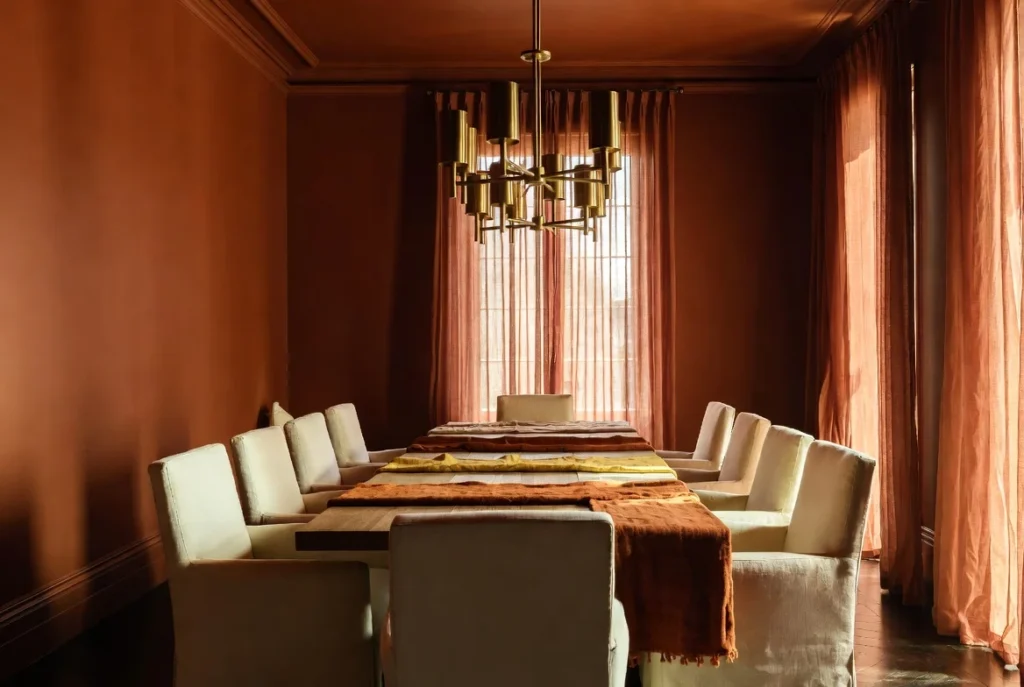
Wall colors dramatically impact dining room atmosphere, with warm hues creating psychological coziness that cool tones cannot match. Paint walls in rich earthy tones like terracotta, rust, burnt sienna, or deep clay creating spaces that visually hug inhabitants. These saturated colors absorb rather than reflect light, making rooms feel intimate and enclosed in the best possible way.
Deep jewel tones including burgundy, forest green, navy, or plum add sophisticated warmth perfect for traditional or eclectic dining rooms. These colors stimulate appetite and conversation while creating dramatic backdrops for artwork and light fixtures. For more subtle warmth, choose soft neutrals with warm undertones like beige, taupe, cream, or warm gray avoiding stark whites or cool grays that feel institutional.
Consider accent walls in bold colors if painting entire rooms feels overwhelming. A single wall in deep aubergine or raspberry creates focal points while maintaining overall brightness. Pair wall colors with complementary accents in lighter or darker shades creating tonal depth and dimensional interest throughout spaces.
Invest in Comfortable Upholstered Seating

Plush seating proves essential to cozy dining since uncomfortable chairs discourage lingering over meals. Choose upholstered dining chairs in soft fabrics like velvet, linen, or textured weaves providing cushioned support for extended sitting. Fully upholstered chairs with padded seats and backs deliver maximum comfort, while chairs with upholstered seats and wood backs offer compromise between comfort and visual lightness.
Dining benches with thick cushions create casual, family-friendly seating that encourages people to sit close together fostering intimate conversation. Benches work particularly well in breakfast nooks or along one side of tables paired with chairs opposite. Add throw pillows in coordinating fabrics for additional lumbar support and visual softness.
Wingback dining chairs at table ends add architectural presence while providing comfortable support. These statement pieces create hotel-inspired elegance while maintaining the padded comfort essential to cozy spaces. Mix seating styles combining upholstered chairs, benches, and accent chairs creating collected, lived-in appearances rather than matchy-matchy formality.
Layer Multiple Light Sources
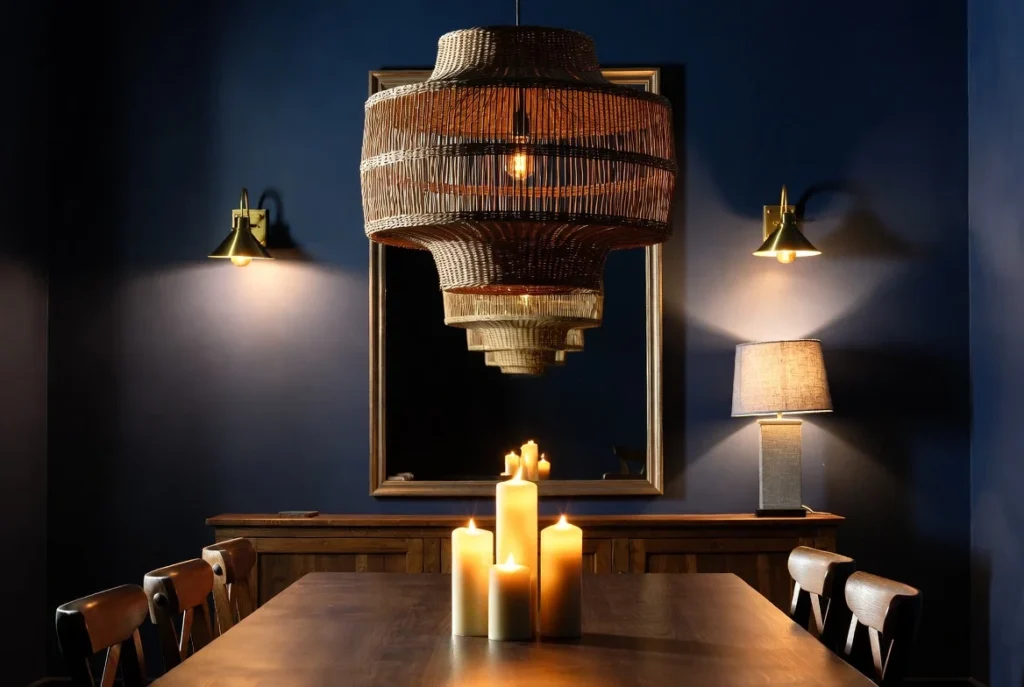
Harsh overhead lighting destroys cozy ambiance faster than any other single element. Replace or supplement central fixtures with layered lighting at multiple heights and intensities. Install dimmer switches on all fixtures allowing adjustment for different occasions and times of day. Bright light works for daytime meals and homework while dimmed lighting creates intimate atmosphere for dinner parties.
Pendant lights or chandeliers with fabric shades or rounded glass diffuse light softly preventing harsh glare. Position fixtures 30 to 36 inches above table surfaces providing adequate illumination without obstructing sightlines. Choose warm white bulbs (2700K to 3000K) rather than cool white or daylight bulbs creating golden ambient glow.
Table lamps on sideboards or buffets add supplementary lighting while creating warm pools of light throughout rooms. Wall sconces flanking artwork or mirrors provide architectural lighting that enhances rather than overwhelms. Candles remain the ultimate cozy lighting, their flickering flames creating magical atmosphere impossible to replicate with electric sources. Cluster varied heights of pillar candles or use elegant tapered candles in holders creating romantic centerpieces.
Add Plush Textured Textiles

Layered textiles in varied textures create tactile warmth essential to genuinely cozy spaces. Start with substantial area rugs beneath dining tables, choosing sizes where all chair legs remain on rug surfaces even when pulled out. Wool rugs, Persian rugs, or textured jute rugs ground spaces while adding visual and physical warmth underfoot.
Table runners in rich fabrics like velvet, linen, or textured weaves add color and pattern without covering entire table surfaces. Layer runners over tablecloths for dimensional interest or use alone showcasing beautiful wood tables. Cloth napkins in coordinating fabrics feel more luxurious than paper while contributing to layered textile aesthetic.
Window treatments in heavy fabrics like velvet, wool, or lined linen add substantial softness while insulating rooms and dampening sound. Floor-to-ceiling curtains hung near ceiling heights create luxurious proportions while the heavy fabrics physically and visually warm spaces. Choose warm colors or patterns coordinating with overall color schemes.
Incorporate Natural Wood Elements
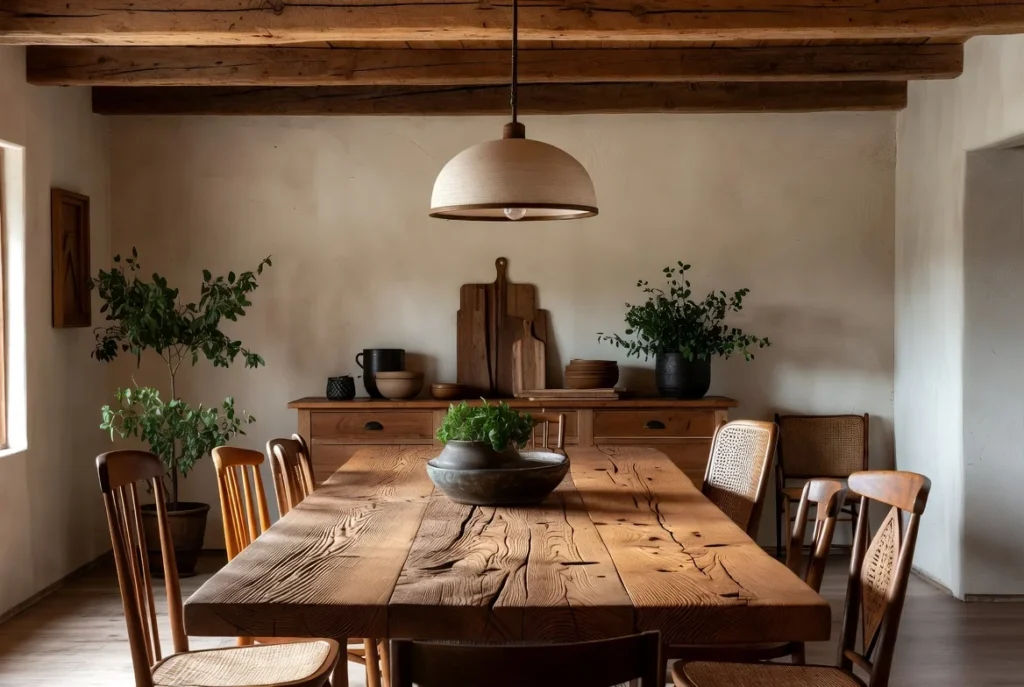
Wood tables bring organic warmth impossible to achieve with glass or metal alternatives. Choose tables in warm finishes like honey oak, medium walnut, or natural pine rather than dark espresso or painted finishes. The visible wood grain adds texture and natural character while warm tones contribute to cozy atmosphere.
Rustic farmhouse tables with chunky legs and distressed finishes create casual, approachable aesthetics perfect for family dining. These substantial pieces ground rooms while their relaxed character encourages informal gathering. Pair with mix-and-match seating rather than perfectly matched sets maintaining casual warmth.
Wood furniture including buffets, china cabinets, or bar carts in coordinating finishes creates cohesive collections. The substantial presence of quality wood furniture makes rooms feel established and permanent rather than temporary or sparse. Natural wood accessories like cutting boards, wooden bowls, or dough bowls used as centerpieces reinforce organic aesthetic.
Create Intimate Seating Arrangements
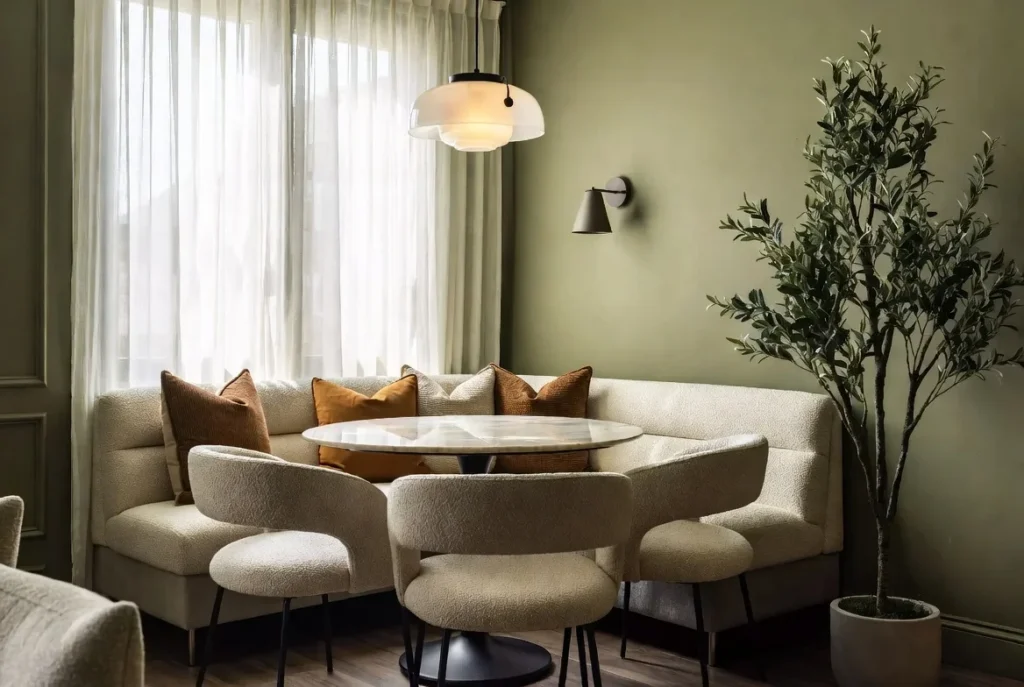
Round tables naturally facilitate conversation and create intimate atmospheres since everyone sits equidistant facing each other. These shapes work particularly well in small dining rooms where they maximize seating while maintaining traffic flow. The lack of sharp corners creates softer, more inviting aesthetics than rectangular alternatives.
Banquette seating built into corners or against walls creates cozy nook feelings while maximizing seating in compact spaces. Add plush cushions and throw pillows transforming built-ins into comfortable retreating spots. The enclosed nature of banquettes makes diners feel tucked away creating intimate atmosphere even in open floor plans.
Small dining sets for four people create inherently cozy environments through proximity. If you need larger seating occasionally, choose extendable tables accommodating guests when necessary while maintaining intimate scale for daily use. Smaller gatherings naturally feel cozier than large formal arrangements.
Display Personal Collections and Artwork
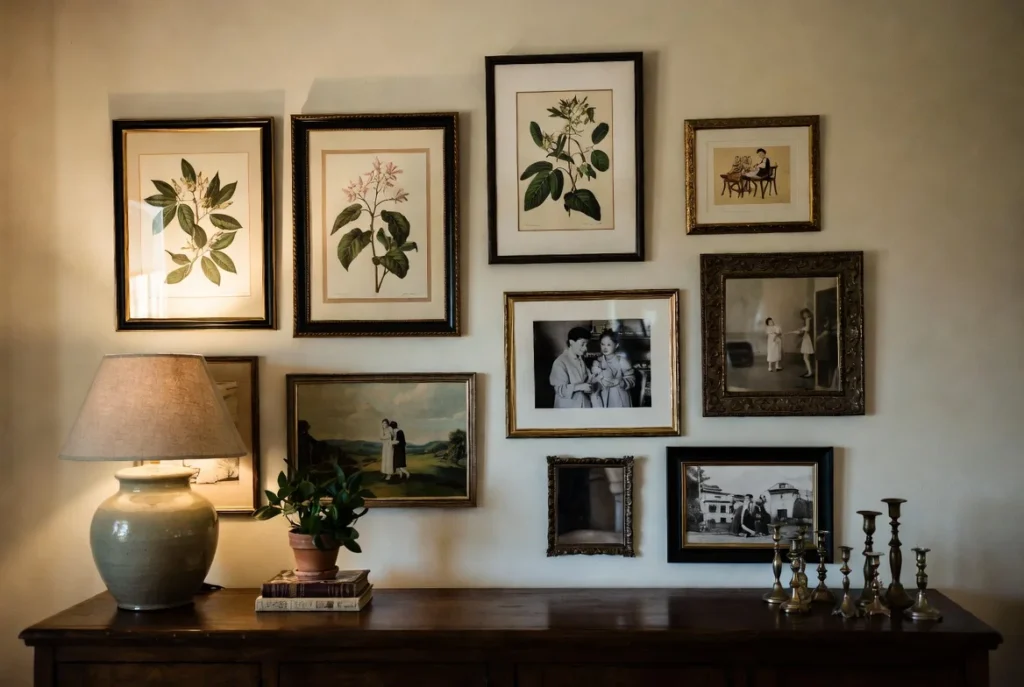
Personal touches transform generic dining rooms into spaces that tell your family’s story. Display collections of vintage dishes, family photographs, travel souvenirs, or meaningful artwork creating walls that spark conversation and reflection. Arrange collections casually rather than in perfect order maintaining approachable, lived-in character.
Gallery walls above buffets or on empty wall expanses add visual interest and personality. Mix artwork sizes and frame styles for collected appearance or use matching frames for cohesive elegance. Black and white family photography creates timeless sophistication while colorful art adds energy and warmth.
Open shelving displaying dishes, glassware, or decorative objects makes functional items part of the decor while adding warmth through visible collections. Style shelves with mix of practical dishes and decorative objects like plants, candles, or books preventing purely utilitarian appearance.
Add Soft Ambient Lighting

Candlelight creates unparalleled coziness through warm flickering glow and gentle scent. Use unscented candles during meals avoiding fragrance competition with food aromas. Cluster pillar candles in varying heights on tables or place single tapers in elegant holders creating simple sophisticated centerpieces.
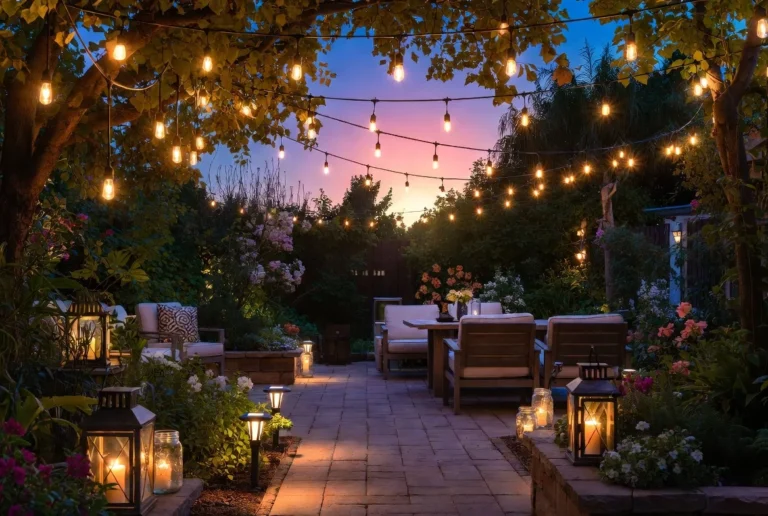
String lights or fairy lights draped along windows, wrapped around mirrors, or cascading down walls add whimsical warmth perfect for casual dining spaces. The tiny twinkling lights create magical atmosphere reminiscent of outdoor dining under stars.
Lanterns with LED or real candles provide portable ambient lighting perfect for tabletops or floor placement. Moroccan-style pierced metal lanterns create beautiful shadow patterns while rustic wood and glass lanterns add farmhouse charm. Group multiples in odd numbers for visual impact.
Choose Cozy Window Treatments
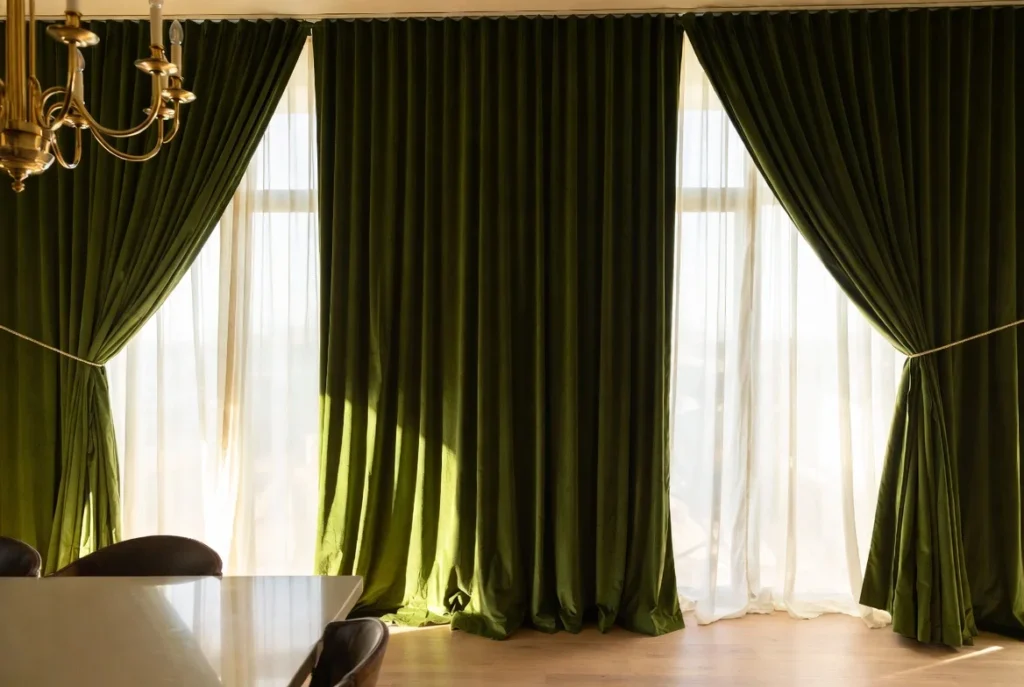
Heavy curtains in luxurious fabrics transform windows into soft architectural features while providing insulation and sound dampening. Velvet drapes add ultimate luxury and warmth, their deep pile creating visual and tactile richness. Choose jewel tones for drama or neutrals for versatility.
Linen curtains provide organic elegance with beautiful natural texture and relaxed draping. The slightly wrinkled character of linen adds to casual cozy aesthetic while the natural fibers contribute warmth. Layer linen sheers beneath heavier drapes for adjustable privacy and light control.
Roman shades in textured fabrics offer streamlined window coverage when curtains feel too fussy. Choose patterns or solid colors coordinating with overall schemes. The soft fabric folds add visual warmth while maintaining cleaner lines than traditional drapes.
Create Welcoming Table Settings
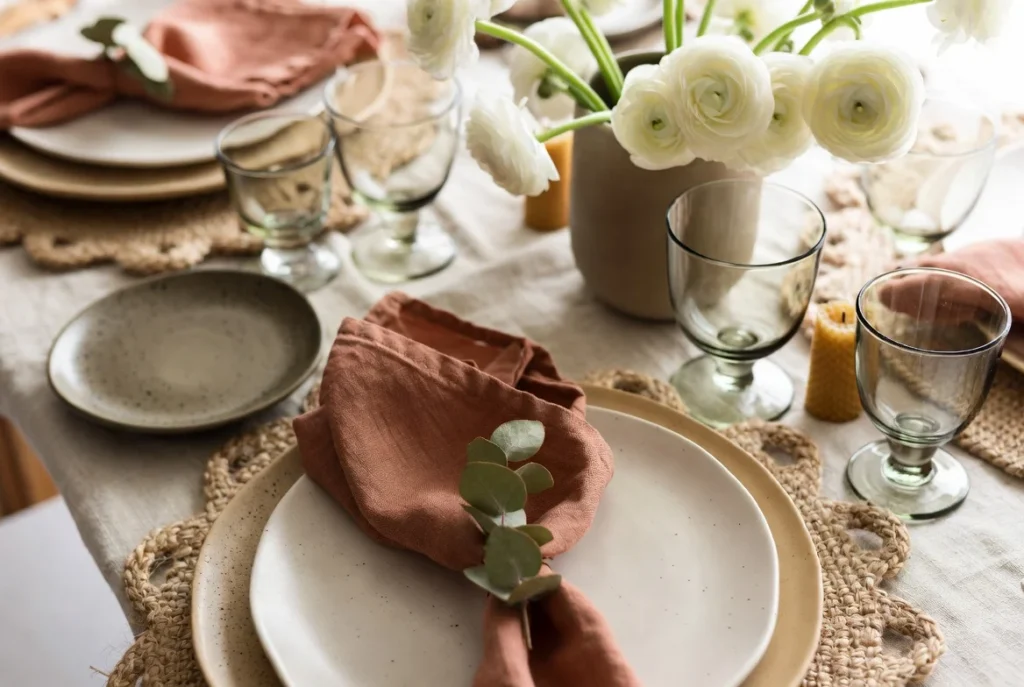
Everyday tablescapes shouldn’t wait for special occasions. Keep tables set with pretty dishes, cloth napkins, and simple centerpieces making daily meals feel intentional. The act of sitting down to nicely set table elevates ordinary dinners into meaningful occasions.
Centerpieces add focal points without obstructing sightlines across tables. Low arrangements of flowers, collections of candles, wooden bowls filled with seasonal items, or simple greenery in vases all work beautifully. Change centerpieces seasonally keeping displays fresh and relevant.
Place settings with quality dishes, glassware, and flatware signal that meals matter. Mix patterns and styles creating collected appearance rather than formal matching sets. Vintage dishes from flea markets or family heirlooms add character and personal meaning.
Incorporate Fireplace Elements
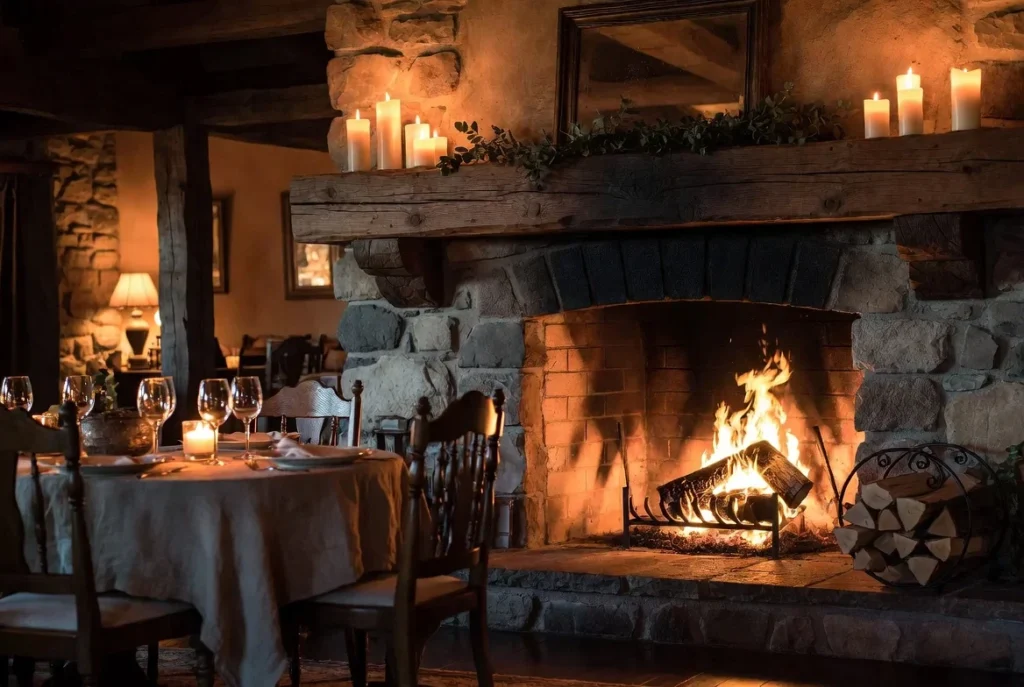
Fireplaces create ultimate cozy focal points in dining rooms. If you have existing fireplace, position dining table nearby taking advantage of warmth and visual appeal. Stockpile firewood in decorative holders, keep matches readily available, and light fires for special meals creating restaurant-like ambiance.
Faux fireplaces or electric inserts provide fireplace aesthetic and supplemental heat without requiring chimneys. These additions work in any dining room adding architectural interest and cozy warmth. Decorate mantels with candles, artwork, or seasonal displays.
Candle-filled fireplaces during warmer months maintain visual interest when actual fires aren’t practical. Fill fireboxes with pillar candles in varying heights creating glowing focal points that provide fireplace character year-round.
Add Warm Metallic Accents
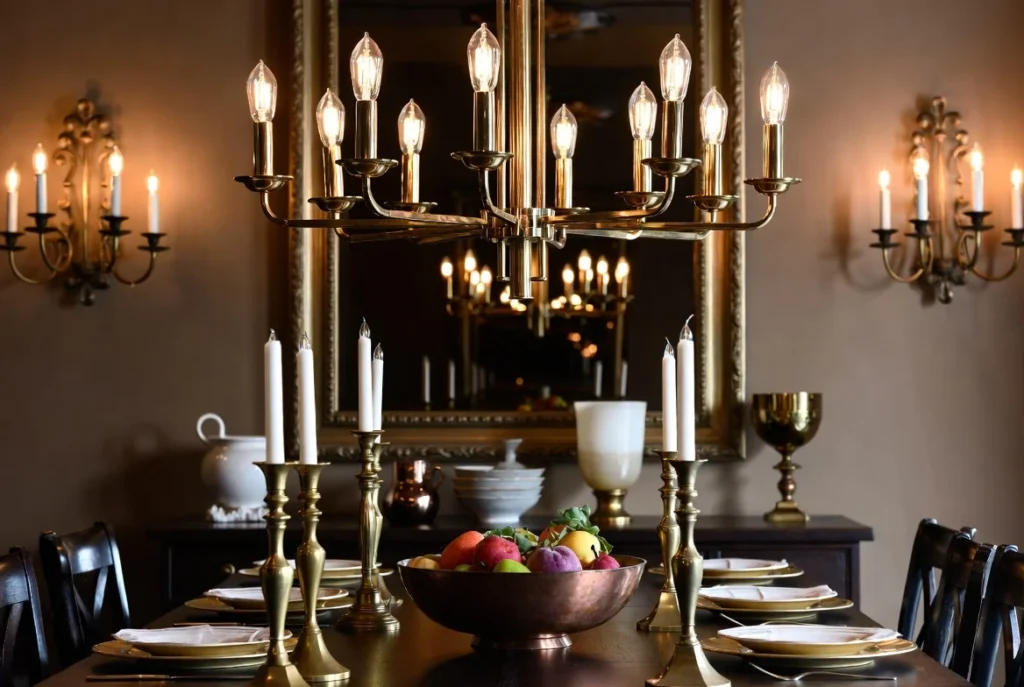
Brass and gold fixtures add warm sparkle elevating dining rooms while maintaining cozy character. Choose brass chandeliers, gold-rimmed glassware, vintage brass candlesticks, or copper serving pieces. These warm metals catch candlelight beautifully creating gentle shimmer throughout spaces.
Bronze and aged metals provide similar warmth with more rustic character perfect for farmhouse or traditional dining rooms. Oil-rubbed bronze fixtures, aged copper accessories, or wrought iron elements add organic warmth without bright shine.
Avoid cool metals like chrome or brushed nickel in cozy dining rooms as they read cold and contemporary rather than warm and inviting. Stick with metals in warm tones coordinating with overall color schemes.
Use Rich, Deep Wall Colors
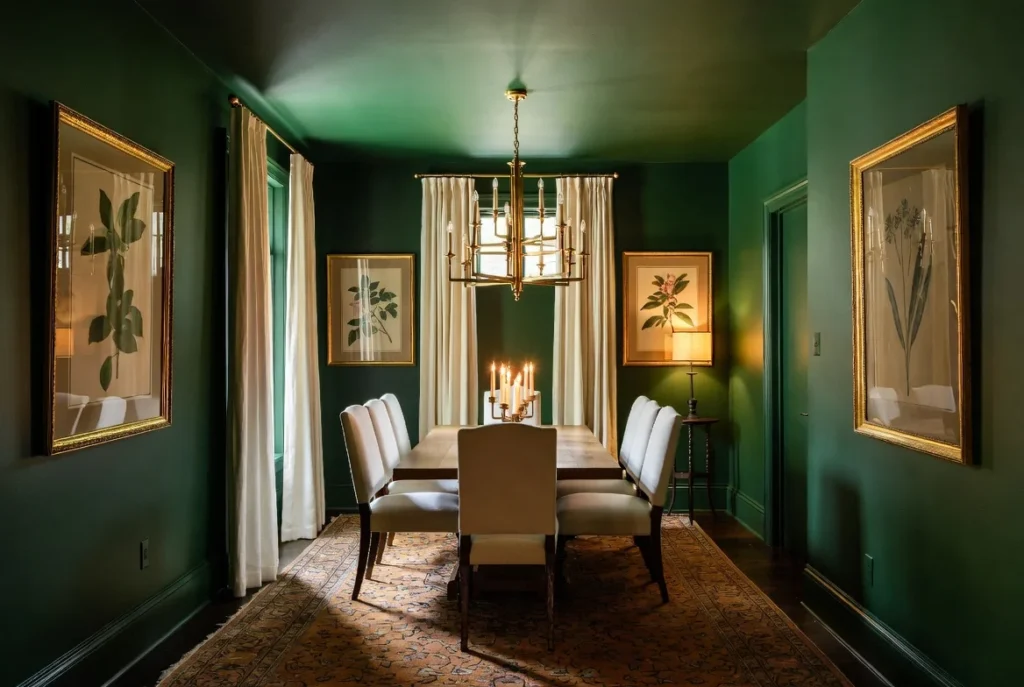
Dark paint colors create intimate cocooning effects making large dining rooms feel cozier. Deep navy, charcoal gray, forest green, or eggplant purple walls absorb light creating enveloping warmth. Balance darkness with adequate lighting and lighter furnishings preventing oppressive feelings.
Wallpaper in rich patterns adds instant character and warmth. Choose botanical prints, damask patterns, or textured grasscloth creating visual interest and depth. Wallpaper feels more special than paint making dining rooms seem designated for important gatherings.
Wood paneling or wainscoting adds architectural warmth and traditional character. Paint paneling in colors coordinating with walls or leave natural wood visible. The dimensional texture and classic detailing contribute to cozy established aesthetic.
Create Dedicated Dining Zones
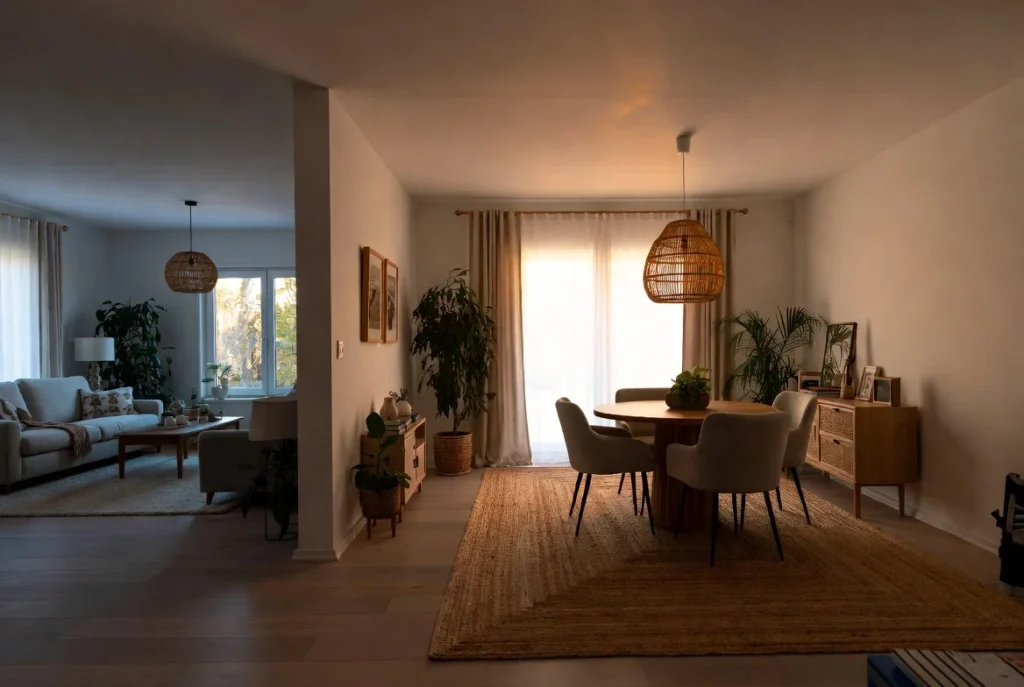
Area rugs define dining spaces in open floor plans visually separating them from adjacent living or kitchen areas. Choose rugs extending beyond table and chairs creating defined rooms within rooms. This delineation helps dining areas feel purposeful and distinct rather than afterthoughts in multipurpose spaces.
Lighting zones with separate controls allow adjusting dining area illumination independently from surrounding spaces. Dimmed dining lights with brighter kitchen or living room lighting creates intimate dining atmosphere while maintaining overall functionality.
Furniture arrangement with dining sets positioned slightly apart from other furniture groups reinforces separation. Even in open plans, thoughtful placement creates psychological boundaries defining dining zones.
Add Comfortable Cushions and Pillows
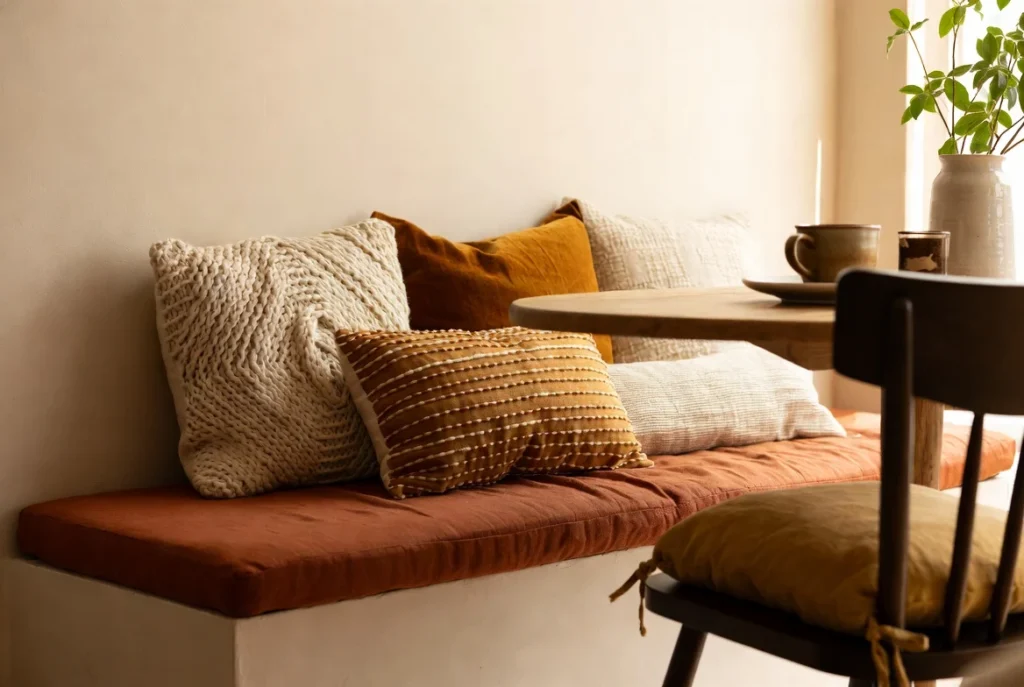
Chair cushions tied to seats add cushioned comfort transforming hard wooden chairs. Choose fabrics coordinating with overall schemes in solid colors or subtle patterns. Removable covers allow washing maintaining fresh appearance.
Bench pillows make hard dining benches comfortable for extended sitting. Mix pillow sizes and patterns creating layered casual aesthetic. The additional softness encourages people to settle in rather than perching uncomfortably.
Throw pillows on dining chairs or benches add immediate visual softness and color. While not traditional in formal dining, pillows contribute to relaxed cozy character perfect for family spaces.
Include Fresh Greenery and Florals
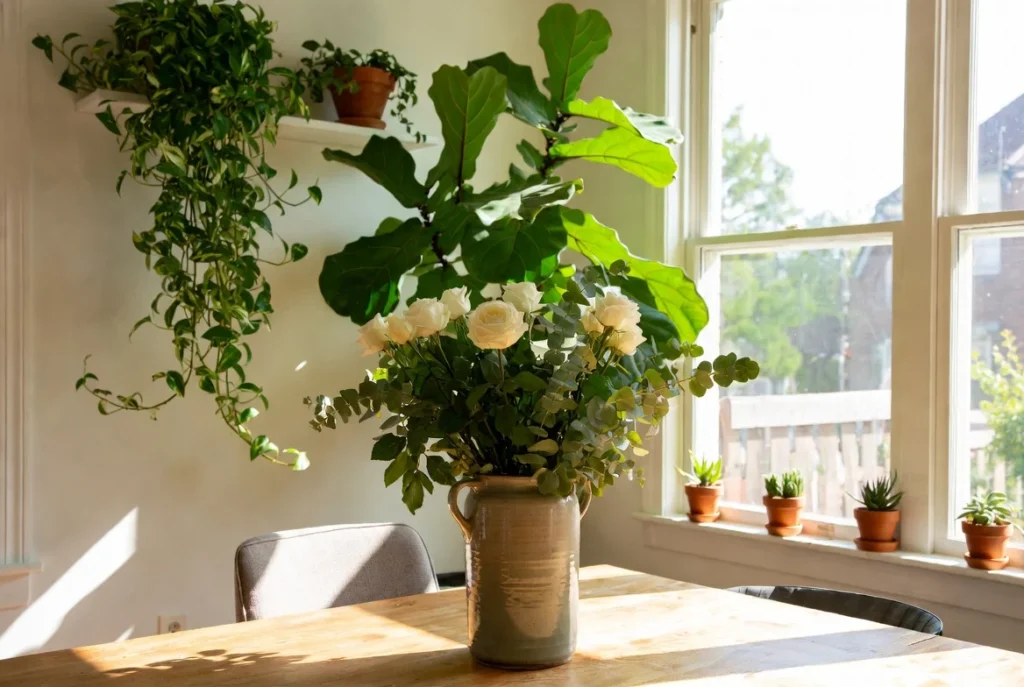
Fresh flowers bring life, color, and natural beauty to dining tables. Change arrangements weekly keeping displays current and vibrant. Simple grocery store bouquets in beautiful vases provide impact without expensive florist arrangements.
Potted plants on windowsills, sideboards, or floor corners add permanent greenery. Choose low-maintenance varieties like pothos, snake plants, or succulents thriving in various light conditions. Living plants contribute vitality impossible to achieve with artificial alternatives.
Seasonal branches or dried elements provide budget-friendly natural displays. Spring pussy willows, fall branches with colorful leaves, winter evergreen boughs, or summer wildflowers connect dining spaces to changing seasons.
Choose Warm Wood Flooring
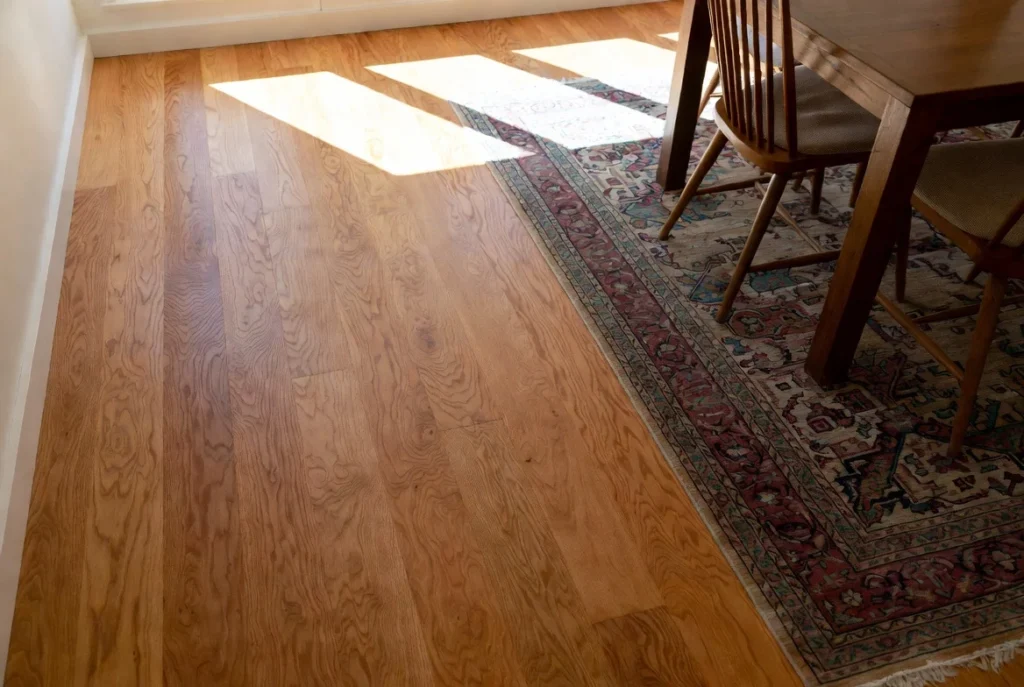
Hardwood floors in warm tones like honey oak, medium cherry, or natural maple contribute foundational warmth. The natural variation and grain patterns add organic character while warm colors reinforce cozy atmosphere.
Wide plank floors feel more substantial and impressive than standard widths. The fewer seams create cleaner appearances while the substantial planks add to established, quality feeling essential to cozy spaces.
Area rugs over existing floors add warmth regardless of current flooring. Choose substantial rugs in warm colors or traditional patterns anchoring dining furniture while adding comfort underfoot.
Create Breakfast Nook Charm
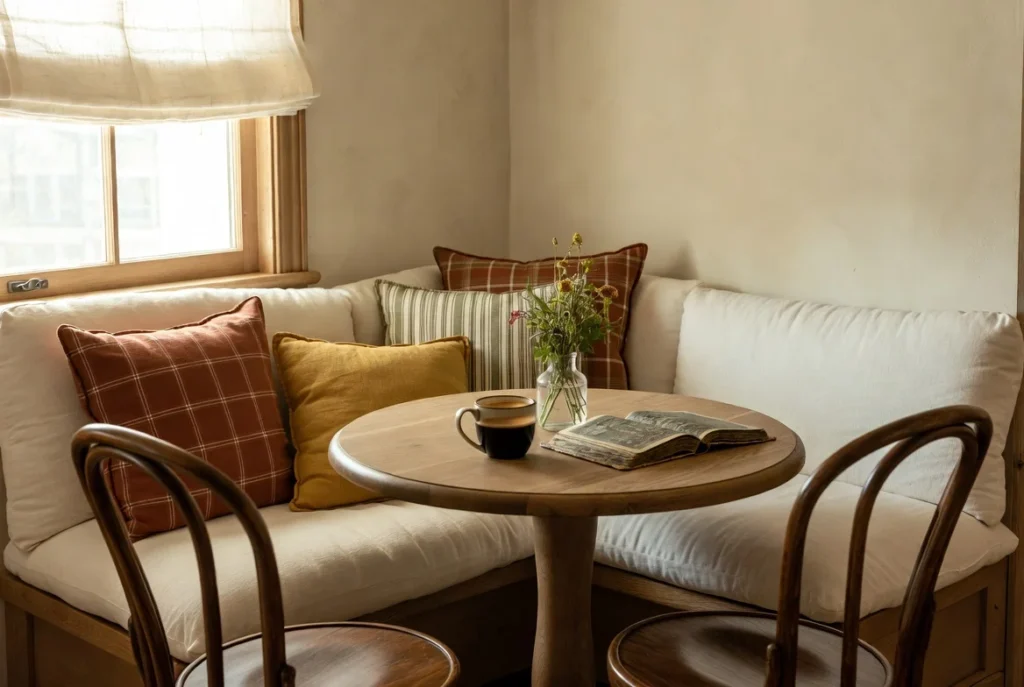
Built-in banquettes with storage beneath create charming breakfast nook character even in formal dining rooms. Add plump cushions, throw pillows, and small tables creating intimate spots perfect for morning coffee or casual meals.
Corner booths maximize seating in compact areas while creating inherently cozy enclosed feelings. The wraparound seating naturally brings people together encouraging conversation and connection.
Window seats adjacent to dining areas provide overflow seating while creating additional cozy spots. Add cushions and pillows transforming windows into inviting retreats perfect for reading or relaxing between meals.
Use Vintage and Antique Elements
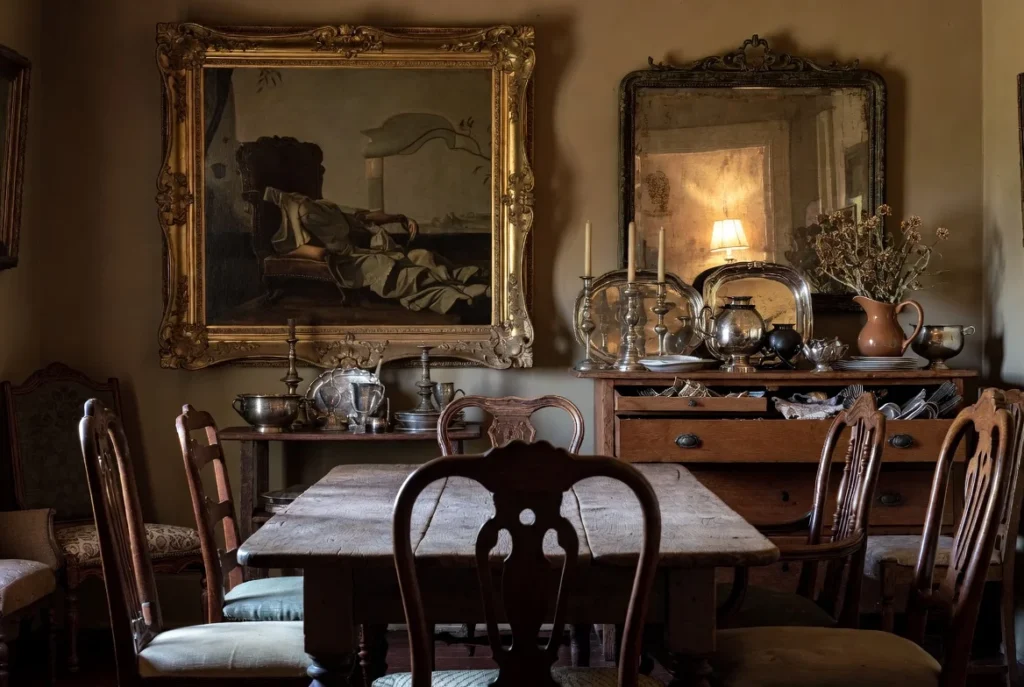
Vintage furniture adds character and warmth impossible to achieve with new pieces. Flea market finds, inherited family pieces, or antique shop treasures bring stories and patina creating collected, established aesthetics. Mix vintage elements with contemporary pieces preventing overly themed appearances.
Antique accessories including silver serving pieces, vintage glassware, old mirrors, or aged artwork add layers of interest and authenticity. The imperfections and wear patterns contribute to warmth and approachability.
Repurposed items like antique doors used as wall art, vintage windows as mirrors, or old farmhouse tables as dining surfaces add unique character celebrating history and sustainability.
Layer Multiple Textures
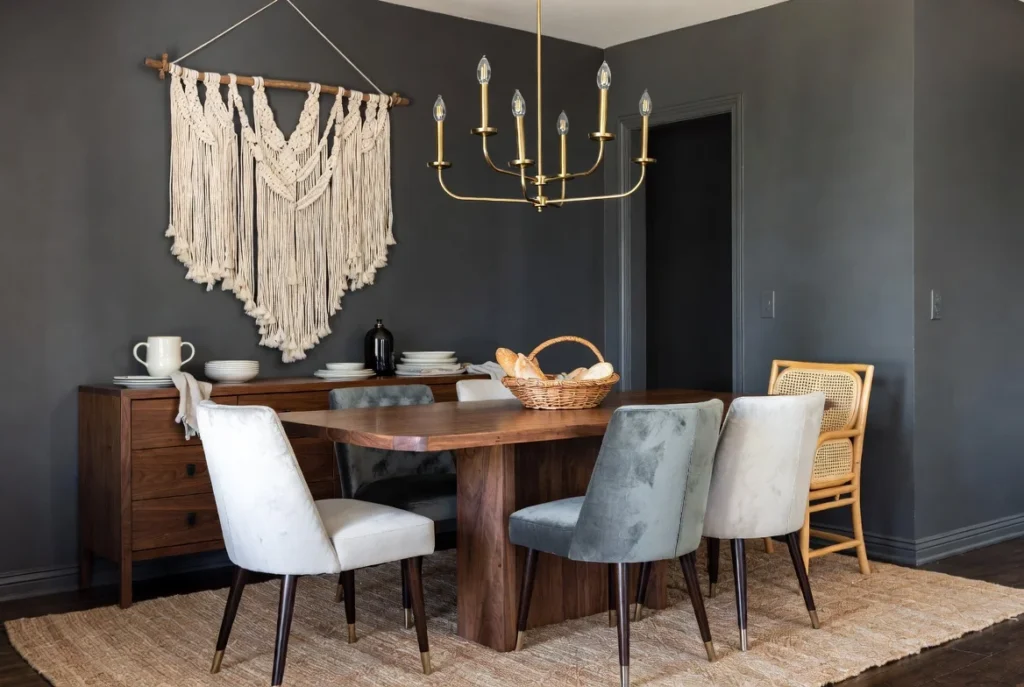
Texture combinations prevent rooms from feeling flat or one-dimensional. Mix smooth woods with nubby upholstery, sleek metals with rough stone, soft fabrics with hard surfaces creating dimensional richness. The varied tactile elements invite touch and exploration.
Woven elements including jute rugs, rattan chairs, wicker baskets, or macramé wall hangings add organic texture and casual warmth. These natural materials feel approachable and relaxed perfect for cozy family dining.
Varied finishes on furniture and accessories create visual interest. Combine matte painted surfaces with glossy ceramics, brushed metals with polished wood, rough linens with smooth velvet achieving balanced complexity.
Conclusion: Creating Your Perfect Gathering Space
Transforming dining rooms into genuinely cozy inviting spaces requires understanding that warmth emerges from layered choices rather than single dramatic gestures. The 20 ideas presented throughout this guide prove that successful cozy dining rooms combine comfortable seating, warm lighting, rich colors, natural materials, and personal touches creating environments where meals become memorable experiences rather than rushed obligations.
The most valuable insight to carry forward is that cozy doesn’t mean cluttered or casual. Sophisticated warm dining spaces balance visual elegance with genuine comfort, intentional design with approachable character, creating rooms where families want to linger and guests feel immediately welcomed. From foundational choices like paint colors and flooring to finishing details like candlelight and fresh flowers, every element contributes to overall atmosphere.
Begin your dining room transformation by identifying which ideas resonate most strongly with your space and style. Perhaps you start with paint color, add upholstered chairs, or layer lighting sources throughout your room. These foundational changes create momentum while demonstrating that your dining room holds remarkable potential to become the warm gathering space your home deserves, one where every meal from casual breakfasts to holiday celebrations feels special and memorable.
Frequently Asked Questions
What colors make dining rooms feel cozy?
Warm earthy tones create the coziest dining room atmospheres including terracotta, rust, burnt sienna, deep clay, burgundy, forest green, and plum. These saturated rich colors absorb light making spaces feel intimate and enveloping. Soft neutrals with warm undertones like beige, taupe, warm gray, and cream provide subtle warmth while deep jewel tones add dramatic sophistication. Avoid stark white, cool gray, or bright white which feel institutional rather than cozy. Layer warm wall colors with complementary textiles, furniture, and accessories in lighter or darker shades creating tonal depth throughout spaces.
How can I make a small dining room feel cozy?
Small dining rooms naturally feel cozier than large spaces through proximity and intimacy. Embrace the compact size by choosing round tables facilitating conversation, installing warm paint colors that cocoon rather than trying to visually expand, and using substantial textiles like area rugs and curtains adding warmth without consuming space. Ensure adequate layered lighting with dimmers preventing harsh overhead glare. Add comfortable upholstered seating, personal artwork, and fresh flowers making the space feel established rather than sparse. Small spaces become cozy through intentional styling rather than fighting their natural proportions.
What type of lighting is best for cozy dining rooms?
Layered lighting at multiple heights and intensities creates cozy ambiance impossible with single overhead fixtures. Install dimmer switches on all lighting allowing adjustment for different occasions. Choose chandeliers or pendants with fabric shades or rounded glass diffusing light softly. Add table lamps on sideboards, wall sconces for architectural interest, and abundant candles for ultimate warmth. Use warm white bulbs (2700K to 3000K) rather than cool daylight bulbs. The key is avoiding harsh direct light while providing adequate illumination for meals through combined gentle sources creating golden ambient glow.
Should I use a tablecloth for everyday dining?
Everyday tablecloths aren’t necessary for cozy dining rooms though they add warmth and protect table surfaces. Table runners provide compromise adding color and texture without covering entire tables allowing beautiful wood to show. Change runners seasonally keeping displays fresh. For daily use, consider placemats in natural materials like jute, linen, or wood coordinating with overall aesthetics. Save full tablecloths for special occasions or use them when hosting guests. The goal is making tables feel intentionally styled whether bare, partially covered, or fully dressed rather than looking neglected or overly formal.
How do I make my dining room comfortable for long meals?
Comfortable seating proves essential for encouraging people to linger over meals. Choose upholstered dining chairs with padded seats and backs rather than hard wooden chairs. Add cushions to existing chairs improving comfort without replacement costs. Ensure adequate lighting that adjusts for different times preventing harsh glare that drives people away. Maintain comfortable room temperature through adequate heating or cooling. Layer textiles including area rugs, curtains, and table runners dampening sound and adding visual warmth. Set tables nicely even for casual meals showing that dining together matters. Create welcoming atmosphere through candles, fresh flowers, and personal touches making the space somewhere people want to spend time.
One Comment