
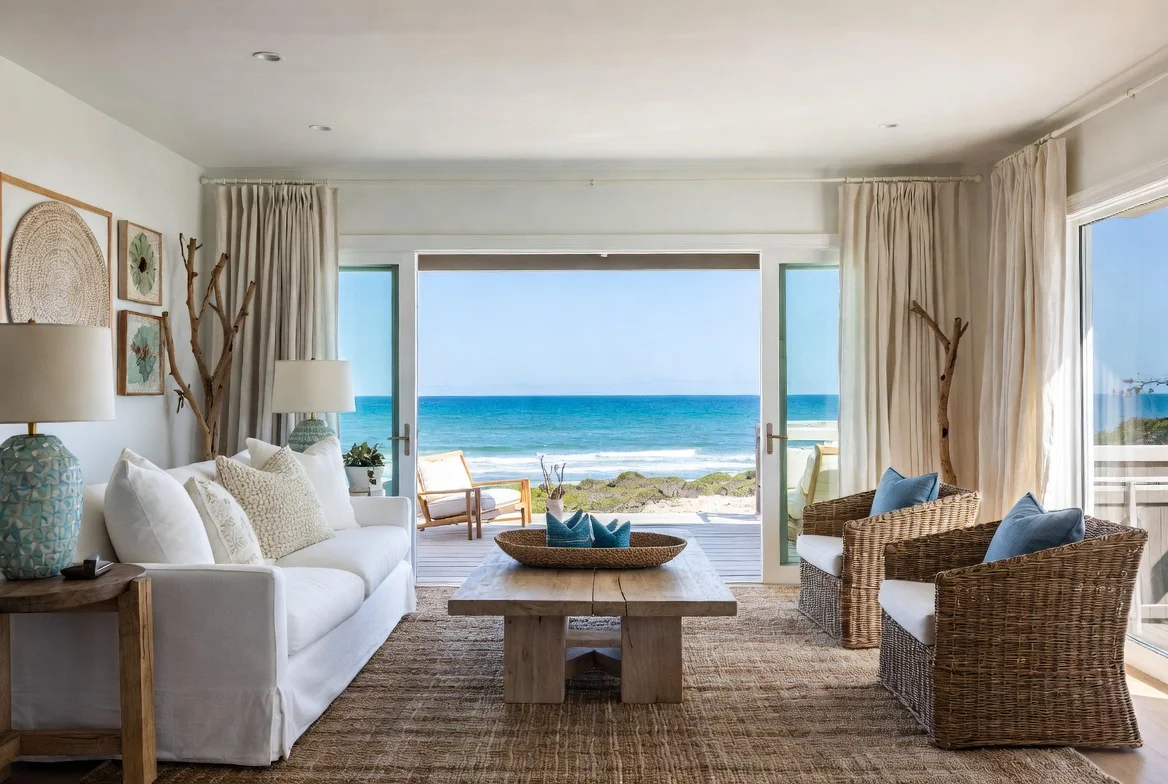
25 Contemporary Coastal Living Room Ideas for a Light, Airy & Relaxed Home
Your living room holds remarkable potential to capture that effortless coastal elegance that feels perpetually vacation-ready, yet most homeowners struggle to achieve contemporary coastal style without resorting to cliché nautical themes or overwhelming beach decor. Research from interior designers confirms that well-executed coastal living rooms increase home enjoyment while creating calming environments that reduce stress by up to 40 percent. The disconnect between wanting that light, airy atmosphere and achieving it stems from misunderstanding that modern coastal design prioritizes natural materials, neutral palettes, and organic textures over literal seaside references.
The truth is that exceptional contemporary coastal living rooms emerge from layering soft neutrals, incorporating weathered wood, choosing natural fiber textiles, and maximizing natural light rather than collecting seashells and anchor decorations. The most successful coastal interiors balance clean modern lines with relaxed comfort, refined elegance with casual ease, and architectural sophistication with organic warmth creating spaces that feel both professionally designed and genuinely livable. Interior designers emphasize that true coastal style evokes the feeling of being by the ocean through materials, colors, and atmosphere rather than obvious nautical accessories.
This comprehensive guide presents 25 proven contemporary coastal living room ideas creating light, airy, and relaxed homes that capture beachside serenity without kitsch. From foundational color choices to furniture selection and finishing touches, these strategies will help you achieve the sophisticated coastal sanctuary your home deserves.
Embrace Soft Neutral Color Palettes
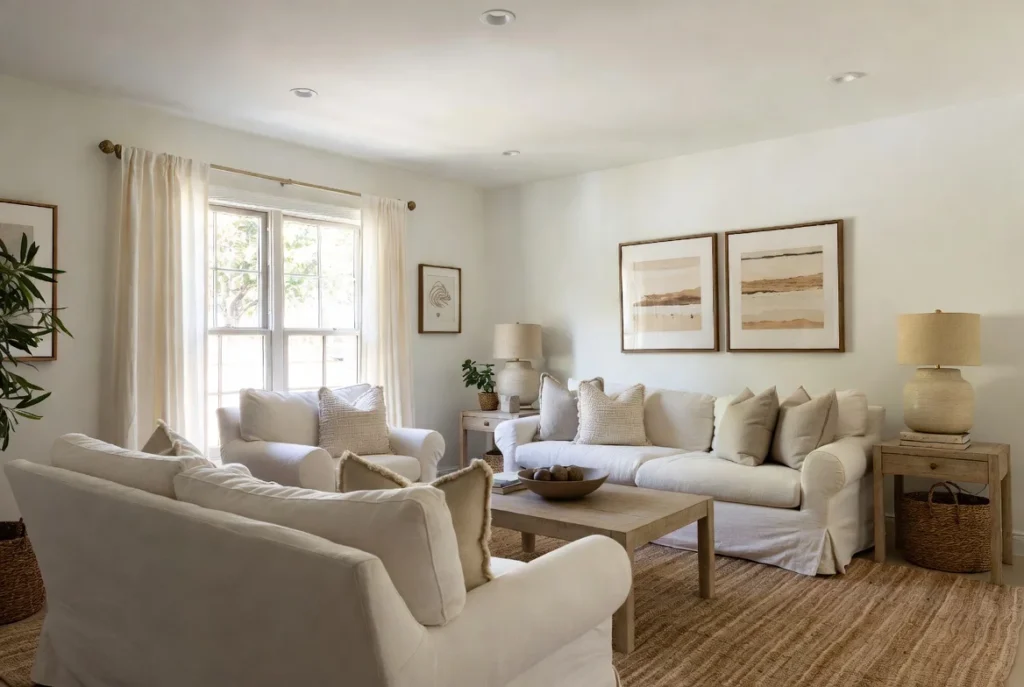
Neutral foundations in whites, creams, beiges, and soft grays create light-filled backdrops essential to contemporary coastal aesthetics. Paint walls in warm whites or pale greiges reflecting natural light while avoiding stark coldness. Sandy beiges evoke beaches without literal references, while soft taupe adds warmth preventing clinical atmospheres. These versatile neutrals allow natural materials and textures to shine while maintaining airy openness characteristic of coastal design. Layer multiple neutral shades through wall colors, upholstery, and accessories building tonal depth that feels sophisticated rather than flat or boring.
Choose Slipcovered Furniture
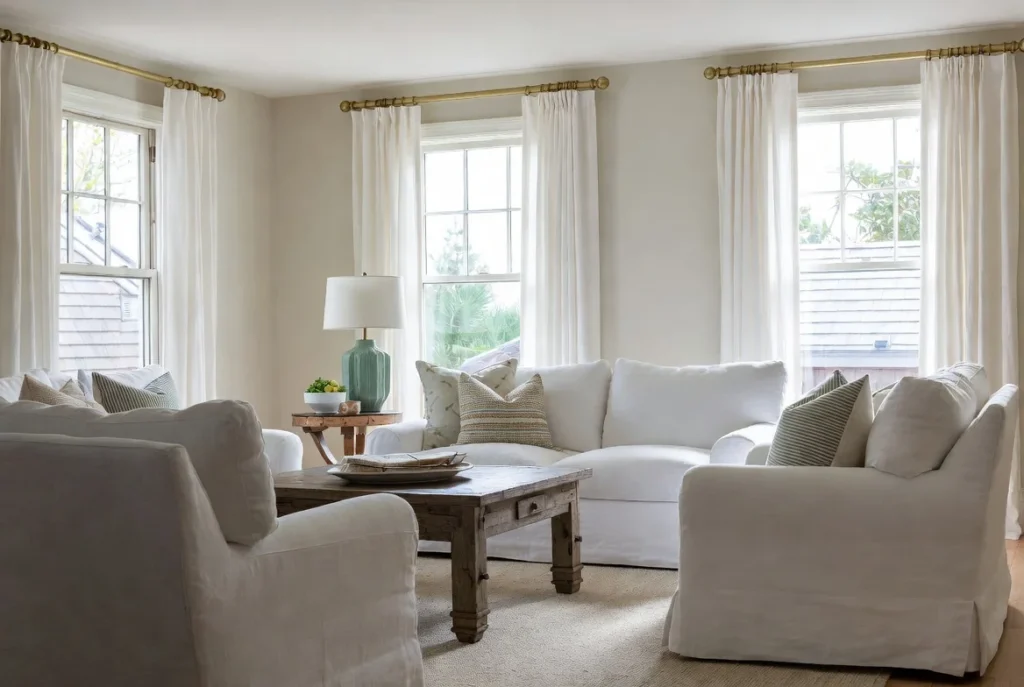
Washable slipcovers in natural fabrics deliver casual elegance perfect for coastal living rooms prioritizing livability alongside beauty. Select linen or cotton slipcovers in whites, creams, or soft grays creating relaxed sophistication. Slipcovered sofas and chairs feel intentionally casual while their tailored construction prevents sloppy appearances. The removable covers address practical concerns about beach sand and everyday wear making coastal rooms genuinely usable. This signature coastal element captures beachside informality while maintaining contemporary polish through quality fabrics and proper fit.
Incorporate Natural Wood Elements
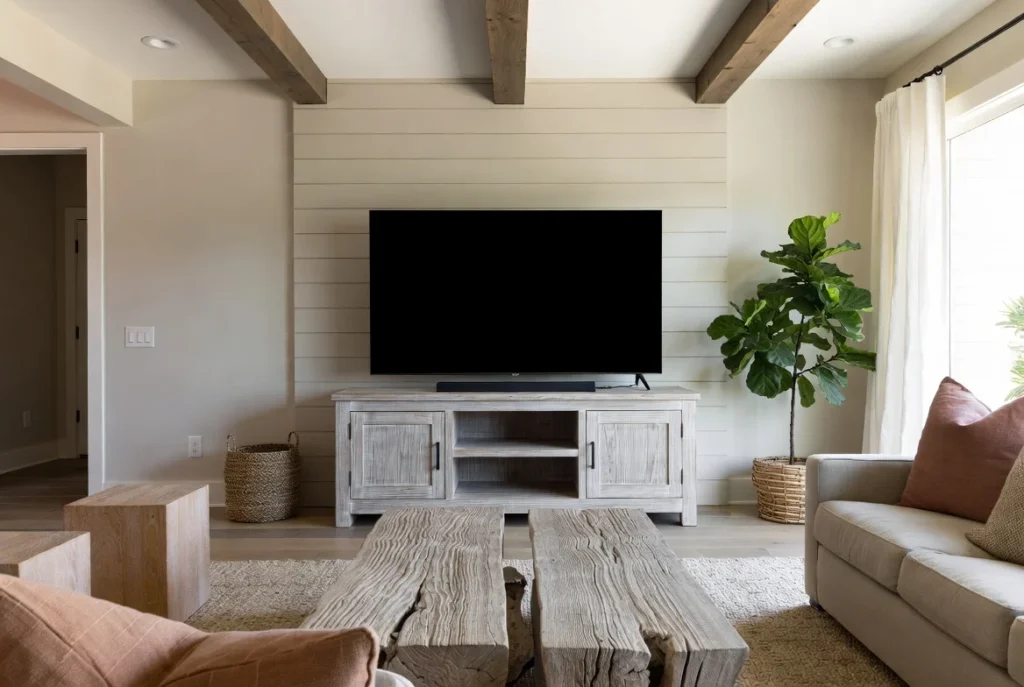
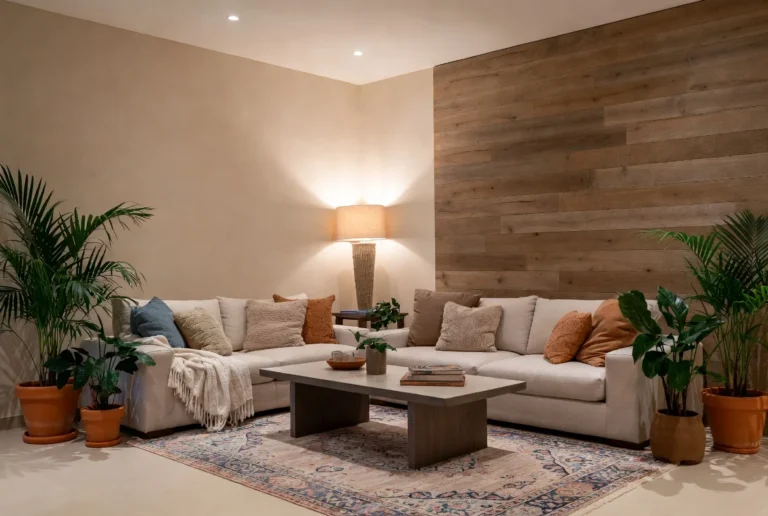
Weathered wood furniture and architectural details bring organic warmth preventing neutral coastal rooms from feeling cold or sterile. Choose light oak, whitewashed pine, or driftwood-toned pieces echoing beach finds without literal references. Wooden coffee tables, side tables, and media consoles in natural finishes ground rooms with earthy elements. Add wood ceiling beams, shiplap walls, or plank flooring incorporating architectural wood at multiple scales. The varied wood tones and grain patterns add textural interest and natural beauty essential to authentic coastal design.
Layer Natural Fiber Rugs
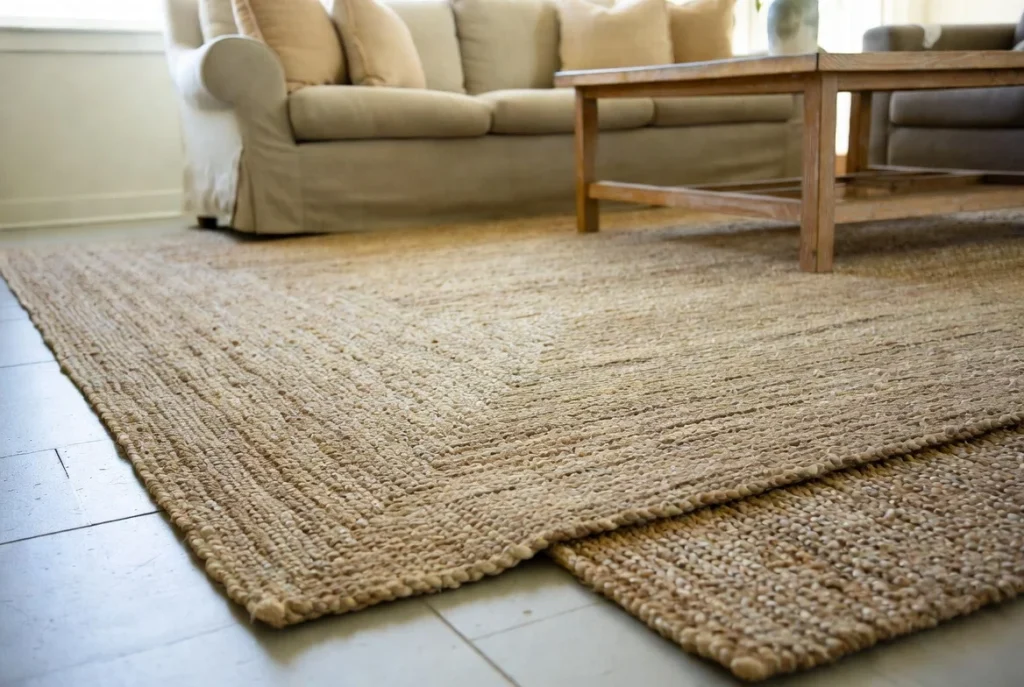
Jute, sisal, and seagrass rugs provide textural foundations while their organic materials reinforce coastal aesthetics through natural elements. Choose large area rugs in neutral tones anchoring seating arrangements while their woven textures add visual warmth. Natural fiber rugs work beautifully alone or layered under patterned rugs for dimensional interest. Their casual texture suits coastal informality while durability handles high traffic. These organic floor coverings connect spaces to nature while their neutral palette maintains light, airy feelings central to contemporary coastal rooms.
Add Woven and Rattan Furniture
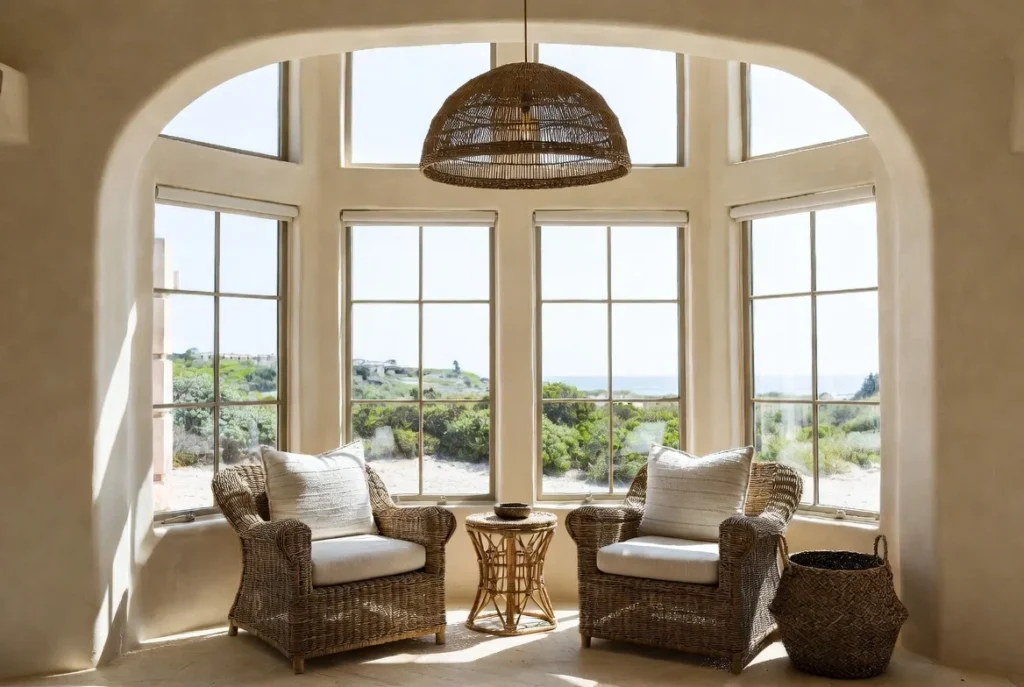
Rattan chairs, wicker accents, and woven details inject coastal character through natural materials referencing beachside living without nautical clichés. Position rattan armchairs flanking windows or fireplaces creating conversational seating. Woven pendant lights overhead add organic shapes and textural interest to ceiling planes. Wicker baskets provide stylish storage while natural materials maintain coastal consistency. These woven elements bring handcrafted quality and textural variety preventing neutral rooms from appearing flat while their natural materials feel authentically coastal.
Create Indoor-Outdoor Connections
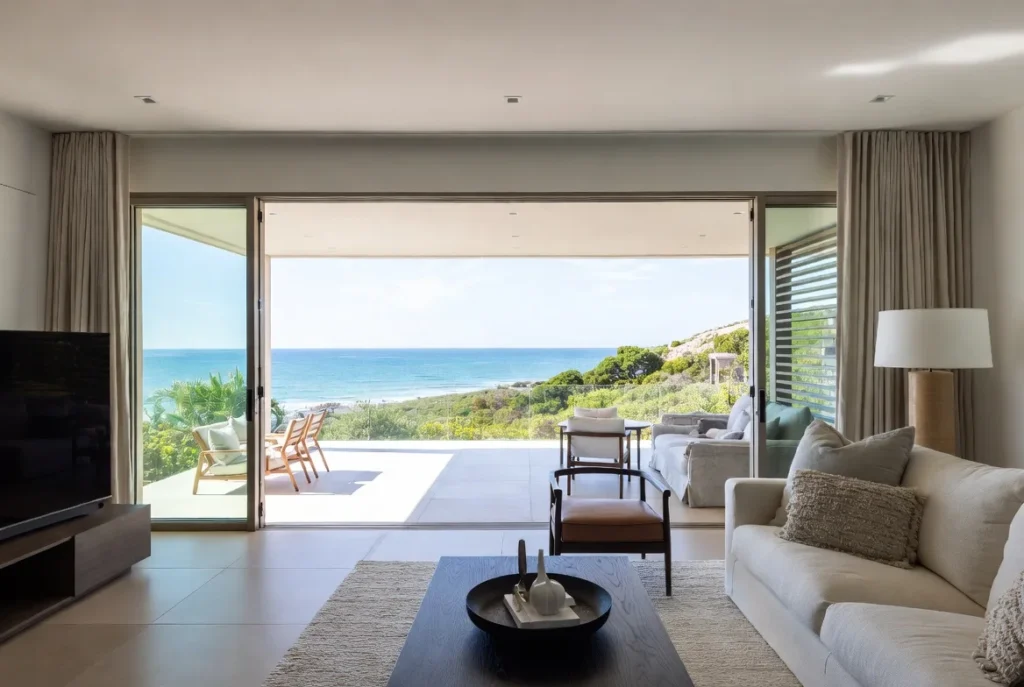
Large windows, glass doors, and seamless transitions to outdoor spaces maximize natural light while blurring boundaries between interior and exterior. Install floor-to-ceiling windows framing views and flooding rooms with sunlight. Sliding glass doors opening to patios or decks extend living areas outdoors. Consistent flooring transitioning from inside to outside strengthens spatial connections. This architectural approach captures coastal living essence where indoor and outdoor merge creating expansive feelings and connection to nature fundamental to beachside homes.
Use Shiplap Wall Paneling
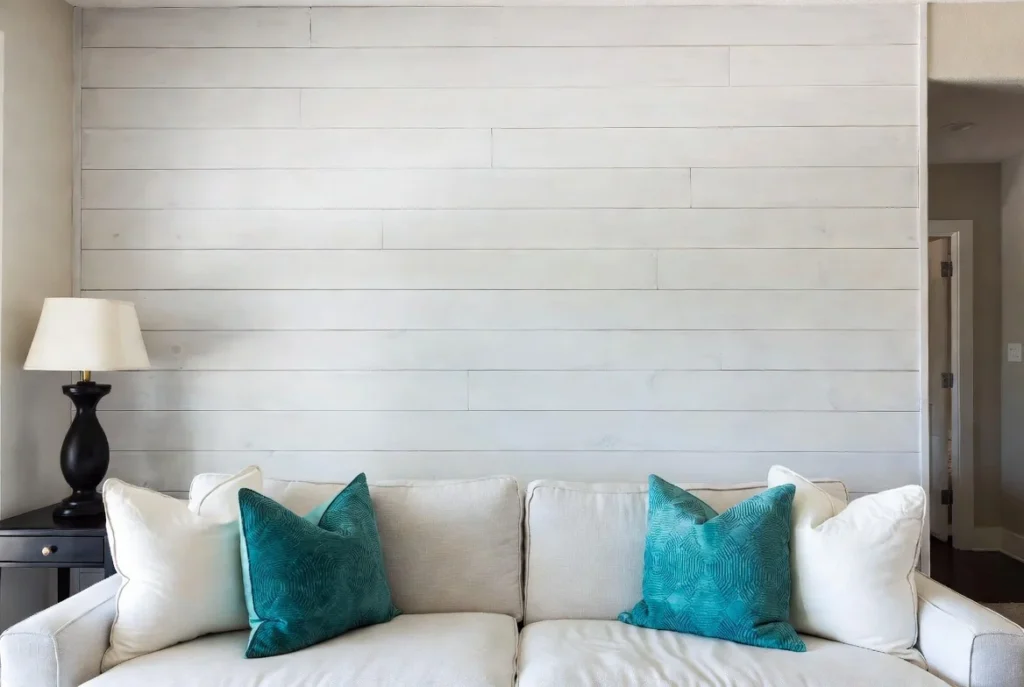
Horizontal shiplap brings architectural texture and cottage charm to contemporary coastal rooms without overwhelming spaces. Paint shiplap in whites or soft neutrals maintaining light aesthetics while adding dimensional interest to flat walls. Install on single accent walls behind sofas or throughout rooms for immersive effects. Shiplap paneling references beach cottage traditions while working beautifully in modern contexts through clean installation and refined finishes. This coastal signature adds character and warmth transforming builder-grade rooms into charming spaces.
Incorporate Soft Blue Accents
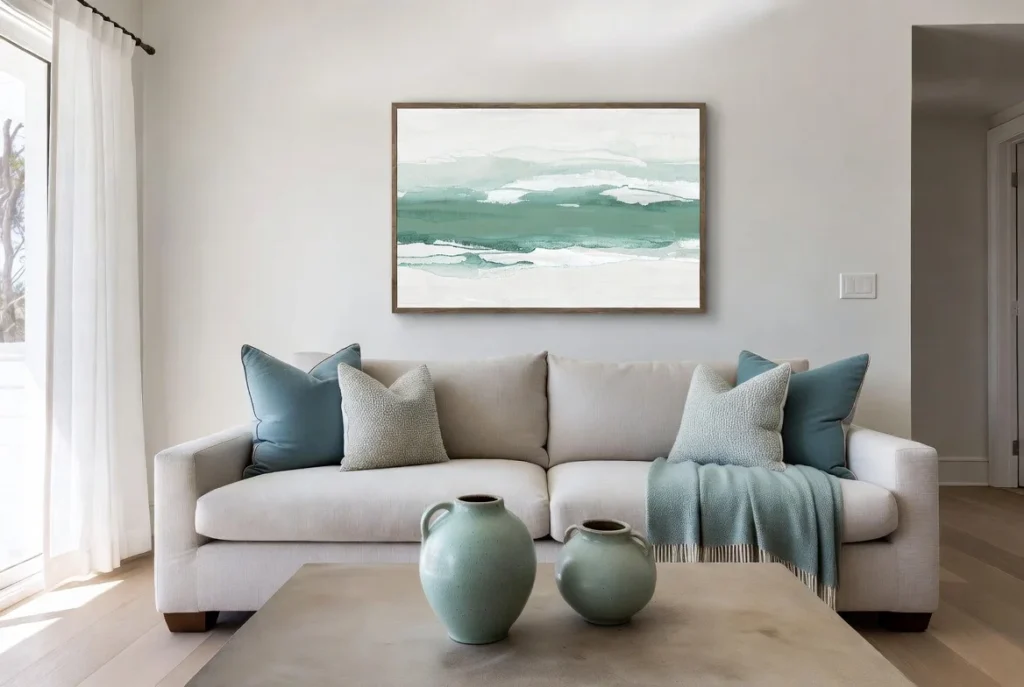
Gentle blues in throw pillows, artwork, and accessories add coastal color without dominating neutral foundations. Choose powder blue, soft aqua, seafoam, or pale turquoise evoking ocean and sky naturally. Layer blue textiles through pillow combinations allowing easy seasonal changes. Blue pottery, glass accessories, or artwork inject color while ocean-inspired hues maintain coastal themes. Keep blue accents to roughly twenty percent of total color palette ensuring neutral dominance while blue pops provide refreshing contrast and seaside reference.
Add Linen Textiles Throughout
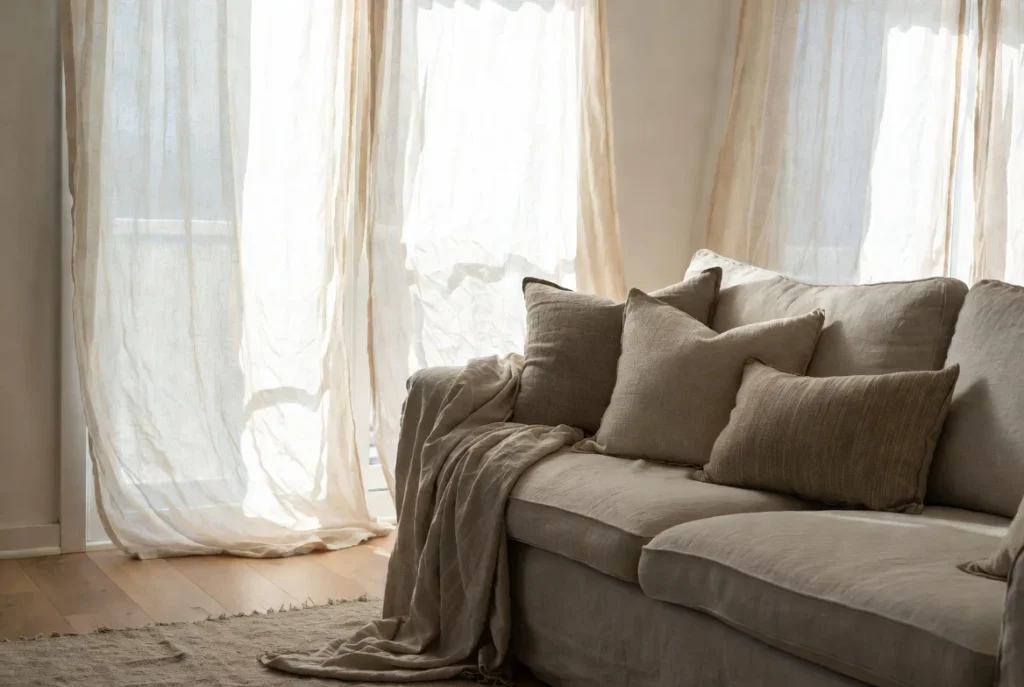
Linen fabrics in upholstery, curtains, and throw pillows deliver casual elegance and natural texture perfect for coastal interiors. Linen sofas feel relaxed yet refined, their slightly rumpled texture suggesting beachside informality. Linen curtains in whites or naturals filter light softly while moving gently with breezes. Linen throw pillows add textural layers and comfortable softness. The natural fiber’s organic quality and casual drape capture coastal ease while neutral tones maintain light, airy aesthetics throughout living spaces.
Choose Low-Profile Furniture
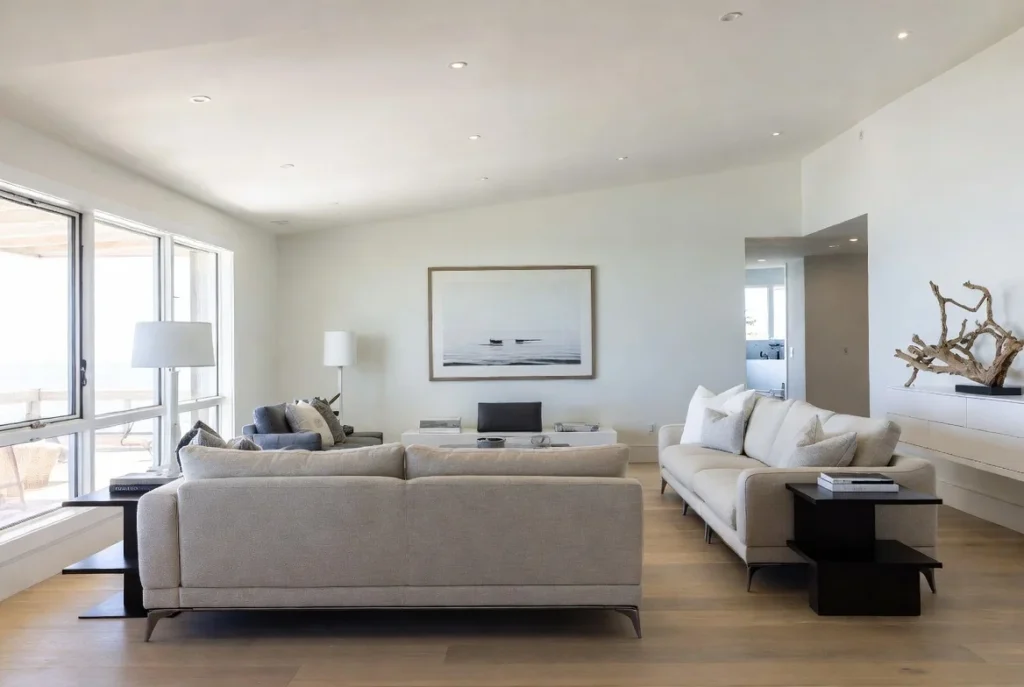
Low sectionals, streamlined sofas, and minimal furniture maintain open sightlines and spacious feelings essential to contemporary coastal design. Select furniture with clean lines and low backs preventing visual bulk. Platform sofas and shallow-profile pieces feel modern while their horizontal emphasis suggests coastal horizons. This furniture approach keeps focus on architectural elements and views while comfortable seating ensures livability. Low furniture makes ceilings appear taller and rooms more expansive reinforcing airy qualities central to coastal aesthetics.
Create Gallery Walls with Coastal Art
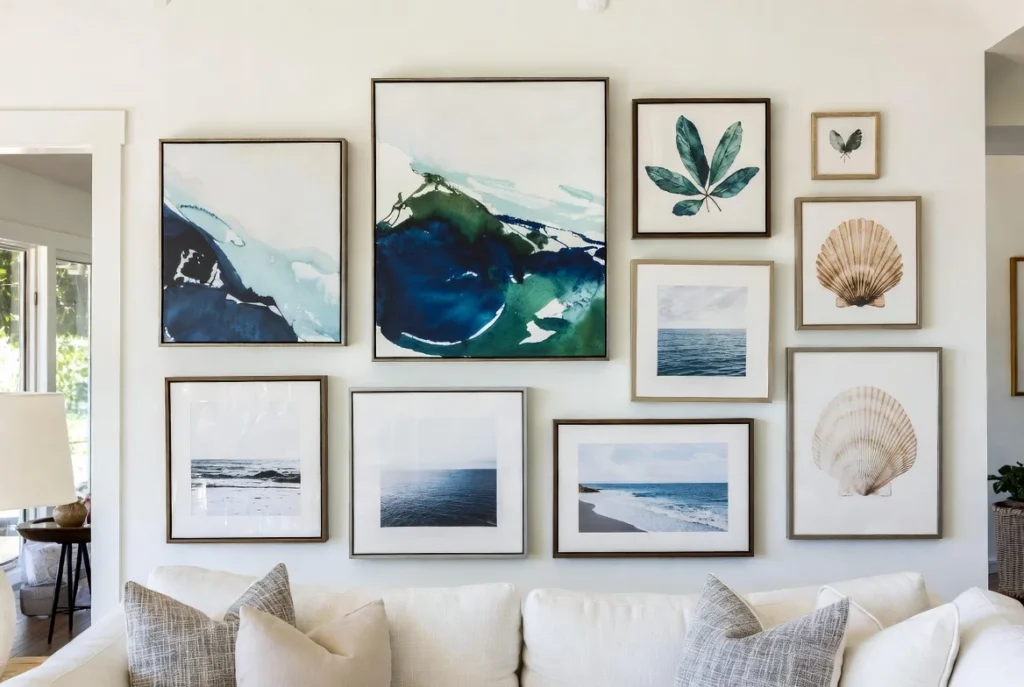
Abstract ocean artwork, coastal photography, and organic prints add personality without literal nautical themes. Choose large-scale abstracts in blues, greens, and neutrals evoking water and sand through color rather than imagery. Black and white photography of coastlines or ocean waves provides sophisticated coastal reference. Botanical prints of coastal plants bring organic elements indoors. Frame art in simple white, natural wood, or black frames maintaining clean aesthetics. Gallery walls create focal points and personal expression while coastal themes remain subtle and refined.
Install Coffered or Beamed Ceilings
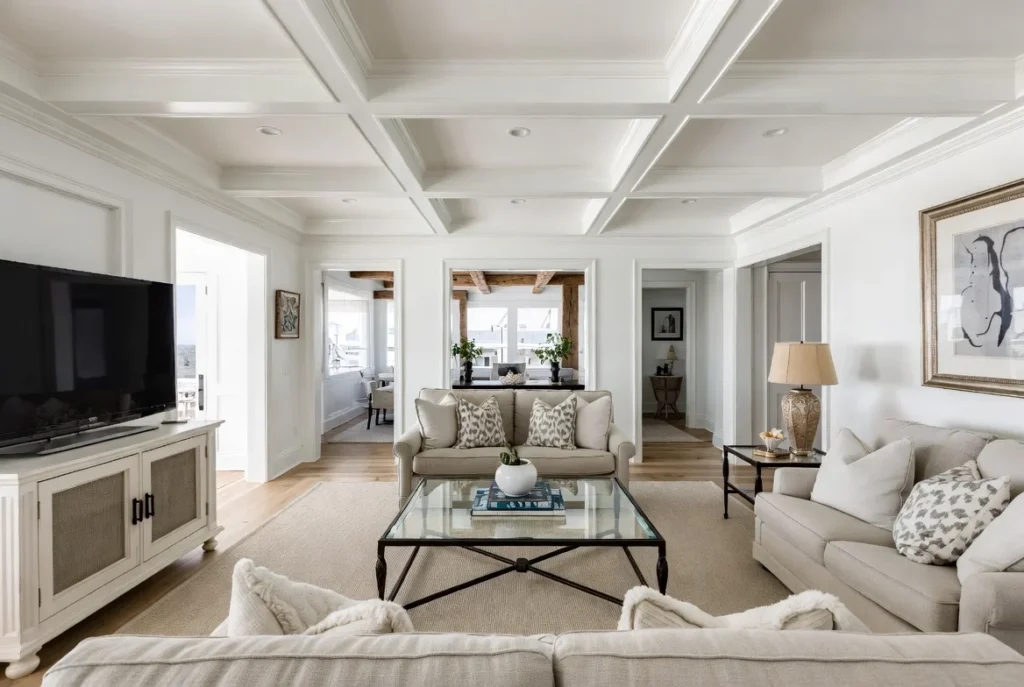
Architectural ceiling treatments add visual interest overhead while painted white or light tones maintain bright, airy feelings. Coffered ceilings bring formal elegance and dimensional detail to contemporary coastal rooms. Exposed wood beams add rustic warmth and cottage character especially effective with whitewashed or natural finishes. These ceiling elements draw eyes upward making rooms feel taller and more spacious while architectural details provide sophisticated interest preventing neutral spaces from appearing plain or unfinished.
Add Floor-to-Ceiling Curtains
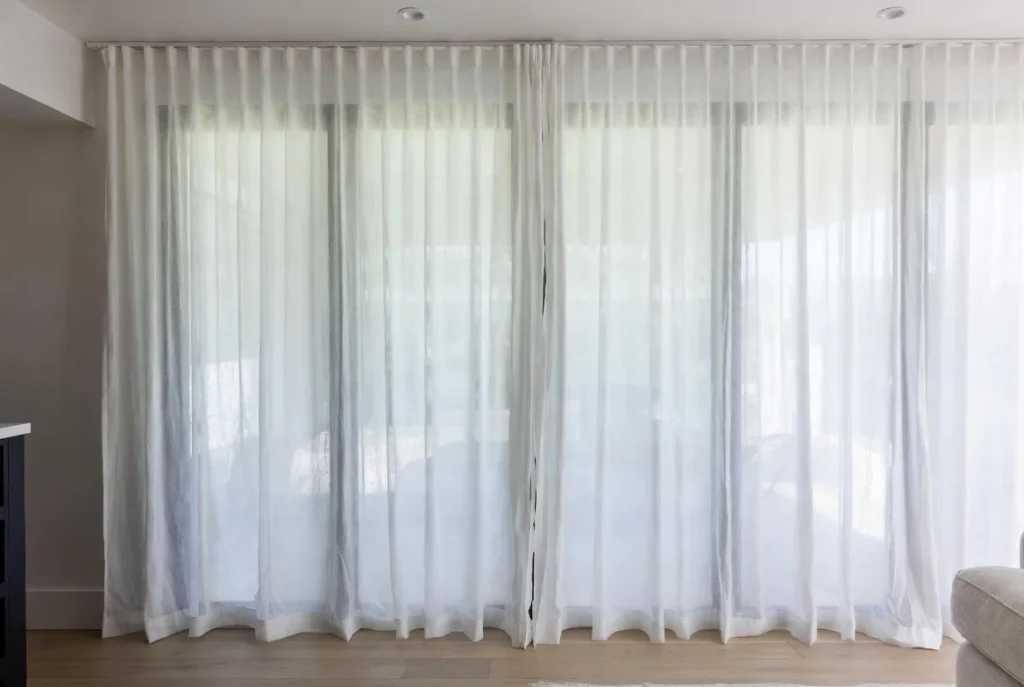
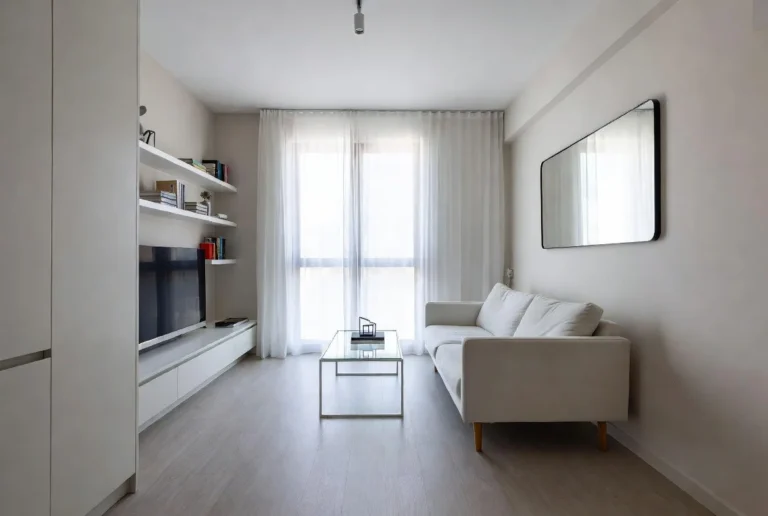
Long drapes in light fabrics frame windows while their vertical lines add height and elegance. Choose sheer linens, lightweight cottons, or gauzy voiles filtering light softly while maintaining privacy. White curtains blend with walls creating seamless transitions, while soft blues or sandy neutrals add subtle color. Hang curtain rods at ceiling height with fabric pools on floors creating luxurious proportions. Flowing curtains move with ocean breezes adding gentle motion and softness to architectural spaces while light fabrics maintain airy qualities.
Incorporate Organic Shapes
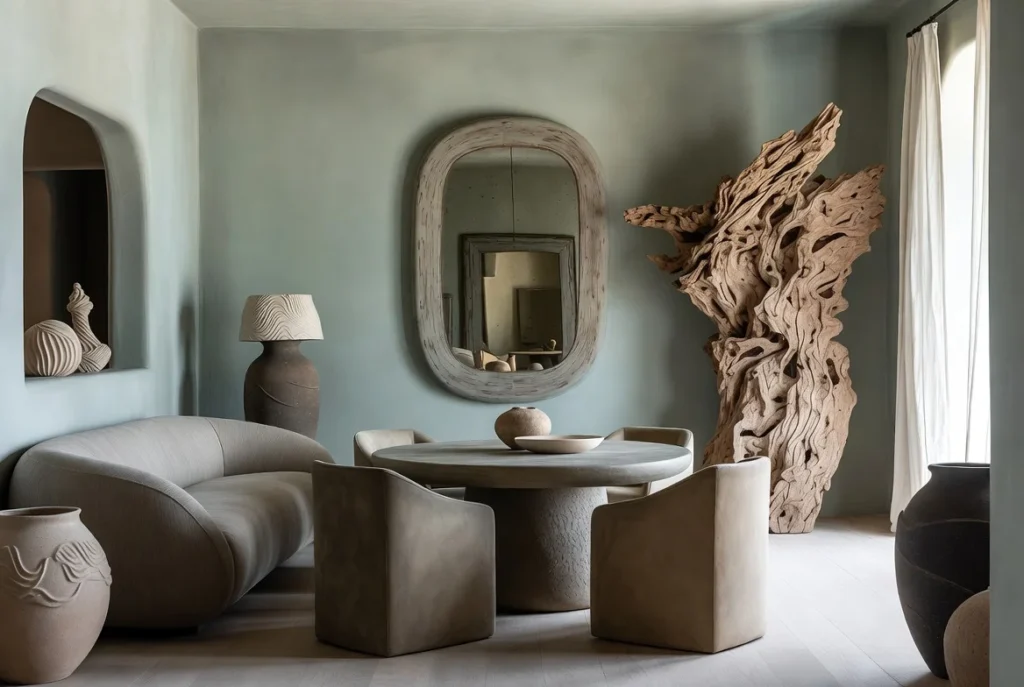
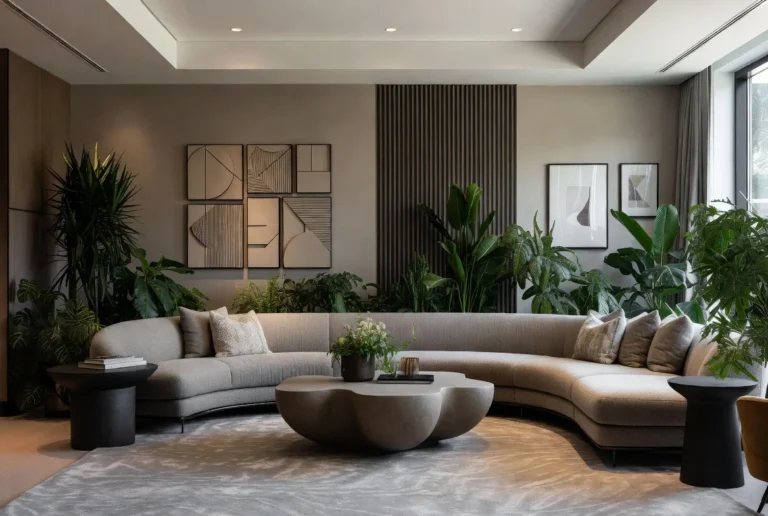
Curved furniture, round mirrors, and organic forms soften architectural lines while referencing natural elements like waves and shells. Choose round coffee tables, oval mirrors, or curved sofas balancing geometric spaces. Organic-shaped pottery, sculptural objects, or driftwood pieces add natural forms throughout rooms. These softer shapes create visual flow and gentle movement contrasting rectangular architecture while nature-inspired forms maintain coastal connections without obvious beach references. Organic shapes make spaces feel more inviting and less rigid.
Design Open Shelving Displays
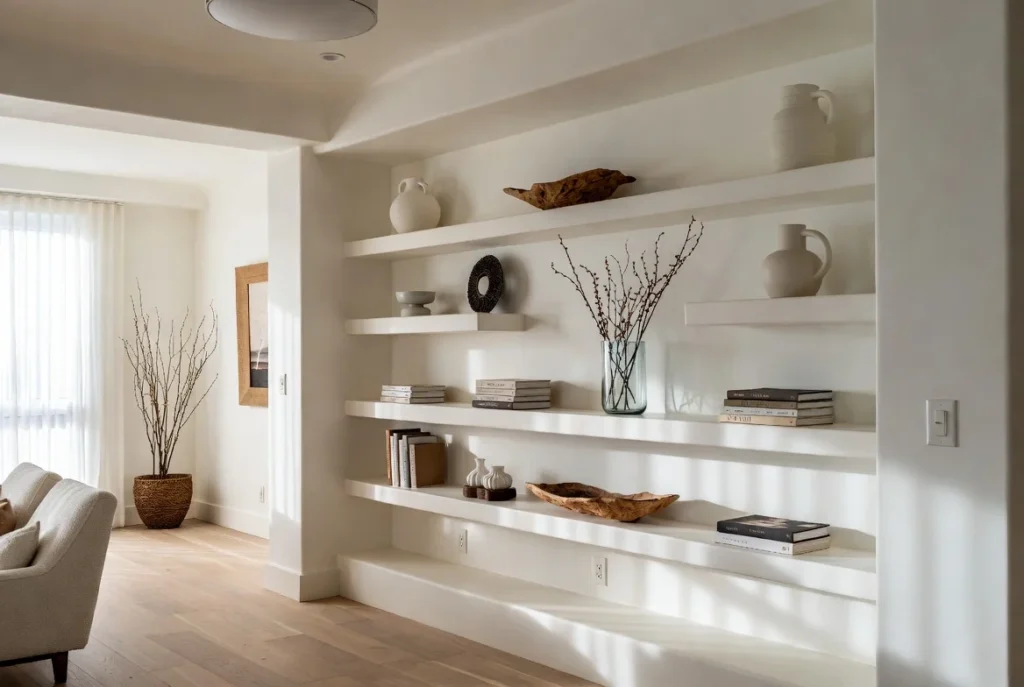
Floating shelves or built-in shelving provide display space while maintaining visual lightness compared to closed cabinets. Style shelves with mix of objects: white ceramics, natural wood bowls, glass vases, and select coastal finds. Keep displays edited and breathing with negative space between objects preventing cluttered feelings. Open shelving showcases beautiful objects while lighter visual weight suits airy coastal aesthetics. This display approach allows rotating seasonal items and personal collections without permanent storage furniture consuming visual space.
Layer Multiple Light Sources
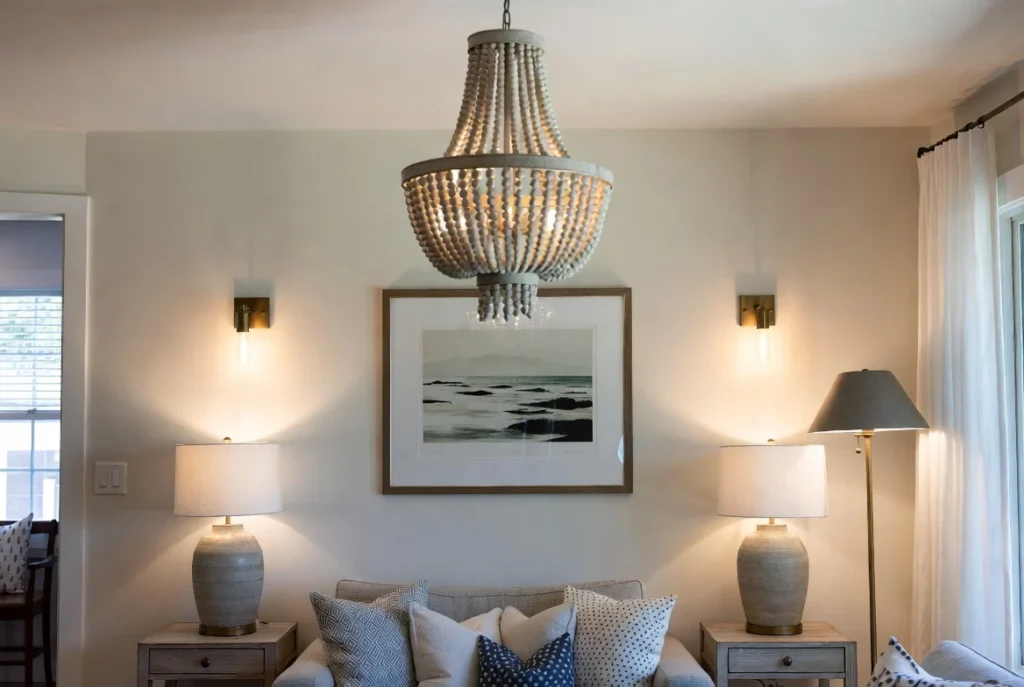
Ambient lighting, task lighting, and accent lighting create flexible illumination supporting different moods and activities. Hang statement pendants or beaded chandeliers as ceiling fixtures providing general lighting. Add table lamps on side tables for reading light. Install wall sconces flanking artwork or architectural features. Use floor lamps in corners balancing illumination throughout rooms. Layered lighting ensures bright and airy daytime atmospheres while dimmed evening lighting creates cozy ambiance. Multiple sources at varying heights add dimensional interest and functional flexibility.
Add Striped Patterns
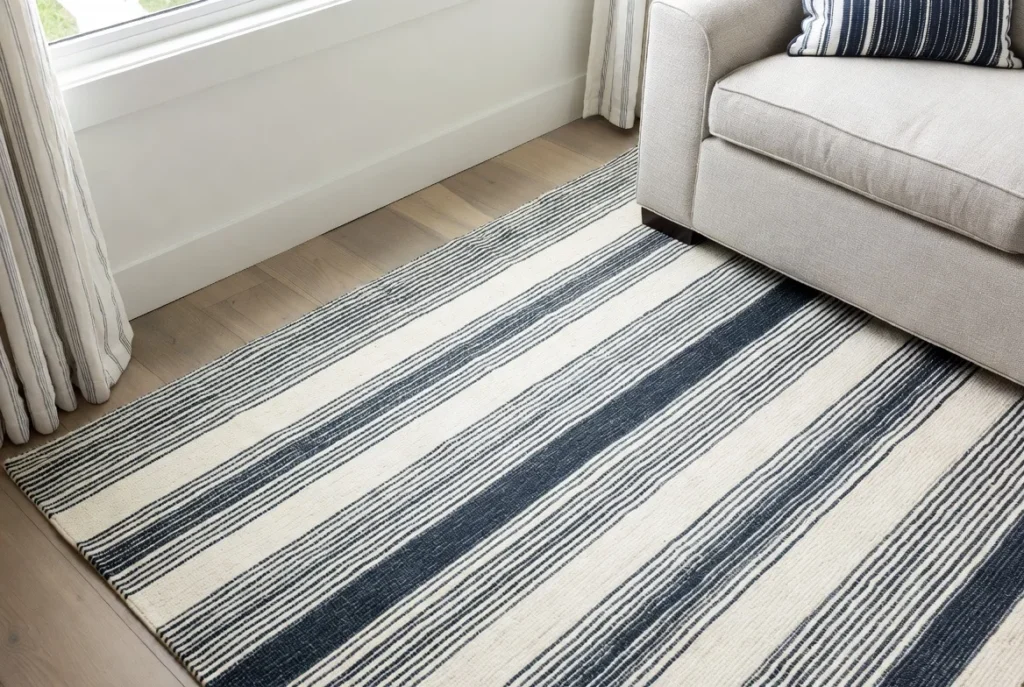
Subtle stripes in pillows, rugs, or upholstery inject pattern and movement while maintaining coastal ease. Choose navy and white, blue and cream, or neutral stripe combinations providing visual interest without overwhelming patterns. Horizontal stripes in area rugs reinforce coastal horizon references. Vertical stripes on occasional pillows add height and dimension. Keep stripe patterns to one or two elements preventing busy atmospheres while linear patterns provide graphic interest balancing organic textures and solid neutrals.
Incorporate Coastal-Inspired Lighting
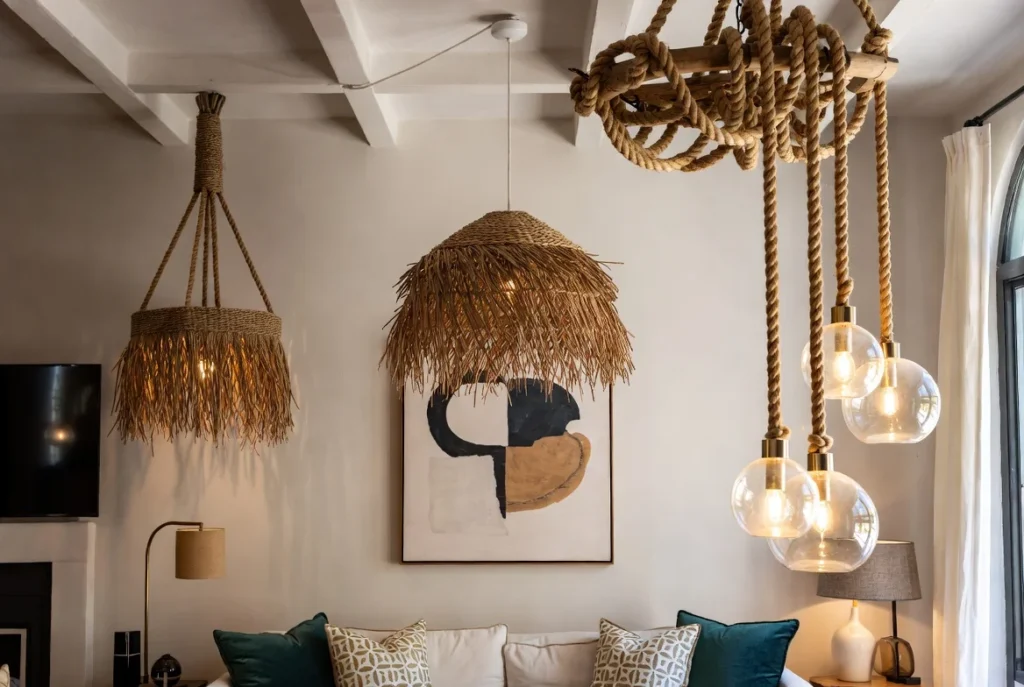
Woven pendant lights, glass globe fixtures, or rope-wrapped chandeliers reference coastal elements through materials rather than obvious nautical shapes. Choose natural fiber shades in pendant lights adding organic texture overhead. Clear glass globes suggest beach glass while providing practical illumination. Rope-wrapped fixtures bring texture and coastal reference subtly. Lighting fixtures in natural materials and simple shapes maintain contemporary sophistication while subtle coastal details provide thematic consistency without heavy-handed decoration.
Use Oversized Mirrors
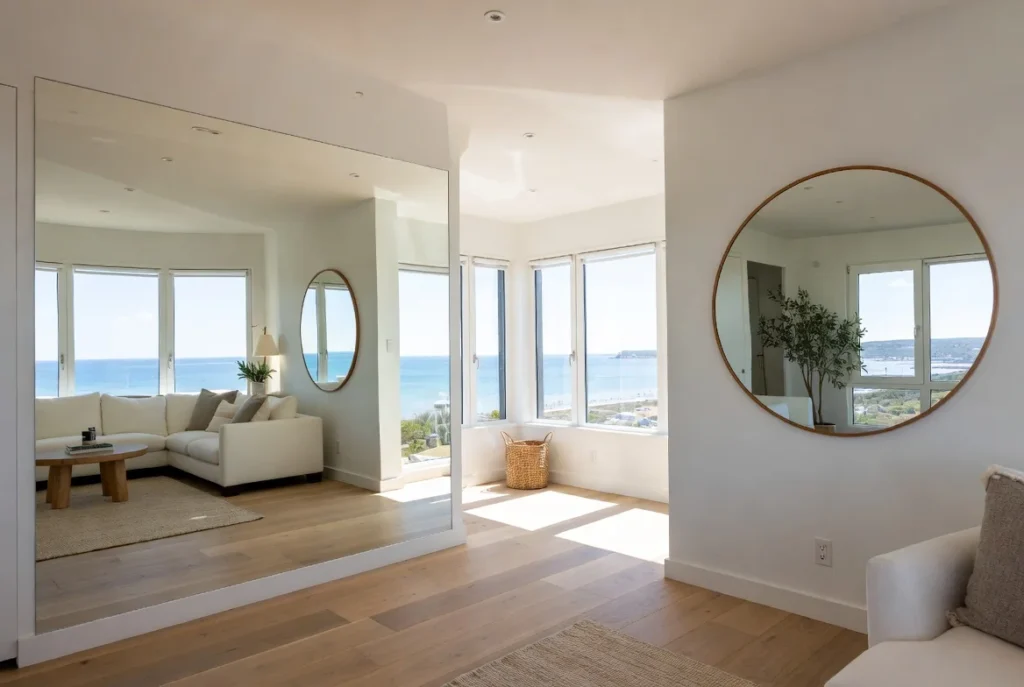
Large mirrors amplify natural light and create illusions of expanded space essential for bright, airy coastal rooms. Position floor-to-ceiling mirrors opposite windows reflecting views and light throughout rooms. Oversized round mirrors soften rectangular spaces while their reflective surfaces brighten darker corners. Choose mirrors with minimal frames in natural wood, white, or rope-wrapped details maintaining coastal aesthetics. Strategic mirror placement makes small coastal rooms feel significantly larger while doubled light creates luminous atmospheres characteristic of beachside living.
Create Window Seats
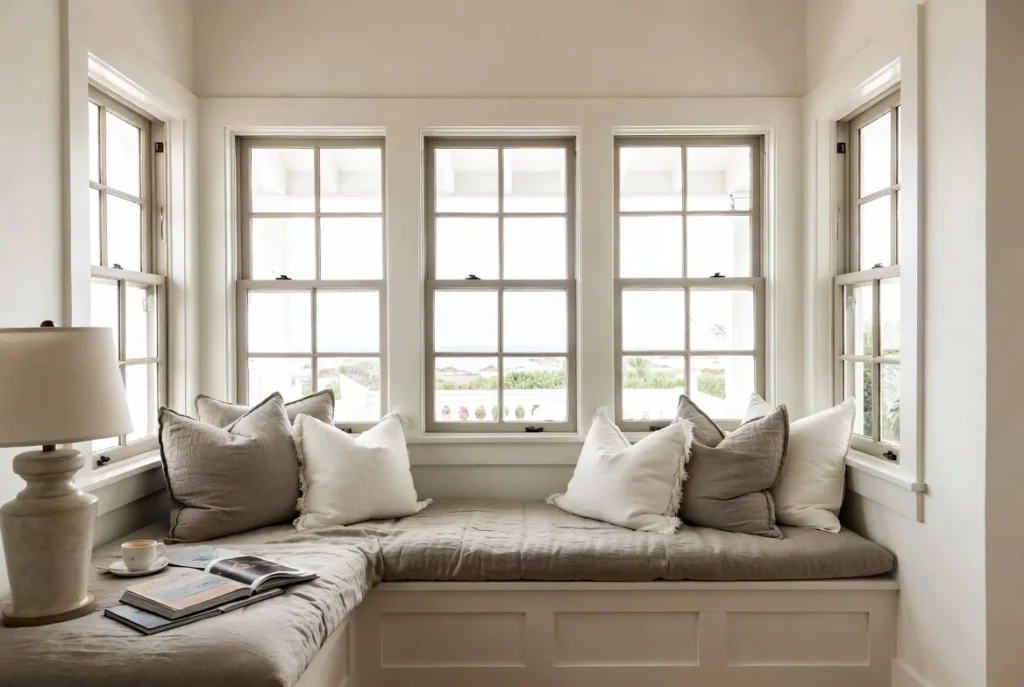
Built-in seating beneath windows provides cozy reading nooks while maximizing natural light exposure and ocean view enjoyment. Add comfortable cushions in neutral linens or soft blues with plump throw pillows inviting relaxation. Position window seats overlooking gardens, water views, or attractive vistas making them destination spots. Include storage beneath seating for throw blankets or books adding functionality. Window seats capture cottage charm and coastal comfort while built-in character feels architectural and intentional rather than added decoration.
Add Whitewashed Wood Accents
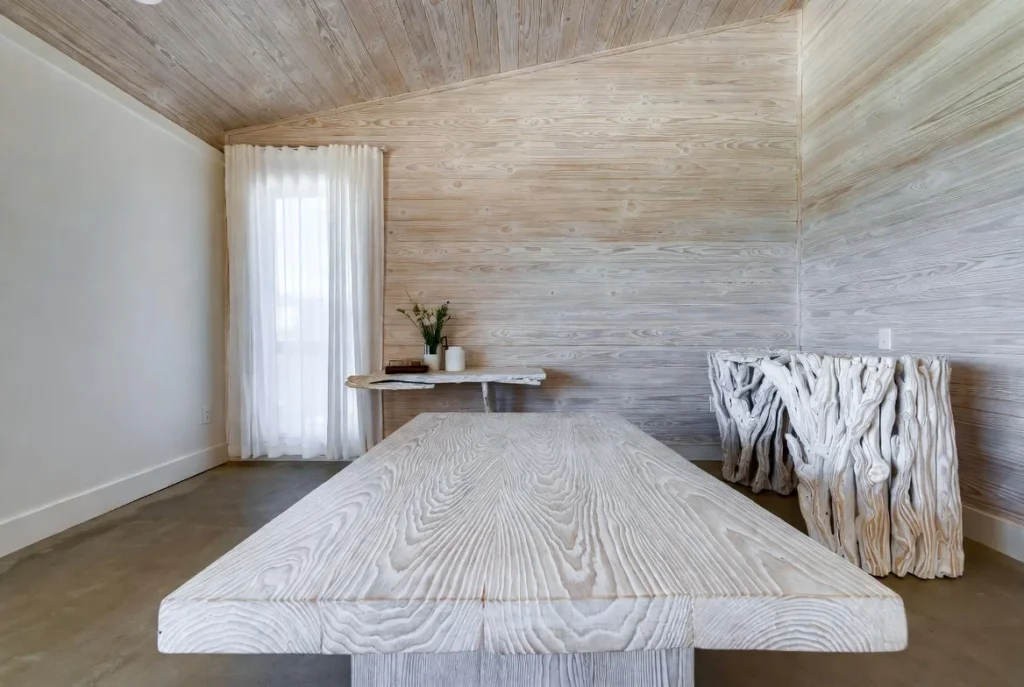
Whitewashed finishes on wood furniture and architectural elements bring coastal character through weathered appearances suggesting sun-bleached driftwood. Choose whitewashed dining tables, side tables, or media consoles providing functional furniture with casual coastal style. Whitewashed wood paneling or ceiling planks add texture while maintaining bright aesthetics. This finishing technique allows wood grain to show through pale finishes creating dimensional interest and organic beauty while light tones preserve airy qualities essential to coastal spaces.
Incorporate Glass and Lucite Accents
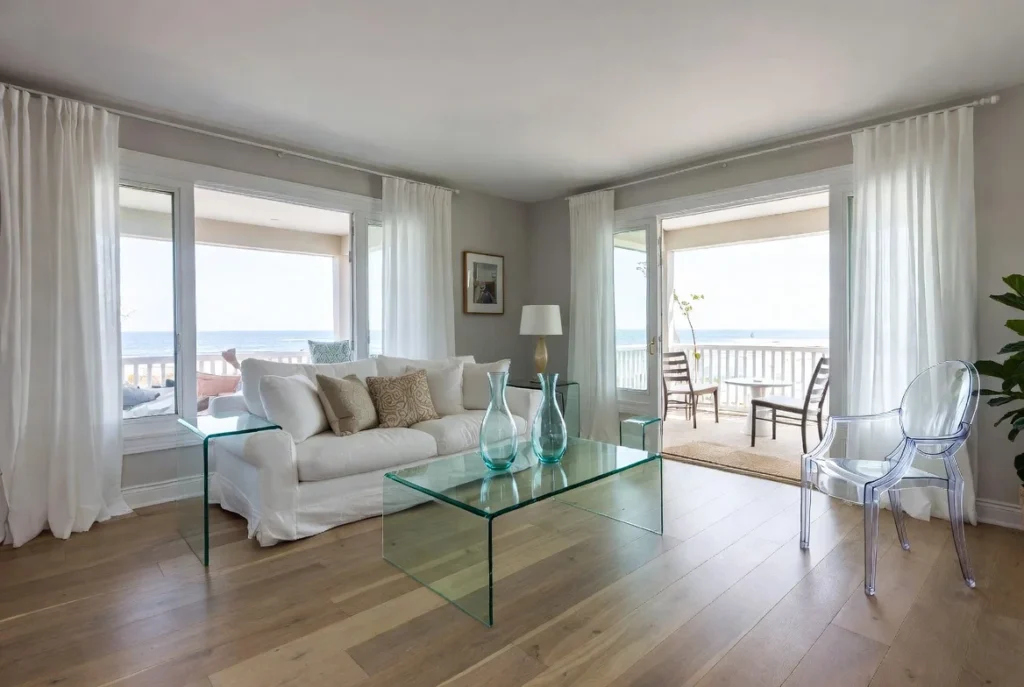
Transparent materials in coffee tables, accent tables, or decorative objects maintain visual openness while providing functional surfaces. Acrylic coffee tables offer table space without blocking sightlines perfect for small coastal rooms. Glass vases, hurricanes, or bowls provide display and storage without visual weight. Lucite chairs or ghost chairs add seating while disappearing visually. These transparent elements maximize perceived space and preserve openness while reflective qualities enhance natural light making rooms feel brighter and more expansive.
Design With Coastal Greenery
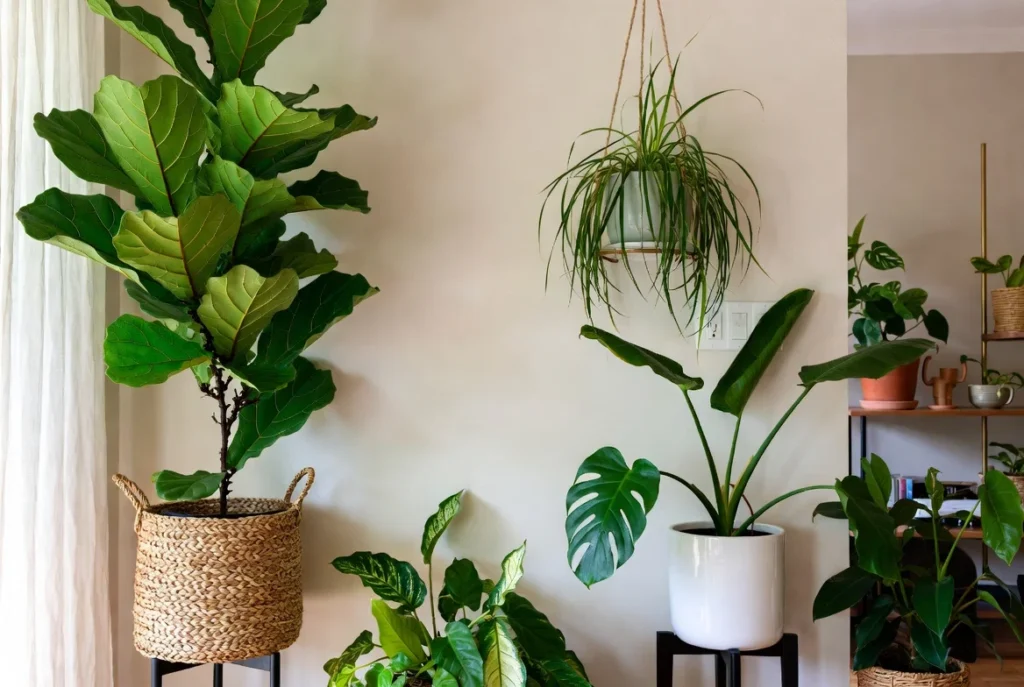
Potted palms, fiddle leaf figs, or tropical plants bring living elements and organic shapes indoors. Position large floor plants in natural baskets or white ceramic planters adding height and vertical interest. Smaller plants on shelves or side tables provide fresh accents. Tropical foliage with bold leaves suggests coastal regions while air-purifying qualities improve indoor environments. Living plants add movement, oxygen, and natural beauty making contemporary coastal rooms feel vibrant and connected to nature rather than sterile or overly decorated.
Add Textured Throw Blankets
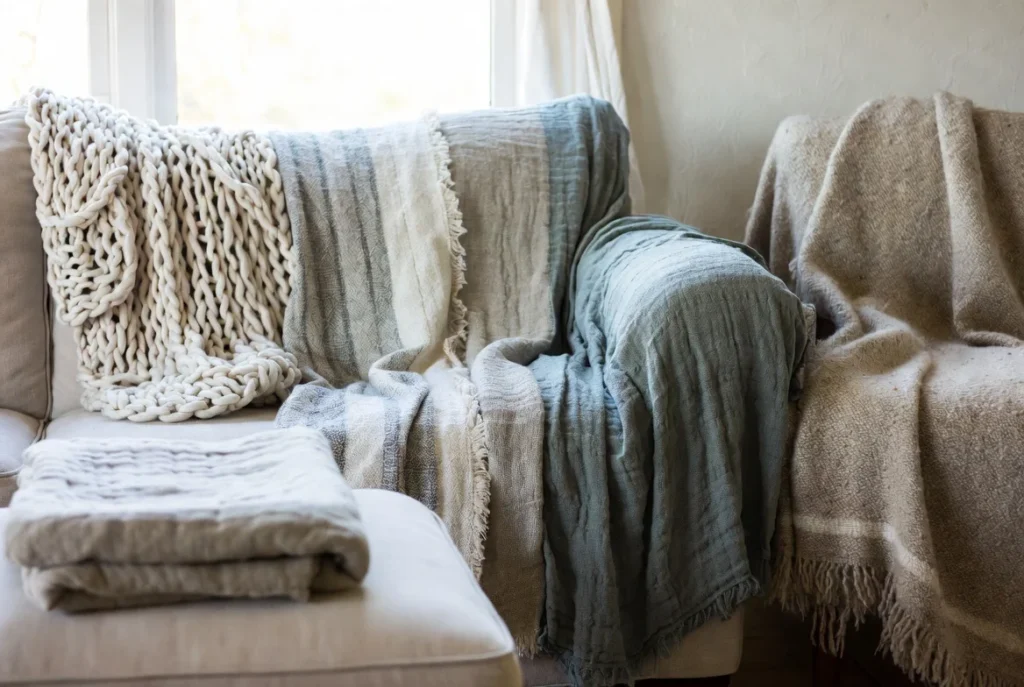
Layered throws in varied textures provide visual warmth and physical comfort to coastal living rooms. Drape chunky knit blankets over sofa backs, fold linen throws on ottoman corners, or layer lightweight cotton blankets on seating. Choose neutral tones in whites, creams, taupes, or soft blues maintaining cohesive palettes. Textured blankets invite curling up making rooms genuinely livable while varied textures add dimensional interest to solid-colored furniture. Throw blankets capture casual coastal comfort while layered textiles create cozy atmospheres.
Create Built-In Storage
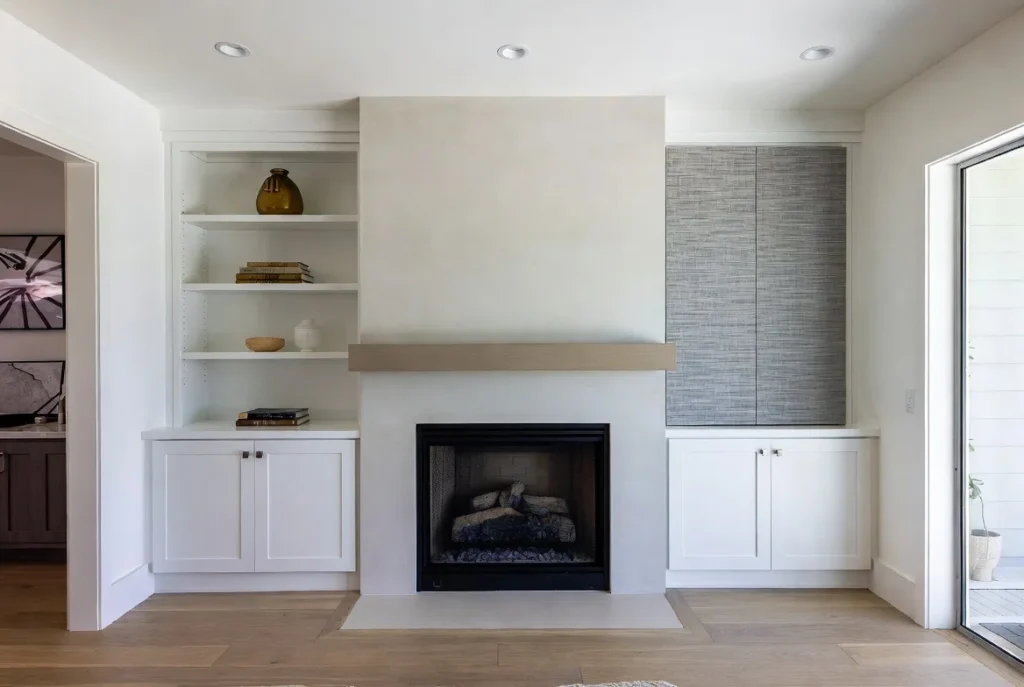
Custom cabinetry and built-in units provide essential storage while maintaining clean lines and uncluttered appearances. Design floor-to-ceiling built-ins flanking fireplaces housing books, media equipment, and decorative objects. Window seat storage beneath cushions conceals blankets and accessories. Built-in shelving keeps necessary items organized without freestanding furniture consuming floor space. Custom storage solutions maintain streamlined aesthetics essential to contemporary coastal design while hidden storage prevents clutter that would compromise light, airy feelings.
Choose Coastal-Appropriate Metallics
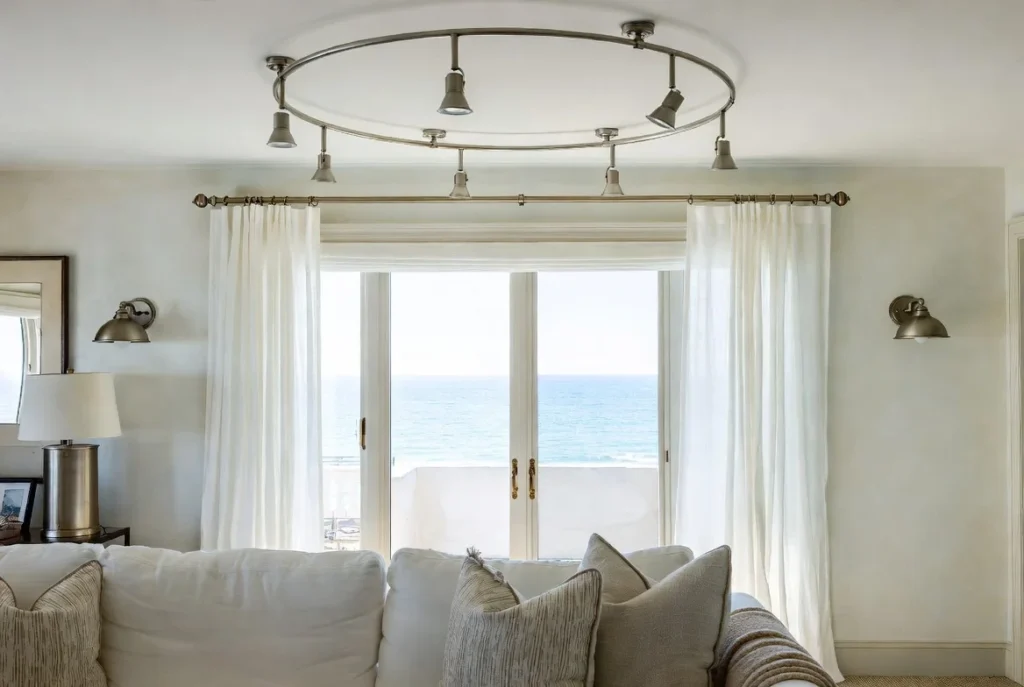
Brushed nickel, oil-rubbed bronze, or antique brass provide subtle metallic accents without flashy finishes. Use in lighting fixtures, curtain hardware, picture frames, or accent tables adding refined details. Weathered metal finishes suggest coastal patina and aged character perfect for beachside aesthetics. Avoid shiny chrome or polished brass feeling too formal for casual coastal rooms. Subtle metallics catch light beautifully while matte or aged finishes maintain relaxed sophistication balancing organic materials and neutral palettes.
Conclusion
Creating a contemporary coastal living room that feels genuinely light, airy, and relaxed requires understanding that exceptional coastal interiors emerge from layering natural materials, choosing soft neutral palettes, and maximizing natural light rather than collecting obvious beach decorations. The 25 ideas presented throughout this guide prove that successful modern coastal design balances clean contemporary lines with organic textures, refined elegance with casual comfort, and sophisticated restraint with personal warmth.
The most valuable insight to carry forward is that authentic coastal style evokes beachside feelings through materials, colors, and atmosphere rather than literal nautical references. Slipcovered furniture, natural wood, woven textures, soft neutrals, and abundant light each contribute to creating spaces feeling perpetually vacation-ready while remaining genuinely livable and personally expressive.
Begin your coastal transformation by identifying which elements genuinely resonate with your aesthetic preferences and existing architectural features. Perhaps you start with fresh white paint, add natural fiber rugs, or incorporate slipcovered seating. These foundational changes create momentum while proving that your living room holds remarkable potential to become the serene coastal sanctuary you envision.
Your home deserves the tranquil beauty and effortless elegance that contemporary coastal living rooms provide, creating spaces where natural materials, soft colors, and abundant light combine delivering genuine retreat from daily stress while sophisticated design ensures spaces you’ll never tire of enjoying.
Frequently Asked Questions
What colors work best for contemporary coastal living rooms?
Soft neutrals form ideal contemporary coastal palettes including warm whites, creamy beiges, pale grays, and sandy taupes. Add gentle blue accents in powder blue, soft aqua, or seafoam through pillows, artwork, and accessories. Avoid harsh bright whites that feel cold or stark navy that feels too dark. The goal is creating light, airy atmospheres through layered neutrals with subtle ocean-inspired blue pops. Keep blue to roughly twenty percent of total palette ensuring neutral dominance. These versatile colors reflect natural light beautifully while evoking beaches and sky without literal nautical themes.
How is contemporary coastal different from traditional coastal style?
Contemporary coastal embraces clean lines, minimal decoration, and subtle references versus traditional coastal featuring obvious nautical themes, anchor motifs, and beach collectibles. Modern versions prioritize neutral palettes over blue and white stripes, natural materials over themed accessories, and sophisticated restraint over decorative abundance. Contemporary style feels refined and understated while traditional approaches lean heavier into maritime themes. Both celebrate coastal living but contemporary versions suit those preferring minimalism and timeless aesthetics while traditional styles appeal to lovers of collected charm and obvious seaside references.
What furniture materials work best for coastal living rooms?
Natural materials define coastal furniture including slipcovered sofas in linen or cotton, weathered wood coffee tables, rattan or wicker accent chairs, and jute or sisal rugs. Choose light wood tones like whitewashed oak or driftwood-colored pine over dark heavy woods. Woven materials add texture while natural fibers feel organic and casual. Avoid formal fabrics like velvet or silk preferring relaxed linen, durable cotton, and washable slipcovers. Furniture should feel comfortable and lived-in rather than precious or formal. These casual materials suit beachside informality while maintaining quality and sophistication.
Can contemporary coastal work in homes not near the ocean?
Absolutely! Contemporary coastal style captures beachside feelings through materials, colors, and atmosphere rather than requiring ocean proximity. Focus on abundant natural light through large windows, incorporate natural materials like wood and woven textures, choose soft neutral palettes, and add plants bringing organic elements indoors. The calming neutral colors, casual comfortable furniture, and light-filled spaces create serene atmospheres regardless of location. Contemporary coastal succeeds anywhere people desire relaxed, comfortable, light-filled interiors feeling perpetually vacation-ready. The style’s emphasis on natural materials and soft colors works beautifully in any setting.
How do I avoid making coastal style look too themed or kitschy?
Skip obvious nautical decorations like anchors, ships, and excessive stripes. Instead reference coastal living through natural materials, soft colors, and organic textures. Choose abstract ocean-toned artwork over literal beach scenes. Incorporate one or two subtle coastal elements like rope-wrapped mirrors or driftwood pieces rather than collecting beach items throughout. Focus on creating light, airy, comfortable spaces versus decorated themed rooms. Let natural materials like linen, jute, and weathered wood provide coastal character. Keep palettes primarily neutral with blue accents rather than dominant navy. This restrained sophisticated approach captures coastal essence without costume-like themes.
You May Also Like This Post:
17 Backyard Oasis Ideas to Create a Backyard That Feels Like a World of Its Own
One Comment