
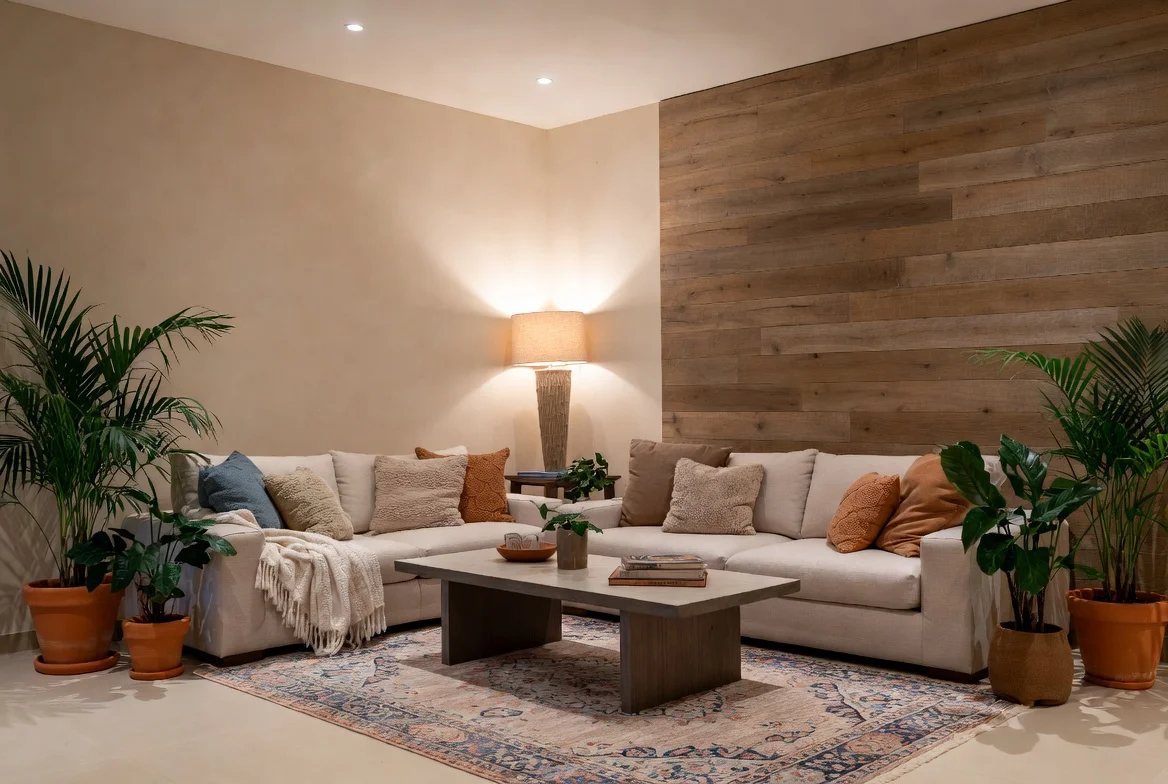
18 Modern Home Decor Ideas for a Cozy and Stylish Home
Your home should feel like a genuine sanctuary where modern aesthetics meet authentic comfort, yet most people struggle to bridge the gap between aspirational magazine spreads and spaces that actually feel livable. Research from environmental psychology confirms that home environment directly impacts mental wellbeing, with thoughtfully decorated spaces reducing stress levels by up to 30 percent while increasing feelings of contentment and belonging. The disconnect between wanting a stylish home and achieving one that feels genuinely cozy creates persistent dissatisfaction affecting daily quality of life.
The truth is that exceptional home decor requires understanding that modern design and cozy comfort are not opposing forces but complementary elements that, when balanced thoughtfully, create spaces feeling both impressive and genuinely welcoming. The most successful contemporary homes embrace clean lines and minimalist principles while incorporating layered textures, warm materials, and personal touches that transform houses into homes reflecting authentic living rather than sterile showrooms.
This comprehensive guide presents 18 proven modern home decor ideas that create cozy and stylish spaces you genuinely want to inhabit. From foundational strategies like color palette selection and furniture arrangement to finishing touches involving ambient lighting and curated accessories, these techniques will help you achieve the balanced, beautiful home you deserve.
Layer Multiple Textures Throughout Spaces
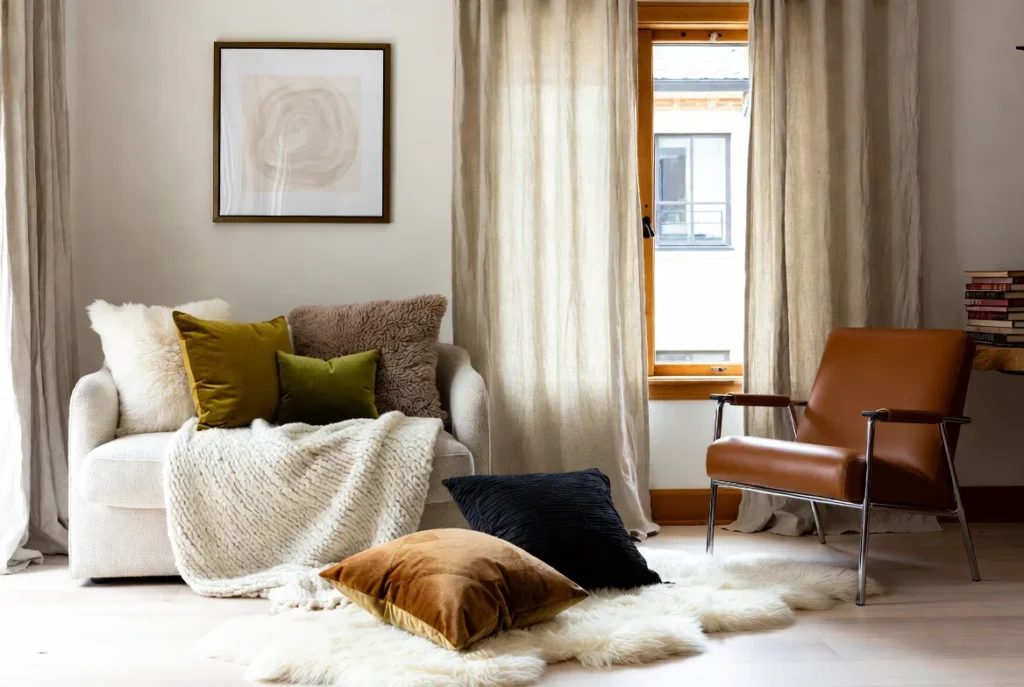
Textural variety prevents modern minimalism from feeling cold by incorporating tactile richness that engages senses beyond mere sight. Mix smooth velvet pillows with nubby boucle throws, pair soft linen curtains with rough natural wood furniture, and combine plush wool rugs with sleek leather seating. This layered approach adds dimensional interest while the varied surfaces catch and reflect light differently, creating depth impossible with single-texture schemes. Interior designers emphasize that texture delivers warmth and personality that color alone cannot achieve.
Choose Warm Neutral Color Palettes
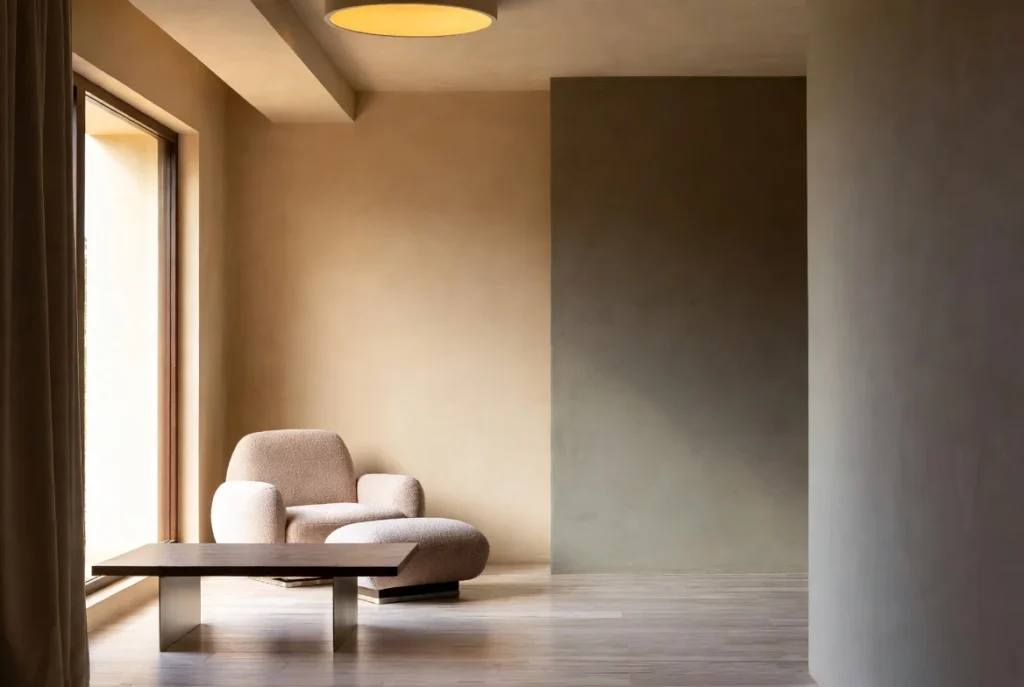
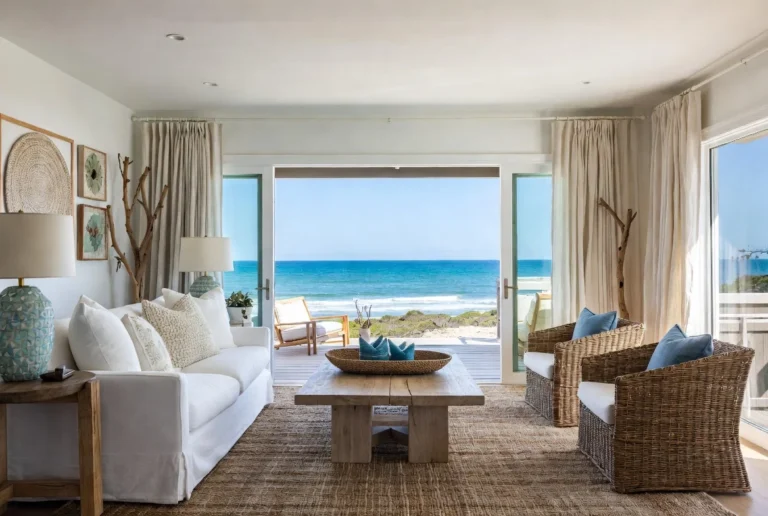
Neutral foundations in warm grays, soft beiges, creamy whites, and gentle taupes create serene backdrops that feel timelessly elegant while allowing furniture and accessories to shine. These sophisticated palettes provide psychological calm essential for genuine relaxation while their versatility accommodates evolving tastes without requiring complete redesigns. Add depth through tonal variation rather than monotone uniformity, incorporating multiple shades within your neutral family. This approach delivers cozy atmospheres while maintaining the clean aesthetic defining modern homes.
Incorporate Living Plants and Greenery
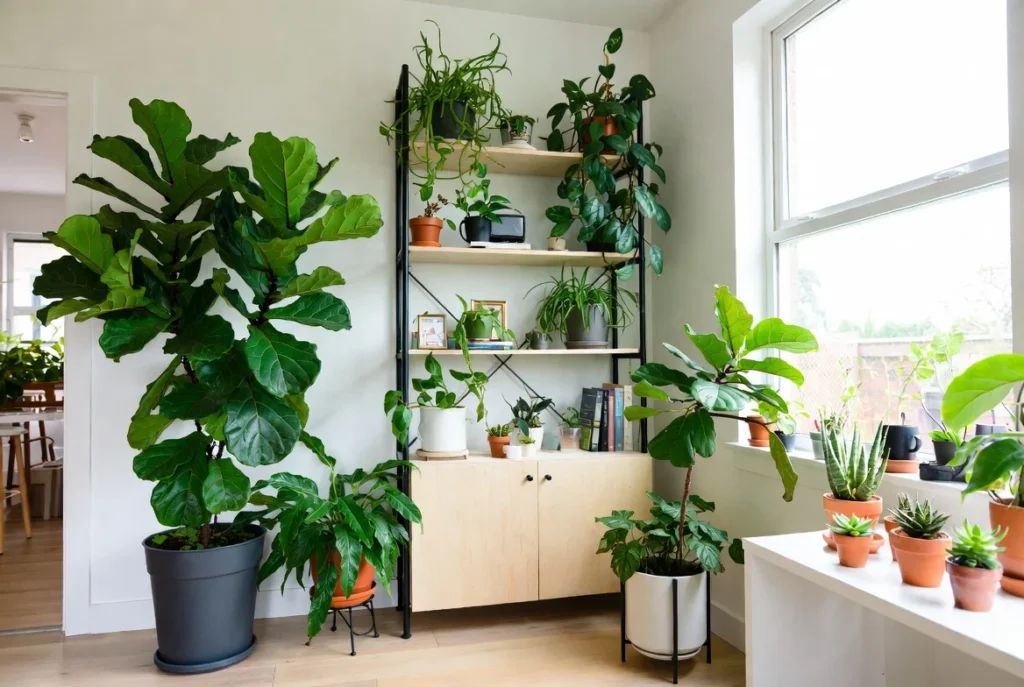
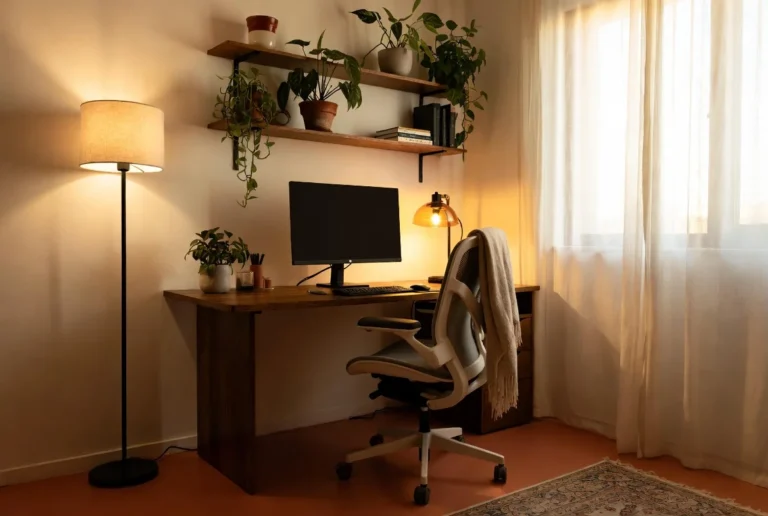
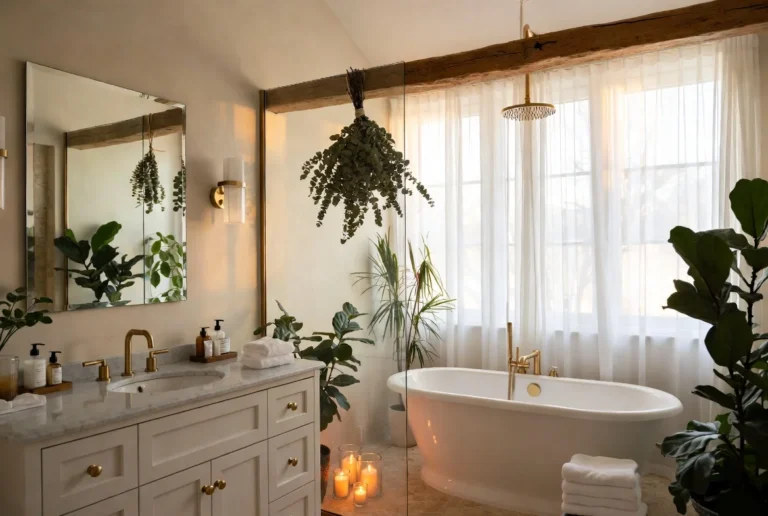
Indoor plants bring organic life and air-purifying benefits while softening hard architectural lines and furniture edges. Large floor plants like fiddle-leaf figs or rubber trees create dramatic vertical statements, medium plants on shelving add lush collections, and small succulents on tables provide living accents. This biophilic connection improves wellbeing while the natural elements add the irreplaceable beauty of living things. Botanical touches prove that modern spaces benefit from nature’s imperfection breaking up geometric precision.
Add Plush Throw Pillows and Blankets
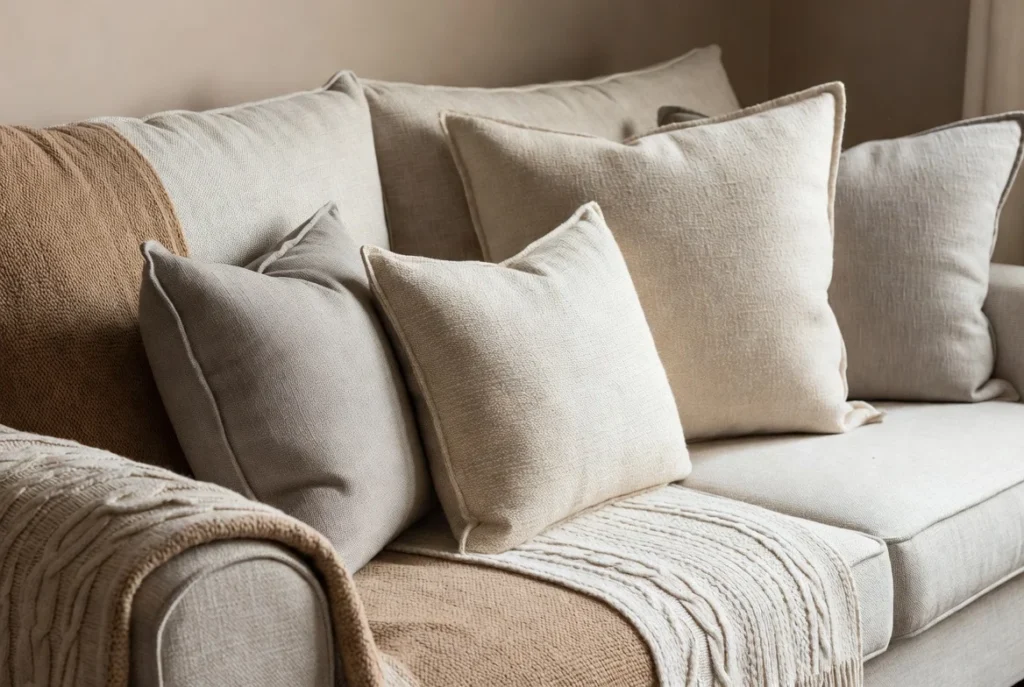
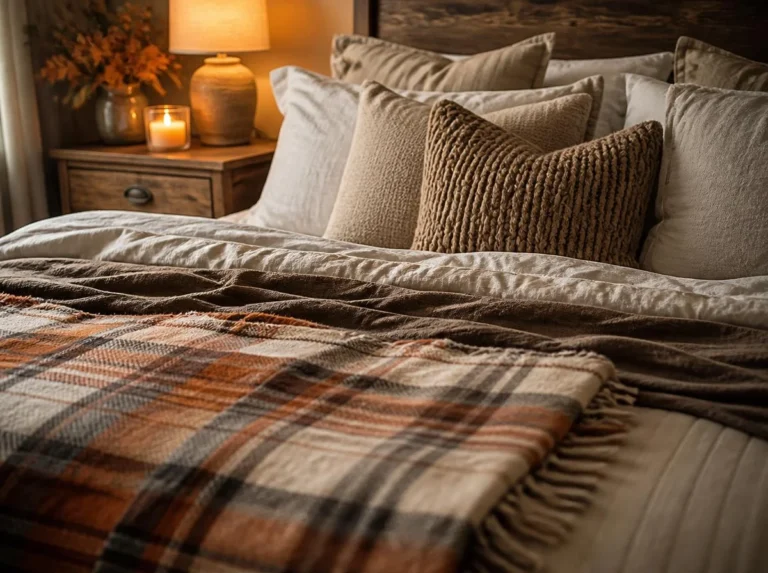
Soft textiles through decorative pillows and cozy throws transform hard seating into inviting lounging areas while adding color, pattern, and texture. Layer multiple pillows in varying sizes mixing solid colors with subtle patterns, and drape knit or woven blankets over furniture arms or backs for accessible warmth. These comfort layers make modern furniture genuinely usable while their strategic placement adds visual softness preventing stark, unwelcoming aesthetics. Choose quality materials that feel as good as they look.
Design Layered Ambient Lighting
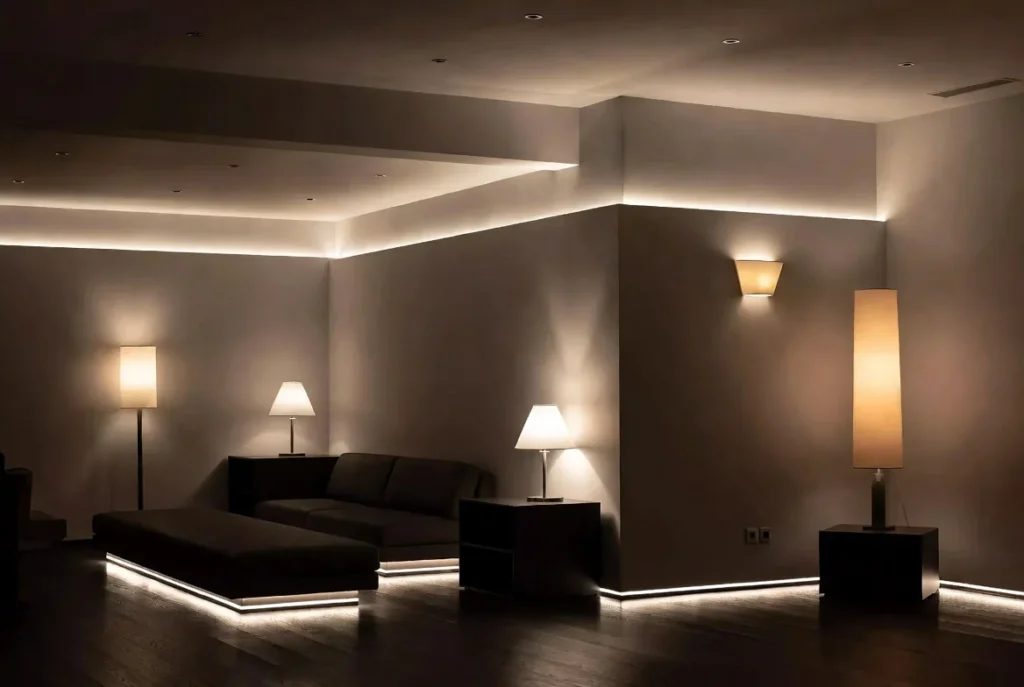
Lighting design combining multiple sources at varying heights creates flexible illumination adapting to different needs and moods throughout days. Install dimmer switches on overhead fixtures, add table and floor lamps with warm bulbs, incorporate wall sconces, and consider LED strips beneath floating furniture or inside glass cabinets. This layered approach allows transitioning from bright task lighting to soft atmospheric glow, proving that proper ambient lighting dramatically impacts how cozy spaces feel and function beyond mere visibility.
Incorporate Natural Wood Elements
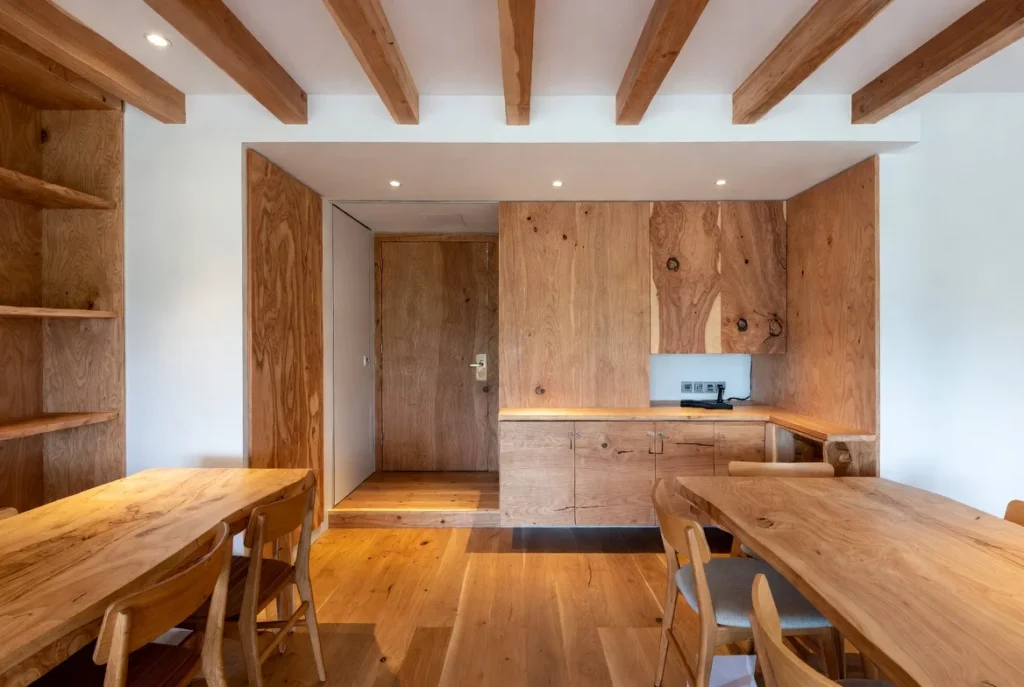
Wood accents in furniture, flooring, or architectural details bring organic warmth preventing modern interiors from feeling cold or clinical. Natural wood grain patterns add visual interest while varied tones from light oak to rich walnut provide options suiting different aesthetics. This natural material ages beautifully, developing character over time rather than merely wearing out. Environmental psychologists confirm that wood elements reduce stress and promote relaxation, making them essential rather than optional in contemporary homes seeking genuine livability.
Create Gallery Walls with Personal Art
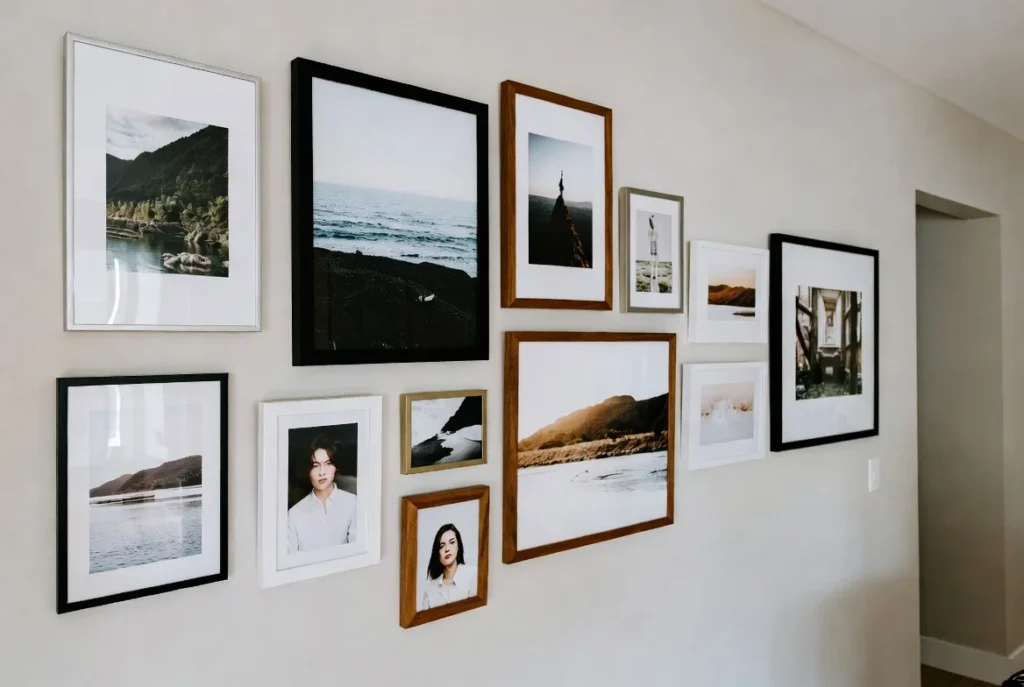
Curated art displays transform blank walls into storytelling surfaces reflecting your experiences and aesthetic preferences. Mix framed photographs, meaningful prints, and collected artwork in arrangements maintaining consistent elements like coordinating frames or unified color schemes. This personal expression prevents modern homes from feeling generic while the thoughtful curation demonstrates design sophistication. Group items in odd numbers for visual balance, vary sizes for interest, and give pieces room to breathe rather than crowding walls edge to edge.
Select Comfortable Statement Furniture
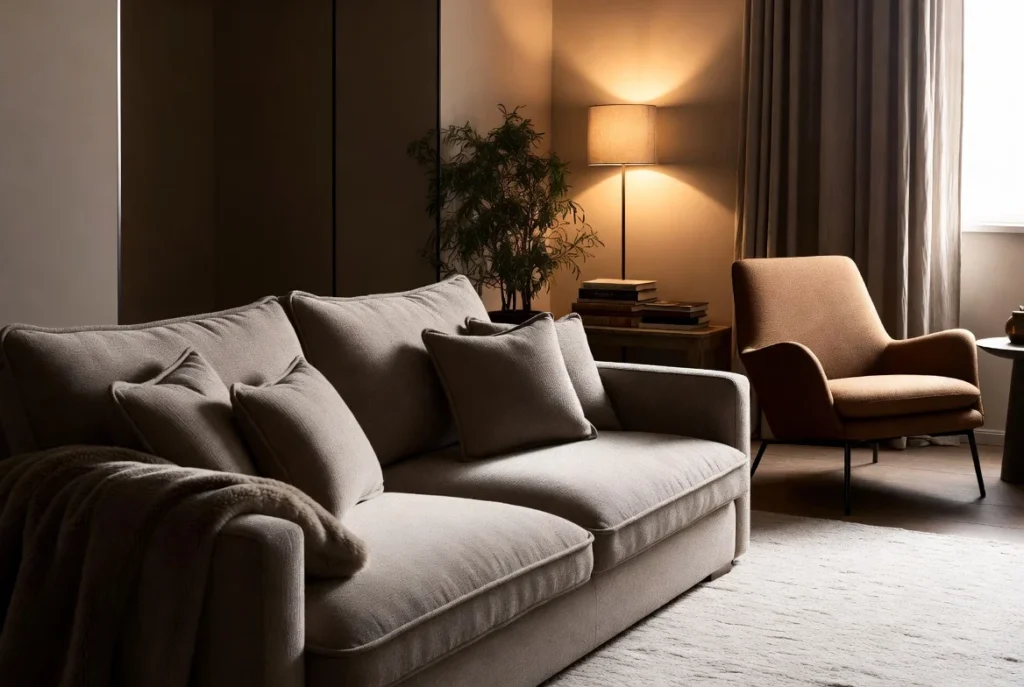
Quality seating that prioritizes genuine comfort alongside visual appeal proves essential for homes serving real living rather than mere showcasing. Choose deep sofas with plush cushions, supportive accent chairs, and cozy reading nooks that invite actual use. Statement pieces with distinctive silhouettes or rich upholstery anchor spaces while their substantial comfort ensures they get used rather than merely admired. This balance between aesthetic impact and functional comfort defines successful modern home decor.
Add Soft Area Rugs
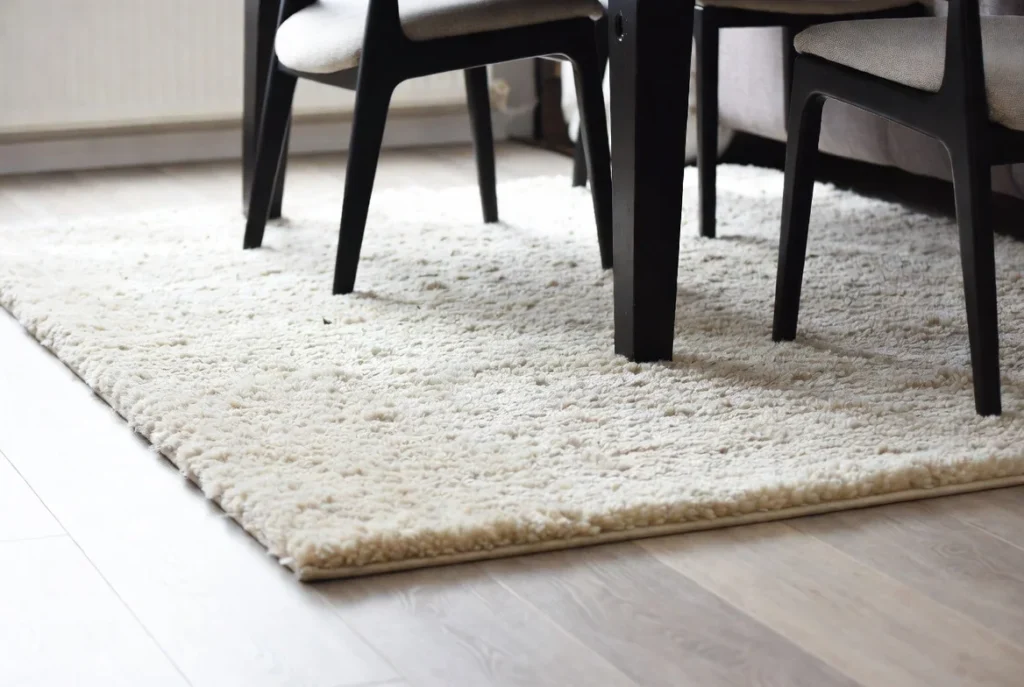
Area rugs in natural fibers, plush wool, or soft synthetics define spaces while adding warmth, sound absorption, and comfort underfoot. Choose rugs large enough for furniture legs to rest on them, creating cohesive zones rather than small rugs floating awkwardly in room centers. Neutral patterns or subtle textures suit contemporary aesthetics while the soft surfaces invite bare feet and make hard flooring feel more welcoming. This foundational element grounds furniture arrangements while demonstrating attention to tactile comfort.
Display Meaningful Personal Collections
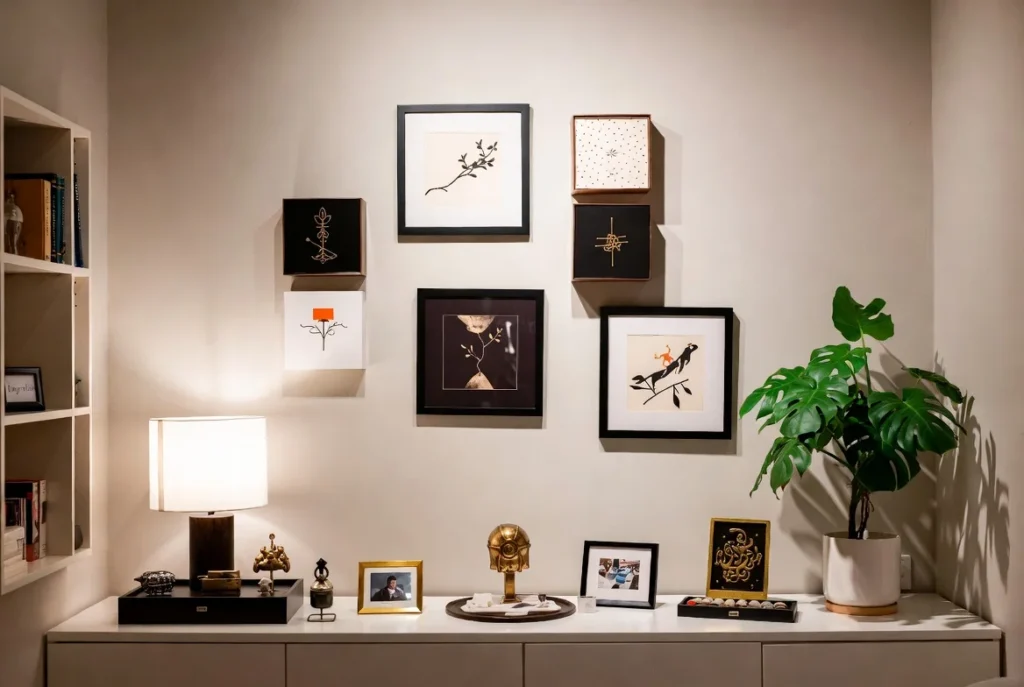
Curated displays of treasured objects, travel souvenirs, or family heirlooms inject authentic personality impossible with all-new furnishings purchased as sets. Group meaningful items on shelves, in glass cabinets, or on console tables, creating intentional vignettes rather than random clutter. These personal touches tell your story while their unique character ensures your home feels distinctly yours rather than resembling generic showrooms. Edit ruthlessly, displaying only items genuinely meaningful or aesthetically beautiful.
Incorporate Warm Metallic Accents
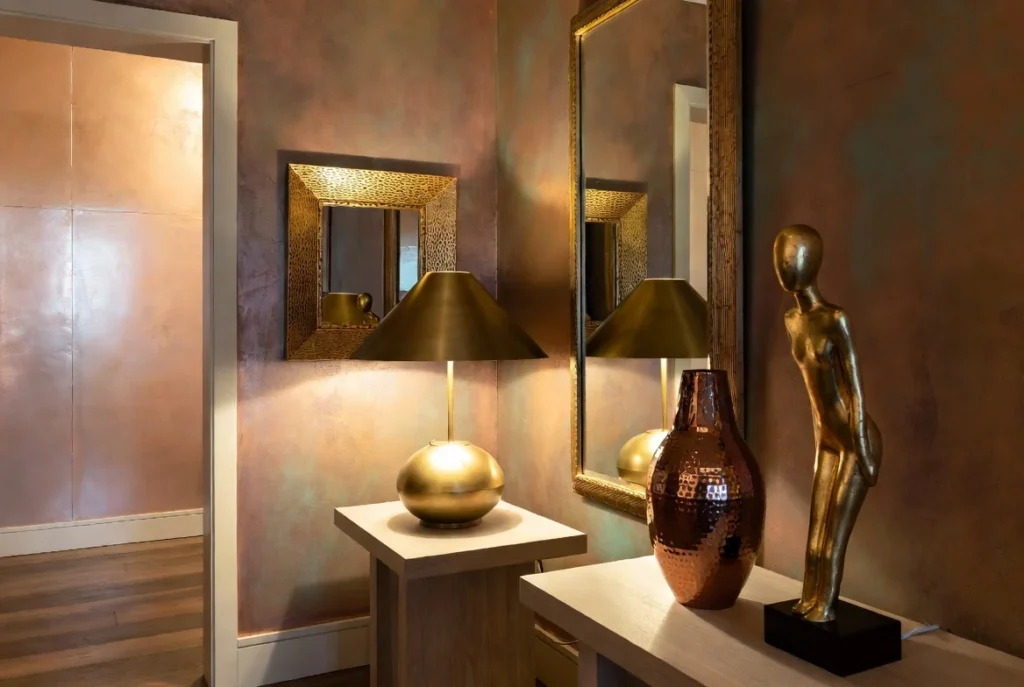
Brass, copper, or gold finishes in hardware, lighting, or accessories add warm sparkle elevating modern spaces without cold shininess of chrome or steel. These metallic touches catch and reflect light while their warm tones complement most color schemes. Mix finishes thoughtfully rather than matching everything, combining brass lamps with gold-framed mirrors for sophisticated variety. This strategic sparkle prevents all-neutral schemes from feeling flat while maintaining the refined quality defining contemporary interiors.
Use Scented Candles for Ambiance
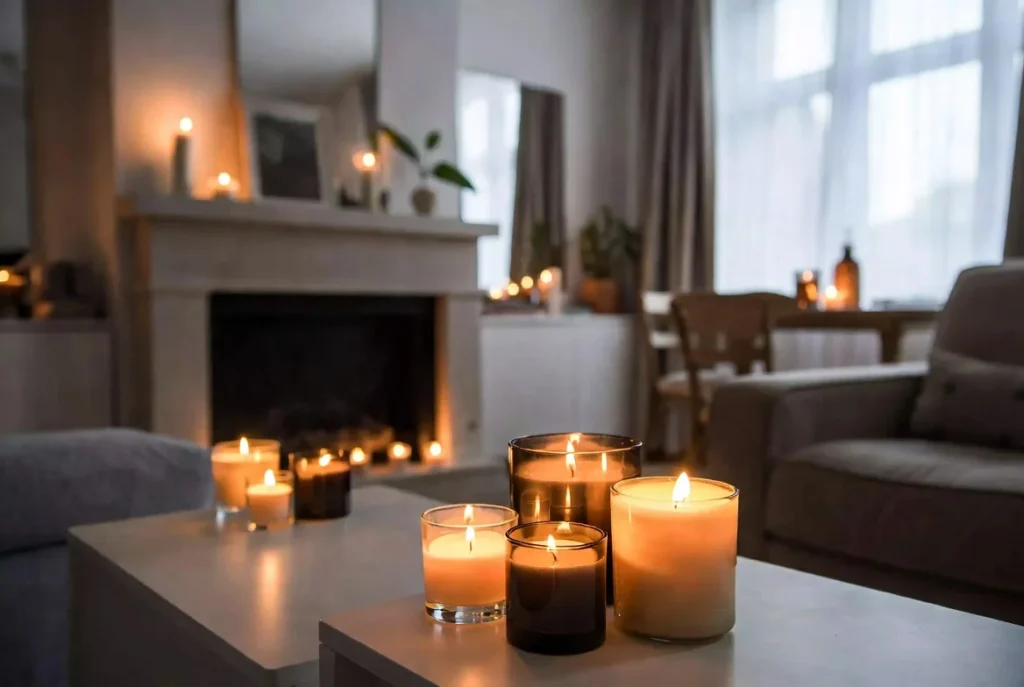
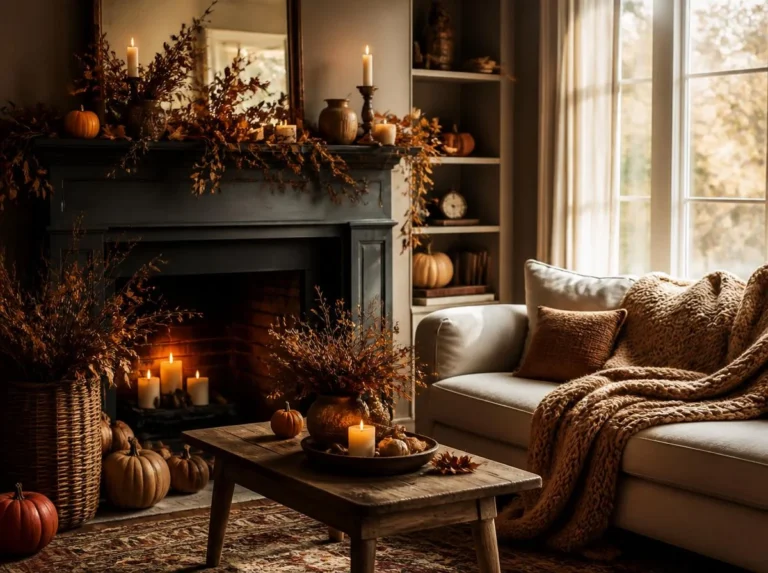
Candles provide soft flickering light and pleasant scents engaging multiple senses simultaneously. Group candles at varying heights on coffee tables, mantels, or dining tables, choosing neutral vessels in glass, ceramic, or metal suiting modern aesthetics. Seasonal scents from fresh florals to warm spices add temporal variety while the gentle illumination creates intimate atmospheres electric lights cannot replicate. This sensory layer proves that cozy homes engage all senses, not merely sight.
Create Functional Storage Solutions
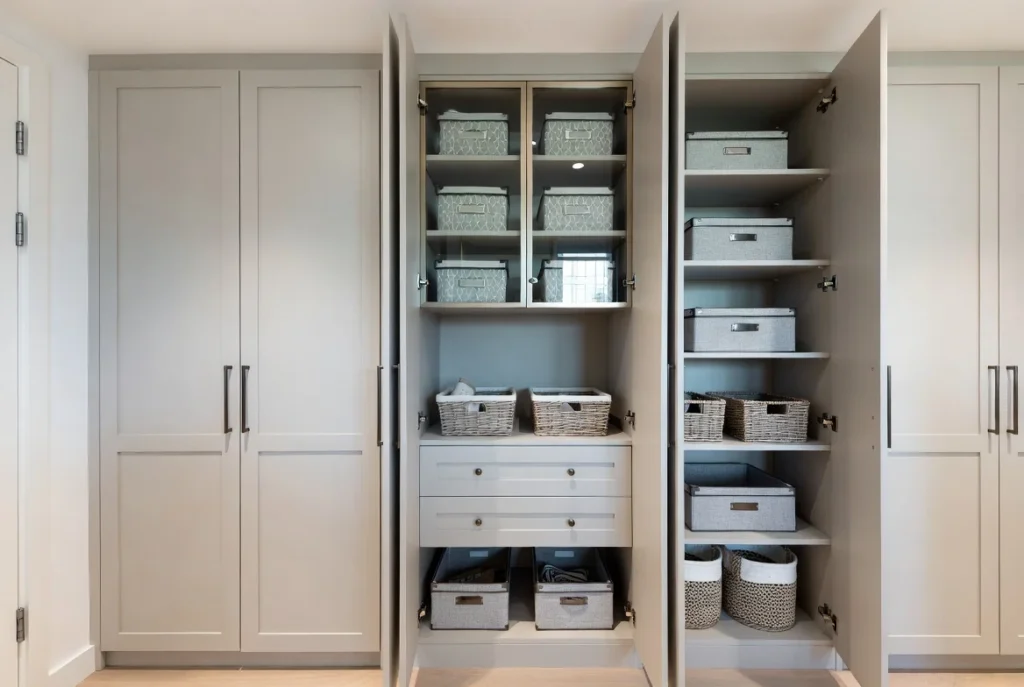
Hidden storage through built-in cabinets, stylish baskets, and decorative boxes maintains the clutter-free surfaces essential to modern design while accommodating real-life belongings. Organizational systems concealing everyday necessities prevent visual chaos undermining even beautiful decor while proving that elegant homes require infrastructure supporting actual living. Choose storage pieces doubling as decor through attractive materials and finishes, making organization beautiful rather than merely functional.
Add Cozy Window Treatments
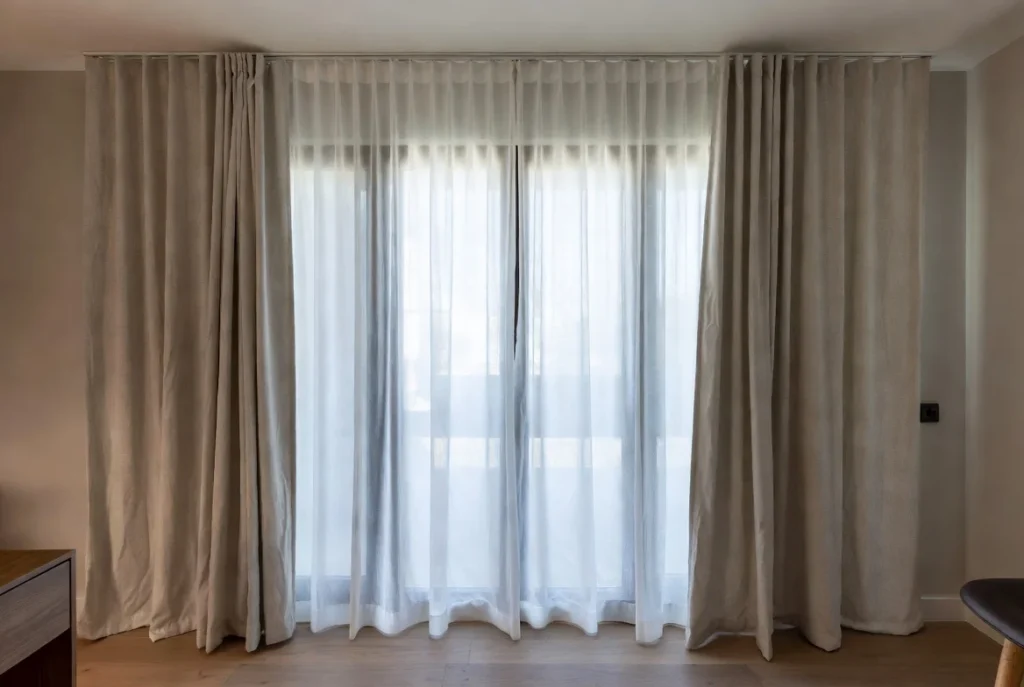
Soft curtains or layered window coverings add warmth and texture while controlling light and privacy. Choose floor-to-ceiling panels in linen, cotton, or velvet creating vertical drama, or layer sheer underlayers with heavier drapes for flexibility. These textile elements soften hard architectural lines while their substantial presence adds the cozy quality that bare windows or stark blinds cannot provide. Mount curtain rods high and wide to maximize apparent window size and ceiling height.
Mix Modern and Vintage Pieces
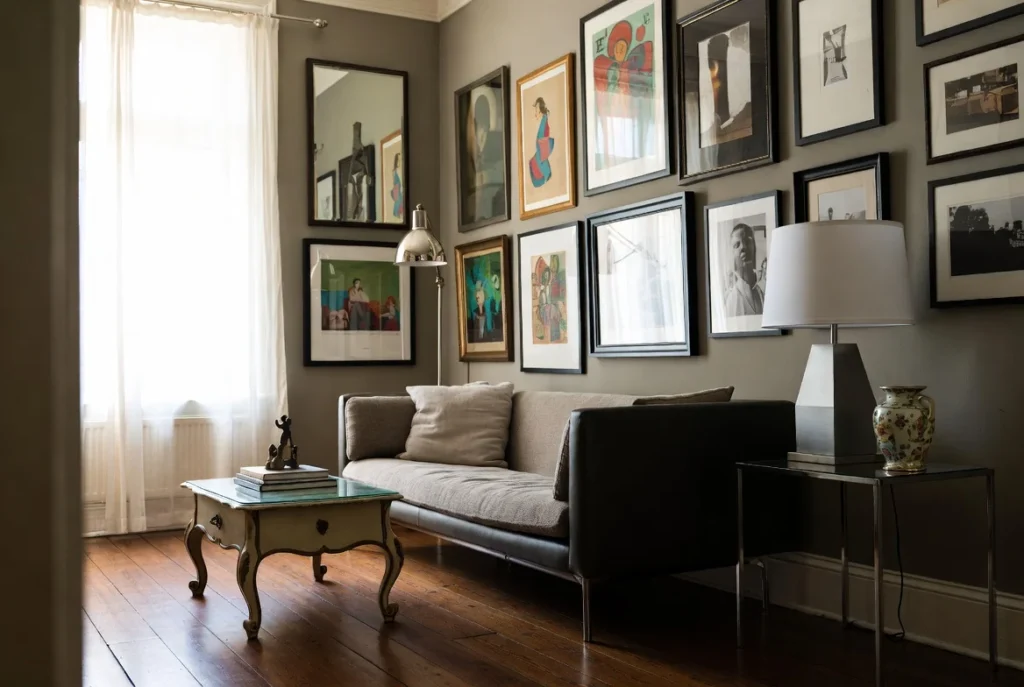
Eclectic combinations of contemporary furniture with vintage finds or antique accessories create collected-over-time aesthetics with genuine character. Pair a modern sofa with a vintage coffee table, combine contemporary art with heirloom mirrors, or blend new lighting with antique furniture. This intentional mixing prevents the sterile uniformity of all-new furnishings while honoring personal history and demonstrating confident design choices transcending rigid style rules.
Incorporate Soft Overhead Lighting
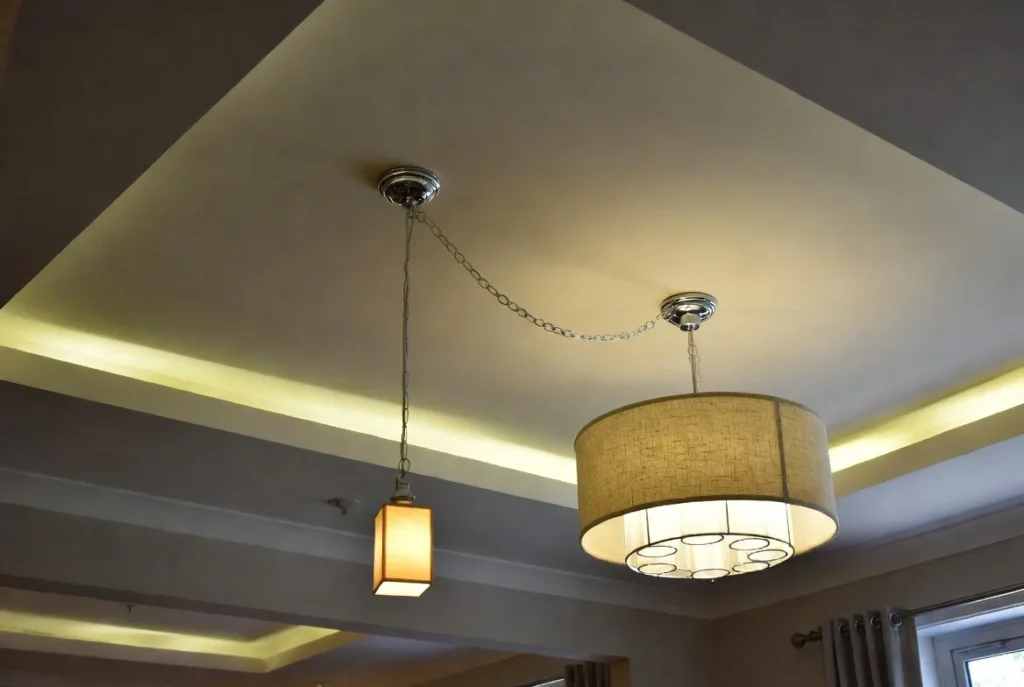
Replace harsh overhead fixtures with softer alternatives or add fabric shades diffusing light gently throughout spaces. Pendant lights with warm-toned shades, drum chandeliers with linen diffusers, or flush-mount fixtures with frosted glass create ambient glow rather than stark illumination. This lighting upgrade dramatically improves how rooms feel while the softer quality flatters spaces and occupants alike, proving that overhead lighting need not be harsh or cold in modern homes.
Design Conversation-Friendly Layouts
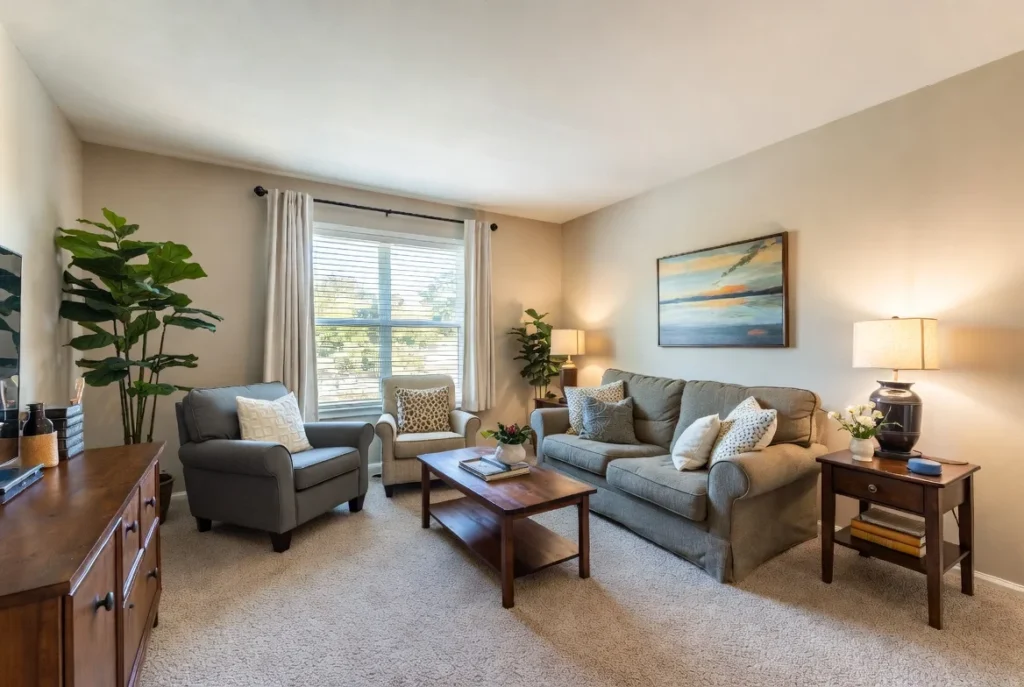
Furniture arrangements facilitating comfortable interaction create welcoming atmospheres encouraging genuine use. Position seating facing each other at conversation-friendly distances, orient furniture toward natural focal points like fireplaces or windows rather than just televisions, and ensure clear pathways allowing easy movement. This thoughtful spatial planning makes homes feel purposefully designed for living rather than merely decorated for appearance, balancing aesthetic beauty with functional comfort.
Add Fresh Flowers and Natural Elements
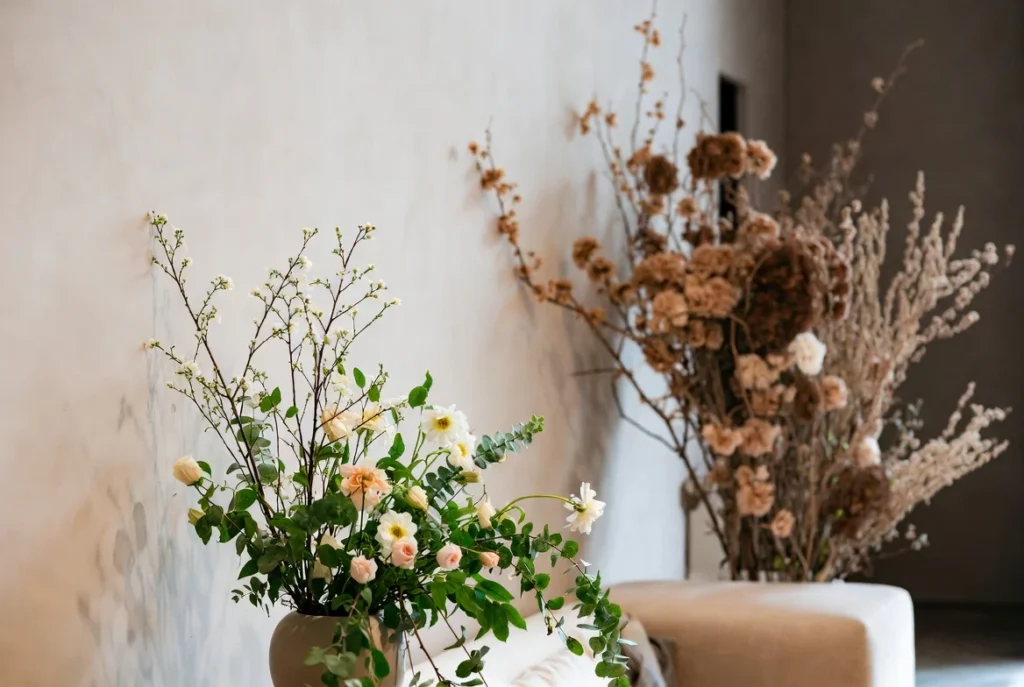
Fresh flowers, dried branches, or natural seasonal displays bring changing beauty and organic imperfection to modern interiors. Simple arrangements in neutral vases suit contemporary aesthetics while their natural forms soften geometric spaces. Seasonal rotation keeps displays fresh without requiring permanent decor investments while the connection to nature’s cycles grounds homes in rhythms beyond manufactured trends. This living beauty proves that stylish spaces benefit from elements that age, change, and eventually require replacement rather than remaining static indefinitely.
Conclusion
Creating a modern home that feels genuinely cozy and stylish requires understanding that exceptional decor emerges from balancing clean contemporary aesthetics with warm comfortable elements that make spaces livable rather than merely photogenic. The 18 ideas presented throughout this guide prove that successful home design combines textural variety, warm materials, thoughtful lighting, and personal touches creating environments that both impress visually and support genuine daily living.
The most valuable insight to carry forward is that your home decor should evolve with you, reflecting current needs and aesthetic preferences while maintaining flexibility for future changes. Layered textures add warmth, neutral palettes provide foundations, ambient lighting creates atmosphere, and personal collections inject authentic character. Each element works synergistically, building toward spaces that feel both sophisticated and genuinely welcoming.
Begin your transformation by identifying which ideas resonate most with your current space and style. Perhaps you start by layering throw pillows, adding indoor plants, or upgrading your lighting design. These foundational changes create momentum while proving that your home holds remarkable potential to become the cozy, stylish sanctuary you envision.
Your modern home awaits, one proving that contemporary design and genuine comfort are not opposing forces but complementary elements that, when thoughtfully combined, create spaces you genuinely love inhabiting every single day.
Frequently Asked Questions
How can I make my modern home feel cozy without sacrificing style?
Make modern spaces cozy by layering multiple textures through throw pillows, blankets, and area rugs in warm materials like velvet, bouclé, and wool. Add warmth through wood elements, soft lighting with dimmers, and living plants that soften hard edges. Choose warm neutral color palettes instead of stark whites, incorporate personal touches through meaningful artwork and collections, and select comfortable furniture that looks sculptural but feels genuinely plush. The key is balancing clean lines with soft textiles and natural materials that add warmth without creating visual clutter or compromising the sleek aesthetic defining modern design.
What colors make a home feel warm and inviting?
The warmest, most inviting colors include soft neutrals like warm grays, creamy whites, beiges, and taupes as foundational shades. Add depth with earthy tones including terracotta, warm browns, sage greens, and muted blues. For accents, consider warm metallics like brass and gold, soft pastels, or rich jewel tones in small doses. Avoid stark cool whites, icy grays, or overly bright colors that can feel harsh. The goal is creating tonal depth within warm color families rather than using single flat shades, allowing layered neutrals with strategic warm accents to build dimensional, welcoming atmospheres.
How do I decorate my home on a budget?
Decorate affordably by prioritizing high-impact, low-cost changes like adding throw pillows and blankets, rearranging existing furniture for better flow, and creating gallery walls with printed photos in inexpensive frames. Invest in a few quality pieces like good lighting or one statement furniture item rather than buying everything mediocre. Shop secondhand for unique vintage finds, use plants as free-growing decor, and paint walls for dramatic transformation costing under two hundred dollars. Focus on textiles, lighting, and rearrangement before purchasing new furniture. Strategic small updates often deliver greater impact than complete expensive overhauls.
What are the biggest home decor mistakes to avoid?
Common decorating mistakes include choosing furniture too large or too small for spaces, pushing all furniture against walls instead of creating conversation groupings, neglecting proper lighting beyond single overhead fixtures, using area rugs too small for spaces, and cluttering surfaces with too many decorative items. Avoid matchy-matchy furniture sets purchased together, stark single-color schemes without textural variety, ignoring window treatments, and decorating without considering actual room usage. The biggest mistake is prioritizing appearance over function, creating rooms that look styled but feel unwelcoming or impractical for daily living.
How often should I update my home decor?
Rather than complete overhauls, rotate seasonal accessories like throw pillow covers, candles, and floral arrangements quarterly for freshness without major expense. Evaluate larger purchases like furniture and rugs every five to seven years, replacing as they wear or your needs change. Update paint colors every seven to ten years or when they feel dated. The goal is maintaining spaces that feel current and personal rather than rigidly following trends. Invest in quality timeless pieces for foundational elements while allowing flexibility in easily changed accessories. This balanced approach keeps homes feeling fresh without constant expensive updates or wasteful replacement of perfectly functional items.
You May Also Like This Post:
20 Grown Woman Bedroom Ideas for a Classy, Cozy, and Elegant Space
One Comment