
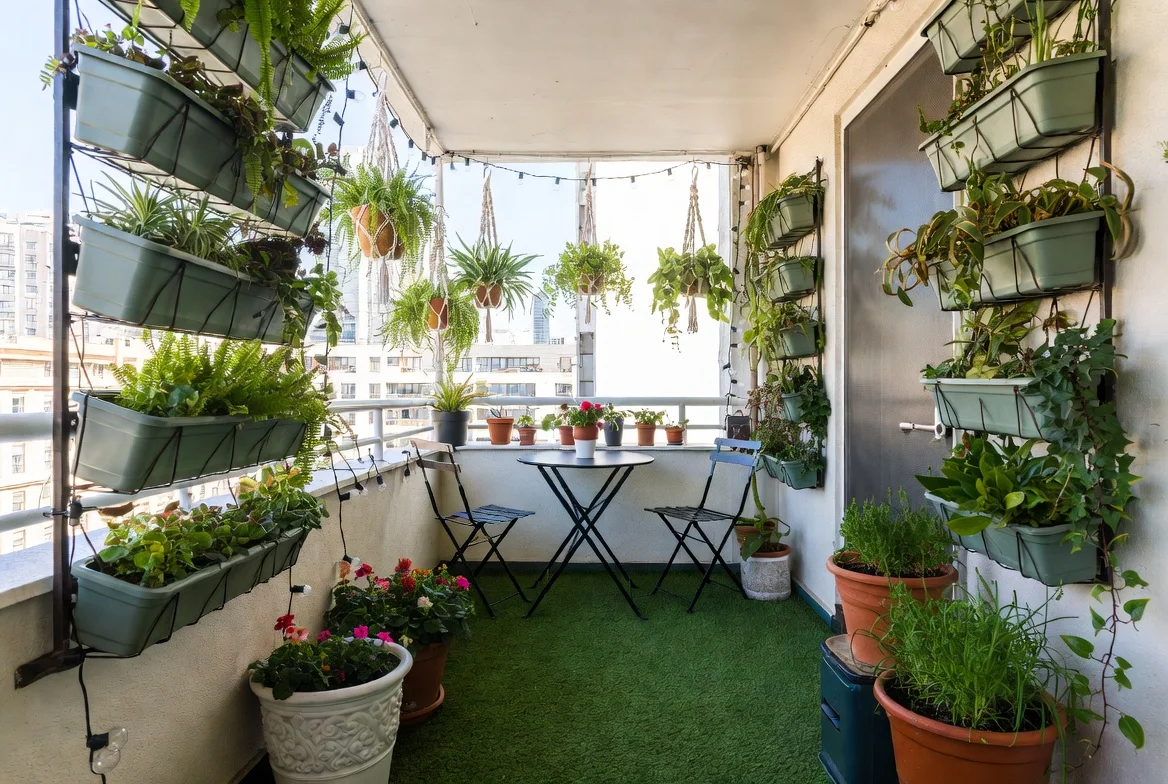
20 Small Balcony Garden Ideas to Create a Beautiful, Cozy, and Stylish Outdoor Space
Your small balcony holds far more potential than serving as outdoor storage or a forgotten corner collecting dust and dead plants. Research from environmental psychology reveals that access to even modest outdoor spaces significantly improves mental wellbeing, with studies showing that spending just 20 minutes in natural settings reduces stress hormones by up to 21 percent. Yet most apartment dwellers resign themselves to cramped, underutilized balconies, believing that limited square footage prevents creating genuinely enjoyable outdoor retreats.
The truth is that exceptional small balcony design relies less on square footage and more on smart space planning, vertical solutions, and thoughtful plant selections that transform even the tiniest outdoor areas into functional, beautiful extensions of living spaces. The most successful balcony gardens maximize every inch through multi-functional furniture, hanging planters, and strategic layouts that balance growing space with comfortable seating, proving that size limitations inspire creativity rather than defeat ambitions.
This comprehensive guide presents 20 proven small balcony ideas that transform cramped outdoor spaces into beautiful, cozy, and stylish gardens. From foundational strategies like vertical gardening and space-saving furniture to finishing touches involving ambient lighting and privacy screens, these techniques will help you create the outdoor oasis you deserve regardless of your balcony’s dimensions.
Maximize Space with Vertical Garden Walls
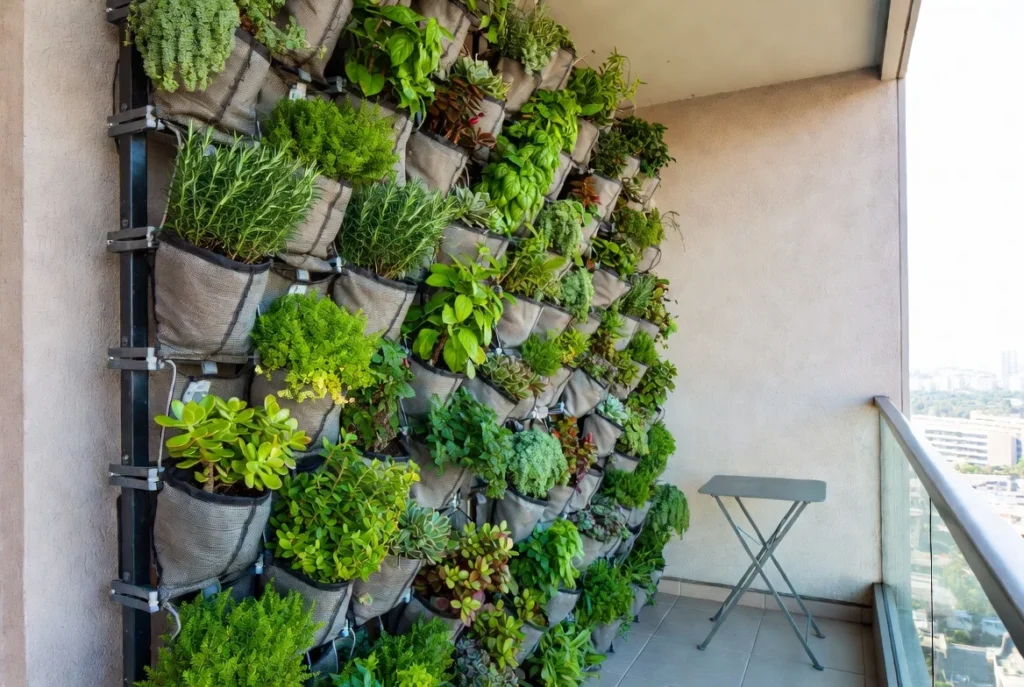
Vertical gardening represents the most effective strategy for small balconies, transforming blank walls into lush living gardens without consuming precious floor space. Install wall-mounted planters, pocket gardens, or modular vertical systems that stack plants upward rather than outward. Herbs, succulents, and trailing plants like pothos or string of pearls thrive in vertical arrangements while creating dramatic green walls. This space-saving solution can increase your planting area by 300 to 400 percent compared to floor-based containers alone.
Install Hanging Planters at Multiple Heights
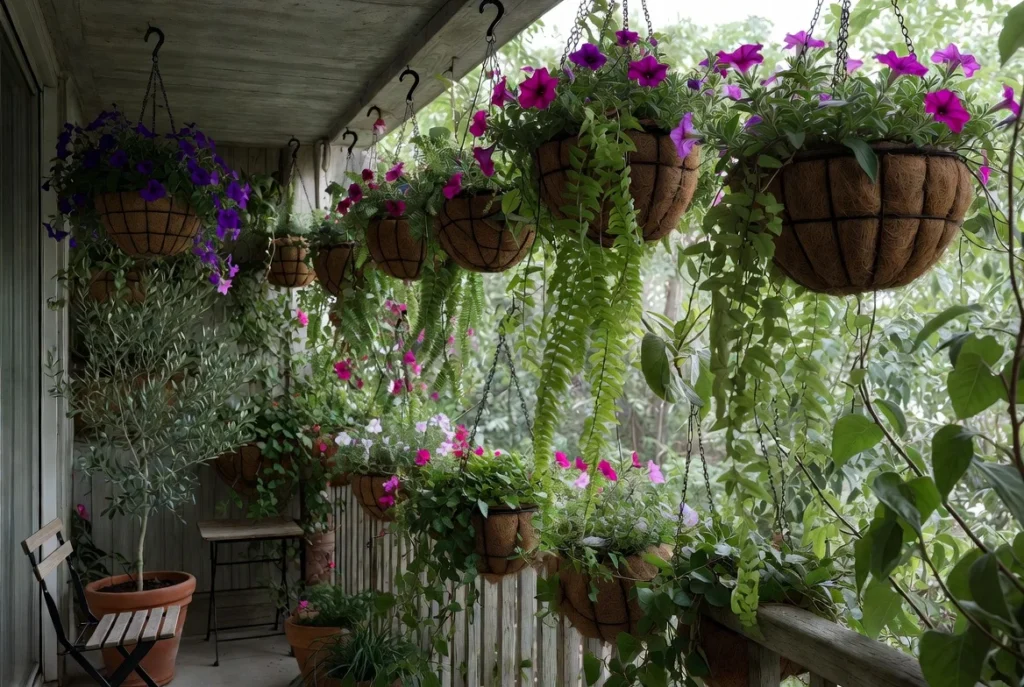
Hanging baskets and suspended planters utilize overhead space often completely wasted in small balconies. Hang planters from ceiling hooks, balcony railings, or overhead beams at varying heights to create dimensional interest. Trailing plants like ivy, ferns, and petunias look particularly stunning cascading from elevated positions. This layered planting approach adds visual depth while keeping floors clear for furniture and movement, making spaces feel larger rather than cluttered.
Choose Compact Folding Furniture
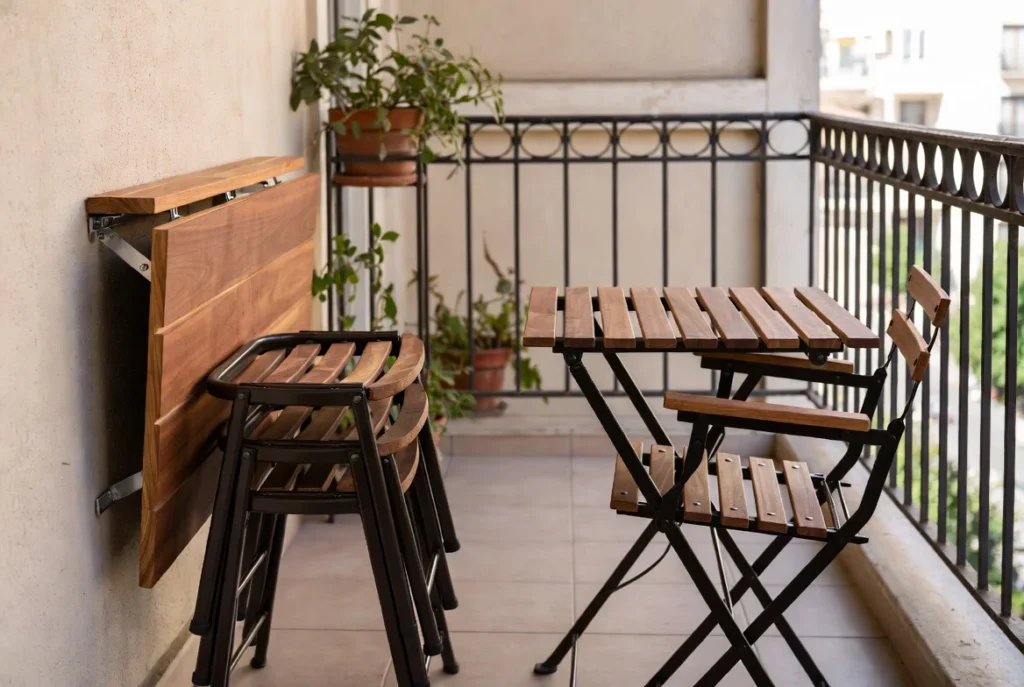
Space-saving furniture that folds or collapses when not needed proves essential for tiny balconies serving multiple purposes. Bistro sets with folding chairs and collapsible tables provide dining areas that disappear when you need floor space for other activities. Wall-mounted drop-leaf tables fold flat against walls, while stackable stools tuck away in corners. This flexible furniture allows your balcony to transform from garden workspace to outdoor dining to open relaxation area depending on immediate needs.
Create Privacy with Climbing Plants
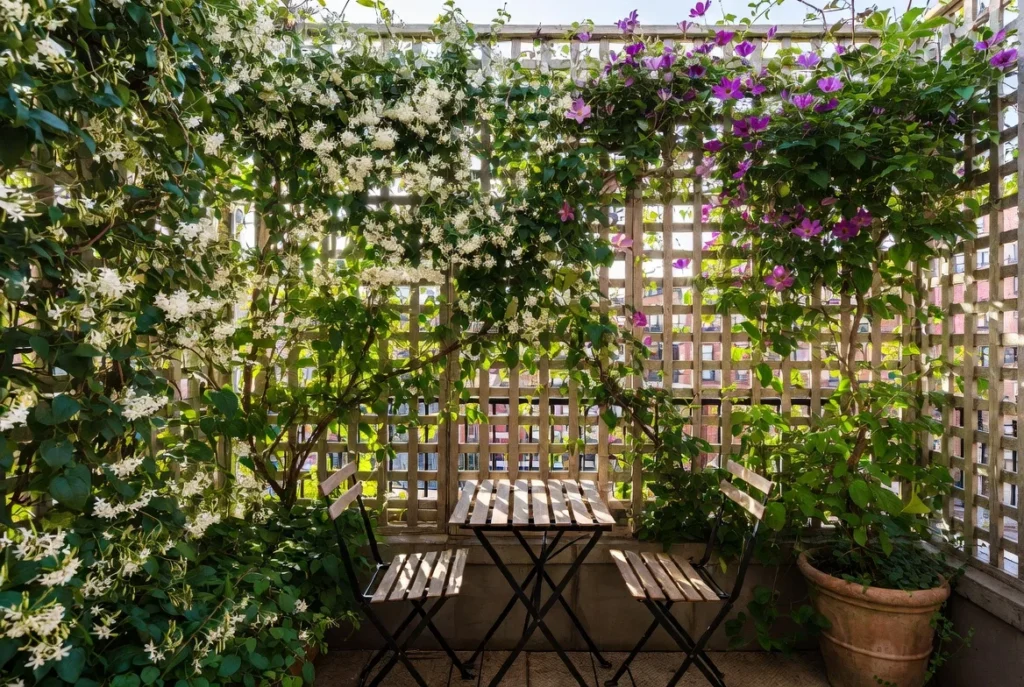
Privacy screens made from climbing vines and trellis systems block unwanted views while adding lush greenery. Train jasmine, clematis, or climbing roses up vertical trellises attached to railings or walls, creating natural barriers that smell wonderful and attract pollinators. Bamboo screens or lattice panels provide immediate privacy while plants establish, offering year-round coverage. This living privacy solution feels more organic and beautiful than solid barriers while improving air quality.
Utilize Railing Planters for Herbs
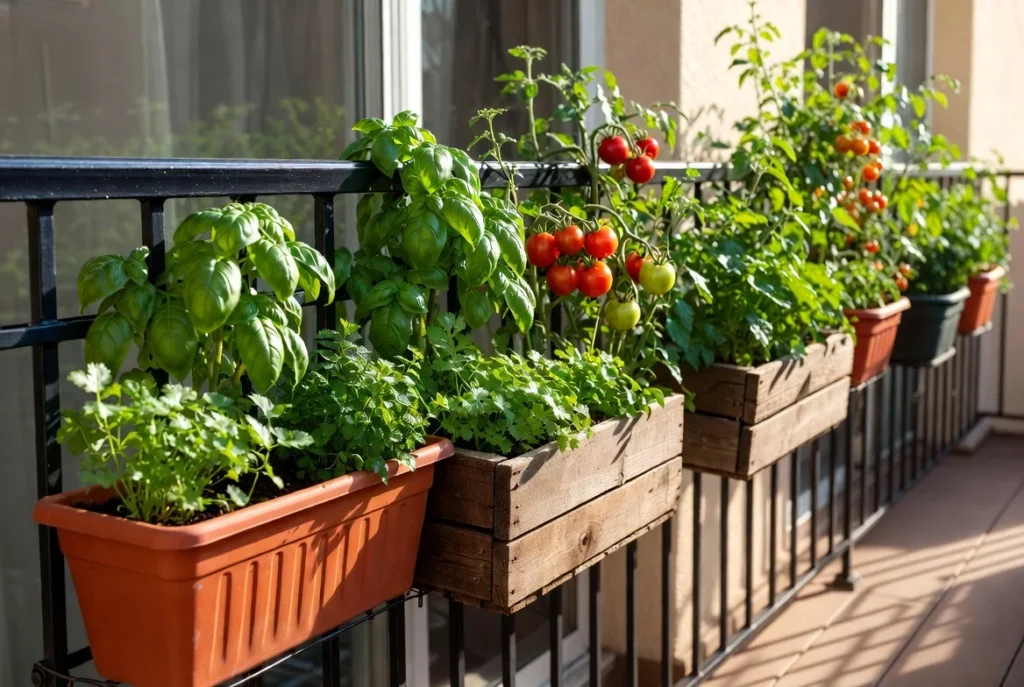
Balcony railing planters attach directly to railings without consuming any floor space, perfect for growing fresh herbs and compact vegetables. Plant basil, mint, cilantro, cherry tomatoes, and lettuce in railing boxes positioned to receive adequate sunlight. These space-efficient planters keep edibles within easy reach of your kitchen while their elevated position often provides better drainage and air circulation than ground-level containers.
Layer Outdoor Rugs for Comfort
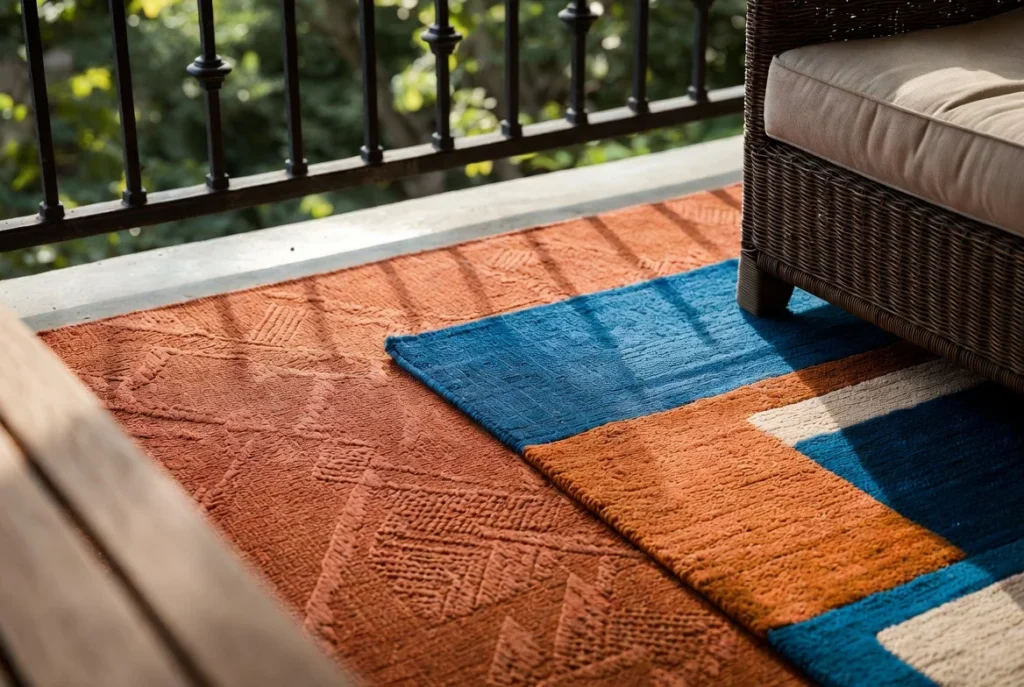
Outdoor rugs define seating areas while adding color, pattern, and comfort underfoot. Choose weather-resistant materials designed for outdoor use that withstand moisture and UV exposure. Rugs make cold concrete or worn wooden floors feel more inviting while visually expanding spaces through pattern and color. Layering smaller rugs creates custom shapes fitting unusual balcony dimensions while adding visual interest impossible with single large rugs.
Add String Lights for Ambiance
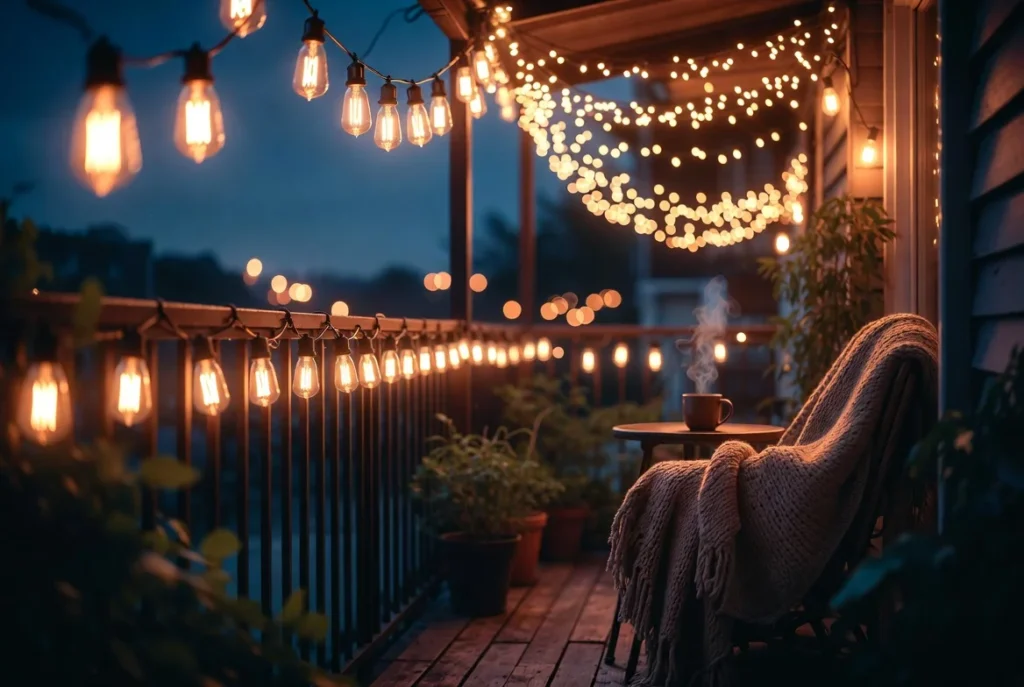
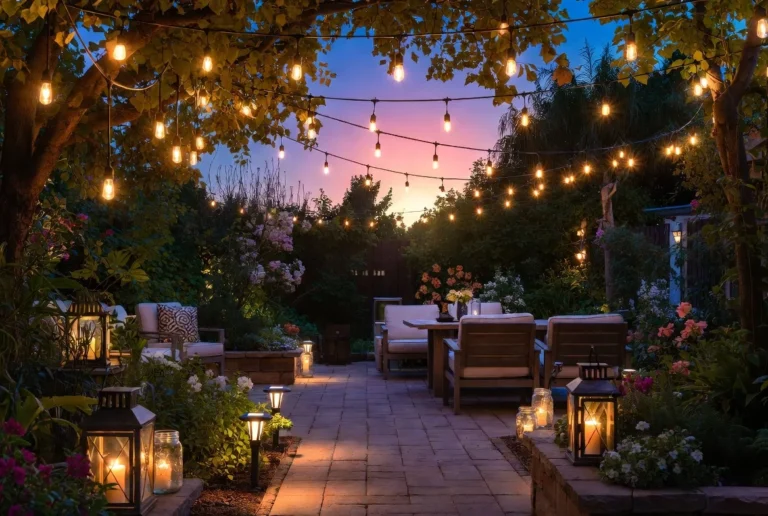
Ambient lighting transforms small balconies into magical evening retreats. String lights or fairy lights draped along railings, overhead, or woven through plants create warm glowing atmospheres extending balcony usability into nighttime hours. Solar-powered options eliminate wiring concerns while LED bulbs provide energy efficiency. This simple lighting upgrade delivers dramatic impact on mood and usability for minimal investment.
Incorporate Multi-Functional Storage Benches
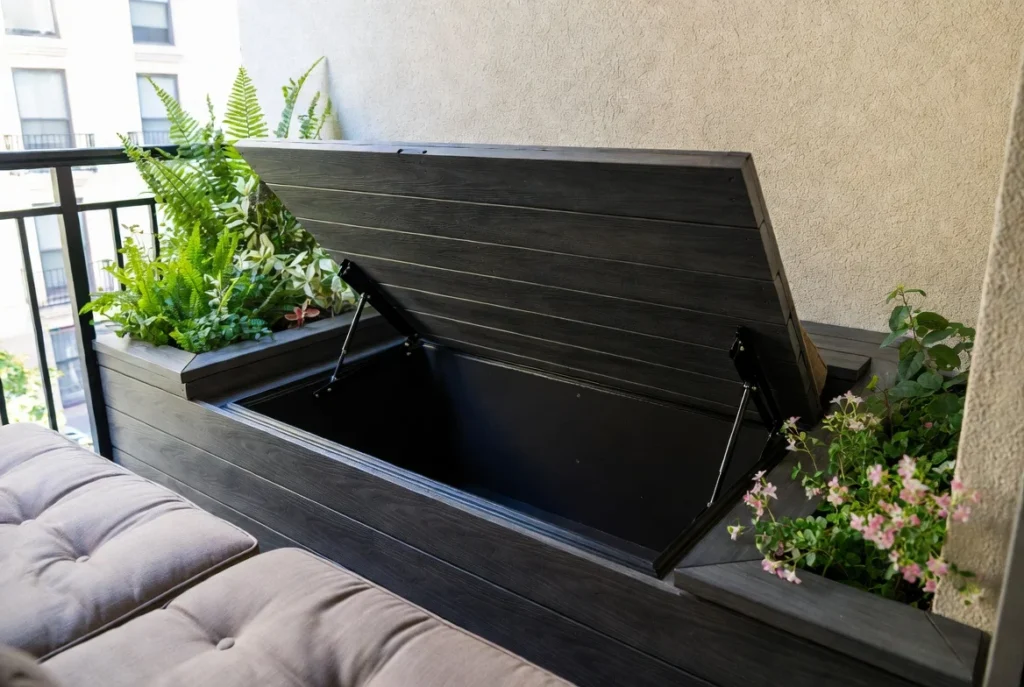
Storage benches serve triple duty as seating, storage, and sometimes planting surfaces on space-constrained balconies. Choose weather-resistant benches with lift-up seats hiding gardening supplies, cushions, or outdoor accessories. Some designs feature built-in planters along backrests, combining storage with greenery. This multi-functional furniture eliminates the need for separate storage units that consume valuable square footage.
Plant Compact Dwarf Varieties
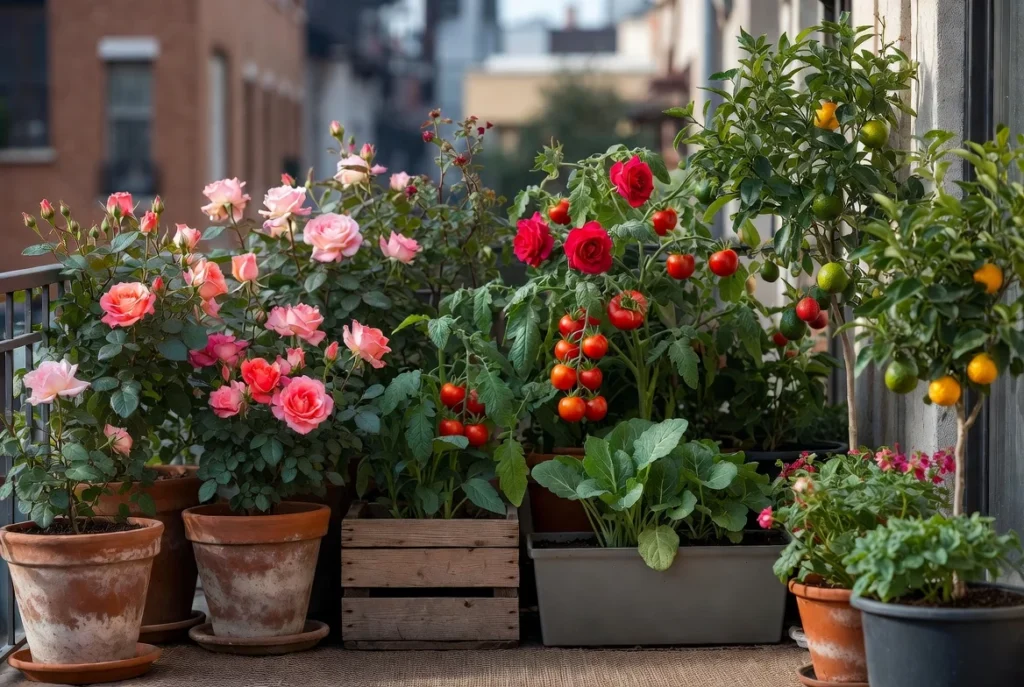
Dwarf plant varieties and compact cultivars provide full-size beauty in fraction-size packages perfect for container gardens. Dwarf fruit trees, miniature roses, and compact vegetables bred specifically for small space gardening deliver impressive yields without overwhelming tiny balconies. These space-conscious plants allow diverse garden collections without the sprawl of traditional varieties, proving that small spaces need not limit horticultural ambitions.
Create Themed Container Gardens
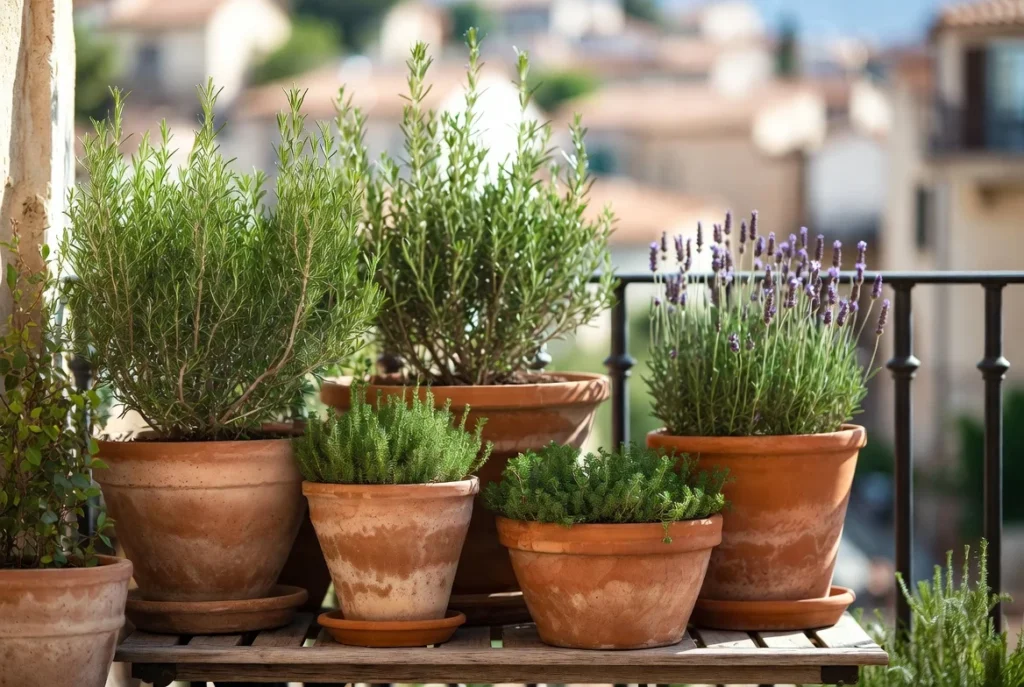
Container groupings organized by theme create cohesive, intentional looks more impactful than random plant collections. Design a Mediterranean herb garden with rosemary, thyme, and lavender, or create a pollinator garden featuring bee balm and butterfly bushes. Succulent collections in matching pots or cottage garden groupings with cosmos and zinnias tell visual stories while the unified approach makes small collections feel curated and purposeful.
Install Wall-Mounted Folding Tables
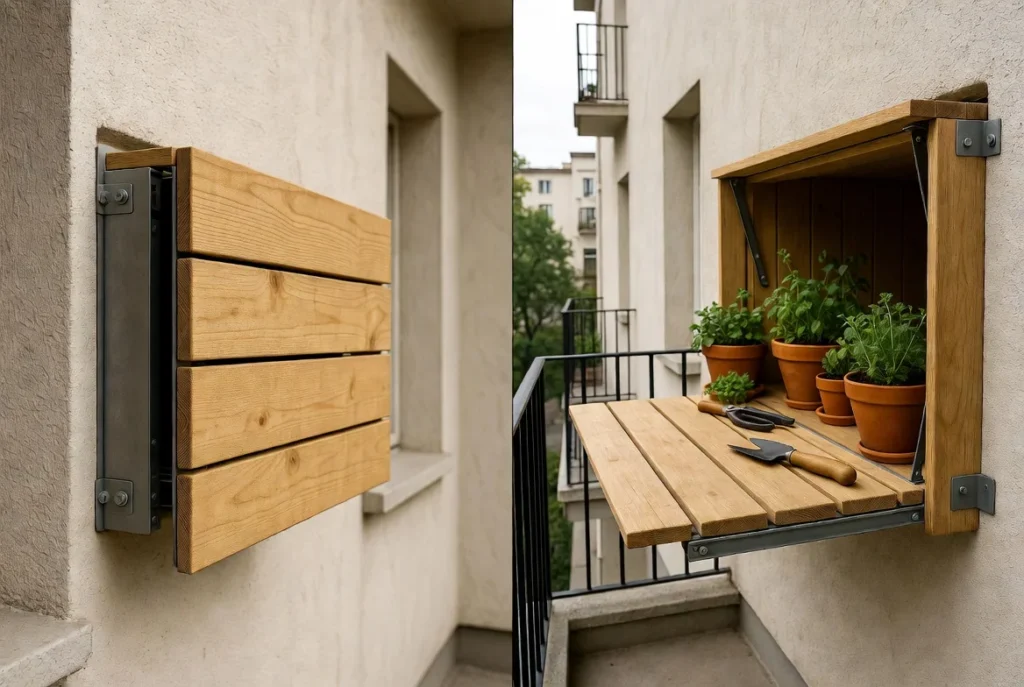
Wall-mounted tables that fold down when needed and up when not provide dining surfaces or potting stations without permanent floor space commitment. These space-saving solutions attach securely to walls, offering sturdy surfaces for meals, laptop work, or plant care that disappear with simple folding motion. Some designs include built-in storage for small items, maximizing utility in minimal footprints.
Use Tiered Plant Stands
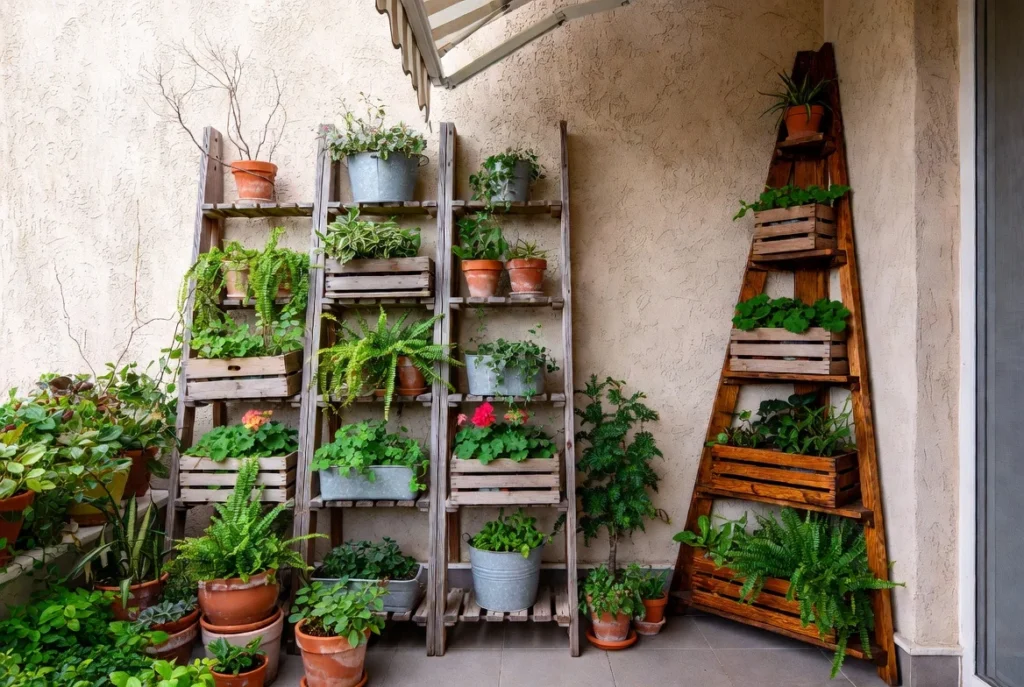
Tiered shelving and plant stands display multiple containers vertically, creating impressive plant collections on footprints measuring just square feet. Corner plant stands utilize often-wasted angular spaces while ladder-style shelves lean against walls without installation. These vertical displays add architectural interest while accommodating numerous plants at varying heights capturing different light levels throughout days.
Add Outdoor Cushions and Textiles
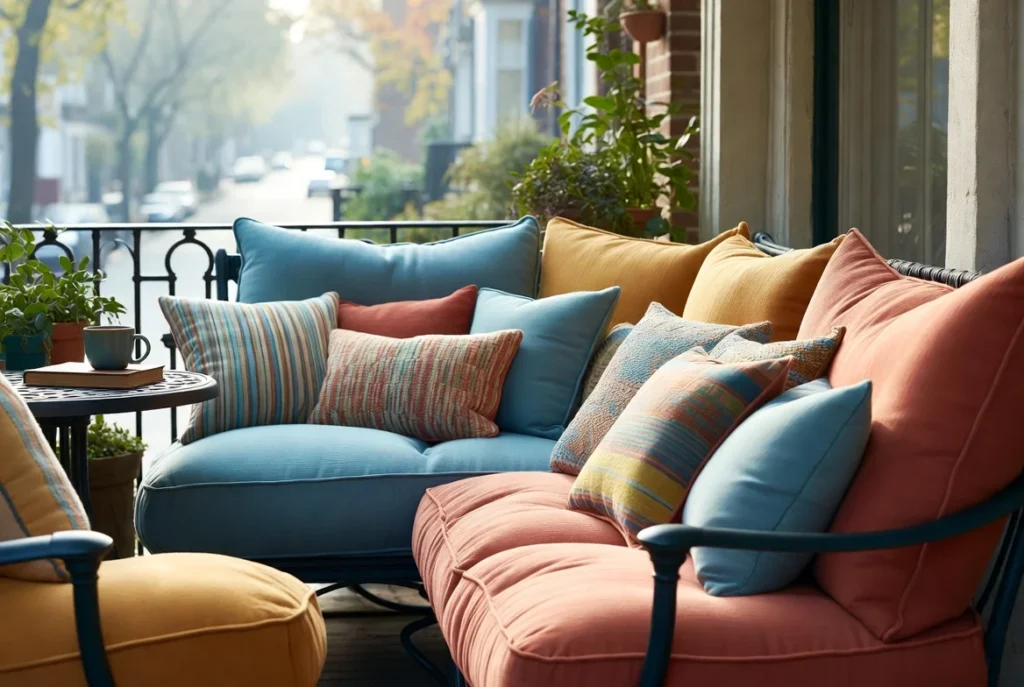
Weather-resistant cushions, throw pillows, and outdoor blankets transform hard seating into comfortable lounging areas. Choose fade-resistant fabrics in colors and patterns reflecting your style, from bohemian patterns to minimalist solids. These soft textiles add the warmth and personality that makes outdoor spaces feel like true extensions of interior living areas rather than merely functional balcony gardens.
Create Shade with Outdoor Umbrellas
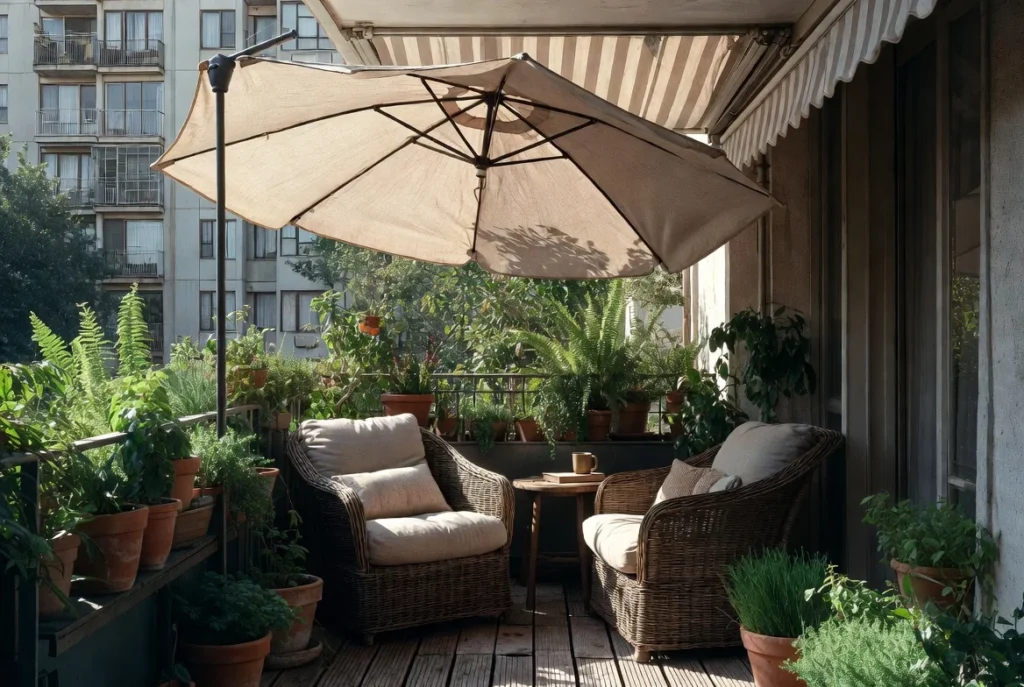
Balcony umbrellas or shade sails protect from harsh sun while defining cozy zones on small balconies. Compact patio umbrellas designed for tight spaces provide adjustable shade without overwhelming limited areas. Retractable awnings offer permanent solutions for balconies where umbrellas prove impractical. Proper shade extends comfortable outdoor time during hot months while protecting plants from scorching afternoon sun.
Install Mirror Panels for Visual Expansion
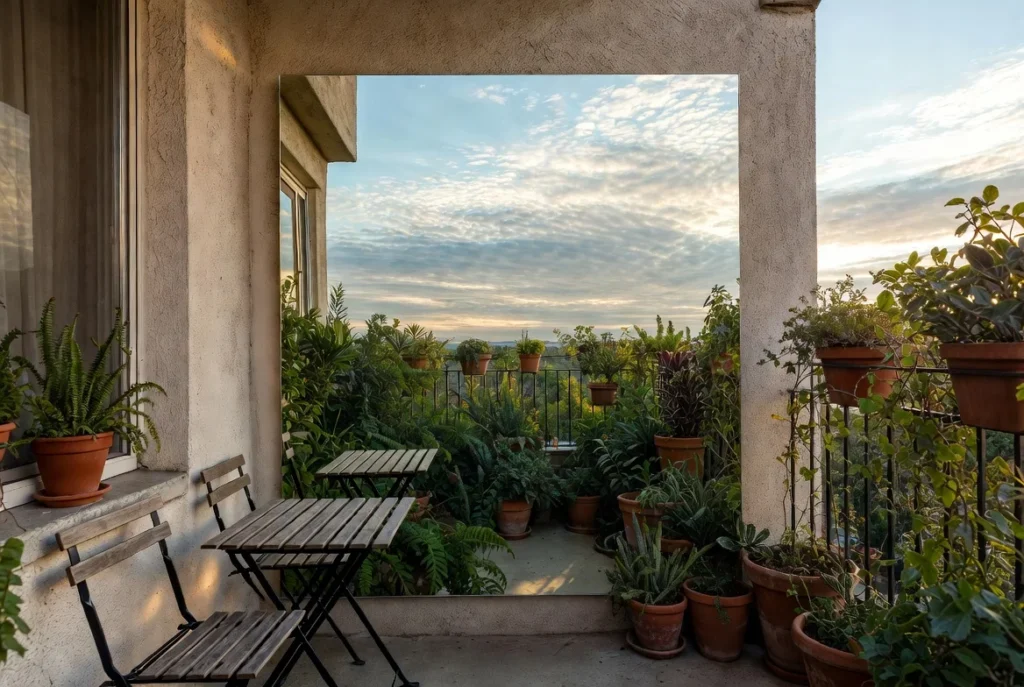
Outdoor mirrors create illusions of expanded space and increased light on small balconies. Weather-resistant mirrors mounted on walls reflect gardens and sky, making confined spaces feel significantly larger. Position mirrors to reflect greenery rather than neighboring buildings for maximum beautifying effect. This design trick borrowed from interior decorating proves equally effective outdoors, essentially doubling perceived balcony dimensions through strategic reflection.
Grow Edibles in Window Boxes
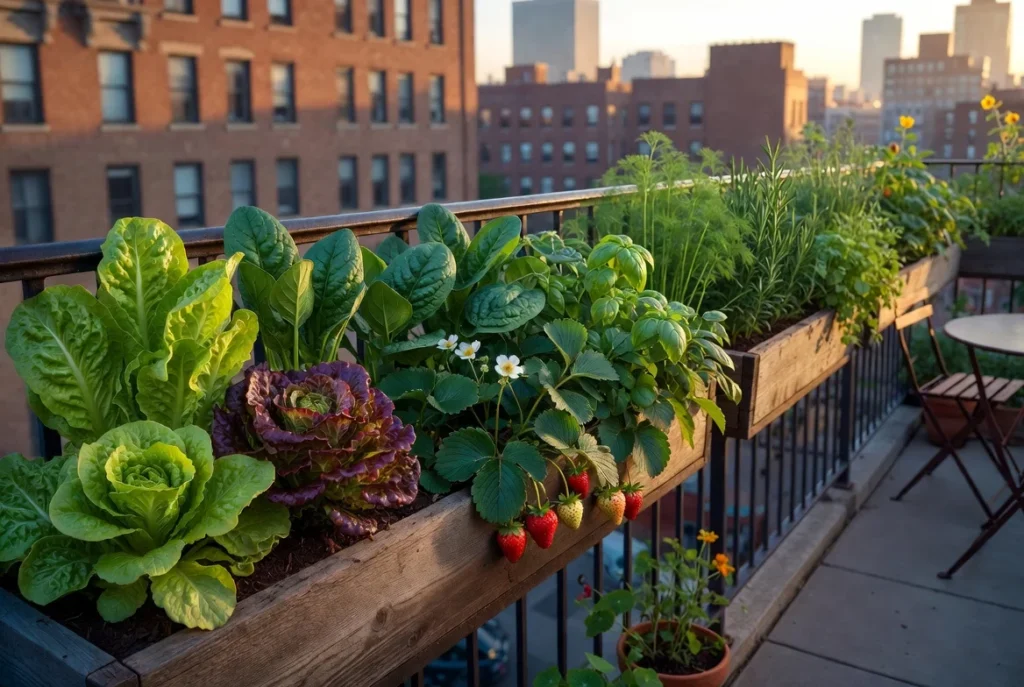
Window box planters attached to balcony railings or mounted below windows grow impressive quantities of herbs, greens, and compact vegetables in narrow profiles. Plant lettuce, spinach, strawberries, or dwarf peppers in long, shallow boxes maximizing linear space. This productive gardening approach provides fresh ingredients steps from your kitchen while the tidy, contained planting style suits urban balconies perfectly.
Designate Zones for Different Functions
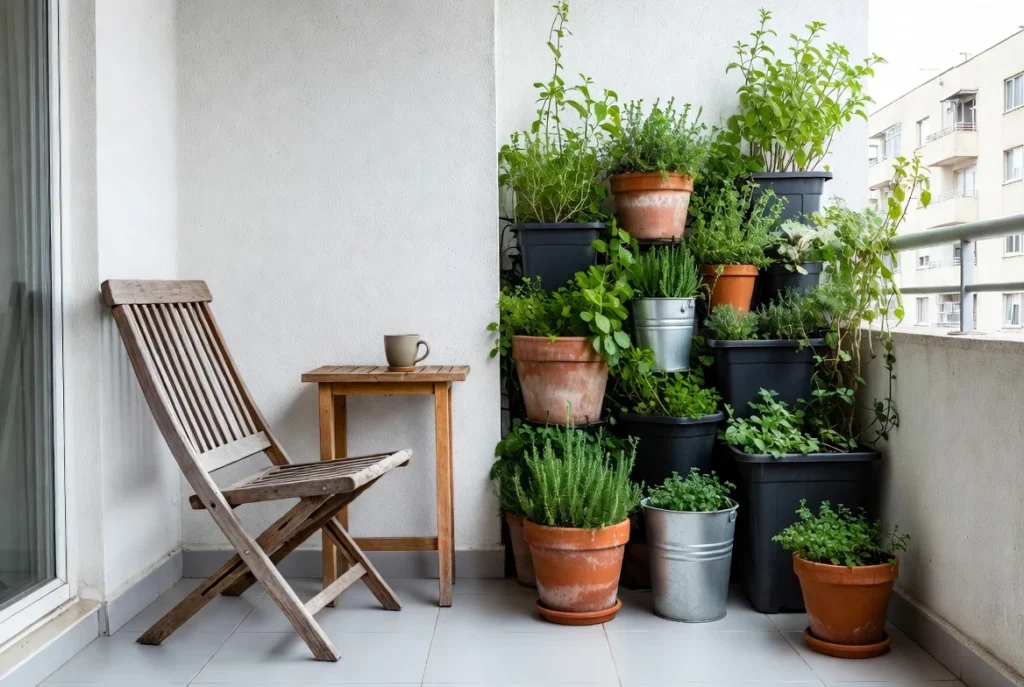
Even tiny balconies benefit from zoning strategies that designate specific areas for distinct purposes. Create a seating zone with chair and side table, a planting zone with grouped containers, and perhaps a utility zone for watering equipment and supplies. This spatial organization makes small spaces feel more functional and intentional despite limited square footage, proving that thoughtful planning trumps size in creating usable outdoor areas.
Choose Lightweight Container Materials
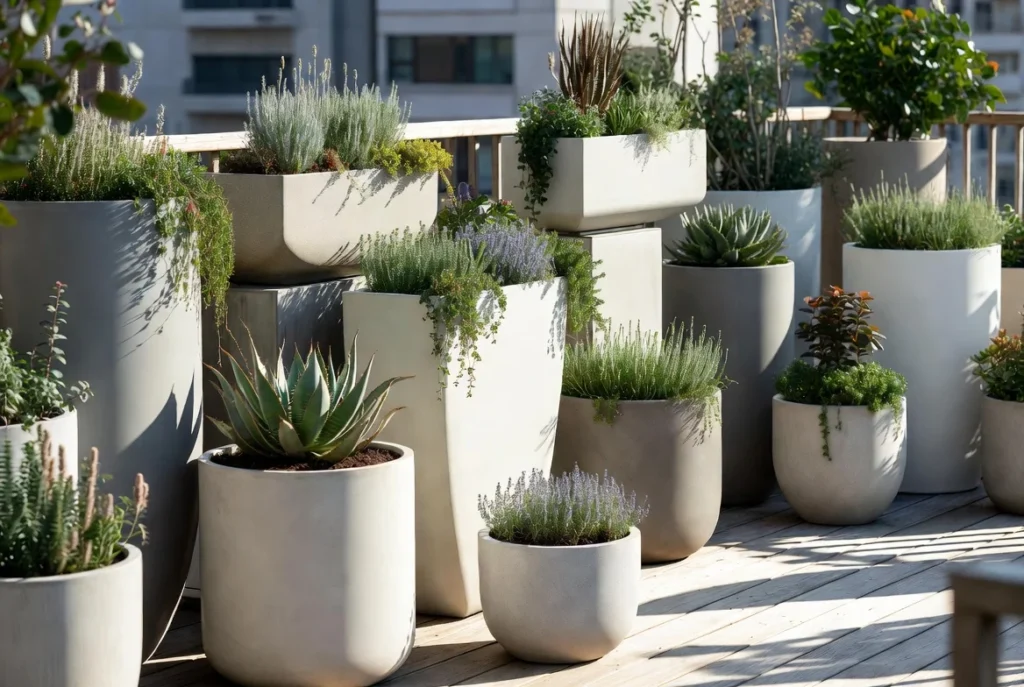
Balcony weight limits necessitate lightweight planter materials that do not compromise structural safety. Fiberglass, resin, and foam planters offer durability and attractive finishes at fractions of weights compared to ceramic or concrete alternatives. This consideration proves particularly crucial for higher-floor balconies where excessive weight poses genuine safety concerns. Lightweight containers allow ambitious planting schemes without engineering worries.
Add Water Features for Tranquility
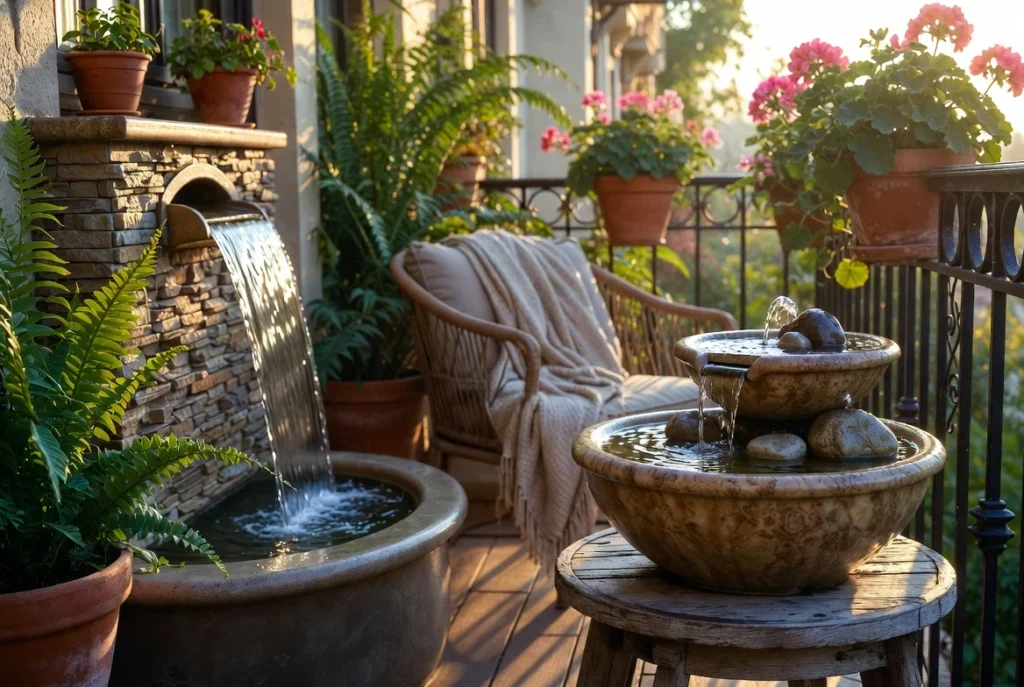
Small water features like tabletop fountains or wall-mounted waterfalls introduce soothing sounds and movement to balcony gardens. These compact water elements mask urban noise while creating peaceful atmospheres that enhance relaxation. Solar-powered fountains eliminate electrical requirements while self-contained units require minimal maintenance. The psychological benefits of water sounds significantly enhance outdoor space enjoyment despite modest physical footprints.
Rotate Seasonal Container Displays
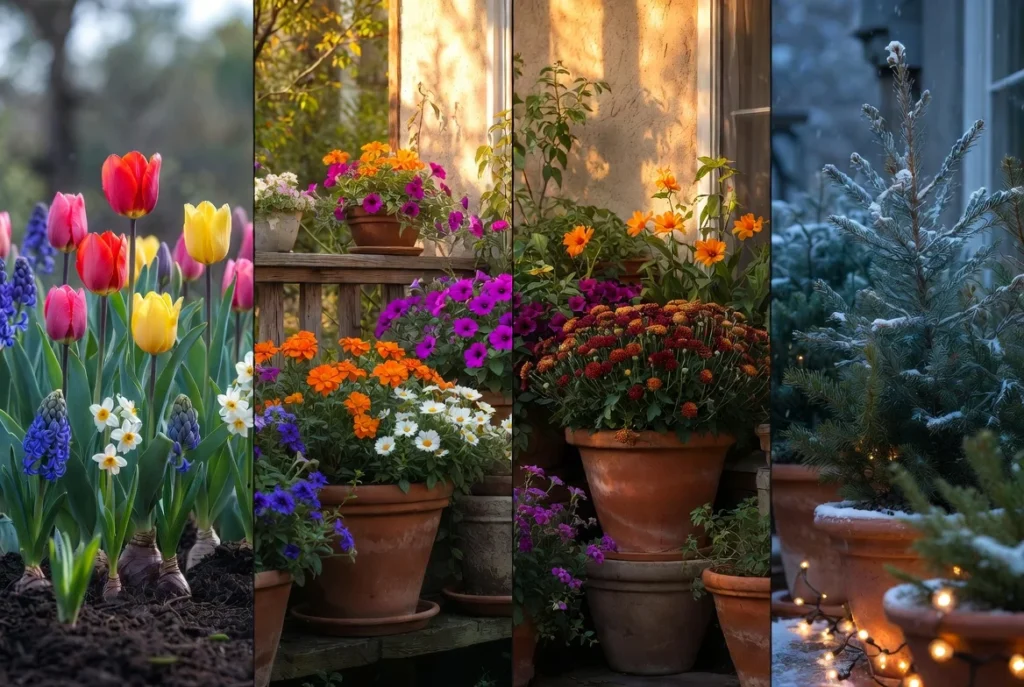
Seasonal planting keeps balcony gardens fresh and interesting throughout the year. Rotate spring bulbs, summer annuals, fall mums, and winter evergreens to maintain year-round color and interest. This dynamic approach prevents garden stagnation while allowing experimentation with different plants, colors, and styles across seasons. Container gardening facilitates easy seasonal changes impossible in traditional in-ground gardens.
Conclusion
Creating a beautiful, cozy, and stylish outdoor space on a small balcony requires nothing more than understanding that exceptional design emerges from smart space utilization, vertical thinking, and thoughtful plant selection rather than from abundant square footage. The 20 ideas presented throughout this guide prove that even the most modest balcony gardens can deliver outsized impact on quality of life, mental wellbeing, and genuine enjoyment of home.
The most valuable insight to carry forward is that successful small balcony design balances functional needs with aesthetic desires. Vertical gardens and hanging planters maximize growing space, compact furniture provides comfort without crowding, strategic lighting extends usability into evenings, and thoughtful plant choices deliver beauty without overwhelming limited areas. Each element works synergistically, building toward spaces that feel both expansive and intimate despite modest dimensions.
Begin your balcony transformation by assessing your specific needs, light conditions, and personal style preferences. Perhaps you start with vertical planting, add string lights for ambiance, and invest in folding furniture that adapts to multiple uses. These foundational changes create momentum while proving that your small outdoor space holds remarkable potential.
Your balcony deserves to become the beautiful garden oasis you envision, one proving that square footage matters far less than strategic planning and creative solutions. These 20 small balcony ideas provide your roadmap to achieving the stylish outdoor retreat that enhances your daily life and connects you with nature, regardless of your balcony’s size.
Frequently Asked Questions
What are the best plants for small balconies with limited sunlight?
The best shade-tolerant plants for low-light balconies include ferns, hostas, impatiens, begonias, coleus, and ivy. For edibles, try lettuce, spinach, kale, and herbs like mint, parsley, and cilantro that tolerate partial shade. Observe your balcony throughout the day to determine actual light levels, as even “shady” balconies often receive enough indirect light for many plants. Choose plants rated for your specific light conditions rather than fighting your balcony’s natural environment. Remember that even shade plants need some light, so avoid completely dark balconies without supplemental grow lights.
How much weight can my apartment balcony safely hold?
Most residential balconies support 50 to 100 pounds per square foot, though exact limits depend on building age, construction, and local codes. Contact your building management or review construction documents for specific weight limits before adding heavy elements like large planters, furniture, or water features. Distribute weight evenly across the balcony rather than concentrating everything in one area. Use lightweight containers made from fiberglass or resin instead of heavy ceramic or concrete. When in doubt, consult a structural engineer, as exceeding weight limits poses serious safety risks.
Can I grow vegetables on a small balcony?
Yes, many vegetables thrive in containers on small balconies with adequate sunlight (6-8 hours daily for most vegetables). Excellent choices include cherry tomatoes, peppers, lettuce, spinach, radishes, herbs, and dwarf varieties of beans, cucumbers, and squash. Use containers at least 12 inches deep with drainage holes, quality potting soil, and regular fertilization. Vertical supports like trellises maximize yields in limited spaces. Choose compact or dwarf varieties bred specifically for container growing. Success depends primarily on sunlight availability, so assess your balcony’s light conditions before selecting vegetables.
How do I create privacy on an open balcony?
Create balcony privacy using several strategies: install outdoor curtains on tension rods or wires, grow climbing vines on trellises attached to railings, use bamboo screens or lattice panels, add tall potted plants or ornamental grasses as living screens, or hang outdoor fabric panels. Combine multiple approaches for maximum coverage. Consider neighbor sightlines from various angles when planning privacy solutions. Retractable options like curtains or roll-up bamboo blinds offer flexibility, providing privacy when needed while opening for views and breezes when desired. Check building regulations before installing permanent structures.
What furniture works best for very small balconies?
The best furniture for tiny balconies includes folding bistro sets that collapse when not needed, wall-mounted drop-leaf tables, stackable stools, hanging egg chairs suspended from above, storage benches serving dual purposes, and floor cushions or poufs easily moved or stored. Choose pieces specifically designed for small outdoor spaces with compact footprints and multi-functional features. Avoid bulky lounge chairs or full-size dining sets that overwhelm limited areas. Consider furniture’s folded or stored dimensions as much as its in-use size. Prioritize quality over quantity, selecting one or two perfect pieces rather than cramming multiple mediocre items into constrained spaces.
You May Also Like This Post:
Top Kitchen Trends: 25 Modern Design Ideas for a Stylish Kitchen
One Comment