
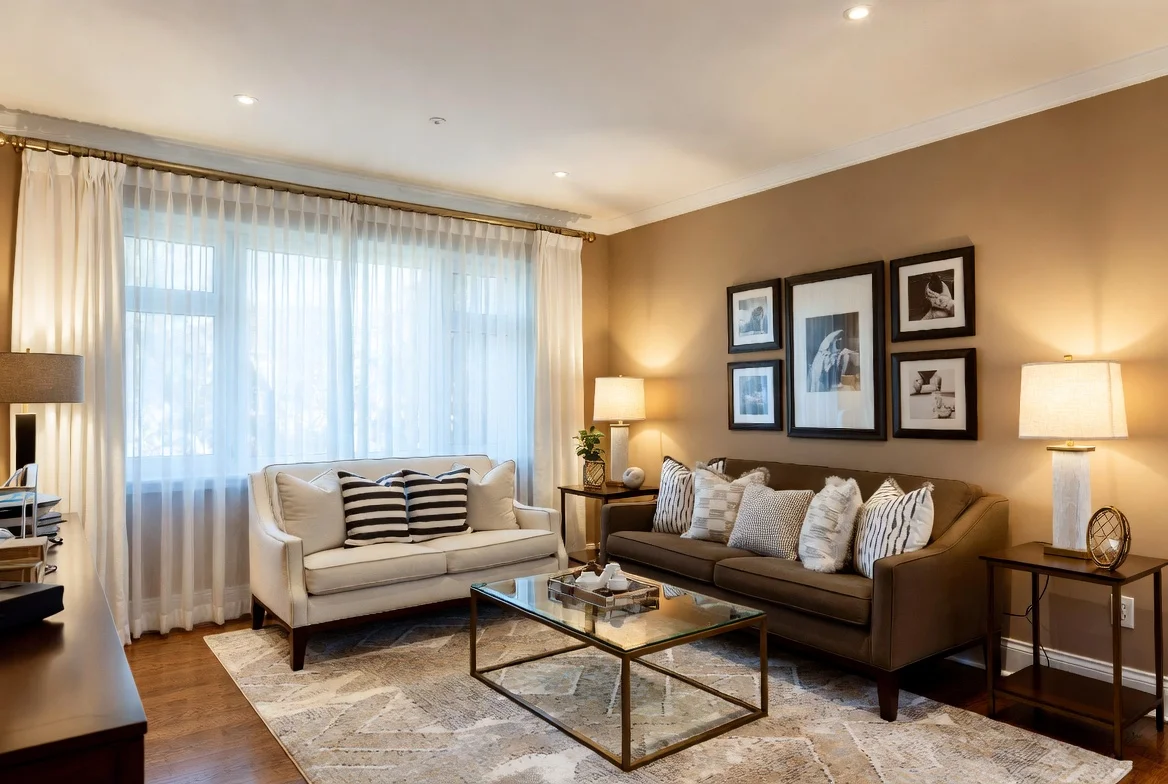
How to Decorate a Living Room Like an Interior Designer: 15 Classy & Stylish Ideas
Your living room serves as the heart of your home, yet most people approach decorating this crucial space with uncertainty that leads to expensive mistakes and rooms that never quite feel finished. Interior designers possess specific knowledge about proportion, color theory, and spatial planning that separates professionally designed spaces from haphazard arrangements, but these principles are not mysterious secrets available only to design school graduates.
The difference between amateur and professional living room design lies not in unlimited budgets or access to exclusive furniture but in understanding proven frameworks that create visual harmony and functional comfort. The most successful living room decorating follows systematic approaches addressing furniture placement, color coordination, lighting layers, and textural variety in specific sequences that compound into spaces feeling both impressive and genuinely livable.
This comprehensive guide reveals 15 classy and stylish ideas that interior designers use consistently to create magazine-worthy living rooms. From foundational principles like the 60/30/10 color rule to finishing touches involving statement accessories, these professional techniques will transform your living room into the sophisticated, welcoming space you deserve.
Start With a Clear Design Style Vision
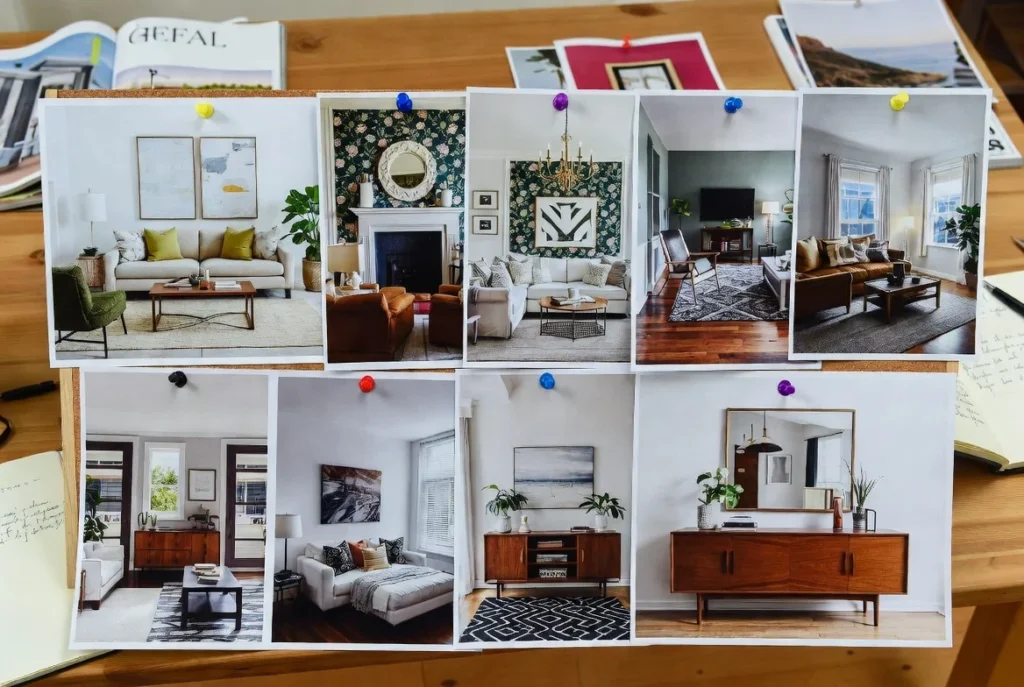
Defining your design aesthetic before purchasing anything prevents the disjointed look that plagues rooms decorated item by item without cohesive direction. Take design style quizzes, create Pinterest mood boards, and identify specific styles like modern, traditional, coastal, or mid-century modern that resonate with your preferences. This foundational clarity guides every subsequent decision, ensuring furniture selections, color choices, and decorative accessories work harmoniously rather than competing for attention in stylistically confused spaces.
Apply the 60/30/10 Color Rule
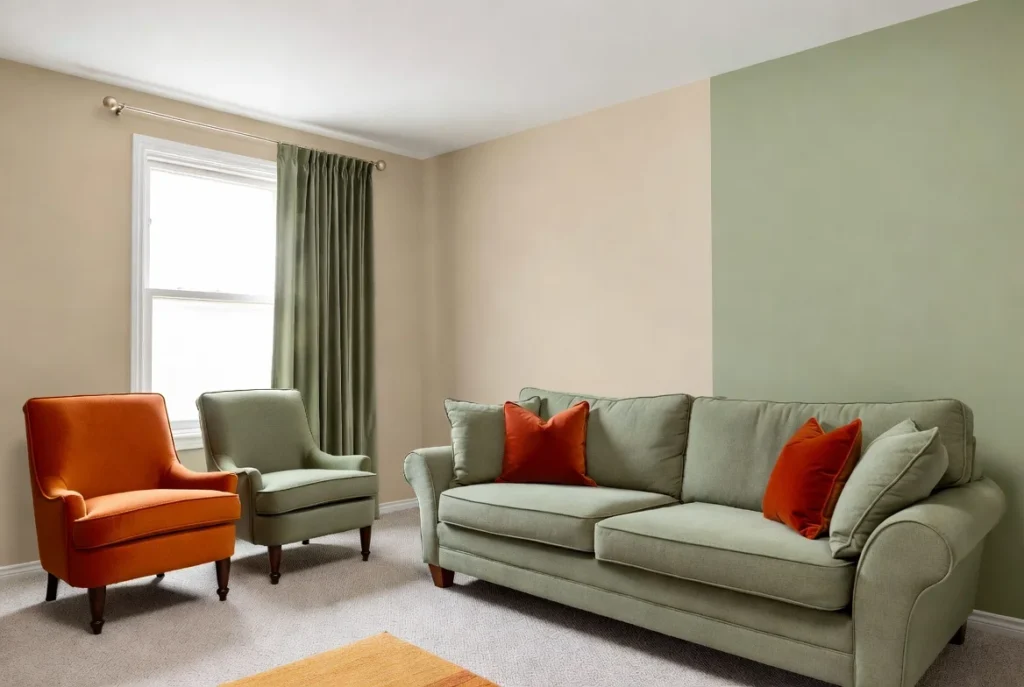
Professional color distribution follows this proven formula: 60 percent dominant color typically on walls and large furniture, 30 percent secondary color through upholstered pieces and window treatments, and 10 percent accent color in throw pillows, artwork, and decorative objects. This balanced color palette creates visual interest without overwhelming senses while the mathematical precision ensures proportions feel instinctively correct even to untrained eyes, delivering the polished cohesion characteristic of designer spaces.
Contrast Your Neutrals for Depth
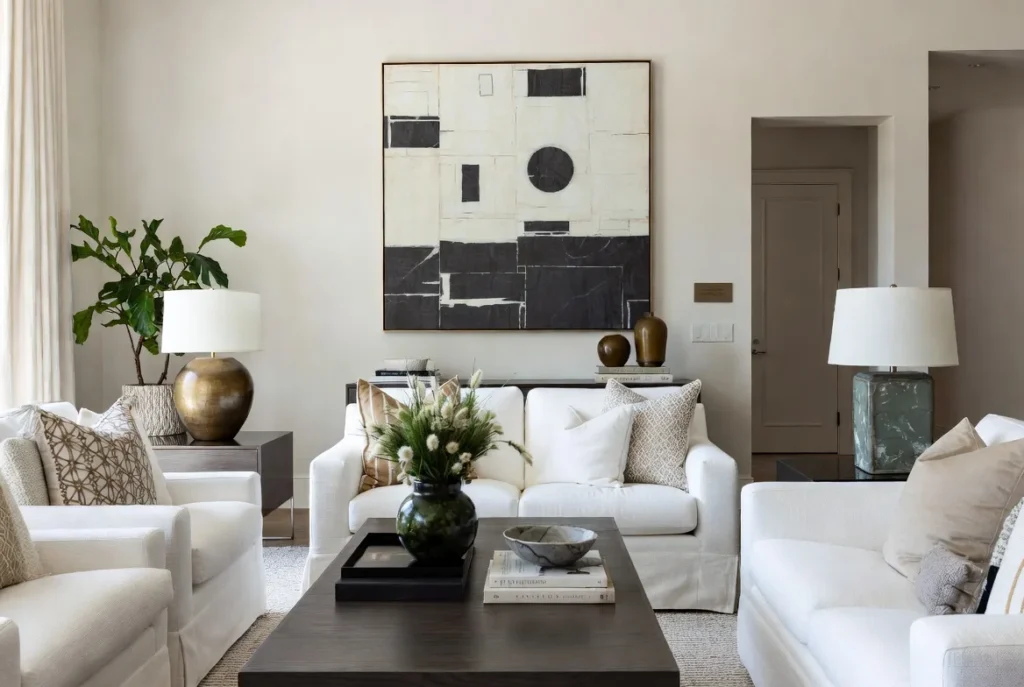
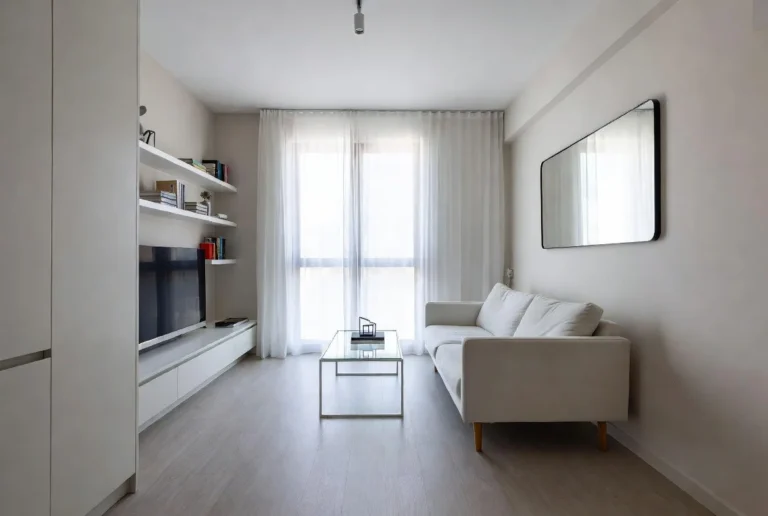
Neutral living rooms avoid flatness by incorporating variety within the neutral spectrum rather than using single beige or gray tones throughout. Mix warm whites with cool grays, combine soft creams with rich taupes, and layer natural wood tones at varying depths. This textural and tonal contrast creates dimensional richness that makes neutral spaces feel sophisticated rather than boring, proving that successful neutral decorating requires strategic variety, not monotone uniformity.
Choose Properly Scaled Furniture
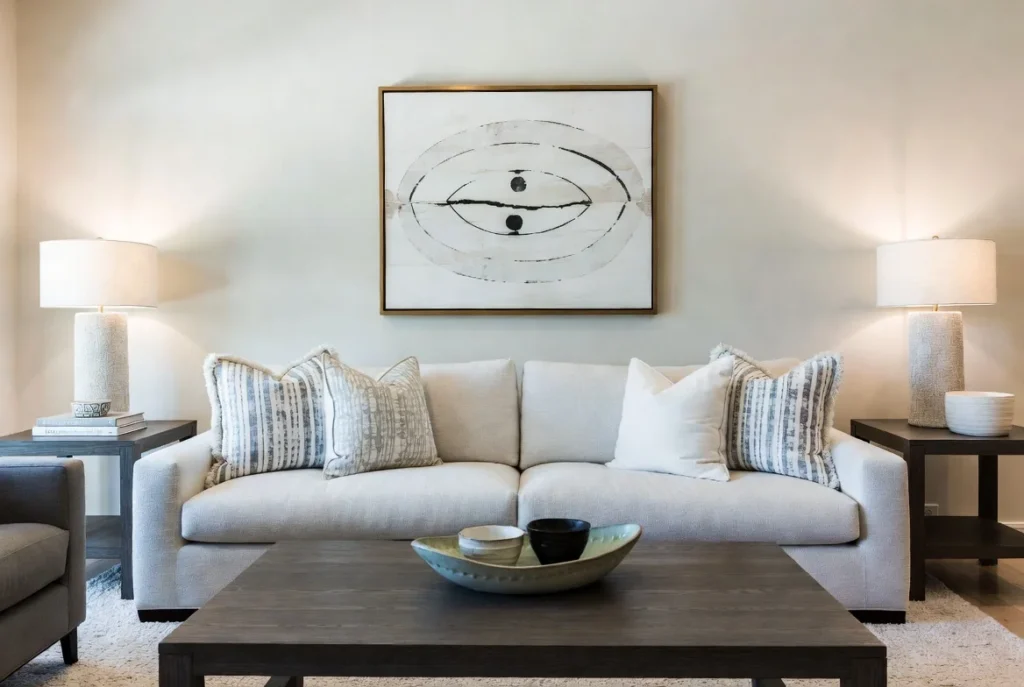
Interior designers use the two-thirds rule when selecting sofas: choose pieces measuring approximately two-thirds the length of the wall they face. This proportional guideline ensures furniture neither overwhelms spaces nor appears too small for rooms. Similarly, coffee tables should measure about two-thirds of sofa length, positioned 16 to 18 inches away for comfortable leg room while maintaining conversation-friendly proximity. These dimensional standards create the balanced, professionally proportioned look distinguishing designer living rooms.
Create Distinct Conversation Zones
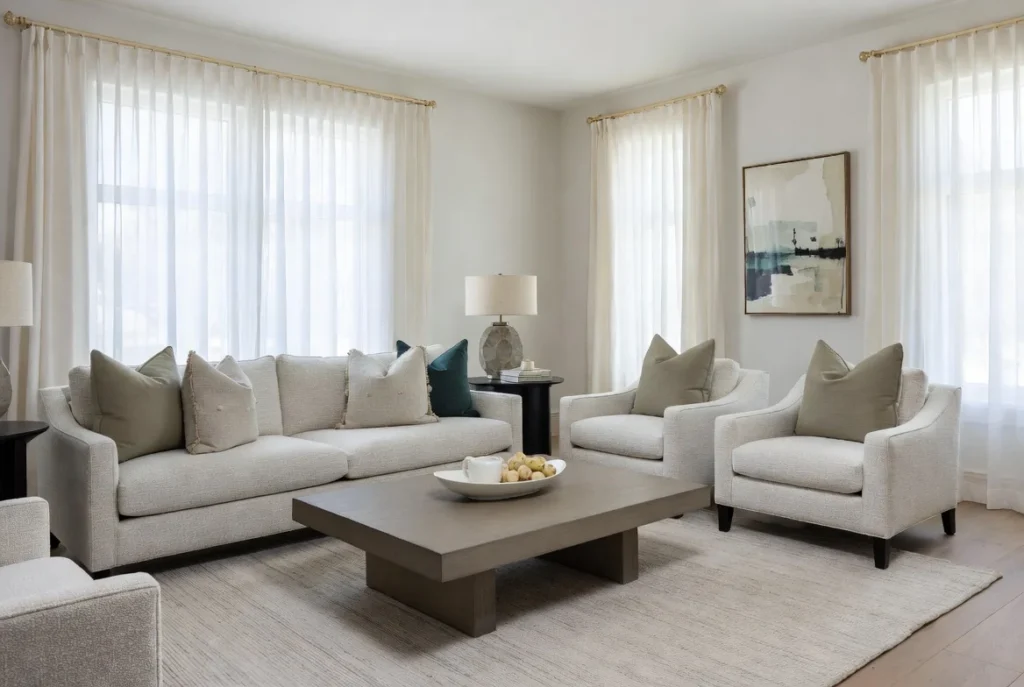
Functional living room layouts establish clear conversation areas where seating faces each other across coffee tables or ottomans at distances conducive to comfortable interaction without shouting. In larger spaces, interior designers often create multiple seating zones serving different purposes like intimate conversation areas, reading nooks, or entertainment zones. This purposeful furniture arrangement makes rooms feel dynamic and inviting while the defined zones prevent the chaotic feeling of random furniture scattered throughout spaces.
Layer Three Types of Lighting
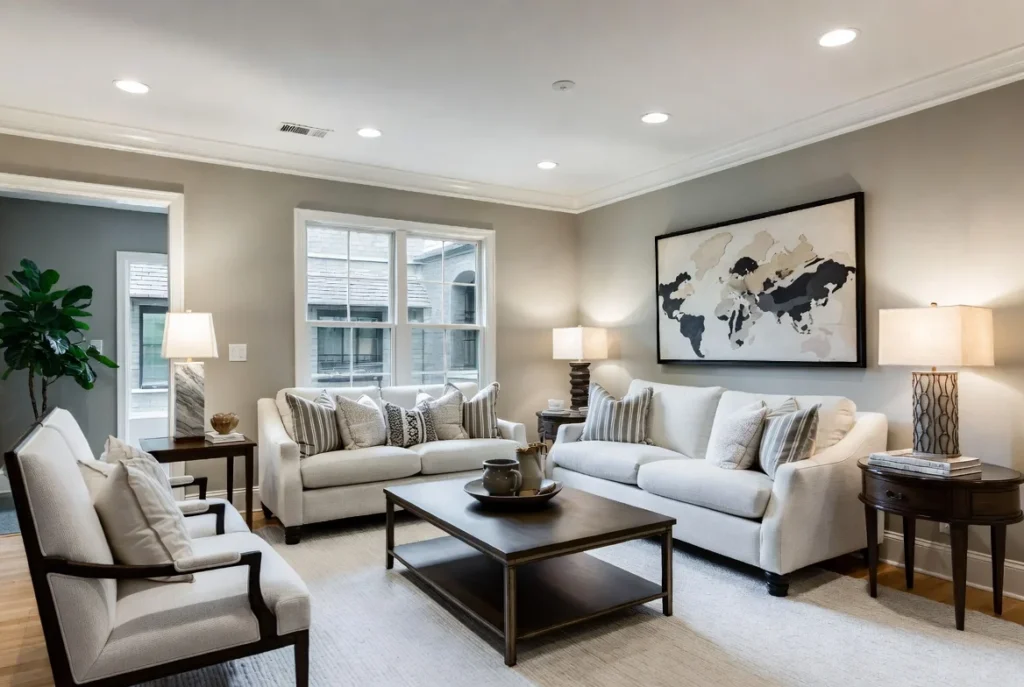
Professional lighting design combines ambient illumination from overhead fixtures or recessed lights, task lighting through table lamps and floor lamps enabling specific activities, and accent lighting highlighting architectural features or artwork. Install dimmers on all circuits for adjustable intensity adapting to different times and activities. This layered approach creates flexible, dimensional lighting far superior to single overhead fixtures, allowing rooms to transition from bright daytime function to intimate evening ambiance effortlessly.
Mix Textures Intentionally
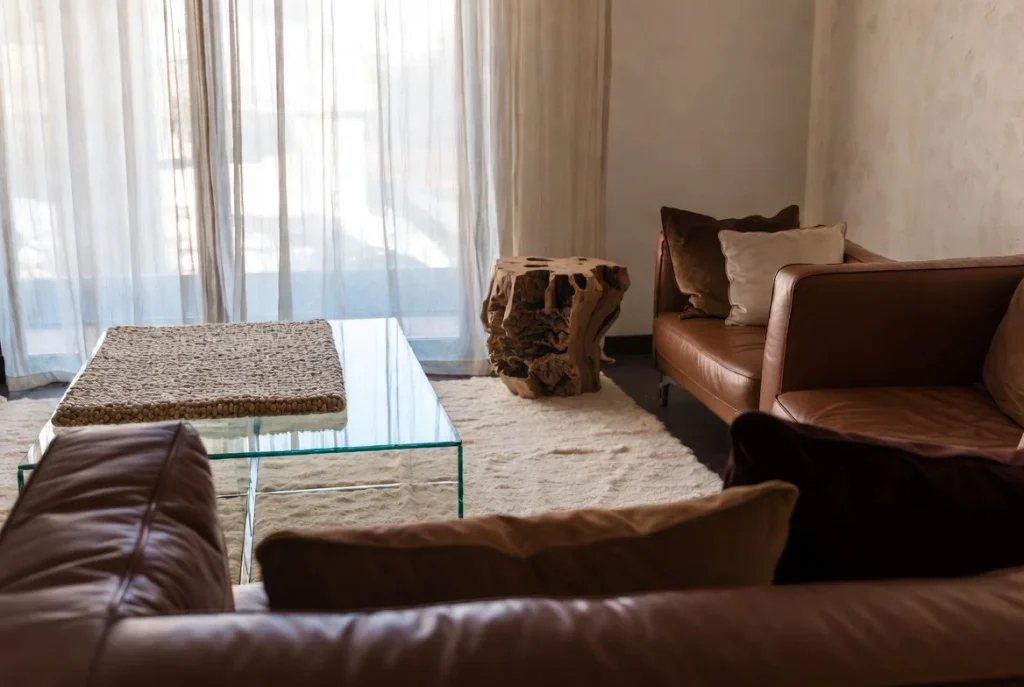
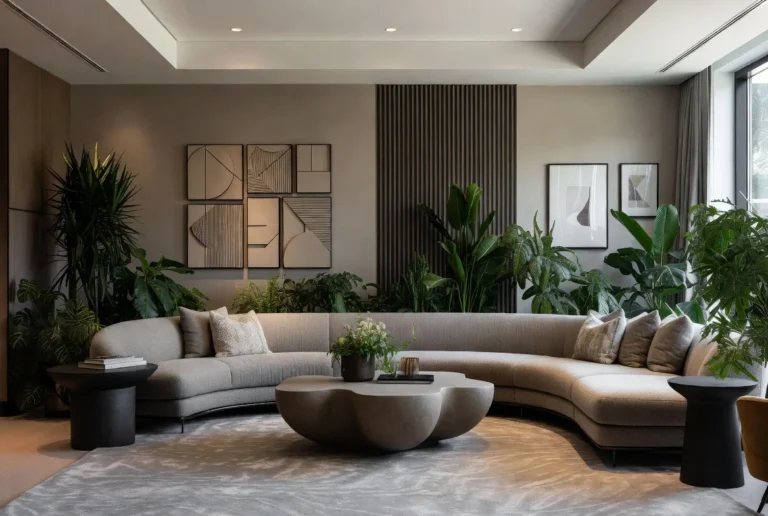
Textural variety prevents spaces from feeling flat by incorporating smooth leather, plush velvet, nubby woven fabrics, sleek glass, rough natural wood, and soft wool throughout rooms. Interior designers understand that texture adds visual interest invisible in photographs but essential for spaces feeling rich and engaging in person. Layer textures through upholstered furniture, throw pillows, area rugs, window treatments, and decorative accessories for the dimensional quality defining professionally designed spaces.
Size Area Rugs Generously
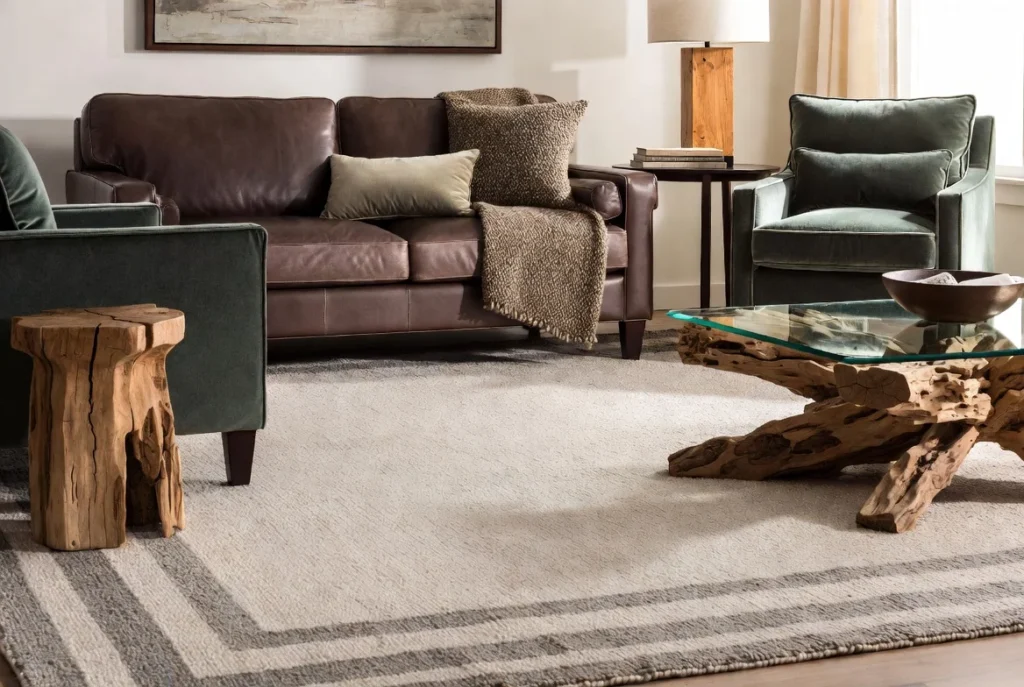
The most common decorating mistake involves area rugs too small for spaces. Professional designers insist rugs accommodate at least front legs of all seating furniture, with larger rugs extending beneath entire furniture groupings creating cohesive zones. This generous sizing makes rooms appear more spacious while the unified floor treatment grounds furniture arrangements. Small rugs floating in room centers create the opposite effect, making spaces feel choppy and poorly planned.
Add Black for Visual Weight
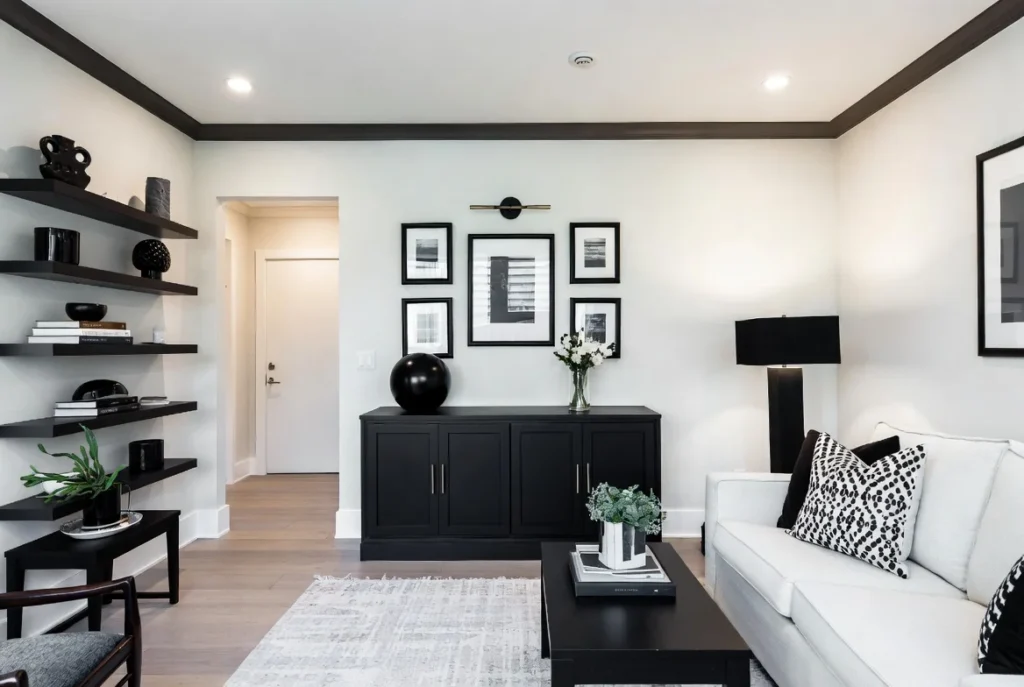
Incorporating black accents through picture frames, light fixtures, decorative objects, or furniture legs adds visual grounding that prevents spaces from feeling washed out or floating. Interior designers use black strategically in small doses throughout rooms rather than concentrated in single areas, distributing visual weight that creates balance. Even in predominantly light neutral spaces, these dark touches add sophistication and definition often missing from all-light schemes.
Don’t Match Your Furniture Sets
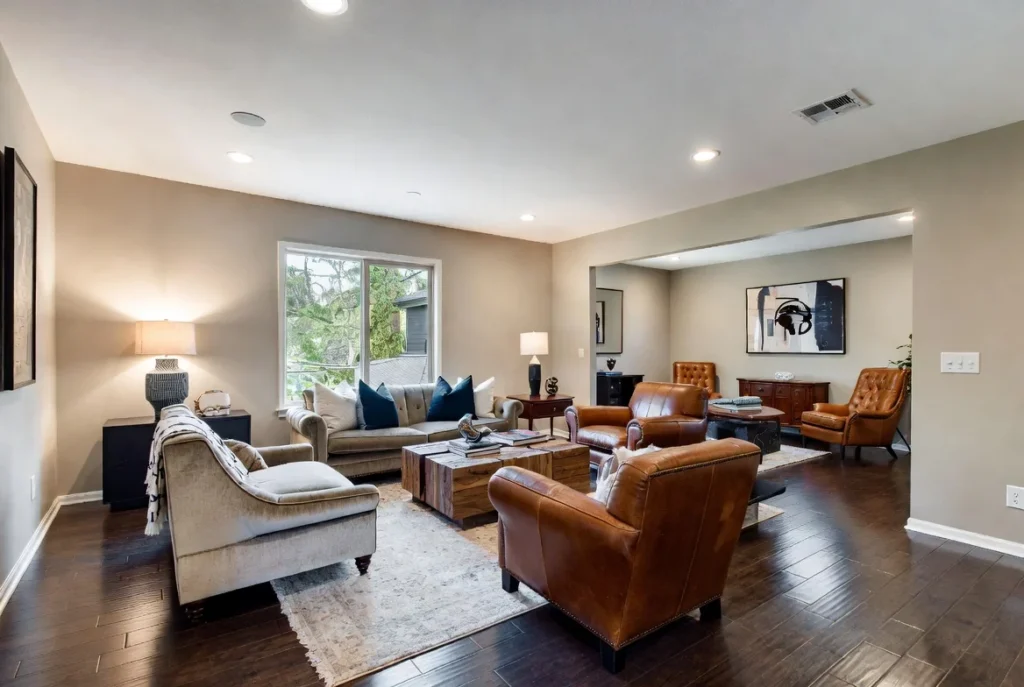
Professional living rooms never feature matching furniture sets purchased together from single manufacturers. Instead, interior designers mix different furniture styles, wood tones, and upholstery fabrics creating collected-over-time aesthetics with genuine personality. Combine a velvet sofa with leather chairs, pair traditional pieces with modern accents, and vary wood finishes throughout spaces. This intentional variety creates layered, interesting rooms avoiding the showroom uniformity that screams amateur decorating.
Float Furniture Away From Walls
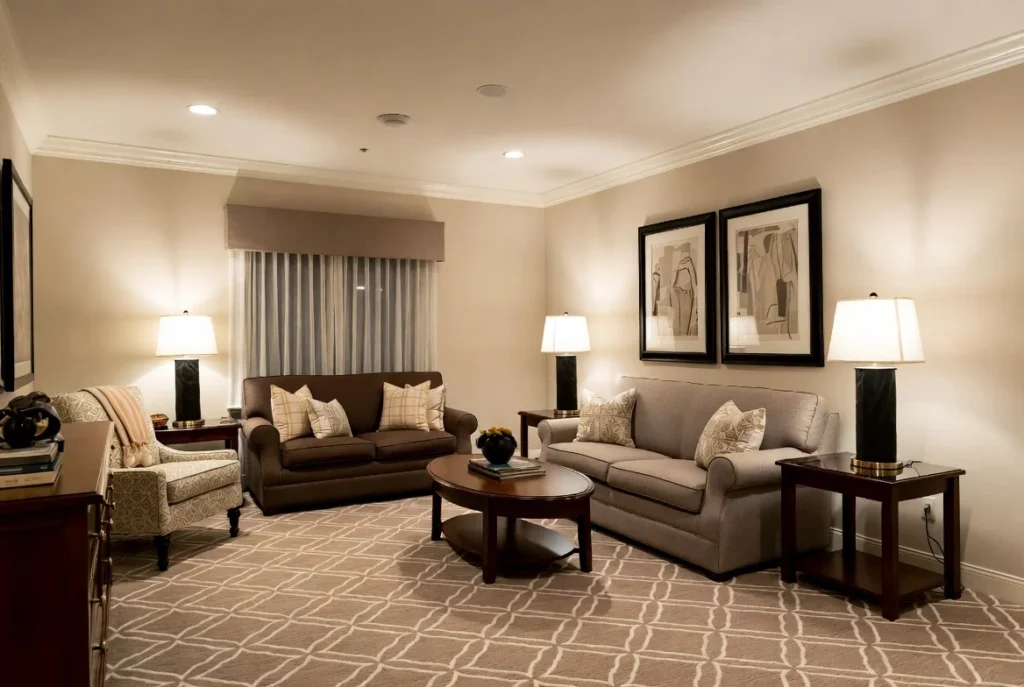
Professional furniture placement often positions pieces away from walls rather than pushing everything against perimeters. Floating sofas and chairs creates intimate conversation groupings while allowing traffic flow around furniture perimeters. This spatial arrangement makes even large rooms feel cozy and purposeful while the negative space behind furniture prevents the pushed-against-walls look that makes rooms feel awkward despite seemingly maximizing floor space.
Curate Throw Pillow Arrangements
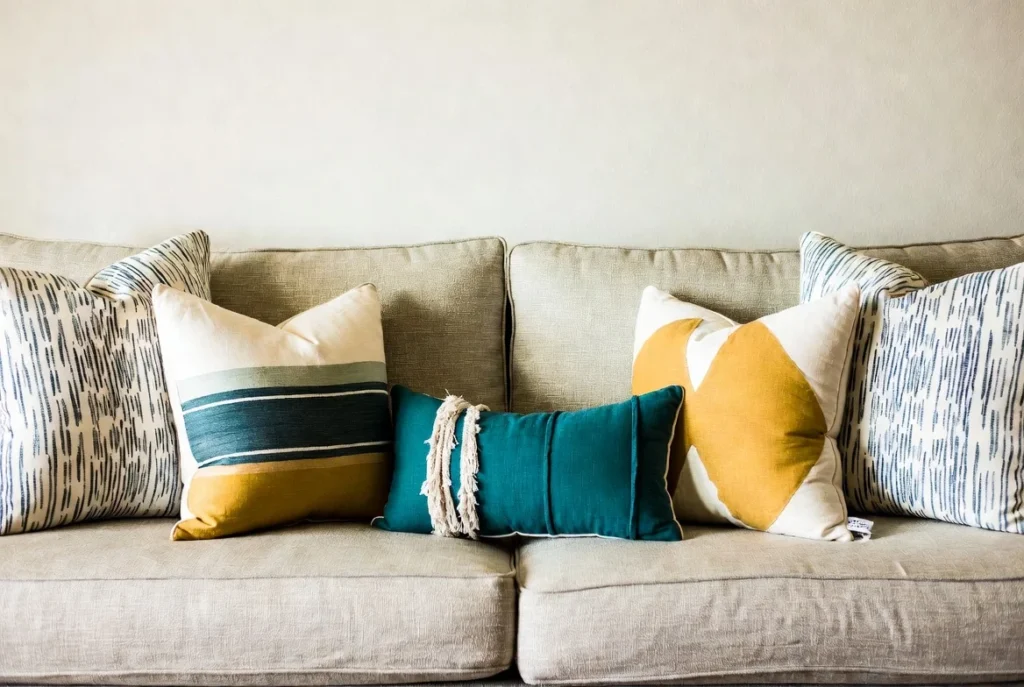
Discard matching throw pillows that came with sofas, replacing them with curated selections varying in size, texture, pattern, and color while maintaining cohesive color palette connections. Interior designers typically use 18 to 24 inch pillows as anchors with smaller accent pillows layered in front. Mix solid colors, geometric patterns, and textured fabrics in odd-numbered groupings. This intentional variety adds personality and polish impossible with matchy-matchy pillow sets.
Style Throws Intentionally
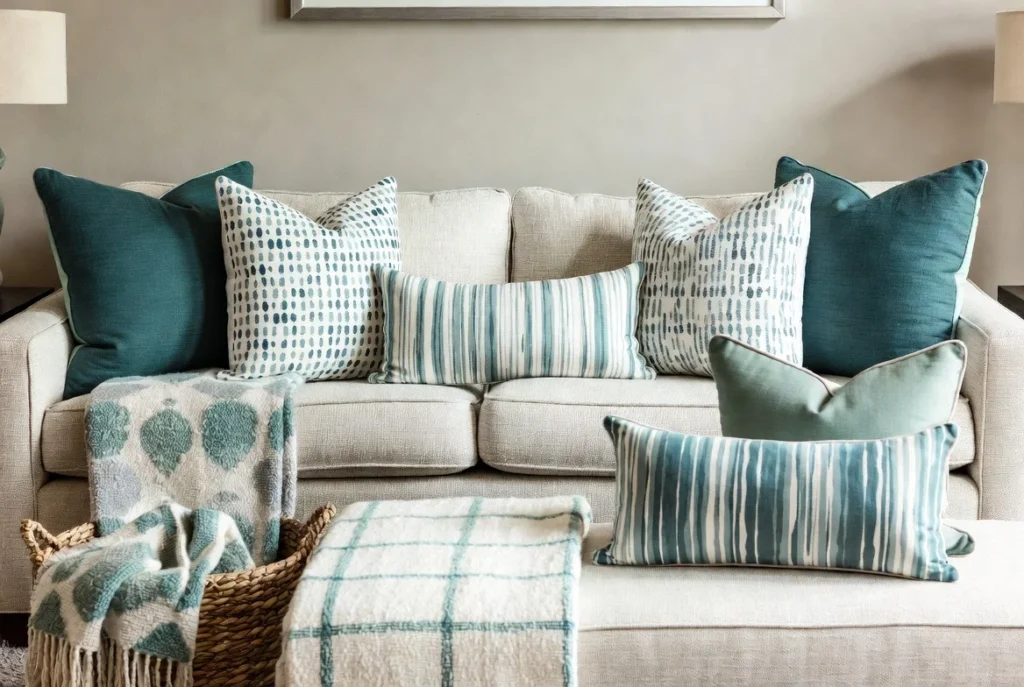
Decorative throws should appear intentionally placed rather than haphazardly draped. Fold blankets neatly over sofa arms, drape them artfully across chaise sections, or position them in decorative baskets beside seating. This purposeful styling makes living rooms appear pulled together and camera-ready while keeping throws accessible for actual use. The visible care in placement signals attention to design details separating professionally styled spaces from casually decorated rooms.
Group Accessories in Odd Numbers
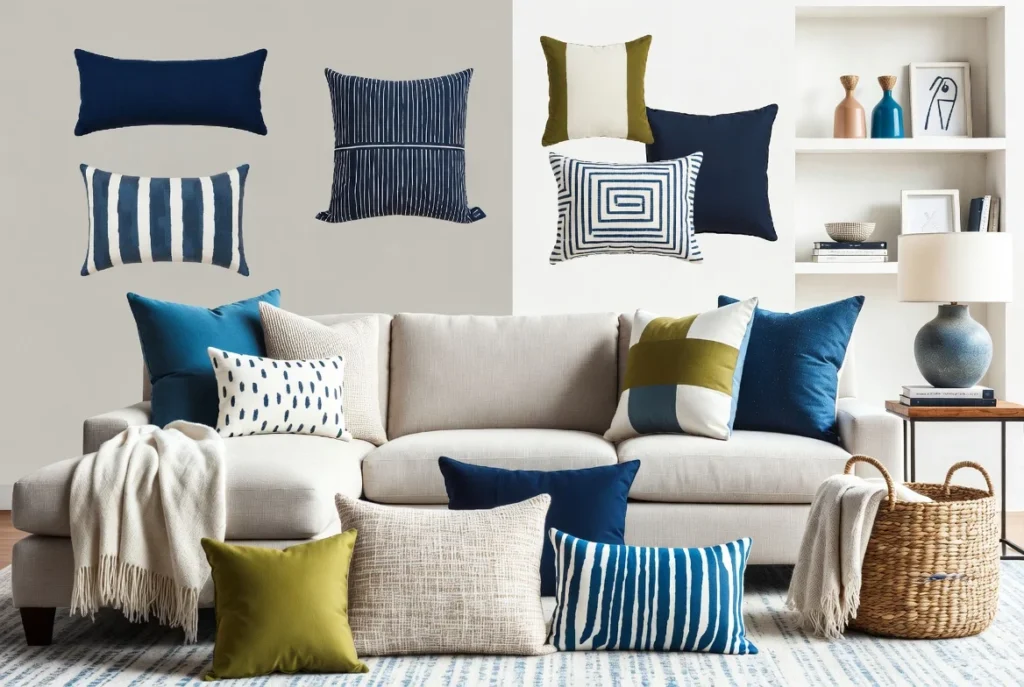
Interior designers arrange decorative accessories in groups of three, five, or seven rather than even numbers or single items. This odd-number grouping creates visual interest and balance through asymmetry appearing more dynamic than symmetrical even-number arrangements. Coffee table styling, shelf arrangements, and console table vignettes benefit from this principle, using varied heights and sizes within odd-numbered collections for maximum impact.
Incorporate Living Greenery
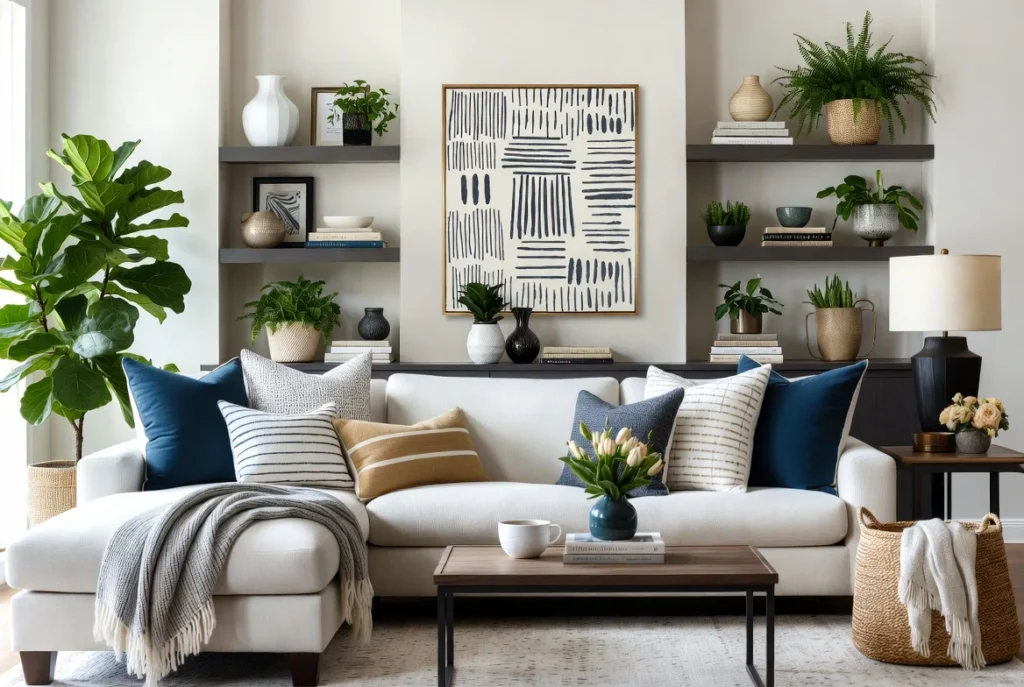
Indoor plants bring organic life and air-purifying benefits while the natural elements soften hard furnishings and architectural lines. Interior designers use substantial floor plants like fiddle-leaf figs or birds of paradise as sculptural elements, smaller plants in grouped collections on shelving, and fresh flowers or branches in vases as finishing touches. This biophilic design element adds the living quality impossible to achieve with artificial alternatives.
Conclusion
Decorating a living room like an interior designer requires understanding that professional results emerge from systematic application of proven principles rather than unlimited budgets or innate artistic talent. The 15 classy and stylish ideas presented throughout this guide prove that successful living room design follows learnable frameworks addressing color distribution, furniture scaling, spatial planning, and textural layering in specific sequences creating cumulative impact.
The most valuable insight to carry forward is that professional living room decorating balances visual beauty with genuine functionality. The 60/30/10 rule creates cohesive color palettes, proper furniture scaling ensures comfortable proportions, layered lighting provides flexible ambiance, and intentional accessory styling adds personality. Each element works synergistically, building toward spaces feeling both impressive and authentically livable.
Begin your transformation by implementing foundational principles first: define your design style, establish your color palette, and plan your furniture layout before purchasing anything. These structural decisions create the framework supporting all subsequent choices, preventing expensive mistakes and ensuring every addition enhances rather than undermines your overall vision.
Your living room holds remarkable potential to become the stylish, welcoming space you envision, one proving that designer-quality results are achievable through smart application of professional principles rather than professional budgets. These 15 ideas provide your roadmap to creating the living room you deserve.
Frequently Asked Questions
What is the first step when decorating a living room from scratch?
Begin by defining your design style through mood boards and style quizzes before making any purchases. This foundational clarity prevents expensive mistakes by ensuring all subsequent furniture, color, and accessory choices work harmoniously toward a cohesive vision. Measure your space carefully, noting architectural features, windows, and doors that will impact furniture placement. Only after establishing your style direction and understanding your space constraints should you begin selecting specific items, starting with largest pieces like sofas before adding smaller furniture and accessories that complement your foundational choices.
How do I choose the right color palette for my living room?
Apply the professional 60/30/10 rule where 60 percent of your space features a dominant color typically on walls and large furniture, 30 percent uses a secondary complementary color, and 10 percent introduces accent colors through pillows and accessories. Choose colors you genuinely love that complement your home’s existing features. Test paint samples on walls at different times of day since lighting dramatically affects how colors appear. Create a mood board collecting inspiration images sharing your preferred color combinations, ensuring your selected palette feels cohesive and intentional rather than haphazard.
What size area rug should I buy for my living room?
Your area rug should be large enough to accommodate at least the front legs of all seating furniture, with ideally all furniture legs resting on the rug for most cohesive appearance. Common living room rug sizes include 8×10 feet for medium spaces and 9×12 or larger for substantial rooms. Undersized rugs make spaces feel choppy and poorly planned, so when uncertain, size up rather than down. The rug should extend 12 to 18 inches beyond furniture on all sides, creating generous boundaries that ground your seating arrangement and make rooms appear more spacious.
Should I push my furniture against the walls or float it?
Interior designers typically recommend floating furniture away from walls to create intimate conversation groupings and allow traffic flow around furniture perimeters. Position sofas 6 to 12 inches from walls rather than pushed flush against them, creating breathing room that makes spaces feel more sophisticated and purposeful. In smaller rooms, you may need some pieces against walls, but try floating at least your primary seating to establish a central conversation zone. This arrangement feels more inviting than furniture lined against perimeters with empty centers.
How many throw pillows should I use on my sofa?
For standard three-seat sofas, use 5 to 7 pillows in varied sizes creating balanced asymmetry. Start with two larger 20 to 24 inch pillows as anchors at each end, add two medium 18 to 20 inch pillows, and finish with one to three smaller accent pillows in complementary patterns or textures. Sectionals accommodate more pillows proportionally, while loveseats work with 3 to 5 pillows. Mix solid colors, patterns, and textures while maintaining your color palette for cohesive variety. Odd numbers create more interesting, designer-approved arrangements than even numbers or matching sets.
You May Also Like This Post:
25 Kids Organization Hacks to Keep Your Home Clean & Clutter-Free
One Comment