
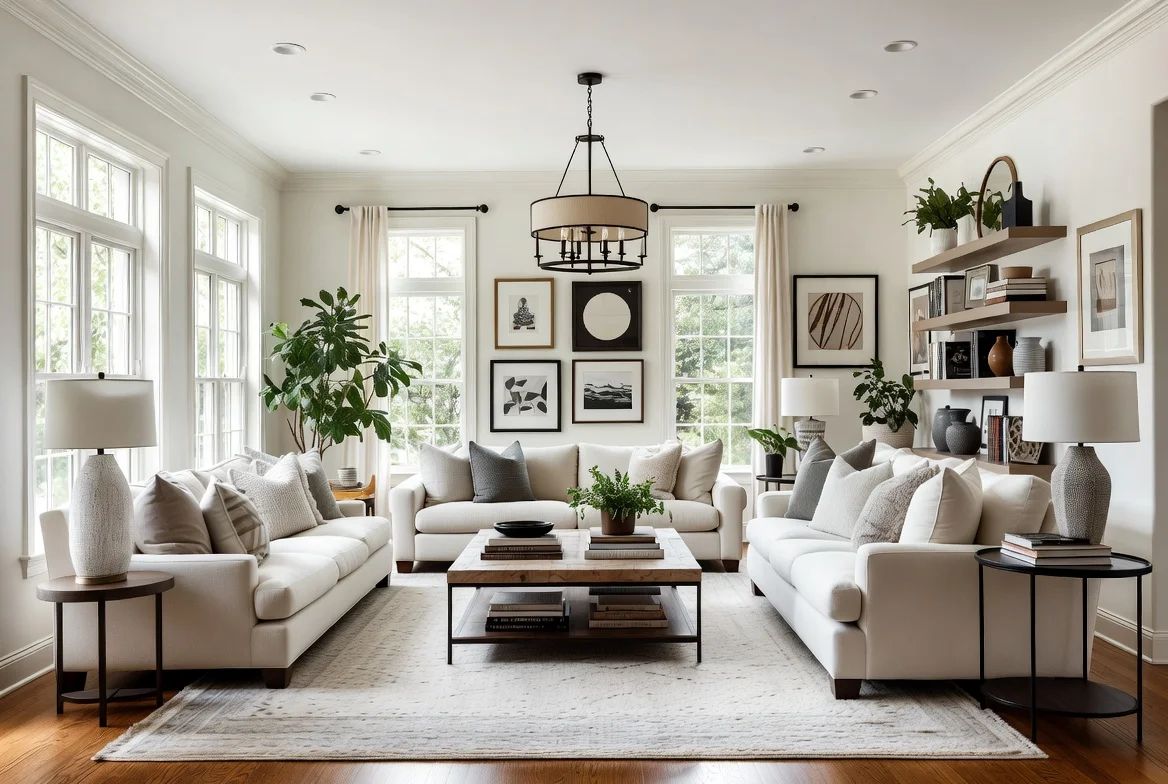
50 Living Room Inspirations to Elevate Your Home Style
The living room stands as the emotional center of your home, the space where life unfolds in countless meaningful ways. It witnesses morning coffee rituals, afternoon reading sessions, evening conversations with loved ones, and weekend gatherings that create lasting memories. Yet despite its central importance, many homeowners struggle to transform this essential space into something that truly reflects their personality while remaining functional for daily life. The gap between aspiration and reality often feels insurmountable.
Creating a living room design that balances beauty with practicality requires more than simply arranging furniture and hanging curtains. It demands understanding how color palettes influence mood, how furniture placement affects flow, and how seemingly small decorative choices combine to create cohesive atmospheres. The most inspiring living rooms achieve that elusive quality where everything feels intentionally designed yet effortlessly comfortable, where style and substance merge seamlessly.
This comprehensive guide presents 50 carefully curated living room inspirations that prove exceptional design is achievable regardless of budget, square footage, or existing constraints. From bold contemporary aesthetics to timeless traditional elegance, from space-saving solutions for compact apartments to grand ideas for expansive open-concept homes, these inspirations offer proven strategies for elevating your most important gathering space. Each concept represents real-world applications that transform ordinary rooms into extraordinary sanctuaries.
Understanding the Foundations of Inspiring Living Room Design
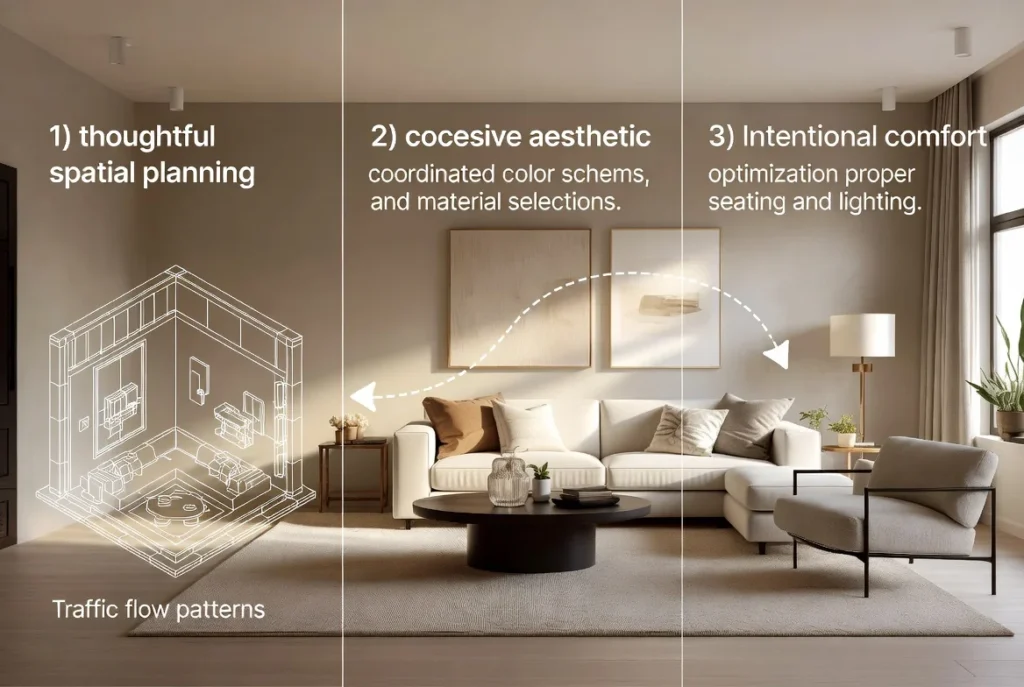
Before exploring specific inspirations, grasping the fundamental principles that separate memorable living rooms from forgettable ones ensures your design efforts deliver lasting impact. Every successful living space rests on three essential pillars: thoughtful spatial planning, cohesive aesthetic vision, and intentional comfort optimization.
Spatial planning extends far beyond simply arranging furniture against walls. It involves understanding traffic patterns, creating conversation zones, and establishing visual balance through strategic placement of both large anchor pieces and smaller accent elements. In well-planned spaces, movement feels natural, sight lines remain unobstructed, and each area serves clear purposes without feeling cramped or disjointed.
Aesthetic cohesion ensures that despite incorporating diverse elements, your living room tells a unified design story. This means selecting a color scheme that harmonizes throughout the space, choosing materials and finishes that complement rather than compete, and maintaining consistent proportions that create visual rhythm. When cohesion succeeds, rooms feel curated and intentional rather than randomly assembled from disparate purchases made over time.
Comfort optimization recognizes that beautiful spaces lose their appeal if they fail to support how you actually live. The most inspiring living rooms provide adequate seating for typical household size plus guests, offer surfaces for drinks and remotes within easy reach, incorporate proper lighting for various activities, and include storage that keeps clutter contained without sacrificing accessibility.
Inspirations 1 Through 10: Timeless Classic and Traditional Styles
Elegant Symmetry and Formal Balance
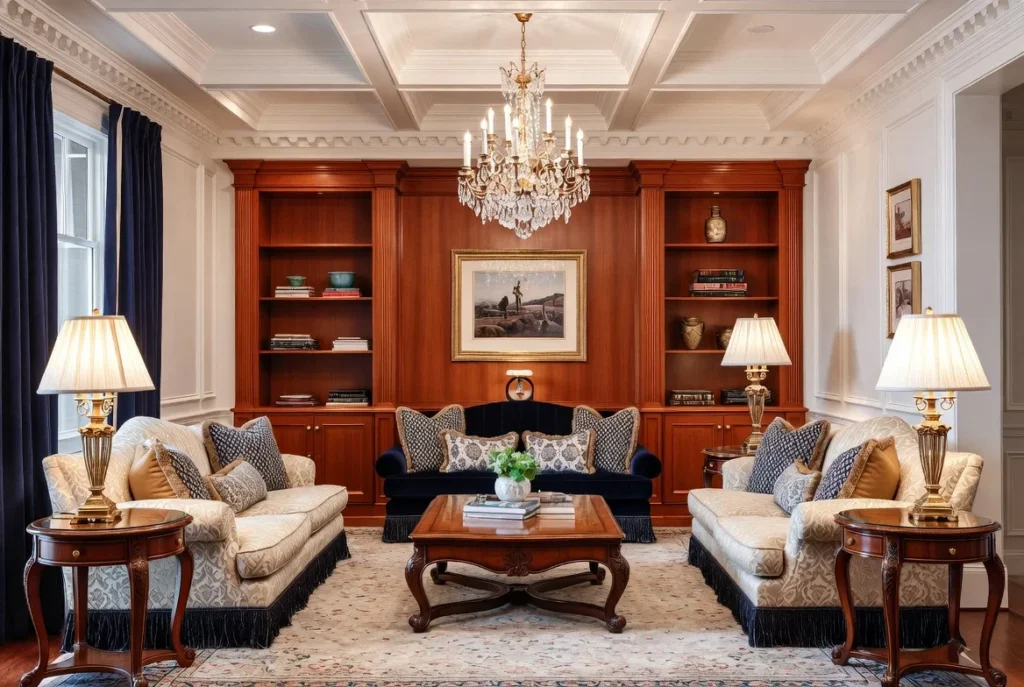
Traditional living room designs often embrace symmetrical arrangements that create immediate visual harmony and timeless sophistication. Position matching sofas or loveseats facing each other across a substantial coffee table, flanked by identical table lamps on coordinating side tables. This balanced approach delivers the refined elegance associated with classic interior design while providing ample seating for conversations and gatherings.
Rich Wood Tones and Architectural Details
Incorporating substantial wood furniture in warm finishes like cherry, mahogany, or walnut establishes traditional character that ages beautifully. Pair these rich wood tones with architectural molding, wainscoting, or built-in bookcases that add dimensional interest. The combination of quality hardwood pieces and detailed trim work creates depth and sophistication that cheaper alternatives simply cannot replicate.
Luxurious Fabric Choices
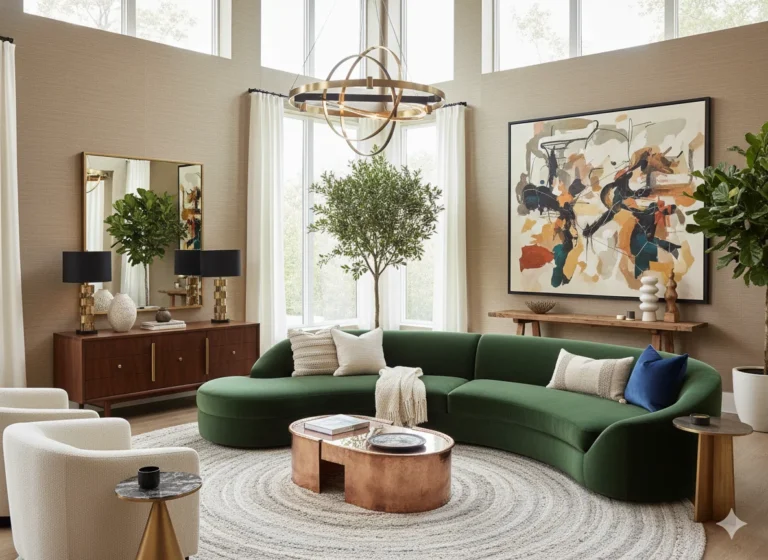
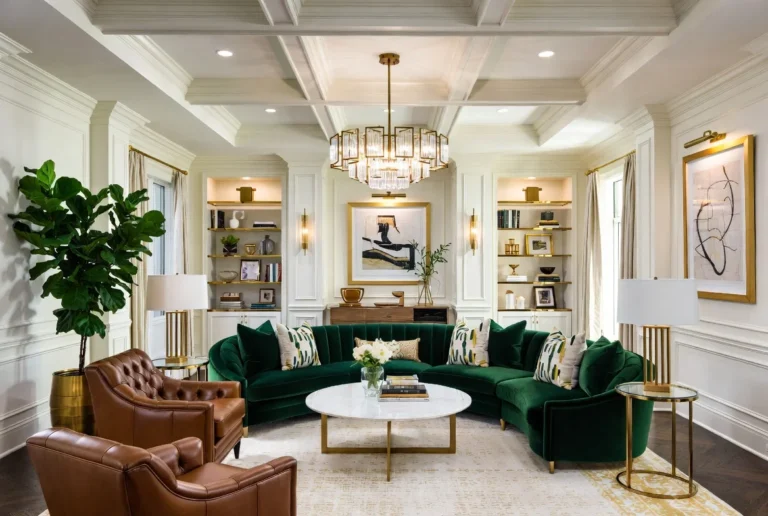
Traditional upholstery favors substantial fabrics like velvet, damask, and high-quality linen in sophisticated color palettes. Deep burgundies, forest greens, and navy blues paired with creamy neutrals create rich, layered looks that feel both luxurious and lived-in. Add decorative throw pillows in complementary patterns and textures to enhance visual interest without overwhelming the refined aesthetic.
Crystal and Brass Accents
Elevate traditional spaces with refined metallic finishes through brass table lamps, crystal chandeliers, and antique-inspired hardware. These gleaming accents catch and reflect light beautifully, adding sparkle and sophistication. When used with restraint, metallics prevent traditional rooms from feeling heavy or dated, instead lending an updated elegance that bridges classic and contemporary sensibilities.
Oriental Rugs as Foundation
A quality area rug in traditional patterns anchors the seating arrangement while introducing sophisticated color and pattern. Persian, Oriental, and other classic rug designs provide both visual weight and practical function, defining the conversation area while protecting flooring. These rugs serve as foundation pieces that inspire and inform the entire room’s color palette and decorative direction.
Inspirations 11 Through 20: Modern and Contemporary Living Spaces
Clean Lines and Minimalist Furniture
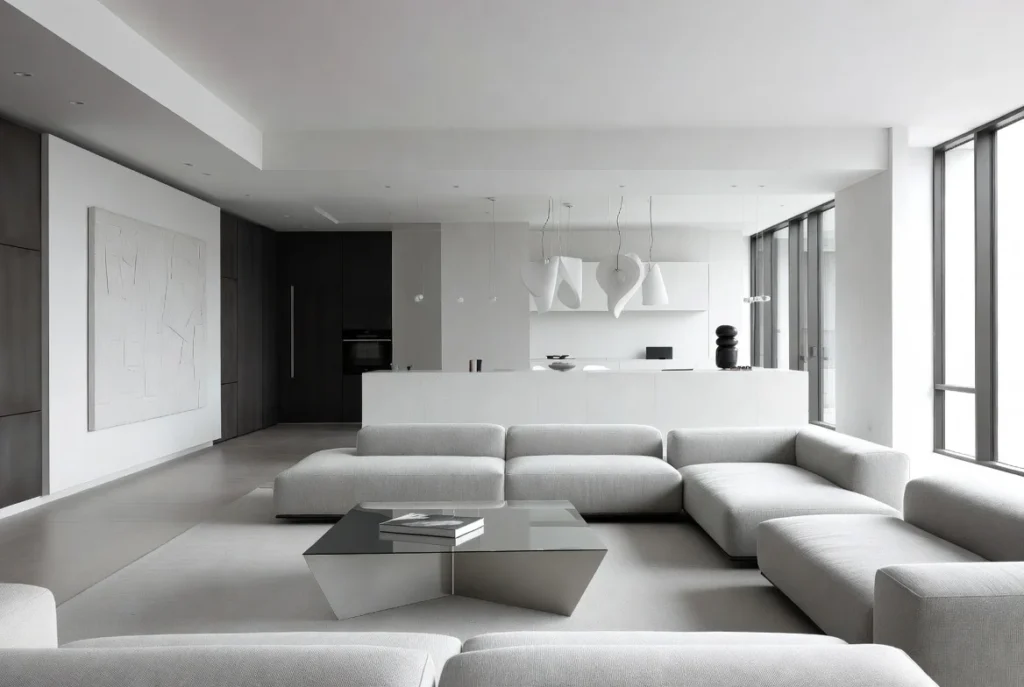
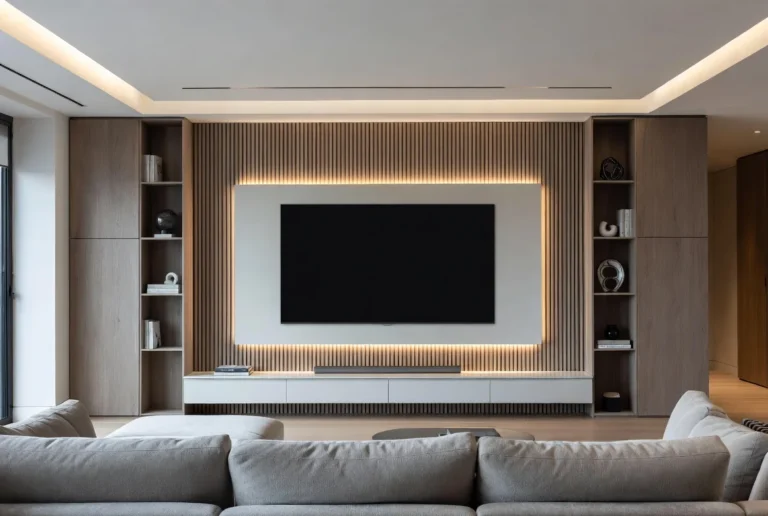
Modern living rooms embrace simplicity through streamlined furniture selections with minimal ornamentation. Low-profile sofas in neutral upholstery, geometric coffee tables in glass or metal, and sleek media consoles create uncluttered environments where form follows function. This pared-down approach allows architectural elements and carefully chosen decorative objects to shine without visual competition.
Monochromatic Color Schemes
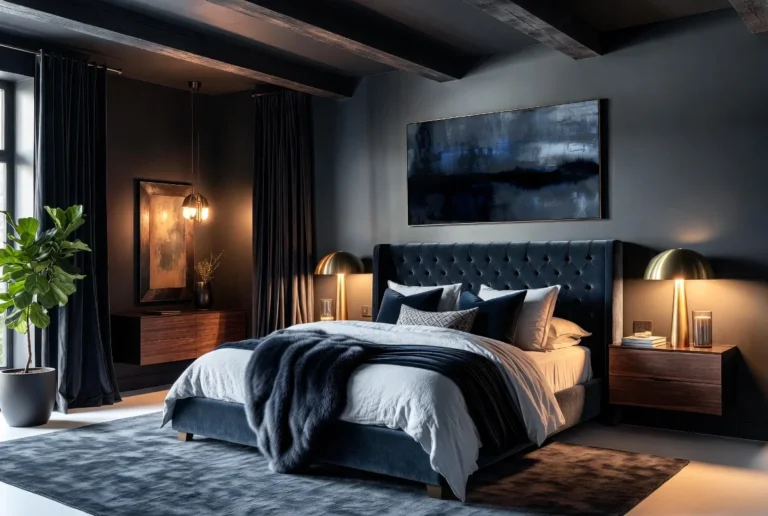
Contemporary spaces often explore monochromatic palettes using varying shades of single colors to create sophisticated depth. An all-white room gains dimension through layering glossy and matte finishes, varying fabric textures, and introducing subtle tonal variations. Similarly, grayscale schemes ranging from charcoal to silver create dramatic yet cohesive environments that feel intentionally designed.
Statement Art and Sculptural Pieces
In minimalist modern design, fewer elements mean each piece carries greater visual weight. Invest in substantial statement artwork, sculptural lighting fixtures, or unique furniture pieces that serve as focal points. A single large-scale painting above the sofa or a distinctive pendant light becomes the room’s defining feature, eliminating need for excessive smaller decorations.
Open Concept Integration
Open floor plans define contemporary living, seamlessly connecting living rooms with adjacent kitchens and dining areas. Create visual flow through continuous flooring, consistent color palettes, and thoughtful furniture placement that defines zones without physical barriers. This openness maximizes perceived space while facilitating modern casual lifestyles centered on connection and interaction.
Industrial and Mixed Materials
Contemporary interior design frequently combines unexpected materials for textural contrast and visual interest. Pair sleek leather sofas with rough reclaimed wood coffee tables, or position smooth glass surfaces against textured concrete walls. These material juxtapositions create dynamic tension that keeps modern spaces feeling engaging rather than sterile.
Inspirations 21 Through 30: Cozy and Comfortable Family Rooms
Oversized Sectional Seating
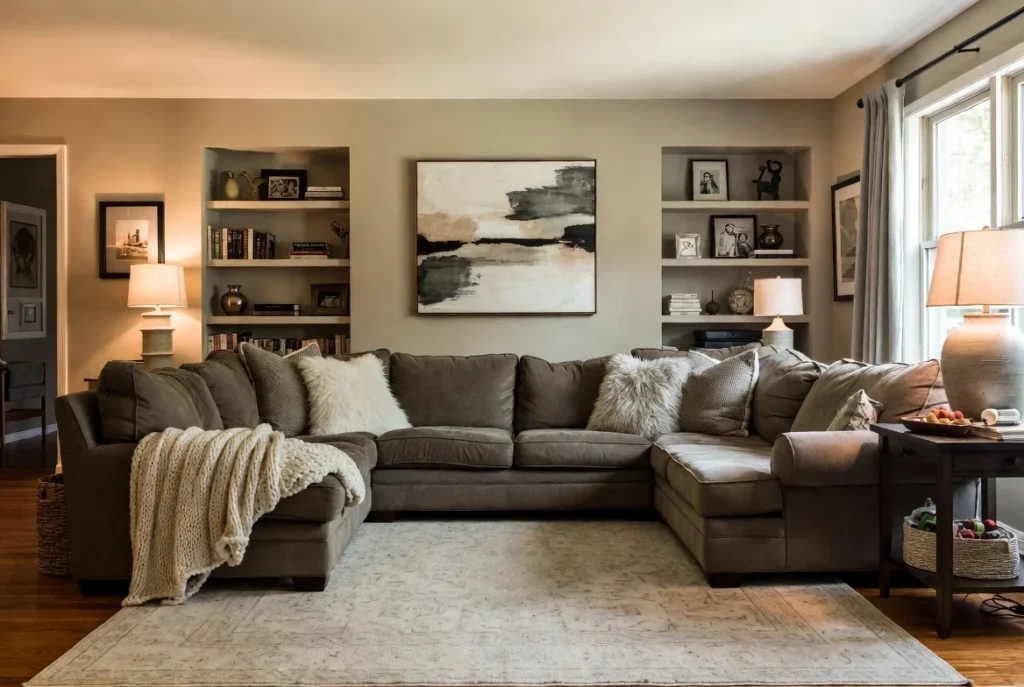
Family-friendly living rooms prioritize comfort through substantial sectional sofas that accommodate multiple people simultaneously. These generous seating arrangements invite relaxation and togetherness, perfect for movie nights, game days, or casual gatherings. Choose durable, stain-resistant fabrics in forgiving colors that withstand daily family life without constant cleaning concerns.
Layered Soft Textures
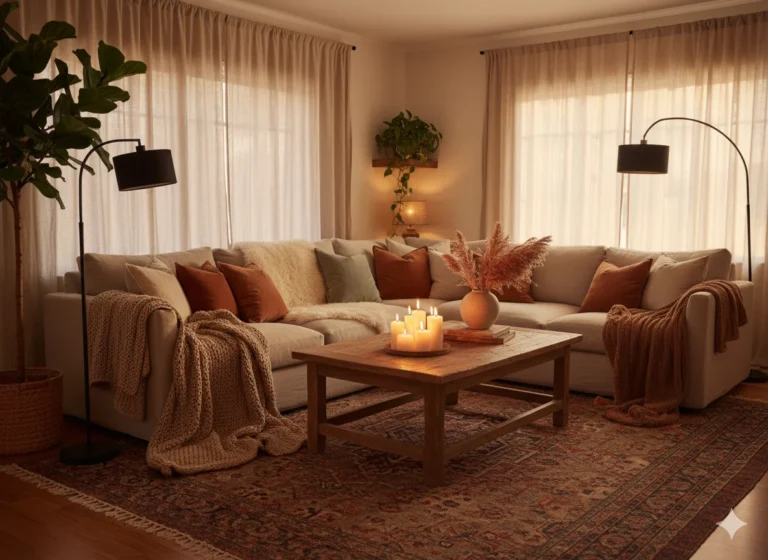
Create inviting warmth through layered textiles including plush throw blankets, soft accent pillows, and cozy area rugs underfoot. Combine various textures like chunky knits, smooth velvets, and nubby linens for tactile richness that begs to be touched. These soft layers transform hard-surfaced rooms into welcoming retreats where comfort reigns supreme.
Practical Storage Solutions
Families generate clutter, making smart storage integration essential. Incorporate storage ottomans that hide toys and games, built-in shelving for books and collectibles, and media consoles with ample closed storage for electronics and accessories. When everything has designated homes, maintaining organized, peaceful spaces becomes achievable rather than aspirational.
Durable and Washable Fabrics
Select upholstery and textiles that balance style with practicality. Performance fabrics resist stains and clean easily, while darker colors and patterns disguise inevitable wear better than light solids. Slipcovers offer another practical solution, allowing seasonal refreshes or easy cleaning when spills occur. Prioritizing durability ensures your living room maintains its appeal despite heavy daily use.
Multi-Purpose Furniture
Multifunctional pieces maximize flexibility in family living rooms. Coffee tables with lift-tops transform into work surfaces or dining tables. Storage benches provide seating plus hidden storage. Convertible sofa beds accommodate overnight guests. These versatile furnishings adapt to changing needs without requiring constant furniture replacement.
Inspirations 31 Through 40: Small Space and Apartment Living Solutions
Space-Saving Furniture Selections
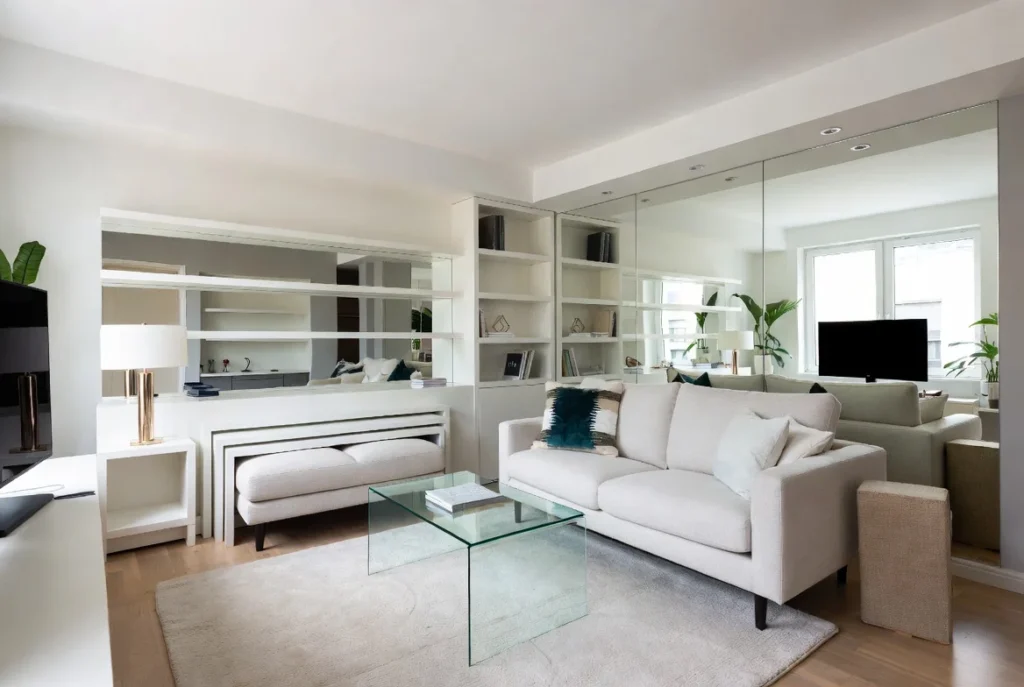
Small living rooms demand carefully scaled furniture that provides function without overwhelming limited square footage. Choose loveseats or apartment-sized sofas instead of full-scale sectionals. Select nesting tables that tuck away when not needed. Opt for armless chairs that consume less visual and physical space. These proportionate selections make small rooms feel appropriately furnished rather than cramped.
Light Color Palettes
Maximize perceived space through light neutral colors on walls, large furniture pieces, and window treatments. Whites, creams, soft grays, and pale blues reflect light and create airy atmospheres that make small rooms feel more expansive. Reserve darker accent colors for smaller decorative elements that add personality without closing in the space.
Mirrors and Reflective Surfaces
Strategic mirror placement visually doubles space by reflecting light and views. Position large mirrors opposite windows to maximize natural light, or create gallery walls with multiple smaller mirrors for artistic impact that expands spatial perception. Supplement with glass coffee tables and metallic accents that maintain openness through transparency and reflection.
Vertical Storage and Shelving
When floor space is limited, build upward with tall bookcases, floating shelves, and wall-mounted storage. Floor-to-ceiling solutions maximize storage capacity without consuming precious square footage. This vertical emphasis also draws the eye upward, making ceilings appear higher and rooms feel more spacious than their actual dimensions suggest.
Multi-Zone Layout Planning
Even small living spaces can accommodate multiple functions through clever zoning. Use area rugs to define separate conversation and work areas. Position furniture to create subtle boundaries between zones. Incorporate room dividers like open shelving that maintain visual connection while establishing distinct spaces for different activities.
Inspirations 41 Through 50: Bold and Eclectic Personal Expressions
Vibrant Jewel Tone Palettes
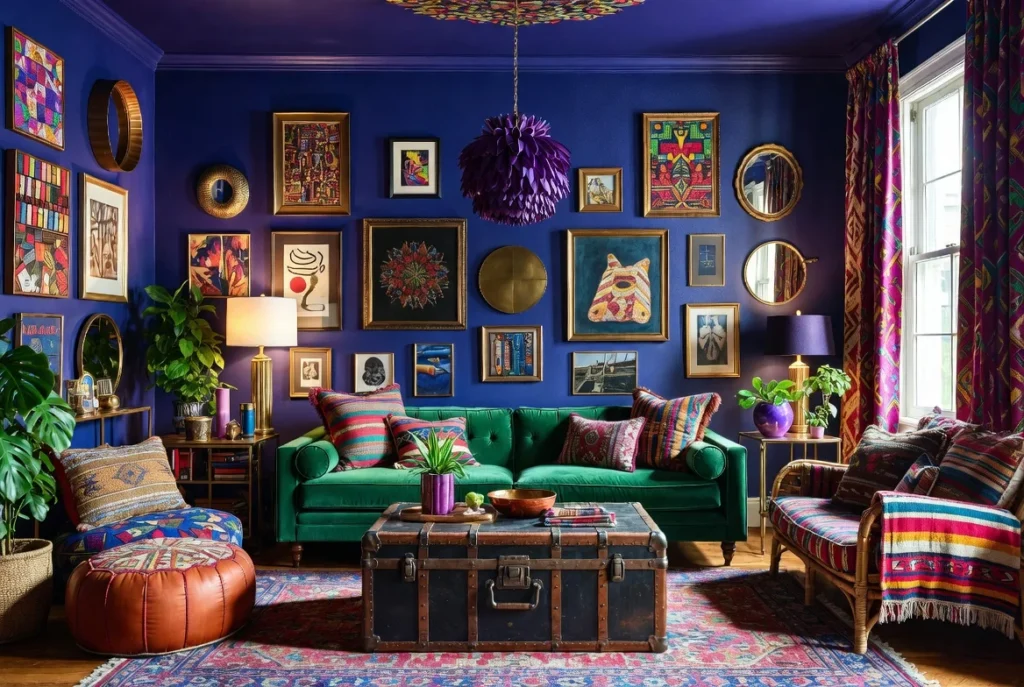
Bold color choices including emerald green, sapphire blue, amethyst purple, and ruby red create dramatic, personality-filled living rooms. These rich jewel tones add instant luxury and sophistication when balanced with neutral elements. Use vibrant colors on accent walls, statement furniture pieces, or through layered textiles for maximum impact without overwhelming senses.
Maximalist Decorating Approaches
Embrace maximalism through abundant pattern mixing, collected treasures, and layered accessories that tell your unique story. Gallery walls showcase meaningful artwork and photos. Shelves display cherished collections. Textiles combine multiple complementary patterns. This more-is-more philosophy creates visually stimulating environments that reward repeated viewing with new details to discover.
Global and Bohemian Influences
Bohemian style celebrates eclecticism through global influences, natural materials, and relaxed aesthetics. Incorporate Moroccan poufs, Indian textiles, African mudcloth, and rattan furniture for worldly sophistication. Mix vintage finds with handcrafted pieces for authentic, collected-over-time appeal that feels personal rather than store-bought.
Unexpected Furniture Pairings
Create eclectic interest by combining furniture from different periods and styles. Pair a sleek modern sofa with vintage side tables. Position an antique trunk as a coffee table in a contemporary setting. Mix formal and casual pieces for dynamic tension that keeps spaces feeling fresh and personally curated rather than following predictable formulas.
Statement Ceilings and Walls
Transform often-overlooked surfaces into design features through bold treatments. Paint ceilings in unexpected colors, install decorative beams, or add wallpaper for dramatic impact. Create accent walls with textured finishes, gallery walls, or unique materials like reclaimed wood or stone. These bold moves establish unforgettable character that distinguishes your living room from every other space.
Conclusion
Creating an inspiring living room that elevates your home style requires nothing more than thoughtful application of design principles that resonate with your personal aesthetic and practical needs. The 50 inspirations presented throughout this guide prove that exceptional living spaces come in countless forms, from quietly elegant traditional rooms to boldly expressive eclectic sanctuaries, from compact apartment solutions to expansive open-concept designs.
The most important insight to carry forward is that inspiring interior design emerges not from following rigid rules or trends but from understanding how fundamental elements like color, furniture, lighting, and texture work together to create cohesive environments. A carefully selected color palette sets emotional tone. Strategic furniture arrangement facilitates both function and flow. Layered lighting adapts spaces for various activities and moods. Thoughtful decorative choices inject personality that makes houses feel like homes.
Begin your living room transformation by identifying which inspirations speak most strongly to your sensibilities and lifestyle requirements. Start with foundational decisions about overall style direction and color scheme before selecting major furniture pieces. Layer in lighting, textiles, and decorative elements gradually, allowing the space to evolve organically rather than rushing to complete everything overnight.
Your living room holds remarkable potential to become the heart of your home, the space where life’s best moments unfold surrounded by beauty and comfort. Whether you implement a single inspiration or combine multiple concepts, the cumulative effect will be a room that genuinely reflects who you are while welcoming everyone who enters. Let these inspirations guide you toward creating a living space that elevates not just your home style but your daily quality of life.
Frequently Asked Questions
What is the most important element when designing a living room?
The most important element is creating a functional layout that supports how you actually use the space. Start by identifying your primary activities whether entertaining guests, family movie nights, or quiet reading then arrange furniture to facilitate these activities comfortably. Proper furniture placement that allows adequate traffic flow while creating conversation zones forms the foundation for all other design decisions. Without good spatial planning, even beautiful furniture and decor will fail to create a truly functional, livable room.
How do I choose the right color scheme for my living room?
Select colors based on the mood you want to create and the natural light your room receives. Rooms with abundant natural light can handle darker, more saturated colors, while spaces with limited light benefit from lighter, reflective palettes. Consider how colors make you feel; warm tones like reds and oranges create energy and intimacy, while cool blues and greens promote calm and relaxation. Start with a base neutral for large items like sofas and walls, then layer in accent colors through easily changeable elements like pillows, throws, and artwork.
What furniture is essential for a functional living room?
Essential furniture includes comfortable seating for your typical household size plus two extra guests, a coffee table or ottoman within easy reach of seating for drinks and remotes, adequate lighting including both ambient and task options, and sufficient storage to contain everyday items. The specific pieces vary by lifestyle; families might prioritize durable sectionals and toy storage, while frequent entertainers might need flexible seating and bar carts. Focus on quality over quantity, investing in fewer well-made pieces that serve your specific needs rather than filling the room with furniture that looks good but does not function well.
How can I make a small living room feel larger?
Use light colors on walls and large furniture to maximize light reflection and create airiness. Choose appropriately scaled furniture that fits the space without overwhelming it; oversized pieces make small rooms feel cramped. Incorporate mirrors strategically to reflect light and views, visually expanding the space. Maintain clear pathways and avoid cluttering the room with excessive furniture or decorative objects. Use vertical storage solutions like tall bookcases to maximize storage without consuming floor space, and consider furniture with exposed legs rather than skirted pieces, as visible floor creates the perception of more space.
Should I follow current design trends or create a timeless living room?
The best approach combines timeless foundation pieces with trend-driven accents that can be easily updated. Invest in quality neutral sofas, classic wood furniture, and traditional lighting that will remain stylish for decades. Incorporate current trends through easily changeable elements like throw pillows, artwork, decorative accessories, and paint colors. This strategy allows you to refresh your room’s look as trends evolve without requiring expensive furniture replacement. Remember that your living room should primarily reflect your personal taste rather than blindly following trends; a space you genuinely love will always feel more satisfying than one designed purely to be trendy.
You may also like this post: 30 Small Open Concept Kitchen Living Room Ideas That Make Every Square Foot Count
One Comment