
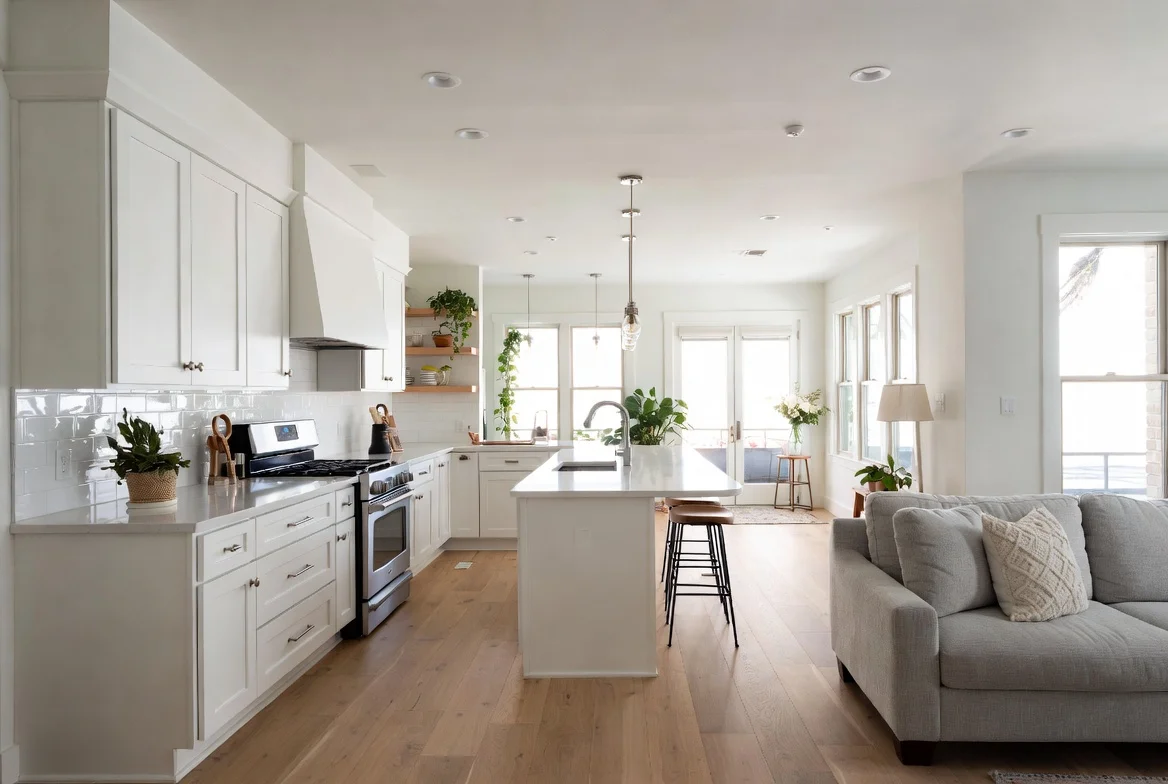
30 Small Open Concept Kitchen Living Room Ideas That Make Every Square Foot Count
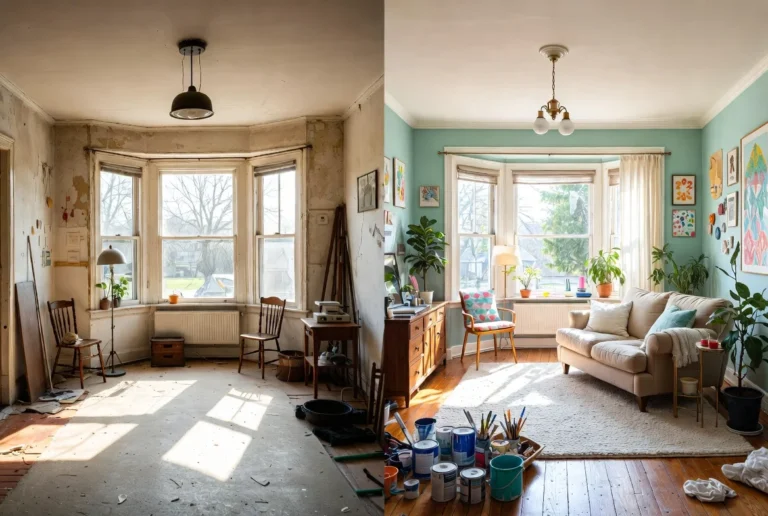
Standing in the center of a cramped, compartmentalized home where walls chop up precious square footage feels suffocating. Now imagine those barriers removed, revealing a spacious, light-filled area where cooking, dining, and relaxing flow together effortlessly. This transformation represents the power of a small open concept kitchen living room, a design approach that has revolutionized how we live in compact spaces.
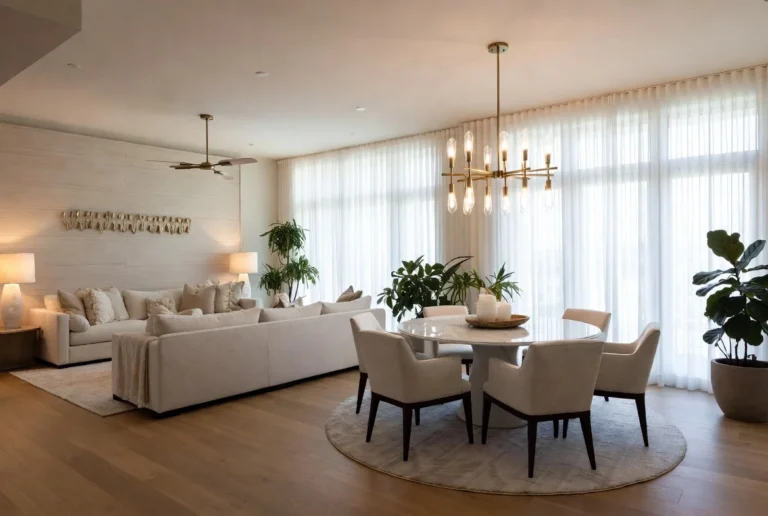
The genius of open floor plan living lies not just in removing walls but in the strategic orchestration of every design element to create distinct zones that feel both connected and purposeful. In smaller homes, where every inch demands intentionality, this layout stops being merely a style preference and becomes an essential strategy for livable, functional spaces. When a 700-square-foot apartment or a cozy bungalow embraces open concept design, the impact is immediate and dramatic. Light travels farther. Sightlines extend. What once felt like a series of cramped boxes transforms into an airy, cohesive home.
This comprehensive guide presents 30 powerful ideas that prove small spaces can deliver big style and functionality. Each strategy draws from proven interior design principles while remaining accessible for real homeowners working with real budgets and spatial constraints. Whether you are starting from scratch or reimagining your existing layout, these solutions will help you create a small open kitchen living room that maximizes every square foot without sacrificing comfort or beauty.
Understanding the Fundamentals of Small Open Concept Spaces
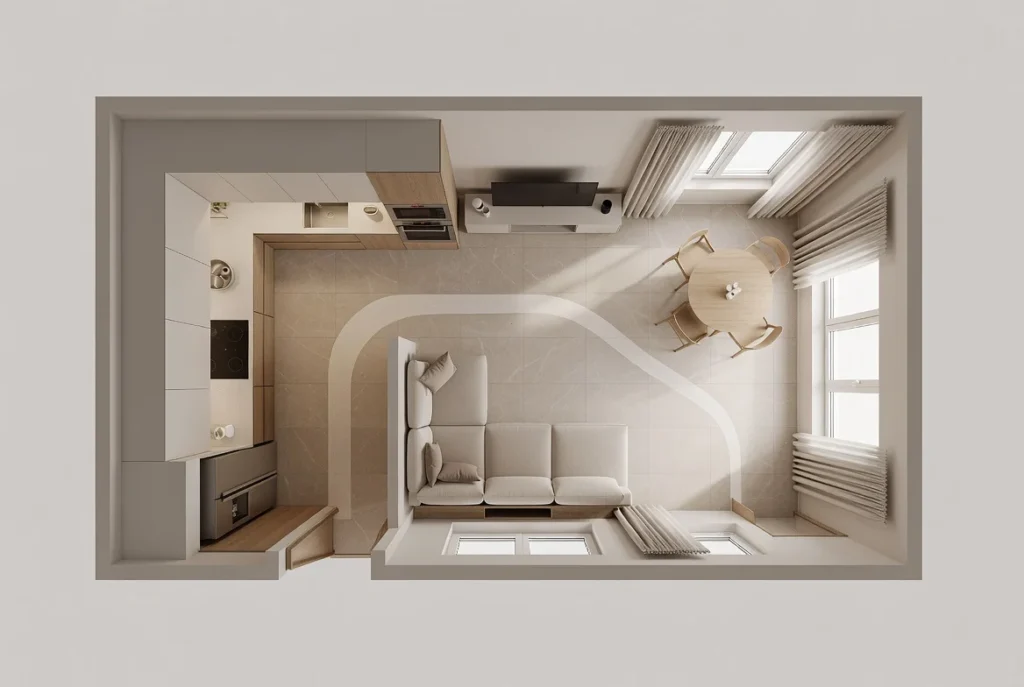
Before exploring specific design ideas, grasping the core principles that govern successful small space design prevents costly mistakes and ensures your efforts deliver maximum impact. Every effective small open concept layout rests on three foundational pillars: strategic space planning, intentional visual flow, and smart multifunctionality.
Strategic space planning begins with honest assessment of your available square footage and realistic understanding of how you use your home daily. In a compact open floor plan, the kitchen typically occupies one wall or corner, while the living area claims the remaining space. The key lies in establishing clear circulation paths of at least 36 inches between furniture and fixed elements, ensuring movement feels natural rather than obstructed.
Visual flow creates the illusion of greater space through continuous elements that guide the eye seamlessly from kitchen to living zones. This includes maintaining consistent flooring throughout, using a unified color palette, and ensuring sightlines remain unblocked. When these elements work harmoniously, a 400-square-foot studio can feel as spacious and welcoming as a much larger home.
Smart multifunctionality demands that every piece of furniture, every design choice, and every storage solution serves multiple purposes. A kitchen island becomes dining table, workspace, and room divider simultaneously. A console table behind the sofa provides storage while defining the living zone edge. This layered functionality is what separates successful small open concepts from those that feel cluttered and chaotic.
Ideas 1 Through 6: Layout Configurations That Maximize Flow
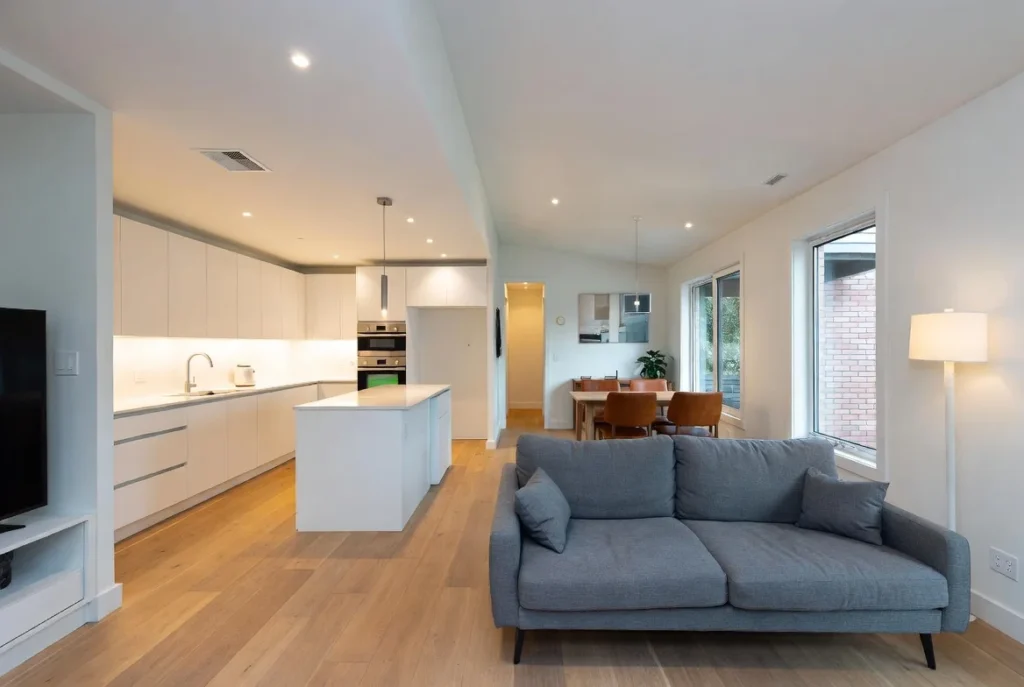
The Single-Wall Kitchen Layout
Positioning your entire kitchen along one wall creates maximum openness in small open concept designs. This galley kitchen approach keeps all appliances, sink, and storage in a straight line, leaving the remaining space completely available for living functions. Install upper cabinets to the ceiling to maximize vertical storage without consuming floor space. This layout works exceptionally well in narrow or rectangular rooms where depth is limited.
The L-Shaped Kitchen Corner
An L-shaped kitchen configuration tucked into a corner provides ample counter space while maintaining open views to the living area. This layout naturally creates a work triangle between sink, stove, and refrigerator that enhances cooking efficiency. The perpendicular counter arrangement also offers opportunities for a small breakfast bar, adding casual dining without requiring a separate table.
The Kitchen Island as Zoning Tool
When square footage allows, a compact kitchen island serves multiple critical functions in small open layouts. Position it to create a natural boundary between cooking and living zones while providing additional prep space, storage, and seating. Choose an island approximately 4 to 5 feet long to maintain proper walkway clearances. The island becomes a visual anchor that defines spaces without blocking light or views.
The Galley with Peninsula
Creating a galley kitchen with an extended peninsula offers the workspace benefits of two parallel counters while keeping one side open to the living area. This configuration provides abundant storage and counter space without completely closing off the kitchen. The peninsula can accommodate bar stools for casual dining, transforming it into a multifunctional element that serves cooking, eating, and socializing needs.
Floating Furniture Arrangement
Rather than pushing all living room furniture against walls, float the sofa and chairs to create an intimate seating zone that subtly separates from the kitchen. This arrangement establishes a psychological boundary between areas while maintaining the open, airy quality that makes small spaces feel larger. Leave adequate clearance behind the sofa for a console table or walkway.
The Angled Layout Strategy
Positioning key elements at slight angles introduces dynamic energy and creates natural traffic patterns in rectangular open spaces. An angled sofa or kitchen island breaks the monotony of parallel lines while improving flow between zones. This approach works particularly well in narrow spaces where straight arrangements can feel tunnel-like and restrictive.
Ideas 7 Through 12: Furniture Selection for Small Open Spaces
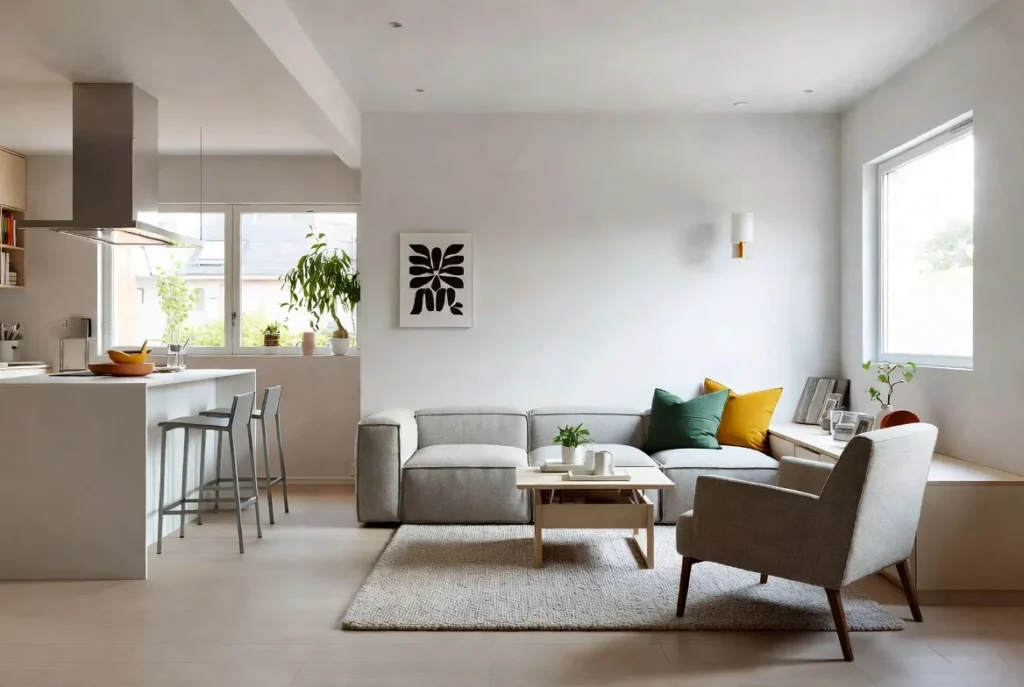
Low-Profile Sectional Sofas
Choosing a low-profile sectional with minimal arms and a low back maintains open sightlines in combined kitchen living spaces. These streamlined pieces provide generous seating without the visual bulk that makes small areas feel cramped. The lower profile allows views to pass over the furniture, preserving the sense of spaciousness that open concepts deliver.
Slim Bar Stools and Counter Seating
Selecting bar stools with narrow frames or no backs allows them to tuck completely under counters or islands when not in use. This disappearing seating keeps walkways clear and prevents the kitchen zone from spilling into the living area. Choose stools in transparent materials like acrylic or simple metal frames that take up minimal visual space.
Multifunctional Coffee Tables
A coffee table with built-in storage provides a surface for drinks and remote controls while hiding clutter that could make your small open space feel messy. Look for designs with lift-top functionality that transforms the table into a dining or work surface when needed. This versatility eliminates the need for separate pieces that consume precious square footage.
Armless Accent Chairs
Armless chairs in the living zone create seating without the bulky profiles that traditional upholstered chairs present. These sleek pieces slide easily under console tables or tuck against walls when additional floor space is needed. Their streamlined silhouettes maintain the airy quality essential in compact open floor plans.
Nesting Tables and Flexible Surfaces
Nesting tables provide surface area when entertaining while stacking neatly when not in use. This flexibility allows your space to adapt to different needs without permanent commitment to bulky furniture. Choose designs that complement your overall aesthetic while offering the versatility small spaces demand.
Built-In Banquette Seating
Installing a built-in banquette along one wall creates dining seating that doubles as storage underneath. This fixed seating eliminates the need for individual dining chairs that consume space even when not in use. Add cushions and throw pillows to make the banquette comfortable and visually appealing while maximizing every inch of available space.
Ideas 13 Through 18: Lighting Strategies That Define Zones
Layered Lighting Approach
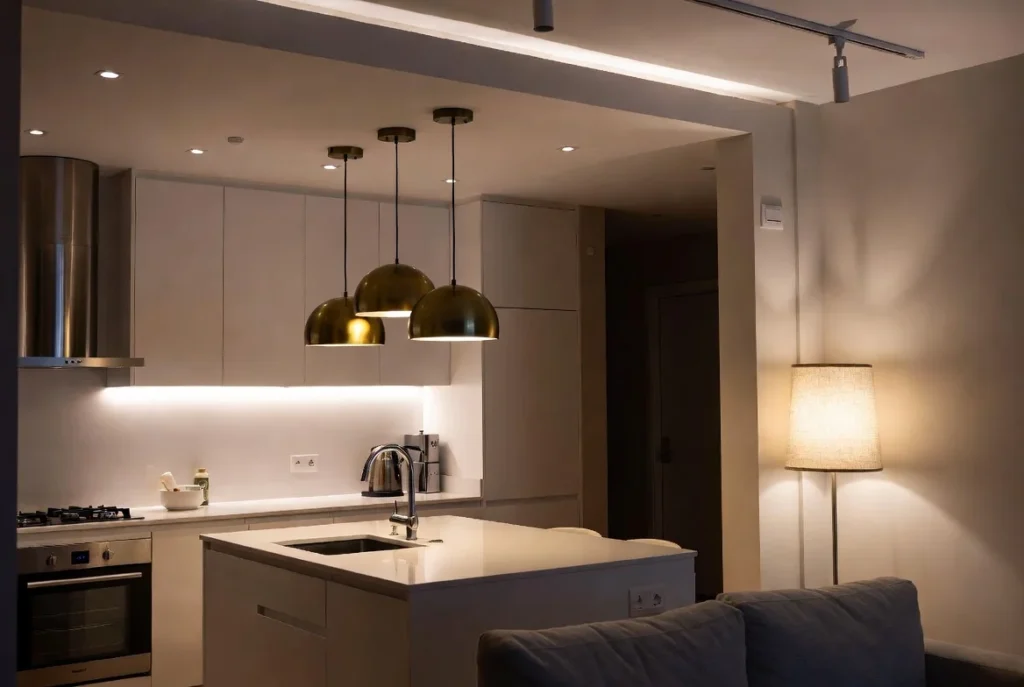
Implementing layered lighting with ambient, task, and accent sources creates depth and dimension in open concept kitchens. Use recessed ceiling lights for general illumination, pendant lights above the island or eating area for task lighting, and table or floor lamps in the living zone for ambient warmth. This variety signals different functions while maintaining cohesive design.
Statement Pendant Lights
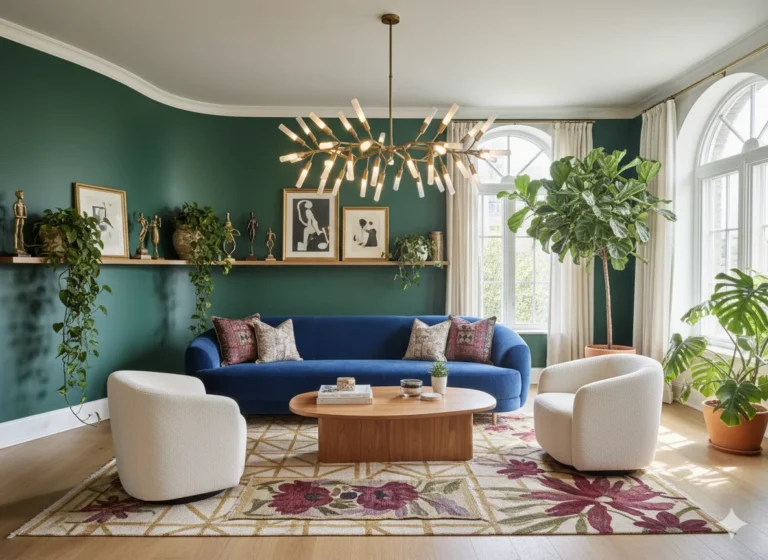
Hanging dramatic pendant lights above your kitchen island or dining area creates a visual anchor that defines the cooking zone without physical barriers. Choose fixtures whose scale relates to your space proportions, typically hanging 30 to 36 inches above counter surfaces. These fixtures draw the eye upward, emphasizing ceiling height and making the entire space feel more expansive.
Under-Cabinet Lighting
Installing LED strip lights beneath upper cabinets provides essential task lighting for food preparation while adding a sophisticated glow that enhances ambiance in the evening. This hidden lighting makes small kitchens feel more spacious by eliminating dark corners and creating visual interest without consuming any physical space.
Dimmer Controls for Flexibility
Adding dimmer switches throughout your open layout allows you to adjust lighting intensity based on time of day and activity. Bright illumination supports cooking and cleaning, while dimmed lights create intimate ambiance for relaxing or entertaining. This flexibility transforms how your space feels throughout the day without requiring different light fixtures.
Strategic Floor Lamps
Positioning floor lamps at the edges of your living zone creates a soft perimeter of light that defines the area beautifully after dark. Choose lamps with slim profiles that don’t obstruct traffic flow. The warmth of lamplight draws people toward the living area while visually separating it from the more brightly lit kitchen zone.
Track Lighting for Versatility
Installing track lighting provides adjustable illumination that can be redirected as your needs change. Position tracks along the boundary between kitchen and living areas, then angle fixtures to highlight specific zones or features. This adaptable system suits renters and homeowners who want flexibility without permanent fixture placement.
Ideas 19 Through 24: Color and Material Strategies
Cohesive Neutral Palette
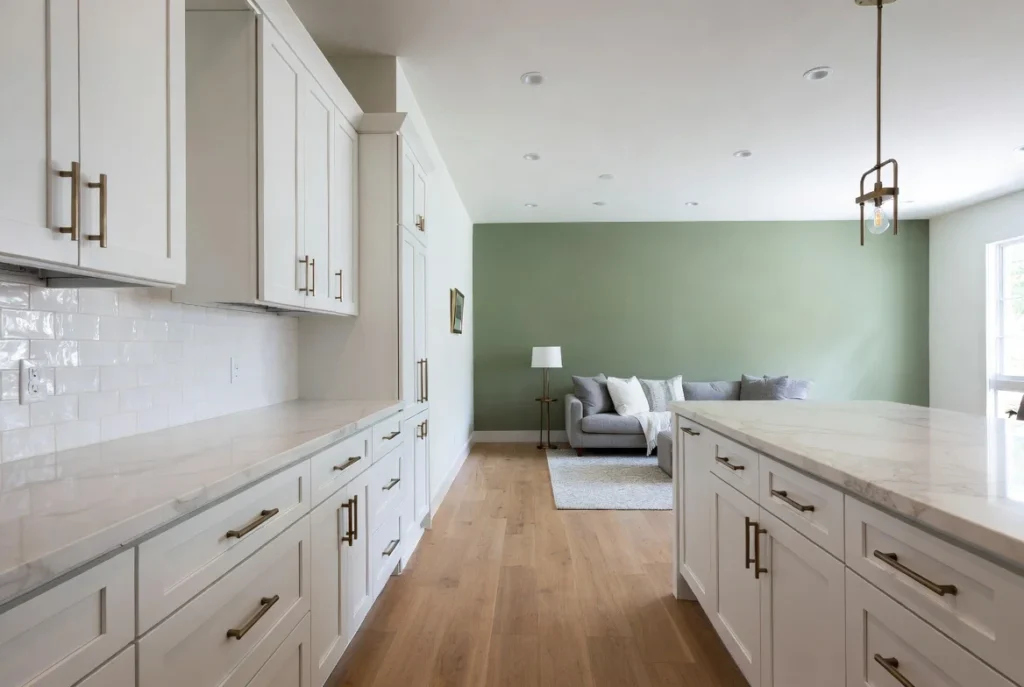
Using a unified color scheme of warm whites, soft grays, and natural wood tones throughout both zones creates visual continuity that makes small open spaces feel larger and more cohesive. This doesn’t mean everything must match perfectly, but maintaining a consistent base palette prevents the choppy, disjointed feeling that too many contrasting colors create.
Continuous Flooring Material
Installing the same flooring material throughout your entire open concept area eliminates visual breaks that make spaces feel smaller. Hardwood flooring, luxury vinyl plank, or large-format tiles in consistent colors and patterns create uninterrupted lines that guide the eye through the space. Avoid changing flooring between zones, as transitions chop up the visual flow.
White or Light-Colored Cabinets
Choosing white kitchen cabinets or light-colored finishes maximizes light reflection and creates an airy backdrop in small open kitchens. These bright surfaces bounce natural and artificial light throughout the space, making everything feel more open and welcoming. Light cabinets also provide a neutral canvas for introducing personality through accessories and decor.
Accent Wall Definition
Painting one wall in your living zone a slightly deeper shade of your base color creates subtle zone definition without disrupting visual flow. This accent wall technique signals a transition between areas while maintaining the cohesive color story essential in open floor plans. Choose colors from the same family for harmony rather than jarring contrast.
Reflective Surfaces and Finishes
Incorporating reflective materials like glossy backsplash tiles, polished countertops, and glass-front cabinets bounces light around your small open concept kitchen. These shiny surfaces create the illusion of greater depth and dimension, making the entire area feel more spacious. Balance reflective elements with matte textures to prevent an overly cold or sterile atmosphere.
Consistent Hardware and Fixtures
Selecting the same finish for cabinet hardware, light fixtures, and plumbing fixtures throughout both zones creates subliminal cohesion that ties the spaces together. Whether you choose brushed nickel, matte black, or warm brass, this material consistency speaks quietly but powerfully to create a unified, intentional design.
Ideas 25 Through 30: Storage and Organization Solutions
Floor-to-Ceiling Kitchen Cabinets
Installing upper cabinets that extend to the ceiling maximizes vertical storage without consuming additional floor space. This approach is particularly valuable in small open kitchens where storage is always at a premium. The tall cabinets also draw the eye upward, emphasizing ceiling height and making the entire space feel more expansive.
Open Shelving Display
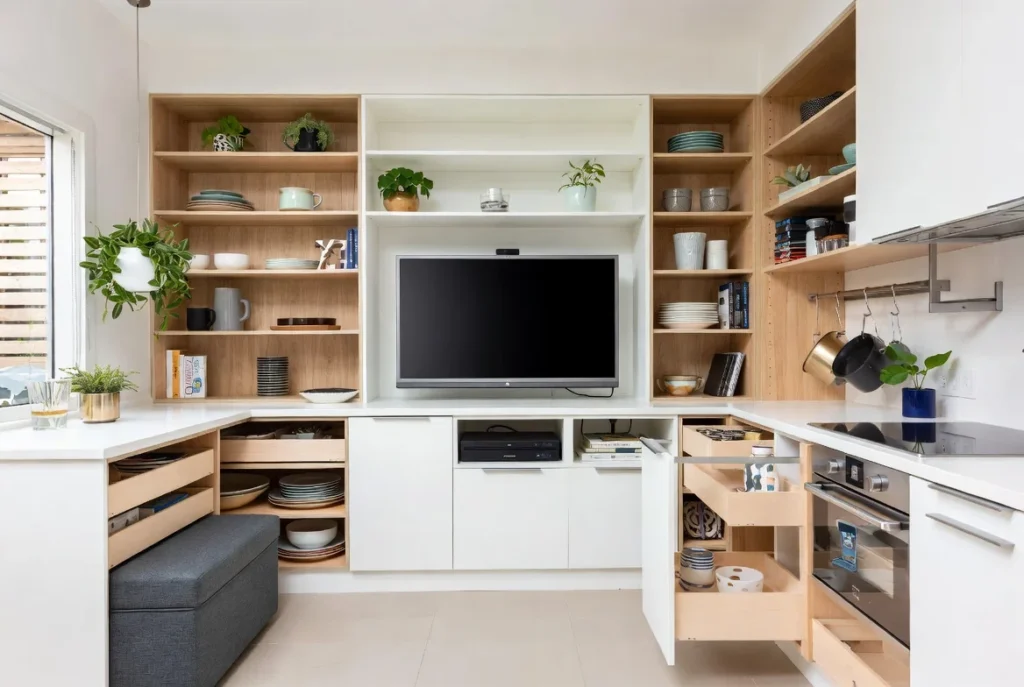
Incorporating open shelving in the kitchen creates visual lightness while providing accessible storage for everyday items. Style shelves with a curated selection of dishes, glasses, and decorative objects that add personality without clutter. Open shelves maintain sight lines that keep the space feeling open and connected to the living area.
Multipurpose Storage Ottomans
Using storage ottomans in the living zone provides hidden storage for blankets, books, and miscellaneous items while offering flexible seating or a footrest. These hardworking pieces keep clutter out of sight, essential in open layouts where everything is visible. Choose ottomans in colors and materials that complement your overall design.
Built-In Media Console
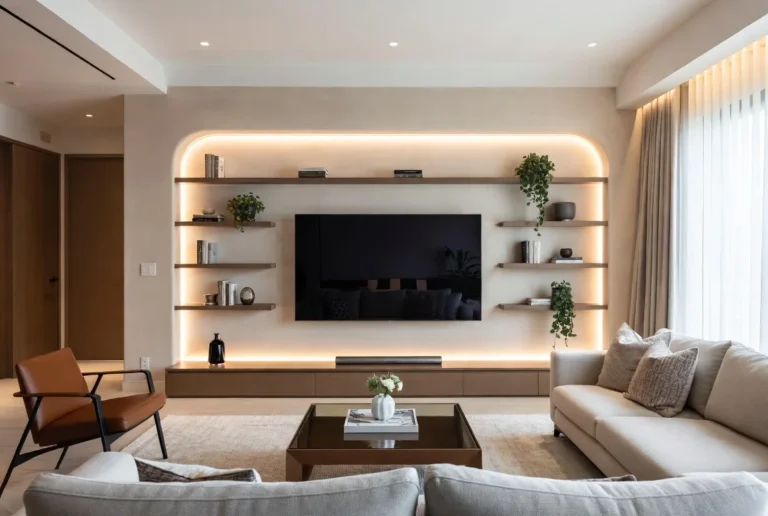
Installing a built-in entertainment center provides television storage and display space without the bulk of freestanding furniture. Built-ins can be customized to fit your exact space and needs, maximizing storage efficiency. This approach creates a finished, intentional look that elevates the entire living area.
Kitchen Island Storage
Maximizing your kitchen island with drawers, cabinets, and shelving transforms it from simple counter space into a storage powerhouse. Design the island with deep drawers for pots and pans, shelving for cookbooks or decorative items, and closed cabinets for less attractive necessities. This concentrated storage keeps the kitchen organized without requiring additional floor space.
Wall-Mounted Solutions
Installing wall-mounted racks, magnetic knife strips, and hanging pot racks utilizes vertical wall space that often goes unused in small kitchens. These solutions keep frequently used items accessible while clearing counter and drawer space. Choose attractive designs that enhance rather than detract from your overall aesthetic.
Conclusion
Creating a small open concept kitchen living room that feels both spacious and functional requires nothing more than thoughtful application of the design principles outlined throughout this guide. The 30 ideas presented here prove that limited square footage does not mean limited style, comfort, or livability. From fundamental layout configurations to nuanced lighting strategies and storage solutions, each concept builds upon the others to create cohesive, beautiful spaces.
The most important insight to carry forward is that successful small space design depends not on expensive renovations or complete furniture replacement but on intentional decision-making about how each element relates to every other element within your home. A well-chosen area rug, strategically placed pendant light, or carefully selected low-profile sofa can completely transform how your space looks and functions.
Begin by assessing your current layout honestly and identifying which strategies resonate most with your needs and aesthetic preferences. Start with foundational changes like furniture repositioning and color coordination before investing in renovations or new purchases. Document your progress with photographs to maintain perspective on how far your transformation has progressed.
Your small open concept kitchen living room holds remarkable potential waiting to be unlocked. With the right approach, this shared area becomes not just a functional compromise but a genuinely beautiful centerpiece of your home, one that welcomes family, impresses guests, and brings daily joy to everyone who inhabits it. Small spaces with big dreams deserve designs that deliver both style and substance, and these 30 ideas provide the roadmap to achieving exactly that.
Frequently Asked Questions
How do you make a small open concept kitchen and living room feel larger?
The most effective strategies include using light colors on walls and cabinets, installing continuous flooring throughout the space, maximizing natural light through large windows or skylights, choosing low-profile furniture with exposed legs, and incorporating reflective surfaces like glossy tiles or mirrors. Maintaining clear walkways of at least 36 inches between furniture pieces prevents the cramped feeling that plagues poorly planned small spaces. Vertical storage solutions like floor-to-ceiling cabinets draw the eye upward, emphasizing ceiling height and creating the perception of greater volume.
What is the best kitchen layout for a small open concept space?
Single-wall and L-shaped kitchen layouts work best in small open concept designs because they maximize efficiency while consuming minimal floor space. A single-wall or galley kitchen keeps all appliances and storage along one wall, leaving maximum space for living functions. An L-shaped configuration tucked into a corner provides ample counter and storage space while maintaining open views to the living area. If square footage allows, adding a compact island creates additional workspace and subtle zoning without blocking sightlines or traffic flow.
How do you separate a kitchen from a living room in an open concept without walls?
Create visual separation through area rugs that define each zone, furniture placement that establishes psychological boundaries, varied lighting that signals different functions, and subtle color or material changes that distinguish spaces. A console table behind the sofa, a kitchen island, or a change in ceiling height can all define zones without physical barriers. The key is using multiple subtle techniques together rather than relying on a single dramatic element that disrupts the open, flowing quality.
What type of furniture works best in small open concept kitchen living rooms?
Multifunctional furniture that serves multiple purposes, low-profile pieces with exposed legs that maintain sightlines, slim-profile designs without bulky arms or backs, and furniture with built-in storage all work exceptionally well. Sectional sofas provide ample seating without requiring multiple separate pieces. Nesting tables offer flexible surface area that can be tucked away when not needed. Bar stools with narrow frames tuck completely under counters to keep walkways clear. Choose furniture scaled appropriately to your space to prevent overcrowding.
How can I add storage to a small open concept kitchen living room?
Maximize vertical space with floor-to-ceiling cabinets, incorporate storage into your kitchen island through drawers and shelving, use storage ottomans and coffee tables with hidden compartments, install wall-mounted shelving and racks, create built-in solutions that utilize otherwise wasted space, and select multifunctional furniture pieces that hide clutter. Every design element should ideally serve dual purposes, providing both function and storage. Built-in solutions often deliver the most storage capacity without consuming precious floor space in compact open layouts.
You may also like this post: 25 Living Room Dining Room Combo Layout Ideas That Maximize Space and Style


2 Comments