24 Retro Living Room Ideas That Bring Vintage Style Back Beautifully
Some design styles fade the moment the calendar turns, and others simply wait patiently to be rediscovered. Retro style belongs firmly in the second category, and it is having a genuine moment again, showing up in everything from Instagram feeds to the pages of major design publications. There is something undeniably comforting about a room that borrows its confidence from decades that knew how to have fun with color and shape.
A retro living room does not mean recreating a single decade down to the last detail. It means pulling the best, boldest, and most enduring elements from the fifties, sixties, and seventies and letting them live together in a space that still feels comfortable today. Whether you gravitate toward the sleek optimism of mid century design or the earthy, eclectic warmth of the seventies, these twenty four retro living room ideas will help you bring vintage charm back beautifully.
Mid Century Modern Sofa with Clean Lines
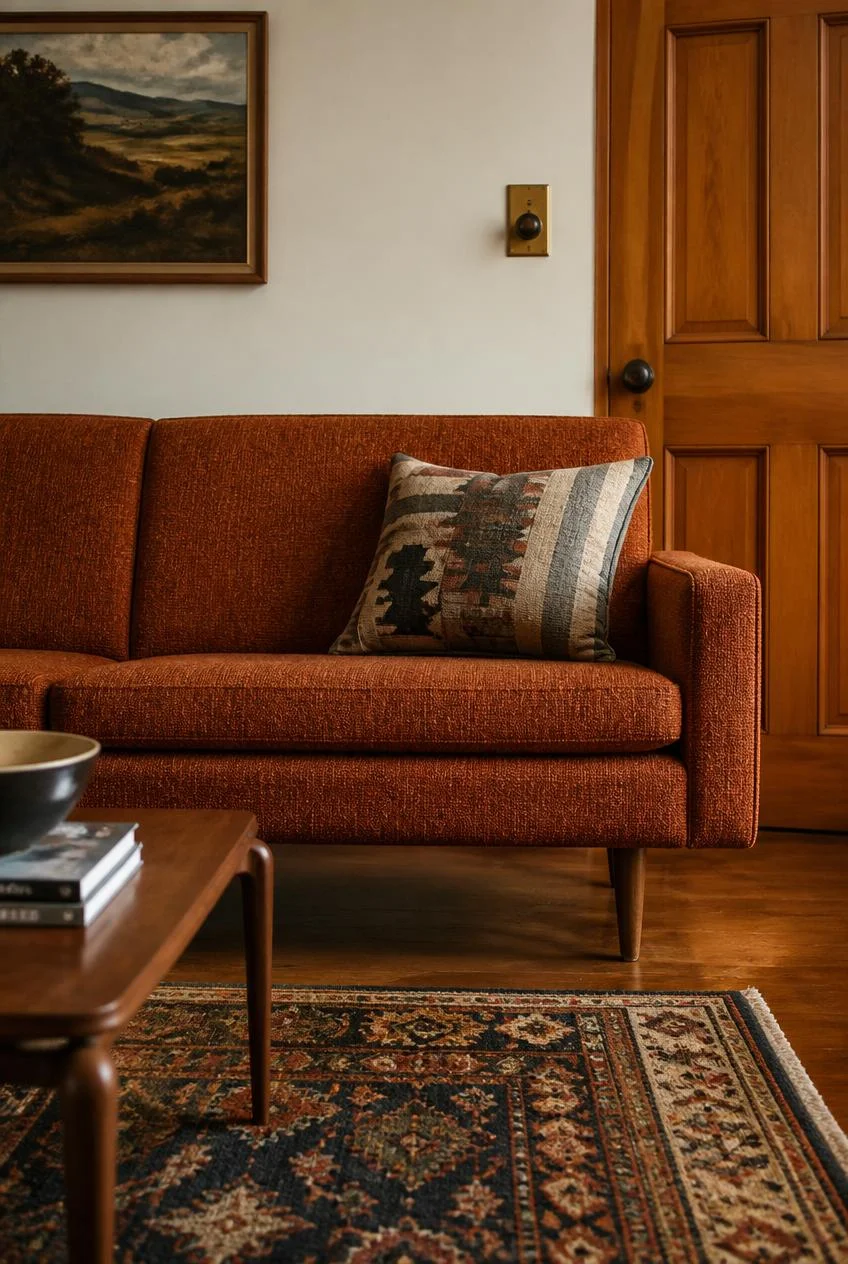
A sofa with tapered wooden legs, a low profile, and clean architectural lines forms the backbone of nearly every successful retro living room. Choosing a bold fabric like mustard velvet or burnt orange tweed keeps the silhouette classic while still injecting real personality into the space. This single piece often does more to establish the retro mood than any other item in the room.
Eames Style Lounge Chair and Ottoman
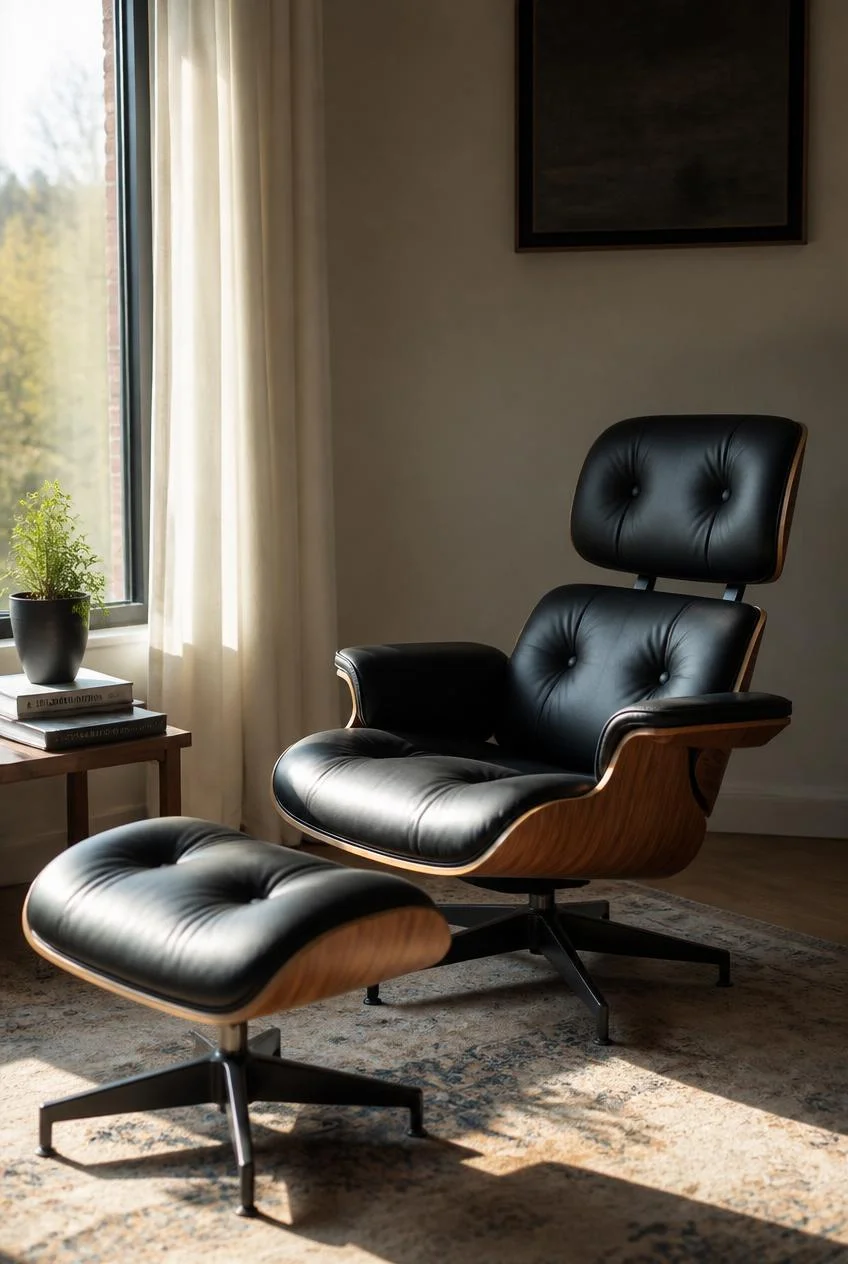
Few furniture pieces are as instantly recognizable as the Eames lounge chair, with its molded plywood shell and tufted leather cushions. Whether you invest in an original, a licensed reproduction, or a well made inspired version, this chair instantly signals sophisticated mid century style. Positioning it near a window or a reading lamp turns the chair into both a design statement and a genuinely functional retreat.
Kidney Shaped or Hairpin Leg Coffee Table
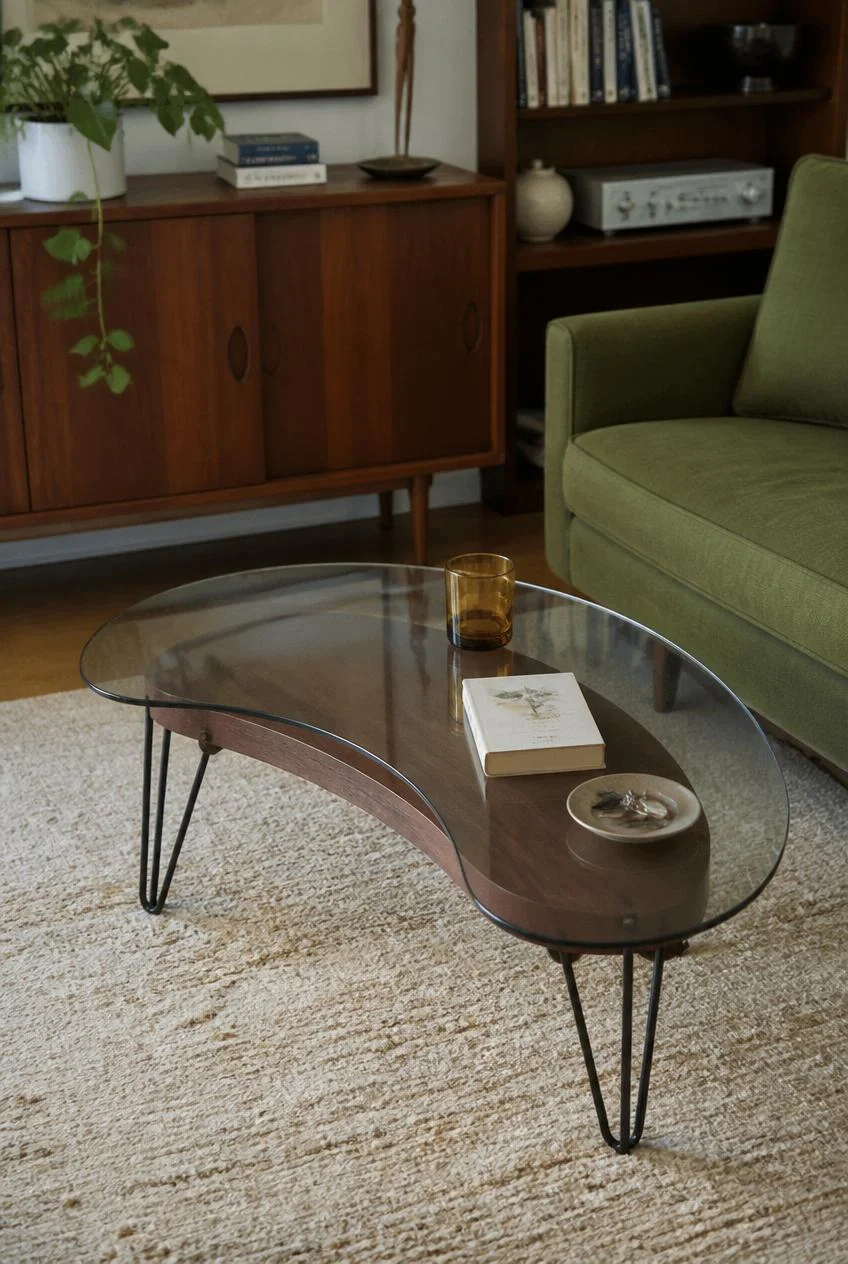
A coffee table with a playful kidney shaped top or slender hairpin legs captures the spirit of fifties and sixties design in a single furniture piece. Pairing a glass top with a wood or metal base adds a lighter, more contemporary feel while still nodding clearly to the era. This shape works particularly well as a visual anchor in front of a straight lined sofa, since the contrast in silhouette keeps the room from feeling too rigid.
Atomic Chandelier or Sculptural Lighting
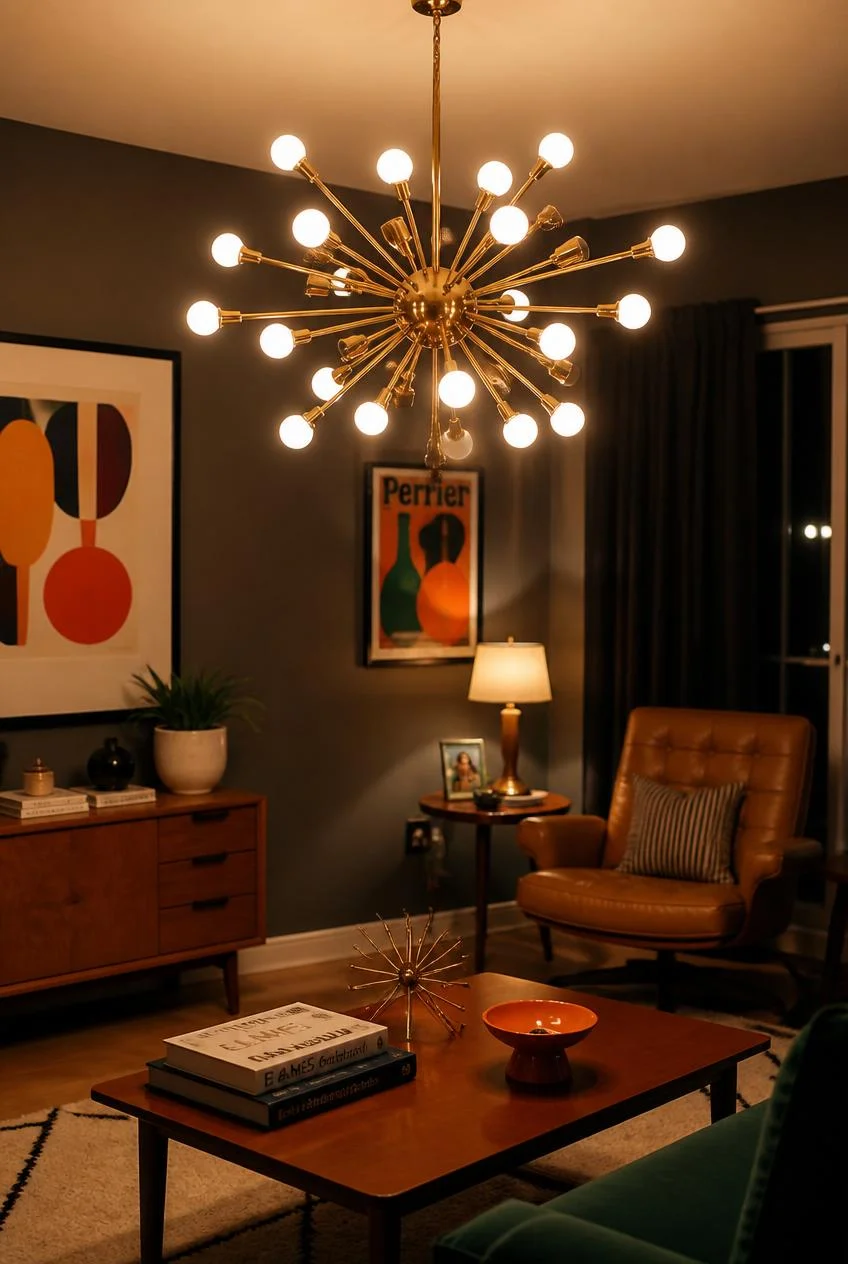
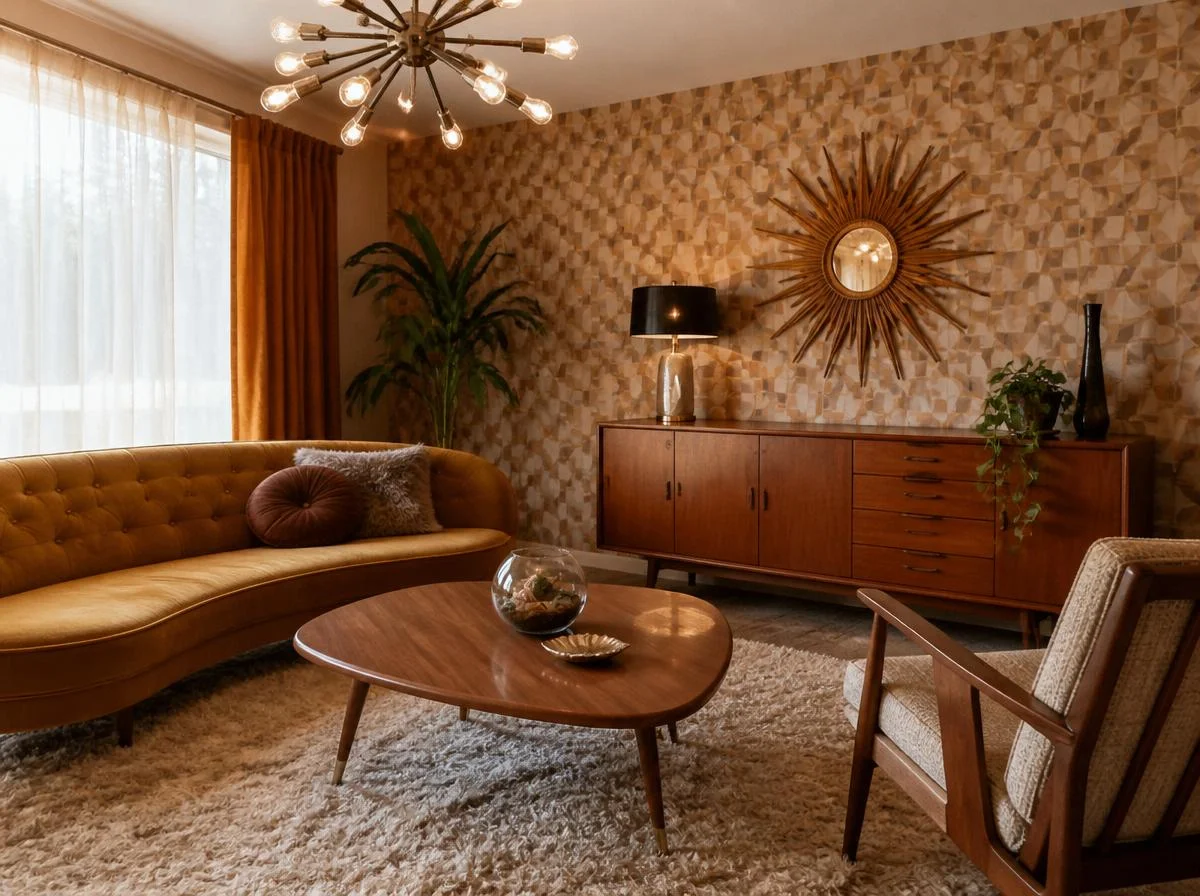
Dynamic, abstract, and geometric shaped lighting fixtures were a defining feature of fifties interiors, and a dramatic atomic style chandelier remains one of the boldest ways to bring that era into a modern room. Sculptural sputnik style fixtures or starburst pendants work equally well above a dining nook or in the center of the main living space. This kind of lighting functions almost like a piece of art, drawing the eye upward the moment someone enters the room.
Bold Geometric Wallpaper
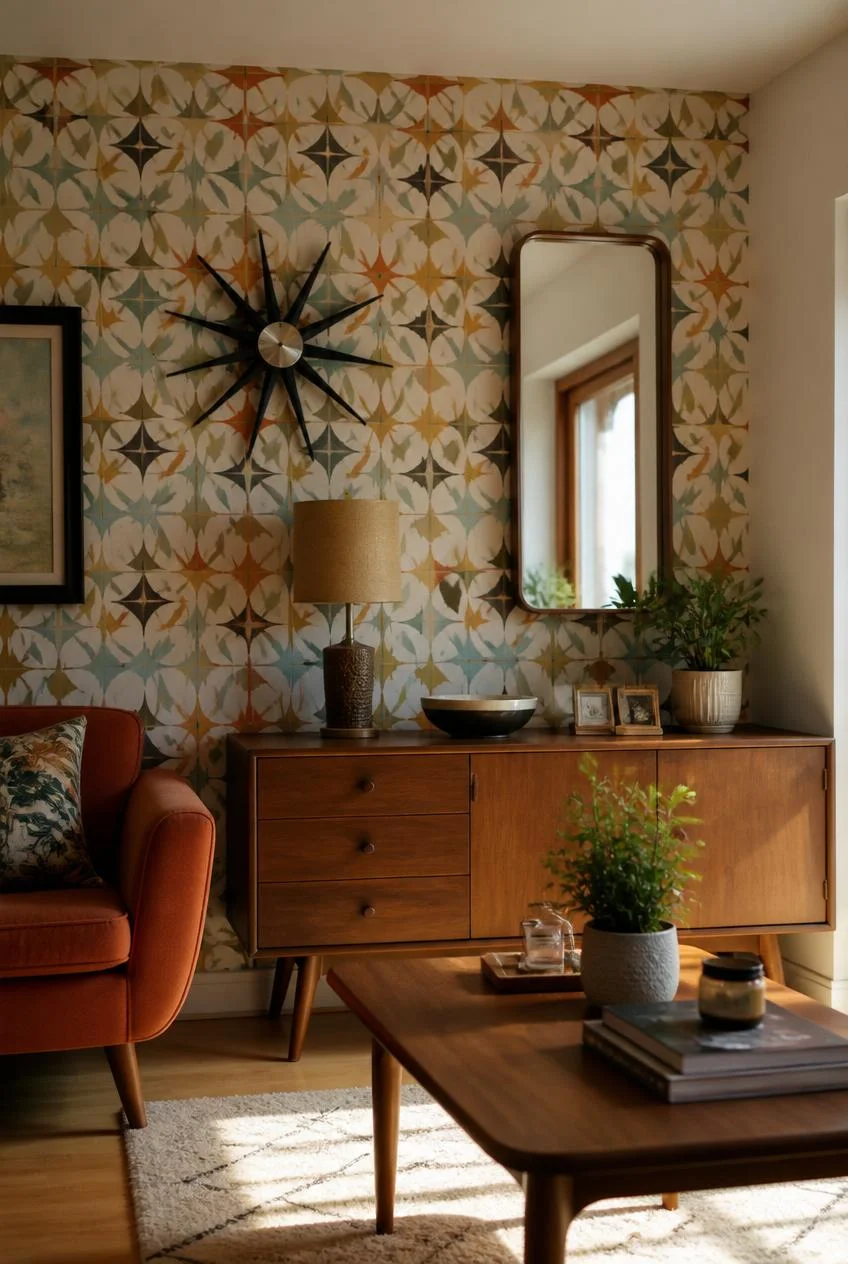
Patterned wallpaper featuring boomerang shapes, atomic motifs, or bold florals was a defining feature of fifties and sixties interiors, and it remains one of the fastest ways to transform a plain wall into a genuine retro statement. Applying this kind of pattern to a single accent wall keeps the look from becoming overwhelming while still delivering serious visual impact. Choosing a paper in a color that echoes your furniture upholstery ties the whole room together.
Terrazzo Flooring or Accent Surfaces
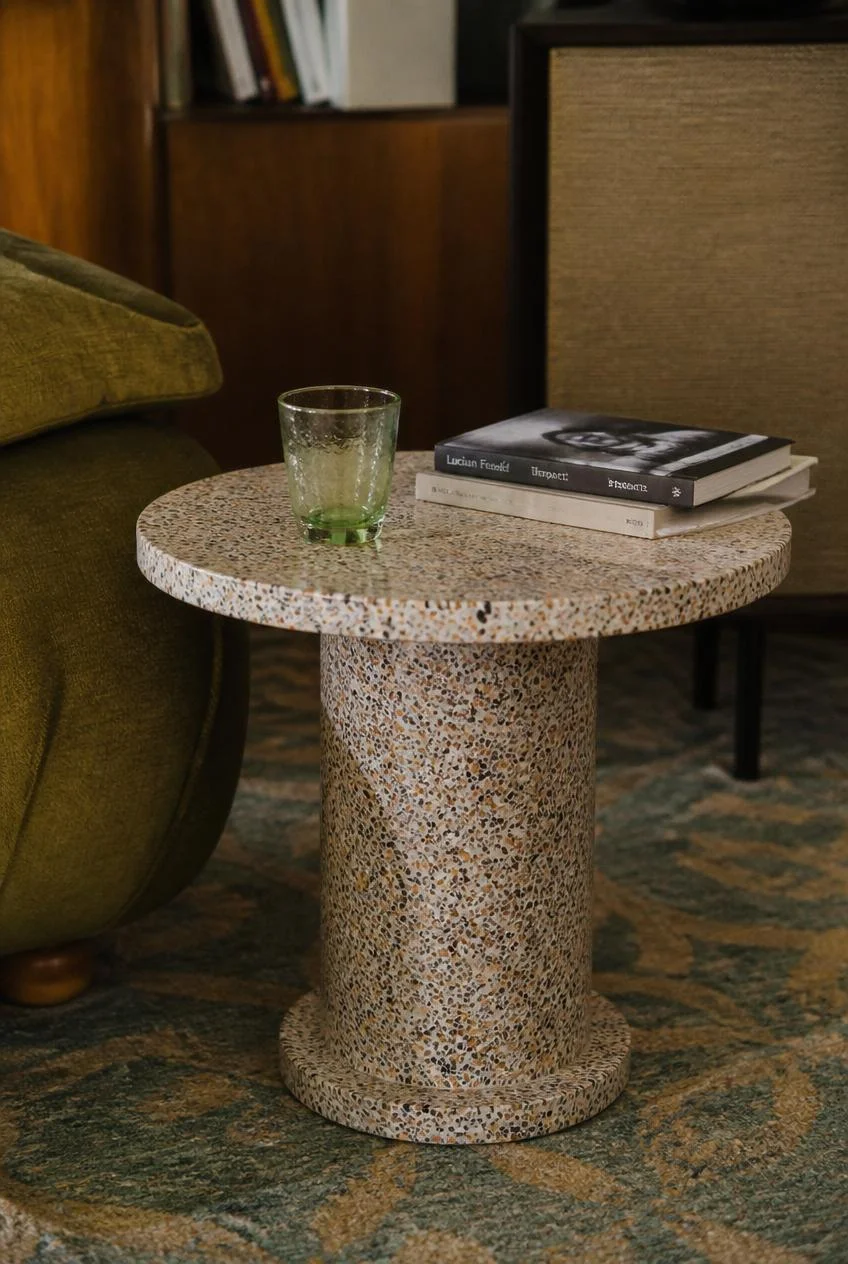
Terrazzo, with its distinctive speckled pattern, was a favored material for both flooring and countertops throughout the seventies, and it has made a genuine comeback in recent years. If a full terrazzo floor feels like too large a commitment, terrazzo patterned tile can be introduced through a side table, a tray, or even a set of coasters. This material adds texture and visual interest without relying on color alone.
Wood Paneled Accent Wall
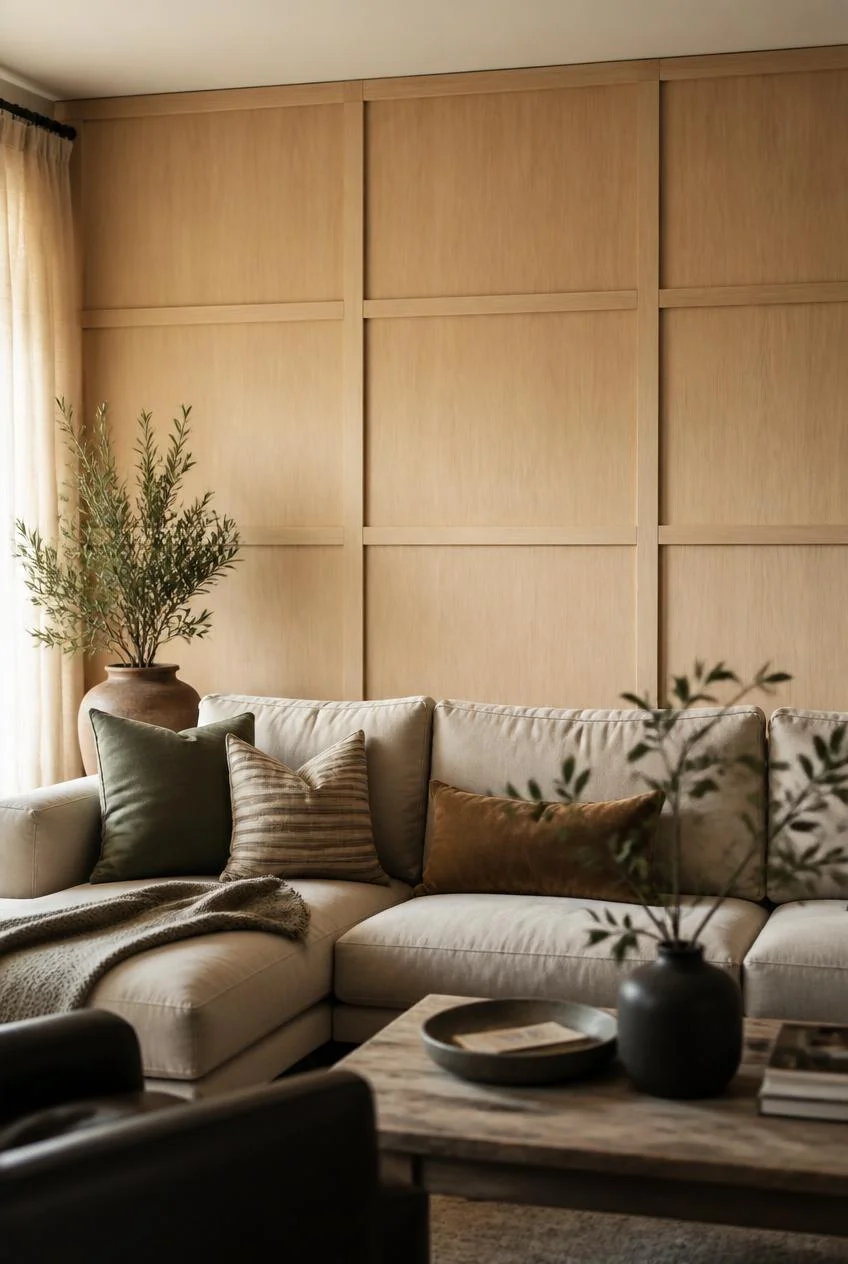
Wood paneling, once considered a defining staple of mid century and seventies interiors, has returned in a lighter, more contemporary form that adds warmth and character without feeling heavy. Choosing pale wood tones and clean, simple patterns keeps the paneling feeling fresh rather than like an unchanged time capsule. A single paneled accent wall behind the sofa or television creates a natural focal point for the room.
Vibrant 70s Earth Tone Palette
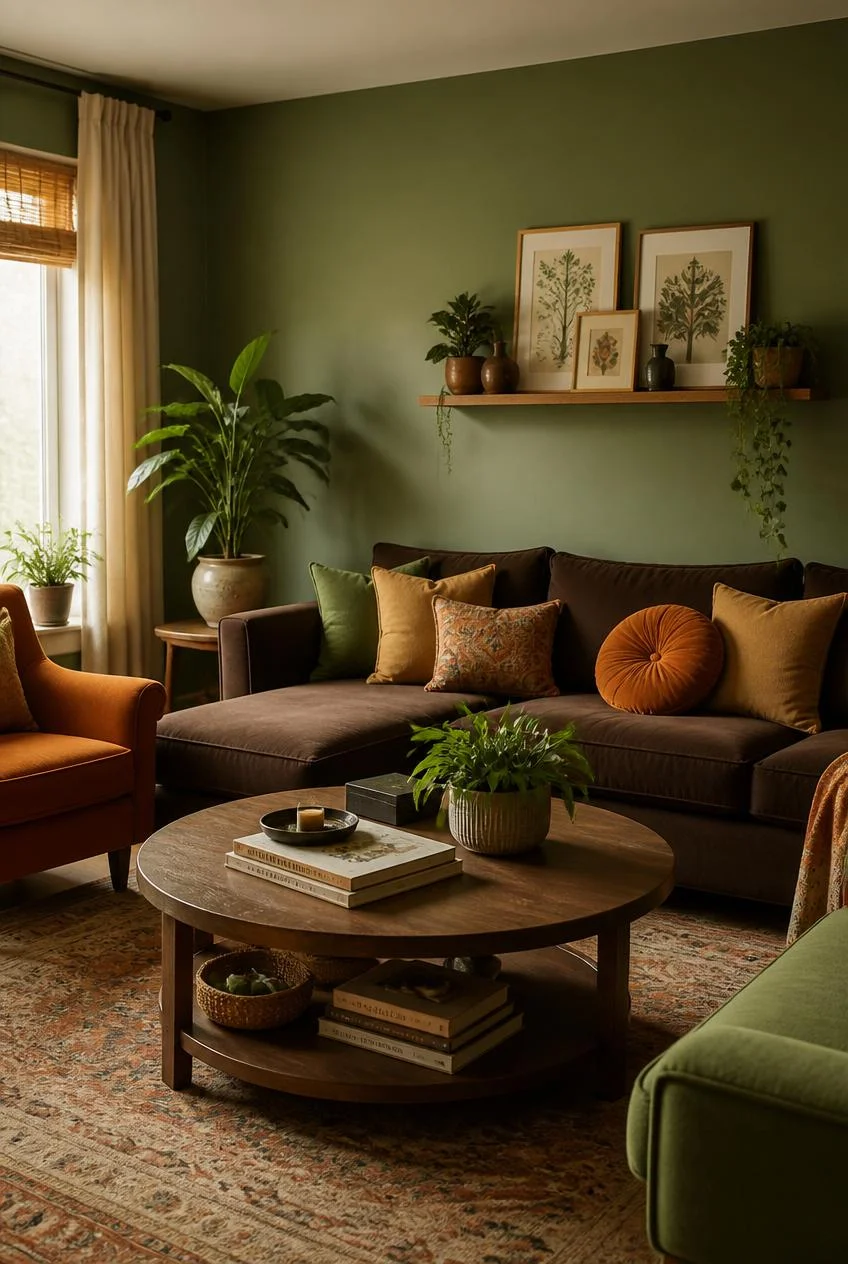
For a warmer, more grounded retro feeling, a color palette built from avocado green, burnt orange, and chocolate brown captures the earthy spirit of seventies design beautifully. This palette pairs naturally with wood furniture and woven textures, creating a cohesive, lived in look throughout the room. Introducing these colors gradually through textiles and accessories allows for easy adjustment if the look ever feels like too much.
Pastel 50s Color Scheme
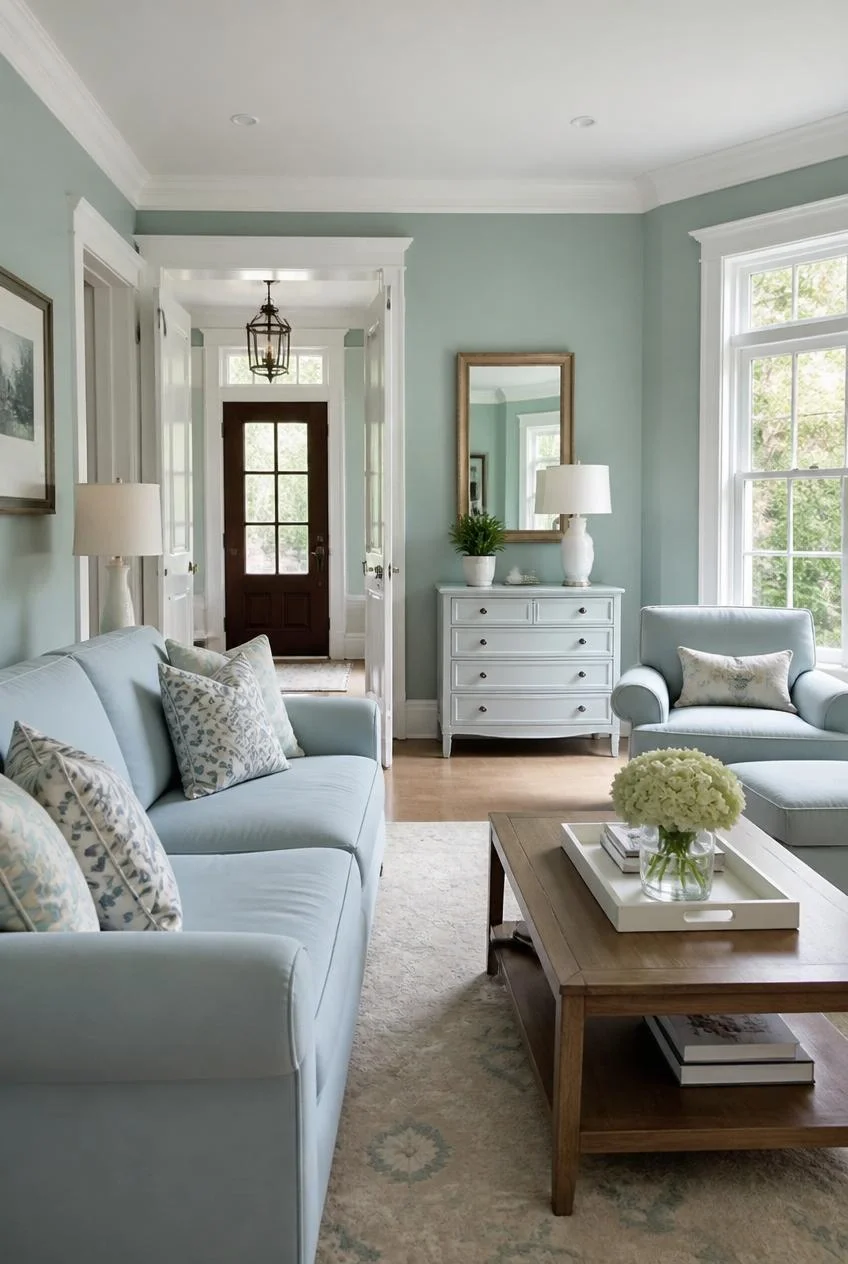
A softer approach borrows the cheerful pastels of the fifties, think mint green, powder blue, and blush pink, paired with crisp white trim for a clean, optimistic feeling. This palette works particularly well in smaller living rooms, since the lighter tones keep the space feeling open and airy. Pairing pastel walls with a few bold black or chrome accents prevents the room from feeling overly sweet.
Psychedelic 60s Pattern Textiles
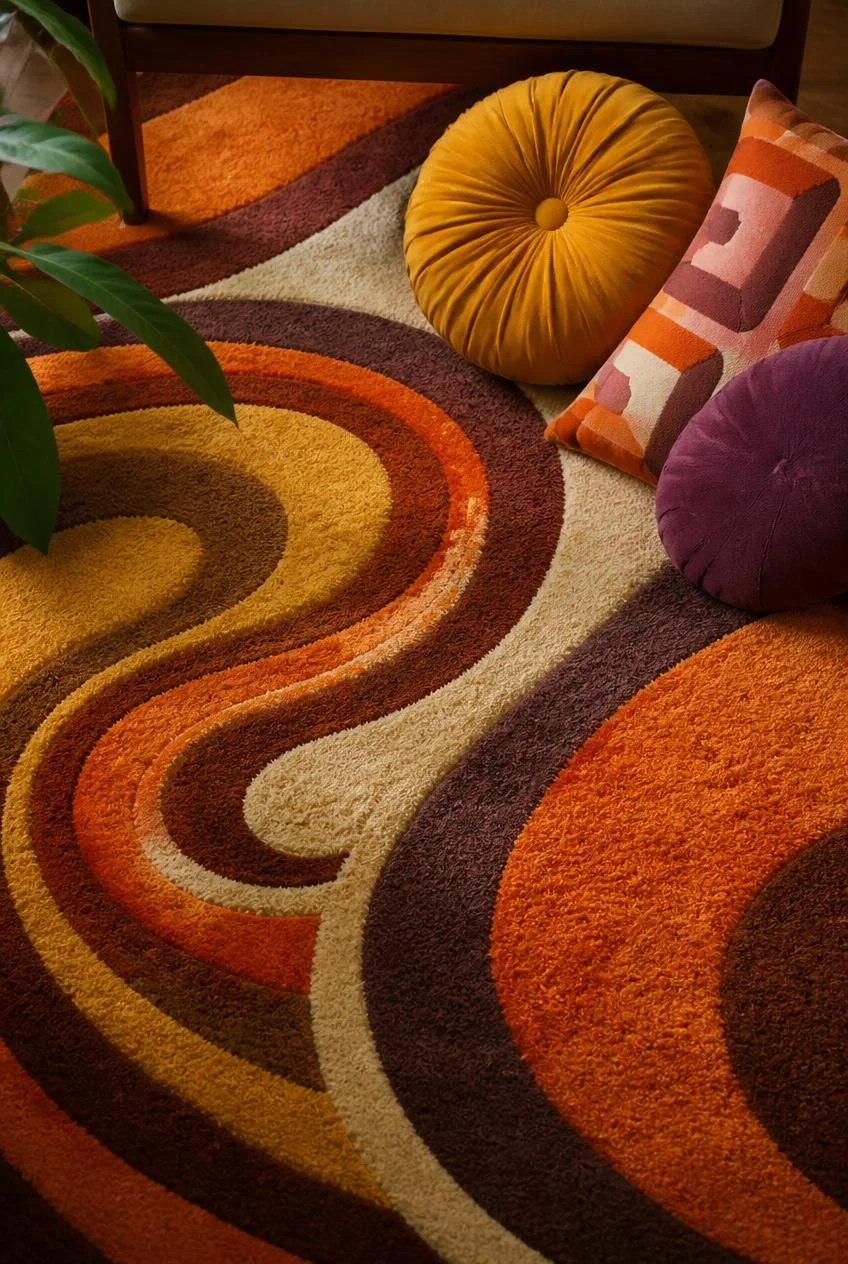
Bold, swirling patterns and vibrant hues associated with sixties design bring genuine energy into throw pillows, curtains, or a statement area rug. Because these patterns are visually loud, using them in smaller doses, a single accent chair or a cluster of pillows, keeps the room feeling curated rather than chaotic. This is a wonderful way to add personality to an otherwise neutral, mid century inspired base.
Teak or Walnut Sideboard
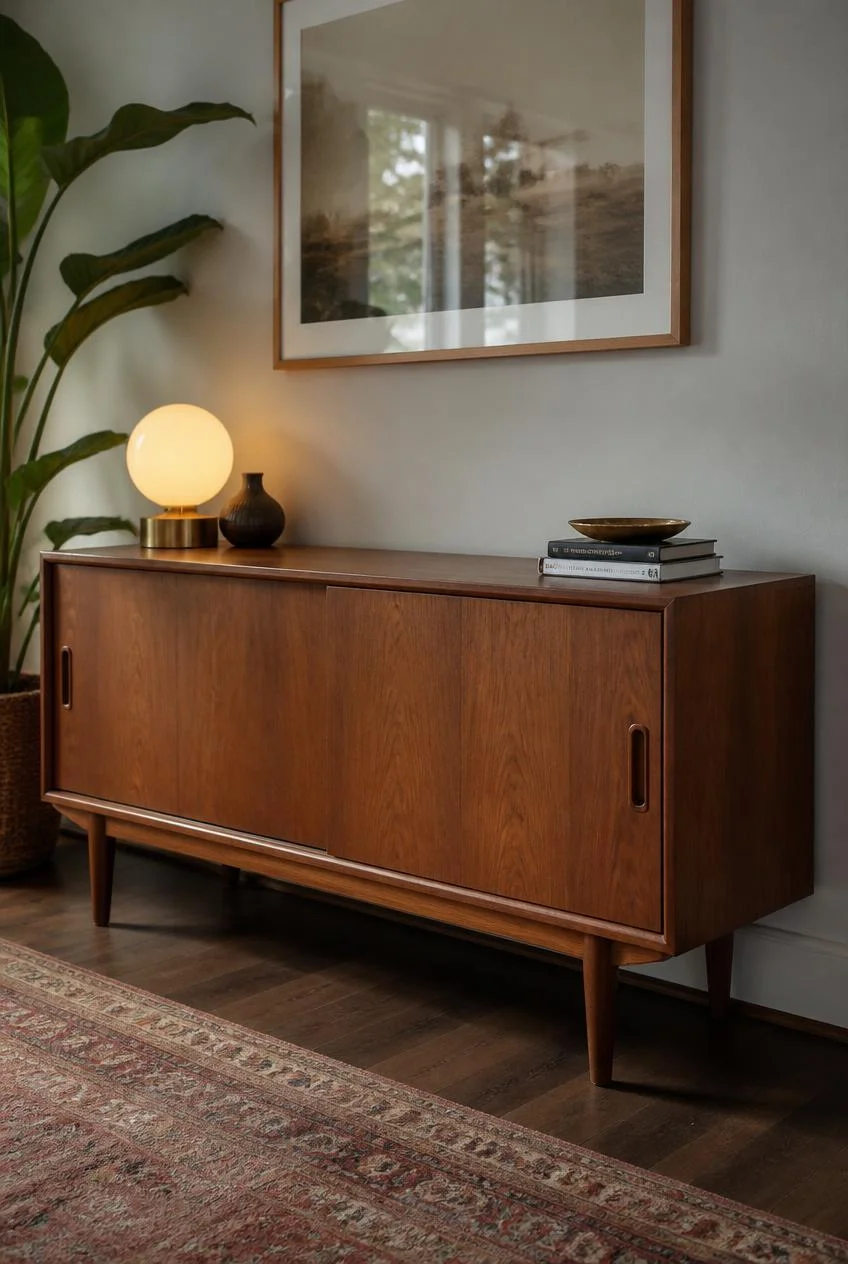
A sideboard with a teak or walnut finish, sliding doors, and tapered legs remains one of the most iconic storage pieces of the retro era. Beyond its striking good looks, a sideboard offers genuine practical storage for media, glassware, or linens, making it as functional as it is beautiful. Positioning it along the main wall of the living room creates an instant mid century focal point.
Vintage Record Cabinet or Bar Cart
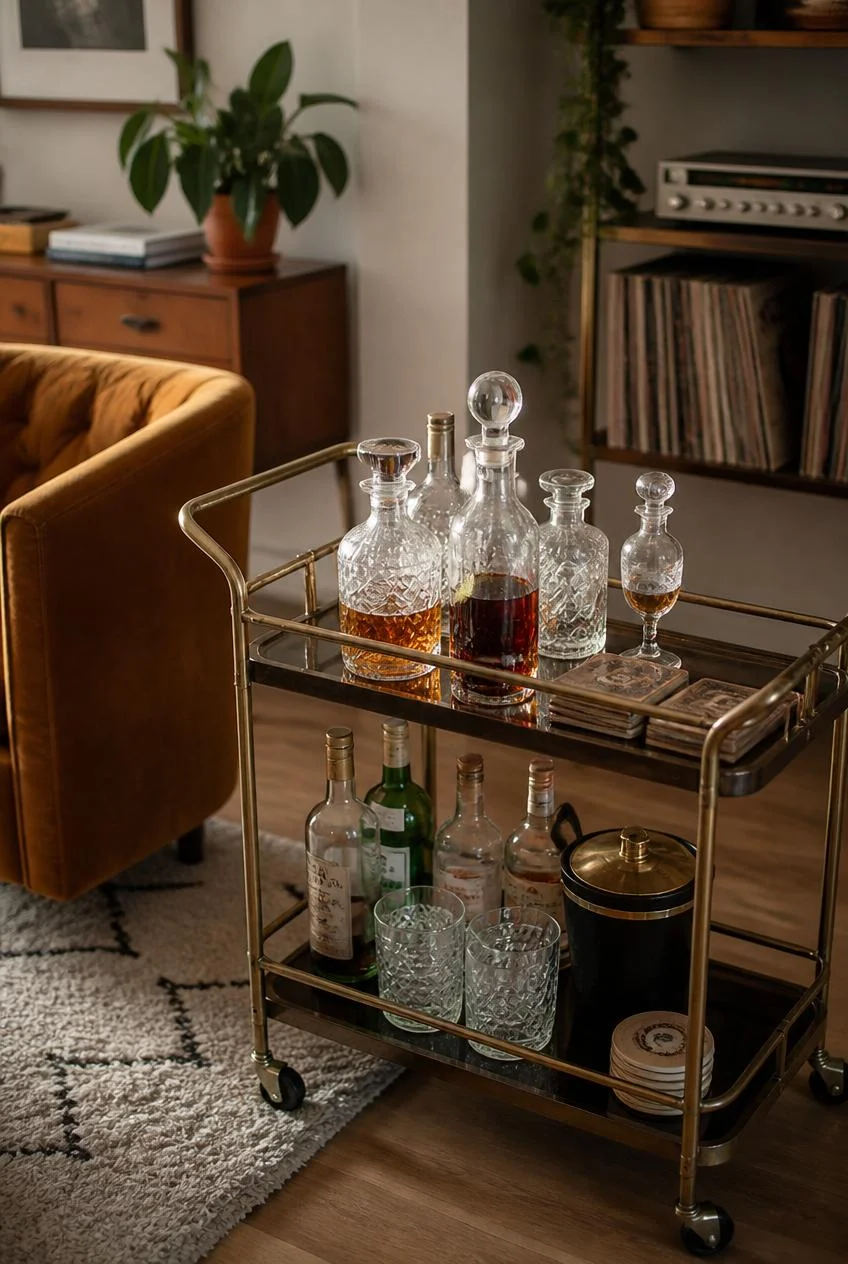
A vintage record cabinet or a rolling bar cart brings both nostalgic charm and genuine entertaining function into a retro living room. These pieces work beautifully as a display for vinyl records, glassware, or a small vintage radio, reinforcing the collected, well loved feeling central to this style. A bar cart in particular photographs beautifully styled with a few glass decanters and a scattering of coasters.
Pop Art and Vintage Movie Posters
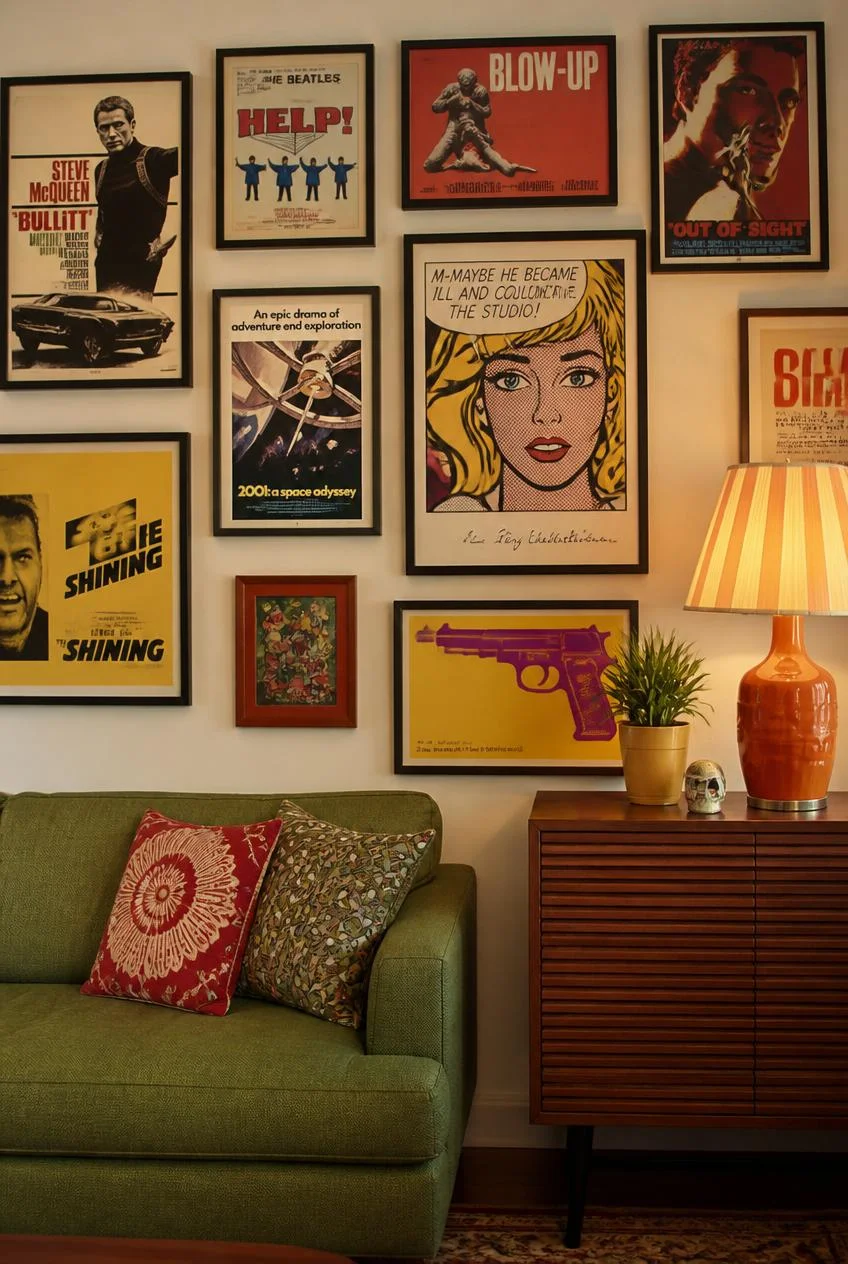
Bold pop art prints, Andy Warhol inspired pieces, or classic movie posters bring color and nostalgic personality to the walls of a retro living room. Framing these prints in simple black or chrome frames keeps the focus on the artwork itself rather than an overly ornate presentation. A cluster of several prints arranged as a gallery wall adds even more visual impact than a single piece alone.
Shaggy Area Rug or Faux Fur Accents
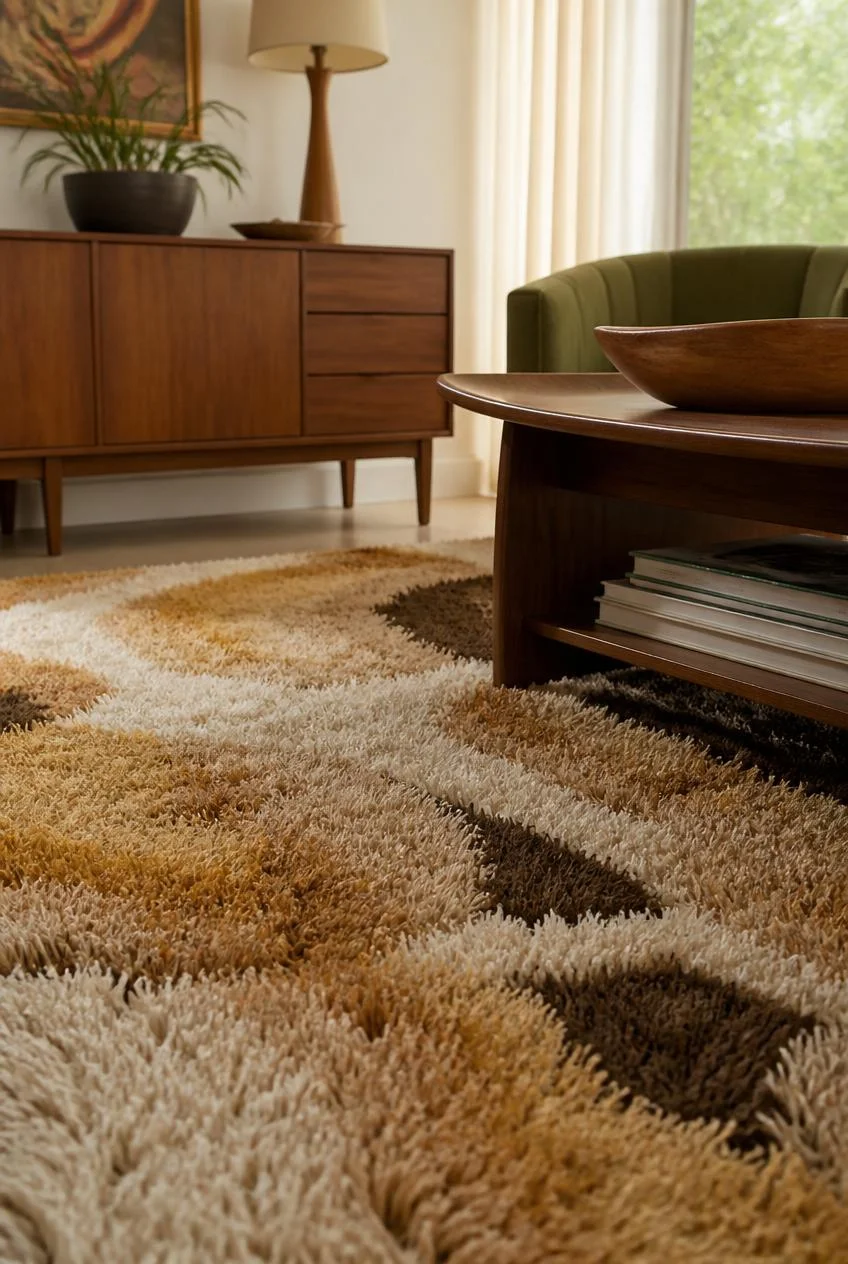
A plush shag rug underfoot instantly recalls the tactile, cozy interiors of the seventies while still feeling comfortable and current today. For those who prefer a lighter touch, faux fur throw pillows or a smaller accent rug deliver the same warmth without covering the entire floor. This texture pairs beautifully with sleek wood furniture, creating a satisfying contrast between hard and soft surfaces.
Fringe Trimmed Pendant Lighting
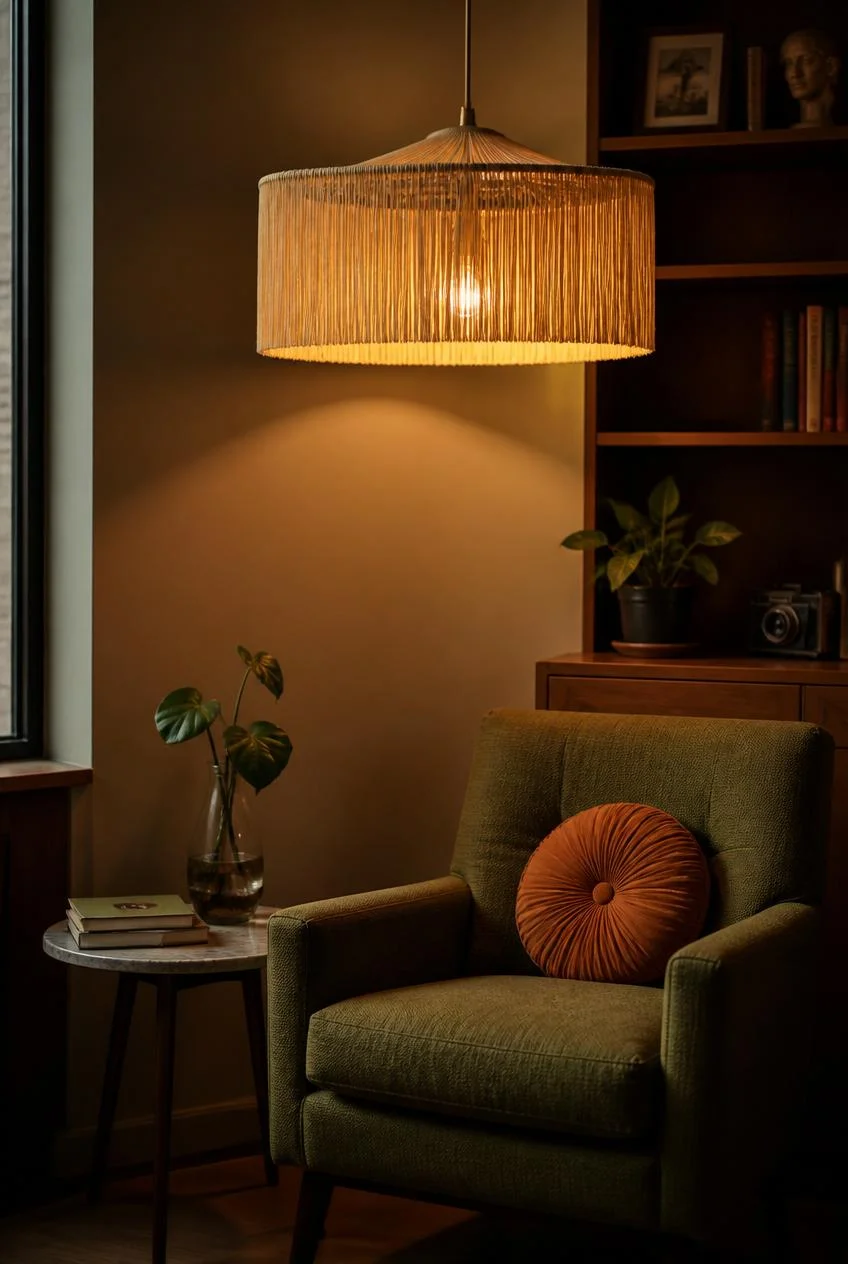
A pendant light finished with dramatic fringe detailing adds a playful, tactile element that feels distinctly retro without leaning too heavily into any single decade. This kind of fixture works particularly well above a seating area or reading nook, where the fringe casts interesting shadows as the light moves. Choosing a fringe pendant in a color that complements your existing palette keeps the piece feeling intentional rather than like a costume prop.
Tulip Table or Saarinen Inspired Furniture
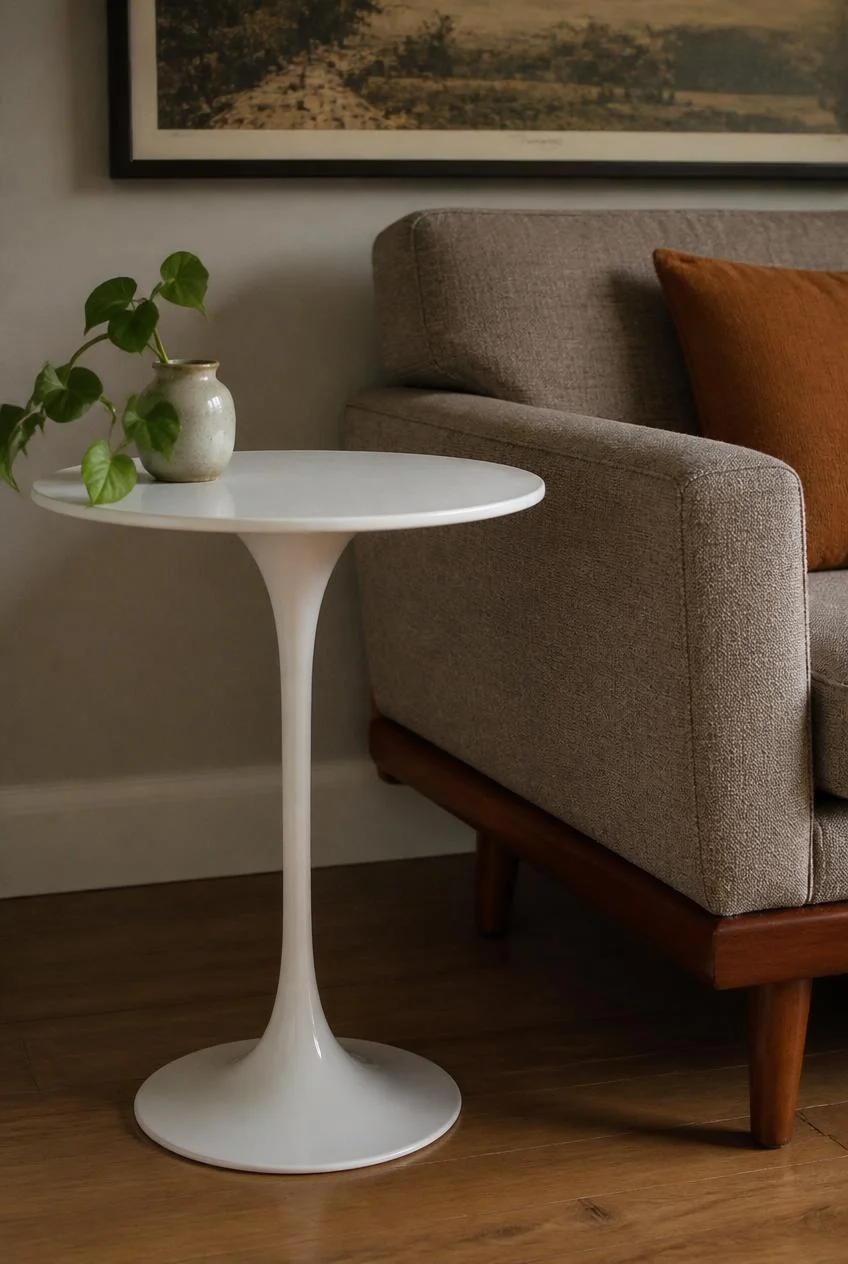
The iconic tulip table, with its single pedestal base and smooth, sculptural silhouette, remains one of the most elegant ways to bring genuine mid century pedigree into a living room. Pairing a tulip style side table with more traditional furniture creates an interesting contrast of eras that feels curated rather than matched from a single catalog. This furniture style photographs beautifully and tends to age well regardless of surrounding design trends.
Vintage Gallery Wall of Framed Prints
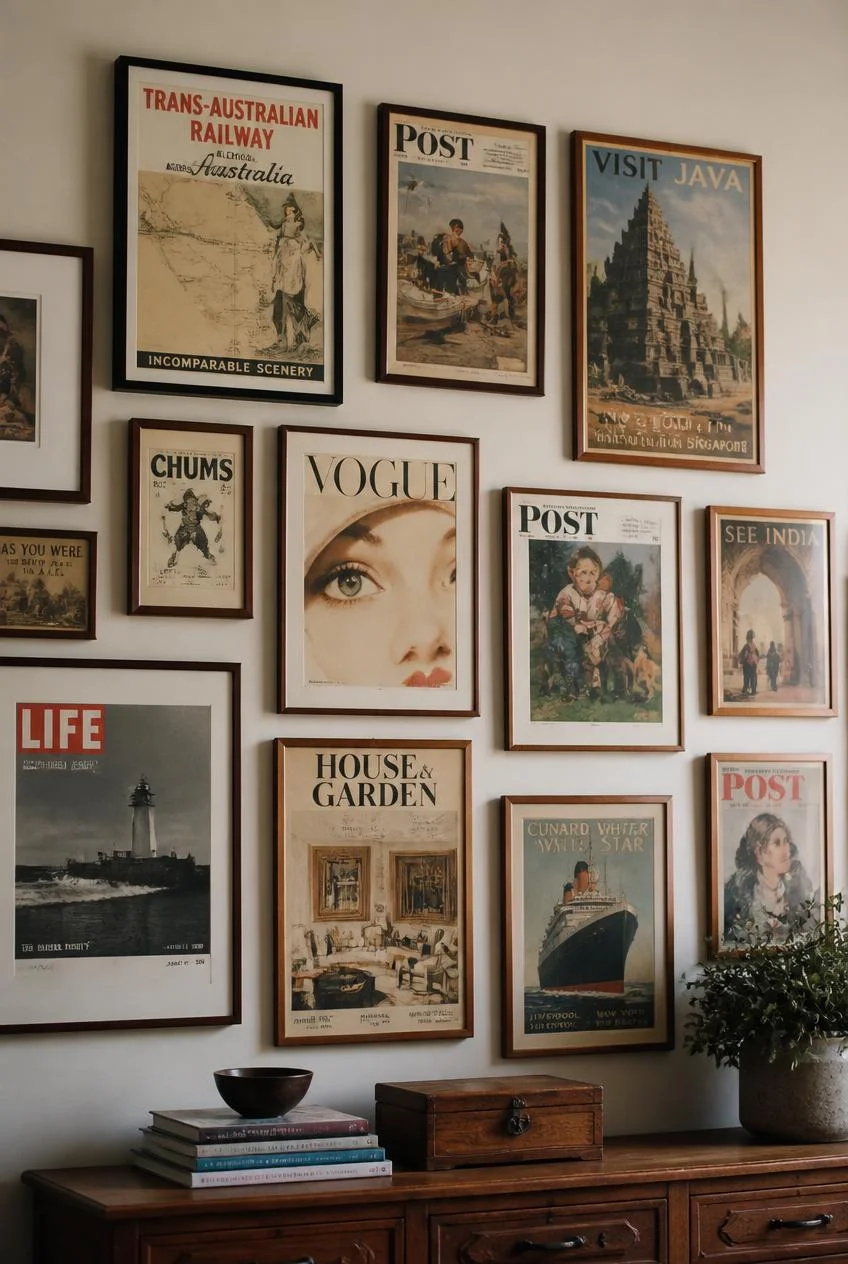
A gallery wall built from framed vintage magazine covers, old advertisements, or travel posters brings genuine nostalgic character to an otherwise blank wall. Mixing frame sizes and slightly varied finishes, brass, wood, chipped black paint, adds to the collected, gathered over time feeling this style relies on. This kind of display also offers an easy way to personalize a retro room with pieces that hold real sentimental meaning.
Velvet or Tweed Upholstered Accent Chair
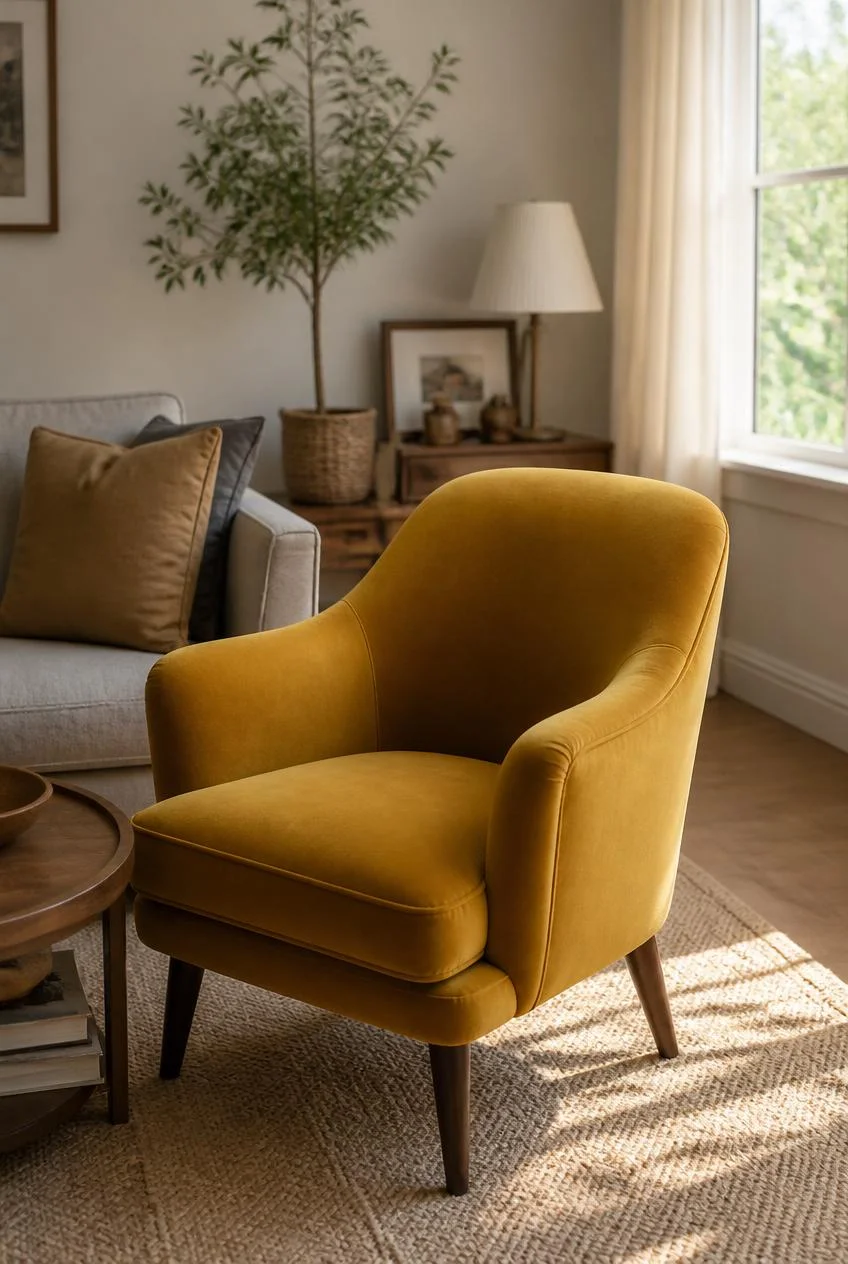
A single fluffy, upholstered accent chair in a rich velvet or textured tweed fabric brings both color and tactile comfort into a retro living room. Choosing a bold hue, deep emerald, burnt orange, or mustard, allows this one piece to carry much of the room’s personality on its own. Positioning the chair at an angle to the sofa, rather than in a perfectly matched pair, adds to the relaxed, collected feeling central to this style.
Smeg Style Retro Appliances in View
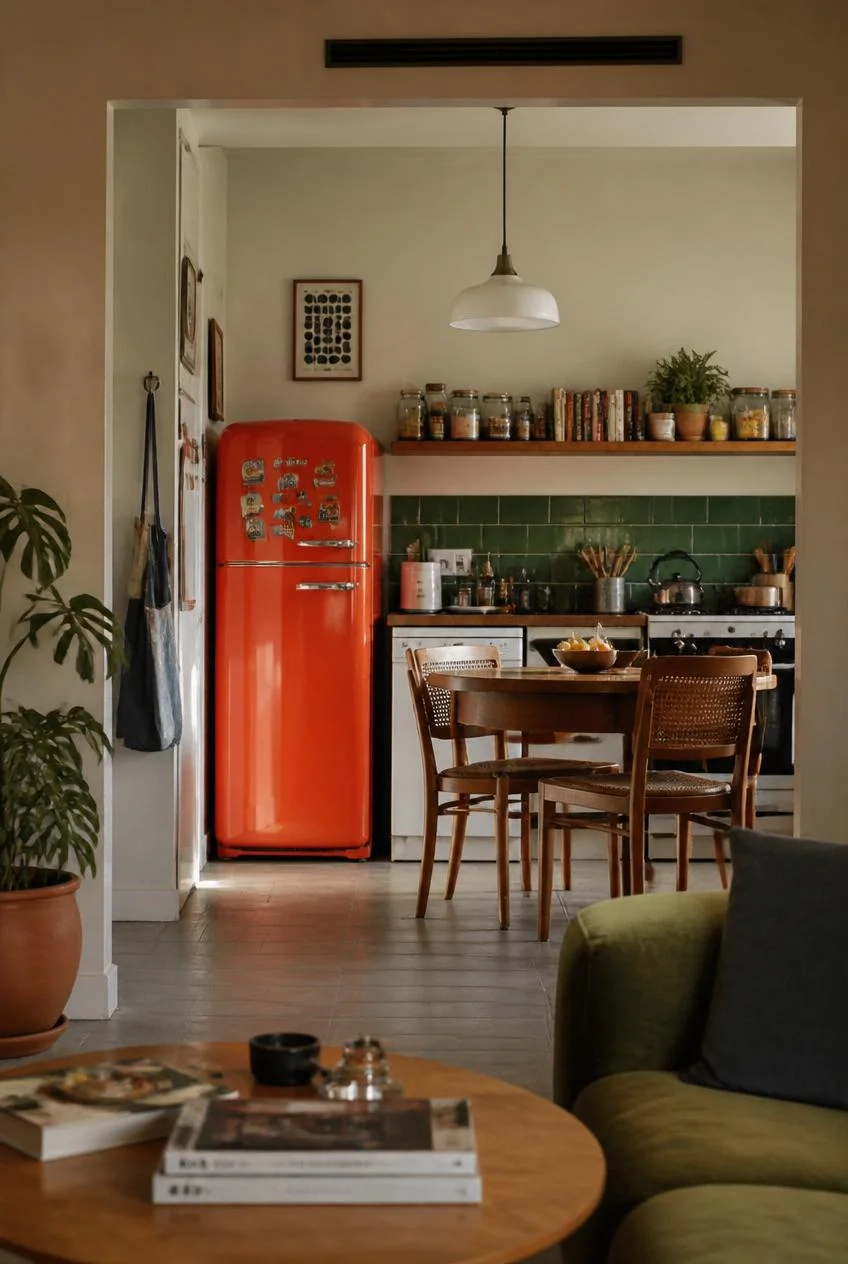
If your living room is open to the kitchen, a retro styled appliance with rounded edges and a bold color finish becomes a genuine design feature rather than something to hide. These appliances blend nostalgic fifties style with modern functionality, offering the best of both eras in a single piece. Choosing an appliance color that echoes another accent in the living room ties the two spaces together visually.
Sunburst Mirror as a Statement Piece
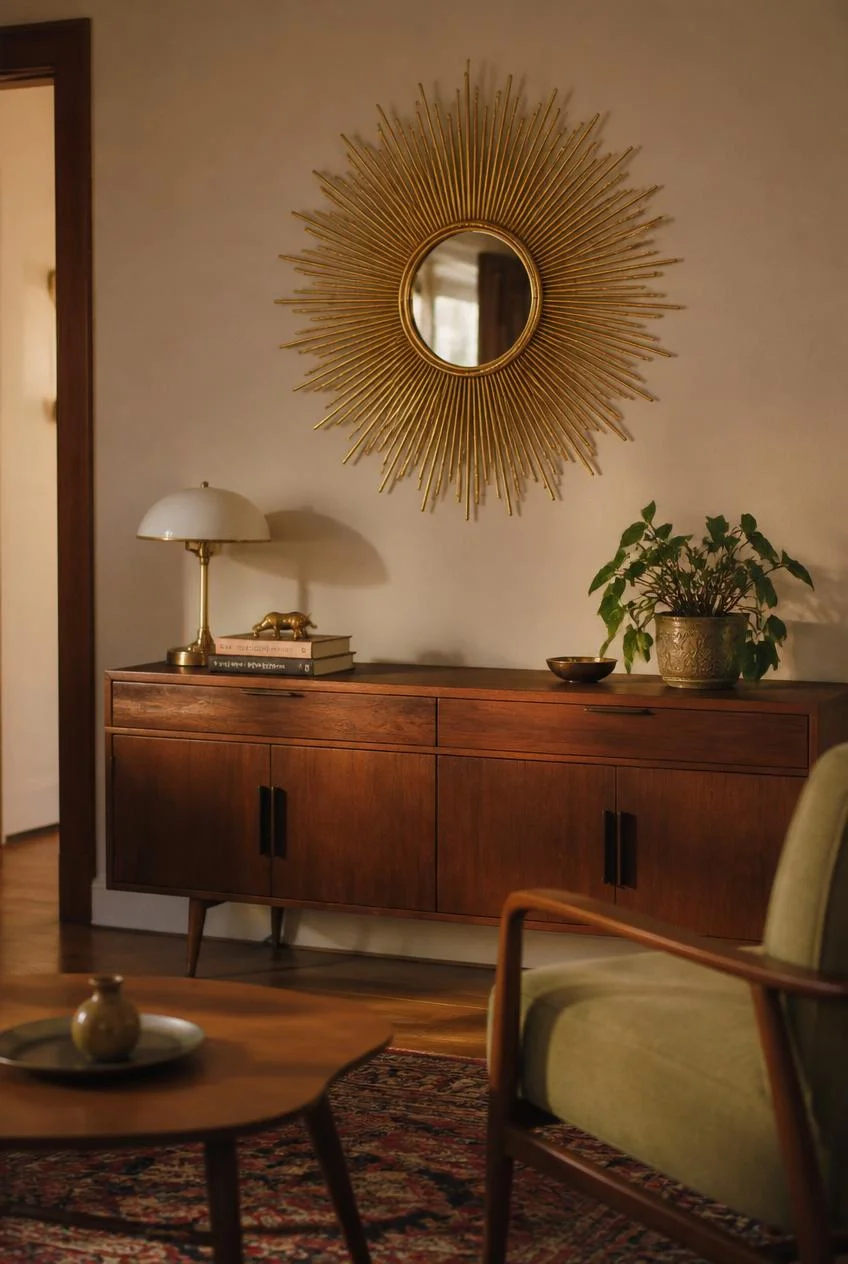
A sunburst mirror, with its radiating metal spokes framing a central round mirror, brings dramatic mid century flair to any wall it occupies. Hanging one above a sideboard or fireplace mantel creates an instant focal point that also helps bounce natural light around the room. This piece works particularly well in gold or brass finishes, which pair beautifully with the warm wood tones common throughout retro furniture.
Macrame and Woven Wall Hangings
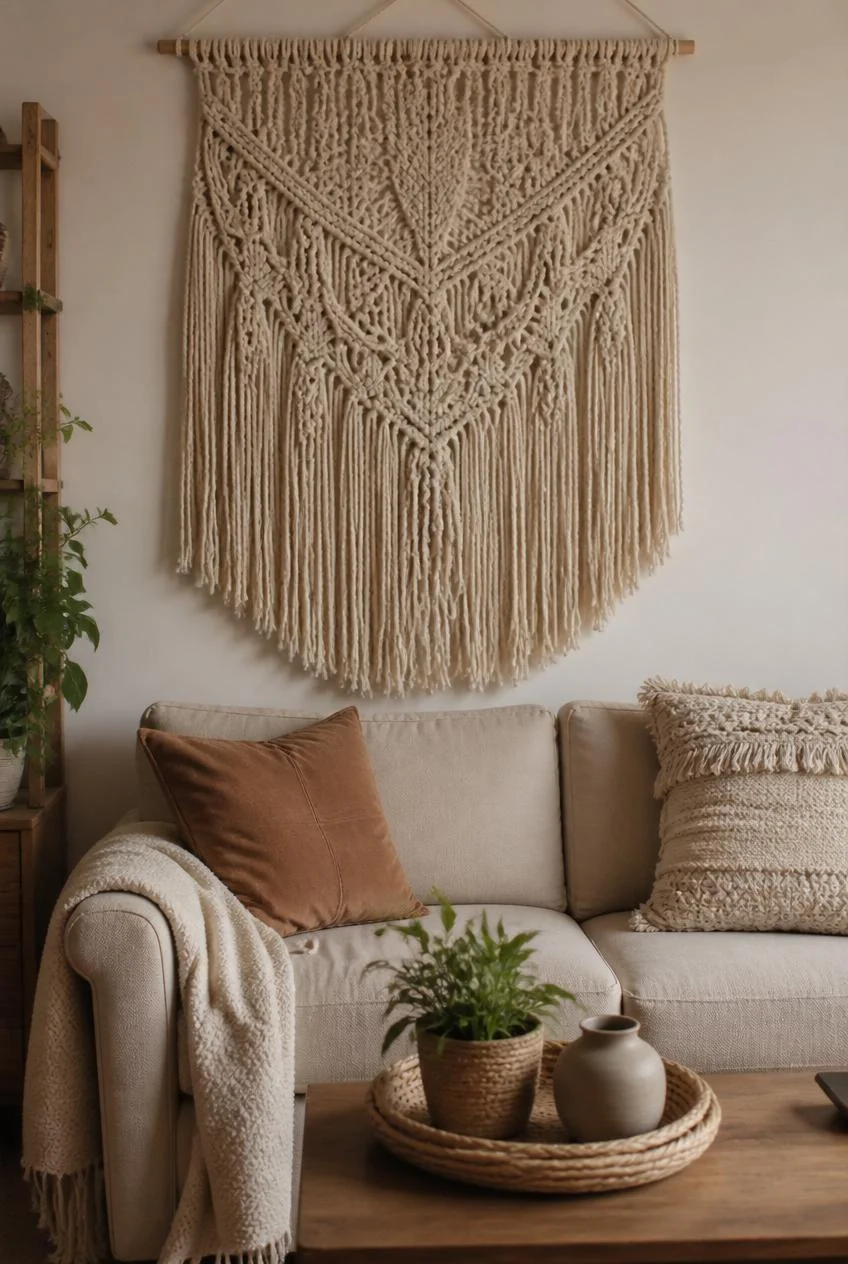
Large scale macrame wall hangings bring texture and a bohemian, seventies inspired warmth into a retro living room. These pieces work especially well above a sofa or in a reading nook, where their organic, knotted texture contrasts beautifully with sleeker mid century furniture nearby. Choosing a hanging in a neutral cream or warm tan keeps the piece versatile against almost any surrounding color scheme.
Floating Away From the Wall Sofa Layout
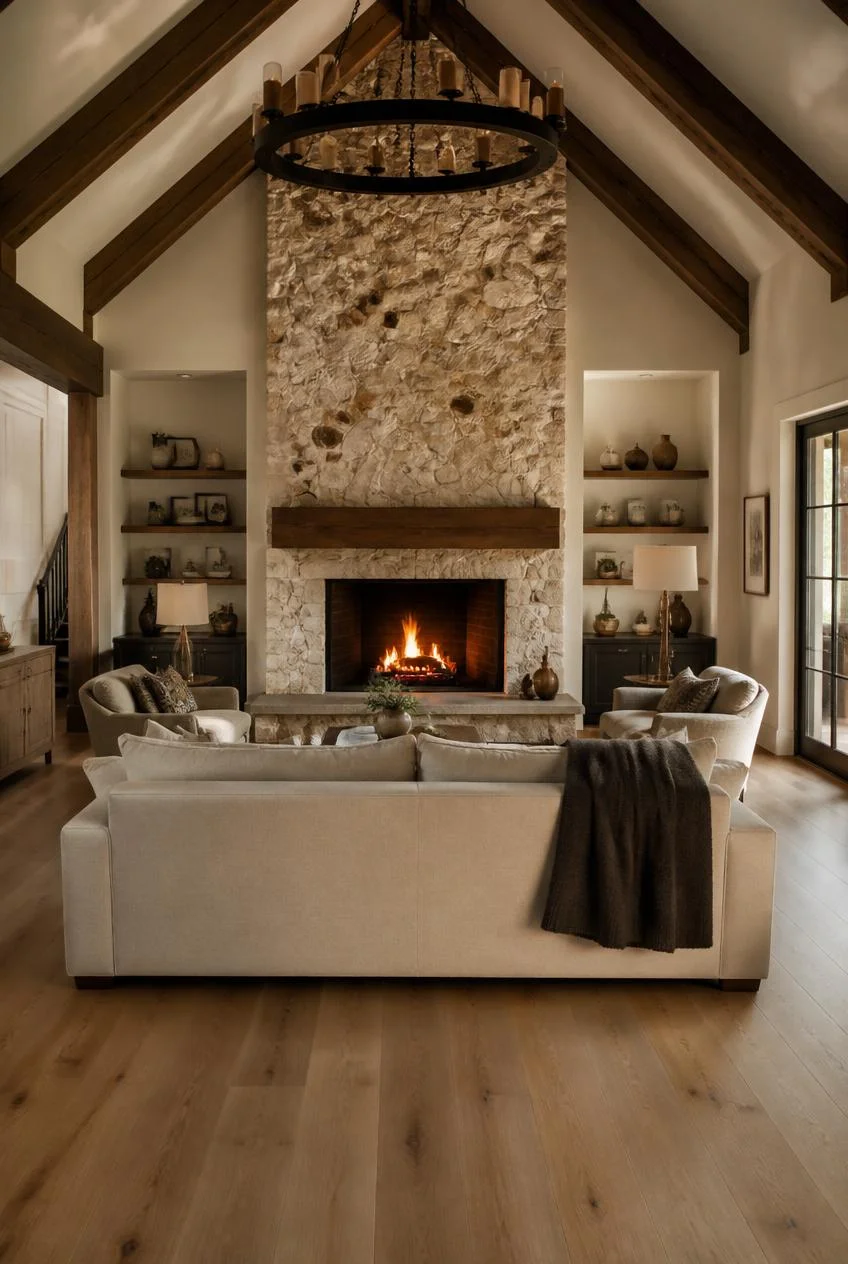
Rather than pushing furniture against the walls, floating the sofa toward the center of the room creates the kind of intimate, conversation focused layout common in genuine mid century interiors. This arrangement works especially well around a statement fireplace or a striking area rug, since it allows the room’s best features to become the true focal point. This layout choice alone can make a room feel more authentic to the era than any single decor item.
Reupholstered and Refinished Vintage Furniture
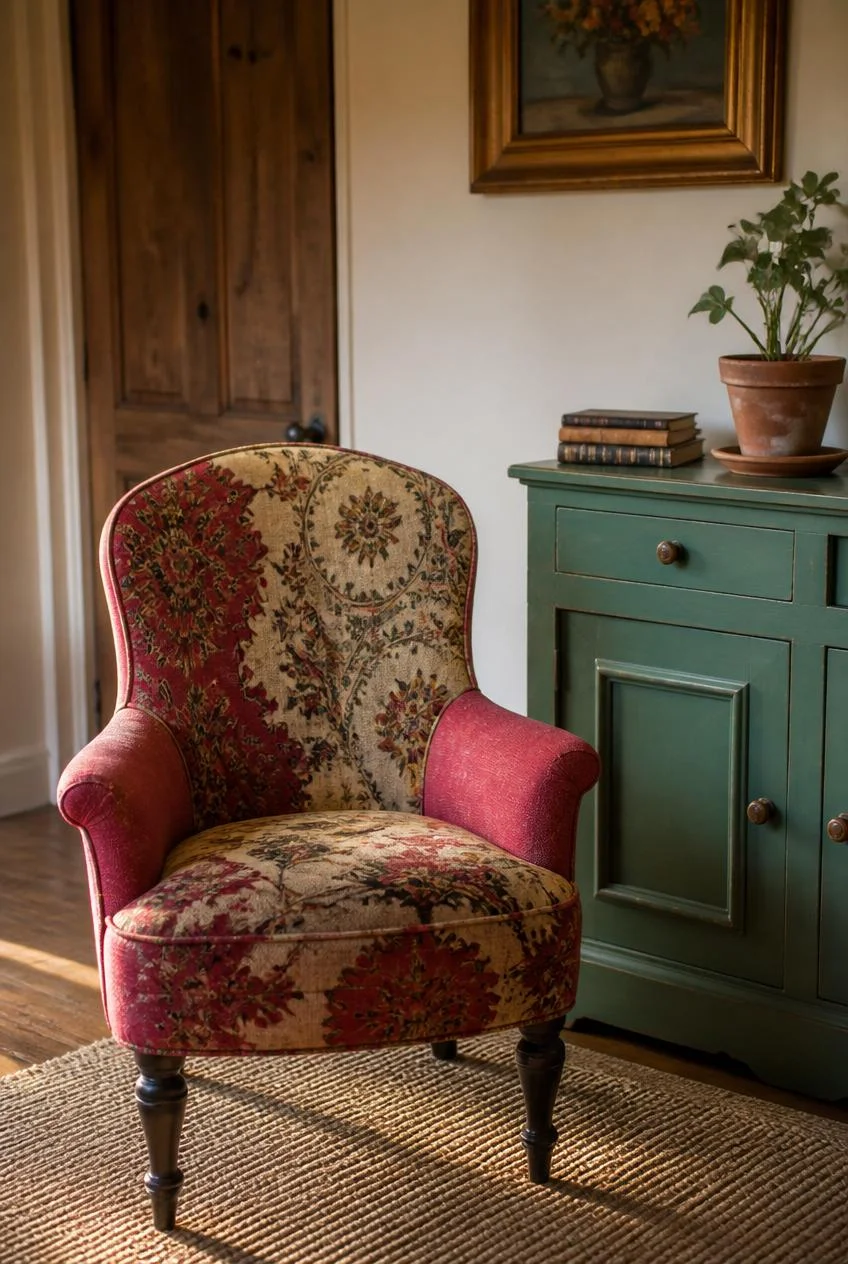
Rather than buying everything new, sourcing genuine vintage furniture and giving it a fresh reupholstery job or a new coat of paint brings real authenticity into a retro living room. This approach also tends to be more sustainable and often more affordable than purchasing brand new reproduction pieces. A reupholstered vintage chair, in particular, often becomes one of the most complimented pieces in the entire room.
Crystal or Sphere Chandelier for Glamour
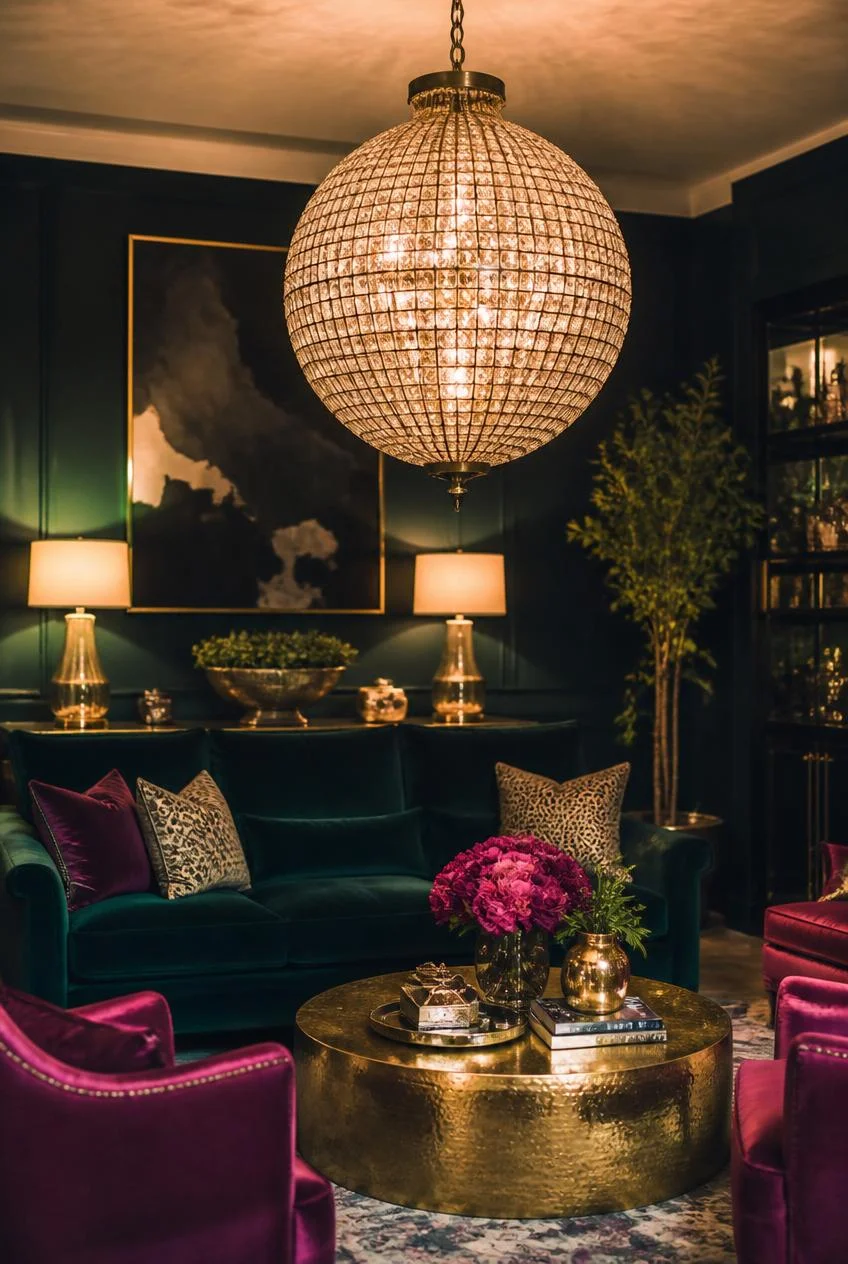
For a more glamorous take on retro style, a crystal or sphere shaped chandelier introduces a touch of Studio 54 inspired sparkle into the living room. This kind of statement lighting pairs particularly well with rich jewel toned furniture and metallic accents throughout the space. Even a single dramatic light fixture can shift an entire room from simply vintage to genuinely glamorous.
Final Thoughts
A retro living room succeeds when it feels like a genuine reflection of personality rather than a costume borrowed from a single decade. Mixing furniture silhouettes, colors, and textures from across the fifties, sixties, and seventies, then layering in a few personal, collected pieces, creates a space that feels both nostalgic and entirely livable today. Start with one anchor piece, whether that is a mid century sofa or a bold sunburst mirror, and let the rest of your retro living room build outward from there, one thoughtfully chosen piece at a time.
Frequently Asked Questions
How do I avoid making my retro living room look like a costume set?
Mix pieces from different decades and balance bold vintage items with more neutral modern furniture, rather than recreating a single era down to every last detail.
What colors work best for a retro living room?
Earthy tones like avocado green and burnt orange suit a seventies inspired look, while soft pastels like mint and blush pink capture a more fifties influenced palette.
Is it better to buy original vintage furniture or reproductions?
Both work well. Original vintage pieces offer authenticity and character, while high quality reproductions provide the same look with more consistent condition and often a lower price point.
Can retro style work in a small living room?
Yes. Choosing a few statement pieces, like a sunburst mirror or an accent chair, rather than filling the entire room with vintage furniture, allows retro style to shine even in a compact space.
How do I keep a retro living room feeling fresh rather than dated?
Pair vintage furniture with contemporary elements like clean modern lighting or neutral wall color, since this contrast keeps the overall room feeling current and intentional.
You May Also Like This Post:
16 Dorm Desk Setup Ideas That Keep Your Space Organized and Stylish