
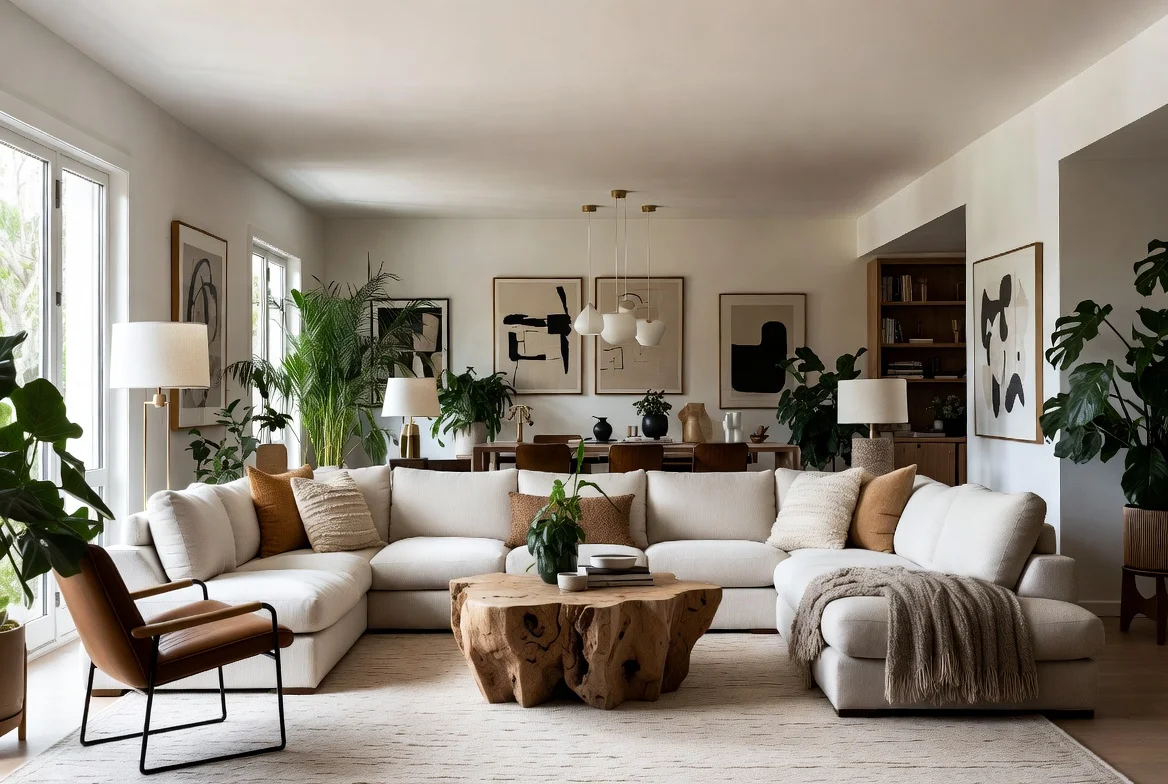
20 Stunning Interior Design Living Room Ideas for Every Style & Budget
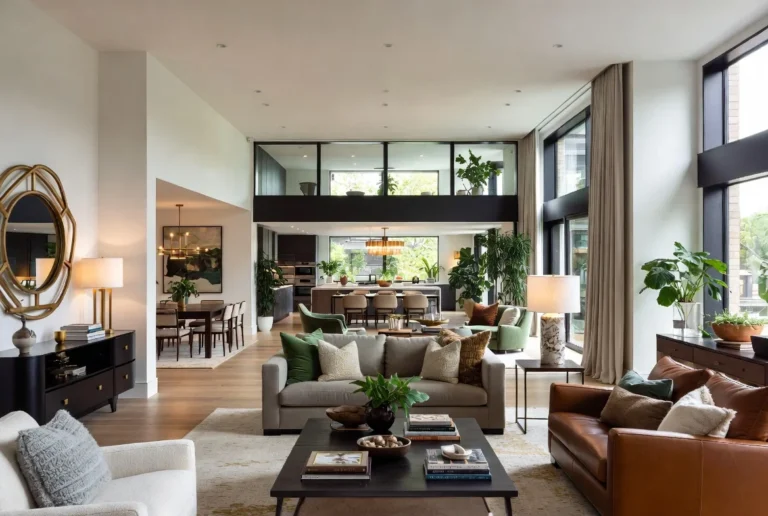
Your living room serves as the heart of your home, where memories unfold and connections deepen. Whether you envision a serene sanctuary or a vibrant gathering space, the right interior design living room approach transforms ordinary spaces into extraordinary environments. This comprehensive guide unveils twenty remarkable ideas that blend timeless elegance with contemporary flair, proving that exceptional design respects every budget and personal aesthetic.
Understanding Your Living Room Potential
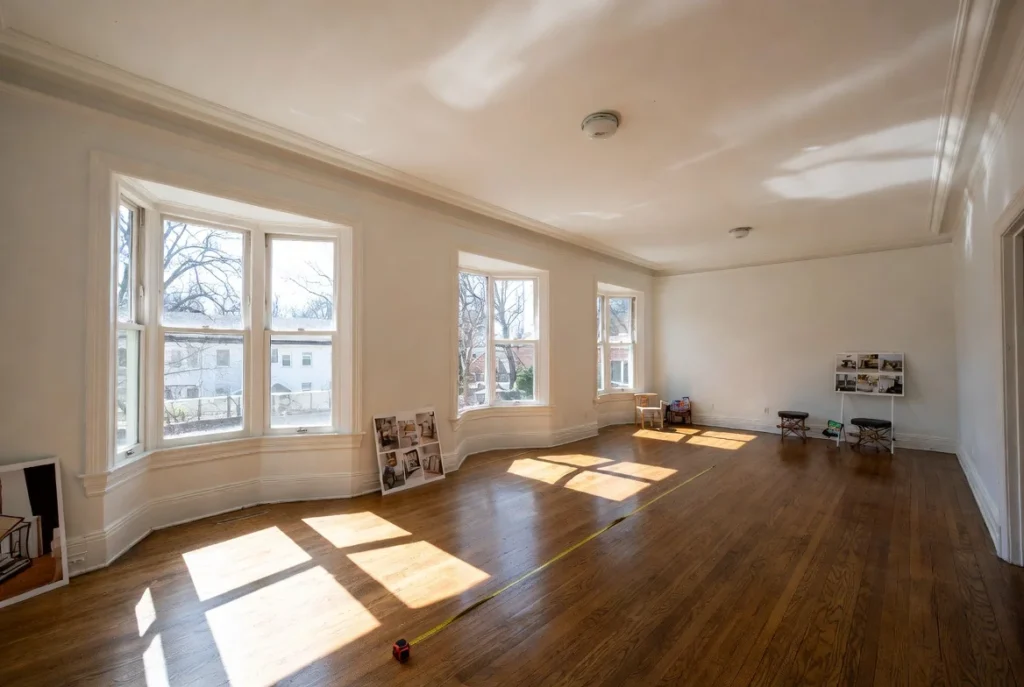
Before diving into specific design concepts, recognize that successful living room interior design begins with understanding your space’s unique characteristics. Consider natural light patterns, architectural features, traffic flow, and how your family actually uses the room. This foundation ensures your design choices enhance functionality while expressing your personal style.
Modern living spaces demand versatility. Today’s homeowners seek rooms that effortlessly transition from morning coffee rituals to evening entertainment, from remote work sessions to weekend relaxation. The following ideas address this multifaceted reality while maintaining aesthetic coherence.
1. Embrace Warm Minimalism for Timeless Appeal
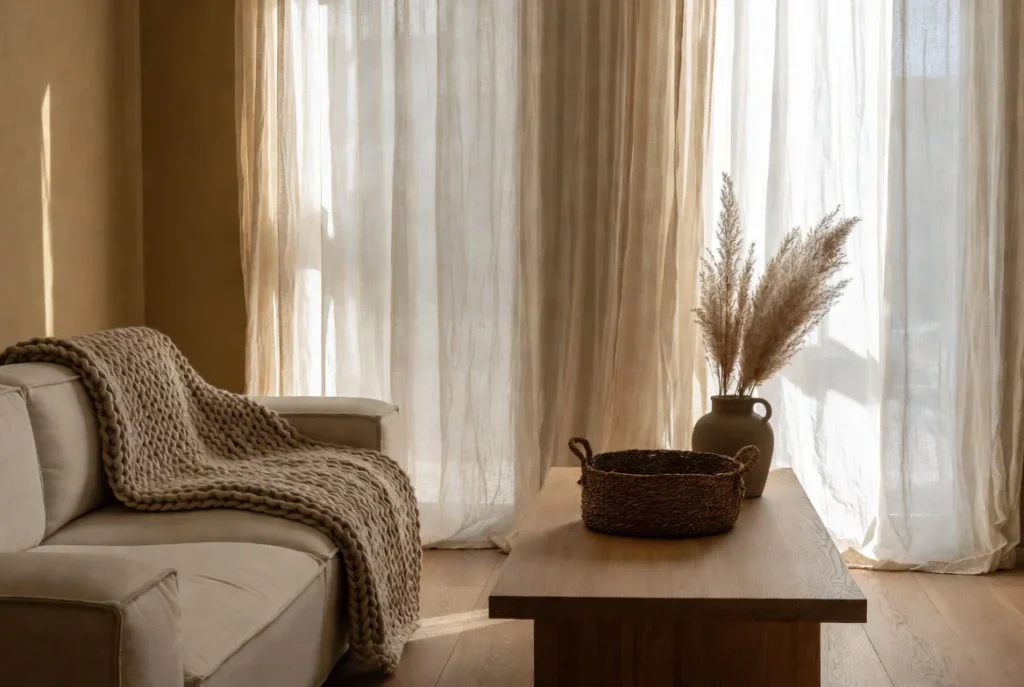
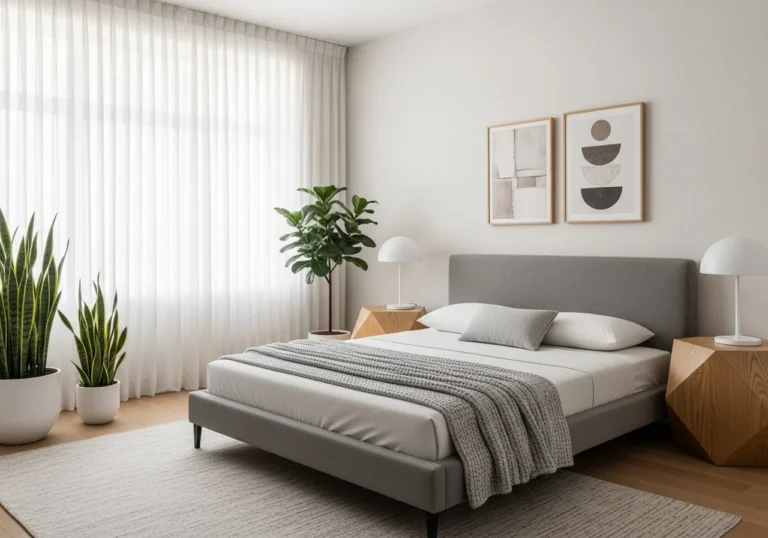
Warm minimalism represents the evolution of stark contemporary design into something more inviting. This approach combines clean lines and uncluttered surfaces with organic textures and earth tone palettes. Think creamy beiges, soft taupes, and warm grays paired with natural wood elements and linen fabrics.
Start with a neutral color palette as your foundation. Select a low-profile sofa in oatmeal or sand tones, then layer in texture through chunky knit throws, woven baskets, and natural fiber rugs. The secret lies in quality over quantity. Each piece should serve a purpose while contributing to the room’s serene atmosphere.
Sustainable materials like reclaimed wood coffee tables or bamboo shelving units add warmth without visual chaos. Keep window treatments simple with light-filtering linen curtains that maximize natural light. This style particularly suits smaller spaces, as the streamlined approach creates an illusion of spaciousness.
2. Make Bold Statements with Maximalist Design
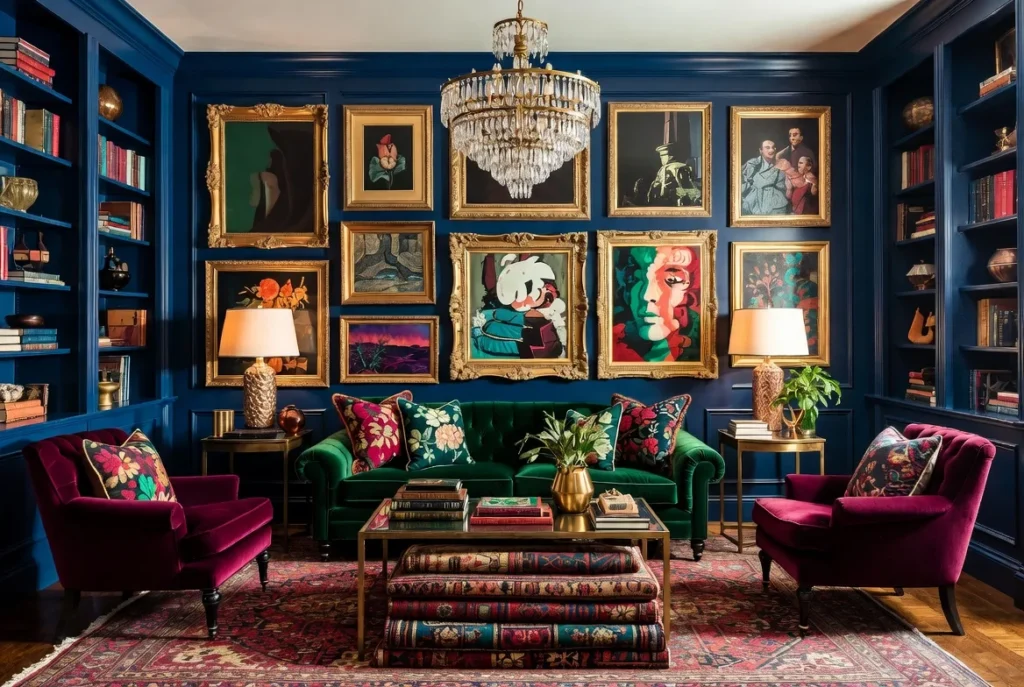
For those who believe more is more, maximalist interior design offers endless creative possibilities. This living room style celebrates personality through layered patterns, rich colors, and eclectic collections. The key to successful maximalism is intentional curation rather than random accumulation.
Begin with a bold color scheme that excites you. Deep jewel tones like emerald green, sapphire blue, or burgundy create dramatic backdrops for your treasures. Mix geometric patterns with floral prints, ensuring they share a common color thread. Velvet furniture in saturated hues provides luxurious focal points.
Display collections thoughtfully on open shelving or in gallery wall arrangements. Incorporate diverse textures through moroccan rugs, embroidered pillows, and metallic accents. Layered lighting becomes crucial in maximalist spaces, with statement chandeliers, sculptural table lamps, and accent lighting highlighting prized objects.
3. Channel Natural Serenity with Biophilic Design
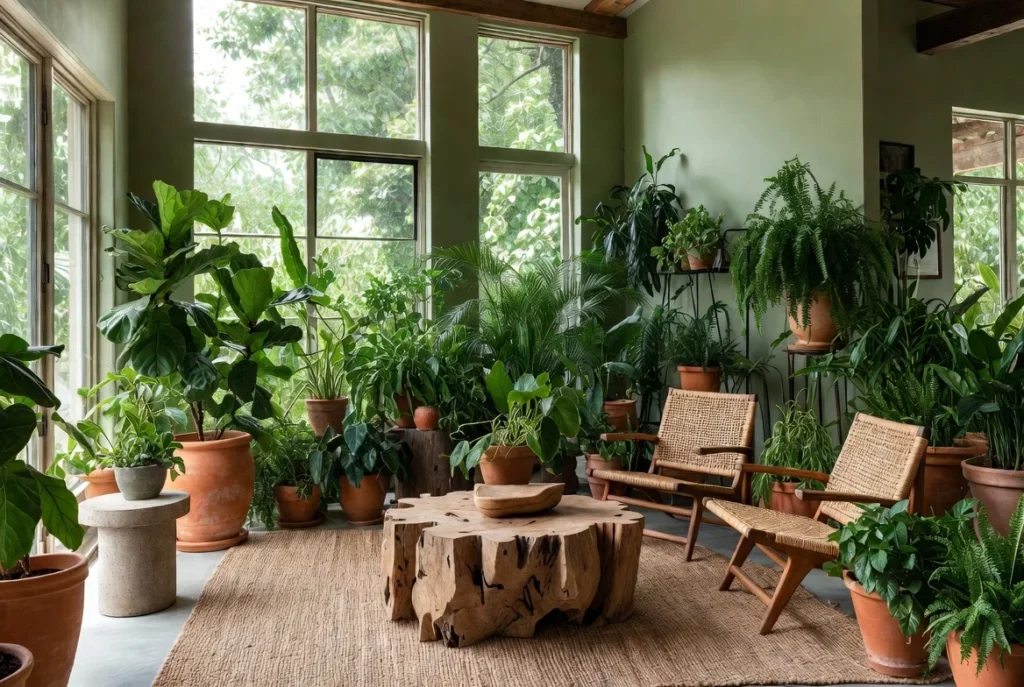
Biophilic design connects indoor spaces with nature, promoting well-being while creating visually stunning environments. This approach incorporates living plants, natural materials, and organic shapes throughout your living room decor.
Create a green sanctuary by selecting plants suited to your light conditions. Floor-to-ceiling windows maximize natural light exposure, while strategically placed mirrors amplify brightness. Choose furniture pieces crafted from natural wood with visible grain patterns. Rattan chairs, jute rugs, and stone accent tables reinforce the nature-inspired aesthetic.
Embrace earth tone color schemes featuring sage green, terracotta, warm browns, and soft whites. These colors psychologically ground us, reducing stress and promoting relaxation. Add water features like small tabletop fountains for soothing ambient sounds. This style works beautifully across budget ranges, as thrift stores often stock natural materials and secondhand plants cost significantly less than new.
4. Master the Art of Furniture Placement
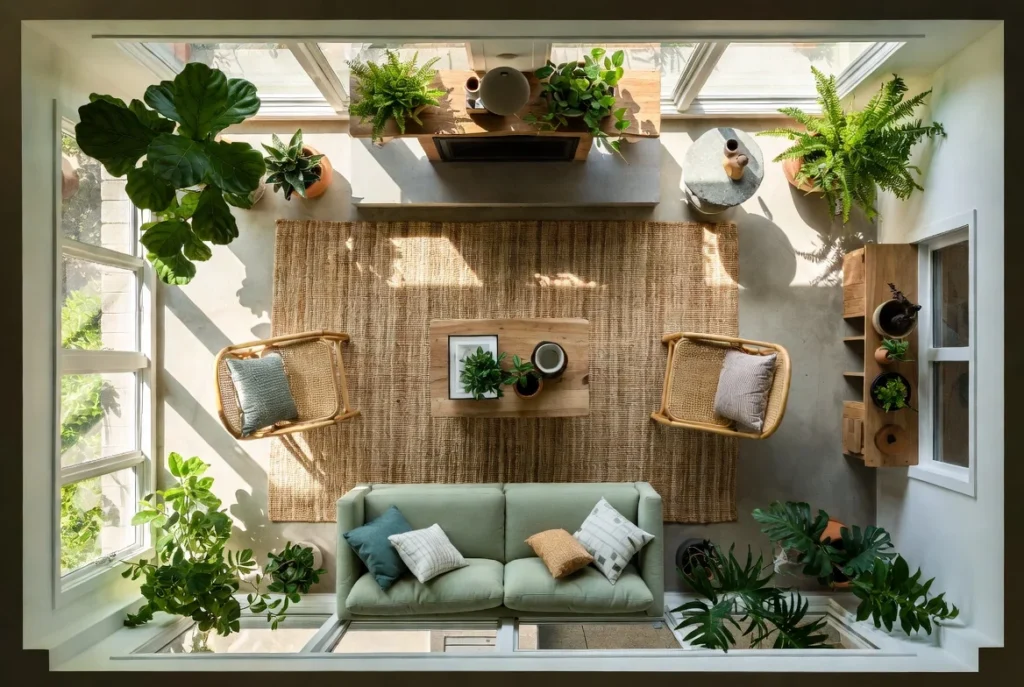
Exceptional living room layout transforms how spaces function and feel. Proper furniture arrangement encourages conversation, improves traffic flow, and maximizes available square footage regardless of room size.
Start by identifying your room’s focal point, typically a fireplace, large window, or entertainment center. Arrange seating to face this feature while maintaining comfortable conversation distances. Position sofas and chairs to create intimate groupings, ideally with seats no more than eight feet apart.
Area rugs define spaces and anchor seating arrangements. Ensure your rug is large enough that front furniture legs rest on it, creating visual cohesion. In open-plan homes, strategic furniture placement delineates the living area from adjacent spaces without physical barriers.
Leave adequate walkways of at least 30 inches between furniture pieces. This circulation space prevents cramped feelings while accommodating various family activities. Modular sectionals offer flexibility for evolving needs, rearranging easily as your lifestyle changes.
5. Transform Spaces with Strategic Color Palettes
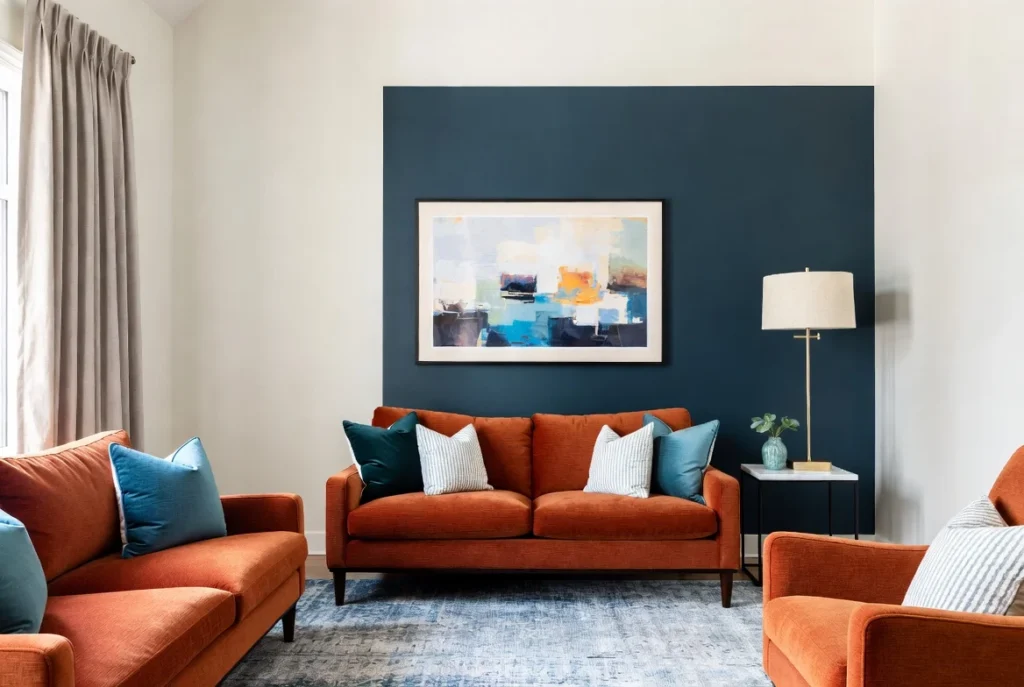
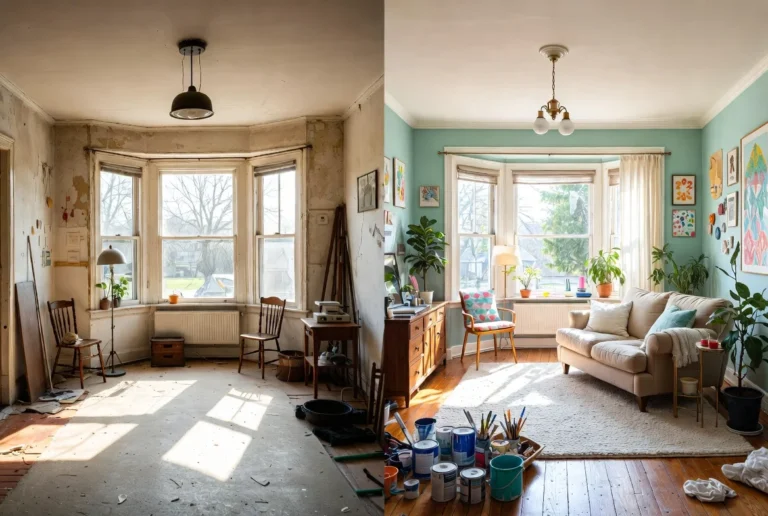
Color schemes profoundly impact mood and perceived space dimensions. Understanding color theory empowers you to create desired atmospheres within budget constraints, as paint remains one of the most cost-effective transformation tools.
Warm colors like terracotta, rust, and golden yellow inject energy and intimacy. These hues work wonderfully in north-facing rooms lacking natural warmth. Cool colors including soft blues, sage greens, and lavenders promote tranquility, ideal for relaxation-focused spaces.
Monochromatic schemes using varied shades of one color create sophisticated, cohesive looks. Try layering different taupes from light cream to deep mocha for subtle depth. Analogous color palettes combine neighboring wheel colors like blue, blue-green, and green for harmonious visual flow.
Accent walls provide drama without overwhelming budgets or commitment levels. Select one wall for bold color or wallpaper treatment, keeping remaining walls neutral. This approach allows affordable experimentation with trends while maintaining flexibility for future changes.
6. Elevate Ambiance Through Layered Lighting
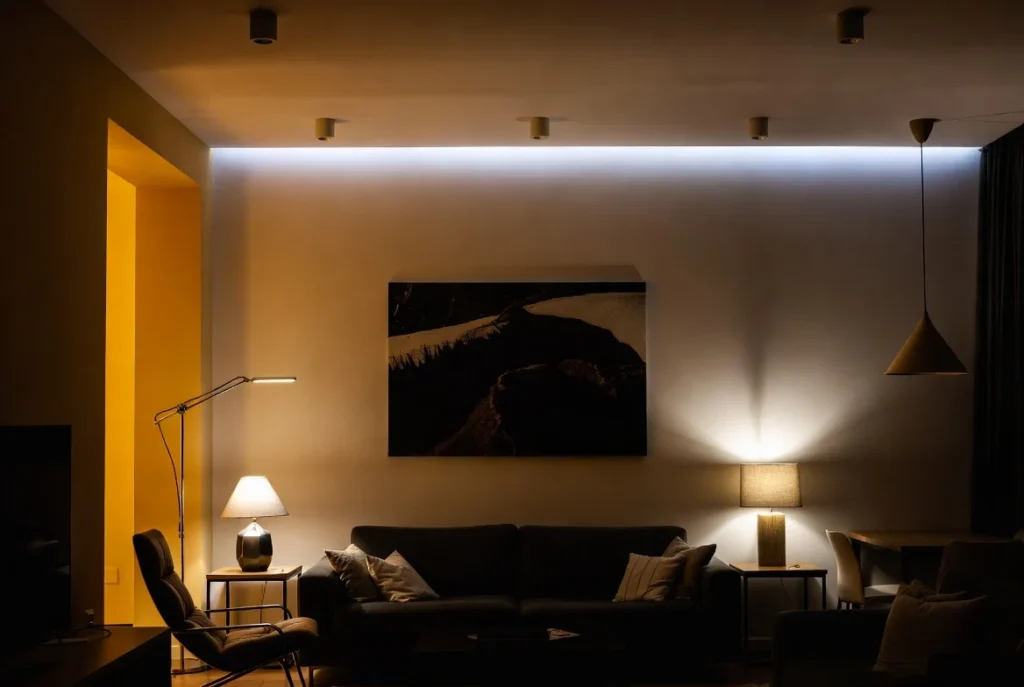
Lighting design ranks among the most overlooked yet impactful interior design elements. Layered lighting combines ambient, task, and accent illumination, creating versatile environments adapting to various activities and moods.
Ambient lighting provides overall illumination through ceiling fixtures, recessed lighting, or chandeliers. Install dimmer switches for adjustable brightness levels. Task lighting includes reading lamps, adjustable floor lamps near seating, and under-cabinet lights if your living room includes workspace elements.
Accent lighting highlights architectural features, artwork, or decorative objects. Picture lights, track lighting, and LED strips behind shelving create visual interest and dimension. Consider smart lighting systems allowing remote control and programmable scenes for ultimate convenience and energy efficiency.
Maximize natural light by keeping windows unobstructed during daylight hours. Replace heavy drapes with sheer curtains or top-down/bottom-up shades providing privacy without sacrificing brightness. Position mirrors opposite windows to reflect and amplify available light throughout the space.
7. Incorporate Smart Home Technology Seamlessly
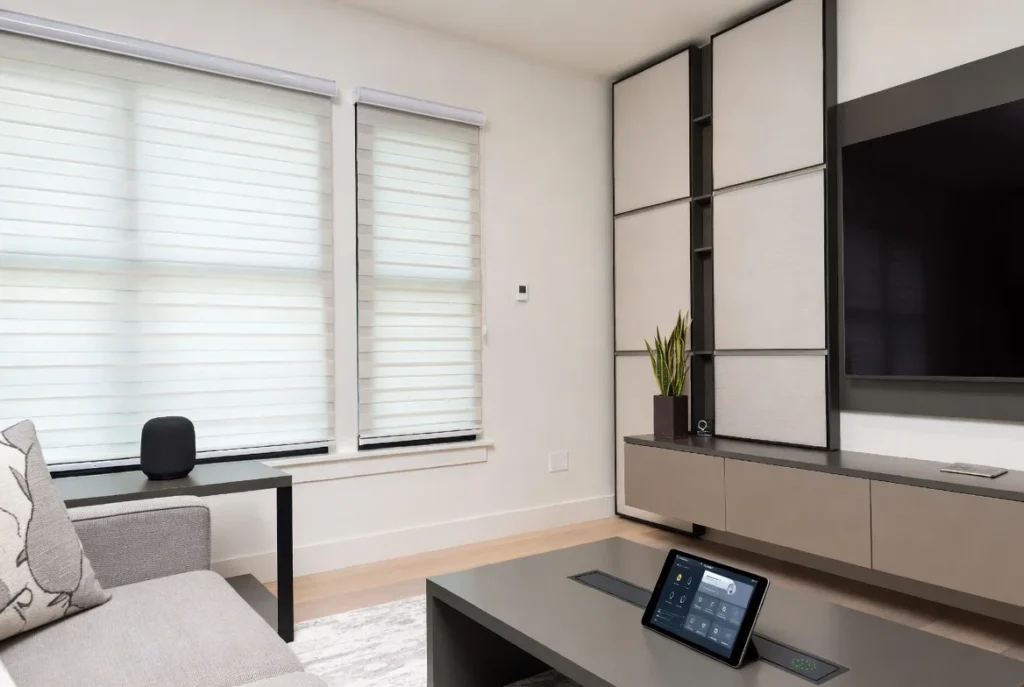
Smart home integration enhances comfort and convenience without compromising aesthetic appeal. Modern technology-driven decor blends functionality with design through thoughtful product selection and strategic placement.
Smart speakers with voice assistants control lighting, temperature, entertainment systems, and more. Choose models matching your color palette or displaying them as sculptural objects. Wireless charging stations built into end tables or coffee tables eliminate cord clutter while keeping devices powered.
Invest in motorized window treatments controlled via smartphone or voice commands, adjusting privacy and light throughout the day. Smart thermostats with sleek designs become design features rather than eyesores. Conceal technology infrastructure like routers and cables within attractive storage solutions or behind decorative panels.
Consider ambient projection systems creating dynamic wall displays or subtle mood lighting. These technologies cost more upfront but enhance living room functionality significantly, appealing to tech-savvy homeowners across all design styles.
8. Mix Textures for Visual and Tactile Interest
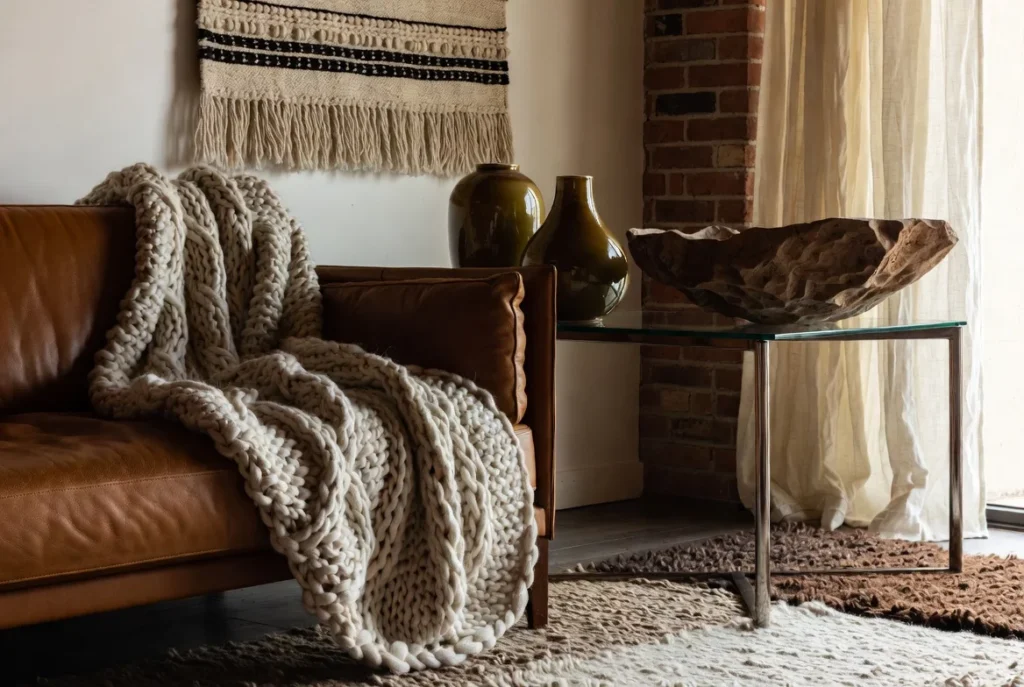
Texture layering creates depth and sophistication without requiring expensive investments. Combining various material textures throughout your living room furniture and accessories produces rooms feeling collected and complete.
Pair smooth leather with chunky knit throws. Position glossy ceramic vases alongside rough-hewn wood bowls. Hang woven wall art above sleek metal and glass tables. These contrasts prevent monotony while adding sensory richness to spaces.
Textile choices significantly impact texture perception. Velvet pillows provide luxury; linen curtains offer casual elegance; wool rugs contribute warmth underfoot. Mix pile heights and weaves within your rug selection for added dimension.
Architectural textures matter too. Exposed brick walls, wood beam ceilings, stone fireplace surrounds, or slatted wood panels provide permanent textural elements requiring no maintenance. For renters or those seeking flexibility, peel-and-stick wallpaper offers textural variety including grasscloth, faux wood, or dimensional geometric patterns.
9. Create Affordable Impact with DIY Projects
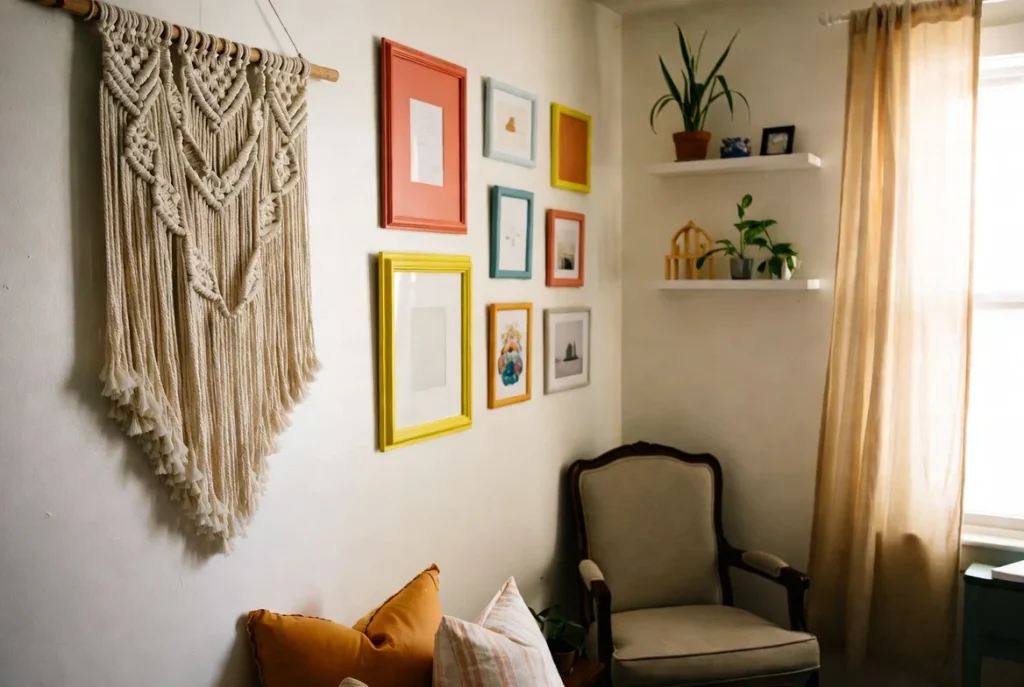
Budget-friendly decorating doesn’t mean compromising style. Strategic DIY projects personalize spaces while stretching dollars further than retail purchases.
Gallery walls showcasing personal photographs, thrift store art finds, and DIY paintings create custom focal points for minimal investment. Print digital photos at office supply stores, frame them consistently, and arrange thoughtfully for professional results.
Reupholster thrifted chairs using discount fabric, giving tired pieces new life aligned with your aesthetic. Paint dated wood furniture in contemporary colors, updating entire rooms for under fifty dollars. Create custom throw pillows from clearance fabric remnants, changing them seasonally without significant expense.
Macramé wall hangings, painted terracotta planters, and refinished side tables add personalized touches impossible to replicate through store purchases. Online tutorials guide even beginners through projects yielding impressive results. These handmade elements inject personality while demonstrating thoughtful curation rather than merely purchasing complete rooms from catalogs.
10. Optimize Small Living Rooms for Maximum Function
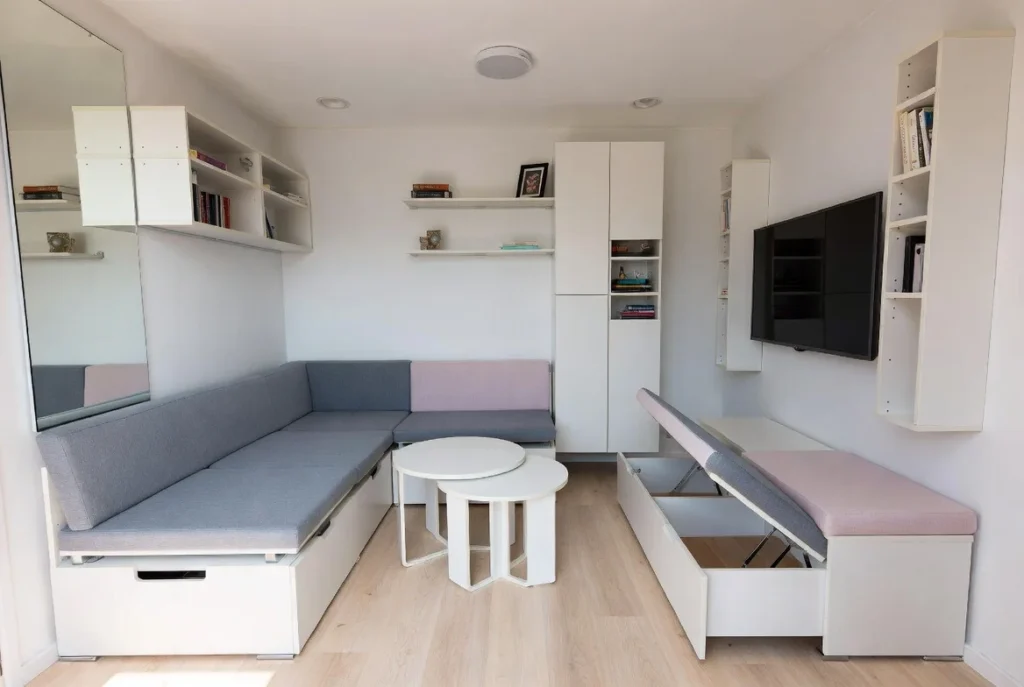
Small space design requires strategic thinking but offers surprising creative opportunities. Proper techniques make compact living rooms feel spacious, comfortable, and stylish.
Choose multifunctional furniture like storage ottomans, sleeper sofas, or nesting tables. These pieces serve multiple purposes without consuming excessive square footage. Select low-profile furniture maintaining visual airiness rather than heavy, overstuffed pieces overwhelming small rooms.
Mount televisions and shelving to free floor space. Floating shelves provide storage and display areas without bulk. Utilize vertical space through floor-to-ceiling bookshelves drawing eyes upward and creating height illusions.
Maintain consistent flooring throughout adjacent spaces to visually expand boundaries. Use similar color palettes across rooms for flow. Position furniture away from walls occasionally, creating walking paths behind pieces and paradoxically making rooms feel larger.
11. Embrace Mid-Century Modern Sophistication
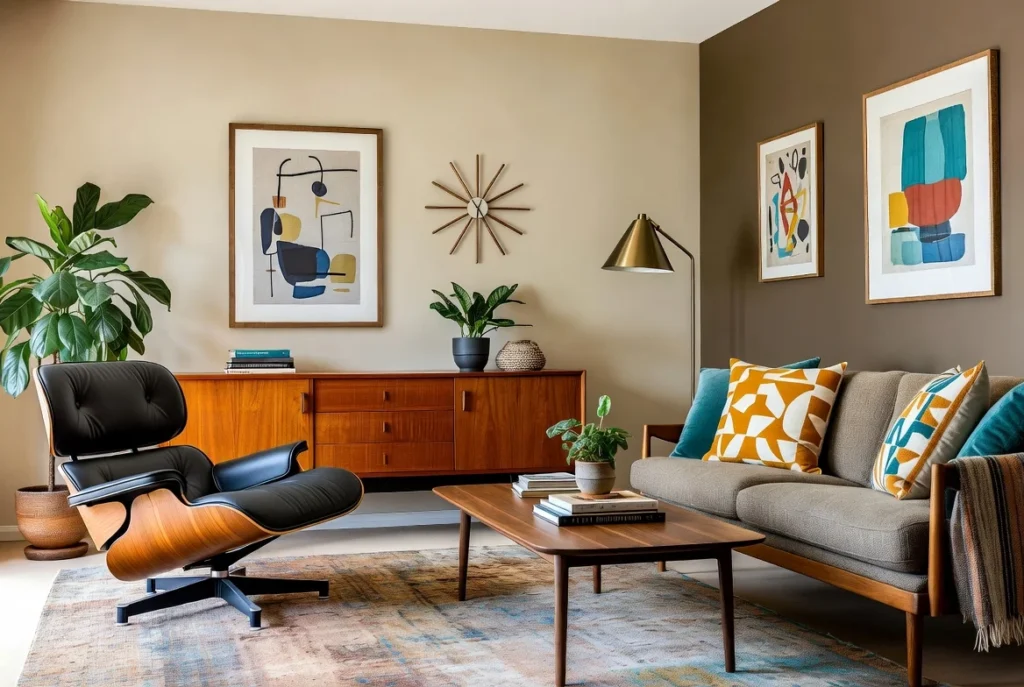
Mid-century modern design remains timelessly appealing through clean lines, organic curves, and functional beauty. This style bridges vintage charm with contemporary sensibilities.
Iconic furniture pieces like Eames lounge chairs, tulip tables, or teak credenzas anchor mid-century aesthetics. Look for authentic vintage pieces at estate sales or high-quality reproductions fitting various budgets. Pair walnut wood tones with leather upholstery and geometric fabrics.
Color combinations typically feature warm woods alongside bold accent colors like mustard yellow, burnt orange, or teal. Keep walls neutral in whites or warm grays, allowing furniture and accessories to pop. Add abstract art in simple frames and sculptural lighting with clean designs.
This style suits various budgets since authentic vintage pieces often cost less than contemporary furniture, while reproductions range from affordable to investment-worthy. The streamlined aesthetic also simplifies maintenance and keeps spaces feeling organized.
12. Design Cozy Farmhouse Retreats
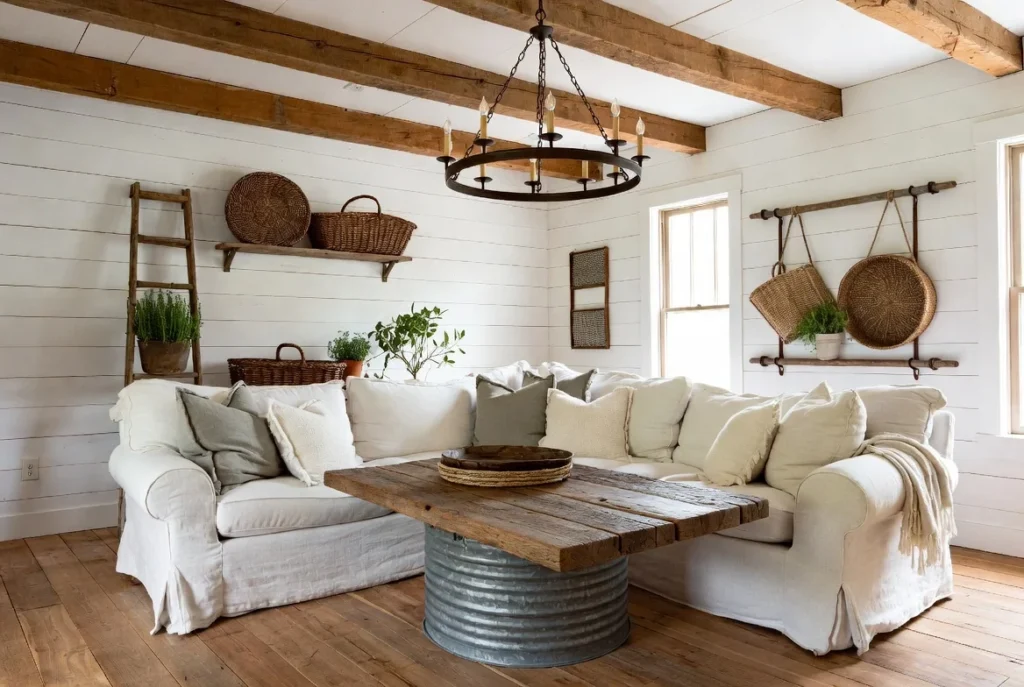
Modern farmhouse style blends rustic charm with contemporary comfort, creating inviting spaces celebrating simplicity and natural materials.
Incorporate shiplap walls or board and batten treatments adding architectural interest. Paint them white or soft gray for classic farmhouse appeal. Exposed wood beams or faux beam installations contribute structural character.
Select distressed wood furniture paired with upholstered pieces in neutral linens or cotton fabrics. Oversized sectionals with washable slipcovers suit family-friendly farmhouse living. Add wrought iron accents through light fixtures, curtain rods, or shelf brackets.
Vintage accessories like galvanized metal containers, antique wooden ladders, and enamelware complete the look. Display collections of pitchers, cutting boards, or botanical prints. Layer in greenery through potted herbs, ferns, or eucalyptus arrangements for fresh farmhouse vitality.
13. Curate Bohemian Eclectic Spaces
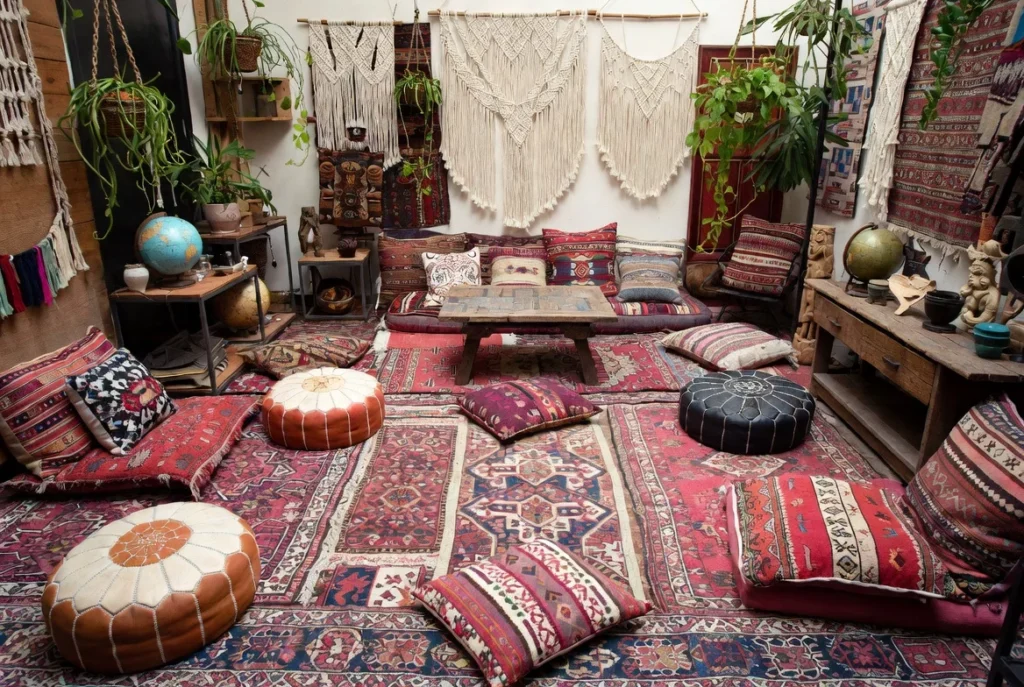
Bohemian interior design celebrates free-spirited creativity through global influences, vintage treasures, and fearless pattern mixing. This living room style welcomes personal expression without rigid rules.
Layer multiple area rugs in complementary patterns and colors. Moroccan, Turkish, and Persian rugs create rich foundations. Pile floor cushions and poufs around low coffee tables for casual, comfortable seating arrangements.
Incorporate global textiles through embroidered pillows, woven wall hangings, and patterned throws. Mix wood tones freely, combining light bamboo with dark walnut without concern for matching. Add vintage furniture pieces with history and character.
Plants become essential bohemian elements. Create indoor jungles with trailing pothos, dramatic fiddle leaf figs, and hanging plants at various heights. Display collections of natural objects like shells, stones, or driftwood. This style thrives on thrift store finds and handmade elements, making it naturally budget-conscious.
14. Achieve Scandinavian Simplicity and Function
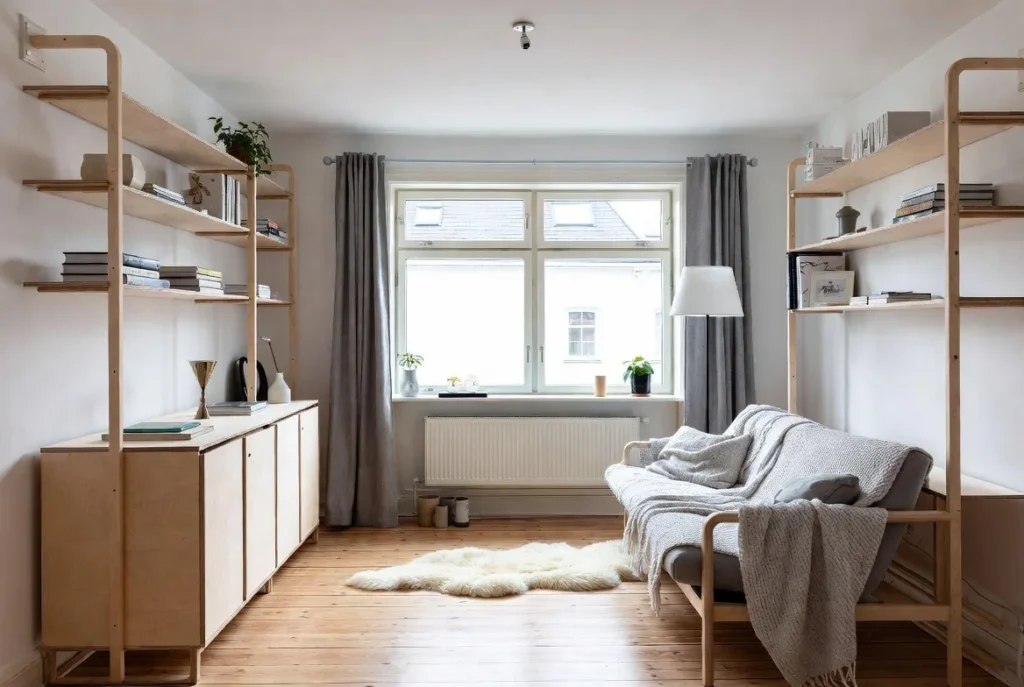
Scandinavian design prioritizes function, simplicity, and connection to nature. This Northern European aesthetic creates calm, clutter-free environments emphasizing natural light and sustainable materials.
Choose light wood furniture in birch, ash, or pine. Keep silhouettes simple and functional without excessive ornamentation. White walls maximize brightness in regions with limited daylight hours. Add warmth through textured textiles in whites, grays, and soft blues.
Hygge principles guide Scandinavian living room design. Incorporate soft throw blankets, candles, and comfortable seating encouraging relaxation. Create cozy reading nooks with sheepskin rugs and adjustable floor lamps.
Maintain minimal clutter through smart storage solutions that conceal everyday items. Open shelving displays carefully curated objects rather than random collections. This restrained approach suits various budgets since it requires fewer pieces overall, with emphasis placed on quality and longevity.
15. Integrate Japandi Aesthetic Balance
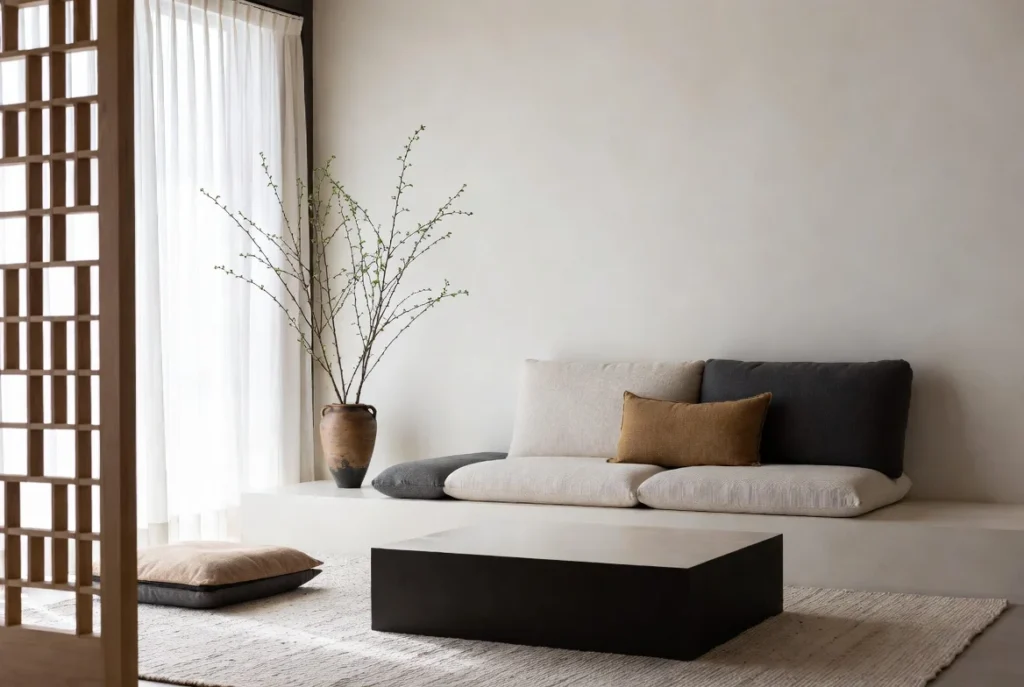
Japandi design fuses Japanese minimalism with Scandinavian functionality, creating harmonious spaces balancing simplicity and warmth. This hybrid style suits those appreciating both aesthetics.
Select low-profile furniture with clean lines in natural materials. Platform sofas, low coffee tables, and floor cushions create typical Japandi arrangements. Choose neutral palettes dominated by whites, beiges, blacks, and warm grays.
Embrace negative space as design element rather than void needing filling. Allow breathing room around furniture groupings. Display single statement pieces like ceramic vases or sculptural art rather than clustered collections.
Natural materials dominate through bamboo, rice paper, raw wood, and stone elements. Add plants sparingly but strategically, selecting sculptural specimens like bonsai or fiddle leaf figs. This minimalist approach costs less than maximalist alternatives while creating serene, sophisticated environments.
16. Incorporate Industrial Urban Edge
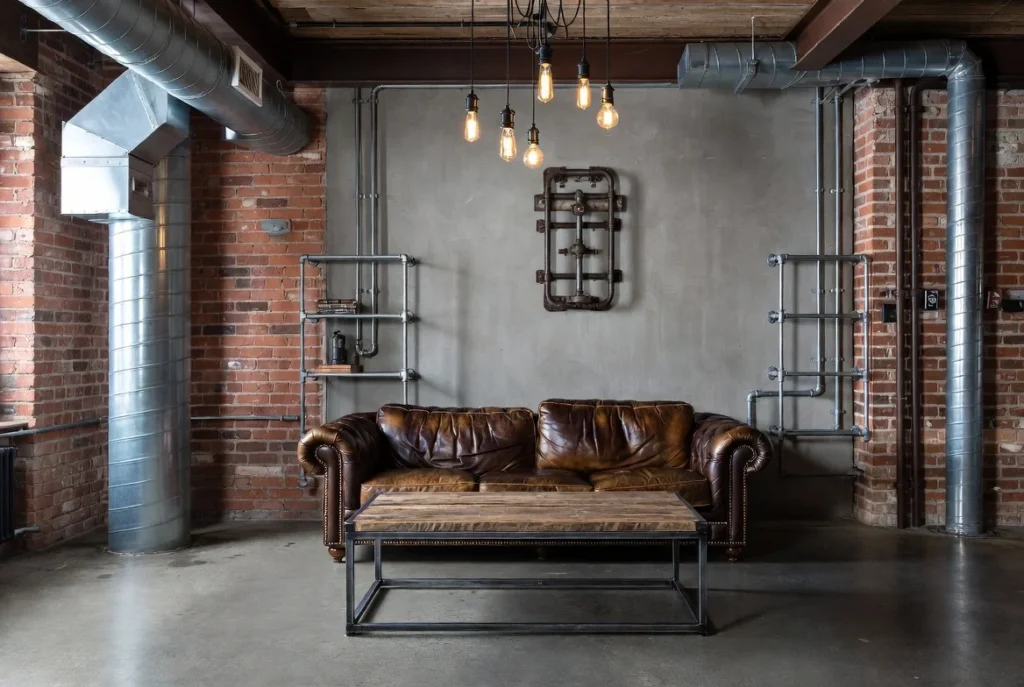
Industrial design celebrates raw materials, exposed structures, and urban aesthetics. This style transforms warehouse-inspired elements into sophisticated living spaces.
Embrace exposed brick, concrete floors, or metal ductwork as design features rather than flaws requiring concealment. If your space lacks these elements, add industrial touches through metal furniture frames, pipe shelving, or concrete-look tables.
Choose leather sofas in rich browns or blacks. Pair them with distressed wood coffee tables showing wear and character. Add Edison bulb lighting in metal fixtures creating warm, ambient glow.
Color palettes typically feature grays, blacks, browns, and whites with occasional pops of color through artwork or accessories. Large-scale abstract art or vintage industrial signage provides appropriate wall decor. This style suits various budgets since many elements embrace imperfection and can be DIY projects or secondhand finds.
17. Master Transitional Design Flexibility
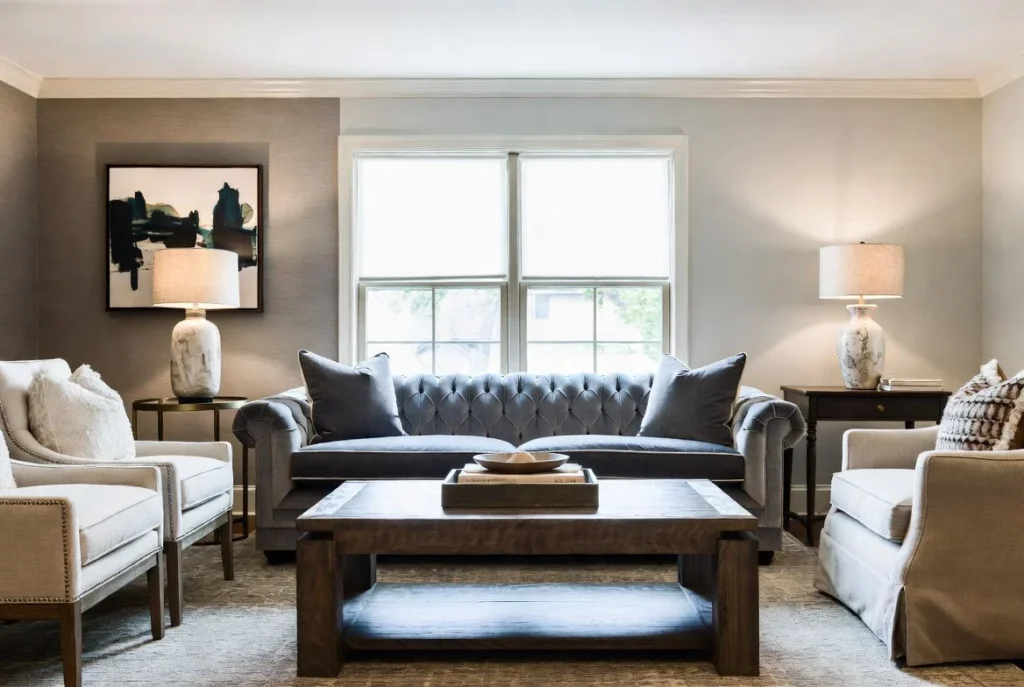
Transitional style bridges traditional and contemporary aesthetics, offering timeless appeal suiting changing tastes. This balanced approach prevents rooms from feeling dated while maintaining classic comfort.
Combine traditional furniture silhouettes with contemporary fabrics and finishes. Pair tufted sofas in modern gray velvet rather than traditional florals. Choose classic wood coffee tables with clean, updated lines.
Neutral color schemes with warm undertones create transitional foundations. Add subtle pattern through tone-on-tone fabrics or geometric designs maintaining sophistication. Mix furniture finishes freely, combining painted pieces with natural woods.
Balance symmetry and asymmetry in arrangements. Traditional design favors matching pairs flanking focal points; contemporary style embraces imbalance. Transitional spaces might position matching lamps on one side while placing a single sculptural piece opposite.
18. Create Sophisticated Coastal Havens
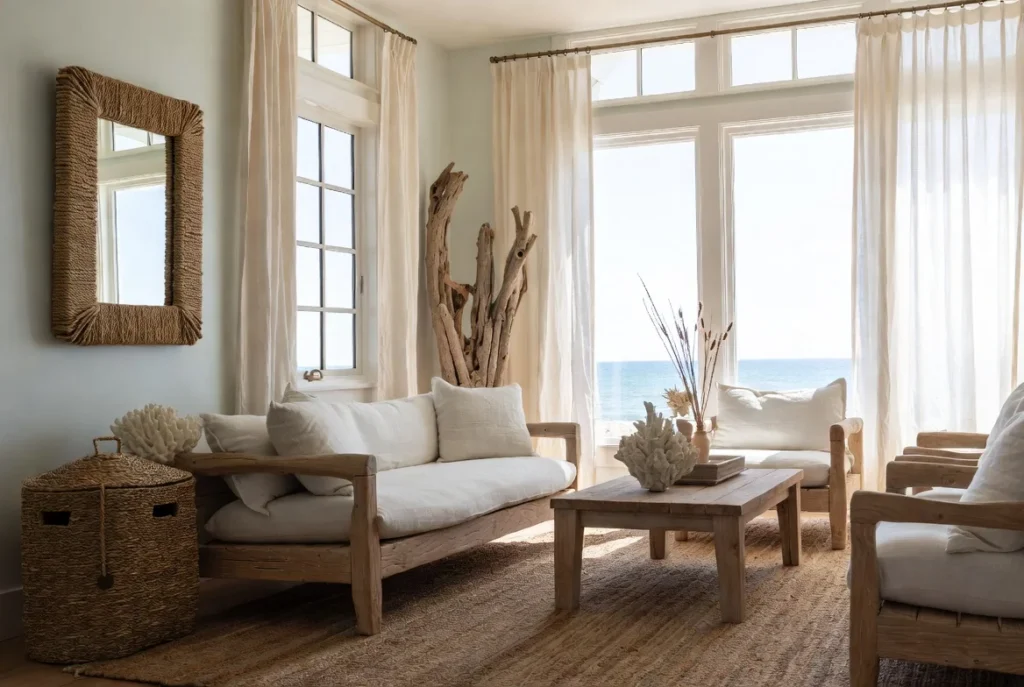
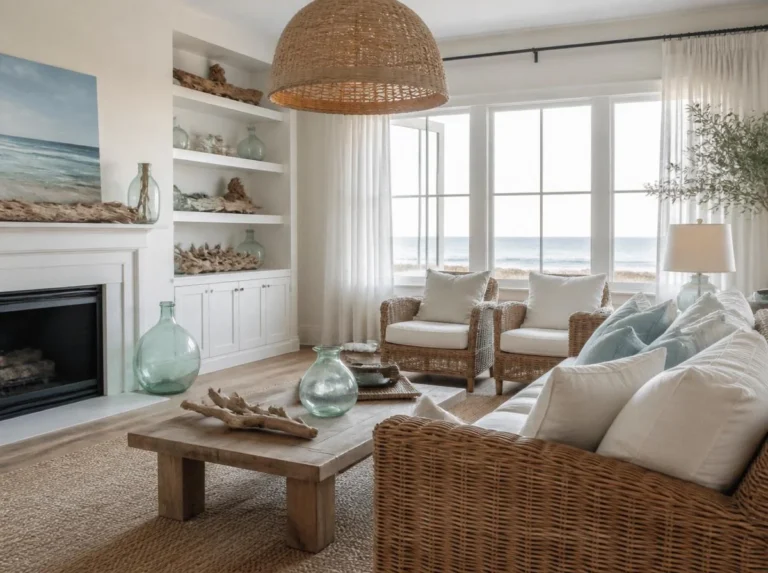
Coastal design evokes seaside serenity through light palettes, natural textures, and breezy atmospheres. This style extends beyond beach houses, bringing ocean-inspired calm to any location.
Build color palettes around whites, soft blues, sandy beiges, and seafoam greens. Keep walls light to maximize brightness. Add depth through natural wood furniture in weathered or whitewashed finishes.
Incorporate nautical elements subtly through rope-wrapped mirrors, shell collections, or coral specimens. Avoid overtly themed decor favoring sophisticated natural materials evoking coastal environments without cliché anchors and lifesavers.
Choose lightweight fabrics like linen and cotton for upholstery and curtains. Layer textures through jute rugs, woven baskets, and driftwood accessories. This style suits various budgets since many elements come from nature or thrift stores, requiring creativity rather than significant investment.
19. Design Luxury Contemporary Statements
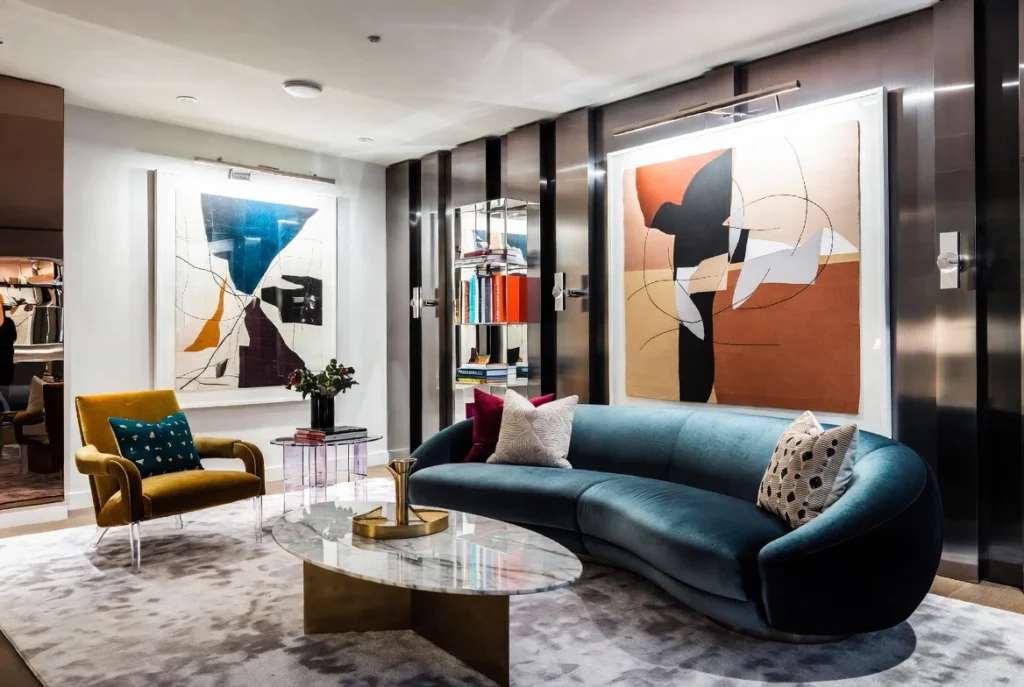
Contemporary living room design showcases current trends through sleek furnishings, bold art, and sophisticated simplicity. This style makes dramatic statements while maintaining functionality.
Select statement furniture pieces with strong architectural presence. Think sculptural sofas in rich jewel tones or dramatic sectionals anchoring expansive spaces. Choose coffee tables in unexpected materials like lucite, marble, or mixed metals.
Incorporate bold artwork as focal points. Large-scale abstracts or photography collections create gallery-like atmospheres. Install accent lighting highlighting these pieces after dark.
Metallic finishes add contemporary glamour through brass fixtures, chrome tables, or copper accessories. Mix metals freely within single spaces for collected, curated aesthetics. While contemporary design can require investment, strategic splurges on key pieces combined with affordable basics create high-end looks within realistic budgets.
20. Blend Styles for Personalized Eclectic Spaces
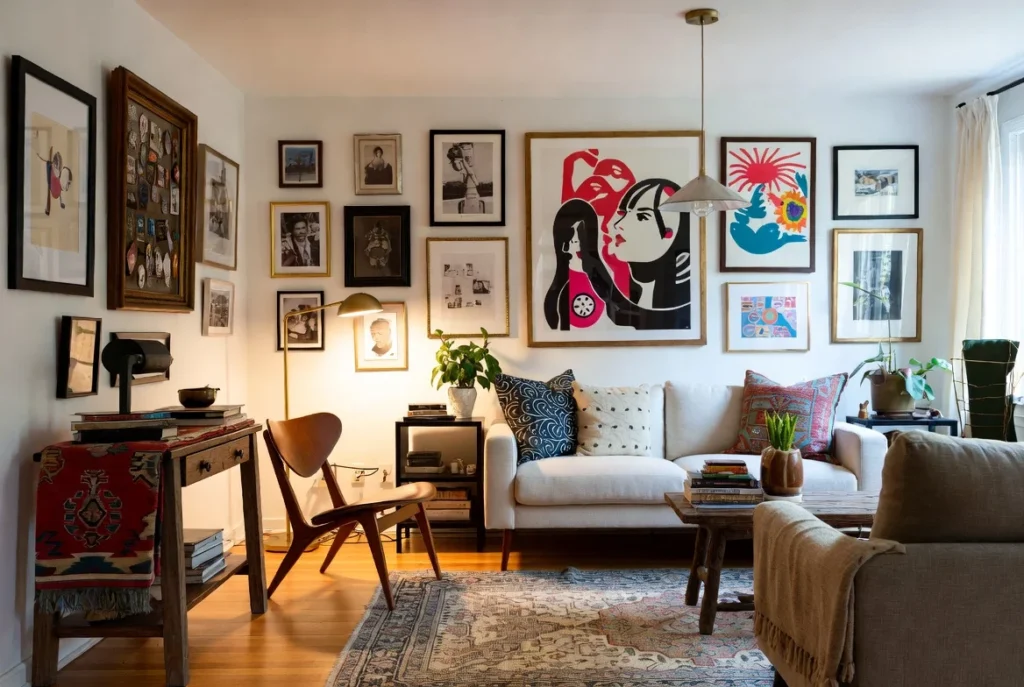
Eclectic design liberates you from single-style constraints, encouraging personal expression through thoughtful mixing. This approach creates unique spaces impossible to replicate, reflecting individual tastes and histories.
Establish cohesive threads connecting disparate elements. Common color palettes, repeated materials, or consistent scale prevents eclectic from becoming chaotic. Choose one dominant style comprising roughly 70 percent of design elements, then blend complementary styles for remaining 30 percent.
Mix furniture periods freely, pairing vintage finds with contemporary pieces and global imports. Unite them through consistent wood tones or upholstery colors. Display collections telling personal stories whether travel souvenirs, family heirlooms, or flea market discoveries.
This style especially suits budget-conscious decorators since it embraces diverse sources from thrift stores to high-end boutiques. Focus spending on quality foundational pieces while experimenting affordably with accessories and accents easily changed as tastes evolve.
Bringing Your Vision to Life
Exceptional interior design living room transformations result from understanding your space, clarifying your aesthetic preferences, and implementing ideas strategically within your budget. Whether embracing single styles or blending multiple influences, these twenty approaches offer pathways to creating living rooms reflecting your unique personality while serving your practical needs.
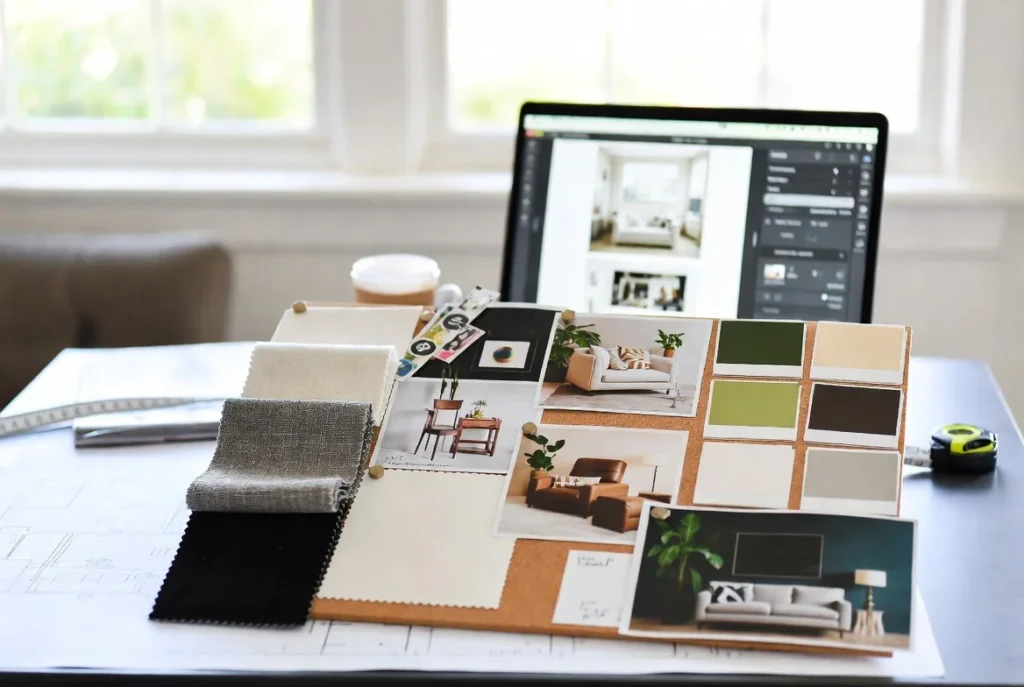
Start by identifying which styles resonate most deeply. Create mood boards collecting inspiring images, colors, and textures. Measure your space carefully before purchasing furniture. Prioritize quality over quantity, investing in foundational pieces while accessorizing affordably.
Remember that living room design evolves alongside your life. Embrace flexibility through modular furniture, removable wallpaper, and easily changeable accessories. The most successful spaces balance aesthetic appeal with authentic functionality, creating environments where life truly happens.
Your living room awaits transformation into a space reflecting your style, supporting your lifestyle, and welcoming those who matter most. These twenty stunning ideas provide inspiration, guidance, and practical strategies for achieving exceptional results regardless of budget constraints. Begin your design journey today, creating the living room you’ve always envisioned.
Frequently Asked Questions
What is the best color scheme for a small living room?
Light, neutral colors work best for small living rooms as they reflect natural light and create spacious feelings. Soft whites, warm beiges, and pale grays maximize perceived space while providing versatile backgrounds for various furniture and decor styles. Add depth through textured accessories in similar tones rather than contrasting colors.
How can I make my living room look expensive on a budget?
Focus on strategic investments in quality foundational pieces like a well-made sofa while saving on accessories. Paint walls in sophisticated neutral tones, add affordable artwork or DIY projects, incorporate metallic accents, and layer various textures through throws and pillows. Proper lighting significantly elevates perceived value without major expense.
What furniture arrangement works best for rectangular living rooms?
Create conversation zones rather than lining furniture along walls. Float the sofa perpendicular to the longest wall, position chairs opposite or perpendicular to it, and anchor arrangements with appropriately sized area rugs. This layout encourages interaction while breaking up the rectangular shape visually.
How many plants should I include in living room design?
There’s no strict rule, but three to five plants of varying heights create balanced biophilic design without overwhelming spaces. Consider maintenance requirements and available light when selecting quantities and species. Group plants in odd numbers for visual appeal and ensure they complement rather than compete with existing decor.
What lighting combinations create the best living room ambiance?
Combine three lighting types for optimal results: ambient lighting through ceiling fixtures providing overall illumination, task lighting via floor and table lamps for specific activities, and accent lighting highlighting artwork or architectural features. Install dimmers allowing adjustable brightness levels accommodating various moods and times of day.
You may also like this post: New Home Decorating Ideas: 40+ Fresh Styles for 2026
One Comment