Cosy Living Room Ideas: 15 Ways to Create Warmth & Comfort
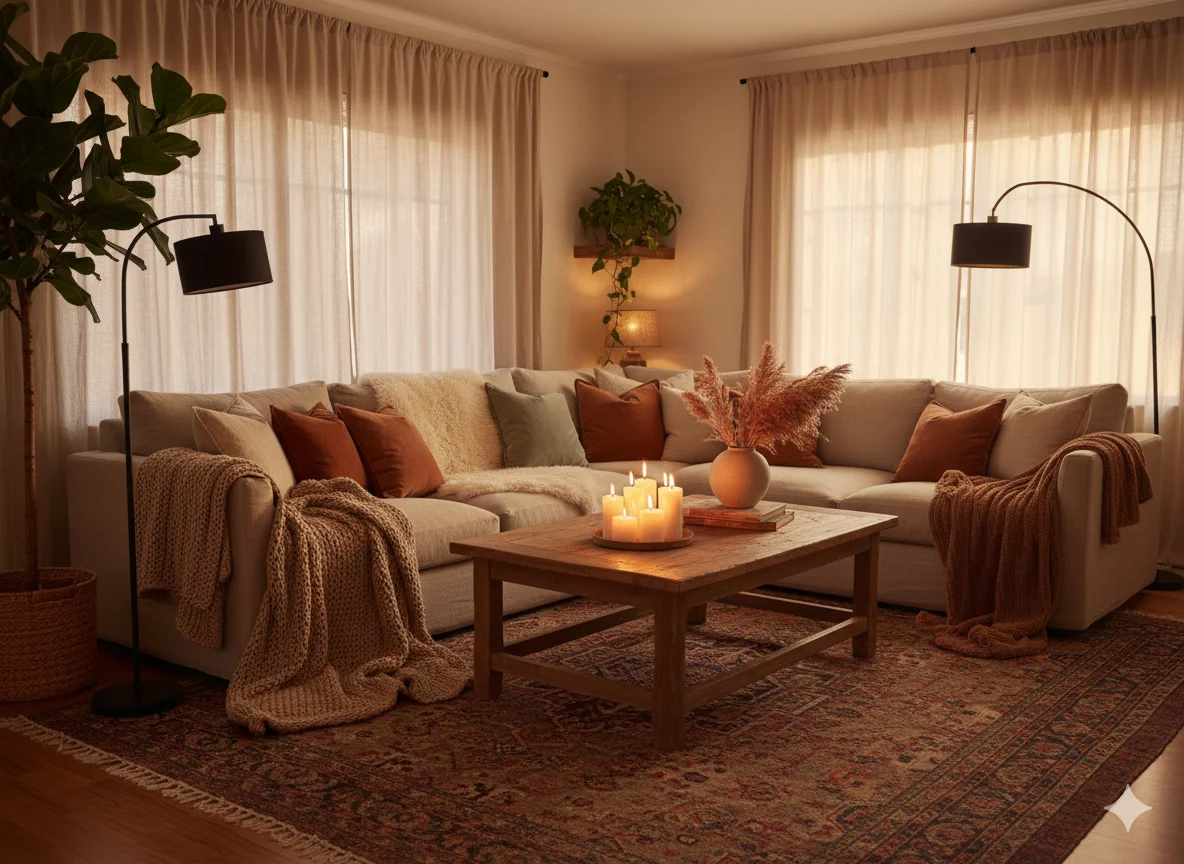
Picture yourself stepping into a space that wraps around you like a favorite blanket. The lights glow softly, every surface invites touch, and somehow everything feels just right. That magnetic pull toward comfort is what transforms an ordinary living room into a personal sanctuary. Creating this haven requires more than throwing a few cushions on a sofa. It demands thoughtful choices about texture, light, color, and arrangement that work together to craft an atmosphere where stress melts away.
The beauty of a truly cosy living room lies in its ability to serve multiple purposes while maintaining that essential warmth. Whether you host animated dinner parties, enjoy quiet reading sessions, or simply collapse after exhausting days, your living space should adapt without losing its welcoming character. The challenge is achieving this balance between functionality and that irresistible homely feel that makes people never want to leave.
Understanding the Foundation of Warmth
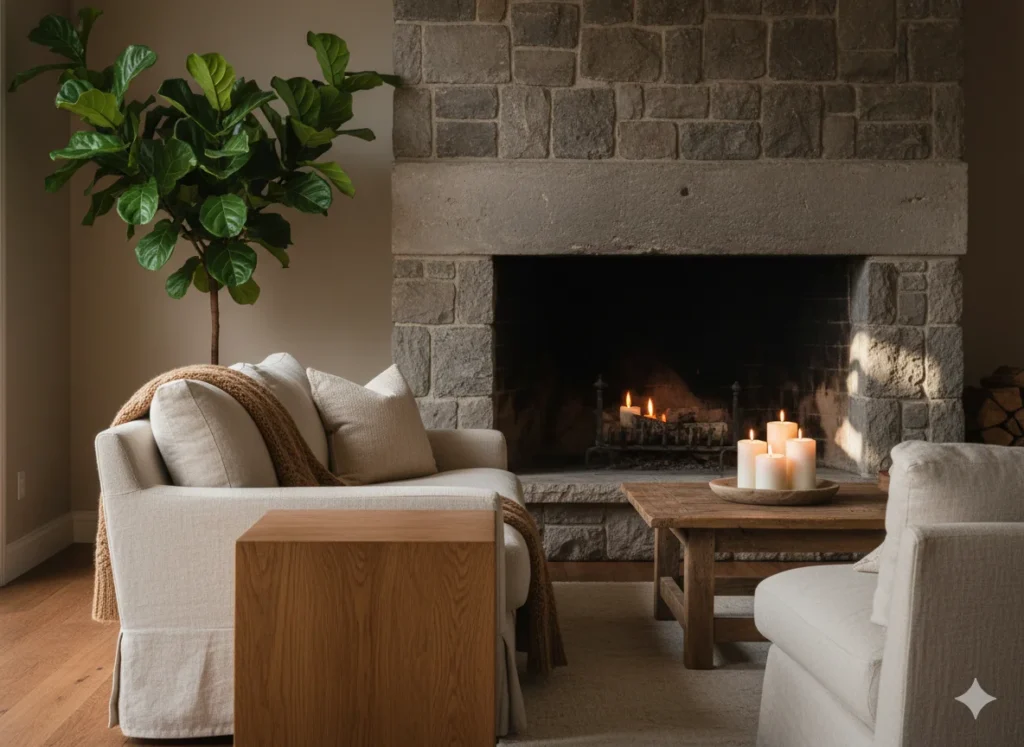
Before diving into specific strategies, consider what cosy actually means in practical terms. It transcends mere aesthetics. A genuinely warm space engages all senses simultaneously. The visual appeal of carefully chosen colors meets the tactile pleasure of plush fabrics. Soft lighting interacts with the subtle sounds of life happening around you. Even the air itself feels different in a properly designed comfort zone.
Natural materials form the backbone of authentic coziness. Wood brings organic warmth that manufactured alternatives simply cannot replicate. Stone adds grounding weight and permanence. Plants introduce living energy that shifts with seasons. These elements connect interior spaces to the natural world outside, creating subconscious comfort that synthetic materials struggle to achieve.
The concept of hygge, borrowed from Scandinavian culture, emphasizes this holistic approach. Rather than focusing solely on appearance, it prioritizes how spaces make you feel. This philosophy champions candlelight over harsh overhead bulbs, natural fibers over plastics, and meaningful objects over generic decorations. Adopting this mindset shifts your entire approach to room design.
Master Layered Lighting Techniques
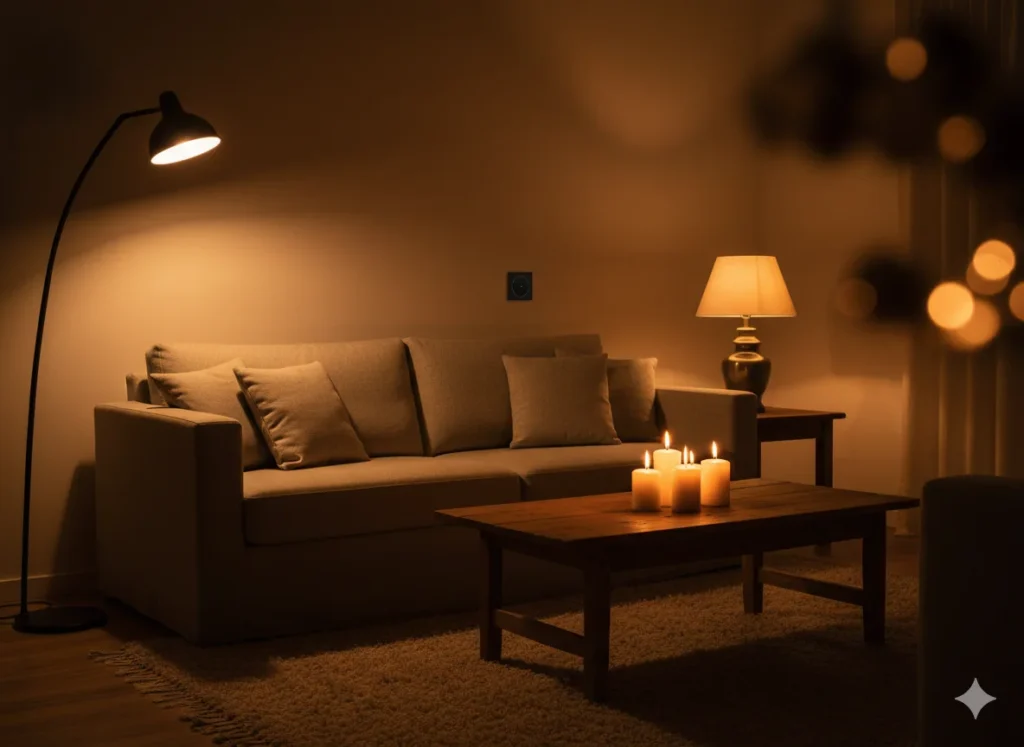
Nothing destroys cosy atmosphere faster than harsh overhead illumination. The secret lies in creating multiple light sources at different heights and intensities. Ambient lighting provides general illumination without being intrusive. Table lamps on side surfaces add pools of focused warmth. Floor lamps in corners push light upward, creating soft shadows that add depth and dimension.
Consider the quality of light itself. Warm bulbs with yellow tones feel infinitely more inviting than cool white alternatives. Dimmer switches allow adjustment throughout the day, matching mood to activity. During afternoon reading sessions, brighter settings serve practical needs. Evening relaxation calls for subdued glow that signals unwinding time.
Candles deserve special mention for their unmatched ability to create instant coziness. Their flickering flames add movement and life while casting gentle shadows. Grouped together on coffee tables or mantelpieces, they become focal points that draw people into spaces. The slight variations in light intensity create visual interest that static electric lights cannot match.
Layer Textures Throughout the Space
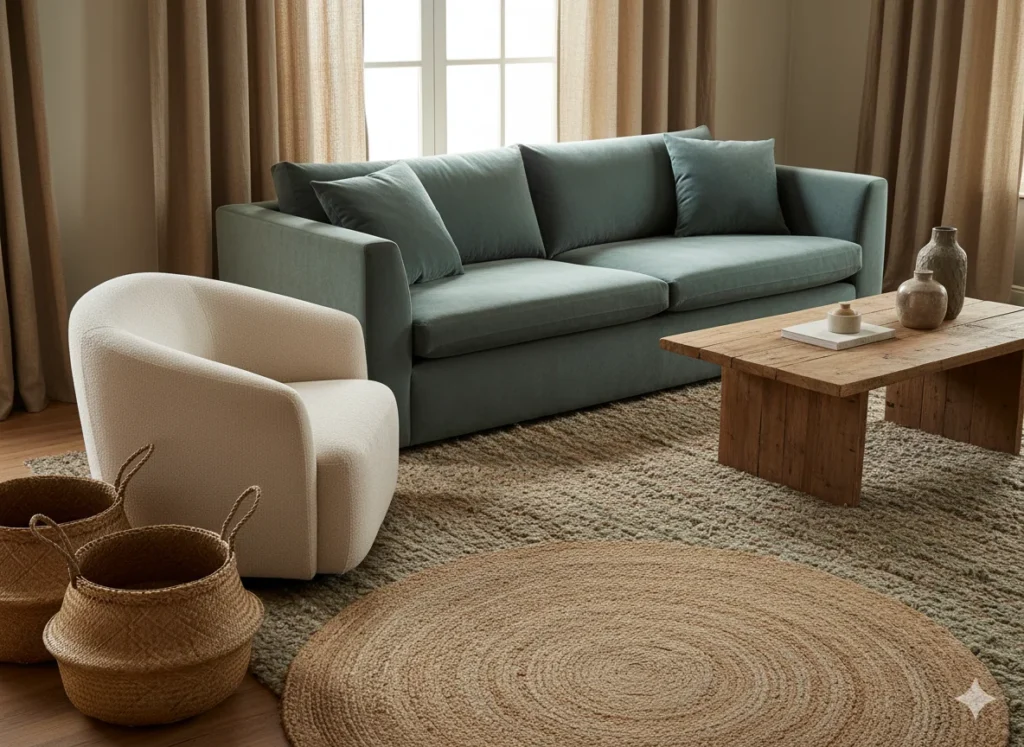
Tactile elements transform visual design into sensory experience. Start with foundational pieces like area rugs that define spaces while adding softness underfoot. Wool varieties bring natural warmth, while jute or sisal introduce rustic character. Layering smaller rugs over larger ones creates unexpected visual interest while amplifying comfort.
Furniture choices significantly impact overall texture. A velvet sofa catches light differently than leather or linen, creating visual depth. Boucle armchairs add cloud-like softness that invites sinking in. Mix these smooth, luxurious textures with rougher elements like woven baskets or reclaimed wood surfaces for balanced contrast.
Window treatments offer tremendous textural opportunity. Heavy curtains in natural fabrics add substantial weight to rooms while controlling light and privacy. Linen drapes filter daylight beautifully, creating soft, diffused illumination. Roman shades in textured weaves add architectural interest while maintaining clean lines.
Build a Foundation with Warm Color Palettes
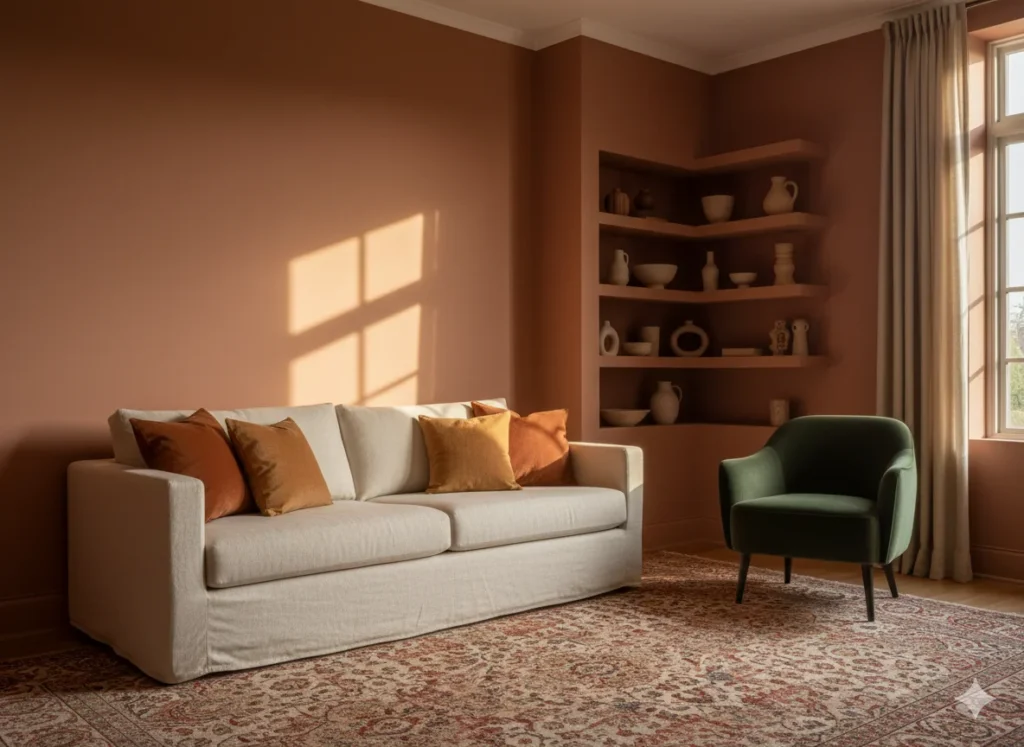
Color psychology dramatically influences how spaces feel. Earthy tones like terracotta, rust, and ochre wrap rooms in warmth. These hues recall natural landscapes and create subconscious connections to comfort. Pair them with neutral shades like cream, taupe, and soft gray to prevent overwhelming intensity.
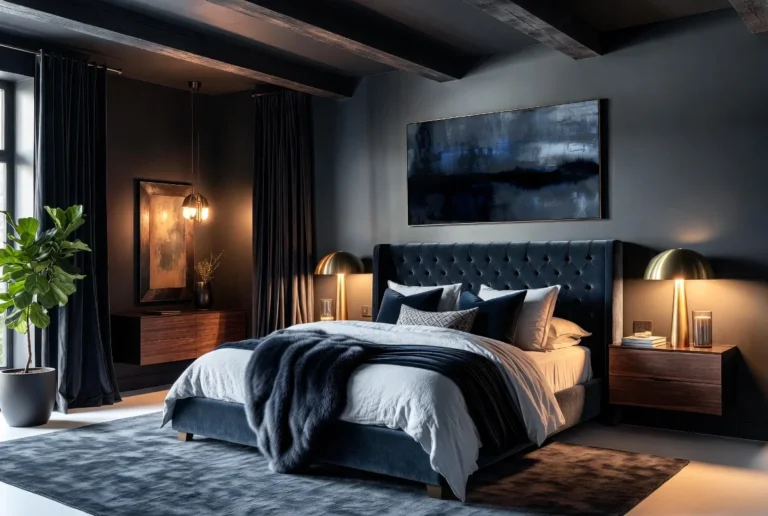
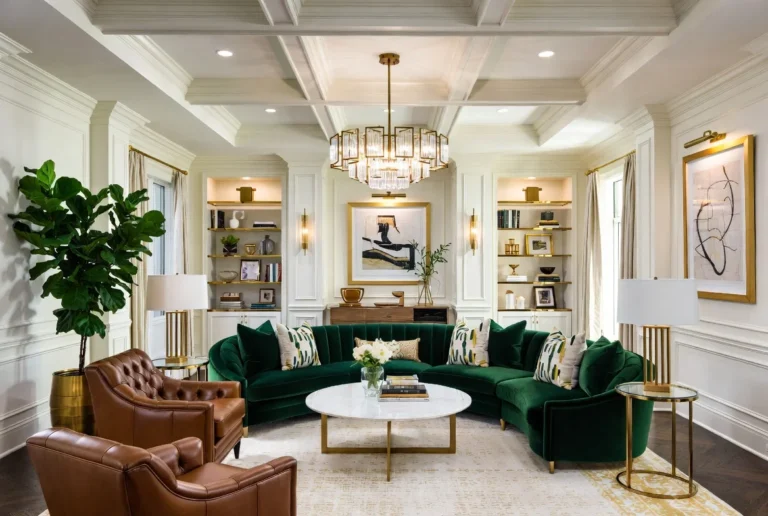
Deep jewel tones add richness without sacrificing warmth. Emerald greens, sapphire blues, and burgundy reds create cocoon-like environments when used on accent walls or larger furniture pieces. These bold colors anchor spaces while maintaining sophisticated elegance.
Avoid stark white in favor of warmer alternatives. Off-white, ivory, and bone tones maintain brightness while feeling less clinical. These softer shades work beautifully with natural light, enhancing rather than fighting it. They also serve as excellent backgrounds for layering colors and patterns.
Arrange Furniture for Conversation and Connection
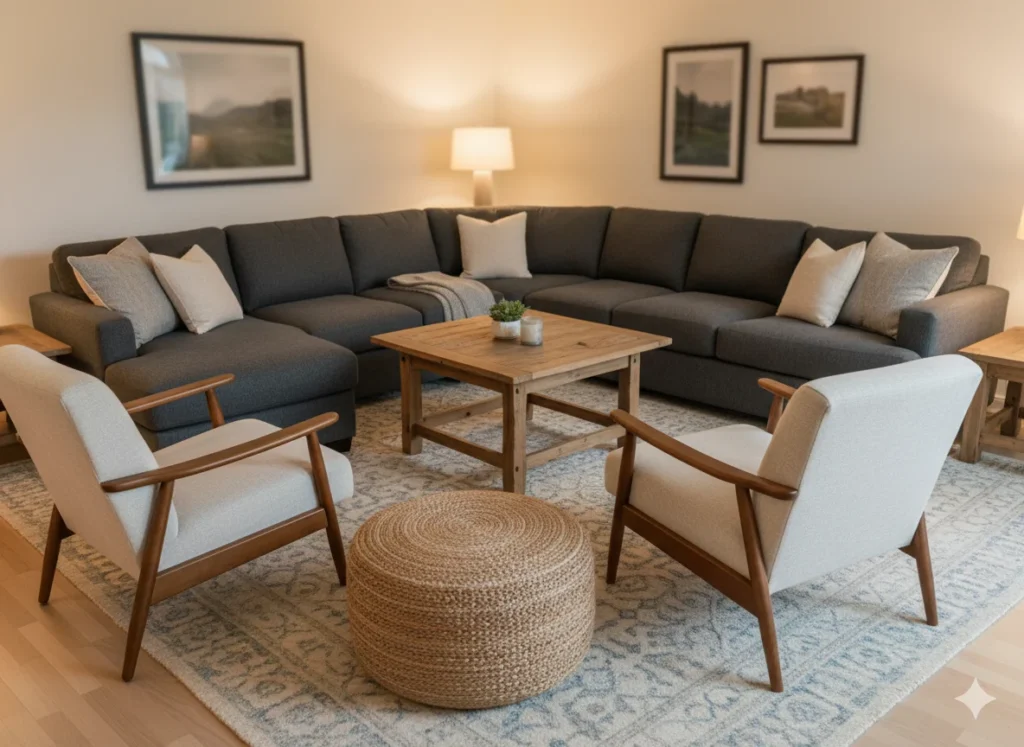
Moving sofas away from walls creates intimate groupings that encourage interaction. Position seating pieces to face each other across coffee tables or ottomans. This arrangement naturally draws people into conversation while making large rooms feel more contained and purposeful.
Sectional sofas excel at defining cosy zones within larger spaces. Their wraparound design creates natural gathering spots while maximizing seating capacity. Choose designs with deep seats and plush cushions that invite lounging rather than perching.
Scale matters tremendously. Oversized pieces proportional to room size create welcoming weight. Too-small furniture scattered across large floors feels lost and uninviting. Balance is essential. Fill spaces adequately without creating cramped conditions that restrict movement.
Embrace Natural Materials and Wood Elements
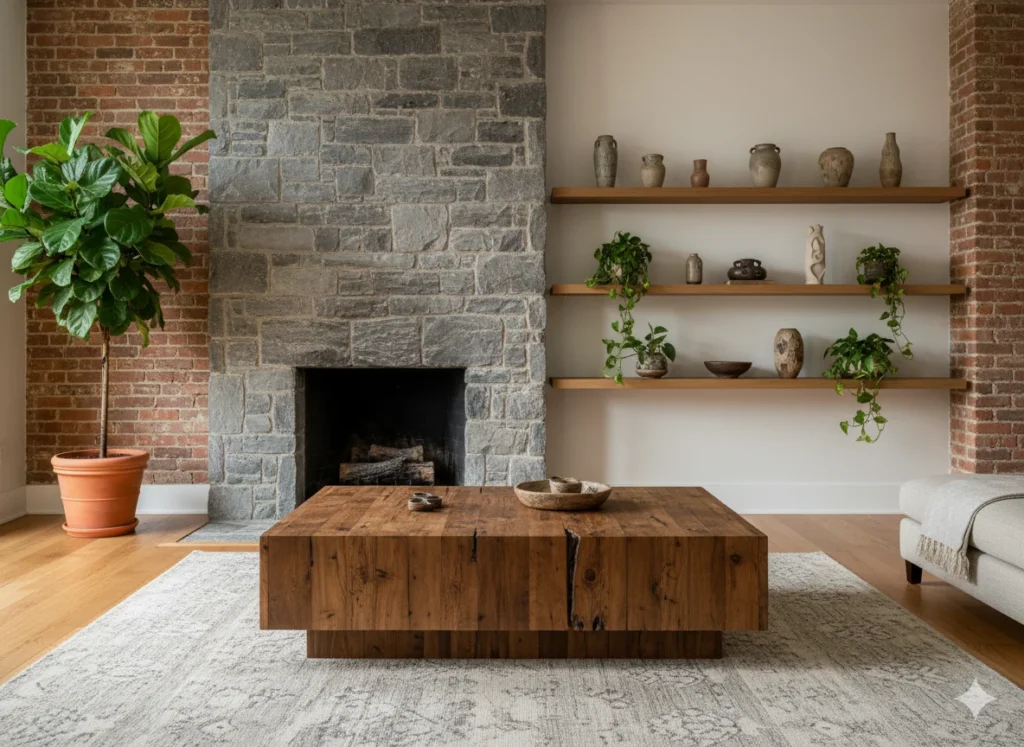
Wooden accents inject organic warmth impossible to achieve with synthetic alternatives. Coffee tables in reclaimed wood showcase unique grain patterns and imperfections that tell stories. Floating shelves in warm tones display cherished objects while adding horizontal lines that make rooms feel wider.
Stone features like fireplaces become natural focal points that draw people together. Even without functional flames, stone surrounds add textural weight and permanence. Exposed brick walls contribute similar character while adding rustic charm.
Incorporate living elements through houseplants and fresh greenery. Large floor plants in corners add vertical interest and improve air quality. Smaller specimens grouped on shelves or tables bring nature indoors while adding vibrant color that changes with seasons.
Add Personality Through Meaningful Displays
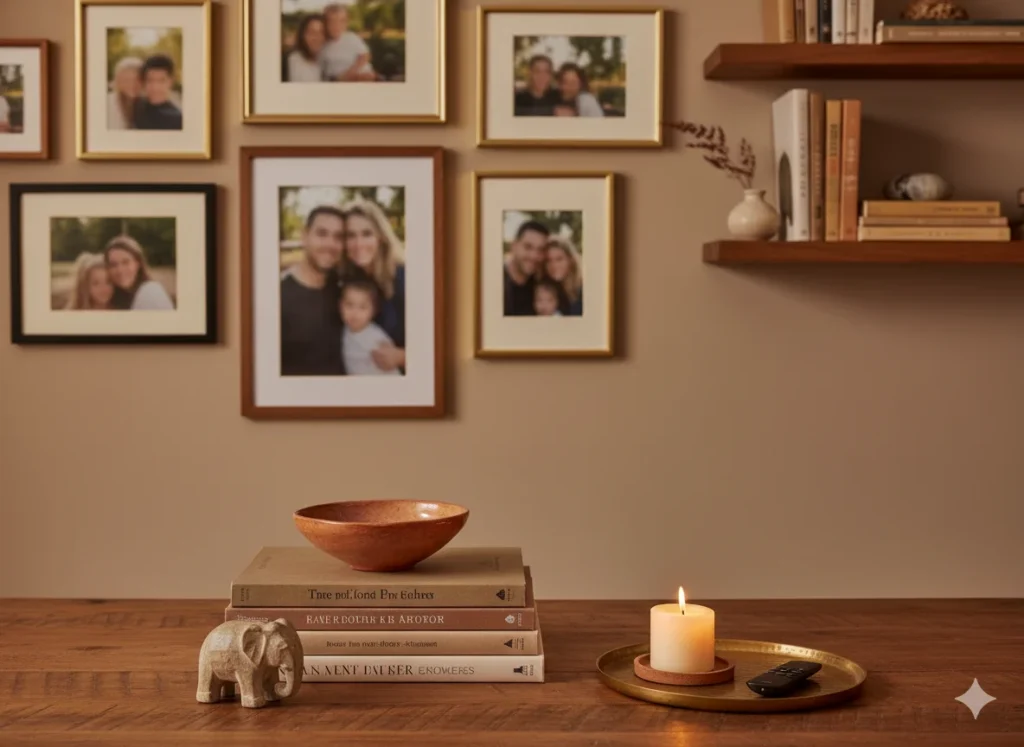
Personal touches transform generic rooms into reflections of inhabitants. Family photographs in mismatched frames tell visual stories across walls. Travel souvenirs remind residents of cherished experiences while providing conversation starters for guests.
Coffee table styling offers prime opportunity for personality expression. Stack beautiful hardback books with meaningful covers. Add sculptural objects that catch eyes without cluttering surfaces. Include practical items like decorative trays that organize remotes while looking intentional.
Built-in shelving or bookcases deserve careful curation. Mix books with decorative objects, varying heights and groupings to prevent monotony. Leave some empty space to avoid overwhelming viewers. These displays should feel collected over time rather than purchased all at once.
Layer Throws and Cushions Strategically
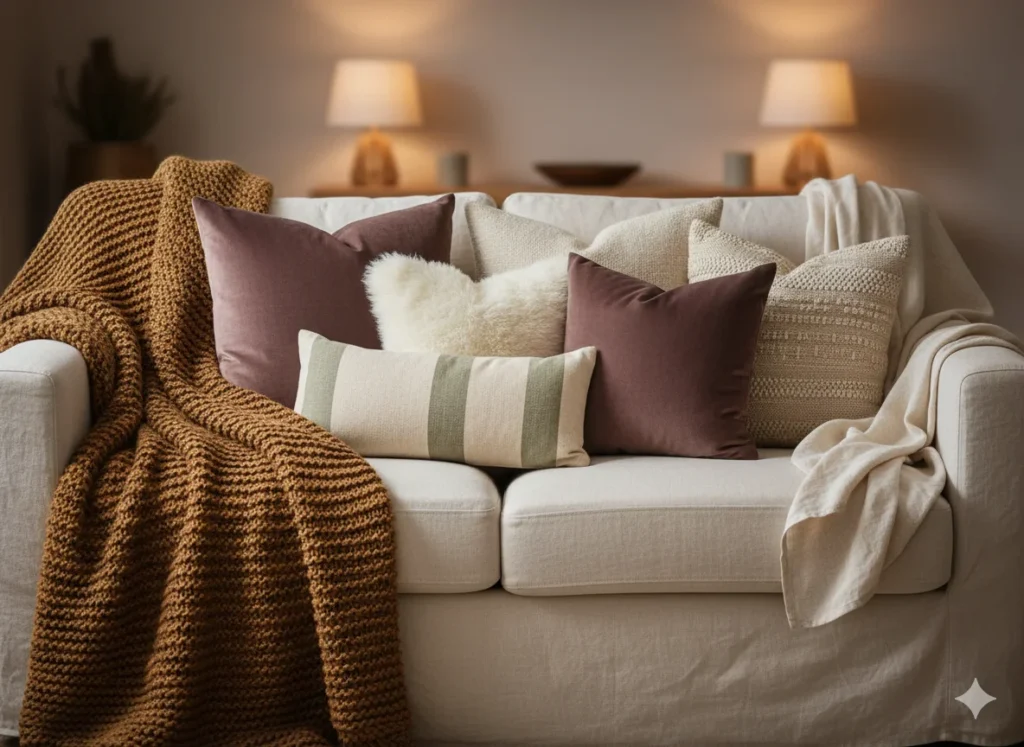
Nothing signals comfort quite like throw blankets draped casually over furniture. Choose chunky knits in wool or cashmere for maximum visual and physical warmth. Drape them over sofa backs or arms where they remain accessible for impromptu snuggling.
Throw pillows add instant color and pattern while softening hard furniture edges. Mix sizes from large back supports to smaller accent pieces. Vary textures between smooth velvets, nubby linens, and fluffy sheepskins. Odd numbers create more visually interesting arrangements than symmetrical pairs.
Change these soft furnishings seasonally to refresh spaces without major renovations. Summer calls for lighter linens in cooler tones. Winter welcomes heavier wools in warmer shades. This rotation keeps rooms feeling current while adapting to temperature needs.
Control Natural Light Thoughtfully
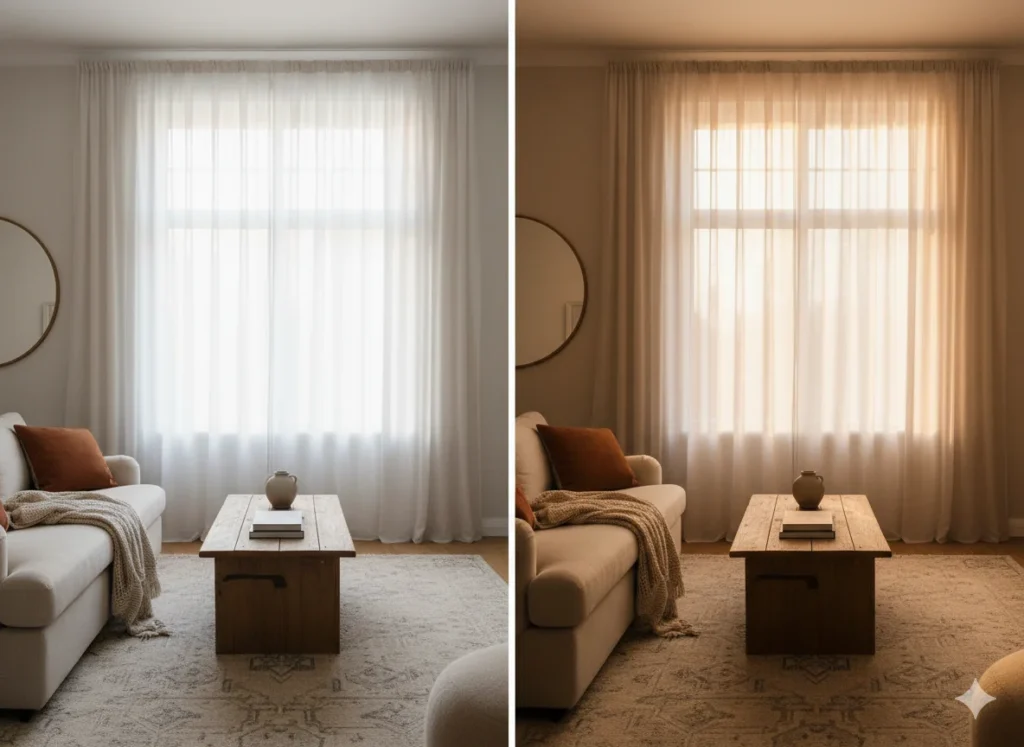
Large windows flood rooms with sunshine that enhances mood and energy. However, controlling this light matters as much as welcoming it. Sheer curtains filter harsh midday sun while maintaining brightness. Heavier drapes drawn in evenings create cozy enclosure that signals relaxation time.
Consider window orientation when selecting treatments. South-facing exposures need sun protection during peak hours. North-facing windows may benefit from minimal covering to maximize available light. East and west orientations require adjustable solutions for changing sun angles.
Reflective surfaces strategically placed bounce natural light deeper into rooms. Mirrors opposite windows effectively double available brightness. Glossy finishes on furniture or accessories create similar effects on smaller scales.
Create Defined Zones in Open Spaces
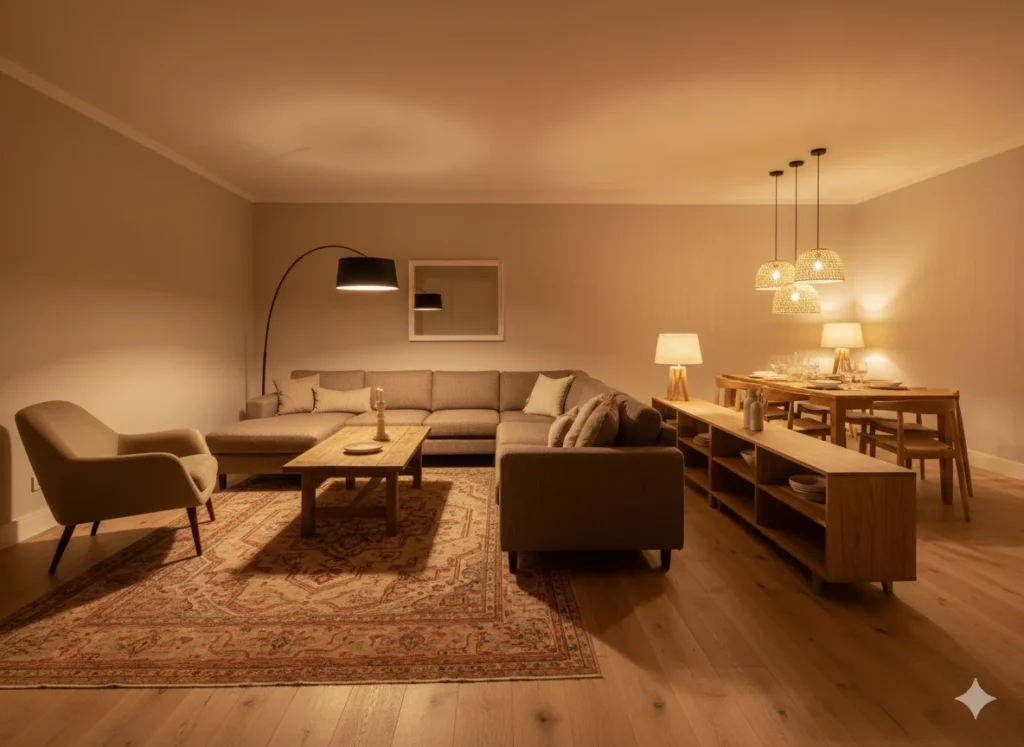
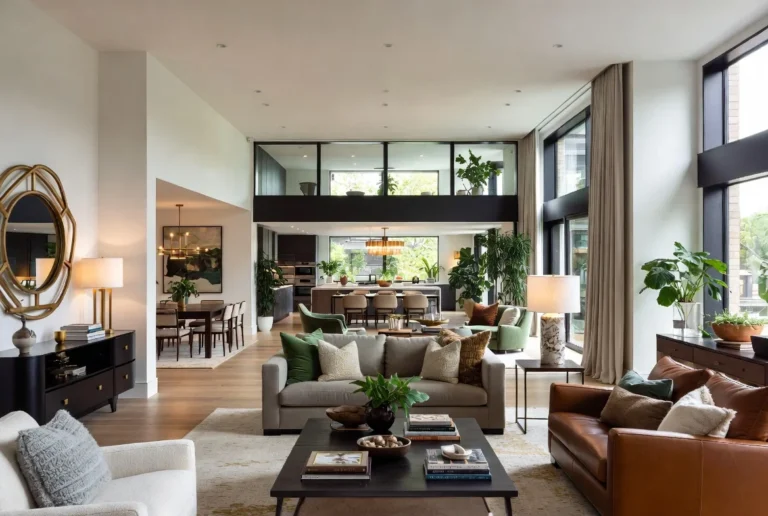
Large open-plan layouts challenge cosy creation but respond well to strategic zoning. Use area rugs to visually separate living from dining or workspace areas. Different rug patterns or colors clearly delineate functions while maintaining visual flow.
Furniture placement creates invisible walls that define purposes without blocking sightlines. A sofa back facing a dining table establishes boundary while allowing conversation across zones. Bookcases perpendicular to walls divide spaces while providing storage and display opportunities.
Lighting reinforces these zones effectively. Pendant fixtures over dining areas distinguish them from ambient living room illumination. Task lighting in reading nooks defines their specific purpose while contributing to overall layered lighting scheme.
Incorporate Pattern with Confidence
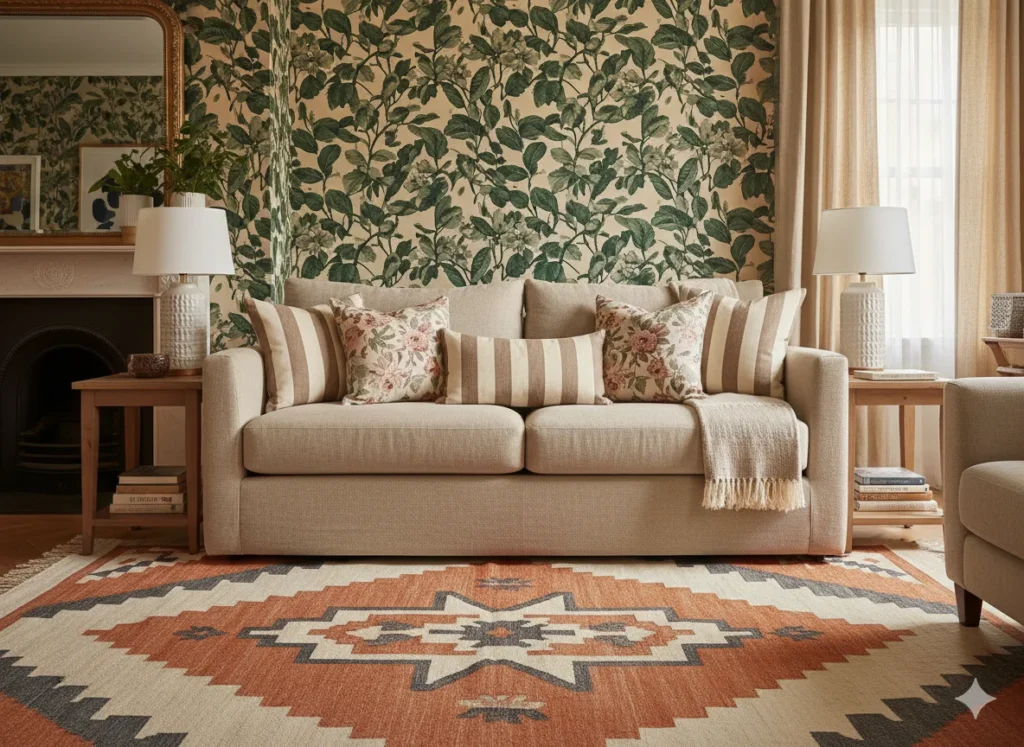
Pattern mixing adds visual interest that prevents boredom in neutral spaces. Start with one dominant pattern in larger pieces like rugs or curtains. Layer smaller-scale patterns through cushions or throws. Ensure patterns share at least one color to maintain cohesion.
Geometric patterns feel modern and structured. Floral designs bring softness and organic movement. Stripes add directionality while remaining versatile enough to pair with almost anything. Mix these different pattern types while varying scales for sophisticated results.
Wallpaper offers bold pattern introduction without requiring furniture investment. Feature walls in living rooms become instant focal points. Modern designs range from subtle textures to dramatic oversized prints. Choose based on desired impact and room size.
Style the Coffee Table as a Centerpiece
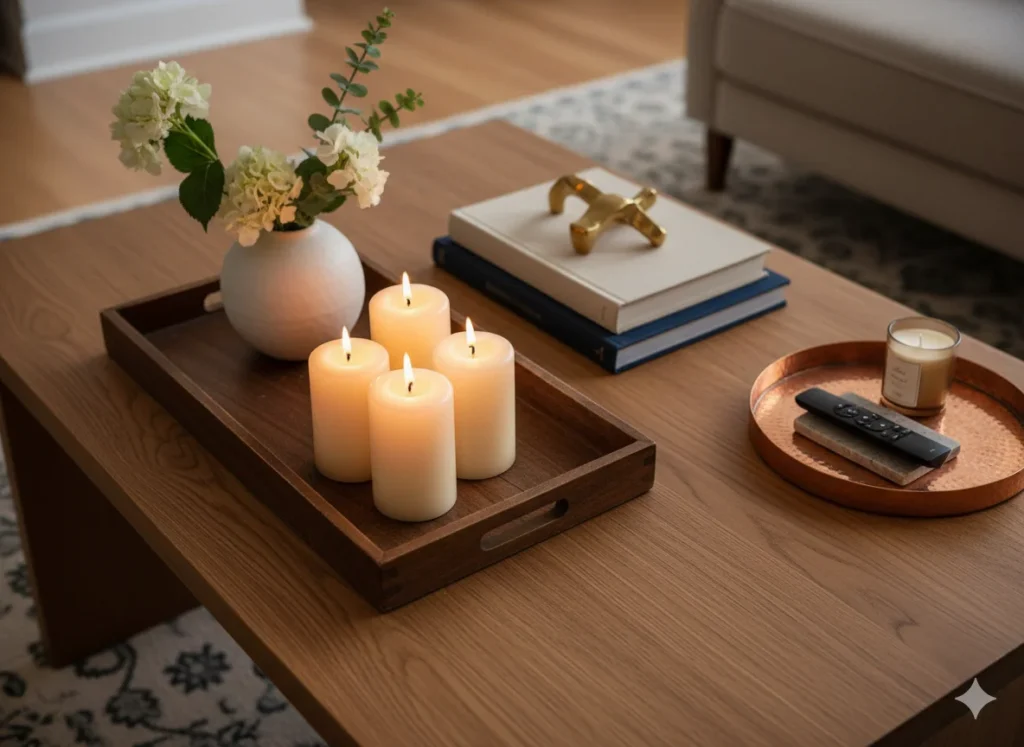
The coffee table serves as practical surface and visual anchor. Keep styling simple with three to five carefully chosen items. A stack of books provides height variation and personal interest. Add a decorative object like a small sculpture or unique bowl.
Fresh flowers or greenery bring life and color that changes regularly. Choose low arrangements that do not obstruct conversation across tables. Seasonal branches or dried elements work equally well while requiring less maintenance.
Include functional beauty through items like decorative trays that corral remotes and coasters. Candles in varying heights add vertical interest while serving practical purposes. Everything should feel intentional yet not precious or untouchable.
Select Comfortable Seating as Priority
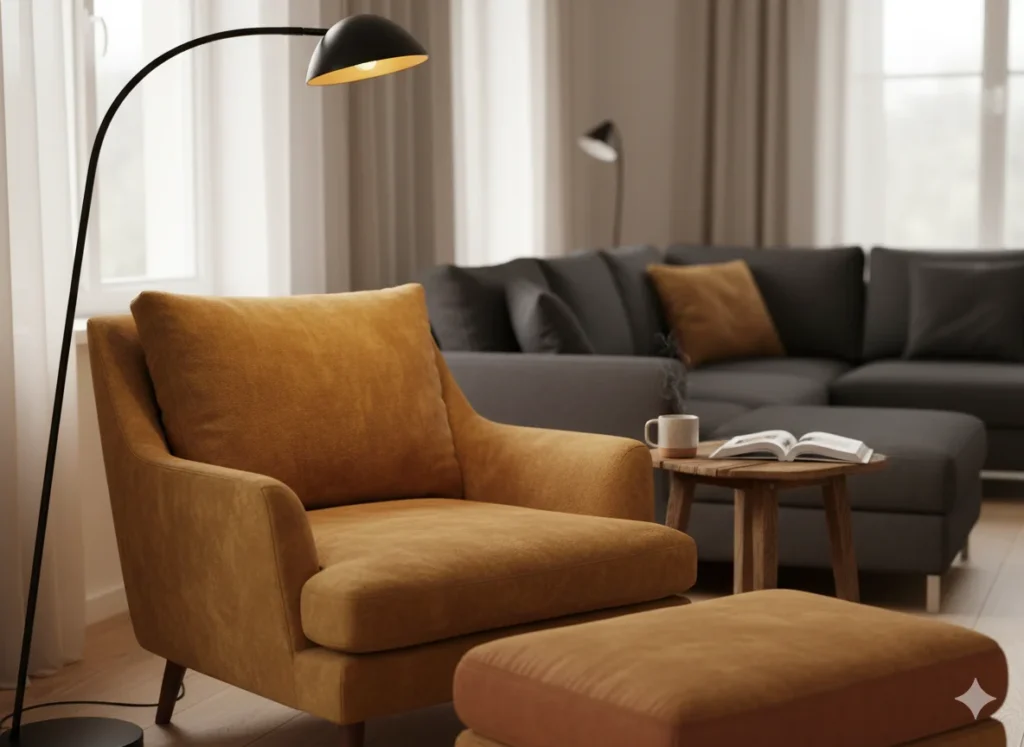
Deep-seated sofas with plush cushioning invite actual use rather than display. Test furniture before purchasing to ensure comfort matches appearance. Firm support matters as much as soft surfaces. Sinking too deeply creates discomfort after extended sitting.
Armchairs positioned near windows create perfect reading nooks. Add floor lamps for task lighting and small side tables for beverages or books. Footstools transform ordinary chairs into lounging stations.
Consider traffic flow when placing seating. Maintain clear pathways between furniture groups. Leave adequate space for moving around pieces without awkward sideways shuffling. Comfortable rooms feel spacious despite cosy furnishings.
Introduce Architectural Interest Through Details
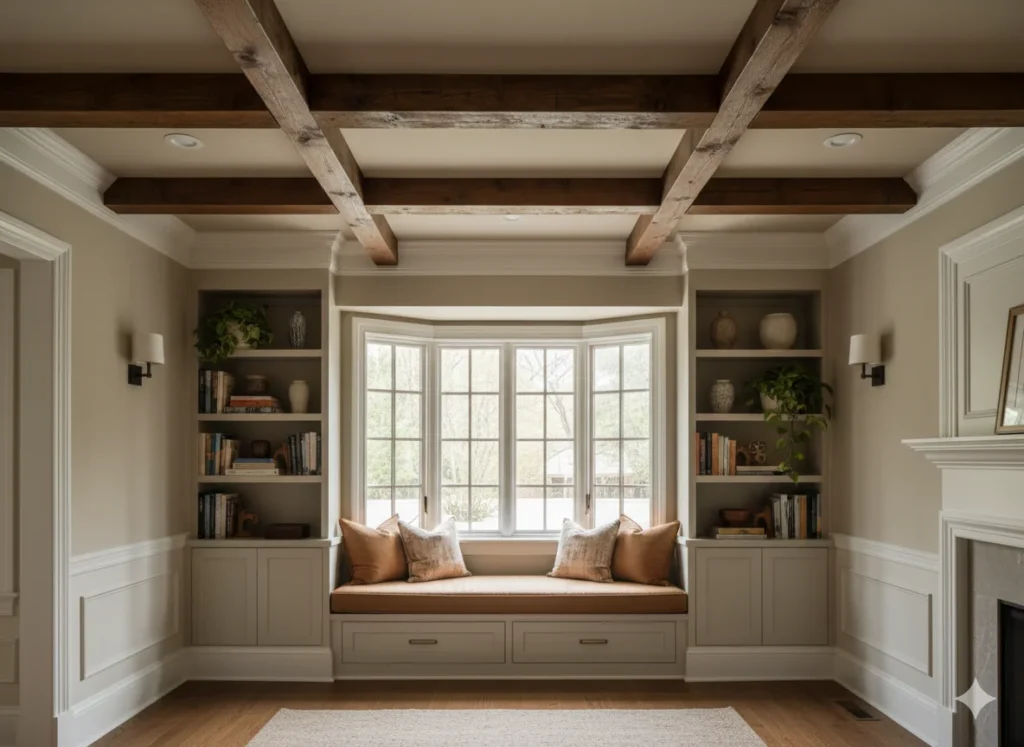
Ceiling treatments often get overlooked but significantly impact room character. Exposed beams add rustic warmth and visual weight overhead. Painted ceilings in colors slightly deeper than walls create cocooning effects that enhance coziness.
Crown molding and baseboards add refined detail that elevates entire spaces. These architectural elements create visual frames that define rooms while adding traditional elegance. Paint them in contrasting colors to emphasize their presence.
Built-in features like window seats or alcove shelving maximize awkward spaces while adding character. These custom elements make homes feel considered and special rather than generic or cookie-cutter.
Balance Minimalism with Lived-In Warmth
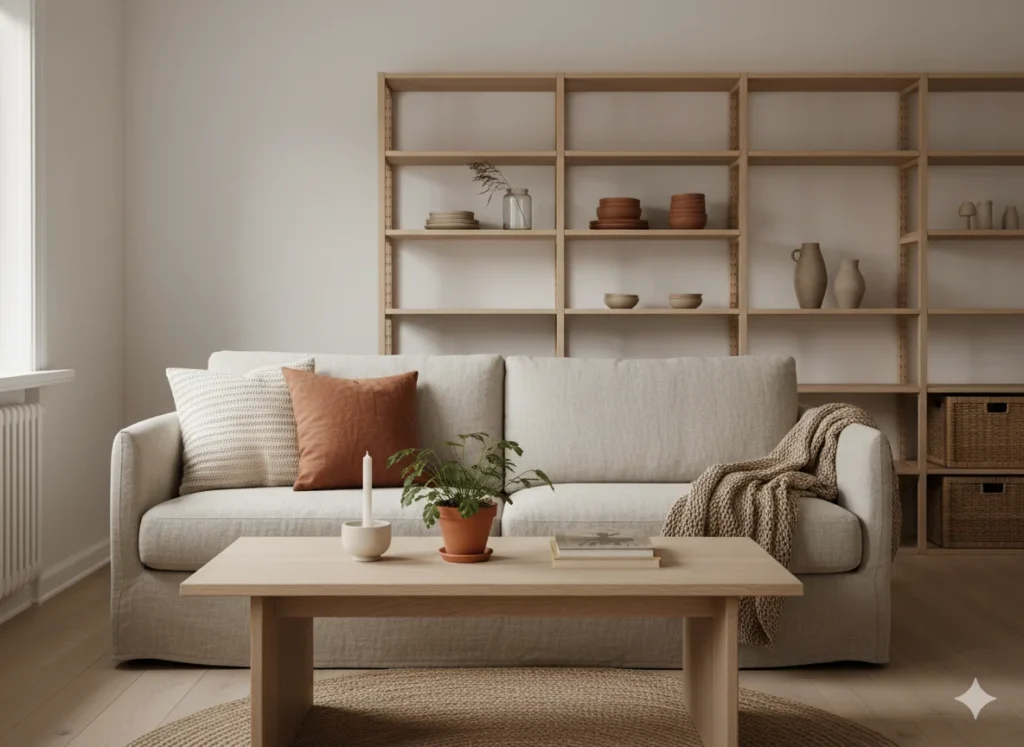
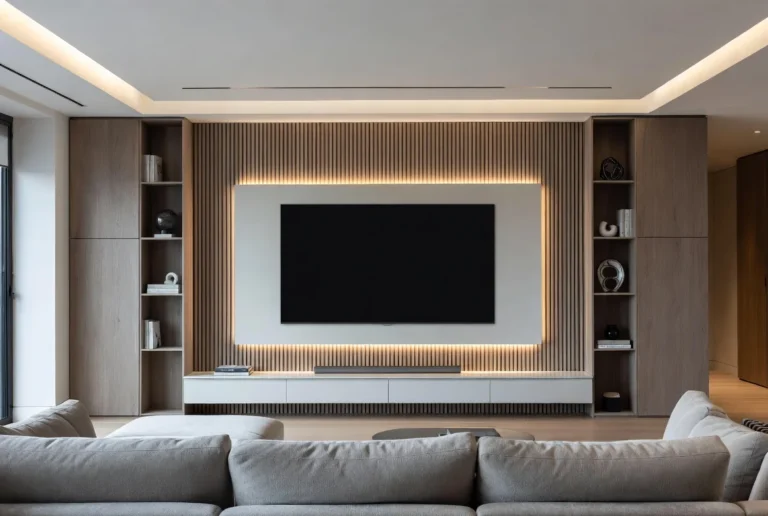
Clutter-free spaces feel calm and relaxing but risk appearing sterile without careful styling. Include enough meaningful objects to convey personality without overwhelming surfaces. Edit ruthlessly to keep only items that serve purposes or spark genuine joy.
Open shelving requires discipline but rewards with opportunities to display beautiful everyday items. Stacks of dishes in complementary colors become art. Glass storage shows contents while maintaining tidy appearances.
Closed storage solutions hide necessary items that lack visual appeal. Cabinets, baskets, and boxes keep spaces functional while maintaining clean lines. Choose storage pieces that complement overall design rather than fighting it.
Adapt Spaces to Seasonal Changes
Seasonal refreshes keep living rooms feeling current and responsive to climate needs. Summer benefits from lighter textiles in cooler colors. Remove heavy wool throws in favor of linen or cotton alternatives. Swap dark cushions for brighter, airier options.
Winter welcomes layering and richness. Add extra blankets in warming tones. Incorporate heavier curtains for insulation and light control. Deep jewel tones replace summery pastels.
Decorative elements shift with seasons too. Spring flowers give way to autumn branches. Holiday decorations integrate seamlessly into established schemes rather than overwhelming them. These changes keep spaces feeling fresh without requiring complete redesigns.
Bringing It All Together
Creating genuinely cosy living spaces requires balancing multiple elements that work together harmoniously. No single trick delivers instant warmth. Instead, layers of thoughtful choices about lighting, texture, color, and arrangement combine to create environments where comfort happens naturally.
Start with foundational decisions about furniture placement and color palette. Build upon these bones with textural layers that engage senses beyond sight. Refine with lighting that adapts to different needs throughout days and seasons. Personalize with meaningful objects that tell your unique story.
The most successful cosy rooms evolve gradually rather than appearing overnight. Trust your instincts about what feels comfortable. Experiment with arrangements and accessories. Give yourself permission to make mistakes and adjust accordingly. Your living room should reflect how you actually live rather than conforming to magazine perfection.
Remember that cosy means different things to different people. Some prefer minimalist serenity while others embrace maximalist abundance. Both approaches can create warmth when executed with care and intention. The goal remains constant: crafting spaces where you genuinely want to spend time, where stress evaporates, and where life happens most fully.
Frequently Asked Questions
What makes a living room feel cosy?
A cosy living room combines soft lighting from multiple sources, layered textures through fabrics and natural materials, warm color palettes, comfortable furniture arranged for conversation, and personal touches that reflect inhabitants. These elements work together to create welcoming atmosphere that encourages relaxation.
How do you make a large living room feel cosy?
Create zones using area rugs and furniture groupings that define smaller spaces within larger rooms. Move furniture away from walls toward room centers. Use multiple lighting sources rather than single overhead fixtures. Add substantial pieces like oversized sofas that fill space appropriately without overwhelming it.
What colors make a living room cosy?
Warm earthy tones like terracotta, rust, and ochre create instant warmth. Deep jewel tones including emerald, sapphire, and burgundy add richness. Neutral shades like cream, taupe, and soft gray provide calming backgrounds. Avoid stark white in favor of warmer off-white and ivory alternatives.
How important is lighting in creating a cosy living room?
Lighting proves crucial for cosy atmosphere. Harsh overhead lights destroy warmth while layered lighting from table lamps, floor lamps, and candles creates inviting glow. Use warm-toned bulbs and dimmer switches to adjust intensity. Multiple light sources at different heights add depth and flexibility.
Can minimalist living rooms feel cosy?
Minimalist spaces absolutely can feel cosy when designed thoughtfully. Focus on quality over quantity with fewer but more substantial pieces. Choose natural materials and warm neutral colors. Include enough texture through textiles and finishes to prevent sterile appearance. Edit ruthlessly while maintaining warmth through intentional choices.
You may also like this post: Budget Home Decor Ideas: Affordable & Stylish Decorating Tips That Look Expensive