
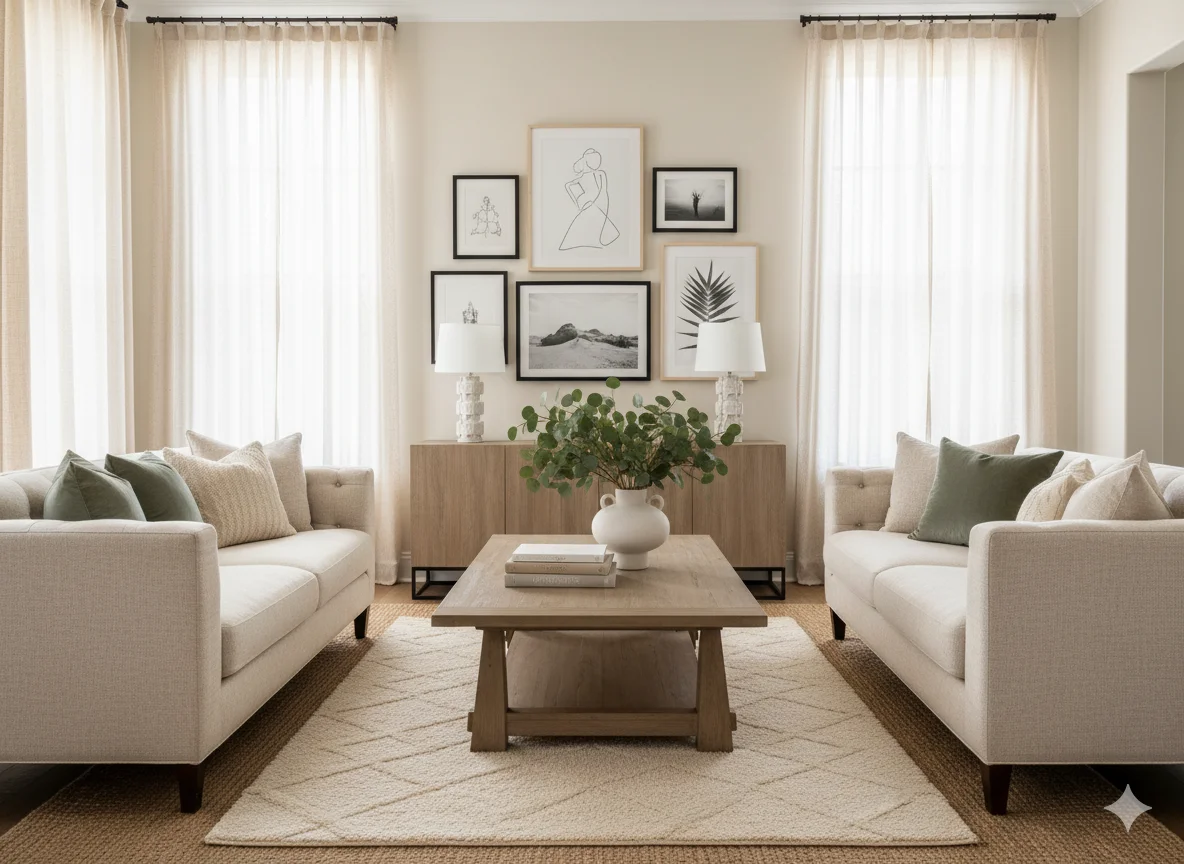
Budget Home Decor Ideas: Affordable & Stylish Decorating Tips That Look Expensive
Imagine walking into a home that feels like it was styled by a professional interior designer, with layered textures, warm lighting, and carefully curated pieces that whisper luxury. Now imagine that same home was decorated on a tight budget. Sounds impossible? It is not. The real secret that designers do not always share is that the most beautiful homes are rarely built on the biggest budgets. They are built on creativity, intention, and a sharp eye for opportunity.
Whether you are a renter trying to breathe life into a bland apartment, a new homeowner with limited funds, or simply someone who wants a fresh space without draining your savings, this guide is for you. These budget home decor strategies are proven, practical, and designed to make your home look like it cost three times what you actually spent.
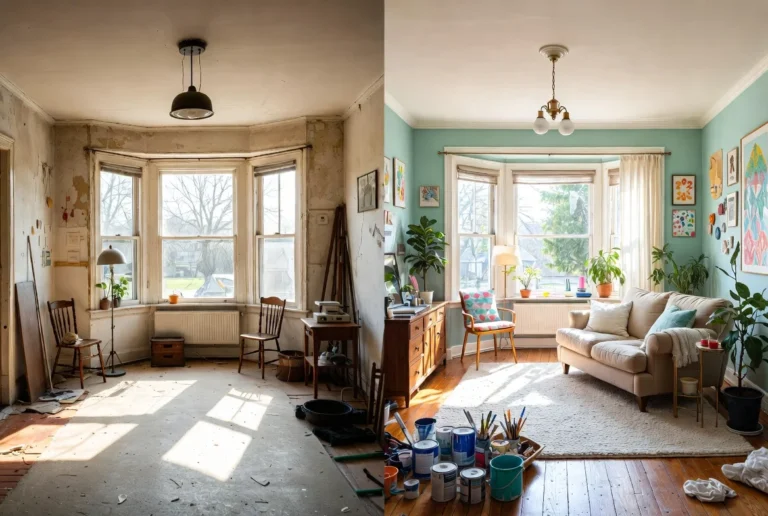
1. The Transformative Power of Paint: The Ultimate Budget Home Decor Weapon
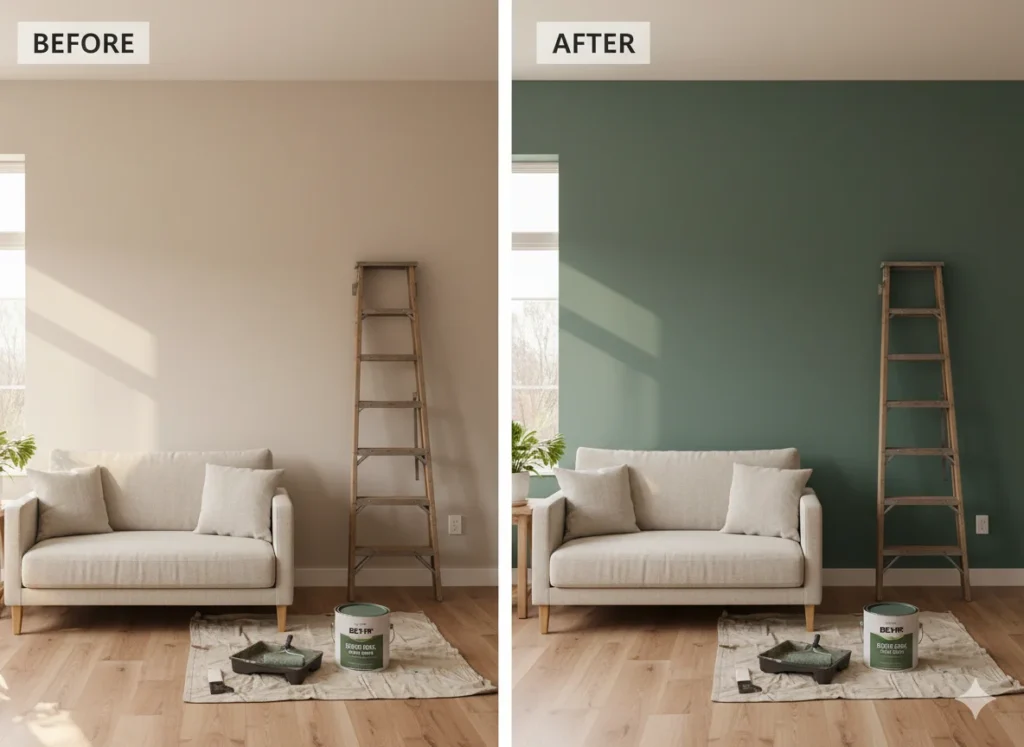
If there is one single affordable home decorating tool that offers the highest return on investment, it is paint. A can of quality wall paint costs anywhere from fifteen to thirty dollars and can completely redefine a room’s personality in an afternoon.
Do not just think of walls when you think about paint. Consider painting furniture, cabinet hardware, picture frames, old vases, wooden trays, and even the inside of bookshelves. A neutral color palette of warm whites, soft greiges, and earthy tones creates a sophisticated, timeless backdrop that makes every other element in the room feel more intentional and elevated.
For renters working with rental-friendly decor limitations, removable wallpaper is a game-changing alternative. Available in hundreds of patterns from bold botanicals to subtle linen textures, peel-and-stick wallpaper creates a designer-quality accent wall without damaging a single surface. Painting an interior window frame in a deep charcoal or moody black instantly adds architectural drama that looks anything but cheap.
Pro Tip: Hang curtains as high as possible, as close to the ceiling as you can manage, and let them skim the floor. This simple technique makes ceilings appear taller, windows appear grander, and the entire room feels more expensive. Budget curtain panels from affordable retailers can look completely custom when hung correctly.
2. Thrift Stores, Flea Markets, and Auctions: Your Hidden Treasury for Cheap Home Decor Ideas
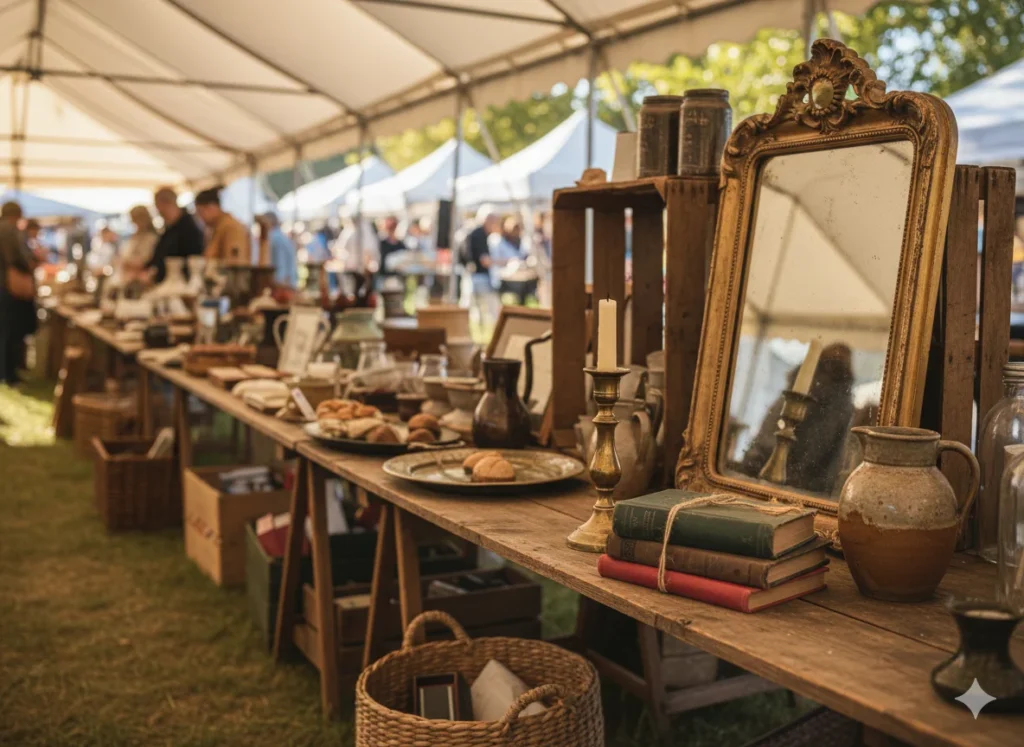
Some of the most stunning pieces in the most beautifully decorated homes came from a ten-dollar garage sale find or a twenty-five-dollar thrift store lamp. Secondhand furniture and vintage home decor shopping is not just a way to save money. It is the single most effective path to a home that feels unique, layered, and personal rather than catalog-generic.
Local auction houses are particularly underrated. Furniture that would cost hundreds of dollars at retail often sells for a fraction of the price at auction. Flea markets are goldmines for flea market decor items like vintage oil paintings, ceramic vessels, brass candleholders, antique mirrors, and decorative baskets that add instant character.
When shopping secondhand, train your eye to look past the cosmetic flaws. A chair with tired fabric can be reupholstered affordably. A scratched wooden table can be sanded and stained into something beautiful. A dated lamp becomes a statement piece with a new shade and a can of spray paint. This is where upcycled furniture and DIY home decor magic happens, turning someone else’s castaway into your centerpiece.
Facebook Marketplace, Craigslist, eBay, and apps like OfferUp are also incredible resources for inexpensive room makeover finds. Search consistently, be patient, and the right pieces will appear.
3. Strategic Lighting: The Designer Secret Behind Every Elevated Space
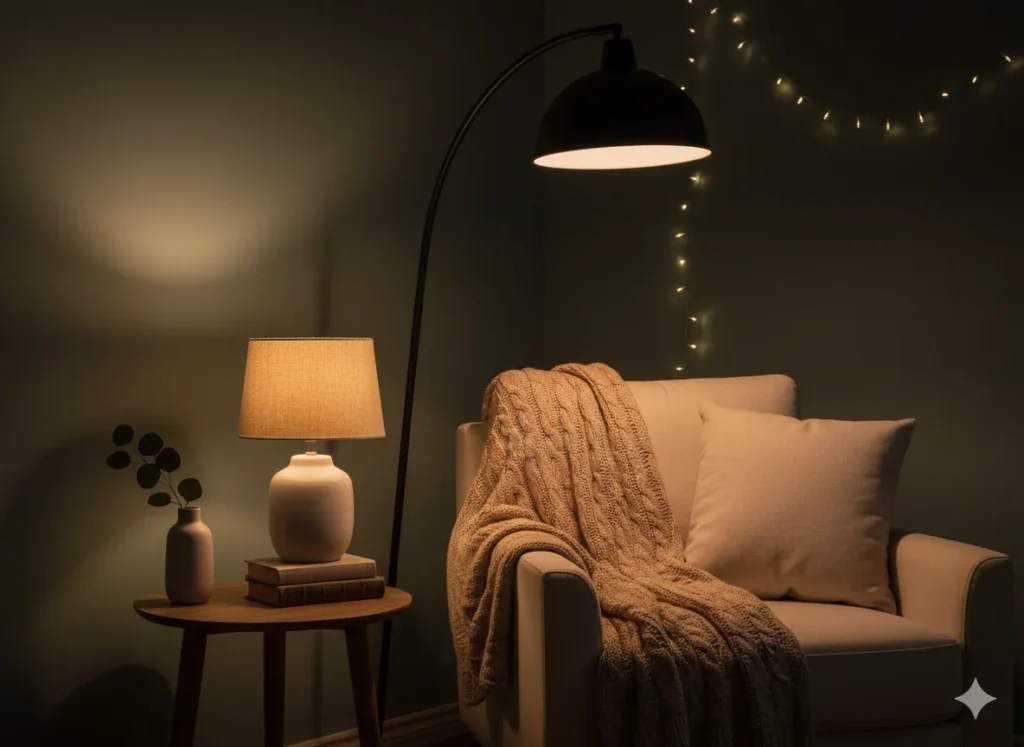
Lighting is the single most underestimated element in budget-friendly interior design. Professional designers will tell you that no room, no matter how beautifully furnished, looks its best under harsh overhead lighting. The key is layering.
Replace cold white bulbs with warm LED options. Add floor lamps in dark corners to open up the space visually. Use table lamps on side tables and dressers to create pools of warm light that make a room feel intimate and curated. Fairy lights, affordable pendant lamps from budget retailers, and even battery-operated wall sconces create atmosphere that no overhead fixture can replicate.
Updating a lampshade is one of the cheapest and most impactful home decor hacks available. A dated ceramic lamp base becomes a designer accent when paired with a fresh linen drum shade. Shopping second-hand for lamps and simply updating the shade gives you a custom look for next to nothing.
Candles also deserve mention here. A well-placed arrangement of candles in varying heights, grouped on a tray, signals sophistication and warmth in any room. This is a detail that looks intentional, curated, and expensive but costs almost nothing.
4. Texture, Textiles, and Layering: How to Make Any Room Feel Rich
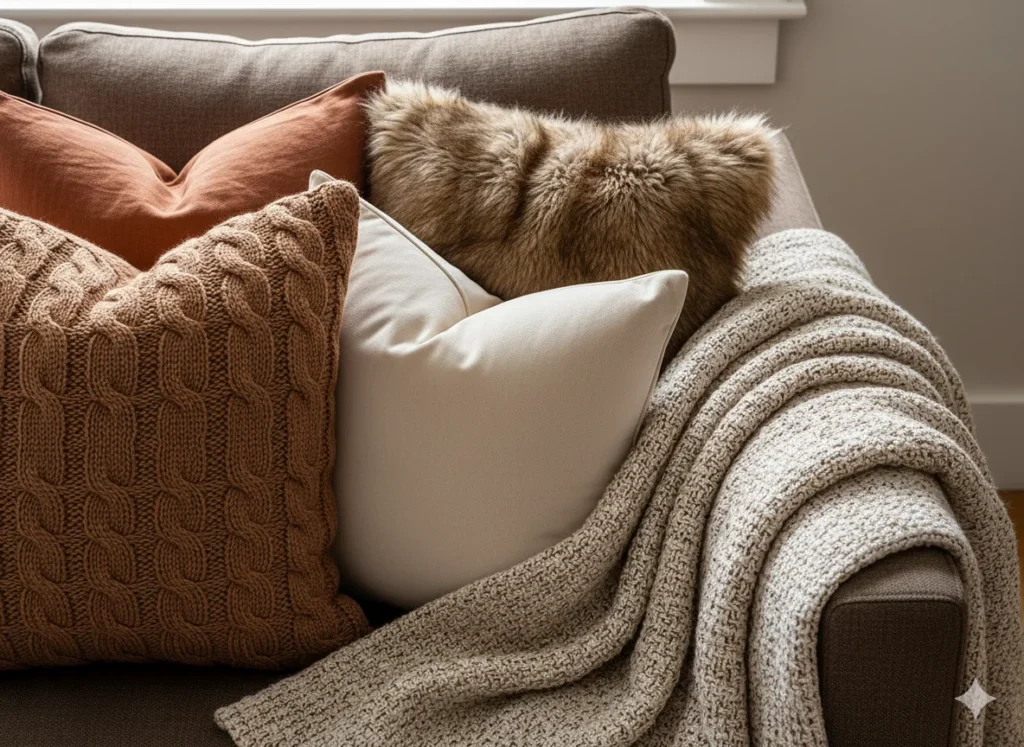
The reason rooms in design magazines look so lush and livable comes down almost entirely to layering textures. Decorative throw pillows in a mix of velvet, linen, woven cotton, and faux fur transform a basic sofa into a styled vignette. The trick is to choose a cohesive color story and vary the texture rather than varying wildly in pattern and hue.
An area rug is one of the most impactful investments in low-cost decorating tips. Even an inexpensive rug layered over a neutral floor or another rug creates depth, warmth, and the illusion of a well-designed space. Choose a rug large enough to anchor your furniture grouping, as an undersized rug is one of the most common decorating mistakes that makes spaces feel disconnected and incomplete.
Throws draped casually over sofas and armchairs add tactile richness. Linen curtains soften windows. A textured cushion cover from a discount retailer reads as luxury when it is part of a coordinated, thoughtful arrangement. The goal is to create depth through materiality, not necessarily through spending.
5. Gallery Walls and Budget Wall Decor That Looks Like It Cost a Fortune
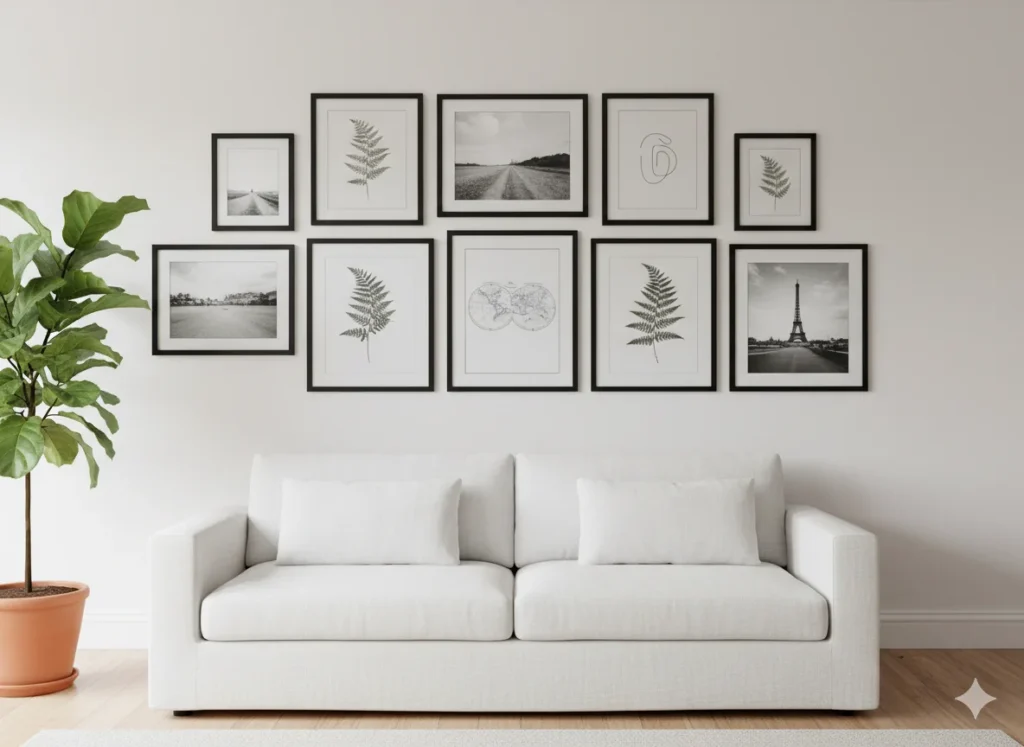
Blank walls are one of the most common complaints in any home, and filling them does not require expensive original artwork. A gallery wall built from a mix of sources, including free printables in budget frames, thrifted vintage prints, personal photographs, pressed botanicals in glass frames, and simple abstract canvases, creates a dynamic, personality-driven display that looks curated and cohesive.
The formula is straightforward: choose a unifying color story or frame style to tie the pieces together, then mix sizes and arrangements freely. Lay out your arrangement on the floor before committing to the wall so you can adjust spacing and balance before making a single hole.
Black and white photography printed at a local photo shop and framed in simple black frames from a dollar store is a classic designer trick. The monochromatic palette reads as sophisticated and intentional regardless of what the photos actually depict. For a fresh look, IKEA RIBBA frames are a consistently affordable and clean option that works in virtually every style from minimalist to maximalist.
6. Plants and Greenery: The Cheapest Luxury You Can Add to Any Home
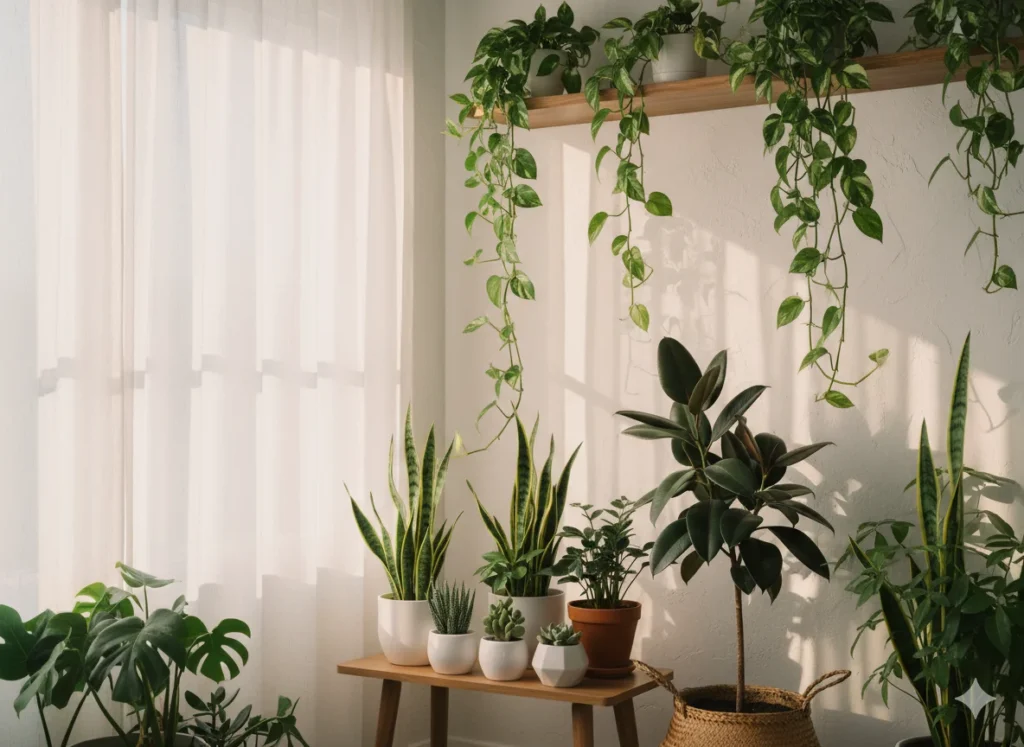
Interior designers consistently use plants and greenery as finishing touches because they add life, color, texture, and movement to a room in a way that no manufactured product can replicate. The good news is that cozy home aesthetic plants do not need to be expensive.
Propagation is one of the best home refresh ideas available for free. Many popular houseplants including pothos, spider plants, snake plants, and heartleaf philodendrons propagate easily in water. Visit a friend with thriving houseplants and ask for a cutting, and within weeks you have a new plant at no cost. Local plant swaps and community garden groups are also excellent sources.
Low-maintenance plants like succulents, snake plants, ZZ plants, and rubber trees thrive on minimal care and look excellent in a wide range of interior styles. Place them in simple terracotta pots, painted ceramic vessels, or woven baskets for a polished, designer look. A cluster of plants in varying heights grouped together in a corner creates a striking focal point that feels organic and sophisticated.
7. Furniture Arrangement and the Art of Rearranging What You Already Own
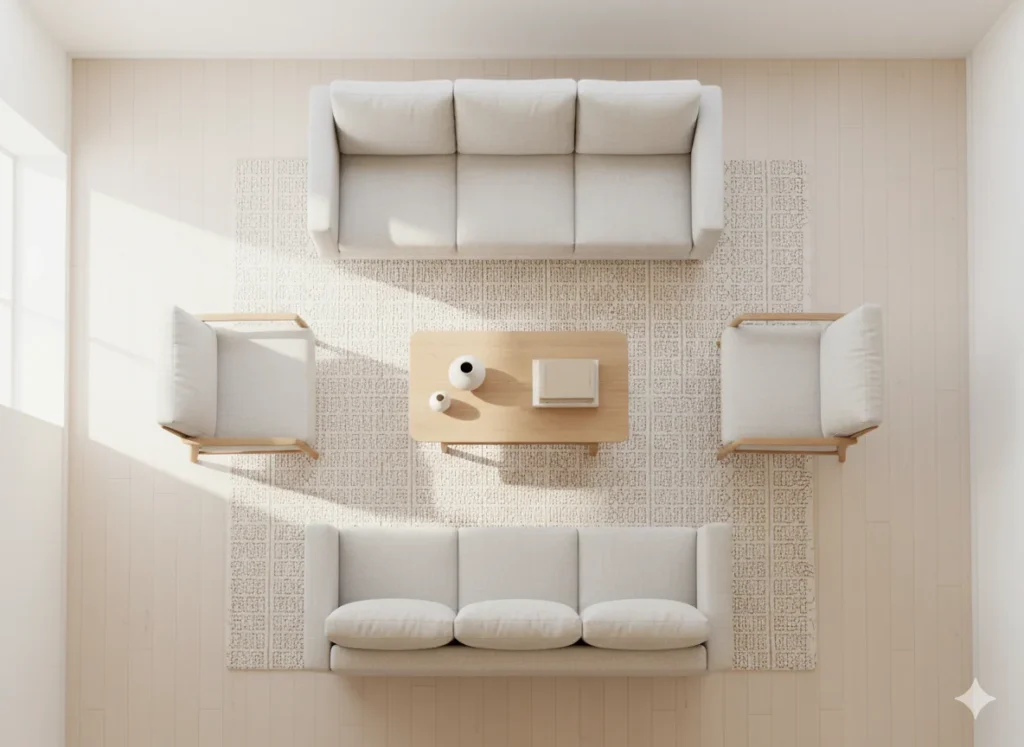
Before spending a single dollar on new decor, spend an afternoon rearranging your existing furniture. This is one of the most powerful and completely free budget home decor strategies available, yet it is almost always overlooked.
Move your sofa to face a different direction. Pull furniture away from walls to create a more intimate, conversational grouping. Move the bed to the opposite wall to take advantage of better natural light. Relocate a lamp from one room to another where it may have greater visual impact. Style your bookshelves with intention, grouping objects by color and height, removing excess clutter, and introducing a few meaningful decorative pieces.
The way a room is edited is just as important as what is in it. Removing unnecessary furniture, clearing surfaces, and creating breathing room around key pieces makes spaces feel intentional rather than cluttered. Negative space is a design tool, not wasted opportunity.
8. Hardware, Handles, and the Small Details That Signal Big Style
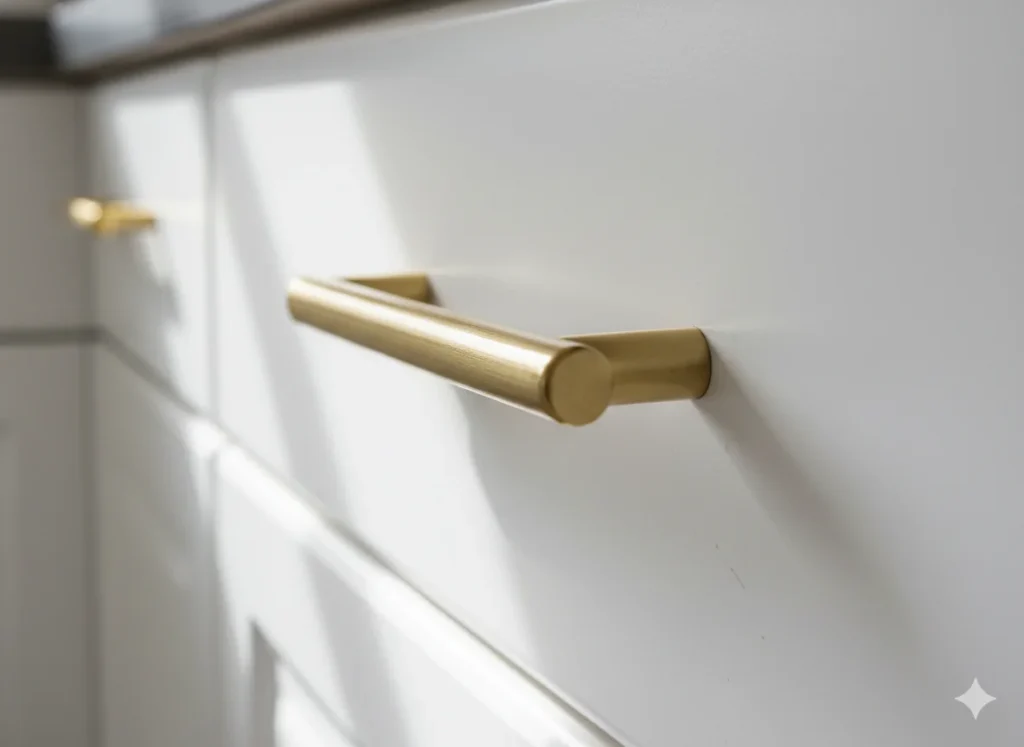
One of the most overlooked home decor hacks in every decorator’s toolkit is the power of hardware. Cabinet knobs, drawer pulls, door handles, and curtain rod finials are the jewelry of a room. Swapping out builder-grade or outdated hardware for brushed brass, matte black, or unlacquered antique brass alternatives is a low-cost update that signals an intentional, designed aesthetic.
This upgrade applies everywhere. Replace the plastic towel bar in your bathroom with a brushed nickel option. Swap the hollow-feeling door handles in your bedroom for something with more visual weight. Update kitchen cabinet knobs with ceramic or sculptural alternatives. Each individual swap costs between five and twenty dollars but collectively creates a transformation that feels far more expensive.
The same principle applies to light switch plates, outlet covers, and even toilet handles. These micro-details tell visitors that every corner of your home has been considered, which is the very definition of a designed space.
9. DIY Decor Projects That Look Store-Bought
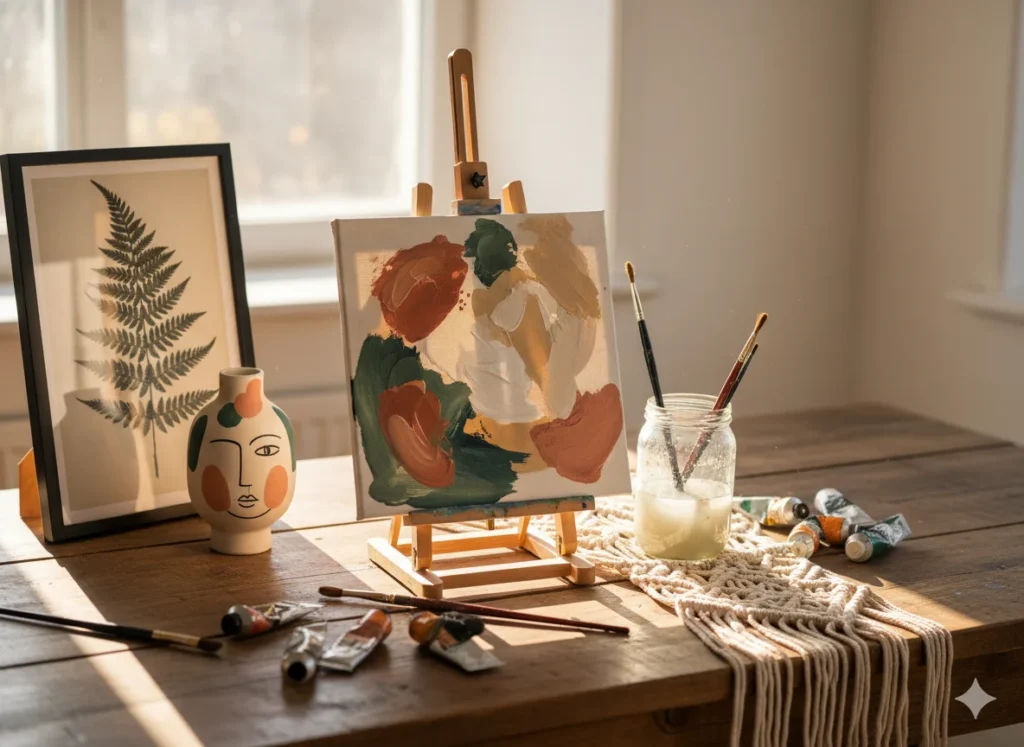
The internet has democratized interior design in a profound way. Platforms like Pinterest and YouTube are filled with DIY home decor projects that produce results indistinguishable from retail products. Painted mason jars as vases, handmade macrame wall hangings, abstract canvas paintings, custom shelving built from affordable lumber, and reupholstered furniture cushions are all achievable for beginners with minimal tools.
Creating your own art is particularly rewarding. Abstract canvas paintings require only inexpensive acrylic paints, a stretched canvas, and willingness to experiment. The result is a one-of-a-kind piece that no one else owns and that carries personal meaning. Handwritten quotes in stylish calligraphy, pressed flower arrangements framed in glass, and collages made from vintage magazine pages are equally personal and visually striking options.
Boho home decor and farmhouse decor on a budget styles in particular lend themselves beautifully to DIY projects, where the handmade quality of a piece actually enhances rather than diminishes its appeal.
10. Shopping Smart: Where to Find Stylish Budget Home Decor Year-Round
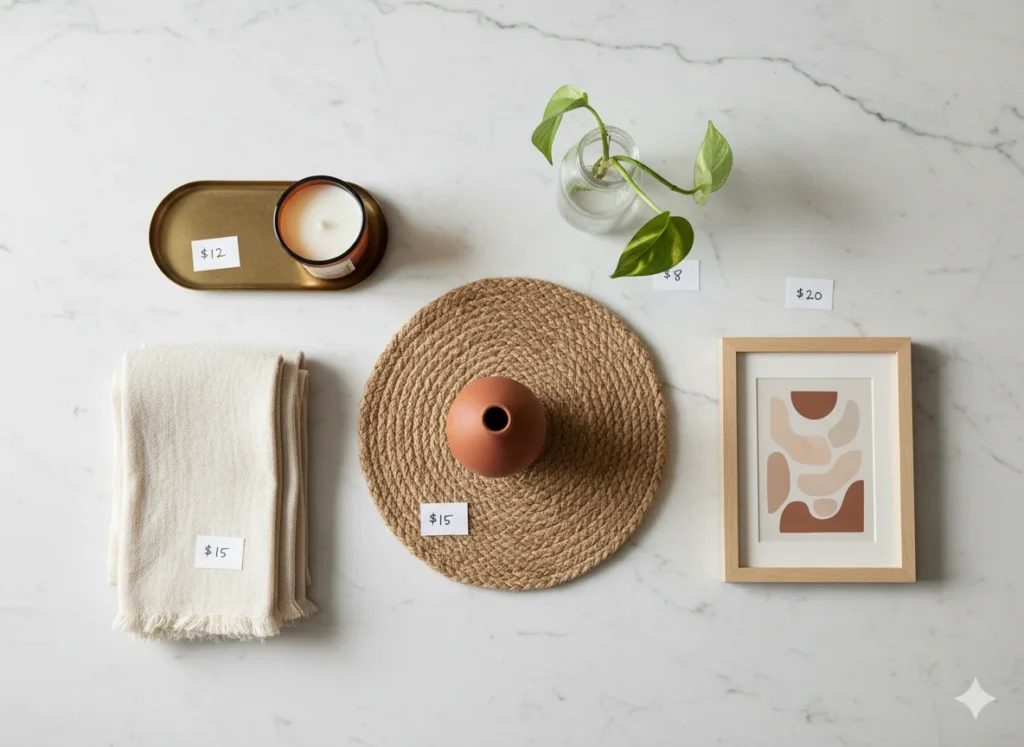
Knowing where to shop is half the battle in affordable home decorating. Beyond thrift stores and flea markets, several retailers consistently offer stylish, high-quality pieces at accessible price points. Stores like HomeGoods, TJ Maxx, and Marshalls receive new inventory regularly and carry designer-adjacent pieces at a fraction of the original price. IKEA offers clean, adaptable basics that serve as excellent blank canvases for personalization.
Target’s home collection has evolved significantly and now regularly features collaborations with well-regarded designers at genuinely accessible prices. Amazon’s home section has expanded dramatically and, when approached with patience and careful review-reading, yields surprisingly quality finds.
Seasonal clearance sales are one of the most consistently underutilized opportunities in budget home decor shopping. End-of-season sales at major retailers often discount decor items by fifty to seventy percent. Buying one season ahead means you access the best quality at the lowest prices.
The final and most important principle of small space decorating and budget-conscious design is this: buy less, buy better. A single well-chosen, meaningful piece makes more impact than a shelf full of forgettable objects. Restraint, intention, and patience are the true foundations of a home that looks expensive regardless of what it actually cost.
Conclusion:
Your Beautiful Home Does Not Require a Beautiful Budget
The homes that feel most alive, most personal, and most genuinely inviting are almost never the ones that cost the most. They are the ones where someone brought intention, creativity, and care to every detail. The principles outlined in this guide, from the transformative impact of paint and the treasure-hunting art of secondhand shopping, to the warmth of layered lighting and the grounding effect of a well-placed rug, are the same principles that professional designers use in rooms that cost one hundred times more.
Start with one room. Choose one strategy. Move the furniture, hang the curtains high, add a plant, swap the hardware. Watch what happens. Your home is already full of more potential than you realize, and your budget is already larger than you think.
Frequently Asked Questions (FAQs)
Q1. What is the most impactful budget home decor change I can make for under thirty dollars?
Paint is consistently the highest-impact, lowest-cost transformation available. A single wall painted in a bold, rich color or a deep accent shade can completely redefine a room’s character for under thirty dollars in materials.
Q2. How do I make cheap furniture look expensive?
Focus on three things: hardware swaps, strategic styling, and placement. Replace plastic or builder-grade hardware with quality metal alternatives, style surfaces with intentional groupings rather than random objects, and ensure furniture is placed away from walls in natural conversational arrangements.
Q3. What are the best stores for budget home decor shopping?
HomeGoods, TJ Maxx, IKEA, Target, and thrift stores are consistently reliable sources for affordable home decorating finds. Facebook Marketplace and local auction houses are ideal for furniture and larger statement pieces at the deepest discounts.
Q4. Can I decorate beautifully on a budget while renting?
Absolutely. Removable peel-and-stick wallpaper, tension rods, adhesive hooks rated for appropriate weight, and freestanding furniture arrangements allow renters to create a fully styled, personalized space without making permanent changes.
Q5. How do I create a cohesive, designer-looking home on a tight budget?
Choose a consistent color palette and repeat it throughout your space in small doses. Use a mix of textures within that palette. Prioritize a few meaningful statement pieces over many forgettable ones. Edit ruthlessly, removing anything that does not serve the space. Cohesion comes from repetition and restraint, not from expensive furniture.
You may also like this post: Living Room Decor Ideas 2026 | 18 Trending Styles & Inspiration
One Comment