
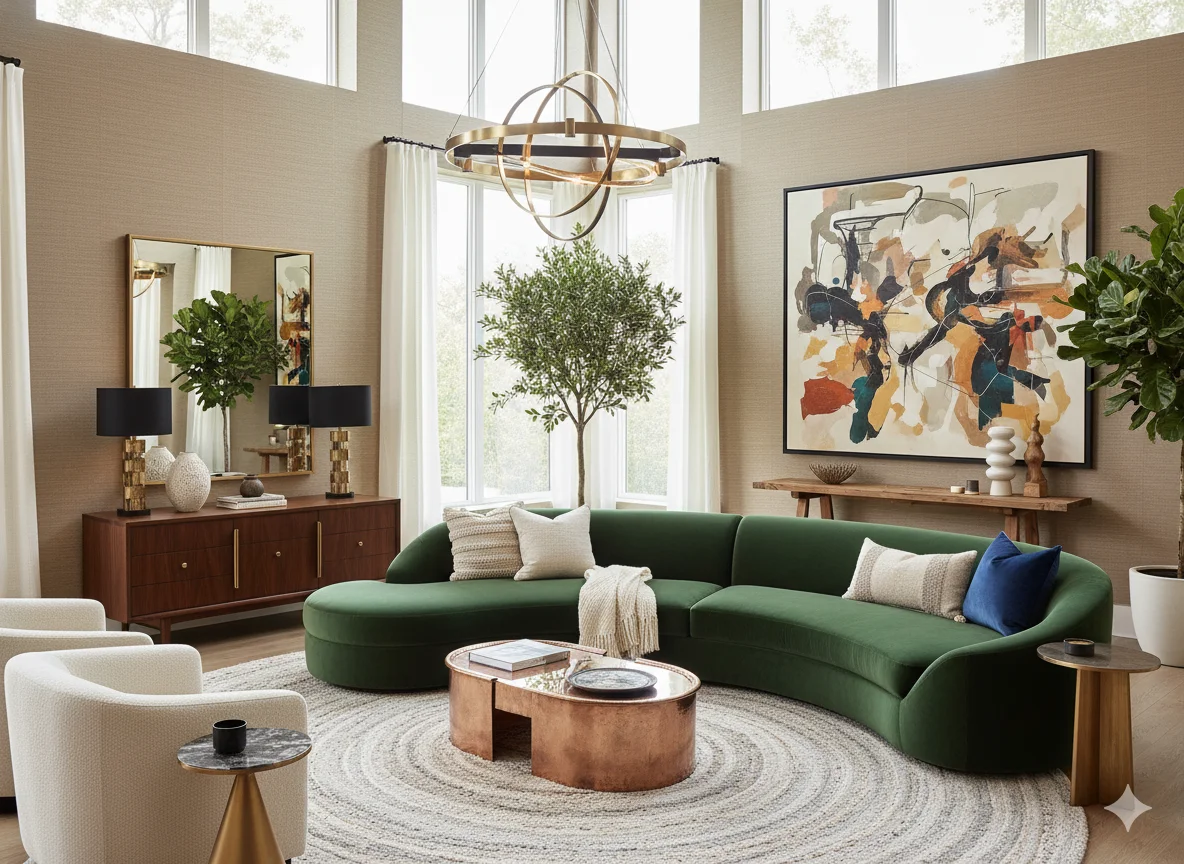
Living Room Decor Ideas | 18 Trending Styles & Inspiration
Your living room serves as the heart of your home, where comfort meets personal expression and everyday moments transform into lasting memories. As we move deeper into 2026, the approach to living room decor has shifted dramatically toward creating spaces that feel authentically lived in rather than picture perfect. The design world is embracing character over conformity, with interior design trends prioritizing warmth, personality, and functionality above sterile perfection.
The transformation happening in living spaces reflects a broader cultural shift. People are rejecting algorithm driven aesthetics in favor of rooms that tell their unique stories through curated collections, bold color schemes, and furniture pieces that serve both form and function. Whether you are planning a complete room makeover or simply refreshing key elements, understanding these emerging trends will help you create a space that feels both current and timeless.
The Rise of Expressive Maximalism
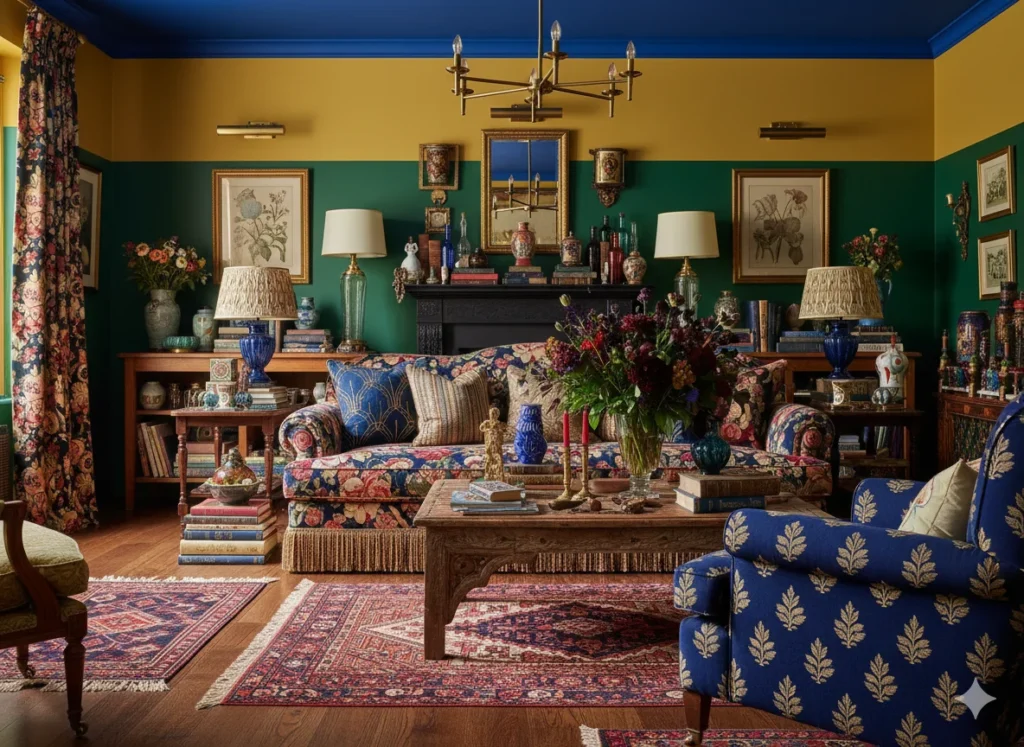
Gone are the days when minimalism ruled supreme. The 2026 approach to home decorating embraces layered complexity and rich visual interest. This evolved maximalism focuses on thoughtful curation rather than clutter, combining multiple textures, patterns, and decorative elements in harmonious ways that reflect individual taste.
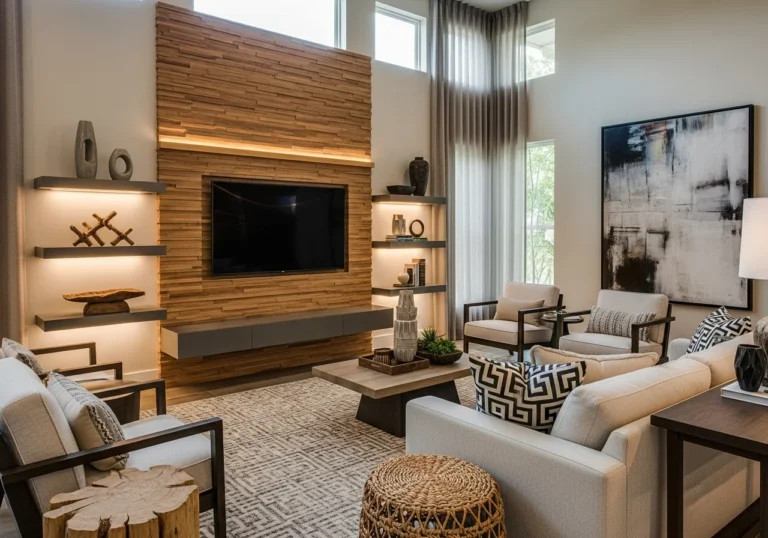
Pattern on pattern layering has become increasingly sophisticated, with designers mixing florals, geometrics, and abstract prints across upholstery, drapery, and throw pillows. The key lies in maintaining a cohesive color palette that ties disparate elements together. Deep jewel tones like emerald, sapphire, and amethyst pair beautifully with warm neutrals and metallic accents to create depth without overwhelming the senses.
This trend extends to wall treatments as well. Color capping, where walls and ceilings are painted in complementary tones from the same color family, creates immersive environments that feel intentionally designed. The gradient effect adds architectural interest while maintaining visual flow throughout the space.
Sculptural Furniture Takes Center Stage
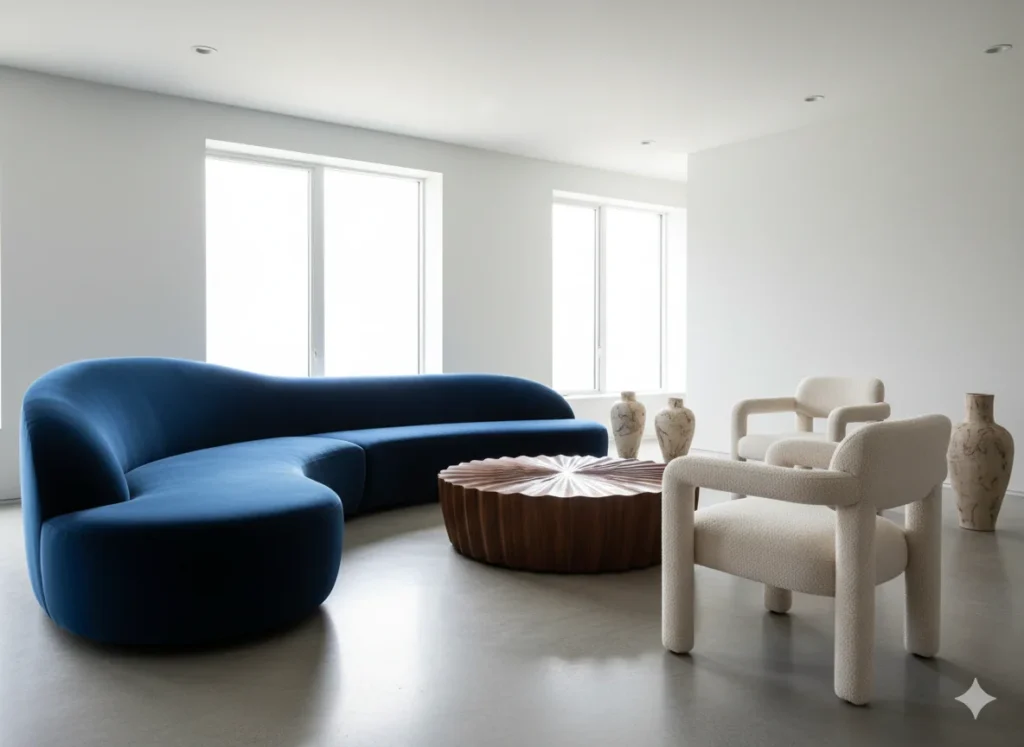
Furniture selection in 2026 prioritizes pieces that function as functional art. Curved sofas, rounded edges, and organic forms have replaced the sharp angles and minimalist silhouettes of previous years. These sculptural seating options not only provide superior comfort but also serve as focal points that anchor entire room layouts.
Oversized sectionals and generously proportioned sofas reflect how living rooms are actually used. These substantial pieces accommodate modern lifestyles where people work, relax, and entertain in the same space. The larger the sofa, the more it defines the room while providing ample seating for family and guests.
Beyond traditional seating, expect to see more intentionally mismatched furniture groupings. Different shapes, scales, and fabrics create visual interest and character that matching sets simply cannot achieve. A velvet armchair paired with a leather ottoman and a linen sofa demonstrates the confident mixing that defines contemporary interior styling.
Vintage and Antique Resurgence
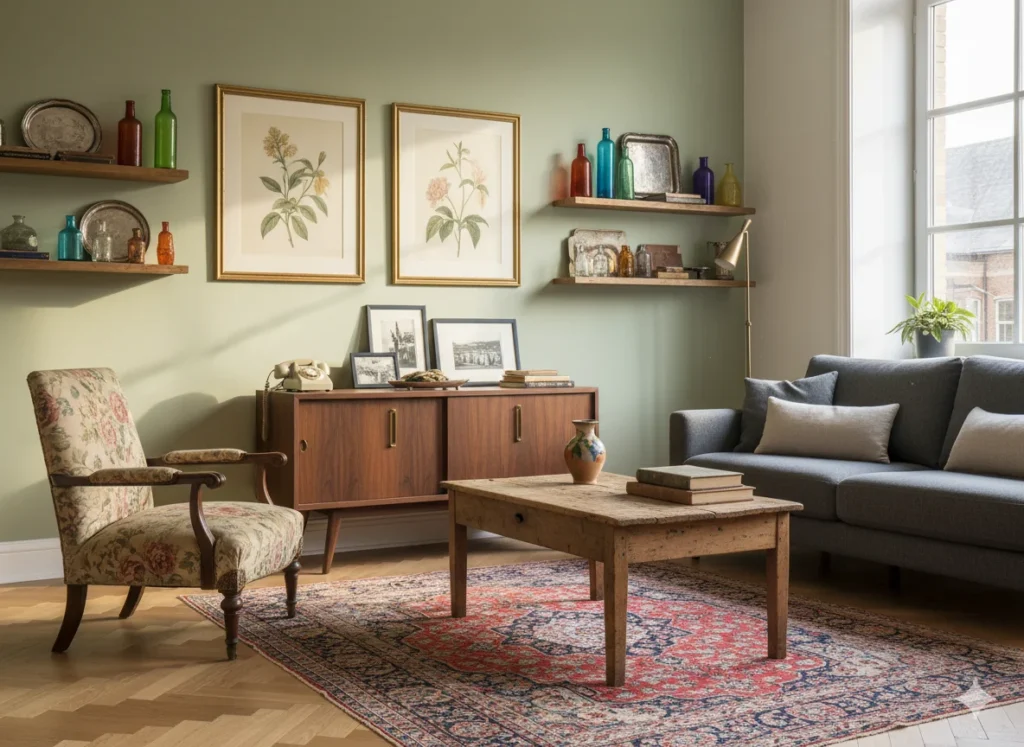
The appreciation for vintage furniture and antique accents continues gaining momentum. Economic factors including tariffs have made new furnishings more expensive, prompting both designers and homeowners to explore secondhand markets. However, the trend runs deeper than economics. Vintage pieces bring soul and history to spaces in ways that mass produced items cannot replicate.
Incorporating antique furniture creates instant character while supporting sustainability. A vintage sideboard, inherited armchair, or flea market coffee table becomes a conversation starter that personalizes your space. These pieces often feature superior craftsmanship and materials that have stood the test of time.
The key to successfully integrating vintage elements lies in balanced mixing. Pair antique finds with modern pieces to create dynamic tension. A mid century credenza works beautifully beneath contemporary abstract art, while Victorian side chairs can anchor a sleek glass dining table.
Statement Lighting as Functional Art
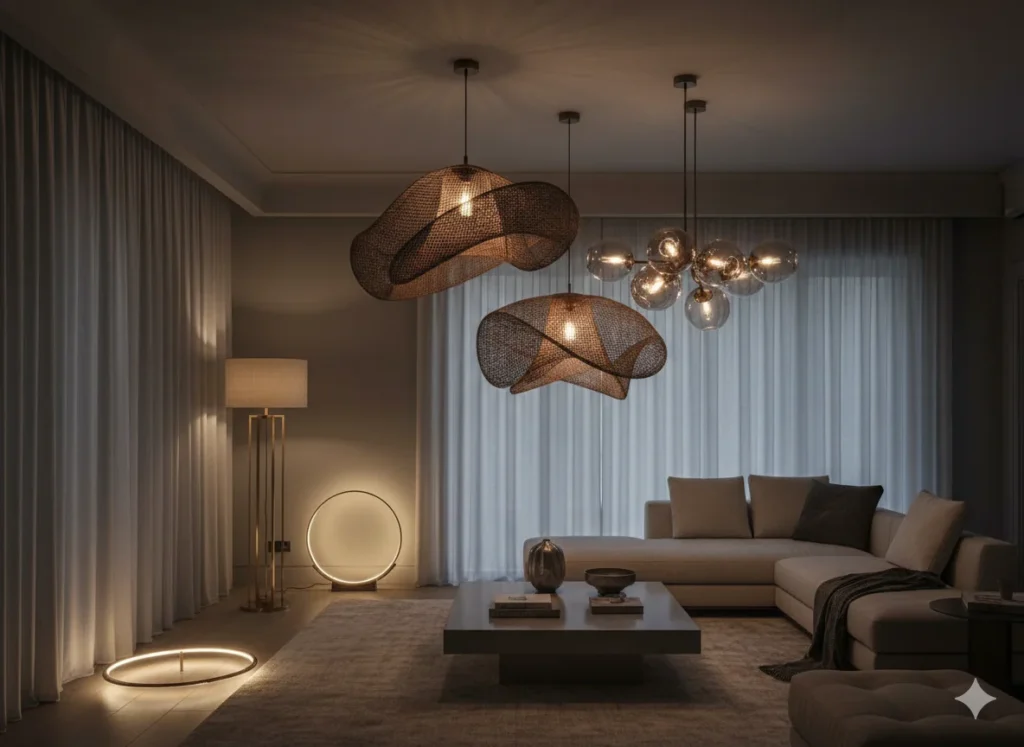
Lighting has evolved from purely functional necessity to sculptural centerpiece. Statement lighting in the form of oversized pendants, artistic sconces, and dramatic floor lamps transforms living rooms with minimal effort. These fixtures serve dual purposes, providing illumination while acting as three dimensional art installations.
Large scale pendant lights hung at varying heights create visual interest and help define different zones within open concept spaces. Sculptural chandeliers with unexpected materials like blown glass, woven rattan, or hammered metal add textural variety while drawing the eye upward to celebrate ceiling height.
Modular lighting systems offer flexibility for changing needs. These adaptable configurations allow you to adjust both the arrangement and intensity of light, creating different moods for various activities from reading to entertaining guests.
The Return of Mixed Metals
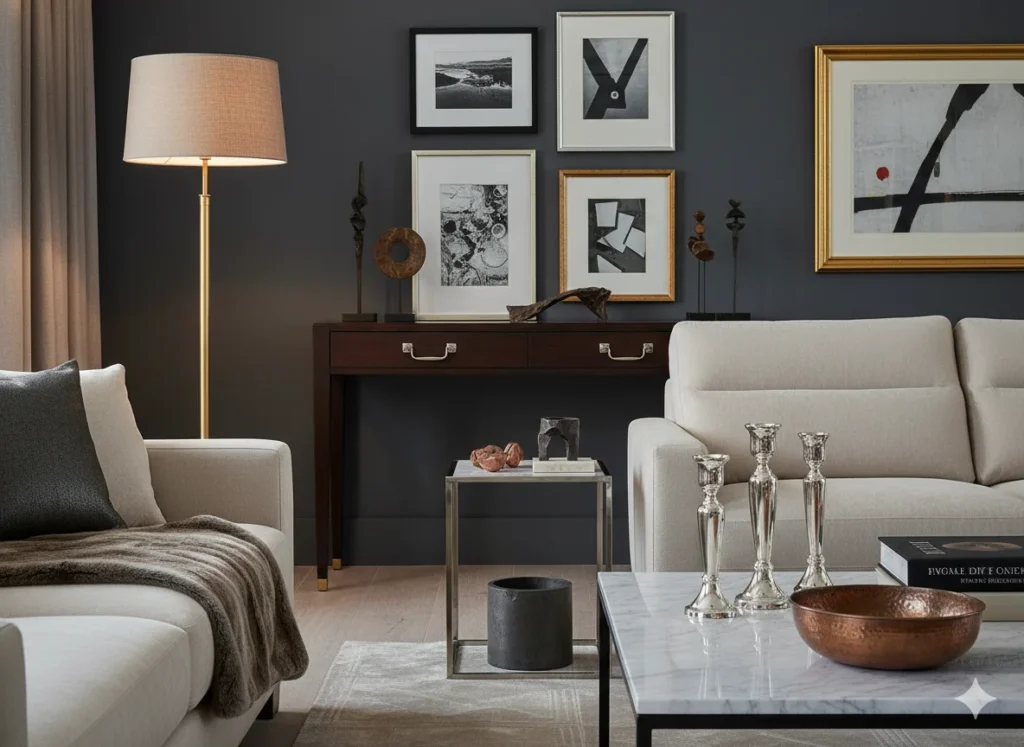
Perfectly matched metal finishes are giving way to intentional mixing. Brass, gold, silver, pewter, aged bronze, iron, and nickel coexist within single rooms, adding layers of visual interest and preventing spaces from feeling too coordinated. This approach feels more collected and authentic than the matchy matchy aesthetic of previous eras.
The key to successful metal mixing involves distributing different finishes throughout the space rather than clustering them. A brass floor lamp might balance nickel cabinet hardware, while aged bronze picture frames complement silver candlesticks on the mantel. This distribution creates visual rhythm without overwhelming any single area.
Patina and wear marks are celebrated rather than avoided. Tarnished silver and oxidized copper bring warmth and history that pristine finishes lack. These imperfect surfaces catch light differently, adding depth and character to home decor schemes.
Tonal Color Drenching
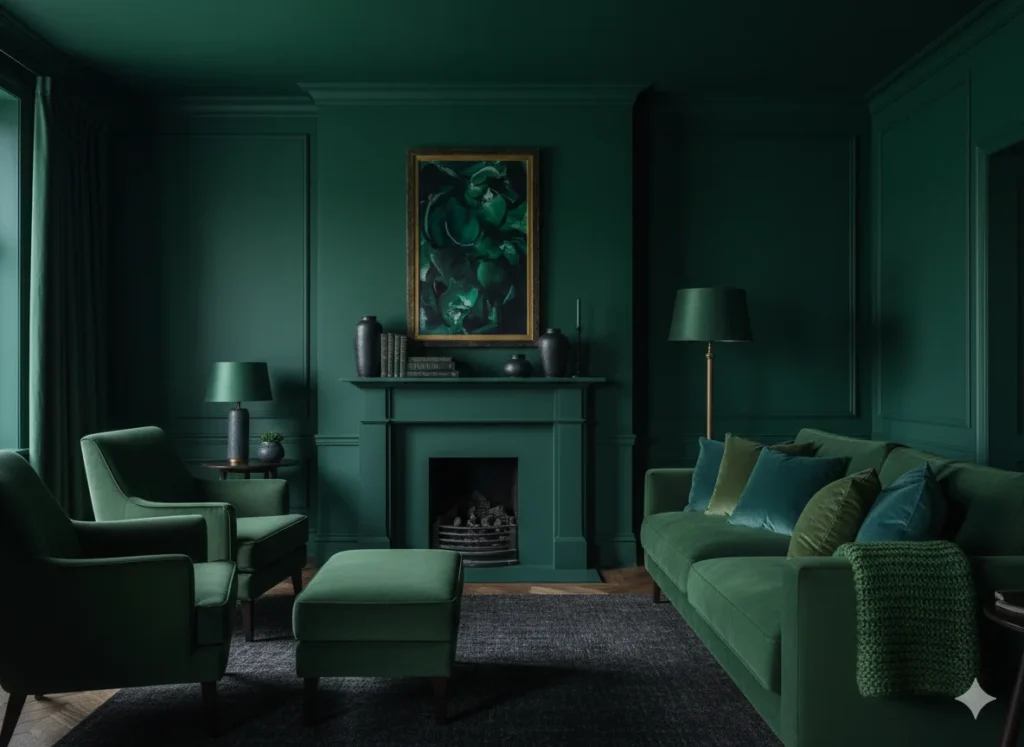
Monochromatic color schemes have evolved into sophisticated tonal treatments that layer varying strengths, tints, and temperatures of single hues. This approach creates cohesive environments that feel intentionally designed without appearing overly styled or matchy.
Deep saturated colors particularly greens, aubergines, plums, and rich blues define the 2026 palette. These hues create cocoon like atmospheres perfect for relaxation while providing dramatic backdrops for art and furniture. When extended from walls to trim to ceilings, they envelope rooms in color that feels both bold and surprisingly calming.
The technique works equally well with neutrals. Layering cream, beige, taupe, and warm white creates subtle depth and dimension without relying on stark contrasts. These tonal neutral schemes serve as perfect canvases for introducing pops of color through accent pieces and textiles.
Multifunctional Living Zones
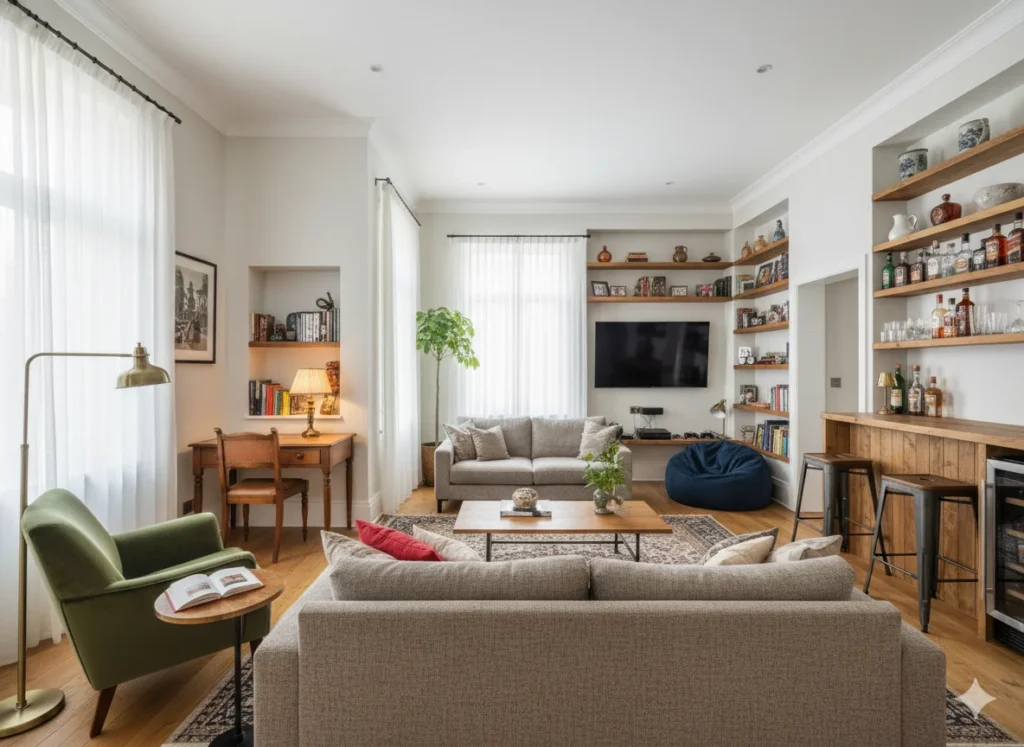
Modern living rooms are reclaiming their original purpose as true living spaces rather than television viewing rooms. The 2026 approach embraces distinct zones for different activities, creating multifunctional salons where every corner serves a purpose.
Reading nooks with comfortable chairs and dedicated lighting, writing desks tucked into alcoves, conversation clusters arranged away from screens, and gaming corners for casual play all coexist within thoughtfully arranged spaces. This zoning allows different household members to pursue various activities simultaneously without sacrificing the room’s visual cohesion.
Built in bars, display shelving for collections, and dedicated spaces for hobbies reflect how people actually use their homes. These functional elements are designed as beautiful features rather than afterthoughts, integrating seamlessly into the overall design aesthetic.
Texture Layering for Depth
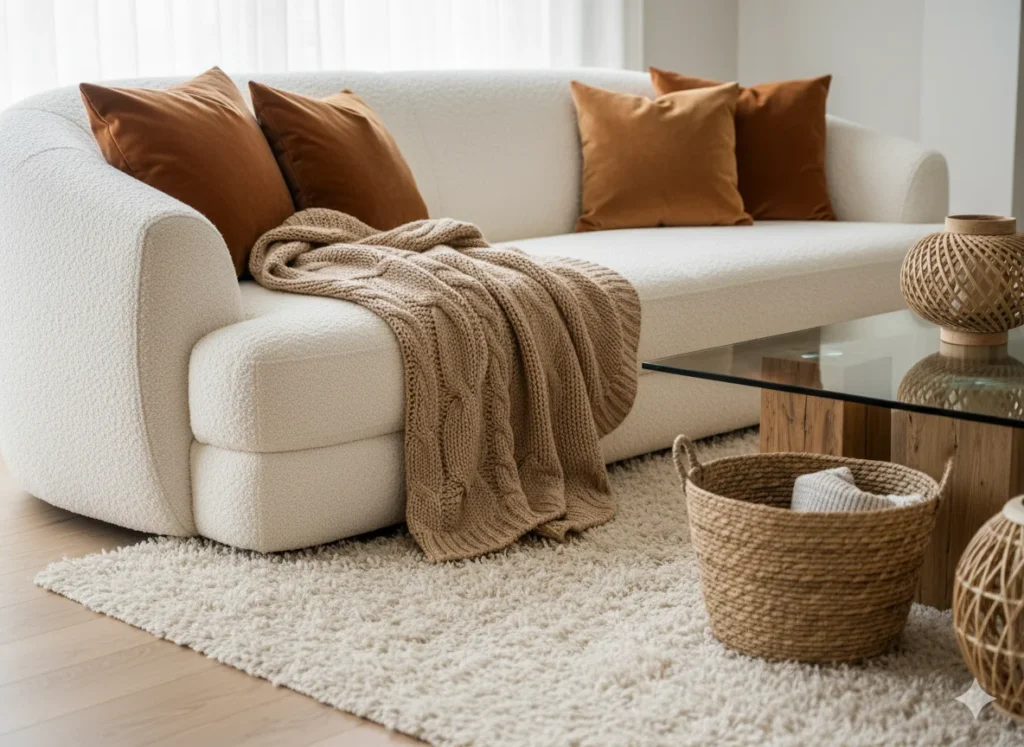
The emphasis on tactile experiences has made texture a crucial component of successful living room design. Mixing smooth with rough, soft with hard, and matte with glossy creates sensory richness that photographs cannot capture but inhabitants immediately feel.
Bouclé upholstery, velvet cushions, chunky knit throws, and shaggy rugs introduce softness that invites touching and using. These plush textiles balance harder surfaces like wood floors, glass tables, and metal fixtures. The interplay between different textures adds visual weight and substance to room decor schemes.
Natural materials particularly rattan, seagrass, jute, and raw linen bring organic texture that connects interiors to the natural world. These elements feel grounding and authentic, providing welcome contrast to more refined finishes.
Personal Collections and Curated Displays
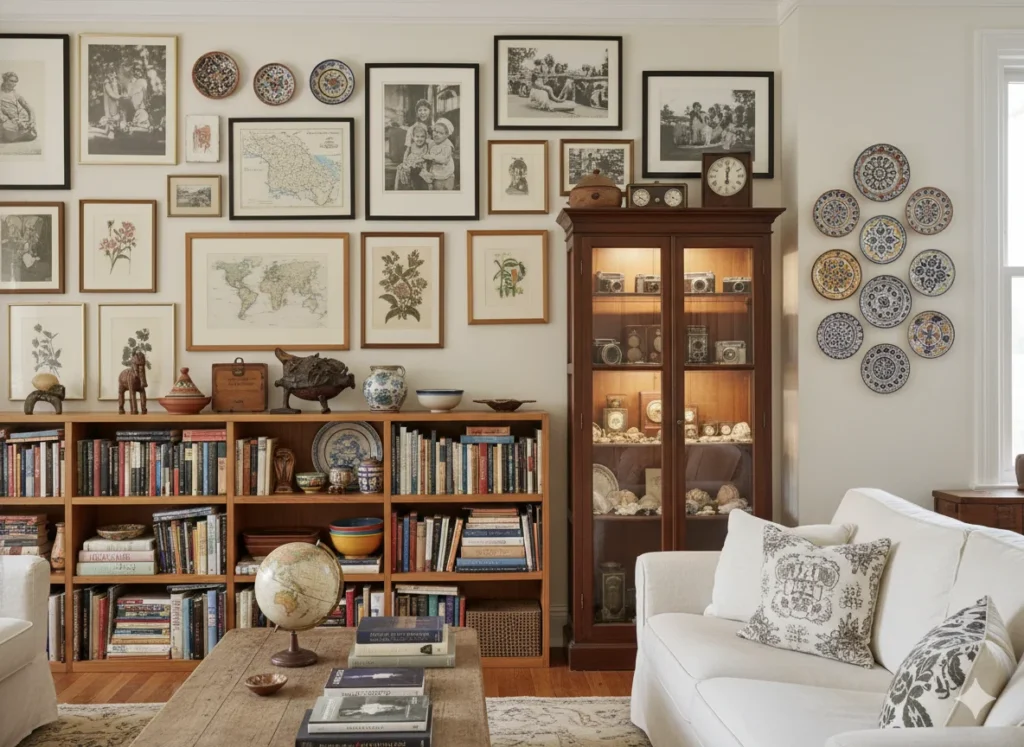
The trend toward personalization manifests most clearly in how people display their collections. Gallery walls, open shelving, glass fronted cabinets, and curiosity driven arrangements showcase books, art, travel souvenirs, and meaningful objects that tell individual stories.
Wall mounted plate collections have emerged as particularly popular, transcending style boundaries from traditional to contemporary. These displays work in every room from living areas to bedrooms, offering easy customization since no two collections are identical. The key lies in thoughtful arrangement, whether uniformly spaced or organically grouped.
The shift from generic styling to meaningful curation means that decorative accessories now serve as autobiography. Each piece displayed carries significance, creating conversations and connections that generic decor items cannot inspire.
Grand millennial Design Elements
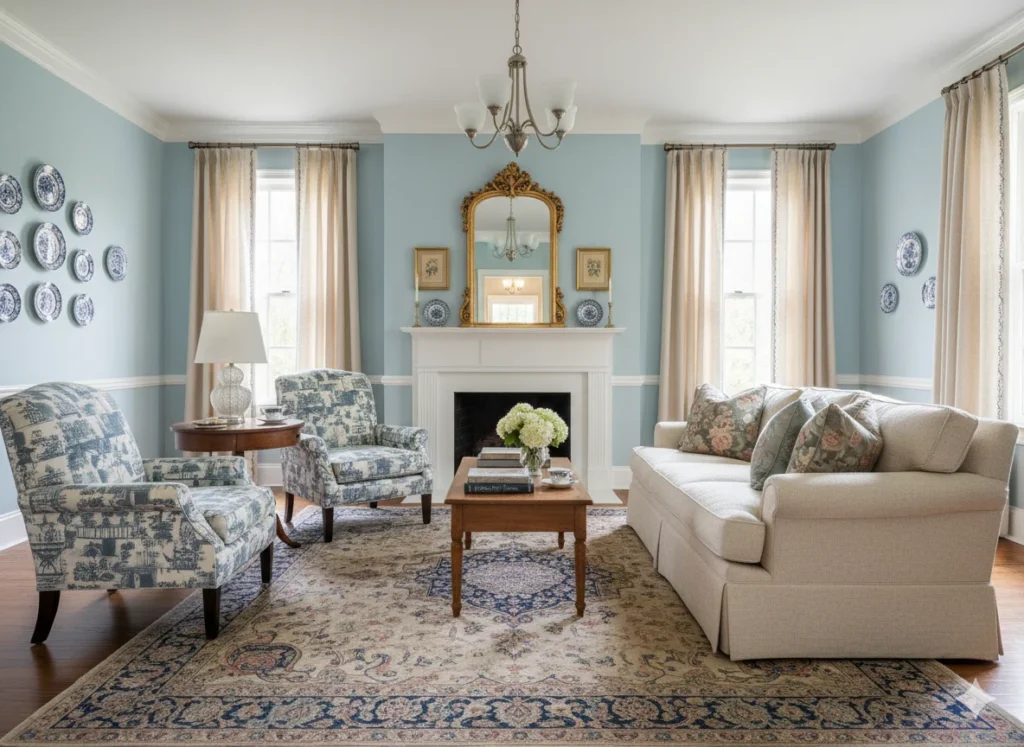
Nostalgic design choices traditionally associated with grandmothers have gained unexpected currency. Skirted furniture, formal sitting arrangements, floral patterns, ruffled details, and vintage inspired textiles create sophisticated spaces that honor the past while feeling fresh and intentional.
This trend works because it is executed with confidence and restraint. A skirted sofa in contemporary fabric feels charming rather than dated. Vintage florals used selectively as accent pillows or window treatments add romantic touches without overwhelming modern foundations.
The grandmillennial approach celebrates comfort, quality craftsmanship, and timeless appeal over fleeting trends. It represents a rejection of disposable design in favor of pieces meant to last generations.
Dramatic Drapery Returns
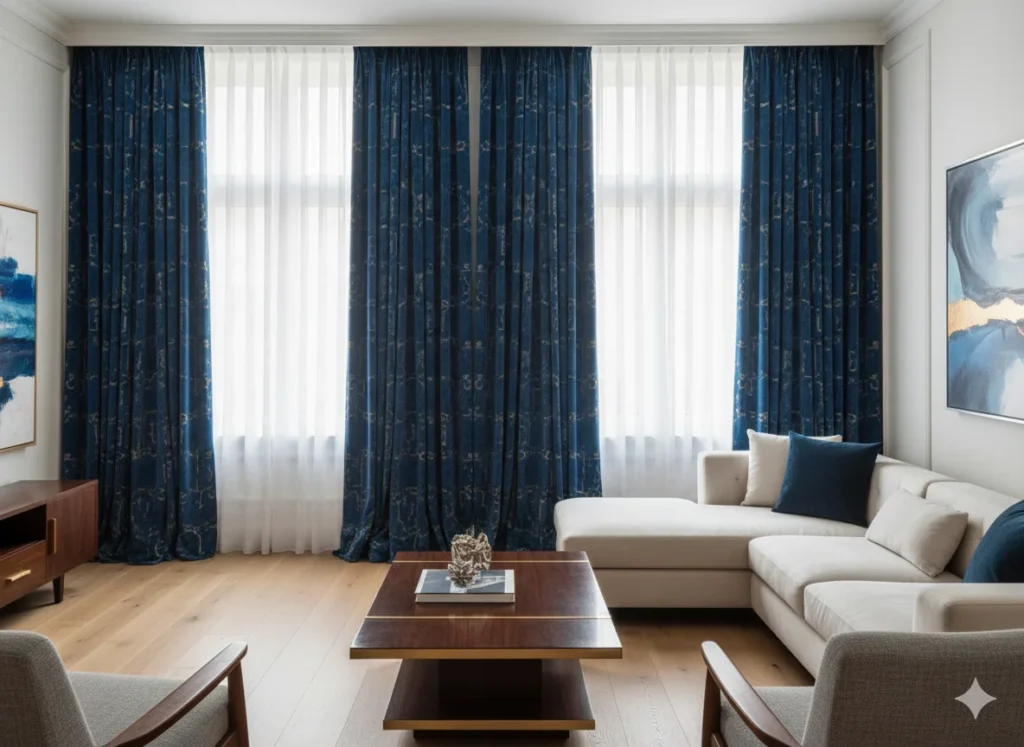
Floor to ceiling curtains and elaborate window treatments have reclaimed their place as essential design elements. Heavy fabrics, bold patterns, and generous proportions transform windows into architectural features while providing practical benefits like light control and insulation.
Layering sheers beneath heavier drapes offers flexibility for different lighting needs and privacy levels. The visual weight of substantial window treatments grounds rooms and adds polish that blinds alone cannot achieve.
Color plays a crucial role in drapery selection. Deep tones that complement or contrast with walls create focal points, while lighter fabrics maintain airiness. Pattern introduces another dimension, with florals, geometrics, and abstracts all finding favor depending on the overall design direction.
Earthy and Organic Color Palettes
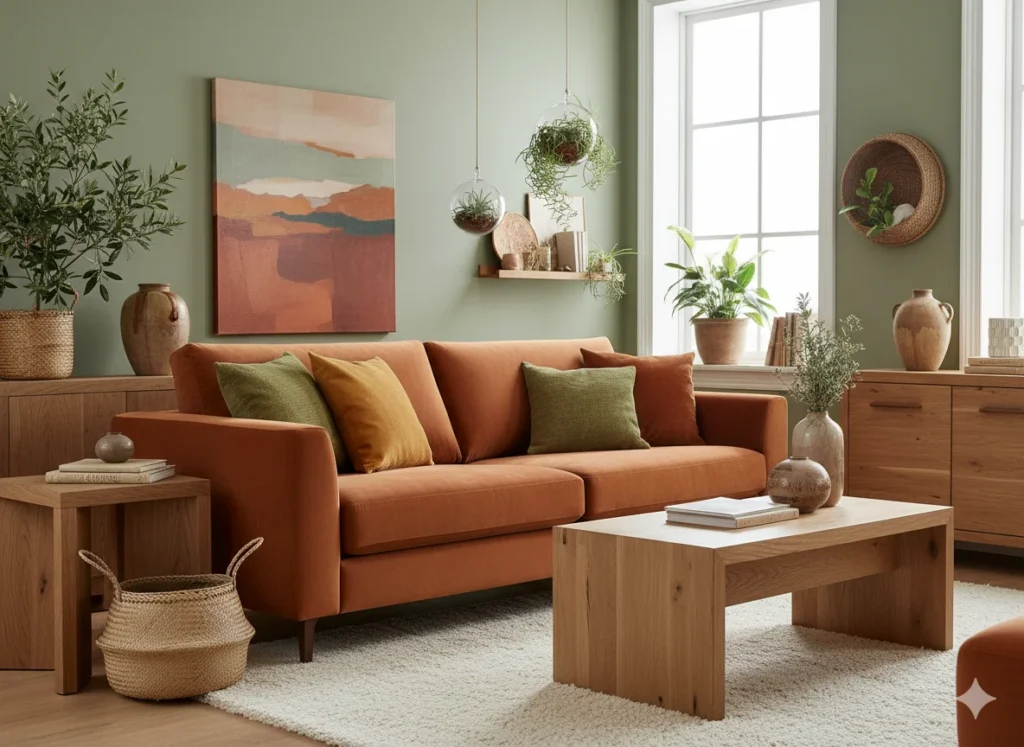
Nature inspired color combinations dominate 2026 palettes. Terracotta, rust, ochre, sage, olive, moss, and warm browns create grounding schemes that feel simultaneously timeless and contemporary. These hues work beautifully with natural materials like wood, stone, and fiber.
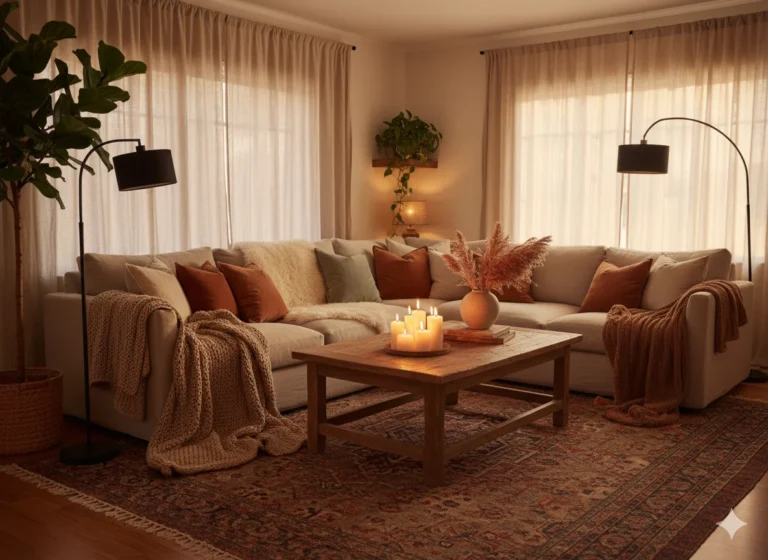
The earthy palette extends beyond paint to upholstered furniture, area rugs, and decorative accents. A terracotta velvet sofa paired with sage walls and ochre throw pillows creates warmth without sacrificing sophistication. These colors age gracefully, developing richer patinas over time.
Balancing warm earth tones with cooler neutrals prevents spaces from feeling too heavy. Crisp whites, soft grays, and touches of black provide necessary contrast and visual breathing room within predominantly warm schemes.
Oversized Art and Photography
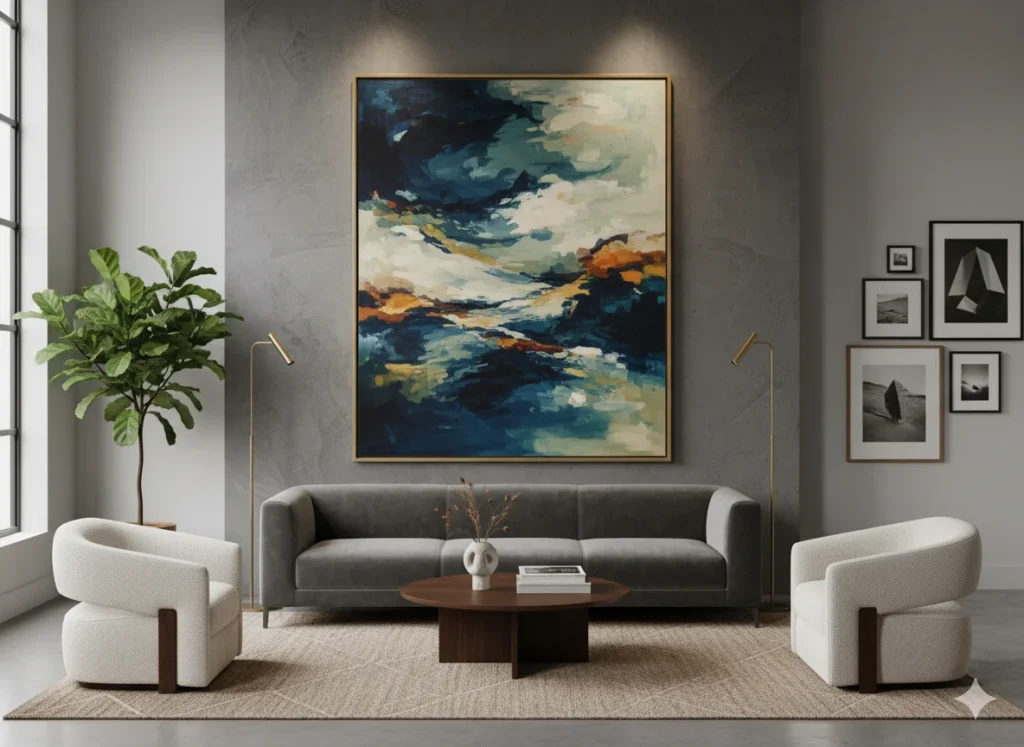
Large scale artwork commands attention and transforms living rooms into gallery like spaces. Oversized paintings, photography, and prints create confidence and spatial generosity even in smaller rooms. The impact of a single significant piece often exceeds multiple smaller works.
When selecting wall art, consider both subject matter and scale relative to furniture. A six foot painting requires substantial wall space and appropriately sized furnishings to maintain balance. Conversely, clustering smaller works gallery style creates similar visual weight while offering more flexibility.
Photography has gained particular prominence, especially landscape and nature imagery that brings the outdoors inside. Black and white photography adds sophistication while color images introduce additional hues that can tie into broader decorating schemes.
Thick Vintage Frames
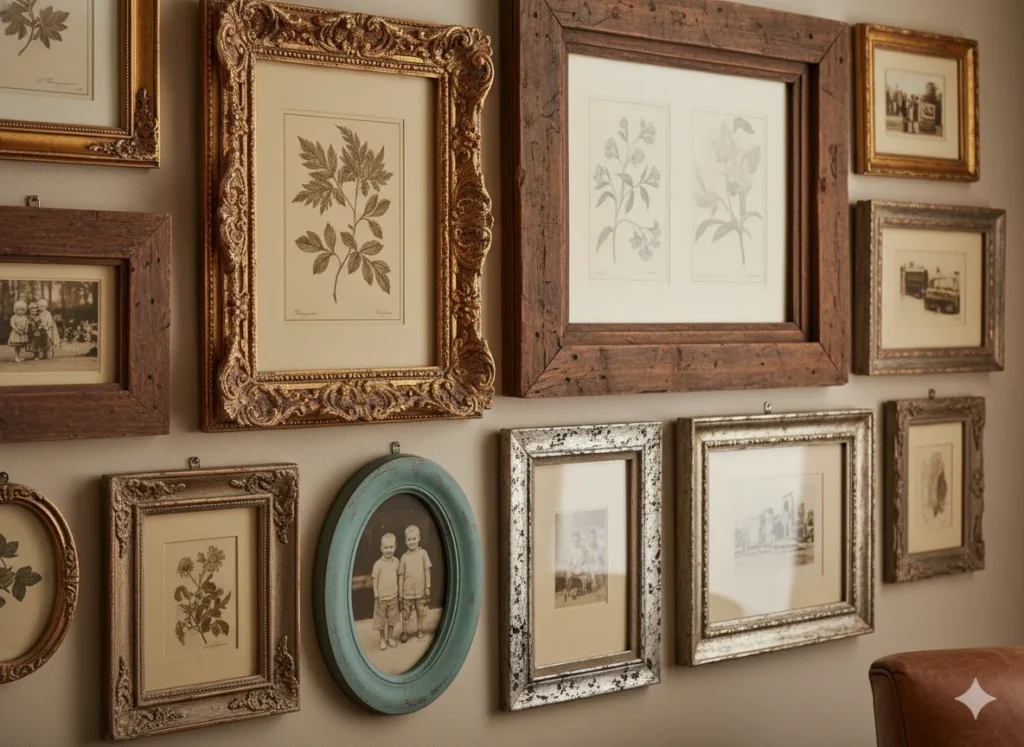
The delicate frames that dominated recent years are giving way to substantial vintage inspired frames that add presence and gravitate attention. These chunky frames help artwork stand out against busy wallpaper and colorful walls while introducing instant character.
Mixing frame styles and finishes creates collected looks that feel curated over time. Gilt frames beside natural wood beside painted finishes demonstrate the confident mixing that defines current design trends. The variation prevents uniformity while maintaining cohesion through thoughtful color or finish connections.
Vintage frames sourced from flea markets and antique shops bring authenticity that reproductions lack. Their imperfections and patina tell stories that enhance rather than detract from the art they hold.
Plush Seating and Comfort Priority
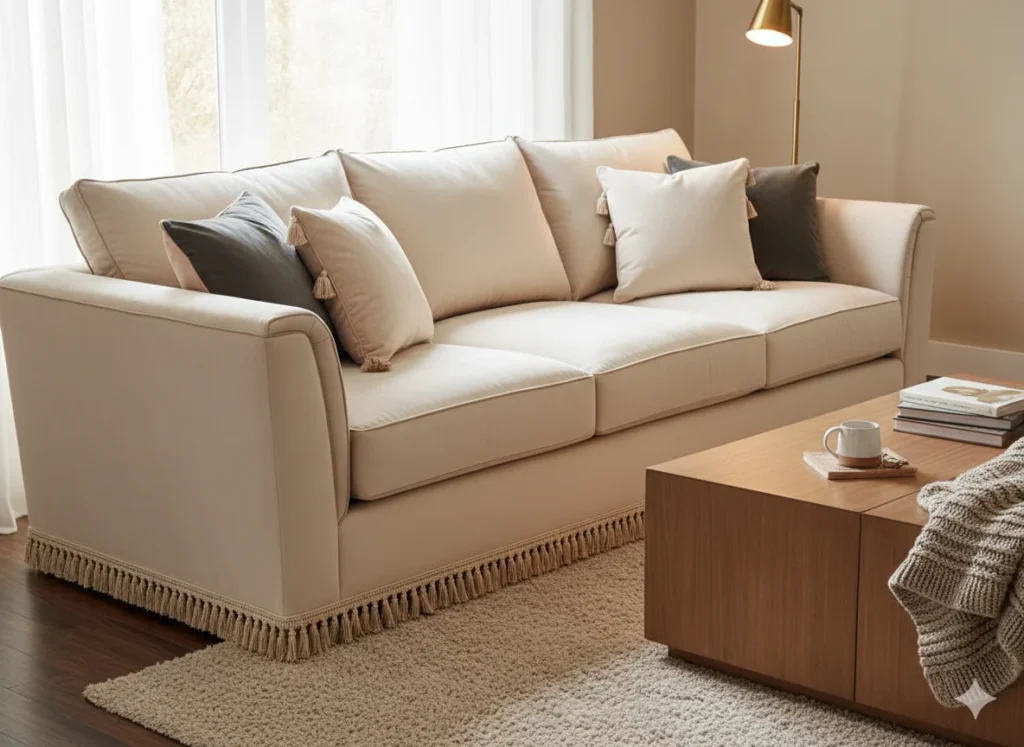
Ergonomic design meets luxurious comfort in 2026 seating trends. Overstuffed cushions, generous proportions, and supportive designs prioritize how furniture actually feels to use. The era of choosing style over comfort has definitively ended.
Tufted details, fringe trim, and piping add visual interest to upholstered pieces without compromising comfort. These decorative elements reference traditional craftsmanship while serving contemporary aesthetics. The result feels both timeless and fresh.
Performance fabrics have evolved beyond practical necessity to include luxurious options that resist stains and wear while maintaining the look and feel of natural fibers. This innovation allows beautiful light colored upholstery in real world settings where spills and daily use are inevitable.
Conversation Focused Layouts
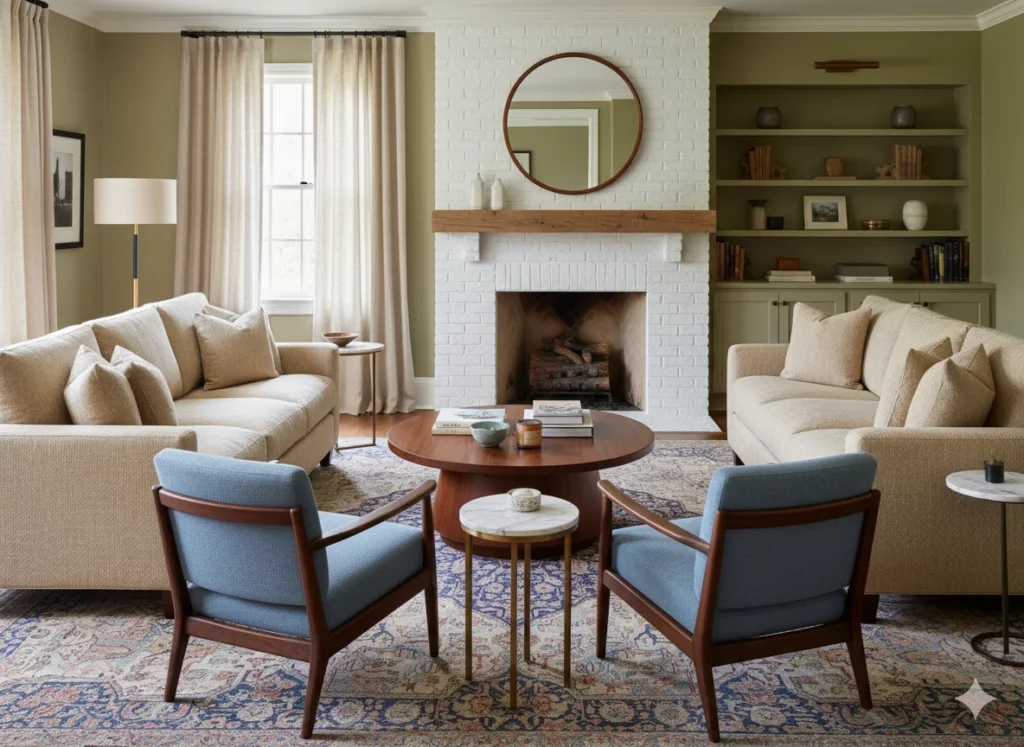
Furniture arrangements increasingly prioritize face to face interaction over television viewing. Seating grouped to encourage conversation, with pieces angled toward each other rather than aligned in rows, creates social spaces that facilitate genuine connection.
This shift reflects changing priorities about how living rooms should function. While entertainment remains important, the primary purpose has returned to gathering, talking, and spending quality time together. Layout choices support these activities through thoughtful space planning.
Removing or deemphasizing televisions from central positions allows other focal points like fireplaces, windows with views, or art installations to anchor rooms. When screens are included, they are integrated subtly rather than dominating entire walls.
Sustainable and Intentional Decorating
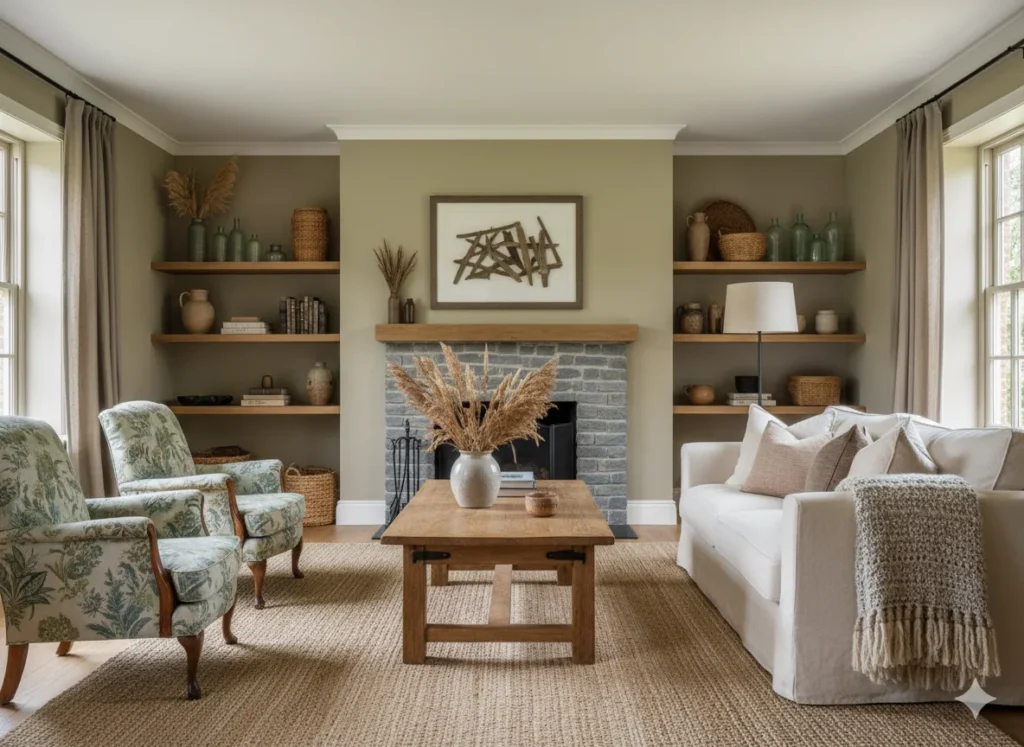
The slow decorating movement gains momentum as people reject fast furniture and disposable design. Investing in quality pieces meant to last, choosing vintage over new when possible, and making deliberate selections rather than impulse purchases defines the sustainable approach.
This mindset shift extends to home accessories and textiles. Natural fibers, responsibly sourced materials, and items with transparent production stories appeal to conscious consumers. The result is spaces filled with things that matter rather than merely fill space.
Sustainability also embraces repair and reimagining. Reupholstering vintage chairs, refinishing inherited tables, and repurposing items in new ways demonstrates creativity while honoring environmental responsibility.
Hollywood Cottage Aesthetic
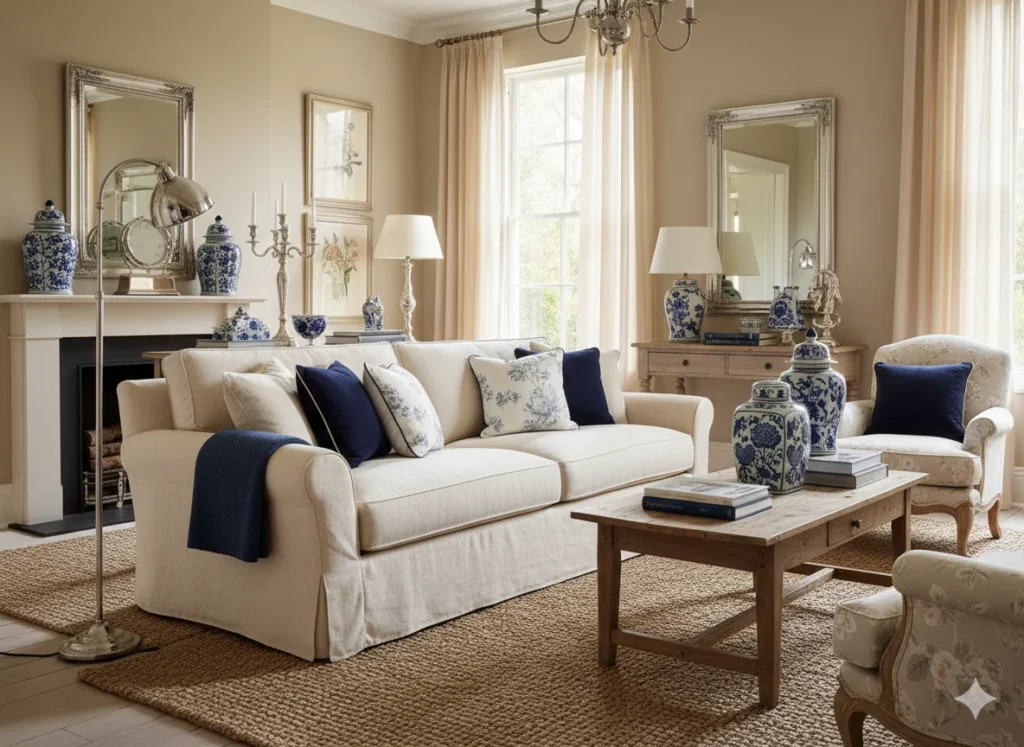
This hybrid style combines the warmth of cottage design with polished sophistication. Think slipcovered sofas in quality linen, seagrass rugs, blue and white porcelain, silver accents, and vintage florals all arranged with relaxed elegance.
The look balances casual comfort with refined details. Warm neutrals dominate with strategic pops of color, typically in classic combinations like navy and white or soft pastels. Natural textures prevent the scheme from feeling too precious while maintaining an elevated sensibility.
This aesthetic particularly appeals to those seeking timeless design that never feels dated. The elements reference traditional styles without feeling fussy, creating approachable spaces that photograph beautifully but function even better.
Your living room in 2026 should reflect who you are rather than what trending hashtags dictate. The most successful spaces combine elements from various trends in ways that serve your lifestyle while expressing your personality. Whether you embrace bold maximalism or prefer edited simplicity, the common thread is intentionality and authenticity. Choose pieces you genuinely love, arrange them to support how you actually live, and create environments where comfort and beauty coexist. The best living room decor makes you happy every time you enter the space, and that never goes out of style.
Frequently Asked Questions
What colors are trending for living rooms in 2026?
Deep saturated tones dominate including emerald green, aubergine, plum, rich blue, and warm earth colors like terracotta and ochre. Tonal approaches using varying shades of single colors create sophisticated monochromatic schemes. Warm neutrals remain popular as grounding elements.
How can I make my living room look more expensive?
Invest in quality upholstered furniture with substantial presence, incorporate mixed metals throughout the space, add statement lighting fixtures, use oversized art or photography, layer textures through textiles and natural materials, and display curated collections that reflect personal taste rather than generic styling.
What furniture styles are popular in 2026?
Curved sofas with rounded edges, oversized sectionals, sculptural seating with organic forms, vintage and antique pieces, tufted upholstery with decorative details, and intentionally mismatched furniture groupings define current preferences. Comfort and character take priority over matching sets.
How do I incorporate vintage pieces into modern decor?
Balance vintage finds with contemporary elements to create dynamic contrast. Pair antique furniture with modern art, mix periods and styles confidently, and use vintage pieces as focal points surrounded by simpler modern items. The key is intentional mixing rather than trying to match everything.
What is the best layout for a living room?
Prioritize conversation focused arrangements with seating angled toward each other rather than aligned in rows. Create distinct zones for different activities like reading, working, and socializing. Ensure clear traffic paths and arrange furniture to highlight focal points like fireplaces or windows rather than centering everything around the television.
You may also like this post: Modern Bedroom Room Decor Ideas You Can Easily Recreate
2 Comments