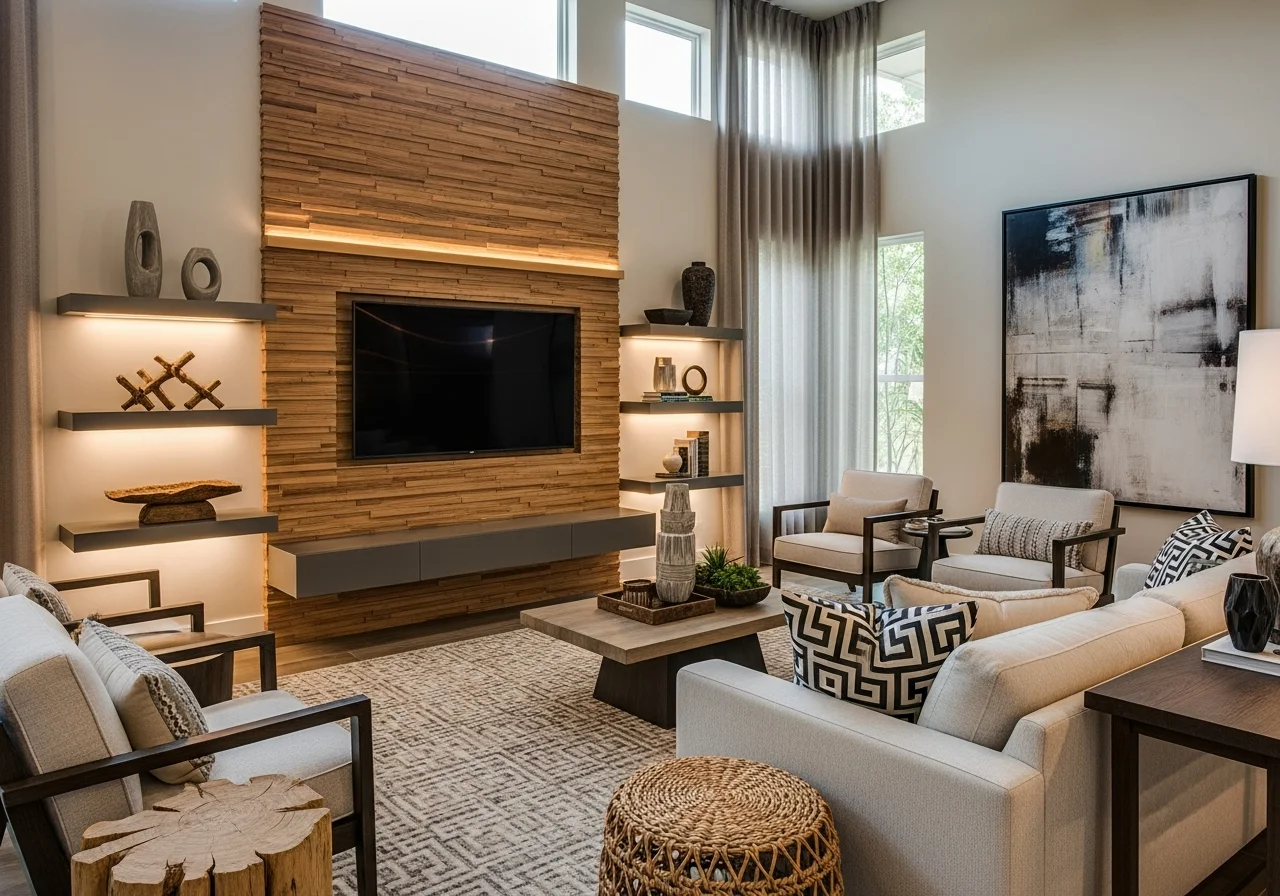
Living Room Wall Designs 2026: Modern TV Wall & Decor Ideas
Transform Your Space: The Ultimate Guide to Living Room Wall Designs
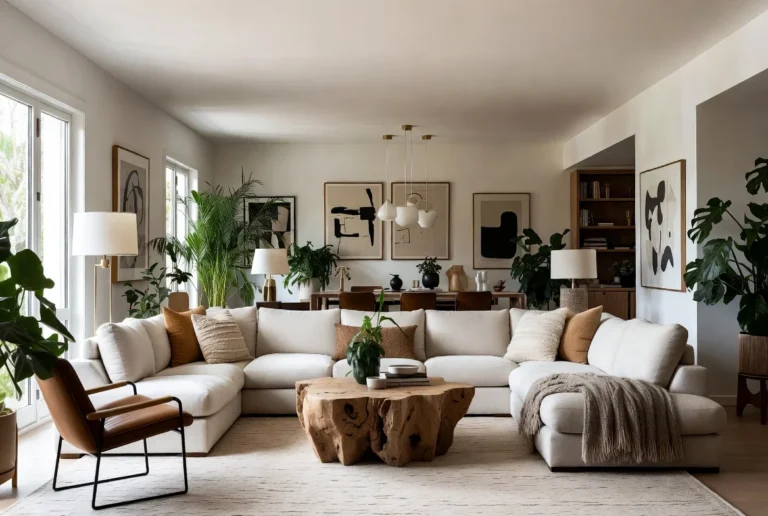
Your living room walls are more than just structural boundaries. They serve as the canvas for your personal style, the backdrop for cherished memories, and the foundation for creating an atmosphere that reflects who you are. As we move through 2026, homeowners are discovering innovative approaches to wall decoration that blend functionality with artistic expression, creating spaces that feel both modern and timeless.
The right wall design can completely transform how your living room feels. Whether you’re working with a compact urban apartment or a spacious suburban home, understanding current design principles and creative possibilities will help you craft a space that truly resonates. This comprehensive guide explores the most compelling living room wall designs emerging this year, with special attention to modern TV wall solutions and decorative techniques that bring personality to your home.
The Foundation of Great Wall Design
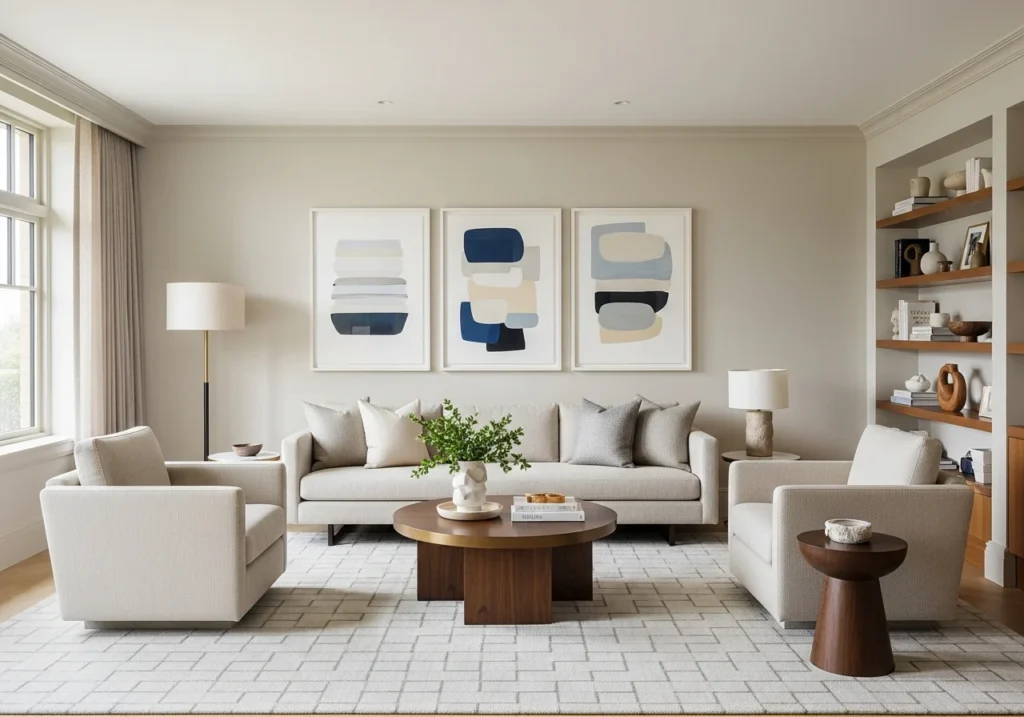
Before diving into specific design concepts, understanding the fundamental principles that make wall designs successful is essential. The most effective interior wall treatments consider proportion, balance, and the relationship between different elements within your space.
Scale and proportion matter significantly when planning your walls. A large feature wall in a small room can feel overwhelming, while subtle treatments might disappear in expansive spaces. Consider your room dimensions carefully and select designs that complement rather than compete with your existing architecture.
Color psychology plays a crucial role in how your living room feels. Warm tones like terracotta, amber, and soft coral create inviting, energetic spaces perfect for gathering and conversation. Cool shades including sage green, dusty blue, and soft gray promote relaxation and calm. Neutral palettes remain popular because they provide versatility and allow accent pieces to shine.
The concept of visual weight distribution ensures your space feels balanced. If you create a dramatic accent wall behind your television, keep other walls simpler to avoid visual chaos. This principle of focal point creation guides the eye naturally through your space.
Modern TV Wall Designs That Captivate
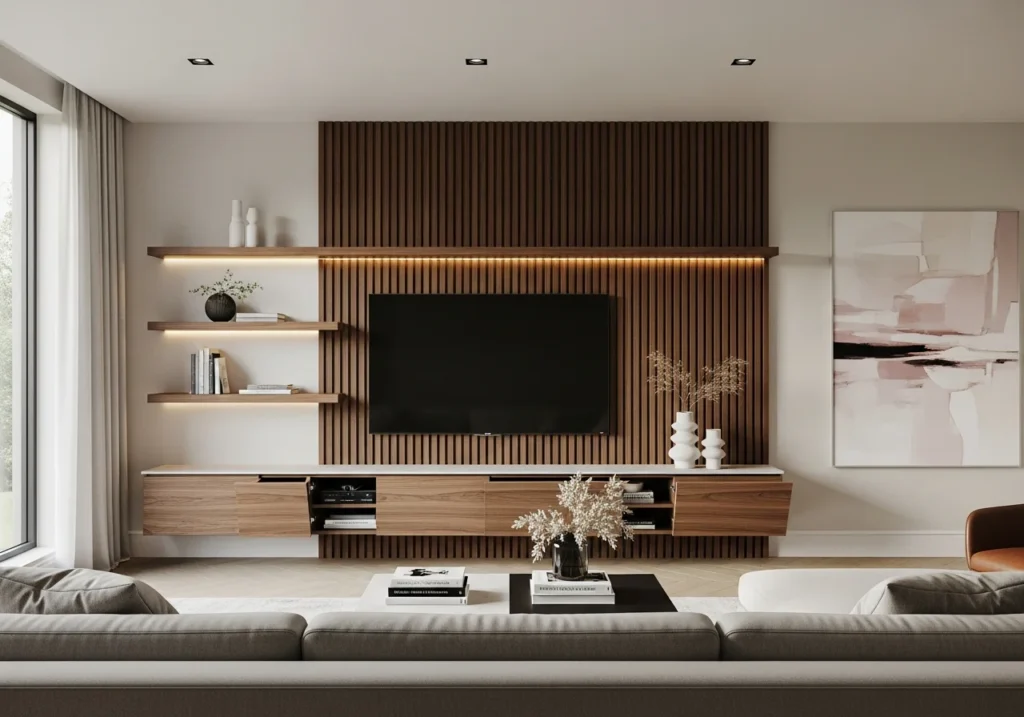
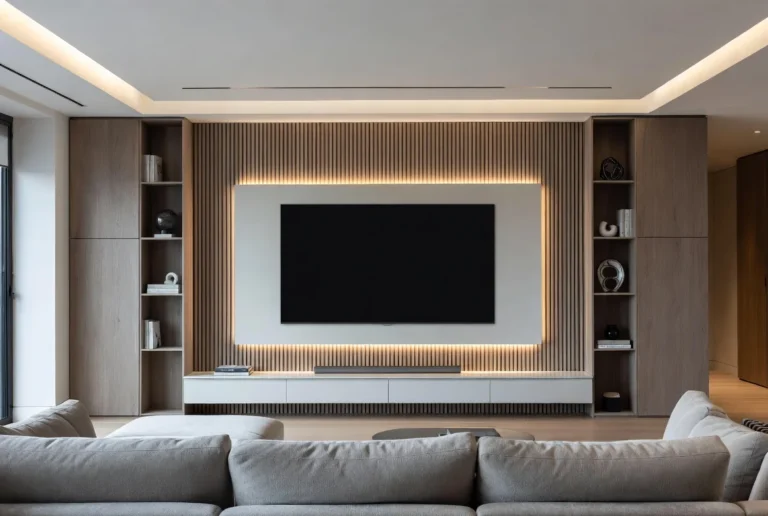
The television wall has evolved from a simple mounting solution to a sophisticated design centerpiece. Modern approaches integrate technology seamlessly while creating architectural interest that enhances your entire room.
Integrated paneling systems represent one of the most popular approaches in 2026. These designs use wood slat panels, textured tiles, or geometric patterns that extend beyond the TV area, creating a cohesive backdrop. The television appears to float within this designed environment rather than looking like an afterthought. Materials like walnut veneer, painted MDF, or textured stone add depth and sophistication.
Hidden storage solutions built into TV walls address practical needs while maintaining clean aesthetics. Concealed cabinets with push-to-open mechanisms, floating shelves with integrated lighting, and custom millwork that hides cables and equipment create streamlined appearances. This functional design approach eliminates clutter while providing display opportunities for books, artwork, and decorative objects.
The media wall niche concept involves creating a recessed area specifically for your television and related components. This architectural detail adds dimension and makes the TV feel purposefully integrated rather than simply hung on a flat surface. Adding LED backlighting behind the television creates ambient glow that reduces eye strain while adding dramatic visual appeal.
Asymmetrical TV wall compositions break away from traditional centered arrangements. Positioning your television off-center and balancing it with open shelving, artwork, or vertical wood accent panels creates dynamic, contemporary looks. This approach works especially well in modern and minimalist interiors.
Texture and Material Innovation
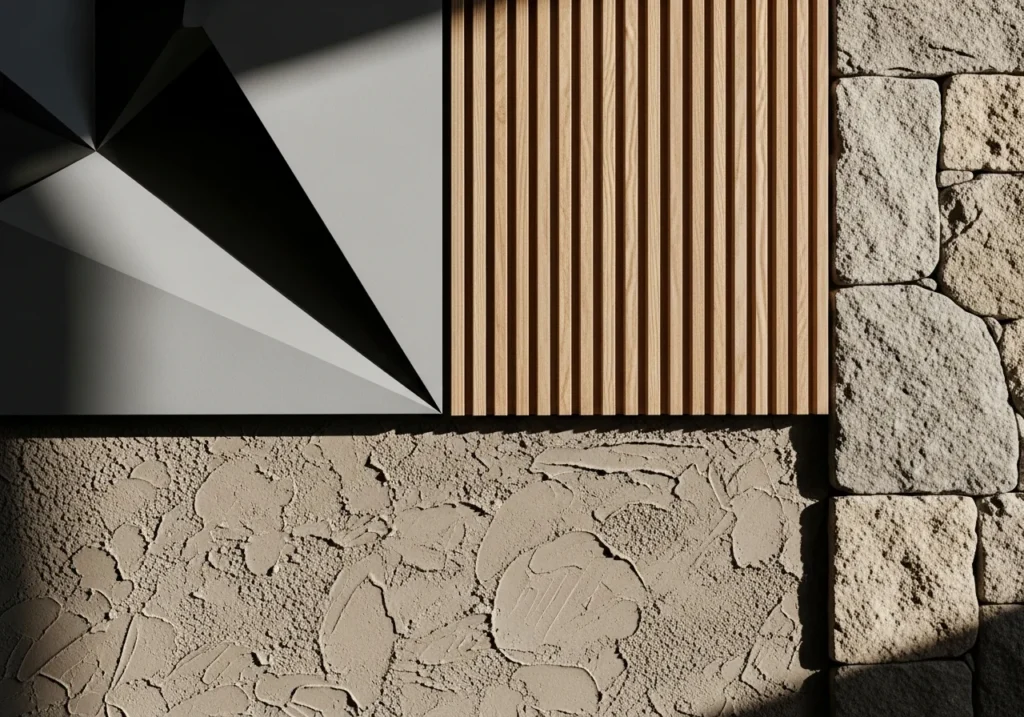
The movement toward tactile wall surfaces continues gaining momentum. Three-dimensional wall panels made from materials like polymer, wood, or natural stone create shadow patterns that change throughout the day as light shifts. These textured surfaces add architectural interest without requiring paint or artwork.
Wood paneling has returned with contemporary interpretations. Unlike traditional full-wall paneling, modern applications use vertical slats, horizontal boards, or geometric arrangements. Natural wood finishes bring warmth, while painted options offer versatility. The organic aesthetic of wood creates connection to nature while adding acoustic benefits that improve room sound quality.
Textured plaster finishes including Venetian plaster, limewash, and tadelakt offer artisanal qualities that manufactured materials cannot replicate. These hand-applied techniques create unique variations and subtle depth. The slightly imperfect, handcrafted appearance adds character and sophistication.
Stone and brick elements continue trending, though applications have become more refined. Rather than covering entire walls, designers incorporate stone cladding in strategic sections or create feature strips that add natural texture. Exposed brick walls in older homes receive enhanced appreciation when properly sealed and integrated with contemporary furnishings.
Color Trends and Painting Techniques
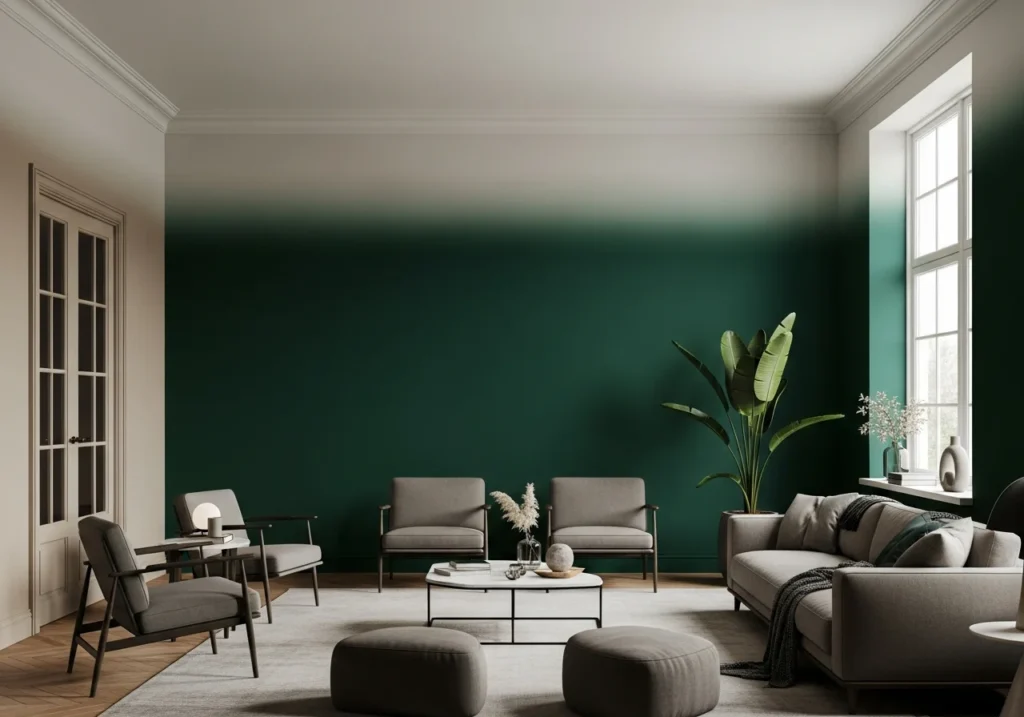
Paint selection remains the most accessible way to transform living room walls. The 2026 palette embraces both bold statements and subtle sophistication, depending on your design goals.
Earthy neutrals dominate current preferences. Shades like warm greige, soft taupe, and creamy beige create versatile backgrounds that work with various decor styles. These neutral foundations allow flexibility as your taste evolves and make future decorating changes easier.
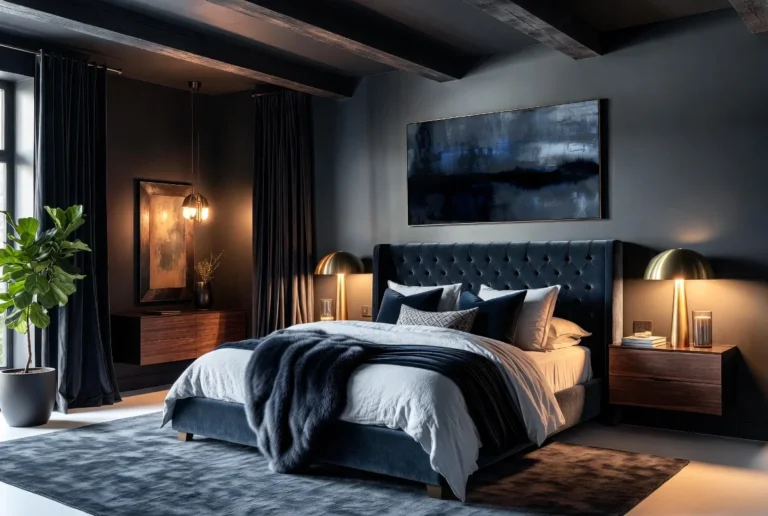
Accent wall color choices lean toward rich, saturated tones. Deep emerald green, navy blue, terracotta, and charcoal create dramatic focal points without overwhelming spaces. The key involves selecting one wall for bold treatment while keeping remaining surfaces neutral.
Two-tone wall treatments add visual interest through horizontal or vertical color blocking. Popular approaches include painting the lower third of walls in deeper tones while keeping upper sections light, creating the illusion of higher ceilings. This color blocking technique works particularly well in rooms with architectural details like chair rails or wainscoting.
Ombré and gradient effects bring artistic flair when executed properly. These techniques transition from dark to light tones, creating atmospheric depth. Though requiring more skill to achieve, the results offer unique personalized aesthetics impossible to replicate with single colors.
Wallpaper Renaissance
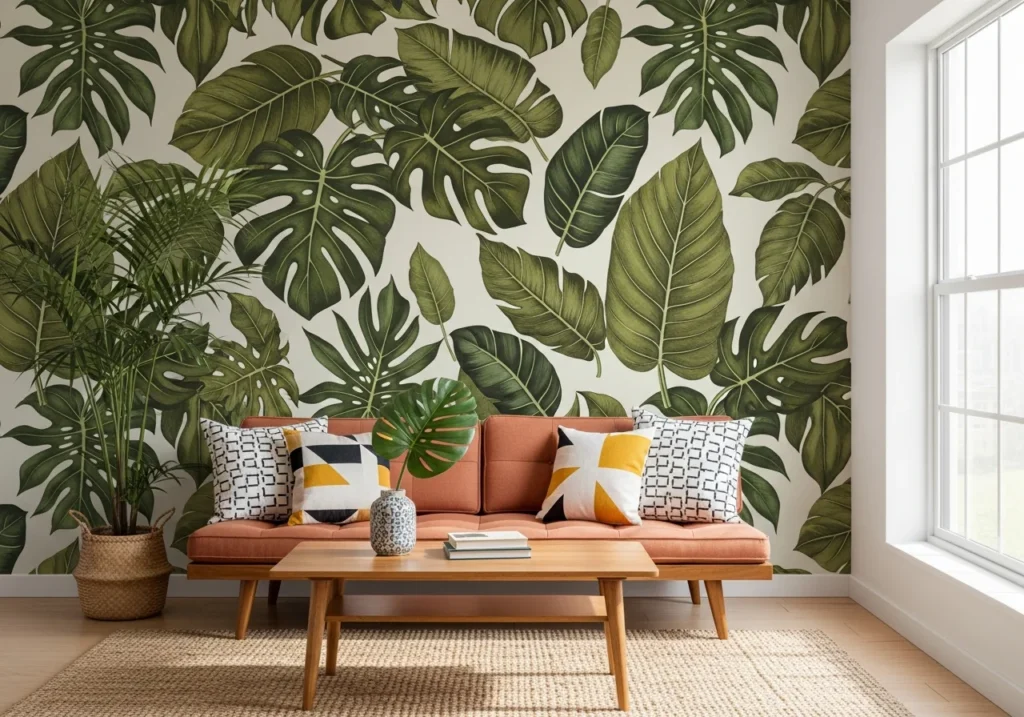
Wallpaper designs have experienced remarkable innovation, with options ranging from traditional patterns to contemporary geometrics and photographic murals. Modern wallpapers offer durability, ease of application, and removal options that address previous concerns.
Botanical and nature-inspired patterns remain strong favorites, bringing organic elements indoors. Large-scale tropical leaves, delicate florals, and abstract natural forms create connection to the outdoors while adding visual interest. These patterns work especially well as accent wall treatments that anchor seating areas.
Geometric wallpapers suit contemporary and mid-century modern aesthetics. Options range from subtle tone-on-tone patterns adding texture without busy appearances to bold, contrasting designs that become room focal points. Hexagonal patterns, overlapping circles, and linear designs create rhythm and movement.
Textured wallpapers that mimic materials like grasscloth, linen, or wood grain offer practical alternatives to authentic materials. These options provide similar visual impact with easier maintenance and lower costs. Removable wallpaper makes experimentation risk-free, perfect for renters or those who frequently refresh their spaces.
Custom photo murals allow complete personalization. Whether reproducing favorite landscapes, abstract art, or architectural photography, these large-scale applications create immersive environments. Quality has improved dramatically, with high-resolution printing producing museum-quality results.
Gallery Walls and Art Display Strategies
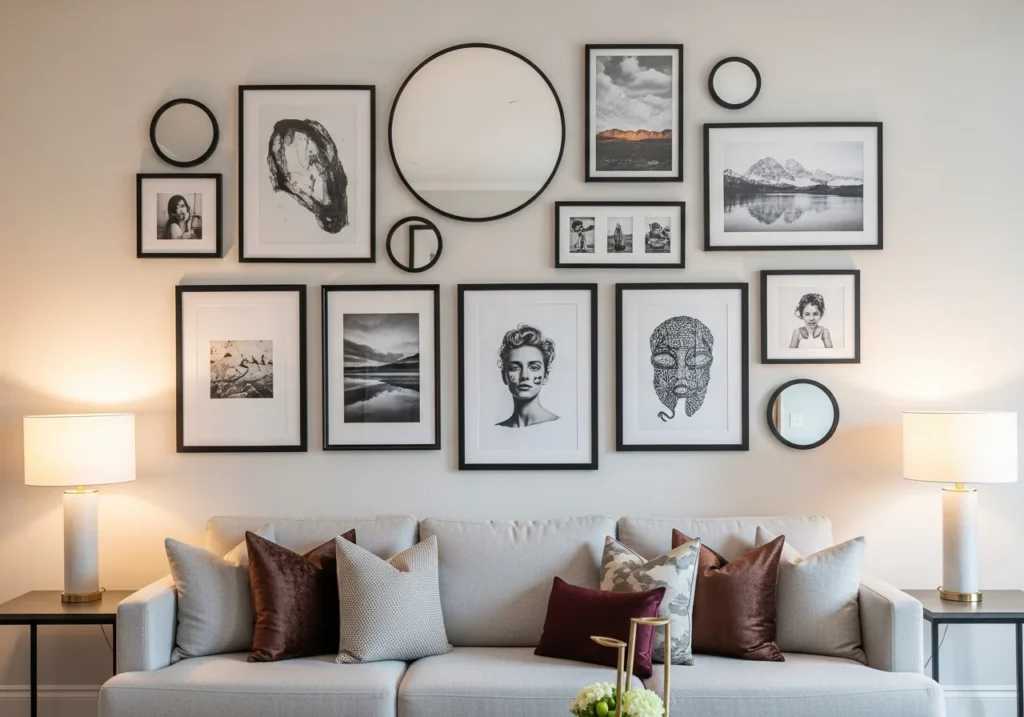
Gallery wall arrangements remain popular for adding personality and displaying meaningful items. Success requires thoughtful planning and understanding of visual composition principles.
Frame selection significantly impacts overall appearance. Cohesive looks emerge from using similar frame styles in varying sizes, while eclectic arrangements mix frame types united by color palette or matting choices. Black frames create classic, gallery-like presentations, while natural wood frames add warmth and casual sophistication.
Layout planning should happen before putting holes in walls. Arrange pieces on the floor or use templates to test configurations. Symmetrical grid arrangements create formal, organized appearances, while organic clusters feel more relaxed and personal. Maintaining consistent spacing between pieces—typically two to three inches—creates visual cohesion.
Mixed media galleries incorporate photographs, paintings, decorative mirrors, and three-dimensional objects like sculptures or wall planters. This variety adds depth and interest while telling richer stories about your experiences and tastes.
Single large-scale artwork offers an alternative to gallery walls. One substantial piece can anchor a room and create dramatic impact without the complexity of arranging multiple items. This approach suits minimalist design philosophies and works well above sofas or in dining areas.
Architectural Elements and Millwork
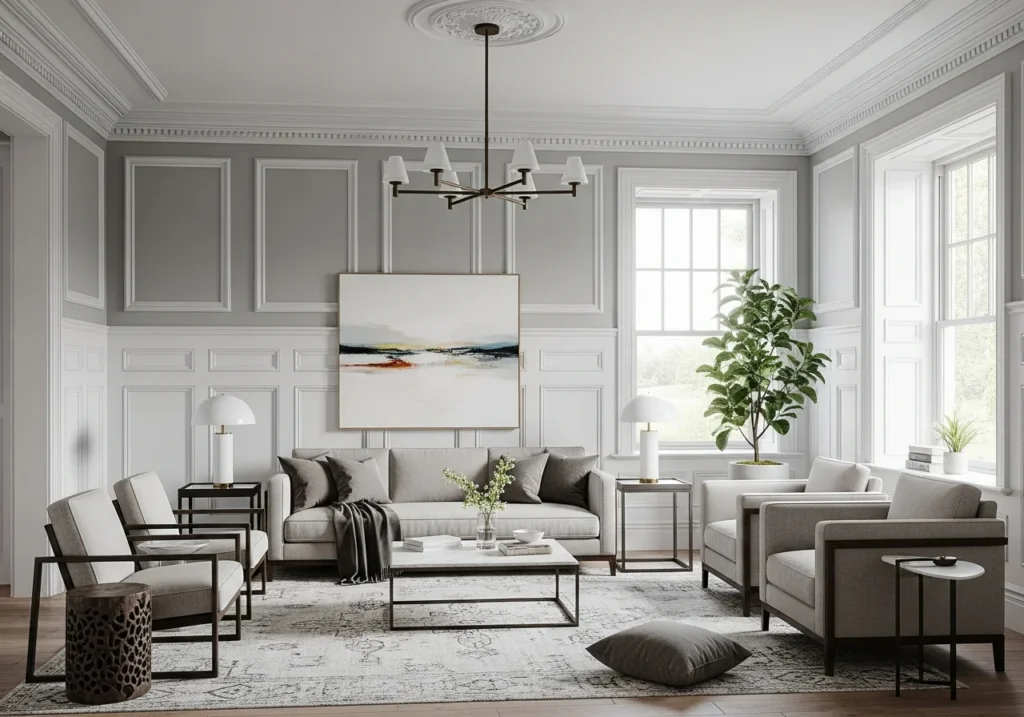
Architectural detailing adds character and perceived value to homes. Modern interpretations of classic elements create sophisticated appearances without feeling dated.
Board and batten treatments bring dimension and visual interest to plain walls. These vertical panels create rhythm and can make ceilings appear higher. Painted in room colors for subtle effect or contrasting shades for drama, board and batten designs suit both traditional and contemporary spaces.
Picture frame molding creates sophisticated wall panels that add elegance without overwhelming spaces. These raised rectangular or square shapes can be left subtle with tone-on-tone paint or emphasized with contrasting colors. The technique works beautifully in formal living rooms and traditional homes.
Coffered ceilings extend onto walls in some contemporary designs, creating continuous architectural interest that draws the eye upward. While more complex to install, these treatments add luxury and craftsmanship that elevate entire spaces.
Shiplap and horizontal planking bring farmhouse charm when executed thoughtfully. The key involves balancing rustic materials with refined furnishings to avoid overly casual appearances. Painted shiplap walls in soft whites or grays create texture while maintaining sophistication.
Lighting Integration for Wall Enhancement
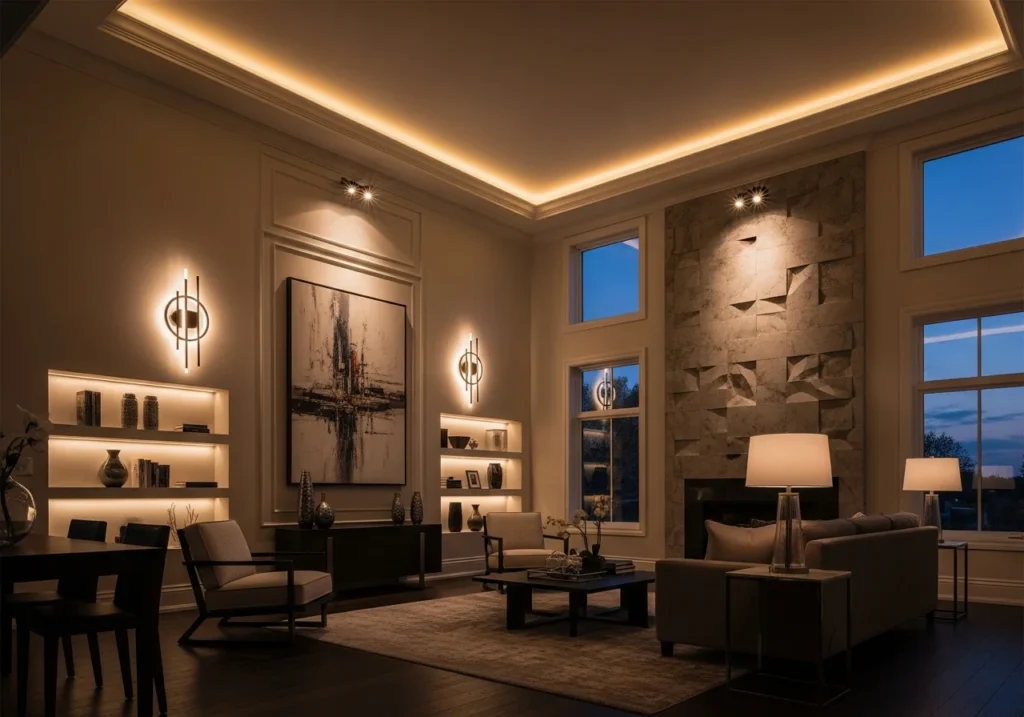
Lighting design transforms how wall treatments appear and function. Strategic illumination adds drama, highlights textures, and creates ambiance.
Wall washing techniques use concealed fixtures to bathe walls in even light, perfect for highlighting textured surfaces or artwork. LED strips hidden in crown molding or floor-level coves create subtle, atmospheric effects.
Accent lighting draws attention to specific features. Picture lights illuminate artwork, while adjustable spotlights highlight architectural details or decorative elements. This layered approach to lighting creates depth and allows mood adjustment.
Integrated shelving lights within built-in units or floating shelves showcase displayed objects while adding functional illumination. LED options offer energy efficiency and generate minimal heat, protecting sensitive items.
Decorative sconces serve both functional and aesthetic purposes. Modern designs range from sculptural art pieces to sleek minimalist fixtures. Positioning sconces flanking fireplaces, mirrors, or artwork creates balanced, elegant compositions.
Sustainable and Eco-Friendly Options
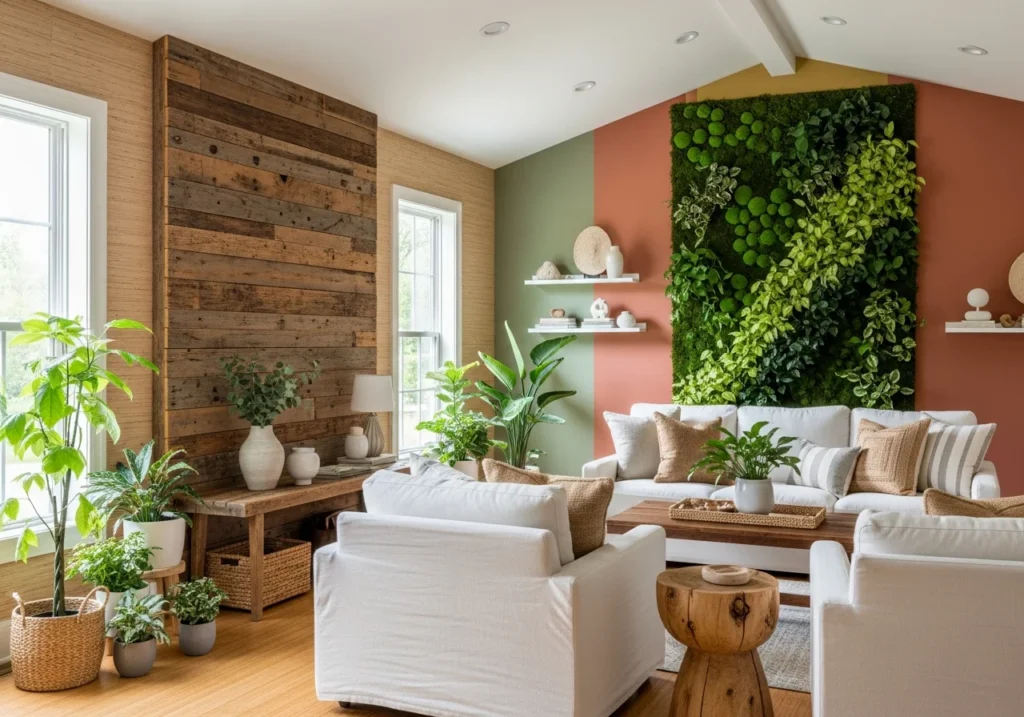
Environmental consciousness influences design choices, with homeowners seeking sustainable materials and responsible manufacturing.
Reclaimed wood panels offer character and reduce environmental impact. Each piece brings unique patina and history while preventing quality lumber from landfills. These materials work beautifully as accent walls or architectural features.
Low-VOC paints and natural plasters improve indoor air quality while eliminating harmful chemical off-gassing. Many manufacturers now offer extensive color ranges in environmentally responsible formulations.
Natural fiber wallpapers made from grasscloth, cork, or bamboo provide sustainable alternatives to vinyl products. These materials bring organic textures and promote healthier indoor environments.
Living walls and vertical gardens represent the ultimate in sustainable design, bringing actual plants into interior wall compositions. While requiring maintenance, these installations improve air quality, reduce stress, and create stunning natural focal points.
Smart Storage and Functional Wall Solutions
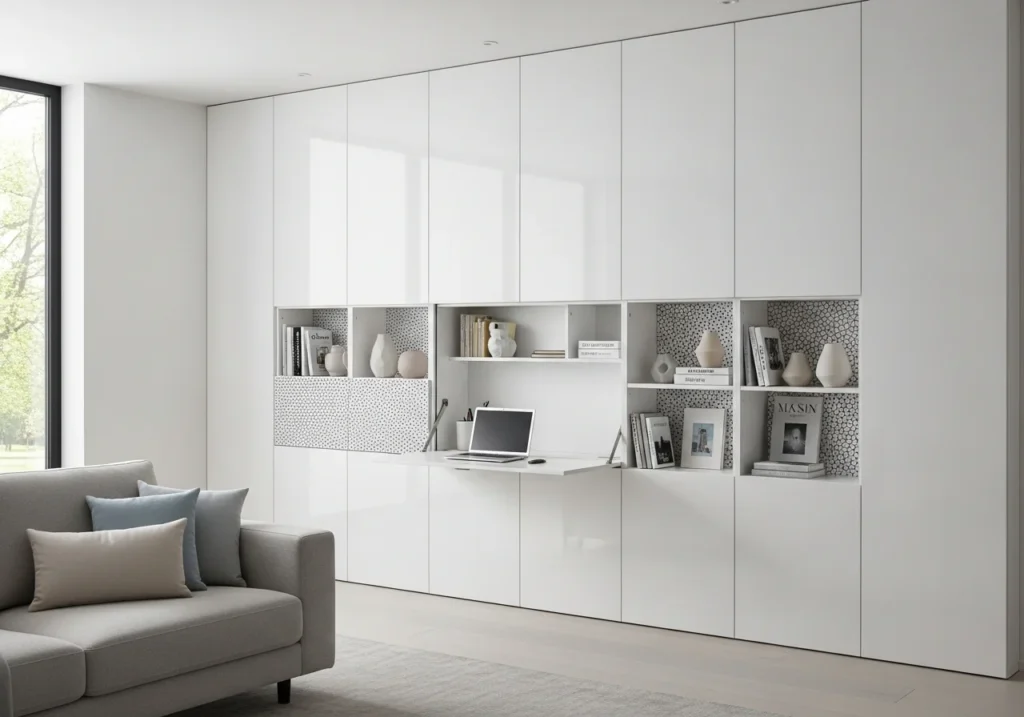
Modern living requires multifunctional spaces, and walls increasingly incorporate storage and practical functions beyond pure aesthetics.
Built-in shelving systems maximize vertical space while displaying books, collectibles, and decorative items. Custom designs accommodate specific dimensions and storage needs, creating seamless integration with room architecture.
Modular wall units offer flexibility for changing needs. These systems allow reconfiguration as your storage requirements evolve, protecting your investment while adapting to lifestyle changes.
Hidden storage compartments behind decorative panels or artwork keep spaces clutter-free while maintaining design integrity. This approach works particularly well in small spaces where every square foot matters.
Floating desks and fold-down workstations built into wall systems accommodate remote work needs without dedicating entire rooms to offices. When not in use, these elements disappear, preserving living room functionality.
Creating Your Perfect Living Room Wall Design
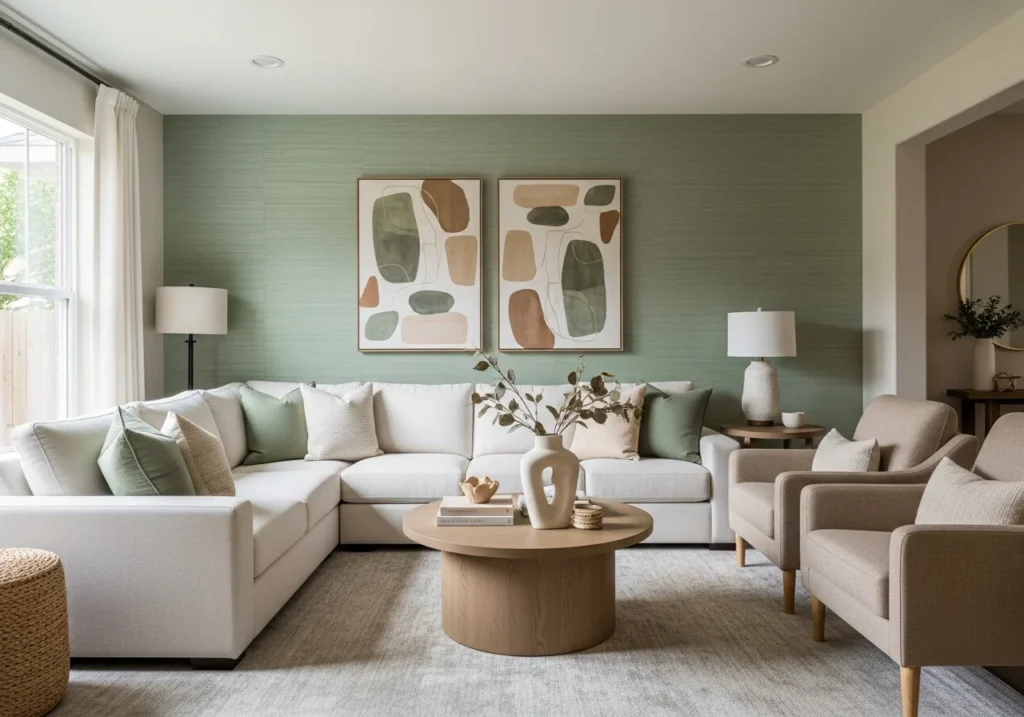
Transforming your living room walls requires balancing personal taste with design principles, practical needs with aesthetic goals. The most successful spaces reflect individual personalities while creating welcoming environments for family and guests.
Start by assessing your current space honestly. Consider which elements work well and which feel dated or unsatisfying. Think about how you use your living room and what functional needs your walls might address. This foundation ensures your design choices enhance both beauty and utility.
Gather inspiration broadly but filter it through your personal lens. What speaks to you may not suit your specific space or lifestyle. Be willing to adapt ideas rather than copying them exactly. The best interiors feel curated and personal rather than showroom-perfect.
Consider working in phases if budget constraints exist. A well-executed accent wall creates immediate impact while you plan additional changes. Quality execution of one element outperforms rushed, comprehensive changes.
Professional consultation can prove valuable, especially for complex installations or if you feel overwhelmed by options. Interior designers bring expertise in space planning, color theory, and material selection that helps avoid costly mistakes while achieving superior results.
Your living room walls form the foundation for daily life—they witness gatherings, quiet evenings, celebrations, and ordinary moments that comprise your days. Investing thought and care into their design creates spaces that genuinely enhance how you live, bringing joy and comfort for years ahead.
Frequently Asked Questions
What is the most popular living room wall color in 2026?
Warm neutrals dominate current preferences, with greige, soft taupe, and creamy beige leading choices. These versatile shades create calming backgrounds that work with various furniture styles and allow easy seasonal updates through accessories and textiles.
How much does a modern TV wall design typically cost?
Costs vary significantly based on materials and complexity. Simple painted accent walls with floating shelves might cost a few hundred dollars for DIY execution, while custom millwork with integrated lighting and stone cladding can range from three thousand to ten thousand dollars or more for professional installation.
Should I wallpaper all walls or just create an accent wall?
Accent wall applications typically work best for bold patterns or textures, preventing visual overwhelm while creating focal points. Reserve full-room wallpaper for subtle textures or small-scale patterns that add interest without dominating spaces. Consider room size, natural light, and existing furnishings when deciding.
What wall texture is best for hiding imperfections?
Textured plaster finishes, three-dimensional panels, and grasscloth wallpaper effectively disguise wall imperfections. These materials create visual interest through intentional variation, making minor flaws virtually invisible. Flat paint emphasizes every imperfection, while matte finishes with slight texture offer good compromise.
How do I choose between paint and wallpaper for my living room?
Consider maintenance preferences, budget, and commitment level. Paint offers unlimited color options, easier future changes, and lower costs. Wallpaper provides patterns and textures impossible with paint, adding instant character and sophistication. For indecisive decorators, removable wallpaper allows experimentation without permanent commitment, while painted accent walls create impact with minimal investment.
You may also like this post: Home Decor Ideas Living Room and Kitchen: 19+ Minimalist Designs for Small Spaces 2026